 19D / 18N
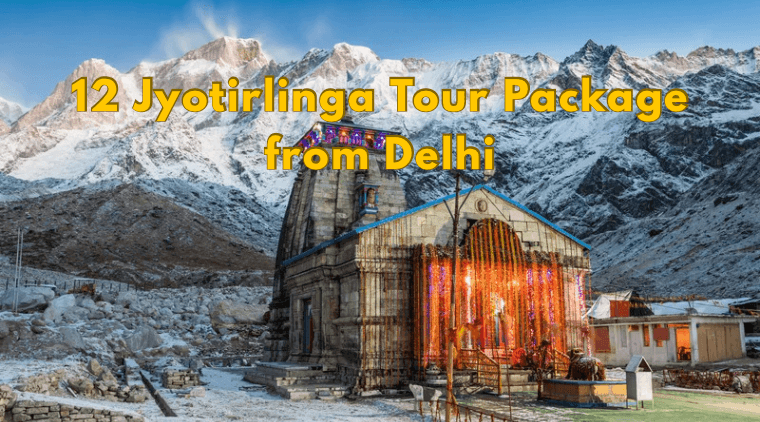
12 Jyotirlinga Tour Package from Delhi
● Starts Delhi
From₹85,000* / person
Explore →EMI from ₹4,162/mo
UNESCO World Heritage · Cultural · inscribed 2004
Chhatrapati Shivaji Terminus, which older Mumbaikars still lovingly call VT, is the grandest railway station in India. UNESCO placed it on the World Heritage List in 2004, yet it is not a museum piece. More than three million people pass through it every day, and that living energy is exactly what makes a visit here special.
In the second half of the 19th century, Bombay was growing into the biggest trading port of India, and the Great Indian Peninsula Railway needed a headquarters worthy of that wealth. The British architect F. W. Stevens designed the building, and work began in 1878. It took about ten years to complete, and the station was named Victoria Terminus for the British queen. It was the first terminus station in the subcontinent.
What makes the building so admired is the way it was made. Stevens drew a High Victorian Gothic design based on late medieval Italian models, but Indian craftsmen carved and built it, and they brought their own tradition into the stone. The great dome, the turrets and the pointed arches feel close to Indian palace architecture. UNESCO honoured the station in 2004 exactly for this meeting of two cultures, a style that belongs to Mumbai alone.
The station was renamed Chhatrapati Shivaji Terminus in 1996, after the great Maratha king, and in 2017 the word Maharaj was added to the name. Locals simply say CST or CSMT, and many still say VT out of old habit. All three names mean the same beloved building.
Stand across the road and take in the full front of the building first. The stone dome rises in the centre, and all over the facade you will find carvings of Indian animals, birds and plants, gargoyles, portrait roundels of human faces and rose windows filled with stone mesh. The entrance gate columns carry a lion for Britain and a tiger for India. On the facade are relief busts of the ten directors of the old Great Indian Peninsula Railway.
Inside, the old booking hall is known as the Star Chamber, with ribbed vaults, stained glass and polished granite columns. You can walk through the public concourse like any traveller. The platforms beyond need a journey ticket or a platform ticket, as in any Indian station.
There is also a railway heritage museum and gallery inside the heritage wing, with old railway crockery, telephones, brass bells and models, and guided visits that show you the dining hall, the dome and views of the Star Chamber. It has generally opened on weekday afternoons and stays closed on weekends, but the pattern changes from time to time, so please check with Central Railway or your consultant before you plan your visit around it. There is a small entry charge, please confirm the current rate.
The station itself works round the clock, every day of the year. For a calm look at the architecture, come mid morning or early afternoon, between the two office rushes. The morning rush runs roughly from 8 to 11 and the evening rush from 5 to 9, and in those hours the crowd moves like a river.
November to February is the kindest season for walking around the Fort district. And do come back after dark at least once. The building is lit up beautifully at night, and the view from across the road, near the municipal corporation headquarters, is one of the finest city sights in India.
This is the easiest question we ever answer, because CSMT is itself the great railhead of Mumbai. Suburban trains from all along the Central and Harbour lines end here, and long distance trains from across India arrive here every day.
If you are flying in, Mumbai's international airport is about 22 km away, and the drive takes 1 to 2 hours depending on the traffic. The station sits at the edge of the Fort district, about 3 km from the Gateway of India and Colaba, so most travellers see it as part of a South Mumbai day.
Remember that this is a working station, not a monument with a gate. Lakhs of office goers depend on it, so keep to the side during rush hours, keep your bags close, and do not block staircases for photographs. Security staff are present everywhere, and a polite word goes a long way.
The best exterior photographs come from the traffic island across the road, in the soft light of early morning or after the lights come on at night. For the inside, the Star Chamber booking hall is open to all.
Combine your visit with a walk through the Fort district. The Victorian Gothic and Art Deco Ensembles of Mumbai, another World Heritage Site, begin a short walk away at Oval Maidan, and together they make a wonderful half day of heritage on foot.
If you or your parents grew up in Bombay, this building needs no introduction. It is still the VT of your memories, and the local trains still thunder in and out exactly as they did. Keep one evening free to see it lit up.
Many of our overseas guests stay in Colaba or Fort, and from there the station is a short ride away. If you want the heritage museum visit, ask us to confirm the current timings before you fix your Mumbai days, since it follows office hours and not tourist hours.
Yes. The public concourse and the old booking hall, the Star Chamber, are open to everyone. To step onto the platforms you need a journey ticket or a platform ticket, as at any Indian station. The heritage museum inside the building has its own timings and a small entry charge.
Yes, a railway heritage museum and gallery inside the heritage wing, with guided visits that include views of the dome and the Star Chamber. It has generally opened on weekday afternoons and stayed closed on weekends, but timings change, so please check with Central Railway or your consultant before you go.
Yes. The station opened as Victoria Terminus in the 1880s, was renamed Chhatrapati Shivaji Terminus in 1996, and the word Maharaj was added in 2017. Mumbaikars use VT, CST and CSMT for the same building.
Early morning for soft light, and night for the illuminated facade. The classic view is from across the road, near the municipal corporation headquarters. Avoid the office rush hours if you want space to stand and compose your shot.
UNESCO listed it in 2004 because it is an outstanding example of Victorian Gothic architecture blended with Indian traditional design. British architects and Indian craftsmen together created a style unique to Mumbai, and the building still serves its original purpose after more than 130 years.
A note on the tours below. These packages travel close to Chhatrapati Shivaji Terminus, but a package may not include a guided visit to the site itself. If you would like this place added to your journey, please tell your Way to India travel consultant and they will happily build it into your itinerary for you.
19D / 18NYou stay at Mumbai
 18D / 17N
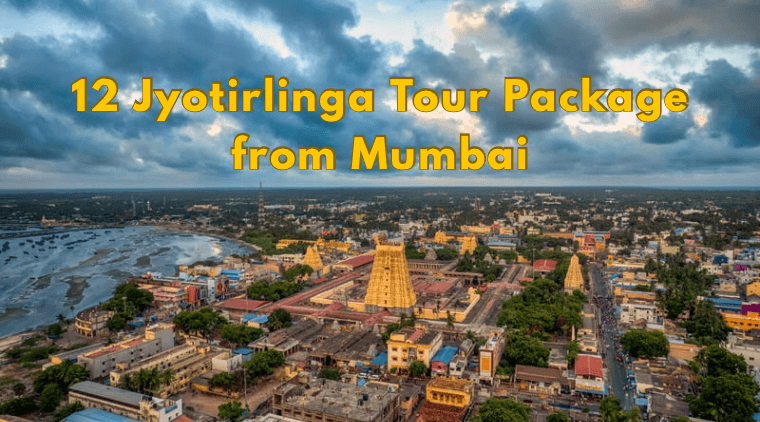
You stay at Mumbai
 7D / 6N
You stay at Mumbai
You stay at Mumbai
 6D / 5N
You stay at Mumbai
 9D / 8N
You stay at Mumbai
 7D / 6N
You stay at Mumbai
 4D / 3N
You stay at Mumbai
 6D / 5N
You stay at Mumbai
 4D / 3N
You stay at Mumbai
 7D / 6N
You stay at Mumbai
 13D / 12N
You stay at Mumbai
 6D / 5N
You stay at Mumbai
You stay at Mumbai
 6D / 5N
You stay at Mumbai
 3D / 2N
You stay at Mumbai
 6D / 5N
You stay at Mumbai
Explore Way to India
© 2026 Way to India. All rights reserved.