 19D / 18N
12 Jyotirlinga Tour Package from Delhi
● Starts Delhi
From₹85,000* / person
Explore →EMI from ₹4,162/mo
UNESCO World Heritage · Cultural · inscribed 1987
An hour by boat from the Gateway of India, on a small green island in Mumbai harbour, ancient sculptors cut whole temples of Lord Shiva out of living rock. The Elephanta Caves hold the Maheshmurti, the great three-faced Shiva, which many count among the noblest sculptures ever carved in India. It is the most rewarding half day trip you can make from Mumbai.
The island's old name is Gharapuri. Around the mid-5th to 6th centuries CE, master craftsmen cut a great cave temple of Lord Shiva into the basalt hill, along with several smaller caves. Nobody knows for certain which king ordered the work; the dynasties of the Konkan coast, such as the Kalachuris, are the usual candidates, and scholars still debate it. What is beyond debate is the quality of what they made. Historians describe the main cave as the most magnificent achievement of rock architecture in western India.
The name Elephanta came much later. When the Portuguese arrived in the 16th century, they found a large stone elephant carved from a single rock near the shore, and named the island after it. That elephant survived a fall and a failed attempt to ship it to England, and today it stands, carefully pieced together, in the garden of the Dr. Bhau Daji Lad Museum at Jijamata Udyan in Byculla, Mumbai. The caves suffered damage over the centuries, and you will see broken pillars and defaced panels, yet the power of the main sculptures comes through untouched.
UNESCO inscribed the Elephanta Caves on the World Heritage List in 1987, and the Archaeological Survey of India looks after them today. The island still has small villages, and archaeologists have found remains going back to the 2nd century BCE, so people have lived on Gharapuri for a very long time.
From the jetty, a small toy train can carry you down the long pier, and then a flight of about 120 steps climbs the hill past souvenir stalls to the caves. Take the climb slowly and keep your snacks packed away; the island monkeys are quick.
Cave 1 is the great cave, and it goes about 39 metres deep into the rock. Give your eyes a minute to adjust to the cool darkness, then walk in. At the far side you will meet the Maheshmurti, also called the Trimurti of Elephanta: a colossal bust of Lord Shiva about 7 metres high, with three faces. The calm central face is the Lord as preserver, the fierce left face with the moustache shows his terrible aspect as Aghora or Bhairava, and the gentle right face shows his grace in the form of Vamadeva or Uma. Devotees and art lovers both stand quiet before it.
Around the cave are large sculptured panels of the Lord's deeds: Shiva as Nataraja, the cosmic dancer; Ardhanarishwara, half Shiva and half Parvati; Gangadhara, receiving the river Ganga in his matted hair; the marriage of Shiva and Parvati; the Lord as the great yogi; and Ravana trying to lift Mount Kailasa. In the middle of the cave is the garbhagriha with a large Shiva linga, still offered worship by visitors. The smaller caves beyond are quieter and mostly plain, but the walk to them through the trees is pleasant.
November to February is the best season, when Mumbai is relatively cool and the sea is calm. October and March are warmer but fine. In the monsoon months, June to September, the sea turns rough, ferries can be cancelled at short notice, and the crossing is not comfortable, so we do not suggest those months.
Remember the most important rule: the Elephanta Caves are closed every Monday, and the ferries do not run that day. Plan your Mumbai days so that Elephanta falls on any day except Monday. Go on a weekday morning if you can; weekends are crowded with local visitors.
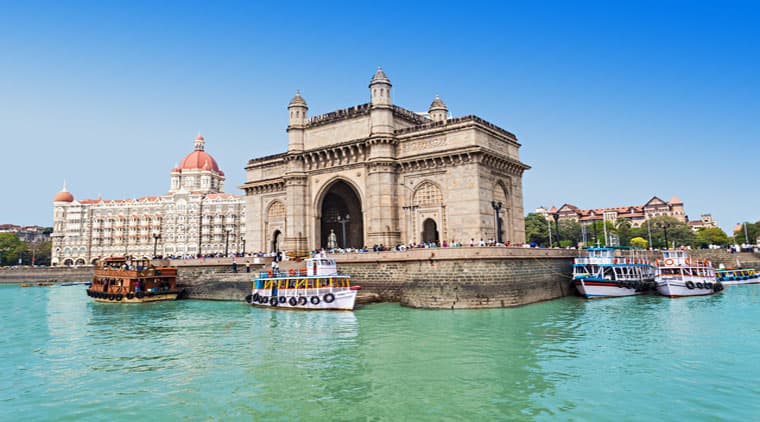
The only way to Elephanta is by boat. Ferries leave from the jetty in front of the Gateway of India in south Mumbai, and the crossing takes about an hour. Boats generally start around 9 in the morning and the last boat leaves the Gateway in the early afternoon, with the last return boat from the island around 5.30 in the evening. These timings shift with season and sea conditions, so please confirm the current ferry pattern on the day of your visit; your consultant or your hotel can check for you.
Buy your ferry ticket at the counters near the Gateway, and keep an eye on the return timing printed for your boat. On the island, allow about two to three hours for the pier, the climb, the caves and a slow look around. For our guests we usually plan Elephanta in the morning and keep the afternoon for the Gateway of India area, Colaba and the museums of the Fort district.
Wear comfortable shoes and carry a hat and water; the climb is in the open. Elders who find steps difficult can take their time, and chair carriers are sometimes available at the base for a charge; ask at the jetty. Keep your bag zipped and do not carry food in your hands, because the monkeys are bold.
There is an entry fee for the caves, separate from the ferry ticket, with different rates for Indian citizens and foreign nationals; please check the current rates. A licensed guide at the caves is worth the money, because the panels reward explanation. Photography is allowed in the caves for personal use.
Start early. The 9 am boat gives you cool hours on the island and an easy return by early afternoon. If the sea looks rough or the weather turns, do not force the trip; the caves have waited 1,500 years and will wait for your next visit to Mumbai.
If you are flying into Mumbai for a family visit, Elephanta makes a lovely half day with parents and children together, and it needs no long drive out of the city. Set aside a full morning, avoid Monday, and book a weekday if possible. Foreign passport holders pay the foreign national rate at the caves, and OCI card holders should carry their card and ask at the counter for the current provision. In the winter months the sea breeze is gentle and the crossing itself, with the Mumbai skyline behind you, becomes part of the memory.
Yes. The caves are closed every Monday, and the ferries do not operate that day. On other days the caves are open through the day. Please confirm current timings before you go.
Only by ferry from the jetty at the Gateway of India in south Mumbai. The crossing takes about an hour. Boats generally start around 9 am and the last return boat leaves the island around 5.30 pm, but timings change with season, so check on the day of your visit.
It is the colossal three-faced bust of Lord Shiva, about 7 metres high, at the heart of the main cave. The three faces show the Lord as creator, preserver and destroyer. It is counted among the greatest sculptures of India.
There are about 120 steps from the base of the hill to the caves, with stalls and shade along the way. A person of normal fitness manages easily. Elders should climb slowly, and chair carriers are sometimes available at the base for a charge.
We do not suggest it. Between June and September the sea is rough and ferry services can be cut without notice. November to February is the best time, when the sea is calm and the weather is pleasant.
Yes, there is an ASI entry fee, separate from your ferry ticket, with different rates for Indian citizens and foreign nationals. Rates change from time to time, so please check the current rate at the counter or with your consultant.
A note on the tours below. These packages travel close to Elephanta Caves, but a package may not include a guided visit to the site itself. If you would like this place added to your journey, please tell your Way to India travel consultant and they will happily build it into your itinerary for you.
19D / 18NYou stay at Mumbai
 18D / 17N
You stay at Mumbai
 7D / 6N
You stay at Mumbai
You stay at Mumbai
 6D / 5N
You stay at Mumbai
 9D / 8N
You stay at Mumbai
 7D / 6N
You stay at Mumbai
 4D / 3N
You stay at Mumbai
 6D / 5N
You stay at Mumbai
 4D / 3N
You stay at Mumbai
 7D / 6N
You stay at Mumbai
 13D / 12N
You stay at Mumbai
 6D / 5N
You stay at Mumbai
You stay at Mumbai
 6D / 5N
You stay at Mumbai
 3D / 2N
You stay at Mumbai
 6D / 5N
You stay at Mumbai
Explore Way to India
© 2026 Way to India. All rights reserved.