 10D / 9N
 All World Heritage Sites
UNESCO World Heritage · Mixed · inscribed 2016
Khangchendzonga National Park
Khangchendzonga National Park is a land of high snow mountains, old forests, glaciers and clear lakes in Sikkim, watched over by the third highest peak on earth, Mount Khangchendzonga. It is the first mixed World Heritage Site of India, honoured both for its wild beauty and for its deep sacred meaning to the people of Sikkim. For trekkers and for lovers of the Himalaya, this is one of the great journeys of the country.
The story of this place
This park sits deep within the Sikkim Himalaya and holds an amazing range of land, rising from about 1,220 metres in the low valleys to 8,586 metres at the summit of Mount Khangchendzonga, the third highest mountain in the world. Within this small area sit more than twenty peaks above 6,000 metres, many glaciers including the long Zemu glacier, and dozens of high mountain lakes. The narrow, steep land creates many different climate zones one above the other, and this is why the park is home to such rich plant and animal life.
The park was established in 1977 and later made much larger. UNESCO inscribed it on the World Heritage List in 2016, and this was a special moment, because it became the first mixed World Heritage Site of India, honoured for both its natural and its cultural value.
The mountain itself is sacred. To the Buddhists of Sikkim the whole region is a beyul, a hidden sacred land, and to the Lepcha people, the oldest inhabitants, it is Mayel Lyang, their mythical homeland. The guardian deity of Sikkim, Dzonga, is believed to live on the mountain. Every year the people of Sikkim honour the mountain with rituals such as the Pang Lhabsol. Out of this deep respect, the very summit of the mountain is left untouched, and it is not climbed. When you travel here, you are walking through a landscape that the local people hold as holy, and it is right to move through it gently and with respect.
What you will see
The great sight of the park is the mountain wall of Khangchendzonga and its neighbouring peaks, glowing gold at sunrise and silver by day, seen across old forests and deep valleys. Below the snow, the park protects thick forests of oak, fir and rhododendron, which burst into flower in spring, and above them lie alpine meadows, glaciers and lakes.
The park shelters rare Himalayan wildlife. It is home to the snow leopard, the shy king of these heights, and to the beautiful red panda, along with the Himalayan tahr, blue sheep, the goral, the serow and the musk deer. Six kinds of wild cat have been recorded here, and the park is also very rich in birds. Most of this wildlife is shy and lives high up, so a sighting is a matter of luck and patience, but the land itself, its forests and its peaks, is the true reward.
Most travellers experience the park on foot, on a trek, because the high country is reached by walking trails, not by road. The forests, the ridges, the mani walls and prayer flags, and the sudden opening of a valley to reveal the great peak ahead, are what stay in your heart.
The Goecha La trek
The most famous journey in the park is the Goecha La trek, which begins at the mountain village of Yuksom in West Sikkim. Yuksom is a place of great meaning, remembered as the first capital of Sikkim, and it is the starting point for the walk into the high country.
The trail climbs slowly through forest to Dzongri, a high meadow with wide mountain views, and then on towards Goecha La, a high pass that gives a close and grand view of Mount Khangchendzonga. The full trek is roughly 90 km up and back and takes several days, gaining a great deal of height, so it asks for good fitness and time to get used to the altitude. Those with less time often walk the shorter Dzongri route, which still gives beautiful views.
This is a real Himalayan trek at high altitude, done only with a registered guide and a proper support team. Go slowly, let your body get used to the height, and never rush the climb. Your Way to India consultant will arrange a trusted local trekking team, the porters and the camping so that you walk safely and enjoy every day.
Permits and best time to visit
Entry into this park is controlled, and you cannot simply walk in on your own. Every trekker needs the right permits, and these are arranged through a registered Sikkim trekking operator. Indian travellers need a trekking permit for the park. Foreign nationals need more: a permit to enter the protected areas of Sikkim, and a special trekking permit that is given only to a group of two or more people, not to a single traveller, and only through a registered agency. The papers are checked and completed at Yuksom before the trek begins. Because these rules change from time to time, please let us arrange the permits for you well in advance.
The best seasons for the trek are spring, from about March to May, when the rhododendrons bloom and the forest is in flower, and autumn, from about October to November, when the skies are clear and the mountain views are at their finest. Avoid the monsoon, from June to September, when the trails are wet and leech-ridden and the views are hidden, and the deep winter, when heavy snow closes the high passes.
How to reach
The gateway for this park is the village of Yuksom in West Sikkim. The nearest airport is Pakyong, near Gangtok, and the larger and better connected airport is Bagdogra in the plains of West Bengal. The nearest major railhead is New Jalpaiguri, also in the plains.
From Bagdogra or New Jalpaiguri, it is a long and beautiful mountain drive to Yuksom, climbing through hills and valleys, and this can take the better part of a day, so most journeys keep a night on the way or at Yuksom before the trek. Your Way to India consultant will arrange the car, the permits and the trekking team, and plan the days so that you are well rested and well prepared before you set out.
For our NRI and OCI travellers
If you hold a foreign passport, please plan early, because the trekking permit for this park is given only to a group of two or more and only through a registered Sikkim agency, and the papers take time to arrange. Tell us your dates well in advance so that we can complete everything before you fly.
This is a high-altitude trek, so give yourself enough days to get used to the height, and take a doctor's advice before you travel if you have any heart or breathing concern. Mobile network in the high country is weak, so tell your family at home not to worry if you are unreachable for a few days. Many of our overseas guests tell us that walking through this sacred Himalayan land, done slowly and with respect, was the most moving part of their whole journey to India.
Questions travellers ask us
Why is Khangchendzonga called a mixed World Heritage Site?
Because it is honoured for both its natural and its cultural value. It protects snow peaks, glaciers, forests and rare wildlife, and at the same time the mountain and many natural features are sacred to the Buddhist and Lepcha people of Sikkim. When it was inscribed in 2016, it became the first mixed World Heritage Site of India.
Do I need a permit to enter the park?
Yes. Entry is controlled and needs permits arranged through a registered Sikkim trekking operator. Indian trekkers need a trekking permit. Foreign nationals also need a protected area permit and a special trekking permit that is given only to a group of two or more, not to a single traveller. We arrange all of this for our guests.
How hard is the Goecha La trek?
It is a real high-altitude Himalayan trek of roughly 90 km up and back over several days, gaining a lot of height. It asks for good fitness and time to get used to the altitude. Those with less time or fitness can do the shorter Dzongri route, which still gives lovely mountain views.
When is the best time to trek?
Spring, about March to May, when the rhododendrons bloom, and autumn, about October to November, when the skies are clear and the mountain views are best. Avoid the monsoon from June to September, and the deep winter when snow closes the high passes.
Can I climb Mount Khangchendzonga?
No, and this is important to understand. The mountain is sacred to the people of Sikkim, and out of respect for their beliefs the very summit is left untouched and is not climbed. Travellers come to trek through the park and to view the peak, not to climb it. Please honour this feeling when you visit.
A note on the tours below. These packages travel close to Khangchendzonga National Park, but a package may not include a guided visit to the site itself. If you would like this place added to your journey, please tell your Way to India travel consultant and they will happily build it into your itinerary for you.
Tours where you stay right by it
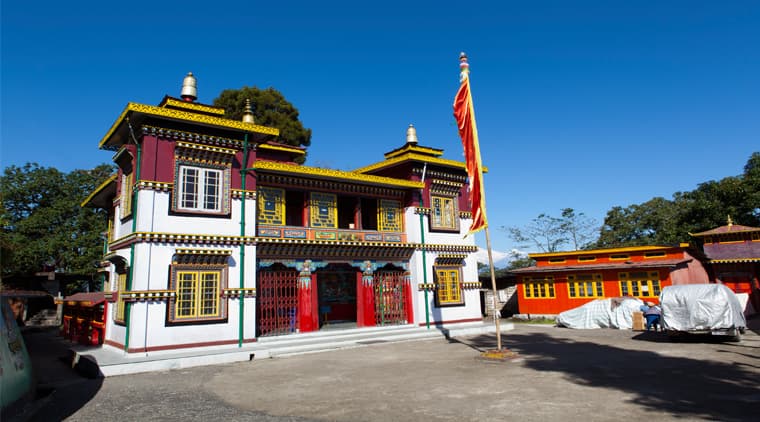
10D / 9NYou stay at Yuksom
Tours with it an easy day trip away
 7D / 6N
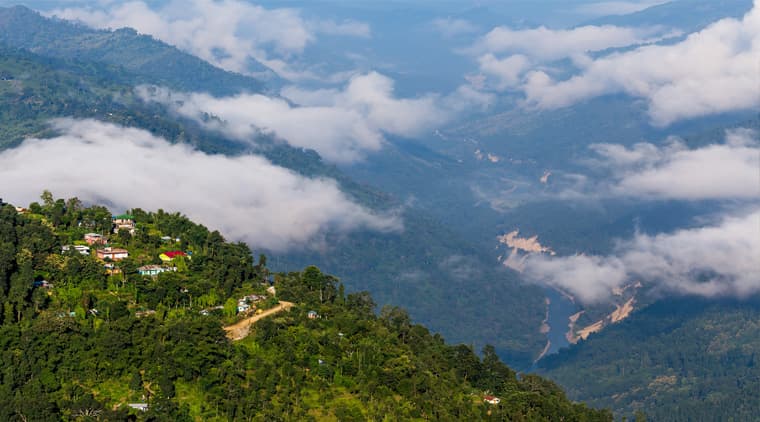
Darjeeling Gangtok Kalimpong Tour Package
● Starts Darjeeling
From₹35,923* / person
Explore →EMI from ₹1,759/mo
About 37 km from your stay at Darjeeling
 7D / 6N
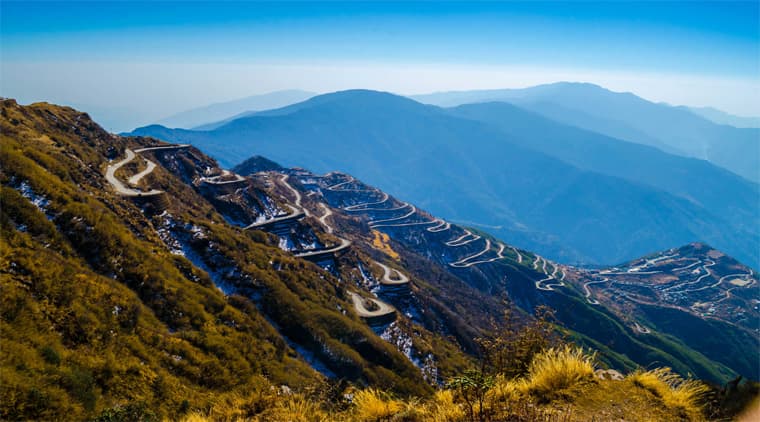
Darjeeling Gangtok Pelling Tour Package
● Starts Darjeeling
From₹35,923* / person
Explore →EMI from ₹1,759/mo
About 37 km from your stay at Darjeeling
 6D / 5N
About 37 km from your stay at Darjeeling
 6D / 5N
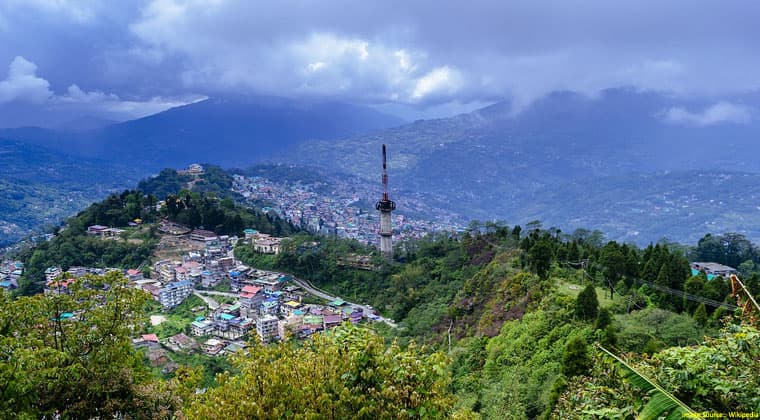
Eastern Triangle Tour
From₹30,490* / person
Explore →EMI from ₹1,493/mo
About 37 km from your stay at Darjeeling
 8D / 7N
About 39 km from your stay at Gangtok