All World Heritage Sites
UNESCO World Heritage · Cultural · inscribed 1984
Sun Temple, Konark
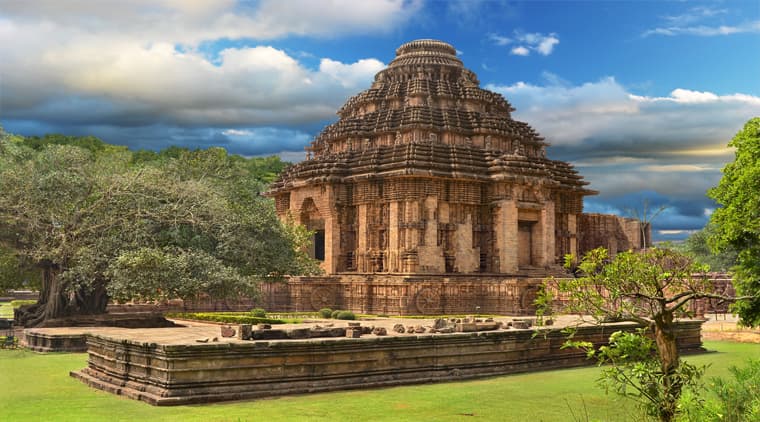
The Sun Temple at Konark in Odisha is a whole temple built as the chariot of Surya, the Sun God, with twenty four carved stone wheels and seven horses straining towards the sea. King Narasimhadeva I of the Eastern Ganga dynasty raised it in the 13th century, and UNESCO protects it today as a World Heritage Site. Even in its ruined state, it is one of the most powerful sights in India.
The story of this place
In the 13th century, around 1250 CE, King Narasimhadeva I of the Eastern Ganga dynasty built this temple to Surya on the shore of the Bay of Bengal. The whole structure was conceived as the Sun God's chariot. Twelve pairs of giant wheels are carved along its sides, and seven horses pull it towards the sunrise, for the temple faces east so that the first rays strike its entrance. The tradition, recorded even in the UNESCO citation, says that 1,200 artisans laboured for twelve years, and it tells of the deep dedication of the master builder Bisu Moharana, whose own son joined the work.
The temple's later story is one of grandeur and grief. European sailors called it the Black Pagoda and used it as a landmark on the Bay of Bengal. The main sanctum tower, once towering far above everything else on this coast, was ruined in the centuries that followed, whether by attack, by cyclone or by the weakness of the stone is still debated by historians. Its last standing fragment fell in 1848. The Aruna Stambha, the pillar of Surya's charioteer that stood before the temple, was moved in the 18th century to the Singhadwara of the Jagannath temple at Puri, where you can see it today.
UNESCO inscribed Konark on the World Heritage List in 1984, and the temple appears on the reverse of the Indian ten rupee note.
The sealed interior, told honestly
You should know this before you go, because many websites are not clear about it: you cannot go inside the Sun Temple. In 1903, the British administration feared that the great jagamohana, the audience hall that is the main surviving structure, would collapse. So they filled it completely with sand and sealed it shut. No one has entered it for more than a century.
There is now real movement on this. The Archaeological Survey of India, working with experts from IIT Madras, has taken up the careful removal of that century old sand so that the hall can be strengthened from within, and the work has been progressing through 2026. The ASI hopes to open the jagamohana to the public in the future, but as of today the interior remains closed, and there is no worship conducted at Konark. It is a protected monument, not a living temple. What you visit is the outside, and the outside is one of the greatest galleries of stone sculpture on earth. If entering the hall matters to you, ask your Way to India consultant for the current position before you travel.
What you will see
The jagamohana rises like a stone pyramid to about 39 metres, and on its terraces stand large figures of female musicians playing to the rising sun. The lost main sanctum behind it was far taller still; its base and lower walls remain, and standing there you can imagine what this shore looked like seven centuries ago.
The wheels are the soul of Konark. There are 24 of them, each about 3 metres across, carved with a jeweller's patience, and they are working sundials; a good guide will read the time for you from the shadow of the spokes. Along the plinth run friezes of elephants, soldiers, musicians, dancers and scenes of everyday life, from a mother blessing her son to travellers cooking by the roadside. Some panels celebrate married love with complete frankness, in the same spirit as Khajuraho, shown as one part of the whole of human life.
Within the compound are the ruins of the Mayadevi temple, an older Surya shrine, and an ancient kitchen complex. Keep time for the ASI's Konark Archaeological Museum nearby, where fallen sculptures are beautifully displayed, and for Chandrabhaga beach, about 3 km away, where pilgrims have greeted the sunrise for centuries.
Best time to visit
Winter, from October to February, is the season the ASI itself recommends, with clear skies and a pleasant sea breeze. Summer on this coast is hot and humid, and the monsoon brings heavy rain.
Come as early in the morning as you can. The temple faces east, and in the first light the stone glows and the chariot truly seems to move. The site is open every day, from sunrise to sunset, with no weekly closure.
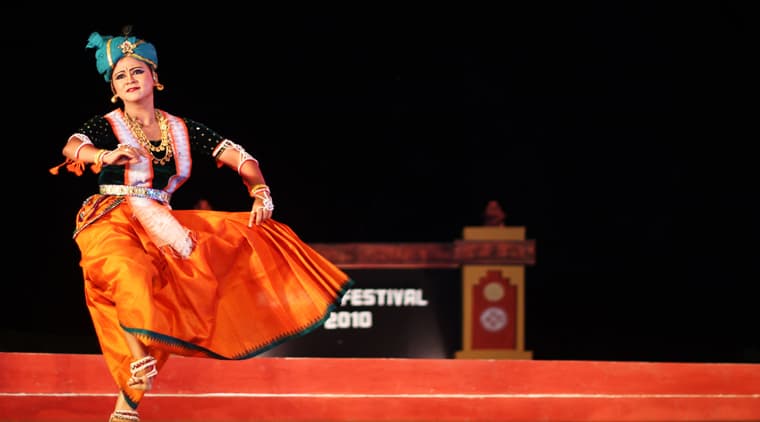
Two events are worth planning around. The Konark Dance Festival, held in the first week of December, sets classical dance against the floodlit temple, with a sand art festival on Chandrabhaga beach in the same days. And on Magha Saptami, usually in February, thousands of pilgrims take a holy dip at Chandrabhaga at dawn and offer prayers to Surya, a tradition that keeps the spirit of this temple alive.
How to reach
The nearest airport is Biju Patnaik International Airport at Bhubaneswar, about 65 km away, with direct flights from all major Indian cities. The nearest convenient railhead is Puri, about 35 km away, and both Puri and Bhubaneswar are major stations on the Indian Railways network.
The drive from Puri to Konark runs close to the coast and is a pleasure in itself. Most of our guests stay at Puri, take darshan of Lord Jagannath, and visit Konark the same day or the next morning. The classic Odisha circuit joins Bhubaneswar, Puri and Konark in one smooth triangle, and three to four days cover it well.
Tips from our travel experts
Keep two to three hours at the temple, plus time for the museum. There is an entry fee, with different rates for Indian citizens and foreign nationals; rates change from time to time, so please check the current rate on the official ASI website or ask your consultant.
Take a licensed guide. Konark is a book written in stone, and without a guide you will see decoration where there are actually stories, calendars and sundials. Morning light is best for photography, since the main face of the temple looks east.
Carry a cap and water; the compound is open to the sky and the sea air is strong. And keep your evening free for Chandrabhaga beach or the coastal drive back to Puri.
For our NRI and OCI travellers
Bhubaneswar is an easy gateway, with direct flights from Delhi, Mumbai and other metros, so Konark fits neatly into any east India plan. Carry your OCI card at the ticket counter; ASI monuments have had special provisions for OCI card holders, and staff will guide you as per the current rule.
Many of our overseas guests combine Konark with Puri Jagannath darshan and the temples of Bhubaneswar in one unhurried three or four day visit. If your parents are travelling, the compound involves easy, level walking, gentle on elders.
Questions travellers ask us
Can I go inside the Sun Temple at Konark?
No. The interior of the jagamohana was filled with sand and sealed in 1903 to save it from collapse, and no visitor has entered since. The ASI, with IIT Madras, is now carefully removing the sand and strengthening the hall, and hopes to open it in the future. Please check the current position before you travel.
Is worship still performed at Konark?
No. Konark is a protected monument, not a living temple, and there is no deity under worship inside. Pilgrims still honour Surya here, especially on Magha Saptami in February, when thousands take a holy dip at Chandrabhaga beach at dawn and offer prayers facing the sun.
Is Konark open every day?
Yes. The monument is open every day from sunrise to sunset, with no weekly closure. Early morning is the finest time, when the rising sun lights the eastern face of the temple.
Why is Konark called the Black Pagoda?
European sailors on the Bay of Bengal used the dark tiered tower of Konark as a landmark from the sea and called it the Black Pagoda, while the white Jagannath temple at Puri was their White Pagoda. The name has stayed in books ever since.
What happened to the main tower of the temple?
The great sanctum tower was ruined over the centuries, and historians still debate the exact cause, from attacks to cyclones to the weathering of the stone. Its last standing portion fell in 1848. The pyramid shaped jagamohana, about 39 metres high, is the main structure you see today.
How far is Konark from Puri and Bhubaneswar?
Konark is about 35 km from Puri and about 65 km from Bhubaneswar. Most travellers stay at Puri, visit Konark by road along the coast, and cover Bhubaneswar, Puri and Konark together in three to four days.
A note on the tours below. These packages travel close to Sun Temple, Konark, but a package may not include a guided visit to the site itself. If you would like this place added to your journey, please tell your Way to India travel consultant and they will happily build it into your itinerary for you.
Tours with it a short drive away
Tours with it an easy day trip away
 4D / 3N
About 51 km from your stay at Bhubaneshwar