01
Godkhali
About 90 km from Kolkata
The jetty where the road ends and the boat begins
October to March, when the rivers are calm and the weather is dry. November to February is the most comfortable. The reserve is usually shut to tourists from about mid June to mid September.
Overview
The WayToIndia Sundarbans tour package is a 3 day, 2 night trip from Kolkata into the world's largest mangrove forest. You drive about 90 km to the Godkhali jetty, then cross by boat to a forest lodge near Sajnekhali. You spend a full day cruising the creeks of the Royal Bengal Tiger's only mangrove home, stopping at the Sudhanyakhali and Dobanki watch towers and a river village. The best months are October to March. We arrange every forest permit for you, for Indian and foreign travellers.
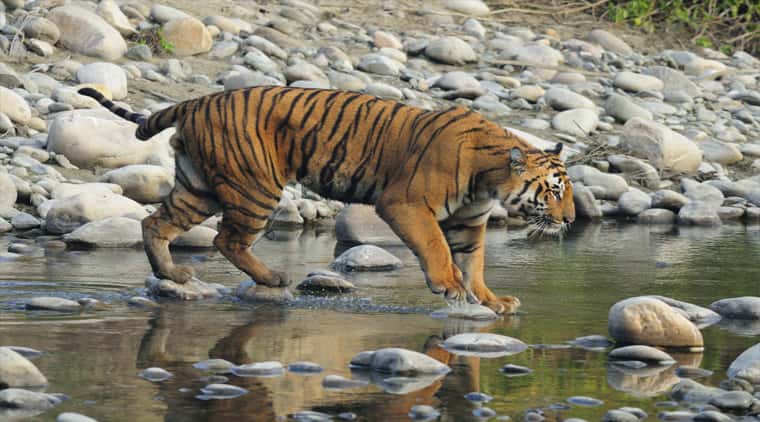
The Sundarbans is not a jeep safari park. You see it from a boat, moving slowly along wide rivers and narrow creeks. The forest is thick, the tigers are shy, and they swim and hide well. So a tiger sighting is rare, and no season can promise one.
Come for the mangroves, the birds and the river life, and you will not go home let down. If a tiger or its fresh pugmark does appear, treat it as a lucky day.
The Sundarbans lies at the southern edge of West Bengal, where the Ganga delta meets the Bay of Bengal. It is shared by India and Bangladesh. The Indian side sits in the South 24 Parganas district, about 90 km from Kolkata by road.
The Sundarbans National Park is the core of the Sundarban Tiger Reserve. The national park covers about 1,330 sq km. The whole tiger reserve covers about 2,585 sq km, and the larger biosphere reserve is bigger still. It is a World Heritage Site, listed by UNESCO in 1987, and a Ramsar wetland since 2019.
Every visitor to the Sundarbans needs a permit from the West Bengal Forest Department. For a package like this, we apply for you, so you do not stand in any queue. Please send us a photo ID for each Indian traveller a few days before you arrive.
Foreign passport holders need a special permit as well. You must carry your original passport with a valid Indian visa, and we send a scanned copy ahead to arrange the permit. OCI cardholders should check with us before booking and should carry both passport and OCI card.
The Indian Sundarbans Tiger Reserve is shut to tourists for about three months every year, from around mid June to mid September, so that wildlife can breed in quiet. This is also the heavy monsoon, when the rivers are rough. We do not run this trip in those months.
So plan for October to March. November to February gives the most comfortable weather and the calmest water. March and April are hotter, but warm days bring animals to the water, so some guests pick them for a better chance of wildlife.
Kolkata is the nearest big city and airport. From Kolkata you drive about 90 km south to the Godkhali jetty, which takes about 3 to 3.5 hours. The last part is a narrow rural road through villages and fields, so it is slower than the distance suggests.
At Godkhali the road ends at the river. From here you travel only by boat. Canning is the nearest railway station if you come by train, and we can pick you up there instead.
Spotted deer come to the river banks to drink. Estuarine crocodiles rest on the mud at low tide. Water monitor lizards, rhesus macaques and wild boar live here too. If you are lucky you may see a Gangetic dolphin roll in the river.
The Sundarbans is a birdwatcher's dream. You can see many kinds of kingfisher, herons and egrets, the white bellied sea eagle and the Brahminy kite. Keen birders come for rarities like the mangrove pitta and the masked finfoot. The forest holds around 100 tigers on the Indian side, by recent counts, but they keep well out of sight.
The villages around the forest, like Gosaba and Pakhiralay, live with the tiger as a daily fact. Honey collectors, fishers and crab catchers enter the forest at real risk.
They pray to Bonbibi, the guardian of the forest, before they go in. Hindus and Muslims of the Sundarbans worship her together. Her story, and that of the tiger spirit Dakshin Rai, is sung in a night long folk play called the Bonbibi Pala. At Gosaba you can also see the old bungalow of Sir Daniel Hamilton, who began a famous cooperative farming experiment here in the early 1900s.
Your meals are served at the lodge, and the taste is simple Bengali river food. Expect rice, dal, a fish fry, and vegetables at most meals. Bhetki and other river fish, prawns in a mild coconut gravy and local crab are the favourites. Tell us in advance if you want pure vegetarian food, and we will arrange it.
We checked the road distance on TomTom routing on 11 November 2026. The park facts come from the Wildlife Institute, UNESCO and the Sundarban Tiger Reserve. The tourist closure dates and the tiger count come from recent news reports. Permit rules were checked against the forest department and the tiger reserve sources. Fees change often, so we do not print them here. Please confirm the current rate with us.
October to March, when the rivers are calm and the weather is dry. November to February is the most comfortable. The reserve is usually shut to tourists from about mid June to mid September.
Families, couples, bird and wildlife watchers, photographers, first time nature travellers, NRI and OCI visitors
Easy: boat based, some walking and heat
Day by day
A carefully paced plan, day by day. Tap any day for the stay, meals and altitude detail.
Today you leave Kolkata in the morning and drive south towards the delta. Our driver meets you and takes the Basanti highway through the green farm country of South 24 Parganas. The road narrows near the end and passes through small villages, so the drive is slower than the distance looks.
You reach Godkhali, where the road stops at the river. Here you step onto your boat. The crossing to your lodge near Sajnekhali or Pakhiralay takes about 1 to 1.5 hours, depending on the tide.
After lunch at the lodge you visit the Sajnekhali Wildlife Sanctuary. You see the Mangrove Interpretation Centre, the crocodile and turtle pond and the Bonbibi temple. Your forest permit is checked here. As the light softens, your boat moves along the creeks, and this quiet first evening on the water is often the best part of the day.
Special Tips for This Day: Start early from Kolkata, because the last stretch of road is slow. Carry a hat, sunglasses and water for the boat, as there is little shade on deck. Keep your ID copies, and for foreign guests the original passport with visa, ready for the permit check at Sajnekhali.
Today you spend the whole day on the water, which is the heart of this trip. After an early breakfast your boat sets off into the wider rivers and the narrow creeks of the tiger reserve.
You stop at the Sudhanyakhali watch tower, which has the best record for tiger sightings. From the tower you look over a sweet water pond where deer, wild boar and, now and then, a tiger come to drink. Sit quietly, because noise sends the animals away.
Later you reach Dobanki and walk its canopy path, a raised wooden walkway about 400 to 500 m long that carries you through the mangroves above the ground. Along the way your guide points out the breathing roots of the sundari trees, kingfishers, herons and mudskipper fish on the banks.
In between, you take a short walk through a river village near Gosaba or Pakhiralay to see daily life, the fish ponds and the brick paths. In the evening, back at the lodge, you watch a Bonbibi Pala, the local folk play that tells the story of the forest goddess, followed by dinner.
Special Tips for This Day: Keep your voice low and your phone on silent at the watch towers, because quiet means a better chance of seeing wildlife. Wear dull green or brown clothes, not bright colours. Carry binoculars if you have them, and a zoom lens, as the animals stay far off. Stay seated inside the boat and never go to the water's edge in the forest.
Today you take one last morning cruise, when the air is cool and the birds are most active. This is a good time for photographs of the creeks in soft light and for a final look for wildlife on the banks.
You return to the lodge for breakfast and then board your boat back to Godkhali. From there your car drives you to Kolkata, where the trip ends. If you have an evening flight, there is time to reach the airport in comfort.
Special Tips for This Day: Do not book an early afternoon flight from Kolkata, because the boat and the road both take time and the tide can delay the crossing. Keep a buffer. Carry any wild honey you buy in a sealed bag inside your main luggage, not your hand bag, for the flight.
Temples on the way
On this journey you come close to 1 holy temple of India, from the Shakti Peetha circuit. Below you can see each temple and how far it is from where you stay, so you can plan your darshan with a calm mind and enough time.
Shakti Peetha · Shakti · West Bengal
While you stay at Kolkata, you can have darshan at Kalighat Shakti Peetha.
UNESCO World Heritage
This tour takes you close to 1 UNESCO World Heritage Site of India. These are places the world has recognised as our shared treasure. Below you can see each one and how far it is from where you stay, so you can plan your darshan and sightseeing with time to spare.
Natural · Inscribed 1987 · West Bengal
Sundarbans National Park makes an easy day trip from your stay at Kolkata (about 42 km).
Want to plan your trip around India’s World Heritage Sites? See all UNESCO World Heritage Sites of India.
Travel tips
Permits, the season, the tide and the boat decide a Sundarbans trip more than anything else. Here is what you need to know, in one place, before you travel and while you are there.
Every visitor needs a Forest Department permit. Foreign passport holders need a special permit as well. For a package, we apply for you.
Your permit is checked at the Sajnekhali office when you enter. Keep your ID and permit papers handy on the boat.
The season is October to March. November to February is the most comfortable, with dry weather and calm water.
The Indian Sundarbans Tiger Reserve is shut to tourists for about three months every year, from around mid June to mid September, so that wildlife can breed in quiet.
A tiger sighting is rare and cannot be promised. Come for the mangroves, the birds and the river, and a tiger is a bonus.
You drive about 90 km from Kolkata to the Godkhali jetty, then travel only by boat.
We use registered boats with life jackets and a local guide. A few simple rules keep everyone safe.
The real reward is the birds and the river life. Carry binoculars and a zoom lens if you have them.
The villages live with the tiger as a daily fact. Honey collectors and fishers pray to Bonbibi before they enter the forest.
Meals are served at the lodge, in simple Bengali river style. The one thing to take home is wild Sundarbans honey.
A still creek, a kingfisher, a pugmark in the mud.
You may not see the tiger, but you will feel it near. The Sundarbans rewards the patient and the quiet. Come for the mangroves and the birds, respect the water and the people who live beside it, and carry home a jar of their wild honey.
What's included
What travellers say
“Had a wonderful experience with way to india for my badrinath kedarnath yatra.everything was well organized-from travel accommodation to food. A special thanks to Ms. Neha who managed everything so beautifully n was extremely supportive n cooperative throughout the journey. They took great care of us n darshan was done very smoothly.”3 weeks ago · Google
“A big thanks to Way To India for organising such a truly memorable and spiritually fulfilling experience during our 12 Jyotirlinga Darshan pilgrimage from 1st May to 18th May. They organized the entire journey exceptionally well, ensuring that every aspect of the trip was smooth, comfortable, and hassle-free. From transportation and hotel arrangements to darshan planning and coordination, everything was managed professionally. Despite the extensive travel across multiple destinations, the itinerary was well-structured, allowing us to complete all the Jyotirlinga darshans comfortably. Thanks to staff of Way To India, especially, Ms Neha, who was supportive, responsive, and attentive throughout the journey, always ready to assist whenever needed. Her dedication and careful planning made this sacred pilgrimage stress-free and enjoyable. I sincerely appreciate their excellent service, commitment, and hospitality. Highly recommend Way To India to anyone planning a spiritual tour, especially for the 12 Jyotirlinga Yatra. Thank you for making this divine journey so special and memorable.”4 months ago · Google
“We have successfully completed the 12 Jyotirlinga Yatra, with Waytoindia and it was a truly blessed and unforgettable journey. Every aspect of the tour was well planned and professionally organized, from transportation and accommodations to temple visits and sightseeing. Visiting all twelve sacred Jyotirlingas was a deeply spiritual experience. The itinerary was designed efficiently, allowing us to have darshan at each shrine comfortably while enjoying the cultural and religious significance of every destination. We sincerely appreciate the excellent support and coordination throughout the trip. The team was always available to assist, ensuring a smooth and stress-free pilgrimage. Thank you Waytoindia for making our dream of completing the 12 Jyotirlinga Yatra a reality. We highly recommend this tour to anyone seeking a well-organized and spiritually enriching pilgrimage experience. Har Har Mahadev! 🙏🕉️”5 months ago · Google
Travelled with Way to India?
Share your experience on Google — it takes a minute and helps fellow travellers plan with confidence.
FAQ
Three days and two nights is the usual trip from Kolkata. It covers Sajnekhali, the Sudhanyakhali and Dobanki watch towers and a village walk at an easy pace. Add a day if you want to reach the Netidhopani core zone, which is a long boat ride deeper into the forest.
October to March is the season, and November to February is the most comfortable, with dry weather and calm water. March and April are hotter, but warm days bring animals to the river. Avoid the monsoon, and note the reserve is usually shut to tourists from about mid June to mid September.
A tiger sighting is rare and cannot be promised. The forest is dense, the tigers are shy, and they swim and hide well. There are around 100 tigers on the Indian side, by recent counts, but most visitors do not see one. Sudhanyakhali gives the best chance, so treat this as a mangrove and bird trip first.
Yes. Every visitor needs a permit from the West Bengal Forest Department. For a package like this, we apply for you, so you do not queue. Please send a photo ID for each Indian traveller a few days before you arrive.
Yes. Foreign passport holders need a special permit and must carry the original passport with a valid Indian visa. We send a scanned copy ahead to arrange it. OCI cardholders should check with us before booking and carry both passport and OCI card.
You drive about 90 km from Kolkata to the Godkhali jetty, which takes about 3 to 3.5 hours on a slow rural road. From Godkhali you travel only by boat. Canning is the nearest railway station, and we can pick you up there if you come by train.
Yes, with normal care. We use registered boats with life jackets and a local guide. Forest rules do not allow boats inside the creeks after dark, so every cruise returns before sunset. Stay seated in the boat, and never step down to the water's edge inside the forest.
You can see spotted deer, estuarine crocodiles, water monitor lizards, rhesus macaques and wild boar. Birdlife is the real reward, with many kingfishers, herons, egrets, the white bellied sea eagle and the Brahminy kite. You may also see a Gangetic dolphin roll in the river.
Yes, because the trip is boat based and gentle, with little hard walking. Keep children seated in the boat and away from the edge. The sun and heat can tire anyone, so carry water, a hat and any regular medicines, since medical help in the forest is limited.
Pack light cotton clothes, a hat and sunglasses, and a light warm layer for winter mornings and evenings. Carry mosquito repellent, sunscreen, binoculars and enough cash. Dull green or brown clothes work best on the boat, because bright colours can send wildlife away.
You may also like
 7D / 6N
 3D / 2N
 3D / 2N
 5D / 4N
 3D / 2N
 7D / 6N
Tell us your dates and group size. A WayToIndia travel expert replies within a few hours with a plan you can customise freely. Planning India journeys since 2010.
Explore Way to India
© 2026 Way to India. All rights reserved.