 5D / 4N
Madurai Rameshwaram Kanyakumari Tour Package
● Starts Madurai
From₹25,056* / person
Explore →EMI from ₹1,227/mo
Overview
South India is home to some of India's most famous temples, rich traditions, and timeless stories. This carefully planned pilgrimage takes you through sacred towns where faith, history, culture, and beautiful architecture come together. From the holy hills of Tirupati to the peaceful shores of Kanyakumari, every stop offers a unique spiritual experience and a deeper connection with India's living heritage.
Your spiritual journey begins at Sri Padmavati Ammavari Temple in Tiruchanur, where devotees seek the blessings of Goddess Padmavati before visiting Tirumala. It is believed that worshipping here first brings peace, good fortune, and a complete pilgrimage.
From Tiruchanur, you travel to the sacred hills of Tirumala, home to the world-famous Sri Venkateswara Temple, dedicated to Lord Balaji. Every year, millions of devotees visit this holy temple to offer prayers and seek blessings for health, happiness, and prosperity. The peaceful atmosphere and deep devotion make this one of India's most unforgettable pilgrimage sites.
The journey continues to the famous Pancha Bhoota Temples, which honour Lord Shiva through the five elements of nature—Earth, Water, Fire, Air, and Space. Each temple has its own history, traditions, and spiritual importance, making this part of the tour a special experience for devotees and history lovers alike.
You will also visit the stunning Sripuram Mahalakshmi Golden Temple, where the shining golden structure creates a truly memorable sight. Dedicated to Goddess Lakshmi, the temple is a symbol of wealth, prosperity, and divine blessings.
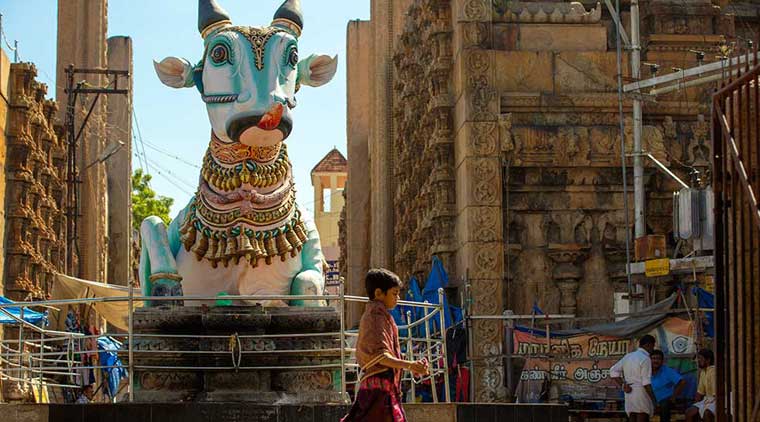
Next, the tour takes you to the ancient city of Madurai, one of the oldest living cities in India. Here you will visit the magnificent Meenakshi Amman Temple, famous for its colourful towers, detailed carvings, and rich history. Dedicated to Goddess Meenakshi and Lord Sundareswarar (Shiva), the temple is one of South India's greatest architectural treasures and an important centre of worship.
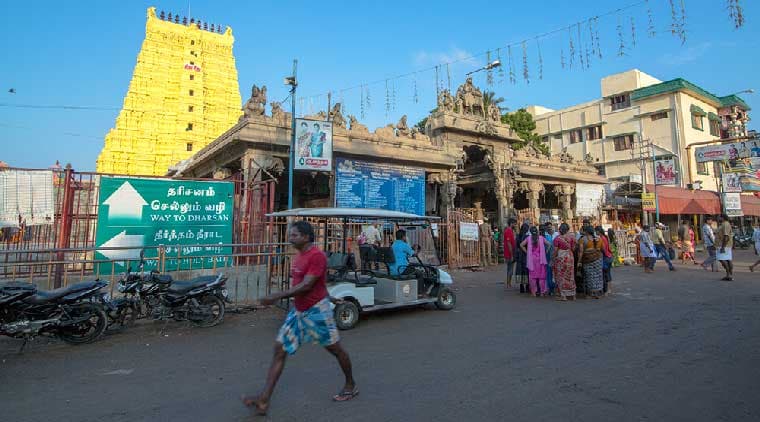
From Madurai, you travel to the holy island town of Rameshwaram, one of the most sacred places for Hindus. The famous Ramanathaswamy Temple is one of the twelve Jyotirlingas of Lord Shiva and also one of the four sacred Char Dham pilgrimage sites. Pilgrims visit its holy wells, perform traditional rituals, and pray in its long, beautifully carved corridors that are among the finest in India.
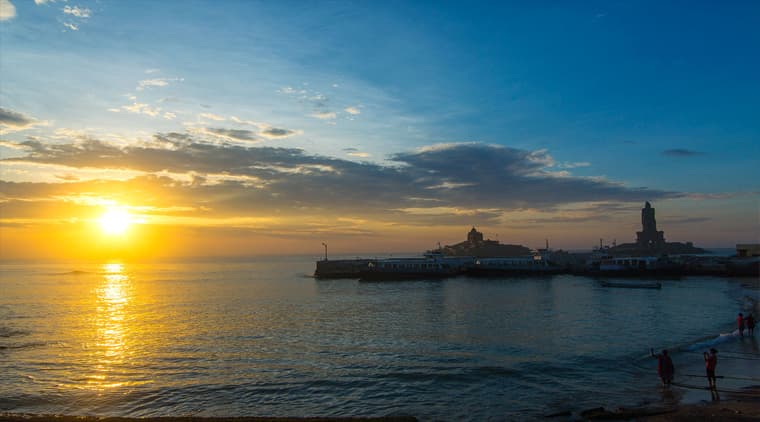
Your pilgrimage ends at Kanyakumari, the southernmost point of mainland India. Here, you visit the sacred Devi Kanyakumari Temple, one of the respected Shakti Peethas dedicated to Goddess Kanyakumari. This special place, where the Arabian Sea, the Bay of Bengal, and the Indian Ocean meet, offers both spiritual peace and breathtaking coastal views. Watching the sunrise or sunset here is a memorable way to complete your journey.
This tour brings together the three major traditions of Hindu worship—Vaishnavism, Shaivism, and Shaktism—in one meaningful pilgrimage. Along the way, you will visit some of India's most important temples, discover centuries of history and devotion, and experience the rich culture of South India. Whether you travel for faith, heritage, or personal reflection, this journey promises memories that will stay with you for a lifetime.
South India Temple Tour – A Journey of Faith, Heritage and Timeless Traditions
South India is home to some of India's most sacred temples and oldest pilgrimage towns. This carefully planned journey takes you through places where faith, history, and culture have come together for centuries. Along the way, you will discover magnificent temples, remarkable architecture, and stories that continue to inspire millions of devotees.
The tour begins with the famous Tirupati Balaji Temple, set among the scenic hills of Tirumala. It then leads you to the ancient temple city of Madurai, the holy island of Rameshwaram, the spiritual town of Tiruvannamalai, and finally Kanyakumari, where three seas meet at the southern tip of India.
Each destination has its own character. At Tirupati, you can experience one of the world's busiest and most respected pilgrimage centres. In Madurai, the beautifully carved towers of the Meenakshi Amman Temple showcase the finest traditions of South Indian temple architecture. At Rameshwaram, the sacred Ramanathaswamy Temple, one of the twelve Jyotirlingas, welcomes pilgrims from across the country. In Kanyakumari, the meeting point of the Bay of Bengal, the Arabian Sea, and the Indian Ocean creates one of India's most beautiful coastal views. If your visit matches the festival calendar, you may also witness the colourful temple car procession at Tiruvannamalai, one of the region's most celebrated religious events.
Why This Pilgrimage Is Special
This journey brings together three major traditions of Hindu worship—Vaishnavism, Shaivism, and Shaktism. During the tour, you will visit the sacred Tirumala Balaji Temple, the revered Pancha Bhoota temples, a holy Jyotirlinga, and an important Shakti Peeth. For many devotees, completing this pilgrimage is a deeply meaningful spiritual experience.
It is believed that the yatra brings peace of mind, strengthens faith, and fills life with positive energy. Many pilgrims also believe that visiting these sacred temples helps remove past karmas and brings blessings for health, happiness, and prosperity. Because it includes several of India's most important pilgrimage sites, many consider this journey equal to completing a Sarva Tirtha Yatra.
Whether you travel for faith, history, or cultural discovery, this tour offers an experience that stays with you long after you return home.
You can explore the detailed itinerary below or speak with our travel experts to customise the tour. We will be happy to design the journey around your interests, travel style, and preferred pace.
Tirumala Venkateswara Temple (Tirupati Balaji)
The Tirumala Venkateswara Temple, widely known as the Tirupati Balaji Temple, is one of the most visited pilgrimage sites in the world. It stands on the sacred Tirumala Hills in Andhra Pradesh and attracts millions of devotees every year.
The temple is dedicated to Lord Venkateswara, a form of Lord Vishnu, who is worshipped as the protector and preserver of the universe. Devotees believe that sincere prayers offered here bring peace, success, and prosperity. The temple's spiritual atmosphere, centuries-old traditions, and hilltop setting make it one of the most memorable places to visit in South India.
August - April
Families, Couples - Hindus
Easy
Day by day
A carefully paced plan, day by day. Tap any day for the stay, meals and altitude detail.
Your South India temple journey begins in Chennai, one of the best gateways to the region. The city is well connected by flights and trains from across India and overseas. On arrival at Chennai Airport or Railway Station, you will be welcomed by our tour representative before setting off for Tirupati by road.
The drive to Tirupati covers about 135 km and takes around 4 to 5 hours via NH716. Along the way, you can enjoy changing views of the countryside before reaching one of India's most important pilgrimage towns.
After arriving in Tirupati, check in to your hotel and take some time to relax after the journey.
If time allows, visit the Sri Padmavati Ammavari Temple at Tiruchanur, a few kilometres from Tirupati. The temple is dedicated to Goddess Padmavati, the divine consort of Lord Venkateswara. According to local tradition, the goddess appeared from a golden lotus in the sacred Padma Sarovar, making this temple an important place of worship.
Many devotees believe that a pilgrimage to Tirumala is complete only after offering prayers at the Padmavati Temple. For this reason, pilgrims often visit this shrine before seeking the blessings of Lord Balaji. The temple is managed by the Tirumala Tirupati Devasthanams (TTD) and attracts devotees throughout the year. Visitors usually pray for family happiness, a peaceful married life, and prosperity. Modest clothing is recommended while visiting the temple, and visitors are expected to follow the temple's customs.
If you have free time in the evening, you can also visit Sri Venkateswara National Park, located on the outskirts of Tirupati. Spread across the Eastern Ghats, the park is known for its thick forests, waterfalls, wildlife, and rich birdlife. It is a pleasant place for nature lovers who would like to spend a few hours away from the busy temple town.
Visitor Information
Distance from Tirupati: Around 10–15 km (depending on the entry gate)
Opening Hours: Daily, 9:00 AM to 5:00 PM
Closed: Occasionally during severe weather or maintenance work
Entry Fee:
Indian Adults: ₹50
Foreign Visitors: ₹100
Still Camera: ₹50
Video Camera: ₹250
Private Vehicle: ₹250
Return to your hotel and enjoy a comfortable overnight stay in Tirupati.
Start your day early with a visit to the sacred Sri Venkateswara Temple at Tirumala, one of the world's most visited Hindu pilgrimage sites. The temple is about 22 km from Tirupati, and the drive up the scenic Tirumala Hills takes around 1.5 to 2 hours.
Dedicated to Lord Venkateswara, a form of Lord Vishnu, the temple is known for its deep spiritual importance and centuries-old traditions. Millions of devotees visit every year to seek blessings for health, happiness, and prosperity. The temple opens in the early hours of the morning, and many pilgrims choose the Special Entry Darshan, which is available at an additional cost (subject to change).
The temple stands on one of the seven sacred hills of Tirumala and is a fine example of Dravidian architecture. Its golden temple tower, known as Ananda Nilayam, is one of its most recognisable features. Inside, the beautifully decorated idol of Lord Venkateswara is adorned with gold, precious jewels, and fresh flowers.
According to Hindu tradition, Lord Vishnu appeared here during the Kali Yuga as Lord Venkateswara to guide and protect humanity. The temple is also closely linked with the story of his marriage to Goddess Padmavati, and devotees believe that sincere prayers offered here are answered with faith and compassion.
If time allows after your darshan, you may visit Silathoranam, a rare natural rock arch located close to the temple. Formed over millions of years, this unusual geological formation is also regarded as a sacred landmark because of its proximity to Tirumala.
After returning to Tirupati, continue your journey towards Tiruvannamalai, with an important stop at the Sripuram Mahalakshmi Golden Temple near Vellore. The drive from Tirupati to Sripuram takes about 2.5 to 3 hours.
Dedicated to Goddess Mahalakshmi, the Sripuram Golden Temple is famous for its gold-covered shrine and peaceful surroundings. Before reaching the main sanctum, visitors walk along a beautifully designed 1.8-km star-shaped pathway, creating a calm and reflective start to the darshan. Most visitors spend around one to one-and-a-half hours exploring the temple and offering prayers.
From Sripuram, continue to Tiruvannamalai, which is around 90 km away. This ancient temple town is best known for the Arunachaleswarar Temple, one of the sacred Pancha Bhoota Sthalas, where Lord Shiva is worshipped as the element of Fire (Agni).
According to legend, Lord Shiva appeared here as an endless pillar of fire to reveal his supreme power. The sacred Annamalai Hill behind the temple is an important place of worship, and thousands of pilgrims perform Girivalam, a walk around the hill, especially on full moon nights.
On arrival, check in to your hotel and relax. If you arrive early, you may also visit nearby attractions such as Sri Ramana Ashram, the Jain Temple Complex, Sathanur Dam, or enjoy peaceful views of Annamalai Hill.
Start early to avoid heavy crowds at Tirumala.
Wear modest clothing suitable for temple visits.
Carry drinking water and comfortable footwear for sightseeing.
Follow temple rules and local customs during darshan.
Keep a valid photo ID for temple entry where required.
Overnight stay in Tiruvannamalai.
After breakfast, leave Tiruvannamalai and begin your drive to Madurai, one of the oldest continuously inhabited cities in India. The journey takes around 6 to 7 hours through the heart of Tamil Nadu, passing small towns, villages, and stretches of countryside.
On arrival in Madurai, check in to your hotel and relax.
Known as the "Temple City of Tamil Nadu", Madurai has been an important centre of culture, trade, and learning for more than 2,000 years. The city is built around the magnificent Meenakshi Amman Temple, which remains the heart of daily life and one of South India's greatest architectural treasures. Often called the "City That Never Sleeps," Madurai is famous for its lively streets, traditional markets, and colourful festivals that continue well into the night.
If time permits, visit the spectacular Meenakshi Amman Temple, dedicated to Goddess Meenakshi and Lord Sundareswarar (Shiva). The temple is admired for its soaring gateway towers, detailed stone carvings, and vibrant sculptures, making it one of the finest examples of Dravidian architecture.
The Thousand Pillar Hall
One of the temple's most remarkable attractions is the famous Thousand Pillar Hall. Every pillar is carved with unique designs, showcasing the skill and craftsmanship of the Pandya period. Today, the hall also houses a museum displaying sculptures, temple art, and historical artefacts.
The Colourful Gopurams
The temple has 14 beautifully decorated gopurams, or gateway towers. Covered with thousands of brightly painted sculptures, they can be seen from many parts of the city. The Southern Gopuram, standing about 52 metres high, is the tallest and most recognisable.
Porthamarai Kulam (Golden Lotus Tank)
This sacred temple tank is an important part of the complex. Pilgrims gather here before entering the inner shrines, and the peaceful surroundings offer a welcome break from the busy temple corridors.
Stories Carved in Stone
As you walk through the temple, you will find detailed carvings that bring scenes from the Ramayana, Mahabharata, and other Hindu legends to life. These artworks reflect the rich artistic and religious traditions of South India.
A Temple with a Unique Tradition
Unlike many Hindu temples, the Meenakshi Amman Temple celebrates the equal importance of Goddess Meenakshi and Lord Sundareswarar. This unique tradition has made the temple an important centre of worship for centuries.
The temple comes alive during the annual Meenakshi Tirukalyanam Festival, which celebrates the divine wedding of Goddess Meenakshi and Lord Sundareswarar. Thousands of devotees gather to witness the colourful processions, traditional music, and religious ceremonies that fill the streets of Madurai with celebration.
After your visit, return to the hotel for an overnight stay in Madurai.
After breakfast, spend the day exploring the spiritual and cultural heart of Madurai. Your first stop is the magnificent Meenakshi Amman Temple, one of the finest examples of Dravidian temple architecture in India.
Dedicated to Goddess Meenakshi, a form of Goddess Parvati, and Lord Sundareswarar, a form of Lord Shiva, the temple has been an important place of worship for centuries. It welcomes thousands of devotees and visitors every day, drawn by its rich history, vibrant atmosphere, and remarkable architecture.
Take time to admire the temple's 14 colourful gopurams, each covered with thousands of beautifully carved sculptures. Inside the complex, explore the famous Thousand Pillar Hall, known for its detailed stone carvings and impressive craftsmanship. The peaceful Porthamarai Kulam (Golden Lotus Tank) is another highlight and has long been an important part of the temple's traditions.
According to Hindu legend, Goddess Meenakshi was born from the sacred fire of a royal yagna performed by the Pandya king. She later married Lord Shiva, who came to Madurai as Lord Sundareswarar. Their divine wedding is celebrated every year during the famous Meenakshi Tirukalyanam Festival, one of Tamil Nadu's most colourful religious celebrations.
Although parts of the temple were damaged during medieval invasions, it was later rebuilt and expanded by the Nayak rulers. Today, it stands as one of South India's greatest architectural and cultural landmarks.
Temple Timings: 5:00 AM – 12:30 PM and 4:00 PM – 10:00 PM
Visit early in the morning for a quieter darshan.
Wear modest clothing suitable for a place of worship.
Footwear must be left outside the temple.
Photography is restricted inside the main sanctum.
A local guide can help you understand the temple's history, artwork, and legends.
Purchase offerings and prasad only from authorised temple counters.
Later in the day, you can continue exploring some of Madurai's other well-known attractions. Visit the historic Koodal Azhagar Temple, the peaceful Alagar Temple, the Gandhi Memorial Museum, which offers an insight into India's freedom movement, or the elegant Thirumalai Nayakkar Palace, famous for its grand halls and Indo-Saracenic architecture.
After a day of sightseeing, return to your hotel for an overnight stay in Madurai.
After breakfast, leave Madurai and drive to Rameshwaram, one of the holiest pilgrimage destinations in India. Located on Pamban Island, this sacred town is closely linked with the Ramayana and is home to the famous Ramanathaswamy Temple, one of the twelve sacred Jyotirlingas of Lord Shiva.
One of the highlights of the journey is the drive across the Pamban Bridge, which connects the island to mainland India. Surrounded by the blue waters of the Bay of Bengal, the bridge offers some of the most scenic views in South India.
On arrival in Rameshwaram, check in to your hotel and freshen up before visiting the temple.
The Ramanathaswamy Temple is one of the most important pilgrimage sites for Hindus. According to tradition, Lord Rama worshipped Lord Shiva here after defeating Ravana to seek forgiveness and purification. Because of this, the temple holds a special place in both the Ramayana and the Shaivite tradition.
The temple is best known for its magnificent corridors, considered the longest among Hindu temples, with hundreds of beautifully carved stone pillars stretching in every direction. Their symmetry and craftsmanship make them one of the temple's most impressive features.
Many pilgrims begin their visit with a holy dip at Agni Theertham, the sacred seashore located just outside the temple. They then continue with the traditional ritual of bathing in the 22 sacred wells (Theerthams) inside the temple complex before offering prayers at the main shrine.
Visit early in the morning for a peaceful darshan.
Wear modest clothing suitable for temple visits.
Men may be required to follow the temple's dress code while entering certain areas.
Mobile phones, cameras, and large bags are not allowed inside the temple.
Use authorised temple counters for poojas, sevas, and offerings.
A local guide can help you understand the temple's history, rituals, and legends.
After your temple visit, continue exploring some of Rameshwaram's other well-known attractions. Visit the Panchamukhi Hanuman Temple, Gandhamadhana Parvatham, believed to preserve the footprints of Lord Rama, and Dhanushkodi, the abandoned coastal town where the Indian Ocean and the Bay of Bengal meet. If time permits, you can also visit Ariyaman Beach or enjoy views towards the legendary Rama Setu (Adam's Bridge), which is closely associated with the Ramayana.
Return to your hotel after sightseeing and enjoy an overnight stay in Rameshwaram.
After breakfast, leave Rameshwaram and drive to Kanyakumari, the southernmost point of mainland India. The journey takes you through the scenic landscapes of Tamil Nadu before reaching this unique coastal town, where the Bay of Bengal, the Arabian Sea, and the Indian Ocean meet.
On arrival, check in to your hotel and take some time to relax before heading out to explore the town.
Your first visit is to the sacred Devi Kanyakumari Temple, one of the revered Shakti Peethas in India. The temple is dedicated to Goddess Kanyakumari, who is worshipped as the eternal virgin goddess and a symbol of courage, purity, and divine strength.
According to local tradition, Goddess Kanyakumari defeated the demon Banasura and chose to remain here in eternal meditation for the welfare of the world. For centuries, pilgrims have visited this temple to seek blessings for strength, protection, and peace.
Temple Timings: 5:00 AM – 12:30 PM and 4:30 PM – 8:30 PM
Visit early in the morning or during the evening aarti for a peaceful experience.
Wear modest clothing suitable for a place of worship.
Footwear must be left outside the temple.
Use the official counters if you wish to offer flowers, coconuts, or prasadam.
Carry only essential belongings and follow the temple's customs during your visit.
After the temple visit, continue to some of Kanyakumari's best-known landmarks. Take a ferry to the Vivekananda Rock Memorial, where Swami Vivekananda is believed to have meditated before beginning his spiritual mission. Nearby stands the towering Thiruvalluvar Statue, built in honour of the celebrated Tamil poet and philosopher.
You can also visit the beautiful Our Lady of Ransom Church, one of the town's most recognised churches, known for its peaceful atmosphere and striking Gothic-style architecture.
In the evening, make your way to the shoreline to witness one of Kanyakumari's greatest attractions—the spectacular sunset over the meeting point of the three seas. As the sky changes colour and the waves meet at India's southern tip, it creates a memorable end to a day filled with history, culture, and spirituality.
Return to your hotel for an overnight stay in Kanyakumari.
After breakfast, check out from your hotel and drive to Trivandrum (Thiruvananthapuram), the capital of Kerala. The journey covers around 90 km and takes about 2 to 2.5 hours by road. If your departure schedule allows, you can visit a few of the region's popular attractions along the way.
Your first stop can be the Aazhimala Shiva Temple, located on a hill overlooking the Arabian Sea. Dedicated to Lord Shiva, this peaceful temple is known for its coastal setting and the impressive 58-foot statue of Shiva rising above the shoreline. Spend some time enjoying the sea views before continuing your journey.
Next, head to Poovar Island, where the Neyyar River, the backwaters, and the Arabian Sea come together. A boat ride through the mangroves is the best way to experience this quiet corner of Kerala. The calm waters, coconut groves, and rich birdlife make it a refreshing stop before reaching the city.
Continue to Sree Padmanabhaswamy Temple in Trivandrum, one of the most revered temples dedicated to Lord Vishnu. Famous for its magnificent Dravidian architecture and rich history, the temple is an important pilgrimage site and one of Kerala's most treasured landmarks.
According to tradition, Lord Vishnu appeared here before Sage Divakara in the form of a divine child before revealing his cosmic form. Today, devotees visit the temple to seek blessings and admire its remarkable architecture and spiritual atmosphere.
Temple Timings: 3:30 AM – 12:00 PM and 5:00 PM – 7:20 PM
Wear traditional clothing, as the temple follows a strict dress code.
Mobile phones, cameras, and electronic devices are not allowed inside.
Plan your visit according to your flight or train schedule, as entry timings are fixed.
To make the most of the day, it is best to leave Kanyakumari early in the morning, especially if you wish to enjoy a boat ride at Poovar and visit the temple before your departure.
After sightseeing, you will be transferred to Trivandrum Airport or Thiruvananthapuram Railway Station for your onward journey.
Your memorable pilgrimage through Tirupati, Tiruvannamalai, Madurai, Rameshwaram, Kanyakumari, and Trivandrum comes to an end, leaving you with lasting memories of South India's sacred temples, rich traditions, and timeless heritage.
Temples on the way
On this journey you come close to 6 holy temples of India, from the Jyotirlinga, Char Dham, Divya Desam, Shakti Peetha, Arupadai Veedu circuits. Below you can see each temple and how far it is from where you stay, so you can plan your darshan with a calm mind and enough time.
Jyotirlinga · Char Dham · Shiva · Tamil Nadu
While you stay at Rameshwaram, you can have darshan at Ramanathaswamy Jyotirlinga.
Divya Desam · Vishnu · Andhra Pradesh
While you stay at Tirupati, you can have darshan at Tirumala Venkateswara Divya Desam.
Shakti Peetha · Shakti · Tamil Nadu
While you stay at Kanyakumari, you can have darshan at Bhagavathy Amman (Kanyakumari) Shakti Peetha.
Arupadai Veedu · Murugan · Tamil Nadu
While you stay at Madurai, you can have darshan at Thiruparankundram Murugan Temple.
Arupadai Veedu · Murugan · Tamil Nadu
Pazhamudircholai Murugan Temple is a short drive from your stay at Madurai (about 18 km). You can go for darshan and come back the same day.
Arupadai Veedu · Murugan · Tamil Nadu
Thiruthani Murugan Temple is an easy day trip from your stay at Tirupati (about 55 km).
Travel tips
Suprabhatam: 3:00 AM – 4:00 AM
Morning Darshan: 4:30 AM – 12:00 PM
Evening Darshan / Special Poojas: 4:00 PM – 8:00 PM
Tirumala Temple closes temporarily for rituals; check local schedule for festival days
Men: Dhoti or traditional attire; shirts are optional but no trousers inside sanctum
Women: Saree, Salwar Kameez, or traditional attire; modest clothing required.
Carry valid photo ID (Aadhaar, Passport, Voter ID) for darshan.
Avoid carrying bags, cameras, or mobile phones inside the sanctum.
Book darshan tickets online in advance for peak seasons.
Be ready for long queues, as millions of devotees visit annually.
Darshan Limit & Aadhaar Rules at Tirupati Balaji Temple: There is a limit. One Aadhaar (or ID) is linked to one darshan slot per day, to ensure fair access for all devotees.
Temple authorities have implemented a system where each Aadhaar/ID can be used to book only one darshan ticket per day.
Ye rule crowd management aur fair access ke liye hai.
Ticket Types:
Sarva Darshan (Free / General Darshan): Aadhaar or other ID needed for queue verification; no extra charges.
Special / Seva Darshan (Paid / VIP Darshan): Can also be booked online; each ID can book limited tickets per day depending on availability.
Limits:
For online booking, typically 1–2 tickets per ID per day.
For onsite walk-in, Aadhaar is still required for verification, but the number of people per ID is strictly monitored.
Important Tips:
Always carry the same ID used for online booking.
Avoid multiple bookings using different IDs unnecessarily; the system may cancel duplicate bookings.
Foreign tourists can use Passport / Visa for verification instead of Aadhaar.
Kindly Note: All hotels in India require a valid photo ID for check-in, as per government regulations. Accepted ID Proofs: Passport Voter ID (EPIC Card) Aadhaar Card, Driving License, PAN Card (accepted at some hotels) Government-issued Photo ID (employee ID, student ID – only in approved hotels) Important Notes: Foreign tourists must show a Passport and valid Visa. Original ID is mandatory; some hotels may take a photocopy for records. Always carry your ID while traveling, as it may be required at multiple check-ins during the tour.
What's included
What travellers say
“A big thanks to Way To India for organising such a truly memorable and spiritually fulfilling experience during our 12 Jyotirlinga Darshan pilgrimage from 1st May to 18th May. They organized the entire journey exceptionally well, ensuring that every aspect of the trip was smooth, comfortable, and hassle-free. From transportation and hotel arrangements to darshan planning and coordination, everything was managed professionally. Despite the extensive travel across multiple destinations, the itinerary was well-structured, allowing us to complete all the Jyotirlinga darshans comfortably. Thanks to staff of Way To India, especially, Ms Neha, who was supportive, responsive, and attentive throughout the journey, always ready to assist whenever needed. Her dedication and careful planning made this sacred pilgrimage stress-free and enjoyable. I sincerely appreciate their excellent service, commitment, and hospitality. Highly recommend Way To India to anyone planning a spiritual tour, especially for the 12 Jyotirlinga Yatra. Thank you for making this divine journey so special and memorable.”3 months ago · Google
“We have successfully completed the 12 Jyotirlinga Yatra, with Waytoindia and it was a truly blessed and unforgettable journey. Every aspect of the tour was well planned and professionally organized, from transportation and accommodations to temple visits and sightseeing. Visiting all twelve sacred Jyotirlingas was a deeply spiritual experience. The itinerary was designed efficiently, allowing us to have darshan at each shrine comfortably while enjoying the cultural and religious significance of every destination. We sincerely appreciate the excellent support and coordination throughout the trip. The team was always available to assist, ensuring a smooth and stress-free pilgrimage. Thank you Waytoindia for making our dream of completing the 12 Jyotirlinga Yatra a reality. We highly recommend this tour to anyone seeking a well-organized and spiritually enriching pilgrimage experience. Har Har Mahadev! 🙏🕉️”3 months ago · Google
“We recently entrusted our honeymoon planning to 'Way to India', and it turned out to be one of the best decisions we made. From itinerary finalization to on-ground execution, everything was handled with remarkable professionalism, warmth, and attention to detail. Every aspect of our trip — flights, hotels, transfers, experiences, and even the small thoughtful touches — was perfectly curated. The itinerary was balanced, well-planned, and tailored exactly to what we wanted. We never had to worry about a single thing; all arrangements were seamless and absolutely hassle-free. What truly stood out was their responsiveness and genuine care. They were always available, always patient, and consistently went the extra mile to ensure our journey was special. Special thanks to Neha Ma'am for planning everything. We are incredibly grateful and wholeheartedly recommend their services to anyone looking for a stress-free, personalised, and delightful travel experience. Thank you for making our honeymoon truly magical!”6 months ago · Google
Travelled with Way to India?
Share your experience on Google — it takes a minute and helps fellow travellers plan with confidence.
FAQ
For visiting temples in Tirupati and Rameshwaram, no special permits are required for Indian citizens. However, it is advisable to carry valid identification, such as an Aadhar card or passport, as it may be requested at temple entrances. Foreign tourists should carry their passports and visas.
The best time to visit Kanyakumari is from October to March when the weather is pleasant and ideal for sightseeing. Avoid the monsoon season (June to September) due to heavy rainfall, which can disrupt travel plans.
Yes, most temples in South India, including Tirupati and Madurai, have a dress code. Men are typically required to wear dhotis or trousers, while women should wear sarees or salwar kameez. Avoid shorts and sleeveless tops to show respect.
To ensure safety while traveling in Tirupati, Madurai, Rameshwaram, and Kanyakumari, stay in well-reviewed accommodations, avoid isolated areas at night, and keep your belongings secure. It's also wise to follow local customs and be aware of your surroundings.
Transportation between cities like Tirupati, Madurai, Rameshwaram, and Kanyakumari is primarily by road. You can hire a private vehicle, use taxis, or opt for buses. Ensure to check the travel times as distances can be significant.
Visiting all temples in one day is challenging due to the distances involved and the time required for darshan (worship). It is recommended to allocate sufficient time for each temple to fully experience the spiritual atmosphere.
Pack lightweight, breathable clothing suitable for warm weather, comfortable walking shoes, and a hat for sun protection. Don't forget essentials like sunscreen, a reusable water bottle, and any personal medications you may need.
Yes, when visiting temples, it's customary to remove your shoes before entering. Additionally, avoid taking photographs in restricted areas and respect the local customs and rituals, especially during festivals.
Most cities have good mobile network coverage. Consider purchasing a local SIM card for better connectivity. Wi-Fi is available in many hotels and cafes, but it may be limited in rural areas.
Stay hydrated, especially in warmer months, and drink bottled water to avoid waterborne illnesses. It's advisable to have travel insurance that covers health emergencies and to carry a basic first-aid kit.
You may also like
5D / 4N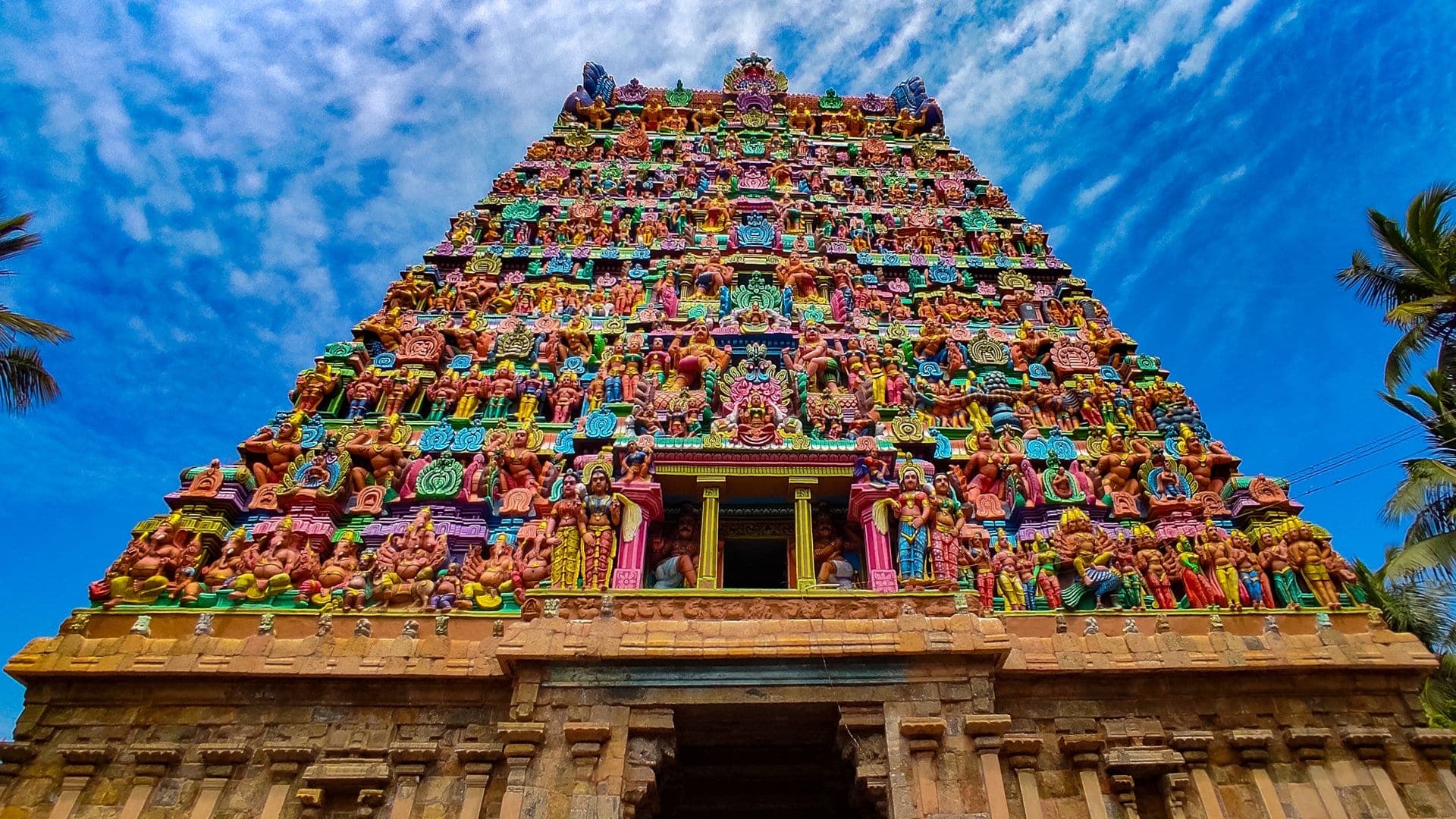 7D / 6N
 6D / 5N
 5D / 4N
 3D / 2N
 8D / 7N
Tell us your dates and group size. A WayToIndia travel expert replies within a few hours with a plan you can customise freely. Planning India journeys since 2010.
Explore Way to India
© 2026 Way to India. All rights reserved.