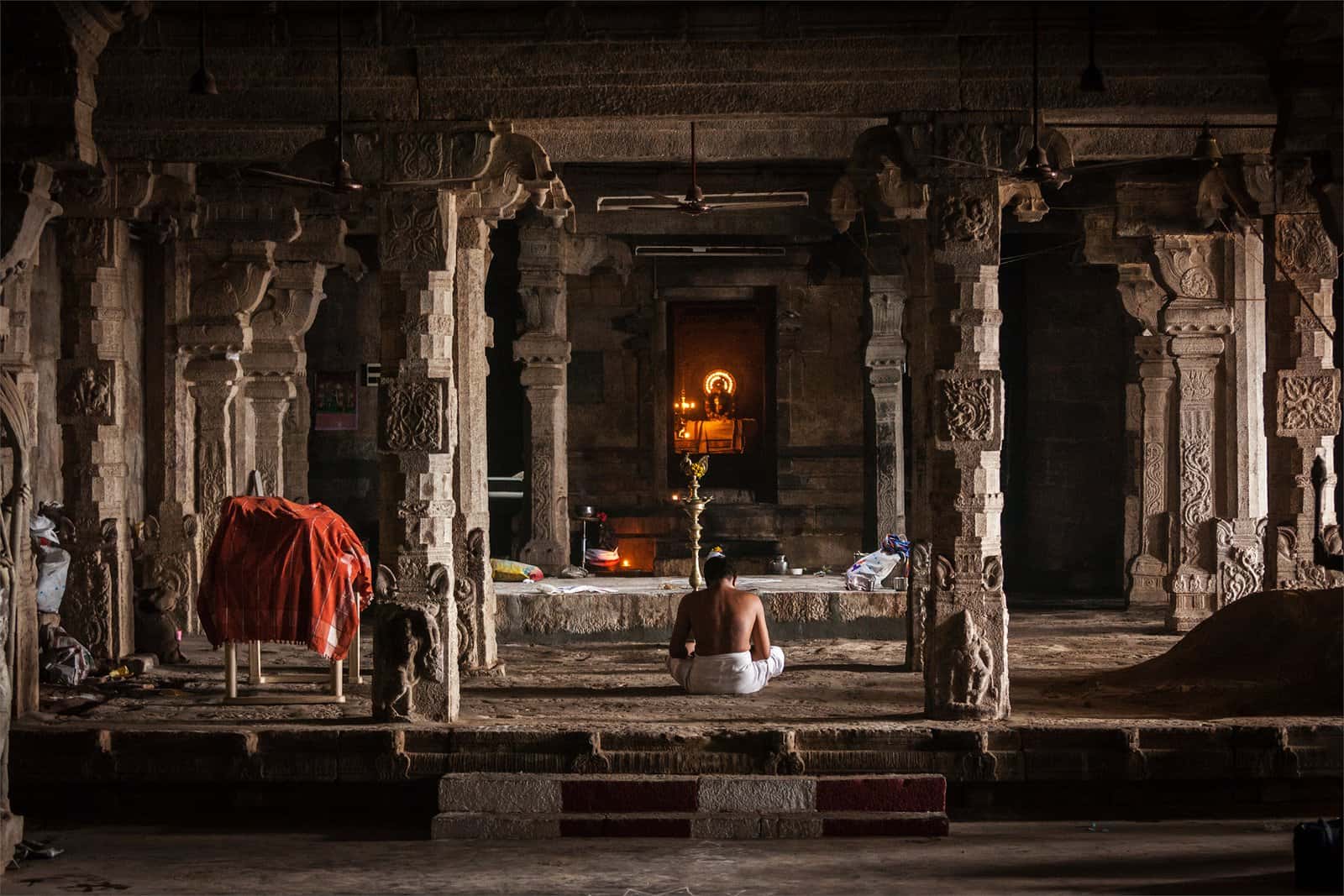
Chittoor Travel Guide
The comfortable window is October to February , cool and dry for the temples, the fort and the hills. The famous mango season of April to June is the hottest, least pleasant time...
When to visit Chittoor, and the mango-season trade-off
The comfortable window is October to February, cool and dry for the temples, the fort and the hills. The famous mango season of April to June is the hottest, least pleasant time to sightsee.
- October to February: cool and dry, the best windowThis is the season to plan around. Days on the Rayalaseema plains are warm but manageable, evenings are cool, and it is comfortable for the Kanipakam darshan queue, the climb around Chandragiri Fort and the drive up to Horsley Hills. It is also just after the monsoon, so the Talakona and Kaigal waterfalls are still running.
- March to June: hot, and this is mango seasonThe Chittoor mango belt is at its busiest and the markets are full, roughly April to June, but this is also the hottest stretch on the plains, often above 35 degrees Celsius. If you come for the mangoes, sightsee early and late in the day and keep the hot middle for rest, and do not expect the waterfalls to have much water.
- July to September: the monsoon fills the fallsThe rains green the district and give Talakona and Kaigal their strongest flow, which is when the waterfalls are worth the trip. The trade-off is that outdoor plans, forest walks and the hill drive can be disrupted by rain, so keep the schedule loose.
- Weekends, festivals and the temple crowdKanipakam is busiest at weekends and during its 21-day Brahmotsavam around Vinayaka Chavithi, when the queues are long. For a calmer darshan, come on a weekday morning outside festival time.
Chittoor rewards a cool-season visit. If you are weaving it into a Tirupati pilgrimage, October to February gives you the best of everything at once: an easier darshan, a comfortable fort and a hill station that is genuinely pleasant. Come in high summer only if the mangoes are the point, and come in the monsoon only if the waterfalls are, because each season here gives you one thing at the cost of another.
How to reach Chittoor, and why it is a gateway
Chittoor is a hinge on the Chennai to Bangalore corridor. Most people arrive by road or rail from Tirupati, Vellore or Bangalore, and fly into Tirupati (Renigunta) or Bangalore.
- By railChittoor has its own railway station on the line between Katpadi and Tirupati, well served by trains linking Chennai, Tirupati and beyond. Tirupati is only about 70 km east by rail and road, so many travellers arrive by train from there for a Kanipakam and Chittoor loop.
- From Tirupati and VelloreTirupati, the big pilgrim hub, is about 70 km east, roughly an hour and a bit by road. Vellore in Tamil Nadu, with its own fort and the CMC hospital, is only about 36 km south, one of the closest big towns, which is why Chittoor feels as much Tamil as Telugu.
- From BangaloreBangalore is about 165 to 180 km west on the Chennai to Bangalore highway corridor, roughly 3 to 4 hours by road depending on traffic, and Kempegowda International Airport at Bangalore is the practical big-airport option for many overseas visitors.
- Nearest airportTirupati airport at Renigunta, about 80 to 90 km away, is the closest airport with domestic flights; Bangalore is the nearest airport with wide international connections. There are no flights into Chittoor itself.
Fly into Bangalore or Chennai for the widest connections, then reach Chittoor by road or rail, or fly into Tirupati (Renigunta) on a domestic hop and drive the short leg over. Chittoor has no international flights of its own.
Fly into Bangalore or Chennai, then drive about 3 to 4 hours, or continue to Tirupati and loop back the short 70 km to Chittoor. It sits neatly on the Bangalore, Tirupati and Vellore road circuit.
Take a train to Chittoor or to Tirupati and drive the short hop, or drive in from Bangalore, Chennai or Vellore. The Tirupati and Katpadi rail lines make the town easy to reach by train.
Kanipakam, Chandragiri Fort and the temples
Chittoor's headline sights are the growing-idol Ganesha temple at Kanipakam and the Vijayanagara-era Chandragiri Fort. A few timings and rules are worth knowing before you go.
- Kanipakam Sri Varasiddhi Vinayaka templeThe district's most famous shrine, about 11 to 13 km from the city on the Bahuda river, dedicated to a self-manifested Ganesha that tradition says keeps growing. It is generally open from early morning to late evening, busiest at weekends and during the 21-day Brahmotsavam. Reconfirm the exact darshan and seva timings on the temple or Andhra Pradesh tourism source, as they shift with festivals.
- Chandragiri Fort and the palacesA late Vijayanagara capital on the Tirupati side of the district, with the Raja Mahal and Rani Mahal palaces below the hill fort. The Raja Mahal now holds the ASI Archaeological Museum, open about 10 am to 5 pm and closed on Friday. Climbing the hill fort itself is a steeper, unshaded walk, so start early.
- The evening sound and light show at ChandragiriIn season the fort runs an evening sound and light show for a small fee, commonly about 45 rupees for adults and about 35 rupees for children. Whether it is running varies, so ask locally or check before you build an evening around it.
- Town temples and the marketChittoor city itself is a working district town with local temples and the well-known mango and produce markets rather than headline monuments. Most travellers use the city as a base or waypoint and spend their sightseeing time at Kanipakam, Chandragiri and the hills and falls around it.
The Archaeological Museum inside the Raja Mahal at Chandragiri is closed on Friday and runs only about 10 am to 5 pm, a fact many blogs get wrong or leave out while quoting conflicting fort timings. If the museum and its Chola and Vijayanagara bronzes are the reason you are going, do not come on a Friday, and reconfirm on the ASI source before a long detour.
Waterfalls, the hill station and the truth-oath temple
Beyond the darshan and the fort, these are the experiences that make Chittoor district worth the detour, and how to time them so you are not disappointed.
- Talakona, the tallest waterfall in AndhraAbout 270 feet, inside Sri Venkateswara National Park on the Chittoor side of Tirupati. It is a proper experience from about July to February, after the monsoon, with a small entry and parking charge and a moderate walk in through forest. In the dry pre-monsoon months it can be a trickle, so do not build a trip around it in April or May.
- Kaigal Falls near PalamanerAlso called Dumukurallu, about 40 feet with a steadier flow than most, best from about September to December. It sits in the Koundinya and Kaigal forest area, and deeper sanctuary access needs forest-department permission, so treat it as a nature stop with a short walk rather than a swimming spot.
- Horsley Hills, the only Andhra hill stationAndhra Ooty, at about 4,150 to 4,300 feet, with cool air, eucalyptus groves and viewpoints. See the Governor's Bungalow, the giant Kalyani eucalyptus, the Gali Bandalu wind-rocks viewpoint and the hilltop Mallamma temple. Note it is now in Annamayya district and a long drive from Chittoor city, so give it a proper half or full day.
- The Kanipakam truth oathKanipakam's Ganesha is revered as the god of truth, Satya Pramaanaala Devudu, and villagers still settle disputes by swearing a Pramanam, a solemn oath taken after a dip in the temple tank. You will not swear one yourself, but understanding this living tradition is what makes the darshan more than a tick on a list.
- Mango and jaggery countryIn season, roughly April to June, the Chittoor mango markets are a spectacle of one of India's biggest mango belts, and local jaggery is sold across the district. It is a hot, working-market experience rather than a polished attraction, but a memorable one if your dates fall in summer.
The single mistake visitors make around Chittoor is driving out to Talakona or Kaigal in the dry season and finding almost no water. Talakona is a post-monsoon fall, roughly July to February, and Kaigal is best about September to December. If your dates fall in the hot pre-monsoon months, put your time into the temple, the fort and the hill station instead, and save the falls for a wetter-season visit.
Where to stay in and around Chittoor, and how long
Chittoor city has simple business and pilgrim hotels; many travellers sleep in Tirupati instead, or on Horsley Hills for the cool air. Most people give the district one to two nights.
- Chittoor city: simple and centralThe city has modest business and pilgrim hotels, handy if you want to be close to Kanipakam and on the Bangalore to Tirupati road. Do not expect resorts; this is a working district town, and the rooms are functional rather than scenic.
- Tirupati: the deeper baseMany travellers base in Tirupati, about 70 km east, where the TTD pilgrim infrastructure, hotels and choices are far greater, and day-trip to Kanipakam and Chandragiri from there. If you are already doing a Tirupati darshan, this is often the simplest plan.
- Horsley Hills: for the cool airThe hill has a small cluster of APTDC and private stays with cool weather and views. It books out on weekends and public holidays, so reserve ahead, and remember it is a long drive from the city, so treat it as its own overnight rather than a day trip.
- How many nightsOne night is enough for Kanipakam and Chandragiri as a Tirupati-side loop. Two nights lets you add Horsley Hills or a post-monsoon waterfall in comfort. There is no need to give the district more than that unless the hills or the mango season are your focus.
If comfort and choice matter, base in Tirupati and treat Chittoor and Kanipakam as day trips, since Tirupati's pilgrim hotels far outnumber the city's. Base in Chittoor city only if you want to be on the Bangalore road or close to the temple, and give Horsley Hills its own night rather than trying to fold the long hill drive into a single busy day.
Chittoor costs and a realistic daily budget
Chittoor is inexpensive outside the pilgrim peaks. Here is what the main things cost, so you can plan and reconfirm the volatile numbers before you go.
- A rough daily budgetExcluding your room and long-distance transport, a simple day of local travel, temple visits and meals runs modestly, often around 1,000 to 2,500 rupees per person for a comfortable mid-range day, less if you eat at local canteens and use shared transport. The big variable costs are your car or taxi hire and your room.
- The fixed-price thingsEntry to the Chandragiri ASI museum is modest, commonly about 20 rupees for Indian and SAARC visitors and about 250 rupees for foreign nationals, and the Chandragiri sound and light show is commonly about 45 rupees for adults and about 35 rupees for children. Talakona and Kaigal have small entry and parking charges. These small fees change, so treat them as a guide and reconfirm at the gate.
- Cars and driversThe practical way to link Kanipakam, Chandragiri and Horsley Hills is a hired car with a driver, since the sights are spread across the district and the hill drive is long. Agree the route and the day rate in advance, and factor the long Horsley Hills leg separately as it eats a lot of driving time.
- Cash and cardsUPI and cards work in the city and at the bigger temples, but carry cash for the waterfalls, small eateries, the hills and market stalls. Bank ATMs are in Chittoor city and Tirupati; do not rely on finding one at a waterfall or on the hill.
The biggest swing in a Chittoor budget is transport, because the sights are scattered and Horsley Hills is a long drive. A shared temple-loop day is cheap, but a private car covering the fort, the temple and the hill in comfort is the main cost. Agree the day rate and the route with the driver before you set off, and the trip stays predictable.
Practical logistics: food, language, money and getting around
The small things that make a Chittoor day smooth, from the Telugu and Tamil language mix to ATMs, temple etiquette and local transport.
- Language: Telugu, with Tamil close byTelugu is the main language, but this close to the Vellore border Tamil is widely understood, and Hindi and English are patchy outside hotels and the pilgrim trade. A few words of Telugu or Tamil go a long way, and hotel staff can help translate.
- Getting around the districtThe sights are spread out, so a hired car with a driver is the sensible way to link Kanipakam, Chandragiri and the hills. Buses and shared autos connect the city with Tirupati and Kanipakam, but for the fort, the falls and Horsley Hills a car saves a great deal of time.
- Food and waterThis is South Indian vegetarian territory at its best, with excellent tiffin, meals on a plantain leaf and strong coffee at local canteens. Drink bottled or filtered water, take the usual care with roadside food in the heat, and carry water and snacks for the waterfall walks and the long hill drive.
- Temple etiquetteDress modestly at Kanipakam and the other shrines, cover shoulders and knees, remove footwear where asked, and follow the queue and photography rules inside. These are living places of worship, busiest at festival time, so be patient in the darshan line and respectful of those taking the truth oath.
Safety, the fort climb and staying well
Chittoor is a calm, low-hassle district for travellers. The real risks are heat, the steep fort climb and slippery waterfall rocks rather than crime.
- Heat and hydrationThe plains are hot from March to June, often above 35 degrees Celsius. Sightsee early and late, carry water and sun protection, and keep the hot middle of the day for a meal or a rest, especially around the unshaded fort and the temple queues.
- The fort climb and the fallsClimbing the Chandragiri hill fort is a steeper, unshaded walk, and the rocks at Talakona and Kaigal are slippery when the water is high after the monsoon. Wear proper shoes, do not clamber onto wet rocks or into strong current, and keep children close at the falls.
- Roads and the long hill driveThe Horsley Hills road climbs and winds, and the district roads carry highway traffic on the Bangalore to Tirupati corridor. Use a careful driver, avoid night driving on the hill and the highways, and build in time rather than rushing the long legs.
- Everyday care and healthThis is generally a safe, low-pressure region with little of the tout hassle of the big tourist towns. Take the usual precautions with valuables in temple crowds, drink safe water, and note that the nearest big hospitals are in Tirupati and in Vellore, only about 36 km away, which is a reassurance for anyone travelling with elderly relatives.
Chittoor district is generally calm and low-hassle for women travellers, without the persistent touts of the bigger tourist centres. Standard precautions apply: dress modestly at the temples, avoid isolated waterfall spots late in the day, prefer daytime travel on the long hill and highway legs, and keep to busier areas after dark in the city. Travelling with a trusted driver for the scattered sights adds both convenience and comfort.
Chittoor for every kind of traveller, and on access
Chittoor suits different visitors in different ways. Here is what it offers you, and the one tip that matters for each, including how a senior does the fort and the temple comfortably.
- PilgrimsKanipakam pairs naturally with a Tirupati darshan, and the truth-oath tradition gives it a character all its own. Come on a weekday morning outside festival time for the calmest darshan, and reconfirm timings if you are timing a longer temple circuit.
- Families with childrenAn easy, uncrowded mix of a temple, a fort and, in the right season, a waterfall and a hill station. Keep little ones close on the fort climb and at the falls, carry water for the heat, and break the long Horsley Hills drive with stops.
- Senior travellers and on accessibilityVery doable with planning. The Kanipakam darshan and the Chandragiri museum in the Raja Mahal are manageable, but the hill fort itself is a steep, unshaded climb, so skip it if stairs are hard and enjoy the palaces below instead. Break the long Horsley Hills drive, and lean on the good hospitals in Tirupati and nearby Vellore for peace of mind.
- Road trippersChittoor is a natural waypoint on a Bangalore to Tirupati run, and Vellore is only about 36 km south for its own fort. Time the Horsley Hills leg as its own drive, not a detour squeezed into a travel day, and you can string together a temple, a fort, a hill and a waterfall over a long weekend.
- Nature loversThe post-monsoon waterfalls at Talakona and Kaigal, the Sri Venkateswara National Park forest and the Eastern Ghats around Horsley Hills are the draw. Come July to February for water, wear proper shoes, and respect the forest-department rules where sanctuary permission is needed.
- Solo female travellersGenerally calm and low-hassle. Dress modestly at the temples, travel the scattered sights by day with a trusted driver, and keep to busier areas in the city after dark. One of the gentler, less touristy districts in the south to travel through.
A suggested Chittoor itinerary
How to shape one or two days so you catch the temple calm, the fort in good light and, if the season is right, the hills or a waterfall.
- Day one, morningStart early at Kanipakam for a calmer darshan before the queues build, and take a quiet moment to understand the truth-oath tradition. Then drive to Chandragiri, timing it so you catch the Raja Mahal museum, remembering it is closed on Friday and runs only about 10 am to 5 pm.
- Day one, afternoon and eveningSee the Chandragiri palaces and, if you have the legs and the early start, the hill fort before the heat. Keep the hot middle of the day for a South Indian lunch, and in season stay for the evening sound and light show if it is running.
- Day two, if you have itIn the cool or post-monsoon season, give day two to Horsley Hills as its own long drive and overnight, or to a waterfall at Talakona or Kaigal if there is water. In the dry season, skip the falls and instead loop to Vellore, only about 36 km south, for its fort and temple.
- The half-day versionIf you are only passing through from Tirupati, a Kanipakam darshan plus the Chandragiri museum makes a satisfying half day, then rejoin the Bangalore or Chennai road. You will miss the hills and the falls, but you will have seen the two things that make Chittoor distinct.
Two things break a tight Chittoor plan: arriving at the Chandragiri Raja Mahal museum on a Friday when it is closed, and underestimating the long drive to Horsley Hills. Keep the museum for any day but Friday, within its roughly 10 am to 5 pm window, and give the hills their own leg rather than folding the long drive into a busy sightseeing day, and the district unfolds without stress.
The real questions travellers ask about Chittoor
Straight answers to the questions that come up again and again on traveller forums, so you arrive already knowing the score.
- Is Chittoor the same as Chittorgarh?No. Chittoor is a district town in Rayalaseema, Andhra Pradesh, near Tirupati and Vellore. Chittorgarh is a completely different place in Rajasthan, famous for its hill fort. Travellers often confuse the two, so make sure you are booking the one you mean.
- Is Chittoor worth a stop, or is it just a Tirupati waypoint?It is worth a stop for Kanipakam and Chandragiri, and worth a longer visit if the hills or the post-monsoon waterfalls appeal. If you only have a few hours between Tirupati and Bangalore, the temple and the fort museum are the two things to see.
- Should I do Kanipakam from Tirupati or Chittoor?Either works. Kanipakam is about 11 to 13 km from Chittoor city and about 70 km from Tirupati, with frequent buses from both. If you are basing in Tirupati for the Balaji darshan, day-tripping to Kanipakam and Chandragiri from there is the simplest plan.
- Can non-Hindus and foreign visitors enter the temples?Kanipakam and the local temples are generally open to all respectful visitors, unlike a few temples elsewhere that restrict entry. Dress modestly, follow the queue and photography rules, and be quiet and respectful, especially around those taking the truth oath.
- Is Horsley Hills worth the drive?As the only real hill station in this part of Andhra, yes, if you have the time, but be clear that it is a long drive of well over two hours from Chittoor city and now sits in the new Annamayya district. Give it its own overnight rather than a rushed day trip.
- When do the waterfalls actually have water?Talakona is a post-monsoon fall, roughly July to February, and Kaigal is best about September to December. In the hot pre-monsoon months of April and May they can be a trickle, so time your visit or skip them.
Planning Chittoor from abroad
Chittoor is the calm Rayalaseema stop that pairs a Tirupati pilgrimage with a real hill station and a Vijayanagara fort. A little preparation makes the temple rules and the logistics easy.
- Slot it into a Tirupati and Bangalore tripChittoor sits between a Tirupati darshan and a Bangalore flight. Fly into Bangalore or Chennai, or hop to Tirupati by domestic flight, then loop Kanipakam, Chandragiri and the hills. It is the uncrowded, real-India counterpoint to the pilgrim rush of Tirumala.
- Temple entry and etiquetteKanipakam and the district temples are generally open to respectful visitors of any faith, which is not true of every temple in the south. Dress modestly, cover shoulders and knees, remove footwear where asked, and follow the photography and queue rules inside.
- Language and getting aroundThe main language is Telugu, with Tamil widely understood near the Vellore border, and English patchy outside hotels. Hire a car with a driver for the scattered sights and the long hill drive; it is the single thing that makes a short overseas visit smooth.
- Gentle and senior-friendly with planningThe temple and the fort museum are manageable, but skip the steep hill fort if stairs are hard and break the long Horsley Hills drive. The good hospitals in Tirupati and nearby Vellore are a genuine reassurance for anyone travelling with elderly parents.
Money, connectivity and timing for foreign visitors
The practical basics an overseas traveller needs for a small Rayalaseema district: cash, cards, a SIM, and how many days to give it on a wider south-India trip.
- Carry cash, but cards and UPI work in townCards and UPI are fine in the city and at bigger temples and hotels, but the waterfalls, small eateries, market stalls and the hills run on cash. Draw cash at ATMs in Chittoor city or Tirupati, and keep small notes for entry fees, tips and roadside stops.
- Get a SIM at the airportPick up an Indian tourist SIM or an eSIM when you land in Bangalore, Chennai or Tirupati rather than hunting for one in a small district town. Coverage in the city and along the highways is fine for maps and calls, but expect patchier signal at the falls and on the hill.
- How long to give it on a bigger tripOn a south-India loop, one to two days in Chittoor district is the right weight: enough for Kanipakam, Chandragiri and either the hills or a waterfall, without slowing a wider Tirupati, Bangalore and Tamil Nadu itinerary.
- Time your visit for comfortOctober to February is the comfortable window and the best all-rounder. Come in the monsoon only if the waterfalls are the point, and avoid the hot pre-monsoon months of April to June unless you specifically want the mango markets.
Chittoor is an easy, honest addition to a south-India itinerary rather than a destination in itself: a growing-idol temple with a living truth-oath tradition, a Vijayanagara fort, and the only hill station in Andhra, all reached on the calm roads between Tirupati, Bangalore and Vellore. Give it a day or two after Tirupati, and let it be the quiet, uncrowded chapter between the big pilgrim town and your next flight.
The god of truth, and the idol that keeps growing
Kanipakam's Ganesha is revered as Satya Pramaanaala Devudu, the god of truth. The old story tells of three brothers, one blind, one deaf and one dumb, who while digging a well struck a stone that bled, and the water rose and never ran dry; where their tools struck is said to have given the village its name, from kani (wetland) and pakam (flow of water). The self-manifested idol they uncovered is worshipped to this day, and tradition holds that it slowly keeps growing, so that armour offered to it long ago no longer fits. Around this deity grew a living custom of truth: villagers settle disputes not in a courtroom but before the Lord, each party taking a Pramanam, a solemn oath sworn after a dip in the temple tank, in the belief that no one dares lie before the god of truth. The growing idol is a matter of devotional tradition rather than measured fact, and the well-and-brothers legend survives in regional temple histories rather than a single fixed scripture, but the truth-oath custom is real and still practised, and it is what gives this small temple on the Bahuda river its distinct and enduring character.
Planning a Chittoor trip?
Our Andhra Pradesh travel experts plan your full journey for you: route, hotels, darshan timings and transport. You get a free day-by-day plan and an exact quote on WhatsApp, usually within a few hours. No payment is needed to get your plan.