
Tirupati Travel Guide
The best months are November to February , and the best days are weekday mornings. The real planning here is not the weather but the crowd, so a little timing saves you many...
When to visit Tirupati, and how to dodge the rush
The best months are November to February, and the best days are weekday mornings. The real planning here is not the weather but the crowd, so a little timing saves you many hours in the queue.
- November to February: pleasant on the hillTirumala sits high and cool, most comfortable from November to February, around 15 to 30 degrees. The mornings are crisp, the long queues are far easier to bear, and the open walkways of the queue complex are kinder when the sun is gentle. Carry a light layer for early starts, as dawn on the hill can be cold.
- Weekday mornings are quietestTuesday and Wednesday mornings, early, tend to have the shortest waits. Weekends, public holidays, long-weekend bridges and school breaks are the busiest, so go midweek if you can. The single biggest lever on your visit is the day of the week, not the month.
- Avoid the festival peaks unless you want themDuring the nine-day Brahmotsavam (around September to October) and Vaikunta Ekadasi (around December to January) the crowds and the free-darshan waits peak hugely. Come for the spectacle if you wish, but never expect a quick darshan then, and hold a booked Special Entry slot if you do come.
- Monsoon and summerJune to September brings the southwest then northeast rains, with mist on the hill that some pilgrims love; March to May is hot in the plains though the hill stays a little cooler. Any season works for the darshan itself, since the queue is indoors and roofed, so plan around the crowd rather than the cloud.
Free Sarva Darshan can mean a wait well past 20 hours at the very peak. If your days are limited, either book the about 300 rupee Special Entry Darshan online in advance, collect a free time-slot Sarva Darshan token early in the day, or walk up for a Divya Darshan token. The darshan sections below explain exactly how each one works, so you arrive with a plan rather than a surprise.
How to reach Tirupati and get up to Tirumala
You reach Tirupati town by air, rail or road, then climb the last 22 km up to Tirumala by bus, car or on foot. The hill leg is the part most first-timers underplan.
- By air, rail and road to TirupatiTirupati (Renigunta) airport is about 15 km from town with flights from the main metros. Tirupati is also a well-connected railhead, and by road Chennai is about 135 km (roughly 3.5 hours) and Bengaluru about 250 km. Most pilgrims arrive in the town first and go up the hill from there.
- Up the hill by busAPSRTC runs frequent ghat-road buses from the Tirupati central bus stand up to Tirumala, about 22 km and roughly an hour, costing roughly 40 to 110 rupees depending on the service. Under the Stree Shakti scheme women travel free on these buses. Once at Tirumala, a fleet of free TTD electric shuttle buses (Srivari Dharma Ratham) connects the accommodation blocks, the temple and key points, roughly 5 am to 10 pm.
- Up the hill by car or taxiTaxis and tour cars make the ghat-road climb too, useful for seniors, families and anyone arriving late. From the airport it is about 30 to 40 km up to Tirumala, roughly an hour to an hour and a half. There are two ghat roads, one for the climb and one for the descent.
- Walking up for a Divya Darshan tokenThe devout walk up the Alipiri footpath (about 3,550 steps, roughly 9 km) or the shorter, steeper Srivari Mettu path (about 2,388 steps, roughly 2.1 km), which earns a free Divya Darshan token, a free laddu and free TTD luggage transport to the top. Allow 3 to 4 hours on Alipiri and start early; the path is largely roofed with rest, tea and toilet points.
Fly into Chennai (the main gateway, about 135 km) or Bengaluru, then drive or take a train to Tirupati and continue up to Tirumala. Tirupati anchors many southern pilgrimage trips, and the dedicated NRI counter darshan makes it especially worth the journey.
Fly into Chennai, Bengaluru or Hyderabad and continue by road or rail to Tirupati. Carry your passport for the NRI darshan counter at Tirumala if your arrival in India is within 30 days.
Direct trains and flights from Chennai, Bengaluru, Hyderabad and beyond reach Tirupati, with APSRTC buses and taxis up the hill to Tirumala. Many domestic pilgrims take an overnight train and go straight up the next morning.
The Balaji darshan, and what you actually pay
The Sri Venkateswara temple is the whole reason to come. Understanding the darshan choices before you arrive is the difference between an hour or two and a full day in the queue.
- Free or Special Entry darshanSarva Darshan is free, but the queue-complex wait can run past 20 hours at peak. The Special Entry (Seeghra) Darshan is about 300 rupees, booked online only, with a much shorter queue, usually a few hours rather than a day. TTD also offers a higher-priced faster Special Entry option (about 500 rupees) for an even quicker, more comfortable darshan, handy for seniors and families. There are also various paid arjitha sevas, booked through TTD, that include a closer darshan. Reconfirm the current prices on the official TTD site before you pay.
- Carry the right IDDarshan is tied to photo ID: one Aadhaar or one ID generally books one slot per day, and you must carry the same ID you booked with. Do not book the same person across several IDs, which the system may cancel. Foreign nationals use a passport (and visa) for verification.
- Dress and the cloakroomDress traditionally and modestly: men in a dhoti or trousers with a shirt, women in a saree, salwar kameez or other traditional dress. Mobile phones, cameras and bags are not allowed inside the temple, so use the free cloakrooms near the queue complex before you join the line, carrying only your ticket and ID.
- The temple hoursThe temple keeps long hours, with the pre-dawn Suprabhatam waking ritual around 3 am, morning darshan from about 4:30 am to around midday, and evening darshan and special poojas from around 4 pm to about 8 pm, with brief closures for rituals. The schedule shifts on festival days, so reconfirm the day's timing on TTD channels.
The about 300 rupee Special Entry Darshan opens for booking only about a month ahead, as a monthly quota on the official TTD portal (typically in the last week of the previous month), and sells out fast for weekends and festivals. Book online the moment the quota opens. Prices, quotas and the release date do change, so reconfirm the exact current figure and date on the official TTD site before you pay. The next section walks through the whole queue system.
Getting a darshan without losing a day
Tirupati is all about the darshan, and the queue is the thing everyone underestimates. Here is how the four routes actually work, so you plan the visit rather than endure it.
- Route one: free Sarva DarshanThe traditional free darshan, open to all with a valid ID. The catch is the wait, which can run past 20 hours at the very peak and is unpredictable. Good for pilgrims with time and patience who want the full traditional experience, but risky if your days are tight.
- Route two: free time-slot Sarva Darshan tokenTTD also issues free time-slot Sarva Darshan tokens (often called SSD tokens) from counters that open early, on a first-come basis with a daily cap. With one of these, the wait after you enter the queue complex is usually about 4 to 5 hours rather than a day. This is the smart free option for those who get to the counter early.
- Route three: paid Special Entry DarshanBook the about 300 rupee Special Entry (Seeghra) Darshan online about a month ahead, one ID per slot per day. Your ticket carries a reporting time; reach the Vaikuntam queue complex on time, leave phones and bags in the cloakroom, and expect a few hours even in this faster line at busy periods. For most visitors with limited days, this is the sensible choice.
- Route four: walk up for the Divya Darshan tokenIf you are fit and have a morning, the Alipiri or Srivari Mettu footpath earns a free Divya Darshan token, a free laddu and free luggage transport, and is a moving way to arrive. The path is roofed, with rest and refreshment points; aged and physically challenged pilgrims have a separate dedicated darshan line at the top instead.
The single rule that trips up first-timers is the ID system. One Aadhaar or one ID generally books one darshan slot per day, and you must carry the exact ID you booked with for everyone in your group. Booking the same person on several different IDs can get the bookings cancelled. Keep the e-ticket printed or on your phone, match it to the ID, and the security check is quick and painless.
The laddu, the tonsure, and the temples around Tirupati
Beyond the main darshan, a handful of rituals and nearby temples complete a Tirupati visit, and a couple of them are traditionally part of the pilgrimage itself.
- Take home the ladduThe Tirupati laddu is a prasadam like no other and carries a Geographical Indication tag. Collect your free small laddu (about 40 grams) after darshan, and buy larger laddus (about 175 grams, about 50 rupees each) from the counters using a laddu token, within the per-person limit. It is the most famous prasadam in India.
- The tonsure vowMany devotees offer their hair at the Kalyanakatta tonsure halls as a vow before darshan. It is done free of charge, organised and hygienic; you keep your token, and you should factor in the time and carry a cap for afterwards. This is the act behind Tirumala being the world's largest collector of donated hair.
- Padmavathi temple at TiruchanoorTradition holds that the Tirumala pilgrimage is completed with a darshan of the goddess Padmavathi, consort of Lord Venkateswara, at Tiruchanoor, about 5 km from Tirupati town. Many pilgrims do this the same day, down in the plains, and it is far less crowded than the hill.
- Town temples and aroundIn and around Tirupati, the Govindaraja Swamy temple near the railway station, the Kapila Theertham cave-and-waterfall shrine at the foot of the hills, the Sri Kalahasti temple about 36 km away, and the hilltop Chandragiri Fort fill an extra half-day to a day if you have one. The S.V. Museum at Tirumala explains the temple's history and rituals.
- Free meals and refreshmentsTTD runs free Annaprasadam meal halls at Tirumala, and the queue complex has refreshment points. Eat light before a long darshan, drink bottled or filtered water, and use the free meals to keep your budget low and your strength up through the wait.
If you only learn one local custom, it is this: many devotees believe a Tirumala visit is incomplete without darshan of the goddess Padmavathi at Tiruchanoor. It is a short hop from Tirupati town, the queues are gentle, and it rounds off the pilgrimage in the way generations of families have done it. Build it into your day in the plains either before you go up the hill or after you come down.
Where to stay: Tirumala hill, Tirupati town, or TTD
You can sleep on the hill near the temple in TTD accommodation, or down in Tirupati town in ordinary hotels. The TTD option is cheaper and closer but books out fast.
- TTD accommodation on the hill at TirumalaStaying at Tirumala puts you minutes from the temple and on the free shuttle network. Free dormitory beds at the PAC-1 and PAC-2 pilgrim complexes go on current allotment, first come first served. Paid TTD rooms and cottages are booked online about 90 days ahead, with dormitory beds around 100 to 200 rupees, ordinary rooms around 500 to 800 rupees, and cottages and suites from about 2,500 rupees. The cheapest rooms vanish within minutes of release, so log in early.
- Tirupati town hotels in the plainsIf TTD rooms are gone, Tirupati town has a wide range of private hotels, from budget lodges near the railway and bus stations to comfortable mid-range and a few upscale properties. You then go up the hill for darshan and come back down. This is the reliable fallback and often the easier choice for families wanting more comfort.
- TTD complexes near the stationTTD also runs large pilgrim accommodation blocks in Tirupati town itself, such as those near the railway station, handy if you arrive late by train and want to go up early the next morning. Book these online through the TTD portal alongside your darshan.
- How many nightsMost pilgrims need one night near the temple to be in place for an early darshan, and many do the whole thing in a long day plus a night. Add a second night if you want the town temples, Tiruchanoor, Sri Kalahasti or Chandragiri Fort, or if you are travelling with seniors and want an unhurried pace.
Two things are worth locking, but on different clocks: paid TTD rooms and cottages open online about 90 days (roughly three months) ahead, while the about 300 rupee Special Entry Darshan opens only about a month ahead as a monthly quota. Both sell out fast for weekends and festivals, so fix your dates, book the room as soon as its quota opens, and come back for the darshan slot when that monthly quota releases. If you miss the TTD rooms, a Tirupati town hotel plus a booked darshan slot is a perfectly smooth plan B. Reconfirm both release dates on the official TTD portal.
Tirupati costs and a realistic budget
Tirupati can be done almost free or in comfort. Here is what the main things cost, so you can plan the darshan, the bed and the laddus without surprises.
- The darshan itselfFree Sarva Darshan and the free time-slot token cost nothing; the Special Entry Darshan is about 300 rupees a head; paid arjitha sevas cost more depending on the seva. Reconfirm the exact darshan and seva figures on the official TTD site, as they are revised from time to time.
- Getting up the hill and aroundAn APSRTC ghat-road bus is roughly 40 to 110 rupees each way, women travel free under the Stree Shakti scheme, and the Tirumala electric shuttle buses are free. A taxi up and down costs much more but suits seniors and families with luggage.
- Beds and laddusA TTD dormitory bed is around 100 to 200 rupees, an ordinary TTD room around 500 to 800 rupees, and a cottage from about 2,500 rupees; town hotels span budget to upscale. A larger laddu is about 50 rupees, and your first small laddu after darshan is free. Free Annaprasadam meals keep food costs near zero if you want.
- A rough totalA frugal pilgrim can do a day-and-night Tirupati visit on a few hundred rupees beyond travel, using free darshan, a dormitory and free meals. A comfortable visit with a booked Special Entry darshan, a TTD room or town hotel and a taxi up the hill runs into a few thousand rupees, still modest for what it covers.
Unusually for a major pilgrimage, Tirupati does not punish a tight budget. Free darshan, a free time-slot token to cut the wait, a free PAC dormitory, free Annaprasadam meals and free shuttle buses can carry a whole visit, with only your travel and a 50 rupee laddu to pay for. The money you do spend, about 300 rupees on a Special Entry slot, buys time rather than access, which is the one thing worth paying for if your days are short.
Practical logistics: ID, cloakrooms, phones and meals
The small things that make a Tirumala day smooth, from the ID you must carry to where your phone goes and how the free meals and luggage work.
- Carry the booking ID and the e-ticketBring the exact photo ID you used to book, for every person in the group, plus the e-ticket printed or on your phone. Hotels and TTD accommodation also need a valid photo ID at check-in. Keep these together; almost every friction at Tirumala comes from a mismatched or missing ID.
- Phones, cameras and the cloakroomMobile phones, cameras and bags are not allowed inside the temple. Use the free cloakrooms near the queue complex before you join the line, and carry only your ticket, ID and any medication. Plan for being without your phone for a few hours, so agree a meeting point with your group in advance.
- Luggage if you walk upIf you take the footpath, deposit your luggage at the centre near Alipiri or Srivari Mettu and collect it at the Tirumala counter; TTD moves it up for free. This means you can walk up unencumbered and still have your bags waiting at the top.
- Food, water and healthEat light before a long darshan and use the free Annaprasadam meal halls, which are clean and run to a schedule. Drink bottled or filtered water, carry any regular medication into the queue, and pace yourself through the wait, which is long and on your feet.
Safety, touts, and staying well in the queue
Tirupati is well-run and broadly safe, but the darshan touts and the sheer length of the wait are the two things to handle. A little awareness keeps the visit smooth.
- Avoid the darshan toutsPeople promising instant VIP darshan, guaranteed rooms or a quick laddu for cash are best avoided, and some operate around the bus stand and online. Book Special Entry darshan, sevas and TTD rooms only through the official TTD portal, and arrange any guide or car through your operator or hotel. If a deal sounds too quick to be true, it usually is.
- Plan for the queue itselfThe biggest health issue is the wait: hours on your feet in a roofed but crowded complex. Carry water and any medication, wear comfortable footwear you can slip off, eat beforehand, and if you are with elderly relatives use the dedicated line for aged and physically challenged pilgrims rather than the general queue.
- Mind the hill and your belongingsThe ghat road is winding, so those prone to motion sickness should take a tablet before the climb. Keep your valuables minimal since phones and bags go to the cloakroom anyway, and keep an eye on belongings in crowded areas as you would anywhere busy.
- Holy-site etiquetteThis is a living temple, not a sightseeing stop. Dress traditionally, keep your voice low in the sanctum area, follow the marshals' instructions in the queue, and do not photograph inside where it is prohibited. Respect shown here is part of the experience for everyone around you.
TTD runs a dedicated darshan line for aged and physically challenged pilgrims, which spares the long general queue, and free meals, medical posts and wheelchair help are available on the hill. If you are travelling with an elderly parent, ask at the queue complex for this line, go up by bus or taxi rather than on foot, and pick a quiet weekday morning in the cool season. With that planning, even a frail pilgrim can have a calm, dignified darshan.
Tirupati for every kind of pilgrim, and on access
Tirupati draws very different visitors. Here is what it offers each, and the one tip that matters, including how a senior gets a comfortable darshan.
- Devotees and pilgrimsThe spiritual high point of the south. Book the route that suits your days, consider walking up for the Divya Darshan token, complete the journey with Padmavathi at Tiruchanoor, and offer the tonsure vow if that is your intention.
- Senior travellers and on accessibilityVery doable with planning. Take the about 300 rupee Special Entry Darshan to cut the wait, go up by bus or taxi rather than on foot, use the dedicated line for aged and physically challenged pilgrims, visit on a quiet weekday morning in the cool season, and ask about wheelchair help at the queue complex.
- Families with childrenChildren generally enter with age proof, and the laddu, the bus ride up the hill and the free meals are a treat. Book a Special Entry slot so the wait stays manageable for little ones, carry snacks and water, and agree a meeting point since phones go to the cloakroom.
- First-time pilgrimsLearn the four darshan routes and the one-ID-one-slot rule before you go, dress traditionally, and book the about 300 rupee slot in advance. That single step turns a daunting visit into a smooth one, and the rest of the system is well-signed once you understand the ticket.
- Overseas and NRI pilgrimsUse the dedicated NRI Special Entry Darshan counter at Tirumala, on a passport or OCI card, if your arrival in India is within 30 days. It is a real time-saver many do not know about, and it pairs naturally with a wider southern temple trip.
- Budget pilgrimsFree Sarva Darshan or a free time-slot token, APSRTC and free shuttle buses, free PAC dormitories and free Annaprasadam meals make a Tirupati visit very affordable; just budget plenty of time for the queue and get to the token counter early.
A suggested Tirupati itinerary
How to shape one or two days so the darshan falls at a sensible hour and you still see the temples in the plains.
- The one-day-and-night versionArrive in Tirupati by evening, go up to Tirumala, sleep near the temple, and take an early Special Entry or time-slot darshan the next morning. Collect your laddu, eat at the Annaprasadam hall, and come down. It is tight but it is how millions do it.
- Day one: up the hillReach Tirupati, go up to Tirumala by bus or taxi, settle into your room, and if you have energy do the tonsure vow or an evening seva. Keep the main darshan for the morning when you are fresh and the queue moves earlier.
- Day two: darshan, then the plainsTake your booked morning darshan, collect the laddu, then come down and complete the pilgrimage with Padmavathi at Tiruchanoor. With time to spare, add Kapila Theertham, the Govindaraja temple in town, or Sri Kalahasti and Chandragiri Fort.
- The walk-up variationIf you are fit, walk up the Alipiri or Srivari Mettu steps in the early morning for the Divya Darshan token, send your luggage up free, and arrive at the temple on foot. Allow a slow morning for it and keep the afternoon gentle.
The one thing that breaks a Tirupati plan is treating the darshan as something to sort out on arrival. Book the about 300 rupee Special Entry slot or plan to reach the free time-slot token counter at opening, then arrange your travel, your bed and the side-temples around that fixed hour. With the slot locked, everything else, the laddu, the meals, Tiruchanoor, falls neatly into place around it.
The real questions travellers ask about Tirupati
Straight answers to the questions that come up again and again on traveller forums, so you arrive already knowing the score.
- Free or paid darshan for a first visit?If your days are tight, book the about 300 rupee Special Entry Darshan online, or get to the free time-slot token counter early. Only choose the plain free Sarva Darshan if you have a flexible day to spare, because the wait can run past 20 hours at peak.
- How far ahead does the 300 rupee slot open?The monthly Special Entry quota releases only about a month ahead on the official TTD portal, typically in the last week of the previous month, and sells out fast for weekends and festivals. Fix your dates and log in the moment the quota opens. Paid TTD rooms open earlier, about 90 days out, so book the room and the darshan on their own release dates. Reconfirm the exact current price and dates on the official site.
- Does one ID really book only one slot a day?Yes. One Aadhaar or ID generally books one darshan slot per day, and you must carry that same ID. For a family, book each member on their own ID, carry every ID, and do not duplicate one person across IDs, which can be cancelled.
- Is walking up worth it?If you are fit, yes: the Alipiri (about 3,550 steps) or Srivari Mettu (about 2,388 steps) climb earns a free Divya Darshan token, a free laddu and free luggage transport, and is a moving way to arrive. Start early and allow a slow morning.
- How do NRIs and foreigners get a darshan?Use the dedicated NRI Special Entry Darshan counter at Tirumala, on a passport or OCI card, if your arrival in India is within the last 30 days, shown by the immigration stamp. It is a walk-in counter, not pre-booked, and typically opens in the afternoon (about 12 noon onward); carry the passport and a photocopy and reconfirm the day's reporting time with TTD.
- TTD room or a town hotel?A TTD room or dormitory on the hill is cheapest and closest but books out within minutes about 90 days ahead. If you miss it, a Tirupati town hotel plus a booked darshan slot is a smooth fallback, with a bus or taxi up the hill for the darshan.
Planning Tirupati from abroad: the NRI darshan
Tirumala is the spiritual high point of a southern pilgrimage, and there is a dedicated walk-in darshan that makes it far easier for overseas Indians. A little preparation is everything.
- Use the NRI counter darshanThere is a dedicated NRI Special Entry Darshan (about 300 rupees) issued at a walk-in counter at Tirumala itself, for overseas Indians and OCI card holders whose arrival in India is within the last 30 days, shown by the immigration entry stamp on the passport. It is not pre-booked online; carry the original passport, a photocopy and the visa, fill the short form at the counter, and the counter typically opens in the afternoon, around midday to early evening (about 12 noon onward), seven days a week, so reconfirm the day's reporting time with TTD.
- Come through Chennai or BengaluruFly into Chennai (about 135 km) or Bengaluru (about 250 km), then drive or take a train to Tirupati and up to Tirumala. Tirupati pairs naturally with the wider southern temple circuit, and a same-day Chennai car run up and back is a common diaspora pattern.
- Know the rules in advanceDress traditionally, carry your passport for verification, leave phones, cameras and bags in the free cloakroom, and expect a few hours even in the faster queue at busy times. The famous laddu prasadam is yours to carry home, within the per-person limit.
- Plan for older parentsFor elderly relatives, the NRI or about 300 rupee darshan and a bus or taxi up the hill make the visit gentle, and the dedicated line for aged and physically challenged pilgrims spares the long queue. Come in the cool season, on a weekday morning, and keep the day unhurried.
Money, ID and fitting Tirupati into a southern temple trip
The practical basics an overseas pilgrim needs: the ID to carry, cash versus cards on the hill, and where Tirupati sits on a bigger South India itinerary.
- Passport is your ID throughoutFor the darshan, for hotels and for the NRI counter, your passport is the ID that works everywhere as a foreign or OCI pilgrim. Keep the original plus a photocopy, and remember the within-30-days immigration stamp is what unlocks the NRI darshan counter, so do Tirupati early in your trip if that route matters to you.
- Cash for the hill, cards in townCarry some Indian cash for the bus, small purchases and laddus on the hill, though TTD counters and bigger town establishments take digital payments. Draw cash at ATMs in Tirupati town before you go up, and keep small notes for the bus and tips.
- Where it sits on a South India tripTirupati anchors a southern temple loop. From Chennai you can pair it with Kanchipuram and Mahabalipuram, or run a longer pilgrimage down to Madurai, Rameshwaram and Kanyakumari. One night for the darshan, plus a day for the side-temples, is the right weight before you move on.
- Time it for comfortNovember to February is the comfortable window on the hill, and a weekday morning is the calmest. Avoid Brahmotsavam and Vaikunta Ekadasi unless you specifically want the festival, in which case hold a booked Special Entry slot and expect crowds.
For many overseas families, the Tirumala darshan is the emotional centre of a trip home, the temple a grandparent always spoke of. The NRI counter, the passport route and the southern loop from Chennai make it far more reachable than it looks from abroad. Give it a night on the hill, complete the circle at Tiruchanoor, carry the laddus home, and it becomes the chapter of the trip the whole family remembers.
Why pilgrims shave their heads for Lord Venkateswara
Of all the customs at Tirumala, the one that startles a first-time visitor most is the river of newly shaved heads coming down from the Kalyanakatta halls. The tradition is tied to the legend of Neela Devi. In the old story, when Lord Venkateswara was struck on the head and a patch of hair was lost, a devoted woman named Neela Devi cut a lock of her own hair and pressed it to the wound; moved by the gift, the Lord declared that hair offered at his hill would always be received with grace, and that he would repay every such devotee. Pilgrims have offered their hair here ever since as a vow of surrender, gratitude and the shedding of ego, which is why Tirumala is the largest collector of donated human hair in the world, the tonsure done free of charge at the Kalyanakatta. The legend appears in Puranic retellings and regional temple histories rather than as a single cleanly attributed verse, so we give it as living tradition, not fixed scripture; either way, to watch a family walk to darshan with shaved heads is to see devotion made visible.
Planning a Tirupati trip?
Our Andhra Pradesh travel experts plan your full journey for you: route, hotels, darshan timings and transport. You get a free day-by-day plan and an exact quote on WhatsApp, usually within a few hours. No payment is needed to get your plan.
Tour packages that visit Tirupati
Every journey below is private, hand-crafted and fully customizable. Tell us your dates and we tailor the itinerary, the pace and the priests or guides around you.
 2D / 1N
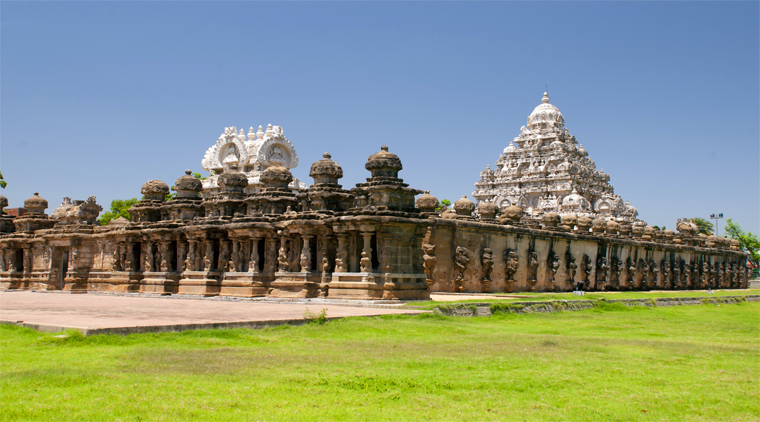
Tirupati to Kanchipuram Tour Package
- Kanchipuram
- Mahabalipuram
 4D / 3N
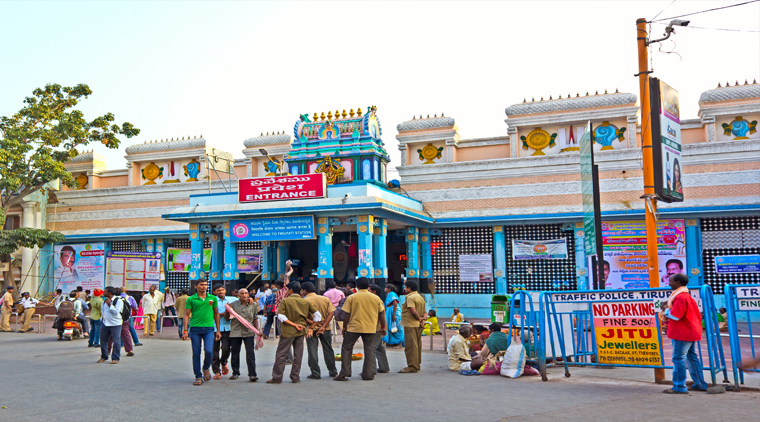
Tirupati Package Tour
- Visit Tirupati Temple