
Patna Travel Guide
The best months are clearly October to March , cool and comfortable for the city and the day trips. Summer on the Ganga plain is fierce and the monsoon brings heavy rain and a...
When to visit Patna and the Bihar circuit
The best months are clearly October to March, cool and comfortable for the city and the day trips. Summer on the Ganga plain is fierce and the monsoon brings heavy rain and a swollen river.
- October to March: the season to comeThis is the clear window. Days are pleasant and dry, the light is good for the ghats and the ruins, and the long drives out to Nalanda, Rajgir and Bodh Gaya are comfortable rather than punishing. Winter nights can be genuinely cool, so carry a layer for December and January.
- April to June: fierce heat, best avoidedHigh summer on the Ganga plain is hard going, with temperatures that can climb into the low forties Celsius and a hot, dry wind locals call the loo. The open monument sites and the climb up Golghar are tiring in this heat, so if you must come then, keep the middle of the day for rest and indoor museums.
- June to September: the monsoon and the riverThe monsoon brings heavy rain to Bihar and the Ganga runs full and powerful past the city, with low-lying areas prone to flooding in a bad year. It is green and atmospheric but the rain disrupts the long circuit drives, so most travellers wait for the cool season.
- Festivals worth timing forChhath Puja, the great Bihari sun festival on the riverbanks, falls in the autumn and turns the Patna ghats into a vast, moving spectacle. Prakash Parv, the birth anniversary of Guru Gobind Singh, draws huge crowds to Patna Sahib in winter. Both are extraordinary, but rooms tighten and the city is busy, so book ahead.
Patna is most rewarding as a base, so decide your season around the day trips as much as the city. From roughly October to March you can comfortably drive the two to three hours each way to Nalanda and Rajgir, or down to Bodh Gaya, and still enjoy an unhurried morning in the city. In the heat of May or the heavy rain of August those same drives become a chore, which is the real reason the cool season matters here.
How to reach Patna
Patna has a busy domestic airport and one of India's major railheads. Almost everyone arrives by air from a metro or by train, then uses the city as a springboard for Bihar.
- By air to PatnaJay Prakash Narayan Airport, code PAT, has a large new terminal that opened in 2025 and good domestic links to Delhi, Mumbai, Bengaluru, Kolkata, Chennai, Hyderabad and more. It is only a few kilometres from the city centre, a short drive in normal traffic. Despite the word International in its name, it currently runs essentially only domestic scheduled flights.
- By train to Patna JunctionPatna Junction, code PNBE, is one of the busiest stations in India and is very well connected, with fast overnight trains from New Delhi, frequent services from Howrah and Kolkata, and links across the country. For many travellers the train is the most comfortable and scenic way in, and Mahavir Mandir is right by the station.
- For the Buddhist circuit, consider GayaIf your trip is built around Bodh Gaya and the Buddhist sites, Gaya airport, code GAY, about 100 to 110 km south of Patna, is the more natural gateway and even runs seasonal international charters in the pilgrimage season. Many pilgrims fly into Gaya directly rather than routing through Patna.
- By roadPatna is well linked by national highways to the rest of Bihar and to Jharkhand and eastern Uttar Pradesh, and the Ganga is crossed by the long Mahatma Gandhi Setu to Hajipur. A hired car with a driver is the easiest way to do the circuit, and we can arrange one.
Fly into Delhi or Kolkata, the practical international gateways, then take a short domestic hop or an overnight train to Patna. There are no scheduled international flights into Patna itself, so do not plan on arriving directly from abroad.
Aim for Gaya airport near Bodh Gaya, which handles seasonal international charters to and from Buddhist hubs such as Bangkok and Yangon in the October to March season, then add Patna, Nalanda and Rajgir overland.
Fly direct to Patna from most metros, or take a train to Patna Junction, which is one of the country's best-connected stations. From there the city and the whole Bihar circuit open up by road.
The sights of Patna, from Patna Sahib to Golghar
Patna's sights are a mix of the sacred, the colonial and the very ancient: the great Sikh Takht, the beehive granary, the modern Bihar Museum and the Mauryan ruins of Pataliputra.
- Takht Sri Patna SahibOne of the five Takhts of Sikhism and the birthplace of the tenth Guru, Guru Gobind Singh, born here on 22 December 1666. The gold-and-white gurudwara is open through the day from very early morning. All visitors are welcome whatever their faith; cover your head, remove your shoes, and the langar kitchen serves everyone. It is the single most significant place in the city for many travellers.
- Golghar, the beehive granaryThe huge 1786 colonial granary, restored in recent years, with a spiral staircase of around 145 steps you can climb for a wide view over the Ganga and the rooftops. There is generally no entry fee for the monument, but reported hours and any Monday closure vary, so treat the timings as approximate and check at the gate.
- Mahavir Mandir and the famous ladduRight beside Patna Junction, this is one of the busiest and highest-earning temples in North India, famous for its Naivedyam laddu prasad, made in the Tirupati style with expertise from Tirupati. It is an easy, atmospheric stop as you arrive or leave by train.
- Kumhrar and the ruins of PataliputraOn the eastern side of the city, Kumhrar park preserves the excavated remains of Mauryan Pataliputra, including the celebrated 80-pillared assembly hall. It is quiet, green and deeply historical, usually open about 9 am to 5 pm and closed on Mondays, with a small entry fee that you reconfirm at the gate.
- Gandhi Maidan, Sabhyata Dwar and the riverfrontGandhi Maidan is the city's great open space and rallying ground, with the Gandhi Sangrahalaya museum nearby. On the riverfront the new Sabhyata Dwar, a tall Mauryan-style sandstone arch, anchors a smart Ganga promenade that is pleasant in the cool of the evening.
Patna Sahib and Mahavir Mandir are living places of worship visited by thousands every day. Cover your head and remove your shoes at the gurudwara, dress modestly at the temple, ask before photographing people at prayer, and follow any restriction on phones and cameras inside the sanctums. A little courtesy is repaid many times over by the welcome you receive, especially in the langar at Patna Sahib.
Bihar Museum or Patna Museum, and which to choose
Patna has two serious museums and travellers constantly confuse them. The newer Bihar Museum is the big modern experience; the older Patna Museum holds famous antiquities. Here is how to choose, with exact timings and fees.
- The Bihar Museum, the modern flagshipOn Nehru Path, this large, contemporary museum opened from 2015 and is the city's standout sight, beautifully laid out across galleries on the Mauryan age, the Buddhist and Jain traditions, regional art and a diaspora gallery. Give it two to three hours. It is centrally air-conditioned and genuinely world-class, the one indoor sight worth planning around.
- Bihar Museum timings and ticketsIt is closed on Mondays. The history galleries run about 10 am to 5 pm, with last entry for those galleries around 4:30 pm, while the shop, children's gallery and cafe stay open later. Tickets are about 100 rupees for an Indian adult, about 50 rupees for an Indian child, about 500 rupees for a foreign adult and about 250 rupees for a foreign child, with a cheaper evening ticket after 5 pm. Reconfirm on the official site before you go.
- The Patna Museum, the older JadugharOn Buddha Marg, the older Patna Museum, known locally as the Jadughar, is a colonial-era institution holding Mauryan and Gupta antiquities and the celebrated Didarganj Yakshi. It is more old-fashioned but rich in headline pieces for the history-minded. Many exhibits have moved between the two museums over the years.
- How to chooseIf you have time for only one and want the best modern experience, choose the Bihar Museum. If a specific antiquity such as the Didarganj Yakshi is what you have come for, check which museum currently holds it before you go, because the collections have been reshuffled. History enthusiasts with a free morning can comfortably do both.
The Bihar Museum and the Kumhrar ruins are both closed on Mondays, and listings around the web are inconsistent about which day Golghar shuts. The single planning mistake that wastes a Patna day is arriving at a shut museum, so build your indoor sightseeing into a day that is not a Monday, keep Monday for the gurudwara, the riverfront or a circuit drive, and reconfirm any monument's hours before you set out.
The Bihar circuit: Nalanda, Rajgir and Bodh Gaya from Patna
The honest truth is that Patna's greatest asset is its position. South of the city lies one of the most important heritage circuits in Asia, and the day trips are why most travellers really come.
- Nalanda, the ancient universityAbout 90 km south of Patna, roughly 2 to 2.5 hours by road, the UNESCO-listed ruins of Nalanda Mahavihara, inscribed in 2016, are the remains of a vast ancient Buddhist university. The brick monasteries and stupas are extensive and atmospheric. The site is generally closed on Fridays and charges a small ASI entry fee, so plan around the Friday closure and reconfirm the tariff at the counter.
- Rajgir, hills and a ropewayAbout 100 km from Patna, Rajgir was an old Magadha capital, ringed by hills, with hot springs and Buddhist and Jain sites. A ropeway, the oldest in India, carries you up Ratnagiri hill to the white Vishwa Shanti Stupa. The official tourism page lists the operating window around 10 am to 4 pm but is not consistent on hours and does not publish a fare, so reconfirm and expect a modest ticket. Rajgir now also has a glass bridge and nature safari.
- Bodh Gaya, the place of enlightenmentAbout 110 km south, Bodh Gaya holds the UNESCO Mahabodhi Temple, built where the Buddha attained enlightenment beneath the Bodhi tree, and is the spiritual heart of the Buddhist world. There is no entry fee, but cameras usually carry a fee of around 100 rupees and phones are generally not allowed inside the inner complex and must be deposited.
- Pawapuri and VaishaliPawapuri, where Lord Mahavira attained nirvana, has the serene Jal Mandir set in a lotus tank and sits near the Nalanda and Rajgir road. Vaishali, an ancient republic linked to the Buddha and Mahavira with its Ashokan lion pillar at Kolhua, lies north of the Ganga from Patna, in a different direction from the southern circuit, so treat it as a separate half-day.
The neat way to do it is to pair Nalanda and Rajgir, and often Pawapuri, into one long day trip from Patna, since they sit close together to the south, leaving early and returning by evening. Bodh Gaya is further and richer, so it rewards an overnight rather than a rushed day trip, and pilgrims with limited time sometimes fly straight into Gaya for it. A hired car with a driver makes the long drives painless, and we can arrange the whole loop.
Signature experiences in Patna
Beyond ticking off sights, these are the experiences that give Patna its character, from the river at dusk to the langar and the litti stalls.
- The Ganga at dusk and the evening aartiThe riverfront comes alive in the cool of the evening. At Gandhi Ghat and along the new promenade by Sabhyata Dwar you can watch the aarti and the river traffic as the light fades. It is the gentlest, most atmospheric hour in a busy city, and it costs nothing.
- Langar at Patna SahibSharing the free community meal in the langar at the gurudwara is one of the most quietly moving things you can do in Patna, open to everyone regardless of faith. Sit on the floor, accept the food with both hands, and you will understand the spirit of the place far better than from any guidebook.
- Litti chokha and a Bihari thaliEat the local litti chokha, baked wheat balls stuffed with roasted gram sattu and served with mashed potato and brinjal, from a busy stall or a thali restaurant. It is hearty, smoky and genuinely Bihari, and it is the food memory most travellers take home.
- An hour with the Mauryan pastBetween the Bihar Museum's Mauryan galleries and the 80-pillared hall at Kumhrar, you can stand where one of the great empires of the ancient world had its capital. For anyone who loves history, this is the real reason Patna repays a visit, quietly and without crowds.
- The Mahavir Mandir ladduPick up a box of the Tirupati-style Naivedyam laddu at Mahavir Mandir by the station, whether or not you go in to pray. It is a small ritual of the city and a good thing to carry onward on the train.
If you do only one slow thing in Patna, make it the river at dusk or the langar at Patna Sahib. The sights can be ticked off in a morning, but the feeling of the Ganga in the evening and the welcome of the community kitchen are what stay with people long after the granary and the museums fade. Give yourself one unhurried evening and the city, which can feel hard-edged by day, softens.
Where to stay in Patna
Stay central, around Gandhi Maidan, Fraser Road and Exhibition Road, to be near the sights, the food and the station. One night in the city, plus circuit nights, is the usual shape.
- Exhibition Road and Fraser RoadThis central commercial belt has the best concentration of mid-range and upscale hotels, with restaurants, shopping and easy access to the sights and to Patna Junction, only a couple of kilometres away. For most visitors this is the practical, comfortable place to base yourself.
- Around Gandhi MaidanThe landmark heart of the city, near government offices, shopping and the riverfront, with a good spread of budget and mid-range rooms. Handy if you want to be on foot near the maidan and the Ganga in the evening.
- Near the airport or stationThere are rooms out towards the airport on Bailey Road and around the station, useful mainly if you have a very early flight or train. They are less central for sightseeing, so most travellers prefer the Exhibition Road and Gandhi Maidan core.
- Rough room budgetsIndicative rates run from about 450 to 1,100 rupees for a budget room, about 1,500 to 3,300 rupees for a comfortable mid-range or three-star, and about 3,300 rupees and up for a four-star. These are aggregator rates that move with season and demand, so book a little ahead in the cool months and around big festivals.
If your trip is really about the Buddhist circuit, think about where you sleep beyond Patna. One night in central Patna for the city sights works well, but Bodh Gaya has its own good range of monastery guesthouses and hotels and rewards an overnight, and Rajgir has resorts if you want to slow down. A common shape is one night in Patna, a day trip to Nalanda and Rajgir, then a night or two in Bodh Gaya.
Patna costs and a realistic daily budget
Patna is inexpensive by Indian standards. Here is what the main things cost so you can plan and avoid the one real friction, which is auto-rickshaw overcharging.
- A rough daily budgetExcluding your room and long-distance transport, plan on about 700 to 1,200 rupees a day as a backpacker, about 2,000 to 3,500 rupees mid-range, and more if you hire a car for the circuit. Food, local transport and museum tickets are all cheap; the cost that adds up is the car and driver for the day trips.
- The fixed-price thingsMuseum and monument tickets are modest and fixed: the Bihar Museum is about 100 rupees for an Indian adult and about 500 rupees for a foreign adult, Kumhrar is a few rupees to a couple of hundred depending on the current ASI tariff, and most temples and the gurudwara are free to enter. These fixed prices make a useful anchor.
- The car for the circuitThe biggest single cost is a hired car with a driver for the day trips, since Nalanda and Rajgir together make a full long day and Bodh Gaya is further still. Agree the price, the route and the waiting time in advance, and a day on the circuit becomes a fixed, predictable cost rather than a running negotiation.
- Cash, cards and UPIHotels, bigger restaurants and shops take cards or UPI, but auto-rickshaws, small eateries and the litti stalls run on cash. There are plenty of bank ATMs in the central areas, so carry enough cash for the day, especially for the rides and the food stalls.
The single most common money gripe in Patna is auto-rickshaw drivers quoting tired arrivals two or three times the fair fare at the station and the airport. Few use a meter. Either agree the fare firmly before you get in, ask your hotel what a ride should cost, or use an app cab such as Ola or Uber, which run in Patna and remove the haggling entirely. Settle this one habit and the city's only real friction disappears.
Practical logistics: getting around, money, SIM and food
The small things that make a Patna day smooth, from the heavy traffic and the auto-rickshaws to ATMs, connectivity and where to eat.
- Getting around townPatna is spread out and the traffic is heavy and chaotic, so you will use transport more than your feet. Auto-rickshaws and shared autos cover the city, app cabs are the easiest for tourists, and a hired car is the sensible choice for a full day of sightseeing or the circuit. Allow more time than the distances suggest because of congestion.
- Money and ATMsBank ATMs are plentiful in the central areas around Fraser Road, Exhibition Road and Gandhi Maidan. Cards and UPI work in hotels and bigger places, but carry cash for autos, small eateries and the food stalls, which do not all take cards.
- SIM, signal and languageMobile coverage in Patna is good for calls, data and ride-hailing. Hindi is the main language, with Bhojpuri, Maithili and Magahi widely spoken, and English is understood in hotels and the tourist trade, so communicating is straightforward.
- Where to eatFor litti chokha, look around Patna Junction and the central market areas where the long-standing stalls cluster, and for a full Bihari thali or Champaran-style mutton there are good sit-down restaurants in the Fraser Road and Boring Road areas. On the Nalanda day trip, buy the GI-tagged Silao khaja sweet from Silao on the way.
Safety, the honest picture, and staying well
Patna's old reputation runs ahead of the reality for a tourist. By day, sticking to the main sights, it is fine. The honest cautions are the traffic, the night, and the auto-rickshaw overcharging.
- Day versus nightBy day, at the main sights, which are busy and policed, Patna is genuinely fine and the city's lawless reputation is largely outdated for a visitor. The honest caution is after dark: avoid deserted streets at night, prefer pre-booked or app cabs in the evening, and keep your sightseeing to daylight hours. This day-versus-night distinction is the single most useful safety habit here.
- Solo female travellersSolo women generally manage Patna with standard precautions in the main and tourist areas by day. Staring is common and can feel uncomfortable, but it is usually not threatening. Dress modestly, avoid going out alone at night, use app cabs after dark, and keep your belongings secure in crowds, and the daytime sightseeing is straightforward.
- Traffic and the roadsThe real everyday hazard is the traffic, which is dense, fast and loud. Crossing roads takes patience, and the long circuit drives are best left to a local driver rather than self-driving. Wear a seatbelt where there is one, and do not rush a road crossing.
- Heat, water and healthDrink bottled or filtered water, take the usual care with street food while still enjoying the litti and the thalis, and in the warmer months carry sun protection and water for the open monument sites and the climb up Golghar. Carry any personal medicines, as small-town pharmacies on the circuit may not stock everything.
Bihar carries a heavier reputation than the daytime experience of a careful tourist warrants. Travellers who stick to the main sights, use app cabs, agree auto fares in advance and keep their wandering to daylight report few problems and a genuinely warm welcome, especially at the gurudwara and on the circuit. Be sensible rather than fearful, and Patna is a rewarding, deeply historical stop.
Patna for every kind of traveller, and on access
Patna suits very different visitors in different ways, from the history lover to the pilgrim to the senior. Here is what it offers each, and the one tip that matters, including how an older traveller does the circuit comfortably.
- History loversThis is Patna's strongest suit. Ancient Pataliputra, the Mauryan 80-pillared hall at Kumhrar, the Bihar Museum's galleries and the circuit to Nalanda are a feast for anyone who loves the deep past. Give the museums and the ruins unhurried time.
- Buddhist and Jain pilgrimsPatna is the base for the most important Buddhist circuit on earth: Bodh Gaya, Nalanda, Rajgir, Vaishali and the Jain sites at Pawapuri. Pilgrims with limited time often fly into Gaya for Bodh Gaya, then add the rest overland. Build the trip around the sites rather than the city.
- Sikh pilgrimsFor Sikhs, Takht Sri Patna Sahib is a destination in its own right, the birthplace of Guru Gobind Singh and one of the five Takhts. Time a visit with Prakash Parv in winter if you can, though the crowds are vast, and stay near the gurudwara to be in the heart of it.
- Senior travellers and on accessibilityVery doable with planning. Stay central to limit travel, use a hired car with a driver for the sights and the circuit rather than autos and self-driving, do the open sites in the cool of morning, and skip the spiral climb up Golghar if stairs are hard. The Bihar Museum is air-conditioned, has lifts and is comfortable; pace the long circuit drives with rest stops.
- Families with childrenThe Bihar Museum has a dedicated children's gallery and is an easy, cool half-day, and the riverfront in the evening is pleasant for a stroll. The long circuit drives can be tiring for small children, so break them up and keep expectations realistic on a single day trip.
- Solo female travellersManageable by day in the main areas with standard precautions. Expect some staring, dress modestly, use app cabs after dark, and keep your exploring to daylight, and the sightseeing is straightforward. See the safety section for the honest detail.
A suggested Patna and Bihar itinerary
How to shape one day in the city and two to three more for the circuit, so you see the best of Patna and the heritage that makes the trip.
- Day one, the cityStart at Takht Sri Patna Sahib in the cool of the morning, then the Bihar Museum for two to three hours, breaking for a Bihari lunch. In the afternoon see Golghar and Kumhrar, and end at the Ganga riverfront and Sabhyata Dwar for the evening. That is a full, satisfying day in the city itself.
- Day two, Nalanda and RajgirLeave early for the long day south. Do Nalanda's ruins in the morning, remembering the Friday closure, then Rajgir for the ropeway up to the Vishwa Shanti Stupa and the hot springs, with Pawapuri's Jal Mandir if time allows. Return to Patna by evening, or push on to Bodh Gaya.
- Day three, Bodh GayaGive Bodh Gaya its own day or overnight: the Mahabodhi Temple and the Bodhi tree deserve unhurried time, and the surrounding monasteries of different Buddhist nations are a quiet pleasure. Pilgrims short of time sometimes fly into Gaya and reverse the order, doing Bodh Gaya first.
- The one-day versionIf Patna is only a stopover, do Patna Sahib, the Bihar Museum and the riverfront in a single day and accept that you are skimming the surface. To do the city justice and reach the circuit that makes Bihar worth the trip, give it three to four days in total.
Two closures break a tight Bihar plan if you ignore them: the Bihar Museum and Kumhrar are shut on Mondays, and the Nalanda ruins are shut on Fridays. Put the city museums on a day that is not a Monday, put the Nalanda day trip on a day that is not a Friday, and keep those closed days for the gurudwara, the riverfront or Bodh Gaya. Reconfirm any monument's hours before you set out, since listings around the web disagree.
Planning Patna and the Buddhist circuit from abroad
For overseas visitors Patna is the practical base for the world's great Buddhist circuit and a roots stop for the Bihari diaspora. The one thing to know early is that Gaya, not Patna, is the international gateway.
- Patna airport has no real international flightsDespite the word International in its name, Patna airport currently runs essentially only domestic flights. Plan to connect through Delhi or Kolkata by air, or come overland by train. Do not book on the assumption of a direct international arrival into Patna.
- For the Buddhist circuit, fly into GayaIf your trip is built around Bodh Gaya and the Buddhist sites, Gaya airport near Bodh Gaya runs seasonal international charters to and from Buddhist hubs such as Bangkok and Yangon in the October to March pilgrimage season. Many pilgrims from abroad fly into Gaya directly, then add Patna, Nalanda and Rajgir overland.
- Hire a car and a driverThe circuit drives are long and the local traffic is heavy, so a hired car with an experienced driver is by far the most comfortable way to do Bihar as an overseas visitor. It turns the day trips into easy, predictable outings, and we can arrange the whole loop for you.
- Know the safety realityBihar's reputation runs ahead of the daytime experience of a careful tourist. Stick to the main sights by day, use app cabs after dark, agree auto fares in advance, and you will find a warm welcome, especially at Patna Sahib and on the circuit. See the safety section for the honest detail.
For the Bihari diaspora, Patna is the gateway to ancestral districts and a city transformed in recent years, with a new airport terminal, a smart Ganga riverfront and the world-class Bihar Museum. For Buddhist pilgrims of any nationality, this corner of Bihar holds Bodh Gaya, Nalanda, Rajgir and Vaishali, an itinerary that simply does not exist anywhere else on earth. Plan around the cool October to March season, base part of the trip in Bodh Gaya, and give it the unhurried days it deserves.
Money, connectivity and timing for foreign visitors
The practical basics an overseas traveller needs for Patna and the circuit: cash and cards, a SIM, and how many days to give Bihar on a wider India trip.
- Carry cash, but cards and UPI work in citiesHotels, bigger restaurants and museums take cards or UPI, but auto-rickshaws, food stalls and small-town stops on the circuit run on cash. Draw cash at the central ATMs in Patna and keep small notes for rides, tips and the litti stalls. Foreign museum tickets, such as the Bihar Museum's roughly 500 rupees for a foreign adult, are payable on the spot.
- Get a SIM at the metro airportPick up an Indian tourist SIM or an eSIM when you land in Delhi or Kolkata rather than waiting until Patna, so you have maps and ride-hailing from the start. Coverage in Patna and across the main circuit towns is reliable for calls and data.
- How long to give BiharOn a first trip, three to four days is the right weight: one day for Patna's city sights, one long day for Nalanda and Rajgir, and a day or overnight for Bodh Gaya. Pilgrims focused only on the Buddhist sites can build a longer, slower loop, while a city-only stopover can be done in a single day.
- Time it to the cool seasonOctober to March is the comfortable window for both the city and the long circuit drives. Avoid the April to June heat and the June to September monsoon, when the open sites are punishing or the rain disrupts the drives. The cool months also bring Chhath Puja on the ghats, an extraordinary sight if your dates align.
Patna and the Bihar circuit are not a polished resort experience, and that is the point. This is the deep historical and spiritual heart of ancient India, from Mauryan Pataliputra to the Buddha's enlightenment at Bodh Gaya, best approached with patience, a good driver and the cool-season weather on your side. Come for the history and the pilgrimage rather than for comfort and polish, give it unhurried days, and it rewards you with places that exist nowhere else on earth.
Why Patna is one of the oldest living capitals on earth
Long before it was Patna, this stretch of the Ganga bank was Pataliputra, the capital from which the Maurya emperors, Chandragupta and his grandson Ashoka, ruled one of the largest empires the ancient world had seen, and where the Gupta dynasty later presided over a golden age. The Greek ambassador Megasthenes, who lived here in the fourth century before the common era, described a city of wooden palaces and ramparts stretching for miles along the river, the greatest he had seen. Much of that city lies buried beneath the modern one, but at Kumhrar the excavated 80-pillared assembly hall still stands, its great sandstone columns once part of a Mauryan palace, and in the Bihar Museum the Mauryan galleries carry the polish and confidence of that age. To walk here is to stand on more than two thousand years of continuous urban life. No single inscription can fix every detail of ancient Pataliputra, and historians still debate its exact extent, so the honest keepsake is not a legend but a fact: few cities anywhere have been a capital for so long, or carry so much history so lightly beneath their busy streets.
Planning a Patna trip?
Our Bihar travel experts plan your full journey for you: route, hotels, darshan timings and transport. You get a free day-by-day plan and an exact quote on WhatsApp, usually within a few hours. No payment is needed to get your plan.
Tour packages that visit Patna
Every journey below is private, hand-crafted and fully customizable. Tell us your dates and we tailor the itinerary, the pace and the priests or guides around you.
 7D / 6N
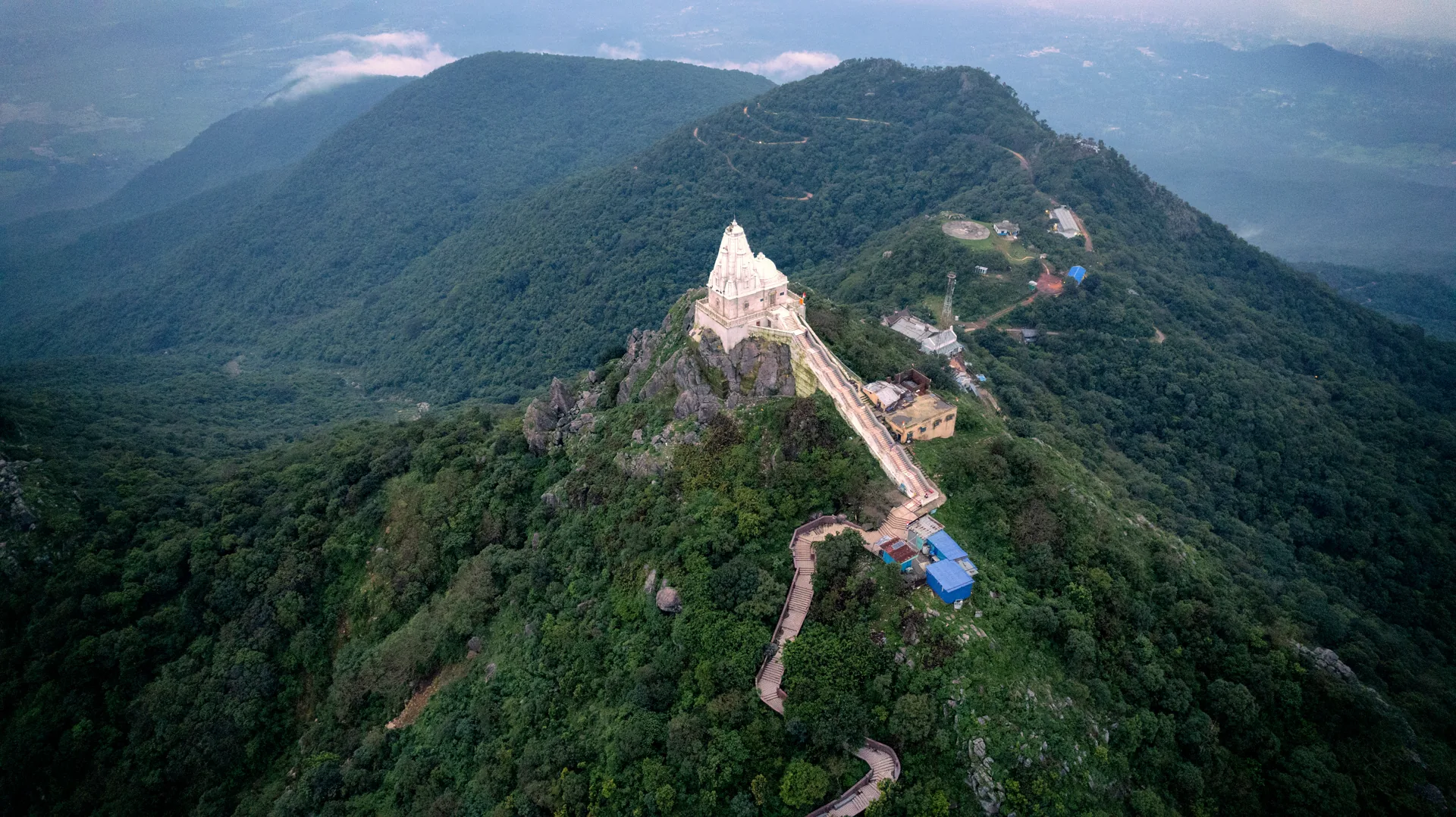
Sammed Shikharji Panch Tirth Yatra - 6 Nights 7 Days Jain Pilgrimage ex-Kolkata
- Darshan at Shri Sammed Shikharji, the holiest Jain tirth, where 20 of the 24 Tirthankaras attained moksha
- A pre dawn vandana across the ridge, with doli support for elders on the long hill day
 10D / 9N
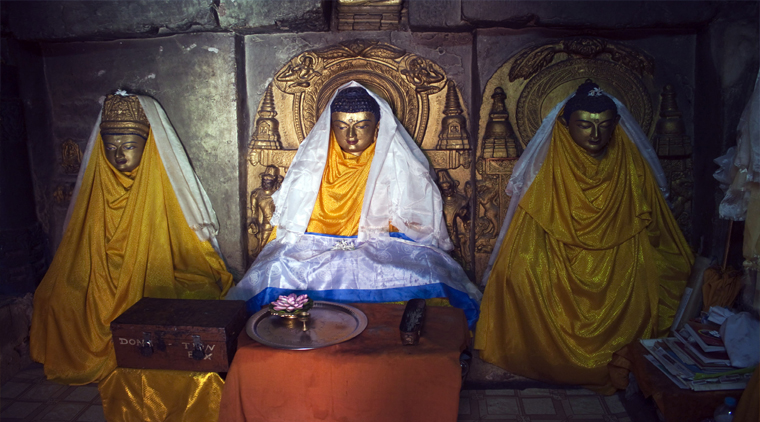
Buddha Tour
- Visit Bijleshwari Devi temple
- Visit Gorakhnath Temple