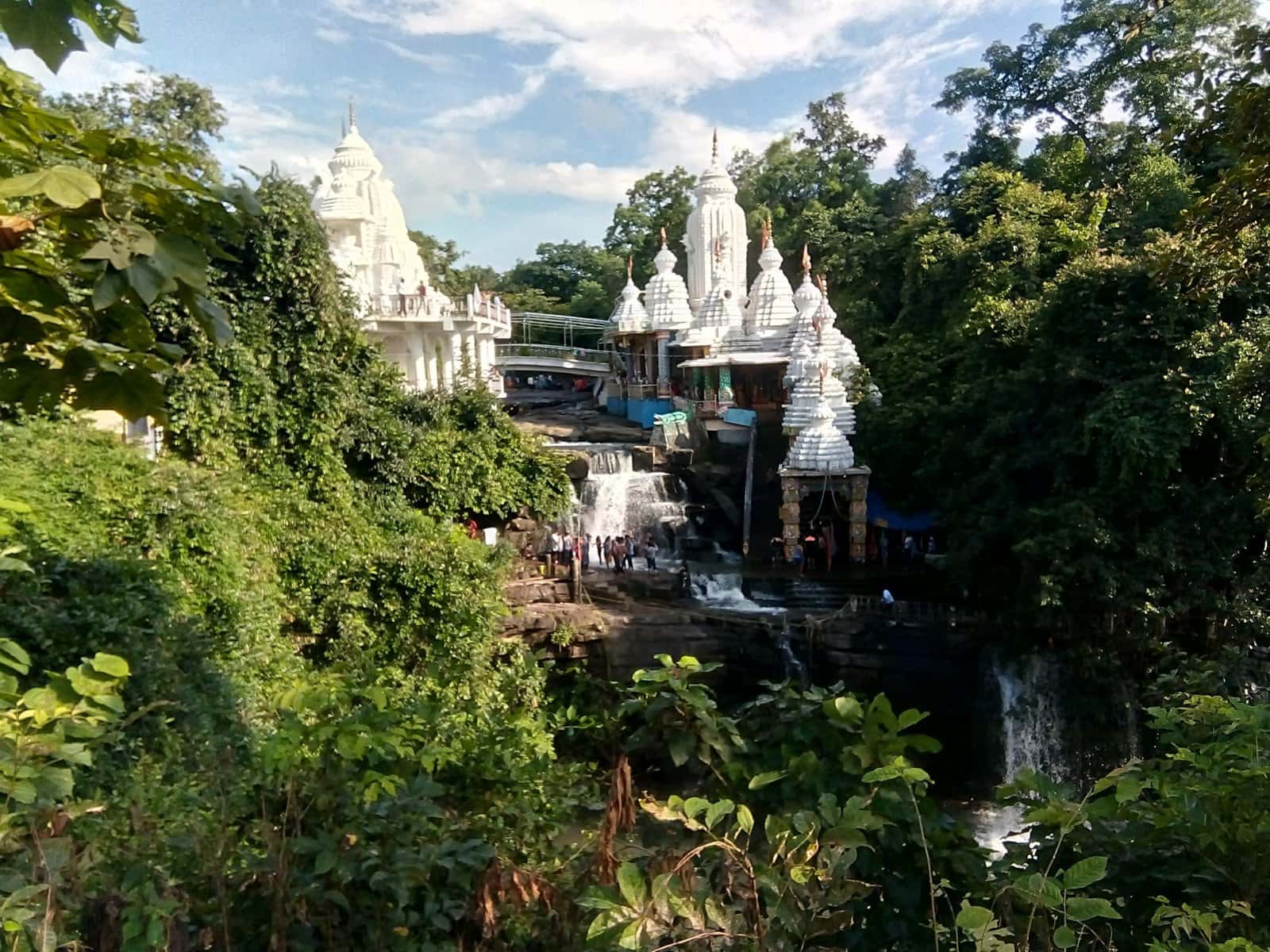
Kawardha Travel Guide
The clear winner is the winter window of about October to March , when days are pleasant for the carved temples and the forest. If you can, time it for the Bhoramdeo Mahotsav in...
When to visit Kawardha, and the festival to time it for
The clear winner is the winter window of about October to March, when days are pleasant for the carved temples and the forest. If you can, time it for the Bhoramdeo Mahotsav in March.
- October to March: the pleasant seasonThis is the season to come. Temperatures sit at a comfortable roughly 10 to 25 degrees Celsius, the Maikal forest is green after the rains, and walking the Bhoramdeo temple cluster or driving out to the sanctuary is easy and pleasant. Mornings and evenings carry a real chill in December and January, so pack a warm layer even though the days are mild.
- March: the Bhoramdeo MahotsavAround March the area holds the Bhoramdeo Mahotsav, a cultural festival of local music, dance and crafts staged near the temple. It is the liveliest time to see the region's tribal culture in one place, and it pairs naturally with the cool, clear weather. Dates shift year to year, so confirm the festival window before you fix your travel.
- April to June: hot and quietCentral Chhattisgarh turns hot through the summer, often uncomfortably so by midday, which makes the open temple complex hard going in the middle of the day. If you must come then, start at dawn, rest through the afternoon, and save the monuments and the sanctuary for the cooler ends of the day.
- July to September: green but harderThe monsoon greens the Maikal hills beautifully, but heavy rain can make forest tracks and some approaches slow or messy, and the sanctuary experience is limited. It can be a rewarding time for the scenery if you keep plans flexible, but most visitors are better served by the winter window.
Two things decide the best week for you. If you have come for the carved stone, a clear winter morning or late afternoon gives the soft, raking light that brings out the Bhoramdeo and Madwa Mahal sculptures, so plan the monuments for those hours rather than harsh midday. If you have come for the culture, aim for the March Bhoramdeo Mahotsav and confirm its dates first, because the festival, not the weather, is what makes that week special.
How to reach Kawardha
Most people reach Kawardha through Raipur, then drive about 2.5 to 3 hours into the Maikal foothills. There is no airport or major railhead in Kawardha itself.
- By air, via RaipurSwami Vivekananda Airport at Raipur is the practical gateway, at roughly 116 to 135 km depending on the source and about a 2.5 to 3 hour drive from Kawardha. Raipur connects to Delhi, Mumbai, Kolkata, Hyderabad and other major cities. From the airport, take a pre-arranged car or a taxi up to Kawardha; there are no flights into Kawardha itself.
- By rail, via Raipur or BilaspurKawardha has no major railhead of its own. Raipur and Bilaspur are the nearest big stations, each roughly 116 to 120 km away, and both are well connected on the central railway network. From either, continue by road. Book trains ahead on IRCTC (irctc.co.in), especially in the winter season.
- By road, from RaipurThe drive from Raipur to Kawardha is about 116 to 120 km and roughly 2.5 hours on a generally good highway through central Chhattisgarh. It is a comfortable run, and we can arrange a car with an experienced driver who knows the temple cluster and the onward route towards Kanha.
- On the way to KanhaKawardha sits on the Raipur to Kanha road, so many visitors fold it into a wildlife trip. The Mukki gate of Kanha is reached from Raipur via Kawardha, Chilpi and Garhi, with the Raipur to Mukki run quoted at about 185 km, which makes Kawardha a natural heritage overnight before the forest. Reconfirm the Kawardha to Mukki leg locally, as it is roughly 100 km.
Fly into Delhi or Mumbai, then take a domestic flight to Raipur and drive about 2.5 to 3 hours to Kawardha. Kawardha has no flights of its own, so Raipur is your real gateway, and it slots neatly before a Kanha safari.
Fly into Delhi, Mumbai or Hyderabad, connect to Raipur, and continue by road into the Maikal foothills. Pairing Kawardha with Kanha and a Chhattisgarh tribal leg makes a rich central-India loop.
Drive or take a train to Raipur or Bilaspur, then continue by road to Kawardha. Self-drivers from Nagpur, Jabalpur or Raipur find Kawardha a logical stop on the way to Kanha's Mukki gate.
The three carved monuments, and the Palace
Kawardha's draw is a compact cluster of medieval stone temples, the Khajuraho of Chhattisgarh, plus the royal Palace in town. Knowing how the three monuments relate saves you time.
- Bhoramdeo temple, the headlineAbout 18 km from Kawardha town at Chaura village near Bhoramdeo, this Shiva temple in the Nagara style is dated to the 11th to 12th centuries under a Nagvanshi king, with the main shrine often placed around 1089 AD. Its walls carry bands of sculpture, including the sensuous figures that earn it the Khajuraho-of-Chhattisgarh name, alongside elephants, deities and rows of hero-stones around the complex.
- Madwa Mahal, the marriage-hall templeAbout 1 km southeast of Bhoramdeo stands Madwa Mahal, also written Mandwa Mahal. An inscription dates it to about 1349 AD and records a Shiva temple built by the Nagvanshi ruler Ramchandra; tradition says it marked a royal marriage. It is a Nagara stone temple known for a large mandapa on sixteen pillars and many erotic carvings on its outer walls.
- Cherki Mahal, the smallestAbout 0.5 to 1 km southwest of Madwa Mahal, depending on the source, is Cherki Mahal, also written Cheraki Mahal, the smallest of the three, with its main entrance to the east. Because the three sit so close together, you can see the whole carved cluster in a single half-day outing rather than three separate trips.
- Kawardha Palace, in townBack in Kawardha, the Palace built in 1930 by Maharaja Dharamraj Singh in Italian marble is the town's other landmark, set in the Maikal range at about 941 metres over roughly 11 acres. Much of the ground floor is now a heritage hotel run by the erstwhile royal family, so the easiest way to see it properly is to stay or dine there.
The single most useful thing to know is that Bhoramdeo, Madwa Mahal and Cherki Mahal sit within about a couple of kilometres of one another, roughly 18 km from Kawardha town. Treat them as one carved-stone outing rather than three errands: drive out from town, start at the main Bhoramdeo temple, then walk or drive the short distance to Madwa Mahal and Cherki Mahal. A local guide at the complex adds the dates and the legends that the bare stone does not announce.
Signature experiences in Kawardha
Beyond the headline temples, Kawardha is heritage, forest and living tribal culture: a palace stay, the Bhoramdev Sanctuary, and the Maikal hills.
- Read the carvings at BhoramdeoGive the main temple more than a quick photo. Walk the outer walls slowly with a guide to pick out the sculpture bands, the elephants and the hero-stones, and go in the soft light of early morning or late afternoon when the carving stands out. This is the experience the Khajuraho-of-Chhattisgarh name is built on, and it rewards a slow, attentive hour.
- Stay in the heritage PalaceA night in the Kawardha Palace, the royal family's own 1930 home in Italian marble, restored in 1991, is the signature in-town experience. The domed durbar hall, marble staircases and courtyards give a real sense of a princely house, and staying there is the most complete way to see it. Book ahead in the winter season.
- Explore the Bhoramdev SanctuaryThe Bhoramdev Wildlife Sanctuary spreads about 352 sq km of Maikal-range forest around the area, with leopard, sloth bear, barking deer and many birds. It is a quiet, undisturbed forest rather than a big-name tiger park, so come for the birds, the trees and the calm. Arrange any forest trip through a local operator and check current access before you set out.
- Meet Baiga country, respectfullyThe forests of Kabirdham are home to the Baiga, a community recognised as a Particularly Vulnerable Tribal Group. A guided, respectful village visit can be a memorable window into their way of life. Go with a local who has a genuine relationship with the village, ask before photographing people, and treat the visit as meeting neighbours, not viewing an attraction.
- Time it with the Bhoramdeo MahotsavIf your dates allow, the March Bhoramdeo Mahotsav near the temple gathers local music, dance and crafts into a few lively days. It is the easiest way to see the region's culture in one place, and it falls in the pleasant end of the season. Confirm the dates first, as they move year to year.
- Use Kawardha as the Kanha overnightMany visitors fold Kawardha into a Kanha trip: see the temples and sleep at the Palace, then drive on towards the Mukki gate via Chilpi and Garhi the next morning. It turns a long Raipur-to-forest haul into two gentler days, with a heritage chapter that the wildlife leg lacks.
If you do only one thing slowly in Kawardha, make it the Bhoramdeo temple in the first or last light of the day, when the low sun rakes across the carved walls and the complex is quiet. That unhurried hour with the stone, more than any checklist of three monuments, is what most travellers remember, and it only opens up if you give it the soft light rather than the midday glare and a five-minute stop.
Where to stay in Kawardha, and how many nights
Stay in the royal-family Palace for heritage, or in a simpler hotel or a forest-edge retreat for value and calm. One night suits a temple stop; two if you add the sanctuary or Kanha.
- The Kawardha Palace: heritage and groundsThe signature base, the erstwhile royal family's 1930 palace in Italian marble, restored in 1991, set in the Maikal range over roughly 11 acres. Atmospheric and central to the Kawardha experience, with heritage rooms, a durbar hall and courtyards. Best for travellers who want the princely story on their doorstep; book ahead in the winter peak.
- Simpler hotels in and around townKawardha town and the temple road have a handful of simpler hotels and guesthouses that cost far less than the Palace and cover a temple-focused overnight comfortably. They are plain but practical, and suit travellers who want to spend on the experience rather than the room.
- Forest-edge retreats towards the sanctuaryOn the way to the Bhoramdev Sanctuary and the Chilpi forest belt there are a few jungle-retreat style stays that put you closer to the trees and the onward Kanha road. They suit travellers pairing Kawardha with the sanctuary or with a Kanha safari, and trade town convenience for forest calm.
- How many nightsOne night is enough for the temple cluster and a look at the Palace if Kawardha is a stop between Raipur and Kanha. Give it two nights if you want to add the Bhoramdev Sanctuary, a Baiga-country visit or a relaxed Palace stay, or if you are timing the trip around the March Bhoramdeo Mahotsav.
Kawardha is a small town with limited quality rooms, and the Palace in particular has a modest number of heritage rooms. Around the winter peak and the March Bhoramdeo Mahotsav, and on any week when tour groups are routing through to Kanha, the good rooms fill well ahead and rates rise. If your dates fall on those peaks, book early, or be ready to use a simpler town hotel and visit the Palace for a meal.
Kawardha costs and a realistic budget
Kawardha is an affordable stop outside the heritage-stay splurge. Here is where the money actually goes so you can plan and book with your eyes open.
- Where the budget really sitsIn Kawardha the room is the budget, not the sightseeing. A simple town hotel is gentle on the wallet, while the heritage Palace is several times more, so the single biggest decision is whether the princely stay matters enough to you to pay for it. The temples and the forest cost little by comparison.
- Rooms, the biggest linePlan for a wide spread: simple town hotels and guesthouses are inexpensive, mid-range and forest-retreat stays sit higher, and the Kawardha Palace heritage rooms are the premium choice. Tariffs shift by season and rise in the winter peak and festival weeks, so reconfirm current rates directly when you book rather than relying on an old quote.
- Getting around and a carThe temple cluster is about 18 km out of town and the sanctuary further still, so most visitors hire a car and driver for the day, or use the one they arrived in from Raipur. Agree the local sightseeing and temple-cluster rate in advance. A guide at the Bhoramdeo complex is a small, worthwhile extra.
- Cash, cards and ATMsBigger hotels and the Palace take cards and UPI, but small eateries, local transport, temple-side stalls and village visits often run on cash, and ATMs in a small town can run dry. Draw enough cash in Raipur before you head up to keep the trip smooth, and carry small notes for tips and local rides.
The cleanest way to budget Kawardha is to settle the accommodation question before anything else. If the Palace stay is the point of the trip for you, book it early and build the rest of a modest day around it; if it is not, a simple town hotel plus a hired car for the temple cluster keeps the whole stop genuinely cheap. Either way, the monuments, the sanctuary and a guide are minor costs next to where you choose to sleep.
Practical logistics: getting around, ATMs, food and language
The small things that make a Kawardha day smooth, from hiring a car for the out-of-town temples to ATMs, food and the local language.
- Getting around the out-of-town sightsKawardha's headline sights are not in the town: the temple cluster is about 18 km away and the sanctuary further. A car and driver for a half or full day covers the three monuments and a sanctuary edge comfortably. In town itself, the Palace and the market are easy to manage on foot or by auto.
- Money and ATMsCarry cash. ATMs exist in Kawardha but a small town can see them run empty, and card or UPI acceptance thins at small eateries, temple stalls and in the villages. Draw enough in Raipur before the drive up so a dry ATM never strands you mid-trip.
- Food and waterExpect simple, hearty Chhattisgarhi and north Indian food at hotels and small dhabas rather than a big dining scene; the Palace has its own kitchen for guests. Carry water for the temple cluster and the forest, as options thin out once you leave town, and a packed snack helps on the longer drives towards Kanha.
- Language and a guideHindi is the everyday language, with Chhattisgarhi widely spoken and the Baiga community having its own tongue; basic English is understood at the Palace and in the tourist trade but not everywhere. A local guide who speaks the area's languages is worth arranging, both for the temple history and for any respectful village visit.
Safety, the roads, and staying well
Kawardha is a calm, welcoming small town. The real things to manage are the drives, the heat or chill of the season, and visiting tribal villages respectfully, rather than crime.
- The drives and daylightThe main practical hazard is the road, not crime: the Raipur run, the out-of-town temple cluster and the onward Kanha leg are all best driven in daylight, when the highways and forest roads are easier and you can take the carving and the scenery in. Avoid late-night driving on the forest stretches, and keep some buffer time on the Kanha day.
- Season, heat and chillMatch your care to the season. The summer is genuinely hot, so carry water, wear a hat and avoid the open temple complex at midday; winter mornings and evenings are cold, so pack a warm layer. The monsoon can make forest tracks slippery, so wear sensible footwear if you visit then.
- A low-pressure small townKawardha is a quiet district town with little of the tout or scam pressure of big tourist centres. Use normal travel sense with valuables, agree car and guide rates in advance, and you will find the area relaxed and friendly rather than hard-sell.
- Visiting villages with respectIf you visit a Baiga or other tribal village, treat it as the most important courtesy of the trip. Go with a trusted local, ask before photographing people or homes, do not hand out sweets or money casually, and buy crafts directly if you want to give back. Respectful visiting keeps these encounters welcome for the travellers who follow.
Kawardha is an easy stop for older travellers and families: the pace is slow and the sights are short outings rather than long climbs, though the temple complex is open and uneven underfoot, so sturdy shoes and a steadying hand help. Base at the Palace to keep walking short, plan the monuments for the cooler hours, carry water, and keep the longer Kanha drive to daylight. On those terms it is a gentle, low-stress base for all ages.
Kawardha for every kind of traveller, and on access
Kawardha suits different visitors in different ways. Here is what it offers you, and the one tip that matters for each, including how a senior enjoys it comfortably.
- Heritage and history loversThis is your place: a medieval carved-temple cluster called the Khajuraho of Chhattisgarh, a 14th-century marriage-hall temple, and a 1930 royal palace you can stay in. Take a guide for the dates and legends, go slowly along the sculpture bands, and give the three monuments a proper morning rather than a rushed stop.
- CouplesQuiet, offbeat and atmospheric, with a princely Palace stay and very little crowd, Kawardha makes a calm, characterful pause on a central-India trip. An overnight rather than a day stop lets you catch the soft evening light on the carving and a slow dinner in the heritage setting.
- Families with childrenThe open temple complex, the Palace, the forest sanctuary and a respectful village visit give children space and variety, with far less crowd and traffic than a big city. Keep an eye on little ones on the uneven temple stone and near forest edges, and the mix of history and nature holds their interest well.
- Senior travellers and on accessCalmer and less crowded than the big circuits, with short outings rather than long walks. Stay at or near the Palace to limit walking, do the temple cluster and the sanctuary as short car outings in the cooler hours, wear sturdy shoes for the uneven complex, and keep the Kanha drive to daylight. On those terms Kawardha is very senior-friendly.
- Nature and wildlife loversThe Bhoramdev Sanctuary's about 352 sq km of Maikal forest, with leopard, sloth bear, barking deer and birds, is a quiet, undisturbed alternative to the big tiger parks, and it sits on the road to Kanha. Come for the birds, the trees and the calm, arrange forest trips locally, and pair it with a Kanha safari for the full picture.
- Budget travellers and photographersBudget travellers can sleep cheaply in a simple town hotel and still see the temples and the forest for very little, hiring a car only for the out-of-town cluster. Photographers get carved medieval stone, the Palace and the Maikal landscape, all best in the soft, clear light of a winter morning or late afternoon.
A suggested Kawardha itinerary
How to shape one or two unhurried days so you catch the carved temples, the Palace and the soft light, and chain on to Kanha if you wish.
- Day one, morningDrive the about 18 km out to the temple cluster early, while the light is soft and the air cool. Start at the main Bhoramdeo temple and read the carved walls with a guide, then walk or drive the short distance to Madwa Mahal and Cherki Mahal to complete the medieval cluster in one outing.
- Day one, afternoon and eveningReturn to Kawardha for lunch and rest through the warm middle of the day, then spend the late afternoon at the Palace, taking in the durbar hall, the marble staircases and the courtyards. End with a slow evening in the heritage setting as the light fades over the Maikal foothills.
- Day two, if you have itGive a second day to the Bhoramdev Sanctuary and Baiga country, arranged through a local operator, for the forest, the birds and a respectful village visit. Or, if Kawardha is a stepping-stone, start the morning drive towards Kanha's Mukki gate via Chilpi and Garhi, turning the trip into two gentle days rather than one long haul.
- The Kanha-trip versionIf your real goal is a Kanha safari, use Kawardha as the heritage overnight on the way: arrive from Raipur, do the temple cluster and the Palace, sleep, and drive on to the Mukki gate the next morning. It breaks the long Raipur-to-forest journey and adds a carved-temple chapter the wildlife leg does not have.
Two things shape a good Kawardha plan. Schedule the temple cluster for early morning or late afternoon so you get the soft, raking light on the carving rather than flat midday glare, and rest through the hot middle of the day. And if Kanha is next, treat Kawardha as the overnight that makes the long drive humane: see the heritage in the cool hours, sleep well, and leave for the Mukki gate fresh the following morning.
The real questions travellers ask about Kawardha
Straight answers to the questions that come up again and again on Chhattisgarh and Kanha forums, so you arrive already knowing the score.
- How far is the Bhoramdeo temple from town?About 18 km from Kawardha town, at Chaura village near Bhoramdeo. Kawardha is the base where you sleep and eat, and the temple cluster is a short drive out, so plan a car for the morning. Madwa Mahal and Cherki Mahal are within about a couple of kilometres of the main temple, so all three are one outing.
- Why is it called the Khajuraho of Chhattisgarh?Because the Bhoramdeo temple's walls carry bands of sculpture including sensuous and erotic figures in the manner of Khajuraho, alongside elephants and deities. It is a Nagara-style Shiva temple dated to the 11th to 12th centuries, so the comparison is about the carving and the style, not the scale of the Khajuraho group.
- Can I combine Kawardha with Kanha?Yes, and many do. Kawardha sits on the Raipur to Kanha road, and the Mukki gate is reached via Kawardha, Chilpi and Garhi, with the Raipur to Mukki run quoted at about 185 km. Use Kawardha as the heritage overnight, then drive on to the gate the next morning. Reconfirm the exact Kawardha to Mukki distance and the gate timings locally.
- Is one night enough?One night is enough for the temple cluster and the Palace if Kawardha is a stop between Raipur and Kanha. Stay two nights if you want to add the Bhoramdev Sanctuary, a Baiga-country visit or a relaxed heritage stay, or if you are there for the March Bhoramdeo Mahotsav.
- Is the Palace stay worth it, and who runs it?The Kawardha Palace is the 1930 home of the erstwhile royal family, in Italian marble and restored in 1991, with much of the ground floor run as a heritage hotel by the family. If a princely stay is the kind of thing you enjoy, it is the highlight of the town; if not, a simple hotel plus a meal at the Palace works.
- When is the best time, and what about the festival?The winter window of about October to March is the best, with pleasant roughly 10 to 25 degree weather. If you want the culture, time it for the March Bhoramdeo Mahotsav of music, dance and crafts near the temple, confirming its dates first, as they shift year to year.
Planning Kawardha from abroad
Kawardha is the offbeat heritage and tribal add-on to a central-India trip, an easy counterpoint to a Kanha safari. A little planning of the gateways makes it smooth.
- Come in through Delhi or Mumbai and RaipurFly into Delhi or Mumbai, then take a domestic flight to Raipur and drive about 2.5 to 3 hours, roughly 116 to 135 km, up to Kawardha. Kawardha has no airport, so Raipur is the gateway you should plan around, and it sits conveniently before a Kanha safari.
- Pair it with Kanha and a tribal legKawardha works best as part of a central-India loop: the carved temples and the Palace here, the Bhoramdev Sanctuary and Baiga country around it, and a Kanha tiger safari via the Mukki gate next. It is the heritage and culture chapter that a wildlife-only trip lacks, and the drives chain together logically from Raipur.
- Stay in the heritage PalaceThe Kawardha Palace, the royal family's 1930 home in Italian marble, restored in 1991, is a memorable, character-filled base. Book the heritage rooms ahead, especially in the winter season and around the March festival, and use it as the comfortable anchor for an otherwise offbeat region.
- Offbeat, and best with a guideThis is not a polished tourist town, which is its charm, but it means a good local guide and a pre-arranged car matter more than in the big circuits. They turn the temple history, the sanctuary and any respectful village visit from a guess into a genuinely rich few days, and smooth the language gap.
Fly to Delhi or Mumbai, connect to Raipur, then drive about 2.5 to 3 hours to Kawardha. Combine with Kanha and a Chhattisgarh tribal leg for a fuller central-India trip.
Fly to Delhi, Mumbai or Hyderabad, hop to Raipur, and continue by road into the Maikal foothills, chaining Kawardha into a Kanha safari.
Reach via Raipur or Bilaspur by train or flight, then drive to Kawardha. The Raipur to Kanha road runs through Kawardha, so it slots naturally into a wildlife-and-heritage itinerary.
Money, connectivity and timing for foreign visitors
The practical basics an overseas traveller needs for an offbeat central-India town: cash, a SIM, the season, and how many days to give Kawardha on a wider trip.
- Carry cash from the cityCards and UPI work at the Palace and bigger hotels, but small eateries, temple stalls, local transport and village visits often need cash, and a small town's ATMs can run dry. Draw enough rupees in Raipur before you head up, and keep small notes for tips, guides and local rides.
- Get a SIM in the city, not the townPick up an Indian tourist SIM or an eSIM when you land in Delhi, Mumbai or Raipur, rather than hunting for one in Kawardha. Coverage in the town is generally fine for maps, calls and messaging on the main networks, though it thins in the deeper forest and on the Kanha road.
- Pack for the seasonAim for the about October to March winter window, when the weather is pleasant at roughly 10 to 25 degrees, and bring a warm layer for cold mornings and evenings. If you can only come in summer, prepare for real heat and plan the open temple complex for the cool ends of the day.
- How long to give it on a bigger tripOn a central-India trip, one to two nights in Kawardha is the right weight: enough for the carved temples, the Palace and, with a second night, the sanctuary or a village visit, without slowing a wider Kanha-and-Chhattisgarh itinerary. Time it to the winter months, and to the March festival if culture is your draw.
Kawardha is an unusually rewarding introduction to off-the-trail India: a genuine medieval temple cluster, a royal palace you can sleep in, and living tribal culture, all far from the crowds of the famous circuits. Slot it between Raipur and a Kanha safari, give it a night or two, lean on a good local guide and a pre-arranged car, and let it be the heritage-and-culture chapter that makes a wildlife trip feel complete.
The Khajuraho of Chhattisgarh, raised by the Nagvanshi kings
Bhoramdeo owes its fame to the Nagvanshi, or Naga, kings who ruled this corner of central India in the medieval centuries. On a quiet site near the Maikal foothills, about 18 km from the town that is now Kawardha, they raised a Shiva temple in the Nagara style and covered its walls with bands of sculpture: elephants and deities, processions and hero-stones, and the sensuous, erotic figures that, generations later, would earn it the name the Khajuraho of Chhattisgarh. Historians place the main shrine in the 11th to 12th centuries, often around 1089 AD. A little over a kilometre away, the Nagvanshi line built again in the 14th century: an inscription dates the Madwa Mahal to about 1349 AD and ties it to the ruler Ramchandra, and tradition remembers it as a temple raised to mark a royal marriage, the marriage-hall temple. The smaller Cherki Mahal completes the cluster. The grand erotic comparison to Khajuraho is the carving and the style rather than the scale, so come for an intimate, uncrowded medieval temple cluster you can read slowly in the soft light, with the dates and the marriage legend told as the heritage record and local tradition that they are, rather than as a single documented certainty.
Planning a Kawardha trip?
Our Chhattisgarh travel experts plan your full journey for you: route, hotels, darshan timings and transport. You get a free day-by-day plan and an exact quote on WhatsApp, usually within a few hours. No payment is needed to get your plan.