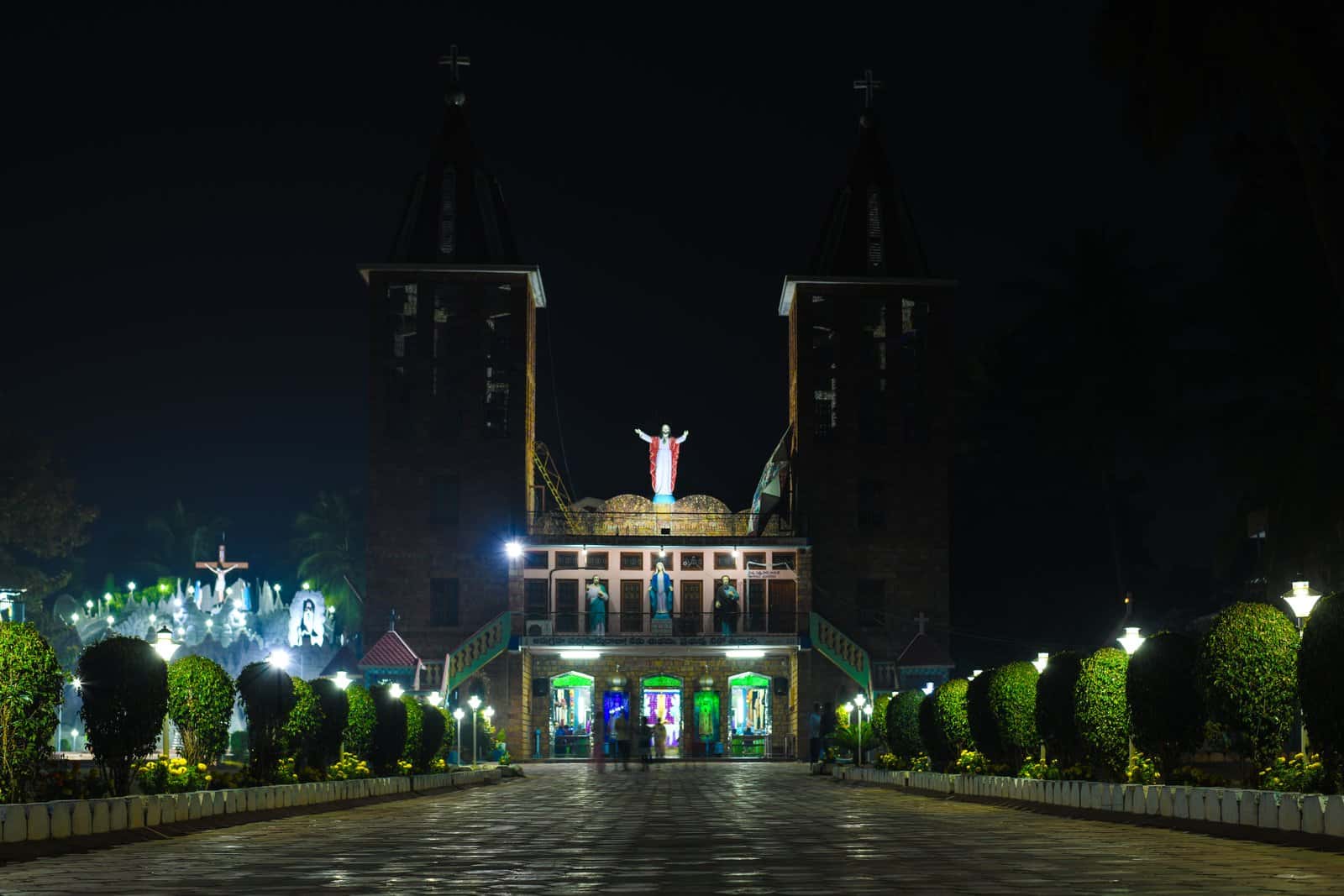
Eluru Travel Guide
The clear winner is the winter window of about October to March , which is both the pleasant season and the time the Kolleru migratory birds arrive.
When to visit Eluru, and the Kolleru bird season
The clear winner is the winter window of about October to March, which is both the pleasant season and the time the Kolleru migratory birds arrive.
- October to March: the pleasant season and the birdsThis is the season to come. The delta weather is at its most comfortable for the spread-out sights, and it is the window when Kolleru Lake fills with migratory birds, so you get the best of both the climate and the wildlife. Mornings are pleasant for boat trips and the temple, so plan the outdoor sights for the cooler hours.
- The Kolleru migration windowThe migratory birds at Kolleru, painted storks, pelicans, glossy ibis and many others, are present mainly in the October to March winter, with the cooler months the most rewarding for sightings. If birding is your reason to come, time the trip squarely inside that window and go early in the day for the best activity on the water.
- April to June: hot and humidThe coastal Andhra summer is hot and humid, and the open lake, the caves and the temple queues become hard going by midday. If you can only come then, start at dawn, rest through the afternoon, and save the outdoor sights for the cooler ends of the day.
- July to September: monsoonThe monsoon greens the delta and raises the lake, but heavy rain can make the spread-out sights and the boat trips less reliable, and the birds are not yet in. It is workable for a flexible visitor, but most travellers are far better served by the winter window.
Two things decide the best week for you. If the Kolleru birds are the draw, come in the heart of the October to March migration and start your boat trip early, when the birds are most active. If a Dwaraka Tirumala darshan matters most, check the temple's festival calendar, as the big festival days bring large crowds and long queues; a quiet winter weekday gives the calmest darshan and the most comfortable weather for everything else.
How to reach Eluru
Eluru sits on the main rail line and the NH-16 coastal highway, with Vijayawada the nearest airport. Most visitors come through Vijayawada or by train.
- By air, via VijayawadaVijayawada airport at Gannavaram is the nearest airport, roughly 40 to 60 km from Eluru depending on the route, with domestic links to the major cities. From the airport, take a pre-arranged car or taxi to Eluru. There are no flights to Eluru itself, and Vijayawada is the practical gateway for most visitors.
- By rail, on the main lineEluru is well connected by rail: its station sits on the main Chennai to Howrah trunk line, so trains from across the country stop here. For many travellers the train is the easiest way in. Book ahead on IRCTC (irctc.co.in), especially in the cool season and around temple festivals.
- By road, on NH-16Eluru sits on the NH-16 coastal highway between Vijayawada and Rajahmundry, so it is an easy drive from either, with Vijayawada about 60 km away. A car is the best way to handle Eluru, since the sights are spread out around the town in different directions.
- Folding it into a delta tripBecause Eluru is on the Vijayawada to Godavari corridor, many visitors fold it into a wider delta itinerary rather than a special trip. Pair it with Vijayawada's sights and the Godavari towns, and Eluru becomes the lake, caves and temple chapter of an Andhra delta loop.
Fly into Hyderabad or Chennai, then connect to Vijayawada by a short flight or train and continue to Eluru by road. It pairs neatly with a wider Andhra or Godavari-delta trip.
Fly into Hyderabad, Chennai or Visakhapatnam, connect to Vijayawada, and reach Eluru by road or the main-line train. The Kolleru birds and the Buddhist caves slot into a delta itinerary.
Take a main-line train straight to Eluru, or fly to Vijayawada and drive. Self-drivers find Eluru an easy stop on the NH-16 between Vijayawada and the Godavari towns.
Kolleru Lake, the Guntupalli caves, and Dwaraka Tirumala
Eluru's sights are a vast bird lake, early-Buddhist rock-cut caves and a famous Venkateswara temple, all spread out around the town in different directions.
- Kolleru Lake and bird sanctuaryOne of the largest freshwater lakes in India, set between the Krishna and Godavari deltas and protected as a bird sanctuary, Kolleru lies about 15 km from Eluru. In the winter it fills with migratory birds, and the Atapaka area is a popular access point for boat trips and birdwatching. It is the signature natural sight of the region.
- Guntupalli Buddhist cavesAbout 40 km from Eluru, the Guntupalli rock-cut caves are an early Buddhist monastic site with stupas and viharas dating from roughly the 2nd century BCE to the 2nd century CE under the Satavahana era, including a rare rock-cut circular chaitya. They are a quiet, atmospheric window into early Buddhist India that few visitors expect in coastal Andhra.
- Dwaraka Tirumala, the little TirupatiAbout 40 to 42 km from Eluru, Dwaraka Tirumala is a famous Venkateswara temple known as Chinna Tirupati, the little Tirupati, with a self-manifested deity and a strong pilgrimage following. It is busiest on festival days, so a quiet weekday gives the calmest darshan if you are not coming for a festival.
- The town and its carpetsEluru itself, the old Helapuri on the Tammileru river, has its town temples and markets, and a long tradition of hand-woven woollen carpets, a centuries-old craft that gives the town a distinct identity. It is worth a short look at the craft and the local life between the bigger out-of-town sights.
The most useful thing to know is that Eluru's sights lie in different directions and at real distances: Kolleru about 15 km, Guntupalli about 40 km and Dwaraka Tirumala about 40 to 42 km from town. They are not a quick cluster, so plan a car and a sensible route, ideally doing the lake early for the birds and the temple or the caves later, rather than trying to crisscross the delta. A local driver who knows the roads saves real time here.
Signature experiences in Eluru
Beyond seeing the sights, this is a Kolleru boat-and-birding trip, the quiet of the Guntupalli caves, a Dwaraka Tirumala darshan and the Eluru carpets.
- A Kolleru boat trip and birdingThe signature experience is a morning boat trip on Kolleru in the winter, when the lake is alive with painted storks, pelicans, glossy ibis and more. Go early from the Atapaka access point, take a local boatman who knows the bird areas, carry binoculars if you have them, and give it an unhurried couple of hours rather than a quick spin.
- Explore the Guntupalli cavesGive the early-Buddhist Guntupalli caves time to sink in: the rock-cut stupas, the viharas and the rare circular chaitya are over two thousand years old, and the quiet setting is part of the experience. A guide or a little reading beforehand brings the Satavahana-era story alive, and the site rewards a slow, attentive visit rather than a rushed stop.
- Take a Dwaraka Tirumala darshanA darshan at Dwaraka Tirumala, the little Tirupati, is the pilgrimage highlight of the region. Go on a quiet weekday for the calmest experience, dress modestly and traditionally as for any major temple, check the day's timings on arrival, and allow time for the queue, which lengthens on festival days.
- See the Eluru carpetsEluru's hand-woven woollen carpet craft is a centuries-old tradition worth seeking out. Ask locally for a workshop or a reputable outlet to see the weaving and, if you wish, buy a genuine piece, which makes a far more meaningful keepsake than a mass-made copy and supports the local craft.
- Use Eluru as a delta baseTreat Eluru as the base for a delta day or two: the lake and birds in the morning, the caves or the temple later, and the town in between. Pairing it with Vijayawada and the Godavari towns turns a single stop into a fuller Andhra delta loop, with Eluru providing the nature and heritage.
If you do only one thing slowly in Eluru, make it the early-morning Kolleru boat trip in the winter, when the light is soft and the migratory birds are most active on the water. That unhurried couple of hours on the lake, more than any quick circuit of the spread-out sights, is what most visitors remember, and it only opens up if you start early and give it time rather than squeezing it between long drives.
Where to stay in Eluru, and how many nights
Stay in Eluru town as the base for the spread-out sights, or in Vijayawada with Eluru as a day trip. One to two nights covers it comfortably.
- Eluru town hotelsEluru town has simple to mid-range hotels that make a practical base for the spread-out sights, within reach of the road to Kolleru, Guntupalli and Dwaraka Tirumala. They are plain and functional rather than scenic, and suit travellers who want to be close to the early start for the lake.
- Base in Vijayawada insteadMany visitors sleep in Vijayawada, which has a far wider choice of hotels, and do Eluru and its sights as a day trip about 60 km away. This suits travellers whose main trip is built around Vijayawada and the delta, with Eluru added on for the lake, the caves and the temple.
- Pilgrim accommodation near Dwaraka TirumalaIf a Dwaraka Tirumala darshan is your focus, there is pilgrim accommodation near the temple, which suits an early-morning darshan without the drive from Eluru. It is practical rather than fancy, and books up around festival days, so reserve ahead on the peaks.
- How many nightsOne full day covers the essentials if you base in Vijayawada and pick your priorities. One to two nights in Eluru lets you do the Kolleru birds, the Guntupalli caves and the Dwaraka Tirumala darshan without rushing across the delta, which is the comfortable way to see the spread-out sights.
Around Dwaraka Tirumala's festival days, accommodation near the temple and in Eluru fills well ahead and the queues swell. If your dates fall on a festival, book early, or base in Vijayawada where there is more supply and come over on a planned day. Outside the festival peaks, a room in Eluru or Vijayawada is easy to arrange, and the sights are far calmer.
Eluru costs and a realistic budget
Eluru is an inexpensive trip. The main cost is the car for the spread-out sights; here is where the money actually goes.
- A car is the main costBecause the sights are spread out in different directions, the biggest practical cost is a car and driver for the day to cover Kolleru, Guntupalli and Dwaraka Tirumala comfortably. Agree the day rate and the route in advance. It is money well spent, since public transport between the scattered sights is slow and awkward.
- Boat trips and entriesThe Kolleru boat trip is priced by the boat or the hour through local boatmen, and the bird sanctuary itself is inexpensive or free to enter; the Guntupalli caves carry little or no fee, and Dwaraka Tirumala darshan is inexpensive with paid quicker-darshan options on busy days. Budget a modest amount per person for these and negotiate the boat rate in advance.
- Rooms and foodAccommodation is gentle on the wallet: simple Eluru hotels are cheap and even a comfortable Vijayawada base is moderate. Food is inexpensive, hearty Andhra fare, with more choice in Vijayawada. Rooms cost more and fill faster around temple festivals, so book early on the peaks.
- Cash, cards and ATMsCarry cash for the boatmen, autos, offerings and small eateries, even though bigger hotels take cards and UPI. ATMs are available in Eluru and Vijayawada. Draw enough before heading out to the lake or the caves, where small payments run on cash and options thin out.
The cleanest way to budget Eluru is to settle the car first: a day with a driver to cover the spread-out lake, caves and temple is the main cost, and everything else, the boat trip, the entries and a simple room, is modest by comparison. Decide your priorities among the three big sights, plan the route to match, and Eluru is one of the more affordable nature-and-heritage trips in coastal Andhra.
Practical logistics: getting around, ATMs, food and language
The small things that make an Eluru day smooth, from a car for the spread-out sights to ATMs, food and the local language.
- Getting around the spread-out sightsEluru's sights are scattered in different directions at real distances, so a car and driver for the day is the practical way to see Kolleru, Guntupalli and Dwaraka Tirumala. Autos cover the town and the short hops, but for the out-of-town sights a hired vehicle saves a great deal of time and hassle.
- Money and ATMsCarry cash for the boatmen at Kolleru, autos, offerings and small eateries; ATMs are available in Eluru and in Vijayawada. Draw enough before you head out to the lake or the caves, where card and UPI acceptance thins and the payments are small and cash-based.
- Food and waterExpect simple, hearty Andhra food, often spicy, at hotels and small eateries, with more choice in Vijayawada. Carry water and a snack for the lake and the caves, where options are limited, and start the outdoor sights early to beat the delta heat, especially outside the winter months.
- Language and a guideTelugu is the main language, with basic Hindi and English understood at hotels and the bigger sights but not everywhere. A local guide or a knowledgeable driver helps at the Guntupalli caves and on the Kolleru boat trip, both for the history and the birds and for bridging the language.
Safety, the lake, and staying well
Eluru is a calm, low-pressure delta town. The real things to manage are the heat, the boat trips and the long drives, not crime.
- Boat safety on KolleruOn the Kolleru boat trip, use a local boatman and a boat that feels sound, insist on life jackets if available, do not overload the boat, and keep children seated and close to you on the water. Go in the calm early morning, and avoid the trip if the weather looks rough. Treat the lake with the same care as any open water.
- Heat, sun and waterThe delta is hot and humid outside winter, and much of the sightseeing is open-air around the lake, the caves and the temple. Carry water, wear a hat and sun cover, do the outdoor sights in the cooler hours, and pace yourself, especially with seniors and children. Mosquito cover is wise near the lake at dawn and dusk.
- The long drivesBecause the sights are spread out, you will spend real time on the road. Drive in daylight where you can, use an experienced local driver, keep some buffer time, and do not try to cram all three big sights into a rushed half-day, which makes for tiring, hurried travel rather than a good trip.
- A low-pressure townEluru is a quiet delta town with little of the tout or scam pressure of big tourist centres. Use normal travel sense with valuables, agree car, boat and guide rates in advance, and you will find the area relaxed and friendly rather than hard-sell.
Eluru is manageable for older travellers and families if you plan around the heat and the distances: do the Kolleru boat trip and the outdoor sights in the cool early hours, use a comfortable car for the spread-out drives, carry water and sun cover, and keep children seated and close on the boat. Pick two of the three big sights rather than rushing all three, and it becomes a gentle, rewarding nature-and-heritage day for all ages.
Eluru for every kind of traveller, and on access
Eluru suits different visitors in different ways. Here is what it offers you, and the one tip that matters for each, including how a senior covers it comfortably.
- Nature lovers and birdwatchersKolleru in the winter is your place: one of India's great freshwater bird lakes, alive with migratory species from about October to March. Go early from Atapaka with a local boatman, carry binoculars, and time the trip to the heart of the season for the richest sightings. It rewards an unhurried morning on the water.
- PilgrimsDwaraka Tirumala, the little Tirupati, is the pilgrimage draw, a Venkateswara temple with a strong following. Go on a quiet weekday for the calmest darshan, dress traditionally, check the day's timings, and allow for the queue, which lengthens on festival days. Pilgrim accommodation near the temple suits an early darshan.
- History and heritage loversThe Guntupalli Buddhist caves are a rare treat: rock-cut stupas, viharas and a circular chaitya over two thousand years old, from the Satavahana era. Pair them with the old town of Helapuri and the Eluru carpet craft for a quiet, layered heritage day that few visitors to coastal Andhra expect.
- Senior travellers and on accessDoable with planning: the main challenges are the heat and the distances, not crowds. Use a comfortable car for the spread-out sights, do the lake and outdoor sights in the cool early hours, take the temple steps and the boat slowly, carry water, and pick two of the three big sights rather than rushing all three. On those terms it is gentle and rewarding.
- Families with childrenThe boat trip and the birds, the ancient caves and the temple give children variety and stories. Keep little ones seated and close on the boat, manage the heat with water and the cooler hours, and use the legends of the temple and the age of the caves to make the day engaging rather than a string of long drives.
- Budget travellersReach Eluru cheaply by the main-line train, sleep in a simple town hotel, and see the inexpensive or free bird sanctuary, the caves and the temple, paying mainly for a shared car and the boat. Splitting a car with other travellers keeps the spread-out sights affordable, and the food and rooms are gentle on the wallet.
A suggested Eluru itinerary
How to shape one or two days around the spread-out sights so you catch the Kolleru birds, the caves and the temple without crisscrossing the delta.
- Day one, morningStart early at Kolleru Lake, about 15 km from town, for the boat trip and the birds while the light is soft and the water is busy. The early hours are by far the best for the migratory birds in the winter, so make the lake your first outing rather than a midday afterthought.
- Day one, afternoonAfter the lake, head to Dwaraka Tirumala, about 40 to 42 km away, for a darshan at the little Tirupati, allowing time for the queue. If you would rather do heritage than a temple, swap in the Guntupalli Buddhist caves, about 40 km out, for the rock-cut stupas and viharas instead.
- Day two, if you have itGive a second day to whichever of the temple or the caves you did not fit on day one, plus a look at the old town and the Eluru carpet craft. A second night lets you do all three big sights without the rushed crisscrossing that a single day forces across the spread-out delta.
- The Vijayawada day-trip versionIf you are based in Vijayawada, drive over for a focused day in the Eluru area, about 60 km away: the Kolleru birds in the morning and either the temple or the caves after. It works as a day trip if you pick your priorities, though an overnight is what lets you do all three calmly.
Two things shape a good Eluru plan. Put Kolleru first thing in the morning, since the birds and the light are best early and fade through the day. And respect the distances: the lake, the caves and the temple sit in different directions, so choose a logical route and, if you only have a day, pick two of the three rather than exhausting yourself driving to all of them. An overnight is the cure for the crisscross.
The real questions travellers ask about Eluru
Straight answers to the questions that come up again and again on travel forums, so you arrive already knowing the score.
- When is the best time to see the Kolleru birds?The migratory birds at Kolleru are present mainly in the winter window of about October to March, with the cooler months the most rewarding. Go early in the morning from the Atapaka access point for the most activity on the water, and time your whole trip inside that season if the birds are your reason to come.
- How far are the main sights from Eluru?They are spread out in different directions: Kolleru Lake about 15 km, the Guntupalli caves about 40 km, and Dwaraka Tirumala about 40 to 42 km from town. They are not a quick cluster, so plan a car and a route, and consider an overnight if you want to do all three without rushing.
- What are the Guntupalli caves?Early Buddhist rock-cut caves about 40 km from Eluru, with stupas, viharas and a rare circular chaitya, dating from roughly the 2nd century BCE to the 2nd century CE under the Satavahana era. They are a quiet, atmospheric and historically important site that few visitors to coastal Andhra expect.
- Is Dwaraka Tirumala the same as Tirupati?No, but it is closely linked in spirit: Dwaraka Tirumala is a famous Venkateswara temple known as Chinna Tirupati, the little Tirupati, about 40 to 42 km from Eluru. It is a major pilgrimage in its own right, busiest on festival days, and quite separate from the Tirupati Tirumala temple further south.
- Is one day enough?One day covers the essentials if you base in Vijayawada and pick two of the three big sights. One to two nights in Eluru lets you do the Kolleru birds, the Guntupalli caves and the Dwaraka Tirumala darshan without the tiring crisscrossing that a single day across the spread-out delta forces.
- Can I combine Eluru with Vijayawada and the Godavari?Yes, very naturally. Eluru sits on the NH-16 corridor between Vijayawada (about 60 km) and the Godavari towns, so it folds into a wider Andhra delta loop. Many travellers base in Vijayawada and add Eluru for the lake, the caves and the temple, or do the delta as a road trip.
Planning Eluru from abroad
Eluru is the lake-birding, Buddhist-caves and temple base of the Andhra delta, an easy add-on to a Vijayawada trip. A little planning of the gateways makes it smooth.
- Come in through VijayawadaFly into Hyderabad, Chennai or Visakhapatnam, connect to Vijayawada (Gannavaram airport, about 40 to 60 km from Eluru), and continue by road or the main-line train. Eluru has no airport, so Vijayawada is the gateway you should plan around, and it sits conveniently for the delta.
- Add it to a delta loopEluru works best as the nature-and-heritage chapter of an Andhra delta trip: the Kolleru birds, the Guntupalli Buddhist caves and the Dwaraka Tirumala temple, paired with Vijayawada and the Godavari towns. It is an offbeat, rewarding contrast to the better-known south-Indian temple trails.
- Use a guide and a carFor a first-time overseas visitor, a good local guide and a hired car turn the spread-out, lightly-touristed sights into a smooth, rich couple of days, and help with the Telugu, the Kolleru birds and the Buddhist history. They are a small cost that makes the difference between a confusing day and a memorable one.
- Time it for winter and the birdsAim for the about October to March cool season, which is both the comfortable weather and the Kolleru bird window. Avoid the hot, humid summer for the open lake and the temple queues, and check the Dwaraka Tirumala festival calendar if a calm darshan matters to you.
Fly to Hyderabad or Chennai, connect to Vijayawada, then drive to Eluru. Combine it with a wider Andhra and Godavari-delta trip as the lake-and-heritage chapter.
Fly to Hyderabad, Chennai or Visakhapatnam, connect to Vijayawada, and reach Eluru by road or main-line train for the Kolleru birds and the Buddhist caves.
Take a main-line train straight to Eluru, or fly to Vijayawada and drive. Eluru sits on the NH-16 delta corridor, so it folds neatly into a wider Andhra trip.
Money, connectivity and timing for foreign visitors
The practical basics an overseas traveller needs for a delta town: cash, a SIM, the heat, and how many days to give Eluru on a wider trip.
- Carry cash from the cityCards and UPI work at bigger hotels, but the Kolleru boatmen, autos, offerings, the caves and small eateries run on cash. Draw enough rupees in Vijayawada before you head out, and keep small notes for the boat, tips and local rides, as ATMs thin out away from the towns.
- Get a SIM in the cityPick up an Indian tourist SIM or an eSIM when you land in Hyderabad, Chennai or Vijayawada, rather than in Eluru. Coverage in the town is generally fine for maps, calls and messaging on the main networks, though it can thin around the lake and the rural caves.
- Pack for heat and the lakeOutside the winter the delta is hot and humid, so bring light clothing, a hat and sun cover, and plenty of water for the open lake, the caves and the temple. Mosquito cover is wise near Kolleru at dawn and dusk, and modest, traditional dress is expected at Dwaraka Tirumala.
- How long to give it on a bigger tripOn a wider Andhra trip, one to two days in the Eluru area is the right weight: a Kolleru morning, the Buddhist caves and a temple darshan, without slowing a Vijayawada and Godavari itinerary. Time it to the October to March window for the comfortable weather and the migratory birds.
Eluru is an unusually rewarding stop off the usual south-India trail: one of India's great bird lakes, an early-Buddhist rock-cut cave site over two thousand years old, and a much-loved Venkateswara temple, all in the green delta between the Krishna and the Godavari. Slot it into a Vijayawada and Godavari loop, give it a day or two with a car and a good guide, time it to the winter birds, and let it be the nature-and-heritage chapter that sets your Andhra trip apart.
Between two great rivers, a lake, a cave and a hill god
Eluru sits in the green, watery country between the Krishna and the Godavari, the old town of Helapuri on the Tammileru river, and its character is written in three very different places scattered around it. To the south lies Kolleru, one of the largest freshwater lakes in India, which each winter fills with painted storks, pelicans and ibis come down from the cold, a vast shallow mirror of birds and sky. To the west, hidden in low hills, are the Guntupalli caves, rock-cut more than two thousand years ago, where Buddhist monks of the Satavahana age carved stupas, cells and a rare circular prayer hall out of the living stone. And to the north stands Dwaraka Tirumala, the little Tirupati, where pilgrims climb to a self-manifested Venkateswara as they have for centuries. A bird lake, an ancient Buddhist monastery and a living Hindu shrine, none of them grand on the tourist map, but together they make Eluru a quiet crossroads of nature, history and faith in the Andhra delta. Come knowing that, told as the plain geography and heritage of the place, and the scattered sights gather into a story worth the drives between them.
Planning a Eluru trip?
Our Andhra Pradesh travel experts plan your full journey for you: route, hotels, darshan timings and transport. You get a free day-by-day plan and an exact quote on WhatsApp, usually within a few hours. No payment is needed to get your plan.