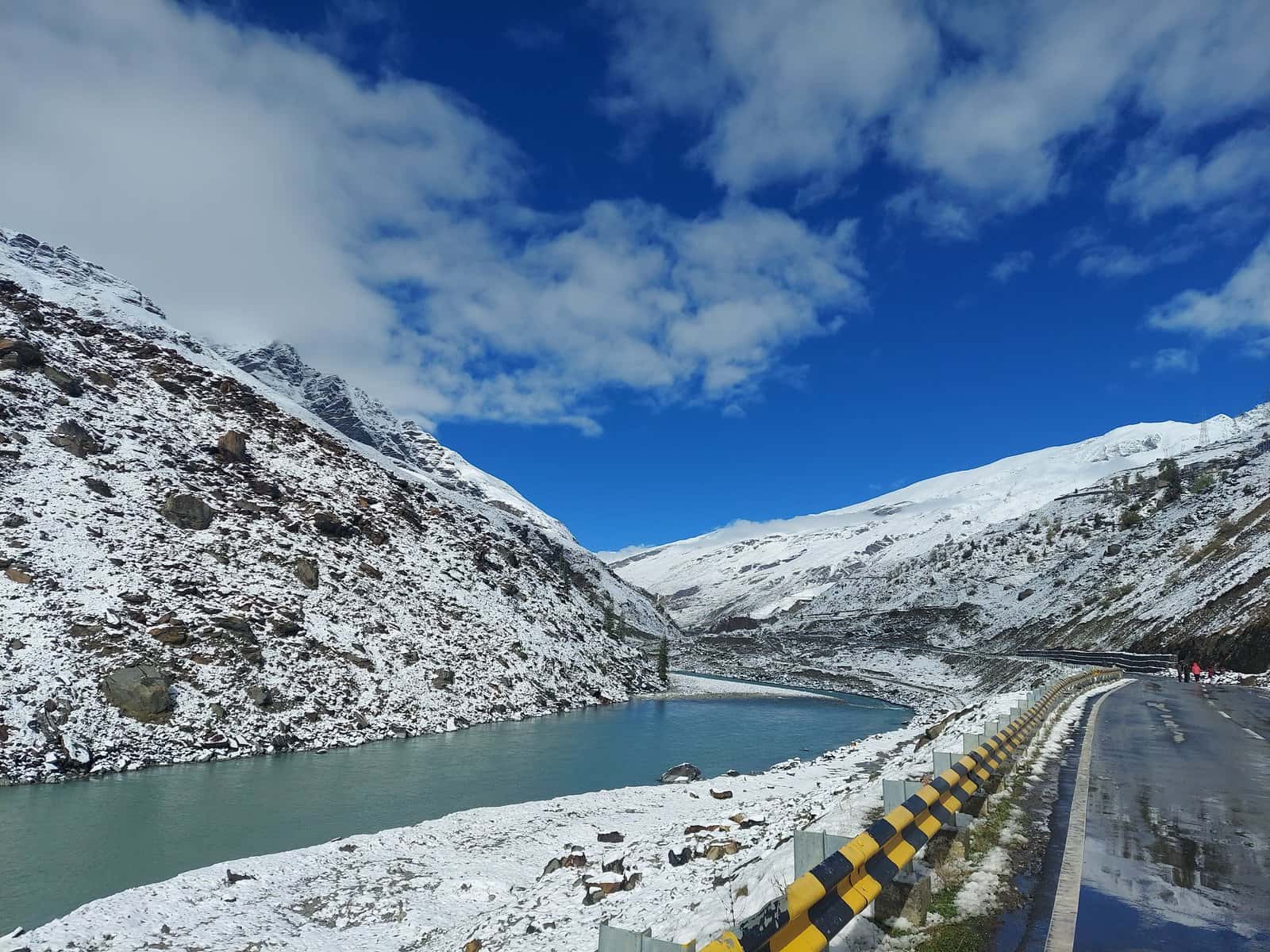
Chail Travel Guide
The best windows are March to June and September to November , when the air is cool and the deodar hills are clear. The one thing to plan around is the monsoon.
When to visit Chail, and the monsoon warning
The best windows are March to June and September to November, when the air is cool and the deodar hills are clear. The one thing to plan around is the monsoon.
- March to June: pleasant and greenWarm, comfortable days with the forests at their greenest and noticeably cooler air than the plains. This is the most popular season, ideal for the Palace lawns, the cricket-ground view and the walk up to Kali Ka Tibba. Nights still carry a chill at about 2,250 metres, so pack a light layer even in May and June.
- September to November: clear and crispAfter the rains the skies wash clean, the air turns cool and the long views over the Shivalik range and the Choor Chandni snow line are at their best. It is quieter than the summer rush and, for many, the most rewarding time to come. Late November starts to turn cold, so warm clothing helps.
- December to February: cold, sometimes snowChail is genuinely cold in winter and sees occasional snowfall, which is beautiful but can be raw and can briefly affect the roads. If you are chasing snow, this is the window, but pack proper warm layers, keep your plans flexible, and check the road and weather before you set out from Shimla or Chandigarh.
- Decide for views or for snowThe spring and post-monsoon months give the cleanest forest and mountain views; midwinter trades those for the chance of snow and a colder, quieter town. Both are lovely in different ways, so pick the experience you want before you book, because the two seasons feel like different places.
From about July to September the monsoon brings heavy rain and a real risk of landslides on the hill roads to Chail, which can disrupt or delay travel between Shimla, Kufri and Chail. The views also tend to hide behind mist. If you must come then, keep your plans flexible, drive in daylight only, and hold a fallback night in Shimla in case a road is briefly blocked.
How to reach Chail
Most people reach Chail through Chandigarh, then drive up via Kandaghat or via Kufri and Shimla. There is no airport or railhead in Chail itself.
- By air, via ChandigarhChandigarh airport is the practical gateway, about 107 to 110 km and around a 3 hour drive from Chail. Shimla's own small Jubbarhatti airport has only limited, seasonal flights, so most visitors fly into Chandigarh (or Delhi) and drive up. There are no flights into Chail itself.
- By rail, via KalkaThe nearest broad-gauge railhead is Kalka, about 82 to 86 km and around 2.5 hours from Chail. From Kalka you can take the famous Kalka-Shimla toy train up to Shimla and continue by road, or drive the whole way. Kandaghat, on the narrow-gauge line, is the closest station at about 28 to 30 km. Book trains ahead on IRCTC (irctc.co.in).
- By road, two ways from ShimlaChail is about 45 to 50 km and around 1.5 hours from Shimla. You can come via Kufri on the scenic forest road, or via Kandaghat on the gentler route off the Kalka-Shimla highway. A neat trick is to arrive one way and leave the other so you see both. We can arrange a car with an experienced hill driver.
- By bus, on a budgetState and private buses run up from Chandigarh, Kalka and Shimla to Chail and Kandaghat. They are cheap and frequent on the main legs, though the final climb can be slow, so allow buffer time and avoid the last service of the day if you want to arrive in daylight.
Fly into Delhi, then continue to Chandigarh by a short domestic flight or train and drive up to Chail in about 3 hours. Chail has no flights of its own, so Chandigarh is your real gateway.
Fly into Delhi, or sometimes directly to Chandigarh, and continue by road into the hills via Kandaghat or via Kufri and Shimla. Pairing Chail with Shimla and Kufri makes a neat, calm Himachal loop.
Drive or take a bus from Chandigarh, Kalka or Shimla, or ride the UNESCO-listed Kalka-Shimla toy train to Shimla and continue by road to Chail. The toy train is the scenic way in.
The cricket ground, the Palace, and the temples
Chail is the world's highest cricket ground, the Maharaja's heritage Palace, and a couple of fine hilltop temples, all wrapped in deodar forest. A few access details are worth knowing.
- The world's highest cricket groundWidely called the highest cricket ground on earth, sitting at about 2,444 metres (sources quote roughly 7,500 to 8,018 feet, so take the exact height as approximate), it was laid out by the Patiala royals in the 1890s. It now sits inside the Army's Rashtriya Military School Chail and is used as the school playground, so it is a cantonment field rather than a public park. Most visitors view it from the grilled gate and walk the area rather than go onto the pitch.
- Chail Palace and its lawnsThe Maharaja of Patiala's 1891 summer palace, set in approximately 75 acres, is now a Premium Heritage hotel run by HPTDC, the Himachal government tourism body. Day visitors can stroll the grand lawns for an entry fee of about 100 rupees per person, which is typically adjusted into the room rent if you stay the night in the heritage rooms, cottages and log huts. There is parking and a cafe within the premises.
- Kali Ka TibbaA hilltop Kali temple that is the highest point around Chail, reached by a short walk or drive, with wide views of the Shivalik range and the snow-capped Choor Chandni peak. Go on a clear post-monsoon or spring morning for the cleanest sight of the snow line, and carry a layer as it can be windy at the top.
- Sidh Baba ka MandirA quiet local shrine on the hill where, by local legend, a saint appeared to the Maharaja and told him to build there rather than on the spot he first chose for the Palace. An easy, peaceful stop on a Chail day, and part of the founding story of the town.
Because the ground belongs to the Army's Rashtriya Military School Chail, access is restricted and permission-based, and civilians generally view it from the gate rather than walk onto the pitch. Do not promise yourself a game there; come for the view and the story, and reconfirm the current rule locally, because Army access policies can change without notice.
Signature experiences in Chail
Beyond the headline sights, this is the calm, green side of Himachal: forest walks, a heritage stay, and slow hilltop views.
- Stay in the heritage PalaceAn overnight in the HPTDC Chail Palace, in the Maharaja's old rooms, a garden cottage or a log hut, is the signature Chail experience. Book ahead on the HPTDC hotel-booking site, especially in the May to June and year-end peaks, and remember the lawn entry fee is adjusted into your room rent when you stay.
- Walk the Chail Wildlife SanctuaryThe sanctuary, declared in 1976, wraps the town in deodar, oak and pine over more than 10,000 hectares, good for quiet nature walks and birdwatching, with cheer and kalij pheasants, goral and barking deer. Go early with a local guide for the trails and the best chance of a sighting, and keep to marked paths.
- Sunrise or a clear day at Kali Ka TibbaThe short trip up to the Kali temple rewards you with the widest views around Chail. A clear spring or autumn morning gives the cleanest sight of the Choor Chandni snow line, and it is an easy outing that even less mobile travellers can manage by car part of the way.
- See the world's highest cricket groundEven from the gate it is a memorable spot, ringed by deodars at over 2,400 metres. Pair the view with the Rashtriya Military School story and the Palace, which are all close together, and you have an easy morning that captures the heart of Chail.
- Do the Shimla-Kufri-Chail loopBase part of your trip in busier Shimla and Kufri for the sights and snow play, then come to Chail for the quiet. The loop is an easy circuit, about 45 to 50 km between Shimla and Chail, and it shows two very different sides of the same hills in one trip.
- Slow down among the deodarsChail's quiet is the point. A morning on the Palace lawns, an afternoon walk in the forest and an evening watching the light fade over the ridges is what most visitors remember. Do not over-schedule it; the town rewards an unhurried pace far more than a packed one.
If you do only one thing slowly in Chail, make it a forest walk at the edge of the Palace grounds or the sanctuary at either end of the day, when the light is soft through the deodars and the town is silent. That stillness, more than any single sight, is what sets Chail apart from Shimla, and it only opens up if you give it an unhurried morning or evening rather than a quick photo stop.
Where to stay in Chail, and how many nights
Stay in the HPTDC Palace for the heritage and the lawns, or in a quieter forest-edge hotel for space and calm. Two nights is the sweet spot for this slow town.
- The HPTDC Chail Palace: heritage and groundsThe signature base, set in approximately 75 acres of forested grounds, with heritage rooms, cottages and log huts. Atmospheric and central to the Chail experience, though it books out in peak weeks. Best for travellers who want the story and the lawns on their doorstep, and the lawn entry fee folds into your room rent. One honest caveat: HPTDC's hotel network has been the subject of recent Himachal High Court viability proceedings, and the Palace was operating and taking bookings when we last checked, so confirm current availability directly with HPTDC when you book.
- Forest-edge hotels and resorts: space and calmQuieter private hotels and resorts on the ridges around town offer rooms with valley and forest views, a little more space and often better value than the Palace. You may need a short drive into the town centre, which suits couples, families and anyone after calm over convenience.
- How many nightsTwo nights is the sweet spot: one full day for the Palace, the cricket-ground view and Kali Ka Tibba, and a second slow day for a forest walk or a Kufri day trip. One night works as a quiet add-on to a Shimla trip, while three nights suits anyone who simply wants to switch off among the deodars.
- Room budgetsPlan on roughly about 1,500 to 3,000 rupees a night for simple guesthouses, about 3,000 to 6,000 rupees for mid-range hotels and the Palace heritage rooms in normal season, and about 7,000 rupees and up for premium cottages and peak or New Year stays. Reconfirm current HPTDC tariffs before you book, as rates shift by season.
Around the May to June summer rush and the year-end and New Year period, Chail's limited rooms, and especially the HPTDC Palace, fill weeks ahead and rates rise sharply. If your dates fall on those peaks, book well in advance, or be ready to base in Shimla and visit Chail as a day trip over the hill.
Chail costs and a realistic budget
Chail is gentle on the wallet outside the peak weeks. Here is what the main things cost so you can plan and book with your eyes open.
- The fixed and near-fixed costsThe Chail Palace lawn entry is about 100 rupees per person for a day visit, adjusted into your room rent if you stay. The Kalka-Shimla toy train, if you use it for the scenic leg, runs roughly 65 to 630 rupees depending on class and train, booked on IRCTC. These are the rare prices in the area that are not negotiable.
- Rooms, the biggest lineAccommodation is where most of your money goes: about 1,500 to 3,000 rupees a night for simple stays, about 3,000 to 6,000 rupees for mid-range and Palace heritage rooms in normal season, and about 7,000 rupees and up for premium cottages or peak dates. Reconfirm HPTDC tariffs directly before booking.
- Getting around and a carChail's sights are spread across hills, so most visitors hire a car and driver for the day or use the one they arrived in. Negotiate the local sightseeing rate in advance. Buses cover the long legs from Chandigarh, Kalka and Shimla cheaply if you are on a budget and not in a hurry.
- Cash, cards and ATMsHotels and bigger establishments take cards and UPI, but small eateries, local transport and the town market often run on cash, and ATMs in a small hill town can run dry. Draw enough cash in Shimla or Chandigarh before you head up to keep the trip smooth.
In Chail the room is the budget, not the sightseeing. The Palace entry of about 100 rupees and the few activity costs are minor next to where you sleep, and the difference between a simple guesthouse and a peak-season Palace cottage can be several times over. Decide first how much the heritage stay matters to you, book that early, and the rest of a Chail trip is comfortably affordable.
Practical logistics: getting around, ATMs, food and language
The small things that make a Chail day smooth, from hiring a car for the spread-out sights to ATMs, food and the local language.
- Getting around the spread-out sightsChail's attractions sit across three hills, so they are not all walkable from one another. A car and driver for a half or full day covers the Palace, the cricket-ground gate, Kali Ka Tibba and Sidh Baba comfortably. Within the Palace grounds and around your hotel, walking is the pleasure.
- Money and ATMsCarry cash. ATMs exist in town but a small hill station can see them run empty, and card or UPI acceptance thins out at small eateries and local shops. Draw enough in Shimla or Chandigarh before the climb so a dry ATM never strands you.
- Food and the coldExpect simple, hearty Himachali and north Indian food at hotels and small dhabas rather than a big dining scene; the Palace has a cafe and restaurant. Evenings are cold even in summer at this height, so a warm layer for dinner outdoors is wise year round.
- SIM, signal and languageMobile coverage in Chail is generally fine for calls and data on the main networks, though it can thin in the deeper forest. Hindi and Pahari are the local languages, and basic English is understood in the hotels and tourist trade, so communicating is easy.
Safety, the hill roads, and staying well
Chail is a calm, safe and welcoming hill town. The real risks are the monsoon roads and the cold, not crime, and a little awareness keeps the trip easy.
- The monsoon hill roadsThe main genuine hazard is the about July to September monsoon, when landslides and rockfall can block or delay the roads between Shimla, Kufri and Chail. If you travel then, drive in daylight only, keep your itinerary flexible, follow local advice on closures, and hold a fallback night in Shimla in case a road shuts briefly.
- Cold, altitude and walksAt about 2,250 metres Chail is cold at night even in summer and genuinely raw in winter, so carry proper warm layers. The altitude is gentle and rarely a problem, but take forest walks at a relaxed pace, carry water, and do not stray off marked trails in the sanctuary, where there is wildlife.
- A low-crime, easy townChail is a quiet cantonment and hill town with little of the tout or scam pressure of busier tourist centres. Use normal travel sense with valuables and agree car and sightseeing rates in advance, but you will not find the hard-sell hassle that some bigger hill stations have.
- Respect the cantonment and the ArmyMuch of Chail, including the cricket ground, sits within or beside Army land and the Rashtriya Military School. Do not photograph restricted areas, follow posted signs, and accept that some places are simply off limits to civilians. Treating the cantonment with respect keeps your visit, and everyone's, trouble free.
Chail is one of the easier Himachal stops for older travellers and families: the pace is slow, the crowds are light, and the sights are short outings rather than long climbs. The two things to manage are the cold, so pack warm clothing, and the monsoon roads, which are best avoided with anyone who tires on a long, winding drive. Outside those windows it is a gentle, low-stress base.
Chail for every kind of traveller, and on access
Chail suits different visitors in different ways. Here is what it offers you, and the one tip that matters for each, including how a senior enjoys it comfortably.
- Couples and honeymoonersQuiet, green and romantic, with a heritage Palace stay among the deodars and very little crowd. WayToIndia's own Himachal honeymoon loop already pairs Chail with Shimla and Dalhousie for exactly this reason. An overnight rather than a day trip lets you catch the still evenings the town does best.
- Families with childrenThe Palace lawns, the forest, the cricket-ground view and the gentle outings make Chail an easy, safe stop for families, with far less walking and traffic than Shimla. Keep an eye on children near the sanctuary edges and the open ridges, and the slow pace suits younger ones well.
- Senior travellers and on accessCalmer and less crowded than Shimla, with short distances and a comfortable base. Stay at or near the Palace to limit walking, do the sights as short car outings rather than long climbs, visit Kali Ka Tibba by car for most of the way, pack for the cold, and avoid the monsoon roads. On those terms Chail is very senior-friendly.
- Nature and wildlife loversThe Chail Wildlife Sanctuary's deodar, oak and pine forest is the real draw, with quiet walks, birdwatching and the cheer pheasant programme. Take a local guide for the trails, go early or late for sightings, and keep to marked paths and a respectful distance from any wildlife.
- Budget travellersReach Chail cheaply by bus from Chandigarh, Kalka or Shimla, sleep in a simple guesthouse, and still walk the Palace lawns for about 100 rupees and the forest for free. The toy-train leg from Kalka to Shimla, at roughly 65 to 630 rupees, is an affordable highlight in its own right.
- PhotographersDeodar forest, the hilltop temples, the Choor Chandni snow line from Kali Ka Tibba and the heritage Palace give plenty of frames, with soft light at either end of the day. Clear spring and autumn mornings are best, and remember the cricket ground and Army areas are not to be photographed up close.
A suggested Chail itinerary
How to shape one or two unhurried days so you catch the Palace, the cricket-ground view and the best hilltop light without rushing.
- Day one, morningSettle in, then spend the morning at the Chail Palace and its lawns, taking in the heritage and the views. Walk over to the cricket-ground gate to see the world's highest pitch and hear the Rashtriya Military School story, all close together on the same hill.
- Day one, afternoon and eveningAfter lunch, drive up to Kali Ka Tibba for the wide views of the Shivalik range and the Choor Chandni snow line, and stop at Sidh Baba ka Mandir on the way. End with a slow evening on the Palace lawns or your hotel terrace as the light fades over the deodars.
- Day two, if you have itTake a morning forest walk in the Chail Wildlife Sanctuary with a local guide, or make a half-day trip over to Kufri, about 28 to 32 km away by the forest road, for the busier hill scene before returning to Chail's quiet. A second night turns a quick stop into the calm pause Chail does best.
- The Shimla add-on versionIf you are based in Shimla, drive over for a full day in Chail, about 45 to 50 km and 1.5 hours via Kufri, doing the Palace, the cricket ground and Kali Ka Tibba, then return. It works as a day trip, but an overnight is what lets the quiet actually sink in.
The single thing that breaks a Chail plan is the about July to September monsoon, when a landslide can close a hill road and strand a tight itinerary. Build your two days in the clear spring or post-monsoon months if you can, keep driving to daylight, and leave a little slack so a slow road or a misty morning never forces you to skip the Palace or the hilltop views.
The real questions travellers ask about Chail
Straight answers to the questions that come up again and again on traveller forums, so you arrive already knowing the score.
- Is one night enough?One night works as a quiet add-on to a Shimla trip and covers the Palace, the cricket-ground view and Kali Ka Tibba. Two nights is the comfortable sweet spot, adding a forest walk or a Kufri day trip and letting the calm sink in. Forum reviewers who give it three nights tend to be there simply to switch off.
- Is there anything to do, or just relax?Be honest with yourself: Chail is a slow base, not a packed sightseeing town. Beyond the Palace, the cricket-ground gate, a forest walk and the hilltop temples, there is little to tick off, which is exactly its charm. If you want busy attractions and markets, stay in Shimla; if you want quiet, come here.
- Can you go inside the cricket ground?Generally no. The pitch sits inside the Army's Rashtriya Military School Chail and civilians usually view it from the grilled gate rather than walk onto it. Come for the view and the world's-highest story, not a game, and reconfirm the current access rule on the spot, as Army policy can change.
- Is there an entry fee for Chail Palace?Yes, day visitors who only want to walk the lawns pay about 100 rupees per person. If you stay overnight in the HPTDC heritage rooms or cottages, that fee is typically adjusted into your room rent, so you are not paying twice.
- When does it snow, and is January good?Snow is possible from about December to February, with January the most likely month, and the snowy Palace and forest are lovely. Just pack proper warm layers, expect cold, and check road and weather conditions before setting out, as a snowfall can briefly affect the drive up from Shimla.
- Chail or Shimla as a base, and can I do both?You can easily do both: they are about 45 to 50 km apart, around 1.5 hours via Kufri. Base in Chail for quiet and a heritage stay, in Shimla for the buzz, mall road and connections, or split your nights. Many travellers see Shimla and Kufri by day and sleep in Chail's calm.
Planning Chail from abroad
Chail is the quiet, offbeat add-on to a Himachal trip, an easy counterpoint to busy Shimla. A little planning of the gateways makes it smooth.
- Come in through Delhi and ChandigarhFly into Delhi, then continue to Chandigarh by a short flight or train and drive up to Chail in about 3 hours, around 107 to 110 km. Chail has no airport, and Shimla's small Jubbarhatti airport has only limited, seasonal flights, so Chandigarh is the gateway you should plan around.
- Add Chail to a Shimla loopPair Chail with Shimla and Kufri for an easy, calm Himachal circuit. Chail is the quiet overnight base; Shimla and Kufri are the busier day sights about 45 to 50 km and 28 to 32 km away. Ride the UNESCO-listed Kalka-Shimla toy train for the scenic leg up to the hills.
- Stay in the heritage PalaceThe HPTDC Chail Palace is a memorable, character-filled base built in 1891 in about 75 acres of forest. Book the heritage rooms ahead, especially in the May to June and year-end peaks, and know that the lawn entry of about 100 rupees folds into your room rent when you stay.
- Gentle and senior-friendlyWith short distances, a calm base and far less crowd than Shimla, Chail suits parents and grandparents well. Pack for the cold even in summer, plan around the about July to September monsoon roads, and you have one of the easier, lower-stress stops in the Himachal hills.
Fly to Delhi, hop to Chandigarh, then drive about 3 hours up to Chail. Combine with Shimla and the Golden-Triangle plains for a fuller first trip to north India.
Fly to Delhi or sometimes directly to Chandigarh, then continue by road into the hills via Kandaghat or via Kufri and Shimla.
Reach via Chandigarh, Kalka or Shimla; the Kalka-Shimla toy train up to Shimla then a road transfer to Chail is the scenic option, with toy-train fares roughly 65 to 630 rupees on IRCTC.
Money, connectivity and timing for foreign visitors
The practical basics an overseas traveller needs for a small Himalayan hill town: cash, a SIM, the cold, and how many days to give Chail on a wider India trip.
- Carry cash from the cityCards and UPI work in hotels and bigger places, but small eateries, local transport and the market often need cash, and a small hill town's ATMs can run dry. Draw enough rupees in Delhi, Chandigarh or Shimla before you head up, and keep small notes for tips and local rides.
- Get a SIM in the city, not the hillsPick up an Indian tourist SIM or an eSIM when you land in Delhi, rather than hunting for one in a small town. Coverage in Chail itself is generally fine for maps, calls and messaging on the main networks, though it thins in the deeper forest.
- Pack for genuine coldAt about 2,250 metres Chail is cold at night even in summer and properly cold in winter, with possible snow from December to February. Bring warm layers regardless of season; many first-time visitors from warmer climates underpack and feel the evening chill keenly.
- How long to give it on a bigger tripOn a first north India trip, one to two nights in Chail is the right weight as the quiet chapter of a Shimla loop: enough for the Palace, the cricket-ground view and a forest morning, without slowing the whole itinerary. Time it to the March to June or September to November windows for the clearest views.
Chail is an unusually gentle introduction to the Indian Himalayas: small, calm, forested and far less crowded than Shimla, with a heritage Palace to anchor it. Slot it after Shimla and Kufri, give it a night or two, and let it be the slow, green pause between the busier hill stations and the plains. Many overseas visitors say the quiet of Chail ends up being the part of the trip they remember most fondly.
How a Maharaja barred from Shimla built his own summer capital
Chail owes its existence to a slight. By tradition, Bhupinder Singh, the Maharaja of Patiala, was barred from Shimla, the British summer capital, in the early 1890s after falling out with the colonial establishment. Rather than sulk, he chose a ridge across the valley, higher than Shimla itself at about 2,250 metres, and set about building his own summer capital among the deodars. He raised the Chail Palace in 1891, laid out a cricket ground on a levelled hilltop that is still called the highest in the world, and, the story goes, was guided by a saint who appeared to him to build at the spot now marked by Sidh Baba ka Mandir rather than where he first intended. The grandest piece of pique in the Himalayas became a town. This is local and regal tradition retold in palace and tourism histories rather than a single documented record, so take the wounded-pride detail as the story Chail tells about itself, while the Palace, the cricket ground and the shrine stand as the plain evidence of what the Maharaja built.
Planning a Chail trip?
Our Himachal Pradesh travel experts plan your full journey for you: route, hotels, darshan timings and transport. You get a free day-by-day plan and an exact quote on WhatsApp, usually within a few hours. No payment is needed to get your plan.
Tour packages that visit Chail
Every journey below is private, hand-crafted and fully customizable. Tell us your dates and we tailor the itinerary, the pace and the priests or guides around you.
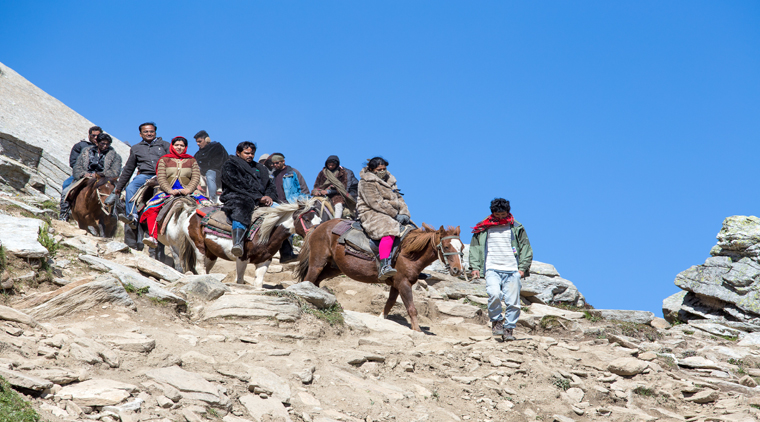 7D / 6N
Kullu Manali Tour Package From Mumbai
- Visit Kufri,Chail & Naldhera near Shimla.
- Visit Manikaran Sahib Gurudwara.
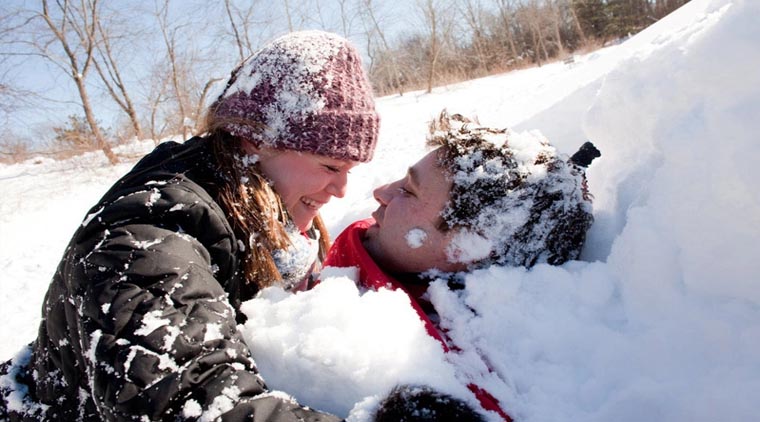 9D / 8N
Himachal Pradesh Honeymoon Package
- Visit Lakkad Bazaar & Tara Devi
- Visit Kufri and Fagu
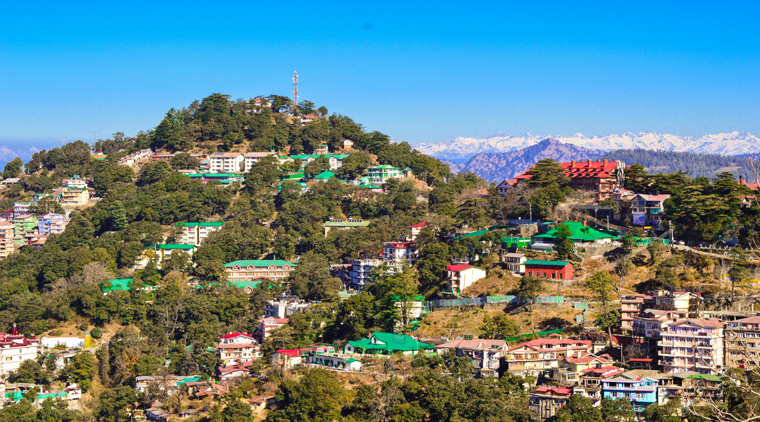 6D / 5N
Shimla Manali Tour Package From Delhi
- Visit Mall road, Lakkad bazaar
- Visit Hadimba Temple, Vashisht Kund