
Jwalamukhi Temple Travel Guide
The two great times at Jwala Ji are the Chaitra Navratra in March to April and the Sharad Navratra in September to October, when the Goddess is at her most worshipped. For a...
When to visit Jwalamukhi, and the Navratras to plan around
The two great times at Jwala Ji are the Chaitra Navratra in March to April and the Sharad Navratra in September to October, when the Goddess is at her most worshipped. For a calmer darshan the cool months of October to March are gentlest.
- October to March: cool and comfortableThese are the easiest months for darshan and for the short climb to the temple. Kangra is pleasant by day and cold at night in December and January, so carry a warm layer. You get the shrine at a calmer pace, with shorter queues than the Navratras.
- The two Navratras: the spiritual peakThe Chaitra Navratra around March to April and the Sharad Navratra around September to October are when Jwala Ji comes fully alive, with special pujas, a mela atmosphere and langar served through the day. The darshan is unforgettable, but the town is packed and the wait is long, so come prepared for crowds.
- April to June: warm on the lower hillsJwalamukhi sits at only about 600 m, so the pre-monsoon months are warm and can feel hot in the afternoon, unlike the cool heights of nearby Dharamshala. Do your darshan in the early morning and rest through the middle of the day.
- July to September: green but watch the roadsThe monsoon turns the Kangra valley a lovely green, but heavy rain can bring landslides and slow the mountain roads. If you travel then, keep your plan flexible and check road conditions before a long drive.
During the Chaitra and Sharad Navratras, rooms in Jwalamukhi and the nearby towns fill weeks ahead and prices rise steeply, and the darshan queue can stretch for hours. If your heart is set on the Navratra, book your stay early, reach the temple at opening, and consider a darshan slip from the official Kangra temples portal. If you would rather have a quiet, unhurried darshan, come on an ordinary weekday between October and March.
The nine eternal flames, and the darshan and aarti timings
Jwala Ji has no idol. The Goddess is worshipped as natural flames that rise from the rock, and there are nine named jyotis. Darshan runs from early morning to night with a midday break, and darshan is suspended during each aarti, so a little planning saves you a long wait.
- The nine flamesThere is no statue in the sanctum. Nine natural flames burn continuously from fissures in the rock, each revered as a form of the Goddess: Mahakali, Annapurna, Chandi, Hinglaj, Vindhyavasini, Mahalakshmi, Saraswati, Ambika and Anji Devi. The central and largest flame is revered as Maa Mahakali. This is the heart of your darshan, so give yourself a quiet moment before it.
- Darshan hours, summer and winterTreat these as about, because the season changes them and the temple board's own pages vary a little. Doors open early, around 5 am in winter and around 4:30 am in summer. There is a midday bhog break of roughly 11:30 am to 12:30 pm when darshan is closed. The evening close is about 9 pm in winter and about 10 pm in summer. Reconfirm the hours for your date on the official Kangra temples site.
- Aarti, and why darshan pausesSeveral aartis are performed through the day, and darshan is suspended while each one is on. By the temple board the winter morning aarti is about 5:30 am to 6 am and the evening aarti about 6 pm to 7 pm, while in summer the morning aarti is about 5 am to 5:30 am and the evening aarti about 7 pm to 8 pm, with a night Shayan aarti later. An aarti can run close to two hours, so if you arrive just as one begins, you may wait.
- How to time itThe simplest plan is to reach the temple soon after it opens, well before the midday bhog break, or in the later afternoon after the bhog break and before the evening aarti. If you want to witness an aarti, go for it, but expect the longest crowd of the day around it.
The two official temple-board pages give slightly different opening and aarti times, and the hours shift between summer and winter and around festivals. We have hedged every time above for that reason. Before you travel, open the official Kangra temples portal for the current darshan and aarti schedule, and remember that darshan is closed during the midday bhog break of roughly 11:30 am to 12:30 pm and is suspended while each aarti is performed.
How to reach Jwalamukhi
Jwalamukhi has no airport or broad-gauge station of its own. Most pilgrims come through Pathankot by train, fly into Gaggal (Kangra) airport near Dharamshala, or drive from Delhi, Chandigarh or Pathankot.
- By air, via Gaggal (Kangra airport)The nearest airport is Gaggal, the Kangra airport with code DHM, near Dharamshala, about 46 to 50 km away. It has only limited flights, mostly to and from Delhi, and they change with the season and the weather in the hills, so reconfirm the current schedule before you rely on it. Chandigarh airport, about 200 km away, is the larger and more dependable gateway.
- By train, via Pathankot or the narrow gaugeThe nearest broad-gauge railhead is Pathankot, about 105 to 125 km away, well connected to Delhi, Jammu and Amritsar, from where you take a taxi or bus. Closer but slower is Jwalamukhi Road (Ranital) station, about 20 km away on the beautiful narrow-gauge Kangra Valley Railway, a lovely ride if you have the time. Chandigarh station is about 200 km away.
- By road from DelhiDelhi is about 480 to 500 km away, roughly a 10 to 12 hour drive, so most travellers either take an overnight train or bus to Pathankot and drive the last stretch, or break the journey. We can arrange a car with an experienced hill driver for the whole route.
- From Dharamshala and KangraJwalamukhi is about 50 to 56 km from Dharamshala and McLeodganj, and about 30 to 35 km from Kangra town, both easy half-day drives. This is why so many visitors add Jwala Ji to a Dharamshala trip, or string it with the other Kangra Shakti Peethas.
Fly into Delhi, the main international gateway, then take a domestic flight to Gaggal (Kangra) or an overnight train to Pathankot, and drive to Jwalamukhi. Many NRI families pair the darshan with Dharamshala and the Kangra devi temples.
Fly into Delhi or Amritsar, then drive or train up through Pathankot into Kangra. Amritsar adds the Golden Temple on the same trip for many pilgrims.
Take a train to Pathankot and drive the last 105 to 125 km, fly to Gaggal, or drive from Chandigarh, Delhi or Amritsar. The Kangra Valley narrow-gauge train to Jwalamukhi Road is a scenic alternative if you have time.
The sanctum, the Gorakh Dibbi and the temple complex
The darshan of the nine flames is the reason you come, but the complex holds more: the curious Gorakh Dibbi, small shrines around the main temple, and the gold-topped sanctum with its famous Akbar parasol story.
- The flame sanctumThe main shrine, under a gold-plated dome, shelters the nine flames rising from the rock. A silver-plated folding door and a large brass bell, said to be a gift from a king of Nepal, mark the entrance. Stand quietly before the central flame of Maa Mahakali, offer your coconut, and let the darshan settle before you move on.
- The Gorakh DibbiWithin the complex is the Gorakh Dibbi, a small tank where the water looks and sounds as if it is boiling, yet is cold to the touch, linked in tradition to Guru Gorakhnath. It is one of the quiet wonders of the place and worth a few minutes after your darshan.
- The shrines around the templeSmall shrines cluster near the main temple, including a Radha Krishna temple from the Katoch era, a Shiva Shakti jyoti and the Ambikeshwar Mahadev shrine. Ask the temple staff which are open, as access can change.
- The bazaar and the approachThe short lane of steps up to the temple is lined with stalls selling coconuts, chunari cloth, flowers and sweets for your offering. It is colourful and busy, especially at festival times, so keep an eye on your belongings and agree any price before you buy.
A much-loved story says Emperor Akbar, doubting the flames, tried to put them out with a channel of water and failed, then offered a gold chhatra, a ceremonial parasol, in surrender. Tradition holds that the Goddess turned the gold into an unknown metal that is neither gold nor any other, and the parasol is still kept at the temple. Treat it as devotional tradition rather than a dated record, but it is part of why Jwala Ji has drawn emperors and pilgrims alike for centuries.
The aarti, the langar and the coconut offering
Beyond the darshan, these are the experiences pilgrims remember at Jwala Ji: the lamp-lit aarti, the free langar, the coconut you offer, and the deeper rituals you can arrange through the temple priests.
- Witness an aartiIf your timing allows, stay for an aarti before the flames. The lamps, the bells and the massed voices of pilgrims are the emotional heart of a visit. Remember darshan is suspended during the aarti and the crowd is heaviest then, so arrive early and find your place.
- Eat at the free langarThe temple serves a free langar, commonly lunch about 12:30 pm to 2:30 pm and dinner about 6:30 pm to 8:30 pm, and through the day during the Navratras. Sitting down to the simple, blessed meal is part of the pilgrimage, so do join it with a calm and grateful heart.
- Offer a coconutThe traditional offering here is a coconut, which you can buy at the official counter for about 50 rupees or from the bazaar stalls. The custom goes back to the Dhyanu Bhagat story, when the Goddess granted that a sincere coconut offering in place of the head would fulfil wishes. Offer it with faith, not as a transaction.
- Arrange a havan or chowkiIf you wish to perform a havan, a chowki or a special puja, the hereditary Bhojak priests of the temple arrange these. Agree what the ritual involves and what you will give before it begins, so your visit stays peaceful and clear.
- Take prasad homeAt the official prasad counters a dry coconut is about 50 rupees and khoya pede about 500 rupees, while prasad packets run from about 151 rupees up to about 3,100 rupees and a framed photo of Mataji is about 150 to 250 rupees. Buying from the official counter keeps the rate fair and supports the temple.
If you do only one thing slowly at Jwala Ji, let it be the moment before the central flame. The darshan of a living flame, with no idol between you and the Goddess, is rare and moving, and the pilgrims who come away most contented are the ones who did not hurry it. Reach early, avoid the aarti crush if you want a quiet darshan, stand before Maa Mahakali for a few unhurried breaths, and let the rest of the complex follow.
Where to stay near Jwalamukhi, and how many days
You can stay in Jwalamukhi town right by the temple, or base yourself in Dharamshala or Kangra and visit on a day trip. Most pilgrims need only a night, but the Nau Devi circuit is worth two or three days.
- Jwalamukhi town: closest to the templeThe town has guesthouses, dharamshalas and a few hotels within easy reach of the shrine, handy if you want an early morning darshan or you are travelling with elderly parents. It is simple and devotional rather than polished, so set your expectations for a pilgrim town, not a hill resort.
- Dharamshala, McLeodganj or Kangra as a baseIf you want more comfort, better food and things to do beyond the temple, base yourself in Dharamshala or Kangra, about 50 to 56 km or 30 to 35 km away, and visit Jwala Ji on a half-day trip. This suits travellers combining the darshan with a Himachal holiday.
- Room budgetsRooms in Jwalamukhi run from about 800 to 1,500 rupees for a basic guesthouse, about 2,000 to 4,000 rupees for a mid-range hotel and about 5,000 to 8,000 rupees for the better properties. All of these rise sharply during the two Navratras, so book ahead if you come then.
- How many daysFor the darshan alone, one night is enough, or even a long day trip from Dharamshala. If you want to do the Nau Devi circuit with Chintpurni, Chamunda, Kangra Devi and Baglamukhi, give yourself two to three days and a car.
During the Chaitra and Sharad Navratras, rooms in Jwalamukhi and the nearby towns are scarce and dear, booked weeks in advance, and the town is crowded. If your dates fall on the Navratra, book early, or stay a little out in Kangra or Dharamshala and drive in at opening time to beat the worst of the queue.
Jwalamukhi costs and a realistic daily budget
Darshan at Jwala Ji is free, and the langar is free, so a pilgrimage here is gentle on the wallet. Here is what the main things cost, so you can plan and avoid being overcharged.
- A rough daily budgetNot counting your room and long-distance travel, plan on about 1,000 to 1,500 rupees a day for a simple pilgrim day, about 2,500 to 4,000 rupees mid-range, and about 5,000 rupees and up for comfort with a car, better meals and offerings.
- The free thingsDarshan of the flames is free, and no payment is required to enter the temple. The langar is free. These are the anchors of a budget visit, so treat anyone who demands a fee to see the Goddess with caution.
- Offerings and prasadA coconut is about 50 rupees, khoya pede about 500 rupees, prasad packets run from about 151 rupees to about 3,100 rupees, and a photo of Mataji is about 150 to 250 rupees at the official counters. A havan or special puja is arranged with the temple priests for an amount you agree in advance.
- Local transportA one-way taxi from Dharamshala or Gaggal airport to Jwalamukhi is about 2,500 to 3,500 rupees, and from Pathankot about 3,500 to 4,500 rupees. Shared taxis and buses run the main routes more cheaply. Carry cash, as small vendors and the bazaar do not all take cards or UPI.
The single habit that keeps a Jwala Ji visit smooth is to buy your coconut and prasad from the official temple counters at the posted rate, and to agree the amount of any havan or special puja with the priest before it begins. Darshan itself is free, so you never have to pay to stand before the flames. Settle the price of a ritual first and the only common friction at a busy temple disappears.
Practical logistics: shoes, phones, food and getting around
The small things that make a Jwala Ji darshan smooth, from the cloakroom and photography rules to the vegetarian food, cash and local transport.
- Shoes, phones and photographyYou remove your shoes before the temple, and there are cloakrooms and shoe stands near the entrance. As at most shrines, photography is restricted inside the sanctum and phones are best left in the cloakroom or switched off, so follow the posted rules and the staff rather than assuming. When in doubt, keep the camera away near the flames.
- Vegetarian foodThe lanes around the temple are vegetarian, as is usual at a Shakti Peetha, with simple dhabas serving rajma chawal, kadhi, chhole and sweets, and the free langar for pilgrims. Eat freshly cooked hot food, and carry a bottle of water for the climb.
- Getting around townThe temple sits on a low hill reached by a short flight of steps from the bazaar, so the final approach is on foot. Taxis and autos drop you at the parking below. For the Nau Devi circuit and the airport or station runs, a hired car with a driver is by far the easiest way.
- Money, SIM and languageCarry cash for the bazaar, the offerings and small eateries, as not everyone takes cards or UPI, though ATMs are in the town. Mobile coverage is generally fine for calls and maps. Hindi and Pahari are the local languages, and Hindi takes you everywhere here.
Safety, crowds and staying well
Jwalamukhi is a safe and welcoming pilgrim town, but the Navratra crowds, the steps and the hill roads call for a little care. A few simple habits keep the darshan happy.
- Crowds and the queueOn ordinary days the darshan is quick and calm. During the Navratras and on weekends the queue can be long and the lanes very crowded, so hold on to children and elders, keep your valuables close and your phone zipped away, and be patient. Reaching at opening time is the single best way to avoid the crush.
- Offerings and toutsDarshan is free and the langar is free, so be wary of anyone who insists you must pay a large sum to see the Goddess or pushes an expensive puja on you. Buy prasad from the official counter at the posted rate, and agree the amount of any ritual with the priest in advance.
- The steps and the heatThe short climb of steps is manageable for most, but take it slowly in the warm months and carry water. If an older pilgrim finds the steps hard, rest on the way up and go in the cool of the morning or evening rather than the midday sun.
- Health and the roadsDrink bottled or filtered water and eat freshly cooked hot food. On long mountain drives, especially in the monsoon, keep the plan flexible for landslides and slow traffic, and travel the hill roads by day where you can.
Jwalamukhi is a family pilgrim town and most solo travellers and women find it comfortable with the usual precautions. The main friction is the crowd and the sales pressure of the bazaar rather than anything worse. Dress modestly for the temple, keep to the busier lanes after dark, be firm with pushy vendors, and you will find the town warm and helpful.
Jwalamukhi for every kind of pilgrim, and on access
Jwala Ji suits very different visitors in different ways. Here is what it offers you and the one tip that matters for each, including how an older pilgrim visits comfortably.
- Families with childrenAn easy and meaningful darshan for families, with the flames, the langar and the coconut offering that children remember. During the Navratras it is crowded and tiring for little ones, so go early, keep them close and build in a rest.
- Senior travellers and on accessibilityVery doable with a little planning. Stay in Jwalamukhi town to keep the distance short, visit in the cool of the morning or evening, take the climb of steps slowly with rests, and avoid the peak Navratra days if a long queue would be hard. Ask the temple staff about any assistance for those who cannot manage the steps.
- Couples and first-time pilgrimsA gentle, deeply atmospheric darshan that pairs beautifully with a Dharamshala or Kangra trip. Give yourselves an unhurried early visit and then a calm afternoon in the hills nearby.
- Solo pilgrims and womenComfortable and welcoming with standard precautions. Dress modestly, keep to the busy lanes after dark, and be firm with pushy vendors. The town is well used to pilgrims travelling alone.
- NRI and returning familiesOne of the most moving darshans to bring parents or children home to. Book a darshan slip online, plan around the aarti, and pair Jwala Ji with the other Kangra Shakti Peethas for a proper devi yatra.
A suggested itinerary and the Nau Devi circuit
How to shape a Jwala Ji visit, whether you have half a day or three, and how to string it with Chintpurni, Chamunda, Kangra Devi and Baglamukhi on the Kangra Nau Devi circuit.
- The half-day darshanOn a Dharamshala trip you can drive down, do your darshan before the midday bhog break, eat at the langar or a bazaar dhaba, and be back in the hills by evening. Reach the temple soon after opening to keep the queue short.
- One night in JwalamukhiStay a night to do an early morning darshan in peace, see the Gorakh Dibbi and the small shrines, offer your coconut without rushing, and perhaps witness an aarti. This is the right weight for most pilgrims who have come for Jwala Ji alone.
- The two to three day Nau Devi circuitWith a car you can pair Jwala Ji with the other Kangra Shakti Peethas: Baglamukhi about 28 to 32 km away, Bajreshwari Devi (Kangra Devi) about 30 to 34 km, Chintpurni about 35 km, and Chamunda Devi about 45 km. A common order is Chintpurni, Jwala Ji, Kangra Devi and Chamunda over two to three unhurried days, ending at Dharamshala.
- Add Dharamshala and McLeodganjJwala Ji sits so close to Dharamshala and McLeodganj that many travellers add a day there for the monastery, the cricket stadium and the mountain air, turning a darshan into a gentle Himachal holiday.
The one thing that breaks a tight Jwala Ji plan is arriving during the midday bhog break, roughly 11:30 am to 12:30 pm, when darshan is closed, or just as an aarti begins and darshan is suspended for close to two hours. Build your day so your darshan falls in the morning before the break or in the later afternoon after it, keep the midday for the langar or a rest, and you will not find yourself waiting at a paused sanctum with the clock running.
The real questions pilgrims ask about Jwalamukhi
Straight answers to the questions that come up again and again from travellers, so you arrive already knowing the score.
- Why is the temple closed in the middle of the day?Darshan closes for a midday bhog break of roughly 11:30 am to 12:30 pm, and is suspended again while each aarti is performed, which can run close to two hours. Plan your darshan for the morning before the break or the later afternoon after it.
- How long does darshan take?On an ordinary day the darshan is quick, often under an hour including the queue. During the Navratras and on busy weekends the wait can stretch to several hours, so reach at opening time and keep the day flexible.
- Can I take photos or carry my phone inside?As at most shrines, photography is restricted inside the sanctum and phones are best left in the cloakroom or switched off. Follow the posted rules and the staff rather than assuming, and keep the camera away near the flames.
- Is there free langar, and is the food vegetarian?Yes, the temple serves a free langar, commonly lunch about 12:30 pm to 2:30 pm and dinner about 6:30 pm to 8:30 pm, and through the day during the Navratras. The lanes around the temple are vegetarian, as is usual at a Shakti Peetha.
- Can I combine Jwala Ji with Dharamshala?Easily. Jwalamukhi is about 50 to 56 km from Dharamshala and McLeodganj, an easy half-day trip, so many travellers do the darshan from a Dharamshala base and add the other Kangra devi temples.
- Why do people offer a coconut?The coconut offering goes back to the Dhyanu Bhagat story in Akbar's time, when the Goddess granted that a sincere coconut offering in place of the head would fulfil the devotee's wishes. It is now the traditional offering at Jwala Ji.
Planning Jwalamukhi from abroad
Jwala Ji is one of the most moving darshans in north India for a family returning to its roots. A little preparation on timings, booking and the temple rules makes the visit smooth.
- Book a darshan slip onlineThe temple is run by the Himachal Pradesh government, and you can book a darshan slip on the official Kangra temples portal before you travel. This is worth doing if you are coming during the Navratras or on a tight schedule, so your darshan does not depend on a long walk-in queue.
- Plan around the aarti and the midday breakReach the temple soon after it opens, around 5 am in winter or 4:30 am in summer, or in the later afternoon. Avoid the midday bhog break of roughly 11:30 am to 12:30 pm and the aarti windows if you want a quiet darshan, since darshan is suspended for close to two hours during each aarti.
- Pair it with Dharamshala and the Kangra devi templesFly into Delhi, then take a domestic flight to Gaggal (Kangra) or a train to Pathankot, and base yourself in Dharamshala. From there Jwala Ji, Chintpurni, Chamunda, Kangra Devi and Baglamukhi make a complete Shakti Peetha yatra over two to three days.
- Dress and behave for a holy townCover shoulders and knees, remove shoes at the temple, keep phones in the cloakroom near the sanctum, and join the free langar with a calm heart. The darshan of a living flame, with no idol between you and the Goddess, is rare, so give yourself the time to feel it.
Money, connectivity and timing for foreign visitors
The practical basics an overseas pilgrim needs for a small hill town: cash, cards, a SIM, and how many days to give Jwala Ji on a wider India trip.
- Carry cash, expect to bargain in the bazaarCards and UPI work in some hotels and bigger shops, but the bazaar, the offerings and small eateries run on cash. There are ATMs in the town, but draw what you need in a city first. Buy your coconut and prasad from the official temple counter at the posted rate, about 50 rupees for a coconut, to keep things fair.
- Get a SIM or eSIM in the cityPick up an Indian tourist SIM or an eSIM when you land in Delhi rather than hunting for one in a small hill town. Coverage in Jwalamukhi is generally fine for maps, calls and ride booking.
- How long to give it on a bigger tripFor the darshan alone, half a day to one night is enough. If you want the full Kangra Shakti Peetha yatra with Chintpurni, Chamunda, Kangra Devi and Baglamukhi, and a little time in Dharamshala, give the region three to four days.
- Time your visit to your purposeCome during the Chaitra or Sharad Navratra for the full spiritual intensity and the mela, and book far ahead; come between October and March on an ordinary weekday for a calm, unhurried darshan with a short queue.
For many NRI families, standing together before the eternal flames of Jwala Ji is the emotional centre of a trip back to India. Book the darshan slip online, plan a morning visit around the aarti, keep the pace gentle for elders on the steps, and pair it with the quiet beauty of Dharamshala. It is a darshan that stays with a family long after the holiday ends.
Why the Goddess is worshipped here as flame, and nowhere as an idol
Jwala Ji is one of the 51 Shakti Peethas, born of the grief of Lord Shiva. When Sati, daughter of Daksha, gave up her body in the fire of her father's yajna, Shiva carried her across the worlds in sorrow, and Lord Vishnu cut the body with his chakra so that Shiva might be freed of it. Where each part fell, a Shakti Peetha arose. At this spot in Kangra, tradition holds that the tongue of Sati fell, and the Goddess appeared not as a form of stone but as living flame. To this day there is no idol in the sanctum. Nine natural flames rise from the rock, each revered as a form of the Goddess, from Mahakali in the centre to Annapurna, Chandi, Hinglaj, Vindhyavasini, Mahalakshmi, Saraswati, Ambika and Anji Devi. Emperors tried and failed to put them out, kings roofed them in gold, and still they burn, which is why pilgrims have come here for centuries to stand before a Goddess they can see with their own eyes.
Planning a Jwalamukhi Temple trip?
Our Himachal Pradesh travel experts plan your full journey for you: route, hotels, darshan timings and transport. You get a free day-by-day plan and an exact quote on WhatsApp, usually within a few hours. No payment is needed to get your plan.
Tour packages that visit Jwalamukhi Temple
Every journey below is private, hand-crafted and fully customizable. Tell us your dates and we tailor the itinerary, the pace and the priests or guides around you.
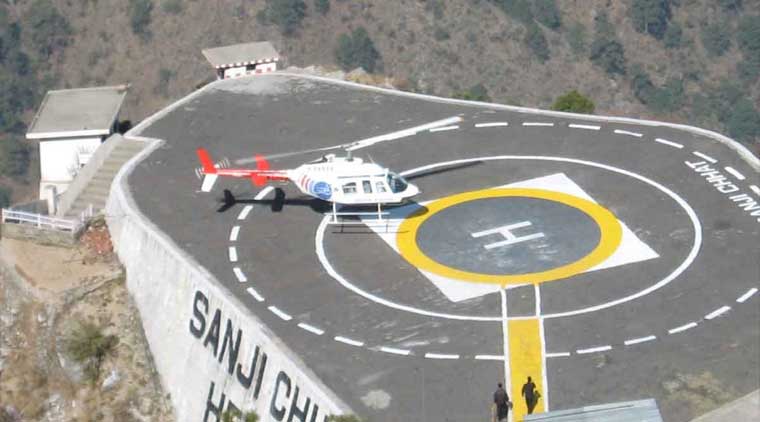 7D / 6N
Nau Devi Yatra
- Visit Rishikesh Sightseeing
- Visit Har-ki-Pauri
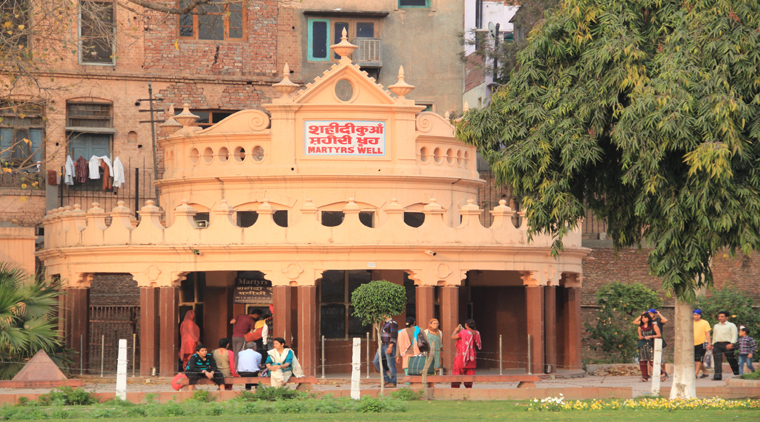 7D / 6N
Amritsar Dalhousie Dharamshala Tour
- Visit Golden Temple
- Visit Jallianwala Bagh & Wagah Border
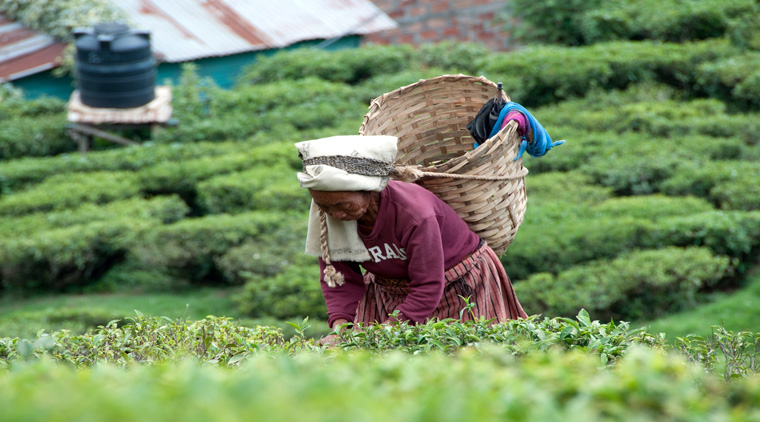 5D / 4N
Trip To Dalhousie From Delhi
- Visit Bhagsunag Falls
- Visit Jwalamukhi Devi Temple
 9D / 8N
Himachal Pradesh Honeymoon Package
- Visit Lakkad Bazaar & Tara Devi
- Visit Kufri and Fagu
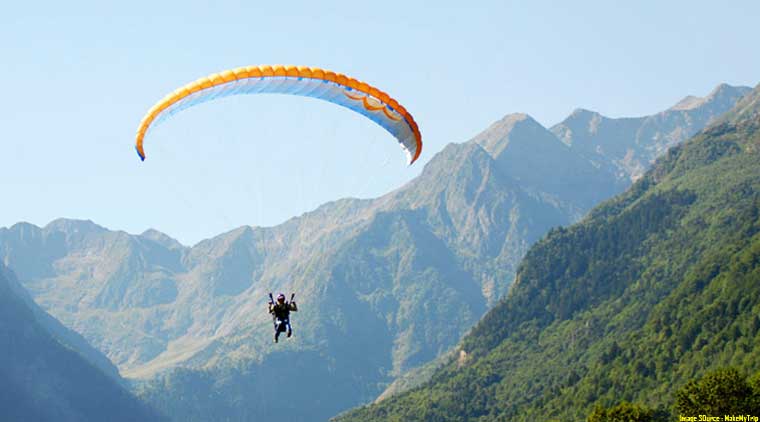 4D / 3N
Dharamshala Tour
- Visit Rock Garden & Botanical Garden
- Visit Galu Devi