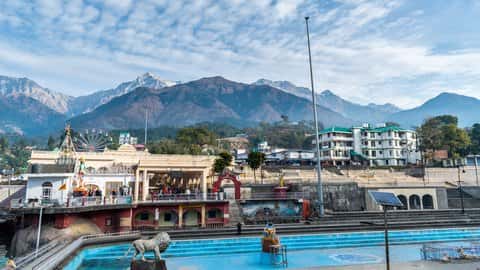
Palampur Travel Guide
The clear, comfortable windows are March to June and September to November . The July-to-September monsoon brings heavy rain and real landslide risk, so most travellers plan...
When to visit Palampur, and the monsoon to plan around
The clear, comfortable windows are March to June and September to November. The July-to-September monsoon brings heavy rain and real landslide risk, so most travellers plan around it.
- March to June: spring and early summerThe most popular window, with fresh tea flushes on the slopes, clear mornings over the Dhauladhar, and open roads. Days are pleasant and it can get warm by June on the lower ground, so start walks and the tea gardens early and keep a light layer for the evenings.
- September to November: crisp and clearThe other sweet spot, after the rains clear the dust and before the deep cold. The mountains are at their sharpest, the paragliding season at Bir is on, and November is a favourite for the combination of Palampur and Bir. Carry warm layers as nights turn cold.
- July to mid-September: the monsoonHeavy rain settles over the Kangra Valley and the wider Himachal hills, and this is the season of landslides, road blockages and swollen streams. The green is spectacular but travel is genuinely riskier, and adventure aero-sports at Bir-Billing are usually banned, so most travellers avoid it.
- Winter: cold, quiet and sometimes snowyDecember to February is cold, calm and uncrowded, with the chance of snow on the higher ground and the Dhauladhar at its most dramatic. Bring proper woollens, expect some services to run light, and enjoy having the tea gardens almost to yourself.
Himachal's monsoon, roughly July to mid-September, is not a detail to plan around lightly. Across the state, heavy rain routinely triggers landslides and closes hundreds of roads at a time, and the Kangra hills are among the affected areas. Adventure aero-sports at Bir-Billing are commonly suspended from about mid-July to mid-September. If your only possible dates fall in the monsoon, keep the itinerary flexible, allow buffer days, follow local advisories, and do not treat a hill drive in heavy rain as routine. For a first, comfortable visit, come in spring or autumn instead.
How to reach Palampur
Palampur has no airport of its own and only a narrow-gauge station. Most travellers come by road from Dharamshala, by train to Pathankot and a car onward, or fly to the small Gaggal airport nearby.
- Nearest airport: Gaggal (Kangra)Kangra-Gaggal airport is the closest at about 38 to 40 km, with a limited number of flights to and from Delhi that change with the season and the weather. Check current schedules before relying on it, and keep a road plan as backup, as small hill airports see cancellations.
- By train to Pathankot, then roadPathankot, about 112 km away, is the nearest broad-gauge railhead with wide connections to Delhi and beyond. From there it is a scenic drive of roughly 3 to 4 hours into Palampur. The narrow-gauge line that passes through Palampur is only partly running, so treat the mainline-plus-car route as the reliable rail option.
- By road from Dharamshala and KangraPalampur is only about 35 to 40 km from Dharamshala and about 38 km from Kangra town, an easy hour or so by taxi or bus, which is why it pairs so naturally with a McLeodganj trip and works as a quieter base for the valley.
- From Delhi and ChandigarhDelhi is about 483 km, an overnight bus or a long day by car, usually broken at Chandigarh, which is about 259 km from Palampur. HRTC and private buses, including overnight Volvo services, run from Delhi and Chandigarh into the Kangra Valley.
Fly into Delhi, the main international gateway, then either take a domestic flight to Gaggal (Kangra) and drive about an hour, or train to Pathankot and drive on. Palampur has no international flights of its own.
Fly into Delhi, then continue by domestic flight to Gaggal or by train to Pathankot and road. Palampur sits on the Kangra Valley circuit with Dharamshala, Bir and Baijnath.
Take a train to Pathankot and drive the scenic 3 to 4 hours in, or bus from Delhi, Chandigarh or Shimla. From Dharamshala it is a short hop of about 35 to 40 km.
The tea gardens, Baijnath temple and the valley's set-pieces
Palampur is its tea gardens against the Dhauladhar wall, the ancient Baijnath Shiva temple, and the artists' village of Andretta. A few facts save you a wasted trip.
- The tea gardens and the Cooperative Tea FactoryThe signature sight: rolling Kangra tea estates running up to the snow line, best walked in the soft light of morning. The Palampur Cooperative Tea Factory offers a free walk-through of how the leaf is processed, and its shop is generally open about 9 am to 8 pm Tuesday to Saturday, closed on Monday, so time your visit accordingly.
- Baijnath Shiva templeAbout 16 km away, this is a rare 1204 AD Nagara-style stone temple to Shiva as Vaidyanath, the divine healer, protected by the Archaeological Survey of India and open roughly 6 am to 9 pm. It is deeply revered and draws big crowds at Shivratri, but note it is not one of the twelve Jyotirlingas, despite what some pages claim.
- Neugal Khad and the viewpointsNeugal Khad, about 3 km out on the Bundla stream, is the classic gorge-and-Dhauladhar viewpoint with a small cafe area. Saurabh Van Vihar at about 4 km is an easy riverside park, and the Dhauladhar Nature Park at Gopalpur, about 15 km, has a small zoo and mountain views.
- Andretta artists' villageAbout 13 km away, this quiet colony grew around the Irish theatre figure Norah Richards and the painter Sobha Singh. You can see the Sobha Singh art gallery, Norah's mud house, and the working Andretta Pottery studio and terracotta museum. It is the most characterful half-day out from Palampur.
You will see Baijnath described online as a Jyotirlinga. It is not. Baijnath is a magnificent, ASI-protected Shiva temple dedicated to Vaidyanath and one of the finest surviving early stone temples in the western Himalaya, built in 1204 AD by two merchants named Ahuka and Manyuka. It is well worth the short trip for the architecture and the atmosphere, especially around Shivratri, but the twelve Jyotirlingas are a separate, defined set of shrines elsewhere in India. Go for what it truly is, a rare living medieval temple, and it does not disappoint.
Signature experiences around Palampur
Beyond the sights, these are the things people remember, and how to arrange them honestly, from the tea walk to a tandem flight at Bir-Billing.
- A morning walk through the tea gardensThe loveliest free experience in Palampur: an early walk on the tea-estate paths with the Dhauladhar wall ahead and the scent of pine and fresh leaf around you. The gardens are open ground you can wander any day, and the light before mid-morning is the best for photographs.
- The free tea-factory tourThe Cooperative Tea Factory lets you watch withering, rolling and drying, and buy Kangra tea at the source. It runs the walk-through generally about 9 am to 8 pm Tuesday to Saturday and is closed on Monday, so do not save it for a Monday. Between about April and November is when the factory is most active.
- Paragliding or watching the gliders at Bir-BillingBir is about 29 to 35 km away and Billing, the take-off, about 43 km. A tandem flight in 2026 runs roughly 2,500 to 6,500 rupees depending on duration and altitude. The flying seasons are about March to June and September to November, and aero-sports are usually banned in the peak monsoon, so check before you plan a flight day.
- Pottery and art at AndrettaAt Andretta, about 13 km out, you can tour the Sobha Singh gallery and the Andretta Pottery studio, watch the wheel, and sometimes join a short pottery session by prior arrangement. It is a calm, creative contrast to the drive-by tea stops most visitors make.
- Short treks and the Gaddi trailsPalampur is a springboard for Dhauladhar walks, from gentle tea-and-forest paths used by the Gaddi shepherds to the demanding climb to Aadi Himani Chamunda at about 2,900 metres, which is for fit, prepared trekkers only. Ask locally about conditions before any hill walk, especially after rain.
- A slow cafe afternoon by the NeugalThe Neugal Khad viewpoint and its cafe are the town's easy pleasure: a pot of local tea, the gorge below and the mountains ahead. It is the sort of unhurried hour that Palampur, being quieter than McLeodganj, does especially well.
If you do only one thing slowly, make it the tea gardens at either end of the day. A morning walk on the estate paths with the Dhauladhar catching the first light, or an evening pot of Kangra tea at the Neugal with the gorge below, is what people remember long after the drive-by attractions fade. Give Palampur an unhurried morning and it rewards you far more than a two-hour photo stop bolted onto a Dharamshala package ever will.
Where to stay in Palampur, and how many nights
Stay in or near the town for the tea gardens and easy day trips, or at a tea-estate resort on the edge for space and views. Two to three nights is the sweet spot.
- In and around the townHandy for the bus stand, the market and quick access to the tea gardens and Neugal Khad. Simpler hotels and homestays cluster here, good for a short stay or a budget trip, and you can walk to a lot without a car.
- Tea-estate and Dhauladhar-view resortsThe nicer resorts sit a little out of town among the tea slopes, with big mountain views, gardens and quiet. You will want a car or taxi for the short hops into town and to Baijnath, Andretta and Bir, but the setting is the point, and it suits couples and families who want to slow down.
- How many nightsTwo to three nights fits Palampur well: a day for the tea gardens, factory and Neugal Khad, a day for Baijnath and Andretta, and a third for Bir-Billing. One night works only if you are passing through; a day trip from Dharamshala shows you the tea gardens but little else.
- Room budgetsOff-season, guesthouses and homestays run from about 800 to 1,500 rupees, mid-range hotels and tea-garden resorts about 2,000 to 5,000 rupees, and the better resorts and heritage stays about 6,000 rupees and up. HPTDC runs the Tea Bud and the small Neugal here for a dependable government option. Prices rise in the summer and autumn peaks, so book ahead.
Many travellers wonder whether to base in Palampur or Dharamshala for the Kangra Valley. Dharamshala and McLeodganj have the Tibetan sights, the nightlife and more choice, but they are busier and more congested. Palampur is quieter, greener and more central for the eastern half of the valley, Baijnath, Bir and Andretta, and only about 35 to 40 km from Dharamshala. If you want calm and tea-country scenery, base in Palampur and day-trip to McLeodganj; if you want the buzz and the monasteries, do the reverse. Either works, since they are barely an hour apart.
Palampur costs and a realistic daily budget
Palampur is gentle on the wallet outside peak season. Here is what the main things cost so you can plan and avoid being overcharged.
- A rough daily budgetExcluding your room and the drive in, plan on about 1,000 to 1,800 rupees a day as a budget traveller, about 2,500 to 4,000 rupees mid-range, and about 5,000 rupees and up for a comfortable day with a car, cafes and an activity. Food is inexpensive and the tea gardens and viewpoints are free.
- The activity costsThe tea-factory tour is free. A tandem paraglide at Bir-Billing is about 2,500 to 6,500 rupees depending on duration and altitude. A local taxi for a full day of sightseeing to Baijnath, Andretta and around typically runs a few thousand rupees, so agree the itinerary and fare before you set off.
- Getting-in costsA shared or private taxi from Pathankot is the main transport spend, usually a few thousand rupees for a private car for the 3-to-4-hour drive. Overnight buses from Delhi or Chandigarh are far cheaper. The narrow-gauge fare, where the train runs, is token, about 10 rupees, but the useful sections for tourists are limited right now.
- Cash and cardsCafes, hotels and bigger shops take cards and UPI, but small eateries, taxis and the pottery and market stalls often want cash. There are bank ATMs in town, but carry enough cash for the day and for the smaller villages, where machines can be scarce or empty.
The biggest single variable in a Palampur budget is the car. A private taxi for a full sightseeing day to Baijnath, Andretta and the viewpoints, or the transfer from Pathankot, is where the money goes, so agree the route and the rate in advance and it stays a non-issue. Everything else here, the tea walks, the viewpoints, the factory tour, is cheap or free, which is part of why Palampur is such good value against the busier hill stations.
Practical logistics: getting around, money, SIM and the toy train
The small things that make a Palampur trip smooth, from local transport and ATMs to the honest truth about the famous toy train.
- Getting aroundThe town core is walkable, but the sights are spread across the valley, so a hired taxi for a day, or a car with driver for your stay, is the practical way to see Baijnath, Andretta, Neugal Khad and Bir. Local HRTC buses connect the towns cheaply if you have time and patience.
- The Kangra Valley toy train, honestlyThe historic narrow-gauge line through Palampur is only partly running. As of early 2026 the Pathankot-to-Joginder Nagar through service is suspended, the Nurpur-to-Baijnath section has been down since a July 2025 landslide near Ranital, and only the short Baijnath Paprola to Joginder Nagar stretch, about 22 km, is operating, at a token fare of about 10 rupees. Do not build a trip around a Palampur-station ride without checking current status with Northern Railway.
- Money and ATMsBank ATMs are in the main town. Carry cash for taxis, small eateries, the pottery studio and village stalls, as not everyone takes cards or UPI, and machines in the smaller villages can be unreliable.
- SIM, signal and languageMobile coverage in and around town is generally fine for calls, maps and data, though it thins on the higher trails and remoter roads. Hindi, Punjabi and English are all widely understood in the tourism trade, so communicating is easy.
Safety, the monsoon roads, and staying well
Palampur is a low-hassle, welcoming town, so the real cautions are the mountain roads, the monsoon and standard weather sense rather than crime or scams.
- The monsoon and the roadsThe biggest safety issue here is the July-to-mid-September monsoon, when heavy rain across Himachal triggers landslides and closes roads, sometimes hundreds at a time. If you travel then, keep the plan flexible, allow buffer days, avoid night driving in the hills, and follow local advisories. Outside the monsoon the roads are generally good and the driving straightforward.
- Paragliding and adventure safetyAt Bir-Billing, fly only with a certified pilot and a reputable operator, and note that aero-sports are commonly banned in the peak monsoon. Spending a little more for an experienced pilot is worth it. Check the weather on the day, as flights are grounded in poor conditions for good reason.
- Altitude, cold and sunPalampur is a moderate altitude at about 1,220 metres, so altitude sickness is not a concern, but nights are cold much of the year and the higher trails climb fast. Carry layers, sun protection for the bright mountain light, and proper shoes for the tea-estate and forest paths.
- Low tout pressure, ordinary precautionsPalampur has little of the aggressive touting of bigger tourist centres. Standard precautions are enough: agree taxi fares in advance, keep valuables secure, drink bottled or filtered water, and take the usual care with street food. It is one of the more relaxed hill towns to travel in.
Should your dates fall in July, August or early September, take the mountain weather seriously. Landslides and road closures are common across Himachal in these weeks, journeys can be delayed for hours or days, and adventure aero-sports at Bir-Billing are usually suspended. Build in buffer days, do not attempt hill drives in heavy rain, keep an eye on IMD warnings and local news, and have a fallback plan. The valley is beautifully green then, but it is not the season for a tight, fixed itinerary.
Palampur for every kind of traveller, and on access
Palampur suits very different visitors in different ways. Here is what it offers you, and the one tip that matters for each, including how a senior visits comfortably.
- CouplesQuiet, green and unhurried: tea-estate walks, mountain-view resorts and slow cafe afternoons at the Neugal. A two-night stay lets you fit a flight or a day at Bir-Billing without rushing, and it makes a calmer honeymoon base than busy McLeodganj.
- Families with childrenEasy and scenic, with the tea gardens, Neugal Khad, the Dhauladhar Nature Park at Gopalpur and, for older children, watching or flying at Bir. Check the minimum age and weight rules with paragliding operators before promising a flight, as limits apply.
- Senior travellers and on accessibilityVery doable with a little planning. The moderate altitude of about 1,220 metres is comfortable, the tea gardens and Neugal viewpoint are gentle, and Baijnath temple is reached mostly by vehicle. Hire a car for the day rather than walking between sights, avoid the steep Dhauladhar treks, and the town lanes are flat but uneven, so take them slowly.
- Backpackers and budget travellersGood value, with cheap homestays, inexpensive food and easy bus links to Dharamshala, Bir and Baijnath. Bir in particular is a long-loved backpacker and paraglider hub, and Palampur makes a quieter, cheaper base than McLeodganj for a slow few days.
- Solo travellersRelaxed and low-hassle, with little tout pressure and friendly locals used to independent visitors. Standard precautions apply, especially agreeing taxi fares and avoiding hill roads after dark, but Palampur is one of the gentler Himachal stops to travel alone.
- PhotographersThe tea gardens against the snow-capped Dhauladhar are the signature shot, best in the clear light of morning or after the monsoon clears in autumn. Baijnath's stone carving, the gliders over Bir, and the potters at Andretta round out a strong few days behind the lens.
A suggested Palampur itinerary
How to shape two or three unhurried days so you catch the tea gardens in good light, the temple and the artists' village, and a day at Bir if you want to fly.
- Day one: tea countryStart with a morning walk through the tea gardens in the best light, then the free Cooperative Tea Factory tour, remembering it is closed on Monday. Spend the afternoon at Neugal Khad and Saurabh Van Vihar, and end with tea at the viewpoint as the Dhauladhar goes gold.
- Day two: temple and artDrive to Baijnath in the morning for the 1204 AD Shiva temple, then on to Andretta, about 13 km from town, for the Sobha Singh gallery and the working pottery studio. It is an easy, characterful day, best done with a hired car linking the two.
- Day three: Bir-BillingIf you want to fly, give Bir-Billing a full morning, about an hour's drive each way, and plan for weather delays. Even if you do not fly, watching dozens of gliders lift off the Billing ridge is worth the trip, and the Tibetan colony and cafes at Bir make a pleasant afternoon.
- The short versionOn a Dharamshala trip you can day-trip to Palampur in a few hours for the tea gardens, the factory and Neugal Khad, though you will miss Baijnath, Andretta and Bir. If Palampur is your main aim, give it at least two nights.
Two things break a tight Palampur plan: arriving at the Cooperative Tea Factory on a Monday, when the tour is closed, and pinning a Bir-Billing flight to a single fixed day when mountain weather can ground the gliders. Keep the factory for Tuesday to Saturday, treat any paraglide as weather-dependent with a fallback, and in the monsoon build in buffer days for road closures. Do that and the valley unfolds at the calm pace it does best.
The real questions travellers ask about Palampur
Straight answers to the questions that come up again and again on traveller forums, so you arrive already knowing the score.
- Is it worth staying, or just a day trip from Dharamshala?If tea-country calm appeals, stay a night or two: a day trip shows you the tea gardens but misses Baijnath, Andretta and Bir. Regulars on the Palampur forum consistently recommend an overnight rather than a rushed day visit, and that matches our experience of the place.
- How many days do I need?Two to three nights covers Palampur and the Kangra Valley comfortably: tea country one day, Baijnath and Andretta another, and Bir-Billing on a third. One night works only if you are passing through on a wider Himachal loop.
- Is the toy train running?Only partly. As of early 2026 the Pathankot through service is suspended and only the short Baijnath Paprola to Joginder Nagar section runs. The scenic Palampur ride many pages still describe is not currently operating end to end, so check Northern Railway before you count on it.
- Is November good for Palampur and Bir?Yes. November is one of the best months, with clear post-monsoon air, sharp Dhauladhar views and the autumn paragliding season on at Bir-Billing. Pack warm layers for the cold nights, and expect the mountains at their most photogenic.
- Is Baijnath a Jyotirlinga?No. Baijnath is a revered, ASI-protected 1204 AD Shiva temple to Vaidyanath, about 16 km from Palampur, but it is not one of the twelve Jyotirlingas. It is well worth visiting for the medieval architecture and the Shivratri atmosphere, just not on that particular claim.
- Palampur or Dharamshala as a base?Palampur is quieter, greener and more central for Baijnath, Bir and Andretta; Dharamshala and McLeodganj have the Tibetan sights and more buzz. They are only about 35 to 40 km apart, so base where the mood fits and day-trip to the other.
Planning Palampur from abroad
Palampur is the quiet, green heart of the Kangra Valley and pairs naturally with McLeodganj and Bir. A little preparation on the roads and the seasons makes it an easy, rewarding stop.
- How it fits a Himachal tripFly into Delhi, then a domestic flight to Gaggal (Kangra) and a short drive, or a train to Pathankot and road. Loop Palampur with McLeodganj for the Tibetan sights and Bir for paragliding: it is the calm, tea-country pause between the busier stops, and only about 35 to 40 km from Dharamshala.
- Respect the seasons and the roadsCome in spring, March to June, or autumn, September to November, for clear views and safe roads. Avoid the July-to-September monsoon if you can, when landslides and closures are common on Himachal roads. Do not treat a hill drive in heavy rain as routine, and always keep the itinerary a little flexible.
- It is quiet and low-hassleUnlike some famous Indian tourist towns, Palampur has little tout pressure and a gentle pace. English is widely understood in the tourism trade, the tea gardens and viewpoints are free to enjoy, and the biggest planning questions are the weather and the car rather than crowds or scams.
- Gentle and senior-friendly with planningAt about 1,220 metres the altitude is comfortable, the main sights are reachable by car, and the tea gardens and Neugal viewpoint are easy walking. Hire a car with a driver for the day, skip the steep treks, and Palampur is one of the easier Himalayan foothill stops for parents and grandparents.
Money, connectivity and timing for foreign visitors
The practical basics an overseas traveller needs for a small hill town: cash, cards, a SIM, and how many days to give it on a wider India trip.
- Carry cash, cards work in bigger placesHotels, resorts, cafes and bigger shops take cards and UPI, but taxis, small eateries, the pottery studio and village stalls often want cash. Draw enough at the town ATMs, keep small notes, and do not rely on finding a working machine in the smaller villages.
- Get a SIM in a big city firstPick up an Indian tourist SIM or an eSIM when you land in Delhi rather than hunting for one in a small hill town. Coverage in and around Palampur is fine for maps, calls and booking a car, though it thins on the higher trails and remoter roads.
- How long to give it on a bigger tripOn a Himachal or north India trip, two to three nights in Palampur is the right weight: enough for the tea country, Baijnath, Andretta and a day at Bir, without slowing the whole itinerary. Pair it with McLeodganj and, if you have time, Dalhousie or Manali.
- Time your visit to your comfortMarch to June and September to November are the comfortable, clear windows. Avoid the peak monsoon for safety and open roads, and come in autumn if you want the sharpest mountain views and the paragliding season at Bir. Winter is cold but calm and beautiful, with the chance of snow up high.
Palampur is an unusually gentle introduction to the Indian hills: moderate altitude, easy roads outside the monsoon, low hassle, and scenery, tea gardens under a snow wall, that delivers immediately. Slot it into a Kangra Valley loop with McLeodganj and Bir, give it two or three nights, and let it be the calm, green chapter of the trip. Many overseas visitors say the tea-country quiet ends up being the part of Himachal they remember most fondly.
How a Himalayan valley became the tea capital of north India
Palampur owes its character to tea. In about 1849, Dr Jameson, then superintendent of the government botanical gardens, judged the Kangra Valley suited to the plant, and Chinese Camellia sinensis bushes were set out across these slopes over the next few years. The valley's mild, wet climate, its name palum means lots of water, produced a light, aromatic leaf that won gold and silver medals in London and Amsterdam in the late nineteenth century and was prized as far as Kabul and Central Asia. Then the great Kangra earthquake of 1905 flattened much of the region and broke the industry; many planters left, and the gardens fell quiet for decades. It was cooperatives, among them the Palampur Cooperative Tea Factory, that slowly brought Kangra tea back, and today the leaf carries a Geographical Indication tag, granted in India in 2005 and by the European Union in 2023, that protects its name and its origin. That long arc, from a botanist's hunch to a protected Himalayan tea, is what you are walking through when you cross the estates below the Dhauladhar.
Planning a Palampur trip?
Our Himachal Pradesh travel experts plan your full journey for you: route, hotels, darshan timings and transport. You get a free day-by-day plan and an exact quote on WhatsApp, usually within a few hours. No payment is needed to get your plan.