Patnitop Travel Guide
Patnitop is a year-round foothill hill station, but what you get changes sharply with the season. Snow lovers want December to February , while walkers and paragliders want the...
The best time to visit Patnitop, season by season
Patnitop is a year-round foothill hill station, but what you get changes sharply with the season. Snow lovers want December to February, while walkers and paragliders want the clear spells of spring and autumn.
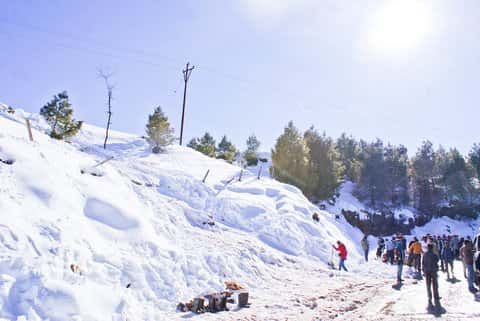
- December to February: snow seasonThis is when people come for snow, heaviest in December and January. The catch worth knowing early is that the Patnitop meadow itself can look brown between spells, while the reliable snow sits higher up at Nathatop. Check the live forecast before you commit, and pack for genuine cold.
- March to June: green and comfortableThe meadows turn green, the days are pleasant and the mountain air is easy. Late spring into early summer is a fine time for the gondola, the walks and, weather permitting, paragliding at Sanasar. This is the gentlest window for families and older travellers.
- July to September: monsoon cautionThe hills are lush but the monsoon brings rain, mist and a real risk of landslides on the approach roads. It is also when the Skyview ropeway takes its annual maintenance break, so this is the least reliable window if the gondola is the point of your trip.
- September to October: the quiet sweet spotClear skies return, the paragliding season reopens, and the crowds thin out after the summer rush. For many seasoned visitors this is the loveliest and most reliable time to see Patnitop at its best without the winter road worries.
The single mistake first-timers make is expecting deep snow on the Patnitop meadow itself just because it is December. Snow here is real but fickle at that level and can melt between storms. The dependable snow and the wide Himalayan view are up at Nathatop, about 2,240 metres, a short drive above town. Treat Nathatop as the snow destination, keep your dates flexible if you can, and always check the current forecast rather than a calendar before you book a snow holiday.
How to reach Patnitop, and why the highway no longer passes through it
Patnitop is a road trip. Almost everyone comes up NH44 from Jammu, and there is one logistics quirk that catches people out: since the 2017 tunnel opened, the main highway bypasses the town.
- From Jammu by roadJammu is the practical gateway, about 110 km and roughly a 2 hour drive up NH44, climbing steadily into the Shivalik hills. Jammu has the nearest airport with wide connections, so most travellers fly or train into Jammu and drive up. We can arrange a car with an experienced hill driver for the climb.
- The tunnel that bypasses the townSince the Dr Syama Prasad Mookerjee tunnel opened in 2017, NH44 traffic runs through the tunnel and skips the old winding road through Patnitop, Kud and Batote. That means highway buses and shared cabs no longer pass through Patnitop itself. You have to turn off the highway deliberately to reach the town, so tell your driver clearly, or you can sail right past.
- Nearest railheadsUdhampur is the nearest railway station, about 45 to 50 km away, and Jammu Tawi is the big, nationally connected railhead a bit further. From either, it is a road climb to Patnitop, so book a taxi or a package car rather than expecting a through train to the hill.
- Nearest airportJammu airport is the nearest, about a 2 hour drive from Patnitop. There are no flights into Patnitop itself. Overseas visitors usually route through Delhi and then fly or take a train to Jammu before the road climb.
Fly into Delhi, the main international gateway, then take a domestic flight or an overnight train to Jammu, and drive about 2 hours up NH44. Remember the highway bypasses the town, so your driver must turn off for Patnitop.
Fly into Delhi or, on some routes, closer hubs, then continue to Jammu by air or rail and drive up. Patnitop sits easily on a Jammu, Katra and Vaishno Devi loop.
Train or fly to Jammu, or train to Udhampur, then drive the hill road up. Self-drivers from Delhi should plan the long haul over about 586 km and consider breaking the journey.
The meadows, Nathatop, Sanasar and the Naag Mandir
Patnitop is a spread-out hill station of pine meadows, with the real showpieces just up or across the road at Nathatop and Sanasar. A few short cultural stops round out a day.
- The Patnitop meadowsThe town is really a series of open pine-fringed meadows on a ridge at about 2,024 metres, good for gentle walks, picnics and pony rides, and the base from which everything else fans out. It is spread over a large area, so plan to drive between the clusters rather than walk the whole thing.
- Nathatop, for snow and the big viewA short drive above town at about 2,240 metres, Nathatop gives the widest Himalayan panorama and the most reliable winter snow, which is why it is the region's snow-play and viewpoint headline. If you come for snow, this is where you go.
- Sanasar, the meadow-and-lake bowlAbout 19 km west, Sanasar is a quieter, greener bowl of meadow and a small lake ringed by conifers, and the base for paragliding and camping. It makes a calm half-day away from the busier Patnitop core.
- Naag Mandir and the cultural stopsThe Naag Mandir near town is a temple locally described as more than 600 years old, and there are further short stops at Kud, Sudhmahadev, Gauri Kund and the ancient Krimchi temples for anyone who wants more than meadows and snow.
It is worth being clear, because so many pages are not: the postcard snow and the sweeping Himalayan view are at Nathatop, not on the Patnitop meadow itself. The meadow is the pleasant base with the pines, the pony rides and the picnic spots, and it does get snow, but it can be patchy and quick to melt. Budget the short drive up to Nathatop into every winter plan, and you will not come home disappointed that the meadow was greener than the brochure promised.
The Skyview gondola and the adventure valley, with real fares and hours
The Skyview by Empyrean gondola from Sanget Valley is the modern headline of a Patnitop trip, and it comes with a whole adventure park on top. Here are the current, sourced numbers.
- The gondola itselfThe Skyview gondola climbs about 2.8 km one way from Sanget Valley towards Patnitop in roughly 10 to 13 minutes, marketed as one of Asia's highest by ground clearance and built to European CEN safety standards with technical partner POMA. The bird's-eye ride over the pines is the thing most visitors remember.
- What it costsThe return-ride charge is about 1,099 rupees per adult plus taxes, per the official Skyview site. Children up to 5 years are complimentary, ages 6 to 12 get about 10 percent off the rack rate, and visitors above 60 get about a 10 percent senior discount. Prices and offers change, so reconfirm the live rate on the official site before you travel.
- Timings and how long to allowGondola hours are about 10:30 am to 5:00 pm, the adventure activities about 10:00 am to 6:00 pm, and the restaurants about 7:00 am to 10:00 pm. A return ticket is valid the same day only, and doing all the activities needs a minimum of about three to four hours, so arrive by late morning.
- The adventure valley on topBeyond the gondola there is a zig-zag zipline of about 580 metres, an all-season dry tubing sledge of about 238 metres, a magic carpet of about 162 metres, plus archery, tandem zipline, ATV, mountain biking and hiking. The zipline needs a minimum height of about 1.50 m and a maximum weight of about 100 kg, so check the limits for children.
The Skyview ropeway takes an annual maintenance break, and for 2026 the operator states its ropeway operations will remain closed from 19 August 2026 to 5 September 2026. If the gondola is the whole point of your trip, do not book blindly into that window, and reconfirm the current maintenance dates on the official Skyview by Empyrean site, because the closure period can shift year to year.
Snow play, skiing, paragliding and slow meadow days
Away from the gondola, Patnitop is about snow in winter and gentle mountain activity the rest of the year. Here is how to do each honestly, and when each is actually possible.
- Snow play and skiing in winterFrom about December to February, Nathatop and the higher slopes are the place for snow play, sledding and basic skiing when the fall is good, heaviest in December and January. Skiing here is beginner-friendly and low-key rather than a Gulmarg-scale operation, so set expectations accordingly and hire gear locally.
- Paragliding at SanasarTandem paragliding runs in the clear-weather windows of about April to June and September to October, usually launching from the Dawariyai point, also called Billoo Di Powri, on the Patnitop-Sanasar road. It is entirely weather dependent, so treat any advertised flight as subject to conditions on the day and never pay in full upfront for a flight that may not run.
- Walks, ponies and picnicsThe pine meadows are made for easy strolls, pony rides for children and long picnic afternoons, especially from spring to autumn. This gentle, unhurried side of Patnitop is what makes it a family and senior favourite rather than only an adrenaline stop.
- Camping and short treksSanasar and the ridges above town offer camping and short, scenic treks in the warmer months. Go with a local operator, check the weather, and remember mountain nights are cold even in summer, so carry a warm layer.
Patnitop rewards travellers who match the activity to the season instead of hoping for everything at once. Winter is for snow at Nathatop and the all-season gondola; spring and autumn are for paragliding, walks and clear views; the monsoon is for staying flexible. If you arrive expecting snow in May or a paraglide in a January whiteout, you will be let down, but plan to the season and Patnitop delivers exactly what it promises.
Where to stay in Patnitop, and how many nights
Stay on the Patnitop meadow ridge for the classic hill-station base, at the Skyview property for the gondola-and-activity focus, or use Katra if you are pairing with Vaishno Devi. Two nights is the sweet spot.
- On the Patnitop meadow ridgeThe cluster of hotels and the tourism huts on the ridge is the classic base, close to the meadows and the walks and central for day trips to Nathatop and Sanasar. Ranges run from simple lodges to comfortable mid-range hotels, and it is the natural first choice for a general hill visit.
- At the Skyview propertySkyview by Empyrean at Sanget Valley has its own rooms and suites at the gondola base, best if your trip is built around the gondola and the adventure valley. Note the property does not sell alcohol, and a valid government photo ID such as an Aadhaar card is required on arrival.
- Katra as a pairing baseIf you are combining Patnitop with the Vaishno Devi pilgrimage, Katra is about a 90 minute drive away and has a deep supply of pilgrim-friendly hotels. Some travellers base in Katra and day-trip up, though staying on the ridge gives you the early and late mountain light.
- How many nightsTwo nights is the comfortable length: one day for the gondola and the adventure valley, another for Nathatop snow or the Sanasar meadows, with time to breathe. A single night feels rushed, and three nights suits anyone wanting to slow right down or wait out the weather.
The peak December and January snow weekends and the summer holiday rush are when the ridge fills up and prices climb, so book ahead for those windows. In the shoulder months you will find rooms easily and at better rates. If a winter storm has just cleared, expect a surge of weekend visitors from Jammu, so a midweek stay is calmer and cheaper.
Patnitop costs and a realistic daily budget
Patnitop is a mid-range domestic hill trip: the fixed costs are the gondola and the activities, and the rest is your car, room and food. Here is what the main things cost so you can plan.
- The fixed-price thingsThe Skyview gondola return ride is about 1,099 rupees per adult plus taxes, with about 10 percent off for children aged 6 to 12 and for visitors above 60, and free for under-fives. The adventure activities are charged separately. These operator prices are the rare fixed numbers on the trip, so use them as your anchor and reconfirm on the official site.
- The car, the big variableBecause Patnitop is a road trip off the highway, a hired car from Jammu or as part of a package is usually the largest single cost, covering the roughly 2 hour climb each way plus local runs to Nathatop and Sanasar. Agree the full itinerary and price with the operator before you set off.
- Rooms and foodRooms range widely, from simple ridge lodges to the Skyview suites, and rise on peak snow weekends and in the summer rush. Food is straightforward hill-station fare. Carry cash for smaller vendors, ponies and snow gear hire, as not everything up here takes cards or UPI.
- The negotiable extrasPony rides, sledge and snow-gear hire, and any roadside snow-play charges are negotiable and quoted high to visitors, so agree the price before you start. Paragliding is a bigger, weather-dependent spend, so confirm what happens if the flight is cancelled for weather before you pay.
The one price to lock in your head is the gondola: about 1,099 rupees return per adult plus taxes, with the child and senior discounts. Everything else on a Patnitop trip is either your car and room, which you fix in advance with the operator, or small negotiable extras like ponies and gear hire, where agreeing the amount before you start turns the only friction into a non-event.
Practical logistics: getting around, money, connectivity and ID
The small things that make a Patnitop day smooth, from getting between the scattered spots to cash, signal and the ID rule at the gondola.
- Getting around, you need a carPatnitop, Nathatop and Sanasar are spread out and there is no useful public transport up here, especially since the highway bypasses the town. A hired car or your package vehicle is essential, and a driver who knows the hill roads is worth paying for in winter.
- Money and cardsBigger hotels and the Skyview property take cards or UPI, but ponies, snow-gear hire, small eateries and roadside vendors run on cash. Draw cash in Jammu or Udhampur before the climb, as ATMs up on the ridge are limited and can be out of service in bad weather.
- ID and the gondola ruleCarry a valid government photo ID such as an Aadhaar card; it is required on arrival at the Skyview property for all guests. Foreign visitors should carry their passport. There is a medical room and attendant at Skyview, and the nearest hospital is at Chenani, about 10 minutes from the property.
- Signal, cold and clothingMobile coverage is generally workable but can drop in bad weather and on the higher slopes, so do not rely on it for live navigation off the main roads. Even in summer the nights are cold, and in winter you need proper layers, gloves and grippy footwear for snow and ice.
Safety, the winter road, and the altitude question
Patnitop is a gentle foothill hill station, but the winter highway and the mountain roads are the real safety story. A little planning keeps a snow trip from turning into a stranding.
- The winter highway can shutNH44, the lifeline to Patnitop, can shut for a day or more after heavy snowfall, avalanche or landslide, stranding vehicles and disrupting power and water in the hill resorts. In January 2026 the highway was reported shut for several days after heavy snow. Build slack into any December-to-February plan and never book a tight onward flight or train the same day you leave the hills.
- The altitude questionAt about 2,024 metres, and Nathatop at about 2,240, Patnitop is a foothill hill station, not high-altitude Ladakh, so serious altitude sickness is uncommon. The thinner, colder air still deserves respect: take the climb gently, stay hydrated, and anyone with a heart or breathing condition should not overexert on the walks or in the cold.
- Mountain roads and drivingThe hill roads are winding and can be icy or fog-bound in winter and slick in the monsoon. Use a driver who knows them, do not attempt night drives on the ghat sections, and if snow is forecast, be ready to change plans rather than push through.
- General safety and the regionPatnitop itself is a calm, family-oriented resort area and everyday tourist safety is straightforward, with the usual care for valuables and agreeing prices. As anywhere in the wider Jammu and Kashmir region, check current government travel advisories before you go and follow any local guidance on the day.
The most common way a Patnitop winter trip goes wrong is a same-day dash to a Jammu flight or train after a night of snow, only to find NH44 shut and the descent crawling or closed. If you travel between December and February, keep a buffer day, or plan to be back down in Jammu the night before any onward journey. The hills are worth the trip, but the highway keeps its own schedule when it snows.
Patnitop for every kind of traveller, and on access
Patnitop suits very different visitors in different ways. Here is what it offers you and the one tip that matters for each, including how a senior enjoys it comfortably.
- Families with childrenOne of the easiest snow-and-meadow trips for kids, with the gondola, pony rides, the tubing sledge and magic carpet at Skyview, and gentle picnics. Keep small children warm and close in the snow, and check the height and weight limits before promising them the zipline.
- Couples and honeymoonersQuiet, green and far less crowded than Gulmarg, with pine walks, the gondola view and Sanasar's calm meadows. An overnight rather than a day trip lets you catch the soft mountain light at either end of the day.
- Senior travellers and on accessibilityVery doable with planning. Use the gondola for the big view rather than long meadow walks, take the altitude gently, stay on the ridge to limit driving, and avoid the peak snow weekends if you prefer calm. The terrain is uneven and there is real cold, so bring proper footwear and warm layers.
- Adventure loversThe zig-zag zipline, tubing sledge, ATV and mountain biking at Skyview, plus paragliding at Sanasar in season and short treks, make a good active break. It is beginner-to-intermediate rather than extreme, so come for the variety and the setting.
- PhotographersNathatop's Himalayan panorama, the gondola over the pines and Sanasar's meadow-and-lake bowl are the frames to chase, best in the clear light of autumn and after fresh winter snow. Early morning gives you the calmest skies and the fewest people.
- Pilgrims pairing with Vaishno DeviBecause Katra is only about a 90 minute drive, many travellers add a couple of restful Patnitop days either side of the Vaishno Devi pilgrimage, turning a focused pilgrimage into a fuller Jammu-region trip.
A suggested Patnitop itinerary
How to shape a comfortable two-day visit so you catch the gondola, the snow or meadows at Nathatop, and the calm of Sanasar without rushing the mountain roads.
- Day one: arrive and the gondolaDrive up from Jammu in the morning, about 2 hours, settle in, and spend the afternoon at the Skyview gondola and adventure valley. Arrive there by late morning if you want to fit the activities, which need about three to four hours, and remember the last gondola is around 5:00 pm.
- Day two: Nathatop and SanasarStart early for Nathatop, for the wide Himalayan view and, in winter, the snow play. In the afternoon head across to Sanasar for the meadows and lake, or a weather-permitting paraglide in spring or autumn. This is the day the landscape really opens up.
- Add a third day to slow downA third night lets you do gentle meadow walks, the Naag Mandir and the cultural stops at Kud or Sudhmahadev, or simply wait out weather. In winter a buffer day is not a luxury, it is insurance against a highway closure.
- The Vaishno Devi add-onIf you are pairing with the pilgrimage, put Katra and Vaishno Devi at one end of the trip, about 90 minutes away, and let Patnitop be the restful mountain half. Two nights on the ridge plus the Katra leg makes a well-balanced Jammu-region week.
The thing that shapes a Patnitop plan is not opening hours but the mountain road. Do your driving in daylight, keep the gondola for a late-morning-to-afternoon slot within its roughly 10:30 am to 5:00 pm window, and in winter watch the forecast so you can flip your snow day and your indoor-and-gondola day if a storm rolls in. A little flexibility with the order of days beats a rigid plan the mountains will not honour.
The real questions travellers ask about Patnitop
Straight answers to the questions that come up again and again on traveller forums, so you arrive already knowing the score.
- Is it worth it, or overrated versus Gulmarg?Patnitop is quieter, greener and far less commercial than Gulmarg, and closer to Jammu. It is worth it if you want easy Himalayan foothills, the gondola and gentle activity rather than a big ski resort. Set expectations for a low-key hill station and it rewards you; expect Gulmarg-scale snow and skiing and you may not.
- How many days do I need?Two nights is the comfortable sweet spot, covering the gondola one day and Nathatop and Sanasar the next. A single night feels rushed, and a third night helps you slow down or ride out weather, especially in the snow season.
- When will I actually find snow?About December to February, heaviest in December and January, and most reliably up at Nathatop rather than on the Patnitop meadow, which can be patchy. Always check the live forecast rather than trusting the calendar, because snow here comes and goes with the storms.
- How do I get up there, and is there a bus?It is a car trip from Jammu, about 2 hours up NH44. There is no useful public transport into the town, and because the tunnel bypasses Patnitop, highway buses skip it entirely. Hire a car or take a package vehicle, and tell the driver to turn off for Patnitop.
- Can I combine it with Vaishno Devi?Yes, and many do. Katra, the pilgrimage base, is about a 90 minute drive from Patnitop, so a Vaishno Devi darshan pairs naturally with a couple of restful days in the hills at either end of the trip.
- Will the road be open in winter?Usually, but not always. NH44 can close for a day or more after heavy snow, as it did for several days in January 2026, so travel with a buffer day and never plan a tight onward connection out of the hills in the snow months.
Planning Patnitop from abroad
Patnitop is the calm, uncrowded foothill counterpoint to a busy Kashmir trip, reached by road from Jammu. A little preparation on the drive, the season and the region makes it easy.
- Know that this is a road tripThere is no airport at Patnitop. You fly into Delhi, continue to Jammu by air or overnight train, then drive about 2 hours up NH44. Because the highway now bypasses the town through the 2017 tunnel, arrange a car that will turn off for Patnitop rather than expecting public transport to the hill.
- Match the season to what you wantCome December to February for snow, but with a buffer day for possible highway closures; come spring or autumn for clear views, paragliding and gentle walks without the winter road risk. It is a foothill station at about 2,024 metres, so altitude is rarely a problem, but the cold is real in winter.
- Pair it with Katra and Vaishno DeviPatnitop sits naturally with the Vaishno Devi pilgrimage at Katra, about 90 minutes away, and can open or close a wider Jammu-and-Kashmir trip. It is the restful, green, low-crowd half of such a loop.
- Check advisories and carry your passportAs anywhere in the wider Jammu and Kashmir region, check your government's current travel advisory before you go and follow local guidance on the day. Carry your passport for hotel and gondola check-in, where a valid photo ID is required on arrival.
Money, connectivity and timing for foreign visitors
The practical basics an overseas traveller needs for a small mountain resort: cash, cards, a SIM, and how to weight Patnitop within a wider India trip.
- Carry cash, expect thin card coverageCards and UPI work at the bigger hotels and the Skyview property, but ponies, gear hire, small eateries and roadside vendors are cash places, and ATMs on the ridge are limited. Draw enough cash in Jammu or Udhampur before you climb, and keep small notes for tips and hire.
- Get a SIM in a city firstPick up an Indian tourist SIM or an eSIM when you land in Delhi, as activation for foreign visitors is simplest at a major city. Coverage up at Patnitop is workable but drops in bad weather and on the higher slopes, so download offline maps before the drive.
- How long to give it on a bigger tripOn a wider Jammu-and-Kashmir itinerary, two nights in Patnitop is the right weight: enough for the gondola, Nathatop and Sanasar, without slowing a trip that may also take in Katra, Srinagar or Gulmarg. It is the gentle mountain pause, not the whole show.
- Time it to your comfort and the roadIf you want snow, plan December to February and build in a buffer day for the highway. If you want ease and clear views, come in spring or autumn. Either way, do your mountain driving in daylight and keep onward connections loose.
Patnitop is an unusually gentle introduction to the Jammu hills: small, green, uncrowded and reachable in a half-day drive from Jammu, without the altitude of Ladakh or the crowds of Gulmarg. Slot it beside Katra and Vaishno Devi, give it two nights, and let it be the calm mountain chapter of a wider trip. Just respect the winter road and the weather, and it is one of the easier Himalayan foothill stops to enjoy.
How a tunnel turned a highway town into a detour
For decades Patnitop was not a detour but a stop everyone made. The old Jammu-Srinagar highway wound up over the ridge through Kud, Patnitop and Batote, and every bus, truck and pilgrim car crawled through its bends, pausing for tea and the mountain air, and choking to a halt for days when the snow and avalanches came. Then, on 2 April 2017, India opened the Dr Syama Prasad Mookerjee tunnel, formerly the Chenani-Nashri tunnel, about 9.28 km long and the country's longest road tunnel at the time, boring straight through the mountain to bypass that treacherous stretch. It cut the Jammu-Srinagar journey by around 30 km and about two hours, and it spared travellers the winter chaos of the old road. But it also, quietly, took the through-traffic away from Patnitop. Today the highway skips the town, and you must turn off deliberately to climb to the meadows, which is exactly why Patnitop has stayed calmer and greener than the resorts on the busier routes. The tunnel that bypassed it is, in a sense, why it is still worth the detour.
Planning a Patnitop trip?
Our Jammu And Kashmir travel experts plan your full journey for you: route, hotels, darshan timings and transport. You get a free day-by-day plan and an exact quote on WhatsApp, usually within a few hours. No payment is needed to get your plan.