Ranchi Travel Guide
The comfortable months are October to March , but the waterfalls are fullest in the monsoon . Decide first whether you want dry-weather comfort or the falls in full spate.
When to visit Ranchi, and the monsoon trade-off
The comfortable months are October to March, but the waterfalls are fullest in the monsoon. Decide first whether you want dry-weather comfort or the falls in full spate.
- October to March: the comfortable windowThis is the pleasant sightseeing season on the plateau, with days that are mild and nights that can turn genuinely cool, roughly about 10C to 25C, so carry a layer for December and January. The waterfalls are gentler than in the rains but the footing is far safer, and this is the time for Betla safaris and Netarhat sunrises.
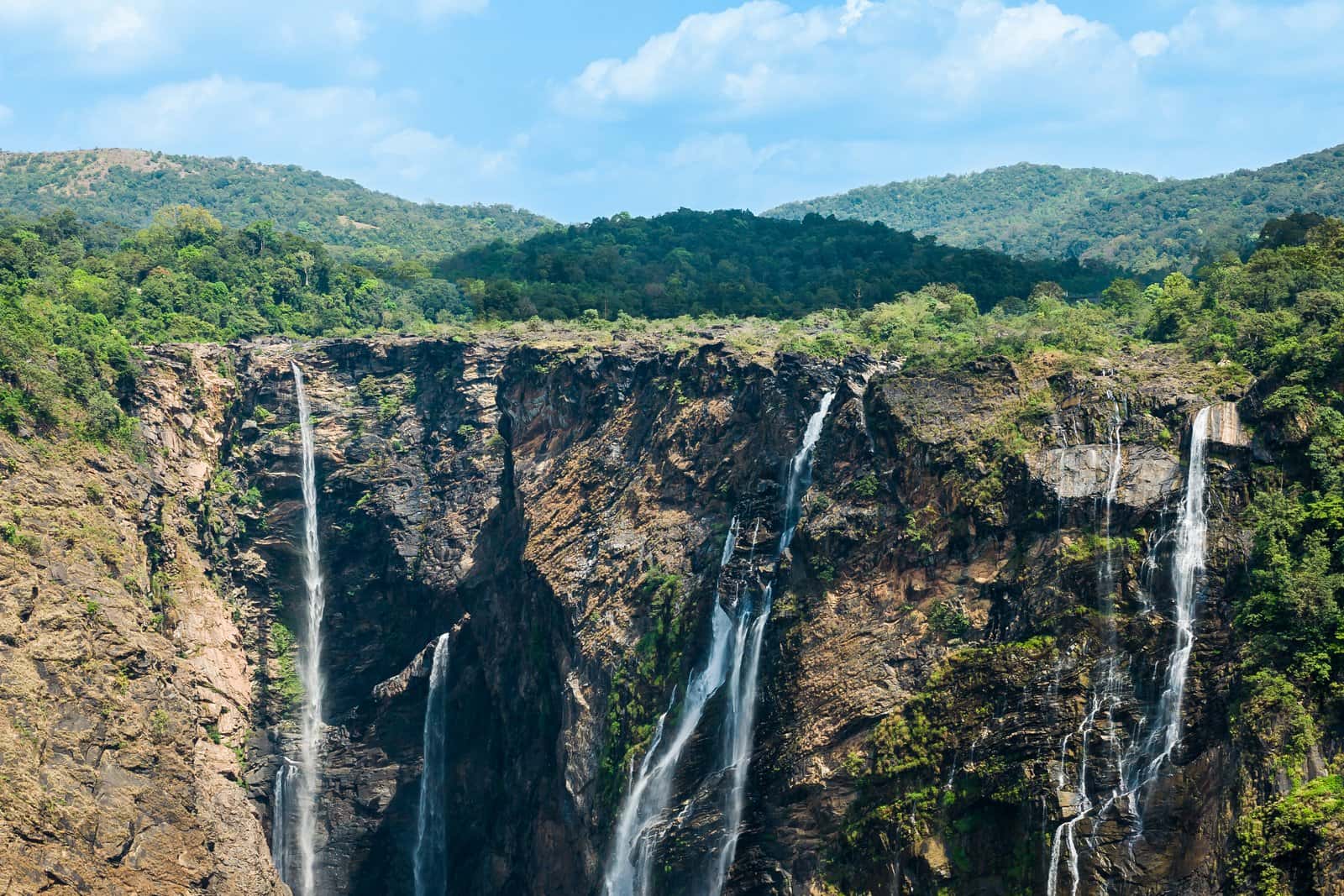
- July to September: the falls at full spateThe monsoon is when Hundru, Dassam and Jonha thunder and the plateau turns green, which is why many people call this the real season to see the City of Waterfalls. About 80 percent of the year's rain falls June to September, so expect wet drives and, importantly, slippery rock and dangerous pools at every fall. Come for the spectacle, but keep well back from the water.
- April to June: hot and hazy, best avoidedLate spring on the plateau is hot, with May often pushing about 38C to 40C, and the falls are at their thinnest. If you must travel then, keep the middle of the day for rest and do any climb early.
- Full falls or safe footing, decide firstThe honest truth that most pages skip is that the postcard cascade and the safest footing rarely coincide. If you want the falls roaring, come in or just after the monsoon and treat every viewpoint with respect; if you want easy, dry sightseeing and the hill and safari trips, come in winter.
Ranchi sits on the Chota Nagpur plateau at about 650 metres above sea level, and that altitude is the reason the city is noticeably cooler and greener than the eastern plains around it. It is why the British made nearby hill stations their summer retreat and why the winters here feel crisp rather than merely mild. The plateau also gives Ranchi its waterfalls, as the plateau edge is where the rivers tumble off toward the plains.
How to reach Ranchi
Ranchi has one domestic airport and a well-connected junction. Most visitors fly or take a train in, then hire a car for the waterfalls and hills.
- By air, Birsa Munda Airport (IXR)Ranchi's single airport, Birsa Munda Airport, code IXR, run by the Airports Authority of India, has a single integrated terminal and domestic flights to hubs such as Delhi, Mumbai, Kolkata, Hyderabad and Bengaluru. There are no scheduled international flights, so anyone coming from abroad connects through Delhi or Kolkata. The airport is about 5 to 7 km from the city centre.
- By train, Ranchi Junction (RNC)Ranchi Junction is the main railhead, with direct trains to Delhi, Howrah and across the region. The Ranchi-New Delhi Rajdhani Express covers about 1,249 km in roughly 17 hours, and the Ranchi-Howrah Shatabdi Express reaches Kolkata in about 7.5 hours. Book on IRCTC a little ahead in the winter season, when trains fill.
- By roadGood highways link Ranchi to Kolkata, Patna, Jamshedpur and Bokaro. It is a long but scenic drive up onto the plateau, and self-drive or a hired car is popular for pairing Ranchi with Netarhat, Betla or Deoghar. Most travellers, though, arrive by air or rail and hire a car locally for the day trips.
- Getting to the sights from the cityThe waterfalls, Patratu, Netarhat and Betla are all day-drives out of the city, not walk-to sights, so plan to base yourself in Ranchi and take a car out each day. There is no rail or reliable public transport to most of the falls, so a hired car or app-cab is the practical way.
Fly into Delhi or Kolkata, the nearest big international gateways, then take a short domestic flight to Ranchi (IXR) or an overnight train. Ranchi has no international flights of its own.
Fly into Kolkata or Delhi, then connect on a domestic flight to Ranchi. Kolkata is the closest major hub and pairs Ranchi naturally with an eastern-India trip.
Take a direct flight or the Rajdhani or Shatabdi to Ranchi Junction. Ranchi is well linked by rail to Delhi, Kolkata, Patna and the eastern network.
The waterfalls, the temples and the plateau views
Ranchi is its ring of waterfalls, a few hilltop temples, and the drive down into Patratu Valley. Here is what to see and the numbers that matter.
- Hundru Falls, the highest in the stateOn the Subarnarekha river off the Ranchi-Purulia road, Hundru drops about 320 feet, the highest waterfall in Jharkhand, and the Ranchi district administration puts it about 45 km from the city, roughly a 1.5 to 2 hour drive. There is a pool and picnic area at the base. It is a half-day trip, best in or just after the monsoon for volume, with great care near the water.
- Dassam and Jonha FallsDassam Falls, about 40 km out near Taimara, is a broad 144 foot curtain with a swirling pool that has a real drowning record, so admire it, do not swim. Jonha Falls, about 40 to 45 km on the Purulia road and also called Gautamdhara, is reached by a long flight down to the pool, commonly given as about 722 steps, beautiful but a workout, with listed hours of about 8 am to 5 pm.
- Patratu Valley and the damAbout 35 to 40 km from the city, the road into Patratu Valley twists down through many hairpin bends to the Patratu dam and lake, with viewpoints, boating and a lovely sunset. It is the scenic drive of the region and is at its greenest just after the rains. Give it a slow half-day rather than a quick photo stop.
- The city temples and lakesIn the city itself, Pahari Mandir, a Shiva temple atop the roughly 2,140 foot Ranchi hill, is reached by about 468 steps and rewards you with a sweeping view. The 17th-century Jagannath Temple, built Kalinga-style like Puri's, holds an annual Rath Yatra. Add Ranchi Lake, Tagore Hill, the Rock Garden and Kanke Dam for an easy city day.
The waterfalls are Ranchi's glory and its main danger. In the monsoon the rock is slick and the pools run fast and deep, and Dassam in particular has a genuine drowning history. Stay behind any barriers and viewpoints, do not clamber onto wet rocks for a photograph, and keep children close. This is covered again in the safety section, because it is the single thing that turns a lovely day sour.
Signature experiences around Ranchi
Beyond ticking off the falls, these are the experiences people remember, and how to arrange them well.
- The Patratu Valley drive at sunsetThe serpentine descent into Patratu Valley, hairpin after hairpin with the dam and lake opening below, is the most photogenic hour in the region. Time it for late afternoon, stop at the viewpoints, and stay for the sunset over the water. In your own or a hired car you can take it slowly, which is the whole point.
- A Betla jeep safariAbout 170 km away in the Palamu Tiger Reserve, Betla is one of India's oldest sanctuaries at about 226 square km, home to elephants, deer, bison and, rarely seen, tigers and leopards. Book a jeep safari at the Forest Department counter, go early, and come between about November and March when animals are easiest to spot. It is an overnight or two-day trip, not a day run from Ranchi.
- Netarhat sunrise and sunsetThe hill retreat of Netarhat, the Queen of Chotanagpur, about 150 to 156 km and a 4 to 5 hour drive away, is famous for its sunrise and sunset viewpoints over the plateau. Stay a night to catch both, and pair it with Betla, about 100 km on, for a proper nature loop.
- A city day of temples and lakesClimb Pahari Mandir for the view, visit the Jagannath Temple, wander Tagore Hill where the poet's family once stayed, and end with boating on Ranchi Lake or a quiet evening at Kanke Dam and the Rock Garden. It is an easy, gentle day that suits families and older travellers.
- Waterfall photography, by seasonFor the falls in full roar, come in or just after the monsoon, but shoot from the safe viewpoints as the spray and slick rock are treacherous. In winter the flow is thinner but the light is clean and the footing safe, which many photographers prefer for the surrounding landscape.
- Tribal culture and craftJharkhand is a tribal heartland, and Ranchi is the place to glimpse it, from Sohrai and Jadopatia art to local markets selling tribal handicrafts, dokra metalwork and handloom. Ask locally about any craft village visits or cultural events on while you are there.
If you do only one thing slowly, make it the Patratu Valley drive at the end of a day. The hairpins, the dam lake and the sunset over the plateau are what people remember long after the individual waterfalls blur together. Give yourself an unhurried late afternoon, stop at the viewpoints, and let the valley open up rather than racing down to the water and back.
Where to stay in Ranchi, and how many nights
Base yourself in the city, since the sights are day-drives out. Two to three nights covers Ranchi well, more if you add Netarhat and Betla.
- Stay in the city, drive out each dayThe waterfalls and hills have very limited food and almost no reliable accommodation, so the sensible plan is to base yourself in Ranchi city and take a car out each day. The central areas around Main Road, Kutchery and Lalpur put you near hotels, restaurants and the station.
- Room budgetsBudget rooms run roughly 800 to 1,500 rupees, mid-range hotels about 2,000 to 4,000 rupees, and the better city hotels about 5,000 to 10,000 rupees and up. Ranchi is a working state capital, so mid-range business hotels are plentiful and reliable, which suits families and older travellers.
- How many nightsTwo to three nights is the sweet spot for Ranchi itself: one day for the city temples and lakes, one for the waterfall-and-Patratu loop, and a spare day to slow down or add a fall or two. Add two to four more nights if you want Netarhat and Betla, which are drives of 4 to 5 hours and need their own overnight stays.
- For the hill and safari tripsNetarhat has a handful of simple hotels and a tourism guest house, and Betla has forest and tourism lodges near the park, all far more basic than the city hotels and best booked ahead in the November to March season. Do not expect city comfort out here; that is part of the deal.
The single habit that makes a Ranchi trip smooth is to treat the city as your base and the sights as spokes. Keep one good city hotel, carry water and snacks for the drives, start early to beat both the heat and the crowds at the falls, and be back in the city by evening when the falls roads empty out. Only the Netarhat and Betla loop justifies moving your base out of town.
Ranchi costs and a realistic budget
Ranchi is inexpensive, and the main cost is the car you hire for the day trips. Here is what the main things cost so you can plan.
- The car is the main costBecause the sights are day-drives, the biggest single cost is the car. A private car with driver for a full Ranchi sightseeing day runs roughly 3,000 to 4,000 rupees, and a multi-day Netarhat and Betla tour roughly 8,000 to 12,000 rupees depending on the vehicle and the operator. Agree the itinerary and the price before you set off.
- Rooms and foodBudget rooms are about 800 to 1,500 rupees, mid-range about 2,000 to 4,000 rupees. Food is cheap and hearty; a good local meal costs little, and Ranchi has plenty of vegetarian and non-vegetarian options unlike the strict pilgrimage towns.
- The small entry chargesMost sights are free or nearly free. There is no official government entry fee at Dassam Falls, though a local group commonly collects about 50 rupees per head at the gate, and parking or small camera charges may apply at some falls. Carry small notes for these.
- A rough daily budgetExcluding your room, plan on roughly 1,500 to 2,500 rupees a day as a budget traveller sharing a car, and more if you hire a car solo, since the vehicle is the swing cost. Food, entry charges and boating are all minor next to the transport.
In Ranchi, your daily cost is driven almost entirely by the car, not by rooms, food or tickets. Sharing a hired car across a group brings the per-head cost right down, so if you can travel with others or join a fixed-departure Netarhat-Betla tour, the trip becomes very affordable. Settle the car and the itinerary first and the rest of the budget looks after itself.
Practical logistics: getting around, money and the daily rhythm
The small things that make a Ranchi day smooth, from app-cabs and ATMs to the early-to-bed rhythm of the city.
- Getting aroundIn the city, Ola and Uber operate, including autos, and using an app-cab rather than flagging down an auto is the sensible default, especially after dark. For the waterfalls and hills there is no reliable public transport, so hire a car for the day. Autos and shared vehicles handle short city hops.
- The daily rhythmRanchi is a slow-paced plateau capital, and much of the city winds down by about 9 pm. Plan your sightseeing between roughly 7 am and 7 pm, get an early start for the falls to beat the heat and the crowds, and do not count on late-night dining or transport out at the sights.
- Money, ATMs and connectivityATMs and card or UPI payments are easy in the city, but carry cash for the falls, parking, boating and small vendors on the day trips, where digital payment is patchy. Mobile coverage is good in the city and along the main roads, thinner deep in the Betla forest and the remoter hills.
- Language and foodHindi is widely spoken, along with local languages such as Nagpuri, Santhali and Mundari, and English is understood in hotels and the tourist trade. Food is varied, with good vegetarian and non-vegetarian options and local tribal and Bihari-style dishes worth trying.
Safety, the waterfall danger, and staying well
Ranchi is a calm, welcoming city, but the waterfalls carry a real drowning risk. A little awareness keeps the trip happy.
- The waterfalls are the real dangerThe single biggest safety issue in Ranchi is the water, not the city. Dassam Falls has a genuine drowning record, and every fall runs fast and deep with slippery rock in and after the monsoon. Stay behind viewpoints and barriers, do not swim in the plunge pools, do not climb onto wet rocks for a photo, and keep children within arm's reach.
- City safety and the app-cab habitRanchi is generally safe and slow-paced, and most trouble is petty rather than serious. The sensible habits are to keep sightseeing to daylight and early evening, use Ola or Uber rather than a flagged-down auto after dark, and not wander unfamiliar or remote areas alone at night. The city empties early, so plan around that.
- Heat, water and healthDrink bottled or filtered water, take the usual care with street food, and in the warm months carry sun protection and water for the open falls and the long drives. The staircases at Jonha and Pahari Mandir are a real effort in the heat, so climb early and rest if you need to.
- On the drivesThe roads to the falls and hills are scenic but winding, with the Patratu hairpins demanding a careful driver. Use a reputable car and driver, avoid night driving on the hill roads, and keep the forest department's instructions in mind on any Betla safari.
Most solo women find Ranchi manageable with standard precautions. It is a slow, early-to-bed city, so the sensible steer is to keep sightseeing to daylight, use app-cabs with trip-sharing rather than hailing autos off the street, and not travel alone to remote falls after dark. Stick to the daytime rhythm the city itself keeps and Ranchi is a straightforward, low-key place to travel.
Ranchi for every kind of traveller, and on access
Ranchi suits very different visitors in different ways. Here is what it offers you, and the one tip that matters for each, including how a senior visits comfortably.
- Families with childrenEasy and green, with waterfalls, boating on the lakes, the Rock Garden and a possible Betla safari. Keep children well back from the water at every fall, carry snacks and water for the drives, and build in a lake-and-garden day that needs no long staircases.
- CouplesThe Patratu Valley drive and sunset, a Netarhat overnight for the sunrise, and quiet evenings by the lakes make Ranchi a gentle, scenic break rather than a party destination. An overnight at Netarhat is the romantic highlight.
- Senior travellers and on accessibilityVery doable with planning, but mind the stairs: Jonha has a long staircase down to the pool, commonly given as about 722 steps, and Pahari Mandir about 468 up, both a real effort. Favour the drive-up viewpoints, Patratu, Kanke Dam, the Rock Garden and the boating, over the deep staircases, keep the long Netarhat and Betla drives to comfortable days, and use a good car with a careful driver.
- Road-trippers and self-driversThis is fine road-trip country: the plateau highways, the Patratu hairpins and the Netarhat-Betla loop reward a car. Drive the hill roads in daylight, keep to a steady pace on the bends, and give the loop the two to four days it needs.
- Solo female travellersManageable with standard precautions in a slow, early-to-bed city. Keep sightseeing to daylight, use app-cabs with trip-sharing, and avoid remote falls alone after dark. Ranchi is low-key rather than intense, which suits solo travel by day.
- PhotographersThe falls in monsoon spate, the Patratu hairpins from above, the Netarhat sunrise and the plateau light are the shots. Work from the safe viewpoints at the falls, as the spray and slick rock are dangerous, and time the valley and hills for the golden hours.
A suggested Ranchi itinerary
How to shape two to three days in Ranchi, and how to add the Netarhat and Betla loop if you have longer.
- Day one, the cityStart early at Pahari Mandir for the climb and the view before it warms up, then the Jagannath Temple and Tagore Hill. Spend the afternoon on Ranchi Lake, the Rock Garden and Kanke Dam, an easy day with no long drives, good for settling in and for older travellers.
- Day two, the waterfall and valley loopTake a car out early for the falls, choosing two or three of Hundru, Jonha and Dassam rather than all of them given the distances, then finish with the Patratu Valley drive and sunset. Carry water and snacks, and be back in the city by evening.
- Day three, slow down or add a fallUse a spare day to revisit a favourite fall, add a quieter one, explore tribal craft and markets in the city, or simply rest. Two to three days covers Ranchi comfortably without rushing.
- Adding Netarhat and BetlaIf you have longer, drive about 4 to 5 hours to Netarhat for a sunset and sunrise, continue about 100 km to Betla for a morning safari between November and March, and loop back. Give this its own two to four days and its own overnight stays; it is not a day trip from Ranchi.
The classic mistake is to cram Hundru, Jonha, Dassam and Patratu into a single day. Each is a 40 to 45 km drive from the city on winding roads, Jonha adds a long staircase of about 722 steps, and the day becomes a rushed blur of car time. Pick two or three, give them room to breathe, and finish with Patratu at sunset. You will see less on paper and enjoy far more in reality.
The real questions travellers ask about Ranchi
Straight answers to the questions that come up again and again on traveller forums, so you arrive already knowing the score.
- How many days do I need?Two to three days covers Ranchi itself: a city day and a waterfall-and-Patratu day, with a spare day to slow down. Add two to four more if you want Netarhat and Betla. You can see the highlights of one waterfall loop in a single long day, but not all the falls and the valley comfortably in one.
- Is Ranchi worth visiting?Yes, if you come for what it is: a green plateau capital ringed by waterfalls, valleys and tribal heartland, cooler than the eastern plains. It is not a monument city or a beach town, and the sights are day-drives, but the Patratu drive, the falls in spate and the Netarhat-Betla loop reward the trip.
- Monsoon or winter?Monsoon, roughly July to September, for the waterfalls in full roar and the greenest plateau, but with slippery, dangerous rock and wet drives. Winter, October to March, for comfortable, dry sightseeing, the Betla safari and the Netarhat sunrise. Pick by what you most want to see.
- Are the falls safe, and can I swim?Treat the pools as unsafe for swimming, especially in the monsoon. Dassam in particular has a real drowning record. The falls are for looking at from viewpoints, not swimming in; keep behind barriers and off the wet rocks.
- How do I get to Netarhat and Betla?By hired car, about 4 to 5 hours to Netarhat and about 100 km more to Betla, as a two to four day loop with overnight stays, not a day trip. Fixed-departure tours and taxi packages run this loop and are the easiest way if you do not have your own car.
- How do I get around without a car?In the city, Ola and Uber including autos work well. For the waterfalls and hills there is no reliable public transport, so hire a car for the day or join a package. This is the one thing to sort before you arrive.
Planning Ranchi from abroad
Ranchi is the green, tribal-heartland side of India, an easy add to an eastern-India or roots trip. A little preparation on connectivity and the day-drive nature of the sights makes it simple.
- Connect through Delhi or KolkataRanchi has one domestic airport, Birsa Munda (IXR), with no international flights, so fly into Delhi or Kolkata and take a short domestic hop or an overnight train. Kolkata is the closest big hub and pairs Ranchi naturally with an eastern-India itinerary.
- The sights are day-drives, not walk-toUnlike a compact temple town, Ranchi's waterfalls, valley and hills are 40 to 170 km out of the city, so plan on a hired car with driver for each day and base yourself in one good city hotel. This is the single expectation to set before you arrive.
- Pair it with an eastern-India loopRanchi slots well with Kolkata, the Deoghar Baidyanath temple and even a wider Jharkhand-Bihar circuit. For a roots or heritage trip it is the tribal, plateau chapter, green and unhurried, between the bigger cities.
- Gentle and senior-friendly with planningFavour the drive-up viewpoints and lakes over the long staircases at Jonha and Pahari Mandir, keep the Netarhat and Betla drives to comfortable days, and use a reliable car and driver. Ranchi is a calm, low-key place for parents and grandparents when planned this way.
Money, connectivity and timing for foreign visitors
The practical basics an overseas traveller needs for a plateau capital: cash for the day trips, a SIM, and how many days to give it on a wider India trip.
- Cards in the city, cash on the day tripsATMs, cards and UPI work well in Ranchi city, but the waterfalls, parking, boating and small vendors on the day trips are cash places, so draw cash in the city and carry small notes. Digital payment is patchy once you leave town.
- Get a SIM at the arrival airportPick up an Indian tourist SIM or an eSIM when you land in Delhi or Kolkata rather than hunting for one later. Coverage in Ranchi city and on the main roads is good, thinner deep in the Betla forest and the remoter hills, so download offline maps before the drives.
- How long to give it on a bigger tripOn an eastern-India trip, two to three days in Ranchi covers the city and the waterfall loop, and five to seven if you add Netarhat and Betla. It is a nature-and-culture interlude between the bigger cities, not a whole holiday on its own for most overseas visitors.
- Time your visit to your comfortOctober to March is the comfortable, dry window for easy sightseeing and the safari and hill trips. If you specifically want the waterfalls in full spate, come in the monsoon, roughly July to September, and behave with real caution at the water.
Ranchi is an unusually green and gentle introduction to eastern India: a plateau capital, cooler than the plains, ringed by waterfalls and tribal country rather than crowds and monuments. Slot it after Kolkata, give it a few days with a hired car, and let it be the slow, natural chapter of an eastern-India trip. Many visitors find the plateau landscape the part they remember most.
Why Ranchi is the City of Waterfalls
Ranchi earns its name from the land itself. The city sits on the eastern lip of the Chota Nagpur plateau, about 650 metres up, where rivers that have wandered the tableland suddenly reach the edge and pour off toward the plains below. That single act of geography, water meeting the plateau's rim, gives Ranchi its ring of great falls: Hundru dropping about 320 feet off the Subarnarekha, the highest in Jharkhand; Dassam spreading in a 144 foot curtain near Taimara; Jonha, the Gautamdhara, hidden at the foot of around 500 steps. The same plateau keeps the city cool and green while the plains bake, and it is why the tribal heartland of Jharkhand feels like a world lifted slightly above the rest of eastern India. Come in the monsoon and the whole rim thunders; come in winter and the plateau lies clear and mild. Either way, it is the land, not any single monument, that is the keepsake here.
Planning a Ranchi trip?
Our Jharkhand travel experts plan your full journey for you: route, hotels, darshan timings and transport. You get a free day-by-day plan and an exact quote on WhatsApp, usually within a few hours. No payment is needed to get your plan.