Bangalore Travel Guide
Bangalore's great gift is its weather. The best months are October to February , but thanks to its altitude the city is comfortable almost year round, which is part of why people...
When to visit Bangalore, and the climate that made it famous
Bangalore's great gift is its weather. The best months are October to February, but thanks to its altitude the city is comfortable almost year round, which is part of why people never want to leave.
- October to February: the sweet spotPleasant days and genuinely cool nights, the famous Bangalore winter. This is the most comfortable window for the parks, the day trips and long evenings in the cafes, and December and January are the coolest and clearest of all.
- Why it is mild all yearThe city sits at about 900 metres above sea level on the Deccan plateau, which keeps even the hot months moderate by Indian standards. There is no fierce desert summer here, which is exactly why Bangalore has long been a refuge from the heat.
- March to May: warmest, still gentleThe warmest stretch, but rarely punishing. Afternoons can be hot and a little dusty, so keep the middle of the day for an indoor cafe or a museum and do the gardens early or late.
- June to September: the monsoonBangalore gets its rain across these months, often as short, refreshing evening showers rather than all-day downpours. The gardens are at their greenest, but carry an umbrella and allow extra time, because rain and traffic together can slow the city to a crawl.
If Nandi Hills, Mysore or Coorg are on your list, the October to February window matters even more, because the sunrise viewpoints and hill drives are at their best in the cool, clear season. Bangalore itself is forgiving in almost any month, but the country around it is loveliest in winter, so plan the wider loop around those months if you can.
How to reach Bangalore, and the airport-distance reality
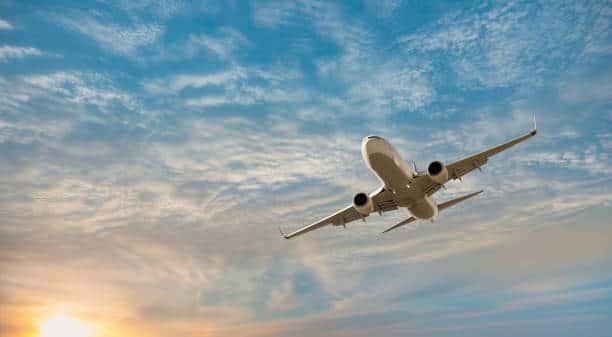
Bangalore is one of South India's biggest air and rail gateways. The one thing nobody warns you about: the airport is about 35 to 40 km north of the city, so the transfer is an event in itself.
- Kempegowda International Airport, and how far it isBLR airport is a major international hub, but it sits about 35 to 40 km north of the city at Devanahalli. Budget a one-hour-plus transfer in normal traffic and more in peak hours, and never plan a tight connection between landing and a city appointment.
- From the airport into townThe airport is not yet on the metro, so the realistic choices are the air-conditioned BMTC Vayu Vajra buses to the main parts of the city, a prepaid taxi from the official counter, or an app cab from Uber, Ola or Rapido. The app cab is usually the easiest door-to-door, the bus the most economical.
- By railBangalore has several stations, with KSR Bengaluru City and Yesvantpur the main long-distance hubs, well connected to Chennai, Mysore, Hyderabad and beyond. The Bengaluru-Mysuru route is fast and scenic, and trains are often the calmest way in and out.
- By roadSmooth expressways and highways link Bangalore to Mysore, Chennai and the coast. The Bengaluru-Mysuru expressway in particular has cut the Mysore drive to about 3 hours, which makes it an easy day trip.
Fly directly into Bengaluru (BLR), which has good long-haul connections, or via a Gulf or domestic hub. Remember the airport is well north of the city, so pre-book a transfer or budget for a one-hour-plus app cab.
Bangalore has frequent direct flights from the Gulf, Singapore and other Asian hubs, making it one of the easiest South Indian cities to reach. From the airport, the Vayu Vajra bus or an app cab takes you in.
Bangalore is one of India's busiest domestic airports and a major rail junction. Trains from Chennai, Hyderabad and across the south are frequent, and the expressways make the city an easy road hub for a wider Karnataka trip.
Getting around Bangalore: the metro, cabs and the traffic truth
Bangalore traffic is real and the city is spread out. The growing Namma Metro is a genuine relief on its corridors, and app cabs solve the rest. A simple planning rule saves your whole trip.
- Namma Metro, the current pictureThree lines run as of 2026: the Purple Line east to west from Whitefield to Challaghatta, the Green Line north to south from Nagasandra to the Silk Institute, and the Yellow Line from RV Road to Bommasandra via Electronics City, which opened in 2025 with India's first driverless trains. Fares run from about 10 rupees up to a cap of about 90 rupees by distance, with roughly a 10 percent discount on a smart card.
- Metro timingsTrains run from about 5 am to about 11 pm on the Purple and Green lines on most days, starting later at about 7 am on Sundays. Headways are still being increased as more trains arrive, so reconfirm first and last train times and the Yellow Line frequency on the official BMRCL site before relying on a late ride.
- When to take the metro, when to take a cabIf your start and end are both near a station, ride the metro, because it skips the worst traffic entirely. For anything off the lines, or to the airport which is not yet connected, use an app cab. Mixing the two, metro for the long haul and a short cab at the end, is often the fastest way across the city.
- Auto-rickshaws and the meterAutos are everywhere but many drivers refuse the meter or quote two to three times the fair fare to visitors. The simplest fix is to book through an app such as Uber, Ola or Rapido, which also books autos at a set price, so there is no argument to have.
The single habit that saves a Bangalore trip is to never schedule two cross-city sights back to back, and to build a generous buffer around anything timed, especially an airport run. Traffic here is unpredictable, so cluster your day by area - one part of town in the morning, another in the evening - rather than zig-zagging across the city, and let the metro carry the longest legs.
The parks, palaces and temples worth your time
Bangalore's sights are gentler than a monument city: green parks, a couple of fine palaces, grand civic buildings and big temples. Here are the ones worth your hours, with the entry rules that catch people out.
- Lalbagh and Cubbon ParkThe two great green lungs. Lalbagh, run by the state horticulture department, is open about 6 am to 7 pm with a small entry fee of about 50 rupees by day, free for early-morning and evening walkers in the windows of roughly 6 to 9 am and 6 to 7 pm. Cubbon Park, near the grand Vidhana Soudha, is free and lovely first thing.
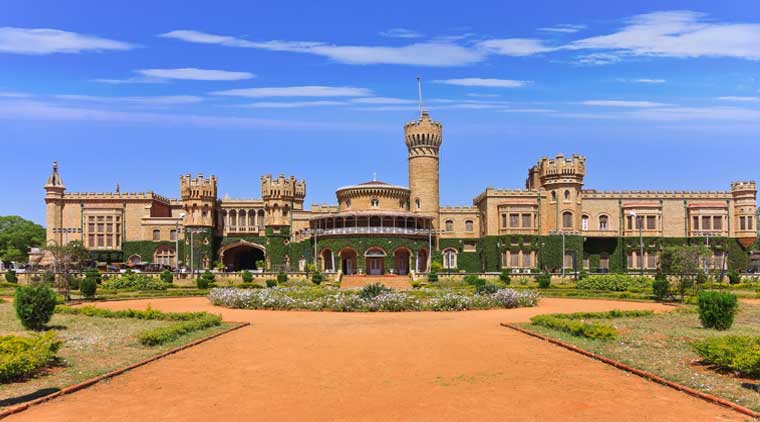
- Bangalore PalaceThe Wodeyar family's Tudor-style residence is open daily about 10 am to 5:30 pm. Entry is about 230 rupees for Indian visitors and about 460 rupees for foreign visitors, and camera fees are charged separately, commonly about 685 rupees for a still camera. The palace is sometimes closed or restricted for private events, so check before you go.
- Tipu Sultan's Summer PalaceA serene ASI-protected teak palace in the old city, open about 8:30 am to 5:30 pm. The on-site ticket is about 25 rupees for Indians and about 300 rupees for foreigners, and children below 15 enter free. It pairs well with the nearby Bull Temple and the bustle of the old market lanes.
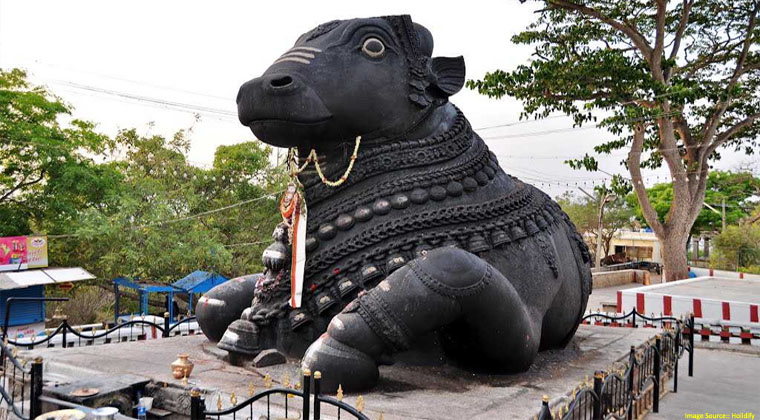
- ISKCON and the civic landmarksThe hill-top ISKCON Sri Radha Krishna temple at Rajajinagar, one of the largest in the world, is free to enter with a paid special-darshan option of about 150 rupees to skip the queue. Add the Vidhana Soudha and the High Court, best admired from the outside, and the Bull Temple in Basavanagudi.
Bangalore's sights reward an early start. The parks are at their best at sunrise, the palaces are quiet before mid-morning, and you beat both the heat and the worst traffic. Cluster the central sights - Cubbon Park, Vidhana Soudha, the museums and MG Road - into one morning reachable by metro, and leave the spread-out ones like ISKCON or Bangalore Palace for a separate run.
The real Bangalore: cafes, breweries, food and easy days out
The honest truth is that Bangalore is less about monuments and more about its modern pleasures - the food, the cafe culture, the microbreweries and the green spaces. Lean into that and the city opens up.
- The legendary South Indian breakfastStart with a crisp masala dosa and filter coffee at one of the old institutions locals swear by, such as the famous breakfast houses of Basavanagudi and Malleshwaram, or a plate of biryani at a Koramangala favourite like Meghana Foods. The everyday food here is a genuine highlight, not an afterthought.
- The microbrewery and pub trailBangalore is fairly called India's beer capital. Indiranagar, Koramangala and Whitefield are thick with craft breweries and rooftop bars, from the long-loved brewpubs of the cafe districts to the high rooftop lounges of the central business towers. An unhurried brewery dinner is one of the things people remember most.
- Slow mornings in the parksA walk in Lalbagh or Cubbon Park at sunrise, when the air is cool and the city quiet, is the loveliest free thing to do. On some days a stretch of Cubbon Park is closed to cars for walkers and cyclists, which is the moment to enjoy it.
- A sunrise run to Nandi HillsAbout 60 to 65 km north, roughly 1.5 hours by road, Nandi Hills gives you a sunrise above the cloud line. Leave the city before dawn, around 4:30 to 5 am, go on a weekday to dodge the weekend crowds, and carry a layer because the hilltop is cold at first light.
- A full day in MysoreThe heritage city of Mysore, about 145 to 150 km and roughly 3 hours on the expressway, is the best full-day trip: the floodlit Mysore Palace, Chamundi Hill, and on the way back Srirangapatna and the Brindavan Gardens. An overnight lets you do it unhurried.
- Shopping and the city's makersCommercial Street and the boutiques of Indiranagar and Jayanagar are good for silk, sandalwood, coffee and design. Bangalore has a strong maker-and-design streak, so browse the independent stores as much as the big malls.
If you come expecting a Delhi-or-Agra monument circuit you may be underwhelmed, and that is the honest source of the is-there-anything-to-do worry travellers raise. Come instead for a relaxed modern city - the best weather in urban India, superb food, a real cafe and brewery culture, green parks and a brilliant base for day trips - and Bangalore is a pleasure. It rewards a slow pace, not a tick-list.
Where to stay in Bangalore, and for how long
In a spread-out city, the right neighbourhood saves you hours in traffic. Choose by purpose - central and walkable, trendy and social, or close to your work - and give the city two to three days.
- MG Road, Church Street and Brigade Road: centralThe traditional heart, walkable and full of restaurants, bars and shops, with a metro station and easy reach of Cubbon Park and the central sights. The natural choice for first-timers and short stays who want to step straight into the city.
- Indiranagar and Koramangala: trendy and socialThe cafe, brewery and boutique districts, younger and buzzier, great if food and nightlife are your priority. A little further out than MG Road but well served by cabs, and Indiranagar is on the metro.
- Whitefield and Electronic City: only for workThe big tech-park suburbs, far from the sights and separated from the centre by heavy traffic. Stay here only if your work or conference is there, and accept that a trip into town is a real commitment of time.
- How many nightsTwo to three days covers the city comfortably - the parks, a palace or two, the temples, the food and a brewery evening - with room for one day trip. Bangalore shines as a base, so add nights for Mysore, Coorg or Hampi rather than for the city alone.
Because the city is large and the traffic heavy, the neighbourhood matters more than the hotel. A modest place in Indiranagar or near MG Road beats a grand one in a far tech suburb, simply because you will not lose two hours a day in transit. Decide what you are here for - sights and nightlife, or a work address - and let that pick the area first.
Bangalore costs and a realistic daily budget
Bangalore can be cheap or expensive depending on how you travel, and the big swing is transport in a spread-out city. Here is what the main things cost so you can plan.
- A rough daily budgetExcluding your room and the airport transfer, plan on about 1,500 to 2,500 rupees a day as a backpacker, about 3,500 to 6,000 rupees mid-range, and about 8,000 rupees and up for a comfortable day with cafes, a brewery dinner and app cabs across town.
- The fixed and the small feesMany of the best things are cheap or free: Cubbon Park and ISKCON are free, Lalbagh is about 50 rupees, Tipu's palace about 25 rupees for Indians, and the metro runs from about 10 rupees to a cap of about 90 rupees. Bangalore Palace is the pricier one at about 230 rupees for Indians and about 460 for foreigners, with camera fees on top.
- Where the money actually goesIn a city this spread out, transport is the real cost. App cabs across town add up quickly, so using the metro for long legs and clustering your day by area is the single biggest saving. Food can be wonderfully cheap at the breakfast houses or a proper splurge at a rooftop brewery, as you choose.
- Cash, cards and UPIBangalore is one of India's most card-and-UPI-friendly cities, so you rarely need much cash, though it is handy for small vendors and tips. ATMs are everywhere, and app cabs let you pay digitally and skip the fare argument.
Practical logistics: SIM, money, language and the everyday
The small things that make a Bangalore day smooth, from connectivity and language to the apps that quietly run the city.
- Apps run the cityDownload Uber, Ola or Rapido for cabs and autos, and a maps app for the metro. These three solve most of the daily friction, especially the auto-rickshaw meter problem, and let you pay digitally.
- Language is easyKannada is the local language, but Bangalore is among the most English-friendly cities in India, and Hindi and Tamil are widely understood too. Communicating is rarely a problem anywhere a traveller goes.
- Money and connectivityCards and UPI are accepted almost everywhere, and mobile coverage and data are excellent across the city. Pick up a SIM at the airport if you are visiting from abroad, so the apps work from the moment you land.
- Getting around on footIndividual neighbourhoods like MG Road, Indiranagar and Koramangala are pleasant to walk, but the city as a whole is not a walking city, so plan to ride between districts. Pavements are uneven in places, so watch your step.
Safety, the auto-rickshaw game, and staying well
Bangalore is one of India's easier, safer metros, and most friction is mild - the auto meter, the traffic, the occasional overcharge. A little awareness keeps the visit smooth.
- The auto-rickshaw meter, and the fixThe most common daily friction is auto drivers refusing the meter or quoting two to three times the fair fare to visitors, a problem the traffic police book tens of thousands of cases against each year. Skip the argument by booking an app cab or app auto through Uber, Ola or Rapido at a set price.
- General safetyBangalore is generally considered one of the safer large Indian cities, with the usual big-city care needed for pickpockets in crowds and valuables in cabs. Late at night, prefer app cabs over hailing on the street, and keep an eye on your bag in busy markets.
- The roadsThe real hazard in Bangalore is traffic, not crime. Cross with care, use the pedestrian signals where they exist, and if you hire a two-wheeler, ride defensively and always with a helmet, because the riding here is fast and assertive.
- Health and the everydayThe mild climate makes Bangalore an easy city for your body. Drink bottled or filtered water, take the usual care with street food while enjoying the excellent restaurants, and you will find the city has world-class hospitals if anything goes wrong.
Bangalore is widely regarded as one of the more comfortable Indian metros for solo women, with a large, cosmopolitan, working population and a relaxed cafe culture. Standard precautions apply: prefer app cabs after dark, avoid isolated stretches late at night, and stick to the busier, well-lit districts such as Indiranagar, Koramangala and the central MG Road area, which are lively well into the evening.
Bangalore for every kind of traveller, and on access
Bangalore suits very different visitors in different ways, and its gentle climate makes it kind to all of them. Here is what it offers you, and the one tip that matters for each.
- CouplesEasy and pleasant: rooftop dinners, brewery evenings, garden walks and a day trip up to Nandi Hills for sunrise. Base yourselves around Indiranagar or MG Road to be near the food and bars without long cab rides.
- Families with childrenThe parks, the zoo and safari at Bannerghatta on the city edge, and theme parks like Wonderla keep children happy. The cool climate is forgiving, and the malls give an easy wet-weather fallback during the monsoon.
- Senior travellers and on accessibilityBangalore is one of the kinder Indian cities for older travellers thanks to its mild weather and flat, walkable gardens. Stay central to limit cab time, use the metro and lifts where stations have them, take the parks early before the heat, and let app cabs handle the door-to-door travel.
- Backpackers and budget travellersA long-loved base with good hostels, cheap legendary breakfasts and easy onward connections to Hampi, Gokarna and the coast. The metro and app autos keep daily costs down if you avoid criss-crossing the city.
- Solo female travellersOne of the more relaxed Indian metros for solo women. Prefer app cabs after dark, stay in the lively central or cafe districts, and you will find a cosmopolitan, English-friendly city that is comfortable to explore alone.
- Digital nomads and long stayersThe reason so many people come and stay: superb cafes to work from, fast connectivity, a huge community and the best weather in urban India. Koramangala, Indiranagar and HSR Layout are the classic nomad neighbourhoods.
A suggested Bangalore itinerary
How to shape two or three days so you see the best of the city, eat well, and still fit a day trip, without losing your time to traffic.
- Day one: the central morningStart early in Cubbon Park, walk past the Vidhana Soudha and the High Court, visit a museum, then have lunch and an afternoon around MG Road and Church Street. Keep it all in the centre and reach it by metro, then ease into an evening on Brigade Road.
- Day one or two: gardens, palace and a breweryA morning at Lalbagh, then Bangalore Palace or Tipu Sultan's Summer Palace and the Bull Temple, with the day ending at a brewery or rooftop in Indiranagar or Koramangala. Cluster these by area so you are not crossing the city twice.
- Day two or three: the day tripSpend a full day in Mysore, about 3 hours each way on the expressway, for the palace, Chamundi Hill and Srirangapatna, or do a pre-dawn run to Nandi Hills for the sunrise and be back in the city by late morning. Pick one; do not try to do both in a day.
- The two-day versionIf you have only two days, give one to the central sights and the food, and one to a single day trip, and leave the rest of Karnataka for another visit. Bangalore is a city to enjoy at a relaxed pace, not to race through.
The thing that breaks a Bangalore plan is treating the map as if distances were short. Two sights that look close can be an hour apart in traffic, so group each day by one or two adjacent districts, ride the metro for the long legs, and keep a generous buffer before anything timed, above all your flight out from the far-north airport.
The real questions travellers ask about Bangalore
Straight answers to the questions that come up again and again on traveller forums, so you arrive already knowing the score.
- Is two days enough?Two days covers the city's parks, a palace, the temples and the food, with one day trip if you are efficient. Three is more relaxed and lets you do both a city day and a full day in Mysore. The city rewards a slow pace, so do not over-pack it.
- Is it just a tech city with nothing to do?This is the honest worry, and the answer is to reset your expectations. Bangalore is not a monument city like Delhi or Agra. It is a relaxed, modern city with the best urban weather in India, superb food, real cafe and brewery culture, green parks and brilliant day trips. Come for that and you will enjoy it.
- MG Road, Indiranagar or Koramangala?MG Road for central, walkable and first-time convenience. Indiranagar or Koramangala if cafes, breweries and a younger buzz are your priority. All three are well connected; the tech suburbs of Whitefield and Electronic City are only for those here on work.
- Nandi Hills or Mysore for a day trip?Nandi Hills is a half-day sunrise trip about 1.5 hours north, best on a weekday and very early. Mysore is a full day about 3 hours away with a palace, a hill temple and gardens. If you have one day, choose Mysore for the heritage or Nandi Hills for the dawn view, not both.
- How do I get from the airport, and how far is it?The airport is about 35 to 40 km north of the city, so budget an hour or more. It is not on the metro yet, so take the air-conditioned Vayu Vajra bus, a prepaid taxi or an app cab. Never plan a tight schedule straight off the plane.
- Why do autos refuse the meter, and what do I do?Refusing the meter and overcharging visitors is a genuine, common problem, booked against in huge numbers by the traffic police. Do not argue: book an app cab or app auto through Uber, Ola or Rapido at a set, fair price and the friction disappears.
Planning Bangalore from abroad
Bangalore is the easy, English-friendly, good-weather landing pad for South India. A little preparation on the airport transfer and getting around makes it one of the smoothest Indian cities to arrive in.
- Know the airport is well out of townKempegowda International is about 35 to 40 km north of the city and not yet on the metro, so your transfer is a one-hour-plus event. Pre-book a car, or take the Vayu Vajra airport bus or an app cab, and never plan a tight first appointment after landing.
- It is the easiest South Indian city to arrive inEnglish is widely spoken, cards and UPI work almost everywhere, connectivity is excellent, and app cabs solve transport. For a first trip to India, Bangalore is an unusually gentle, modern introduction with the best weather in the country.
- Use it as a base, not just a stopBangalore is the natural launchpad for Mysore, Coorg, Hampi and the Karnataka coast. Give the city two to three days for its parks, food and breweries, then loop out to the heritage and hill country around it.
- Gentle and senior-friendlyThe mild climate and flat gardens make Bangalore kind to older travellers and parents. Stay central to keep cab times short, use the metro where you can, and take the parks and palaces early in the day.
Money, connectivity and timing for foreign visitors
The practical basics an overseas traveller needs for a big, modern city: cards, cash, a SIM, and how Bangalore fits into a wider India trip.
- Cards and UPI work nearly everywhereBangalore is one of India's most cashless cities, so a card and a UPI-linked app cover most spending, from cafes to cabs. Carry a little cash for small vendors and tips, and draw it from the plentiful ATMs as you go.
- Get a SIM or eSIM at the airportPick up an Indian tourist SIM or activate an eSIM when you land, so the cab and maps apps work immediately. Coverage and data across the city are excellent, which matters because the apps are how you get around.
- How long to give it on a bigger tripOn a South India trip, two to three days in Bangalore is the right weight: enough for the city's parks, food and a day trip, and a comfortable base before you head to Mysore, Coorg, Hampi or the coast. It is the place to land, acclimatise and plan.
- Time your visit to the seasonOctober to February is the most comfortable window, when the famous mild climate is at its best and the day trips are loveliest. Bangalore itself is forgiving in almost any month, so let the wider loop, not the city, decide your dates.
Bangalore is an unusually gentle introduction to India: English-friendly, modern, cashless, with the best weather in the country and a relaxed cafe-and-park rhythm. It lacks the headline monuments of the north, but as a place to land softly, eat brilliantly and base a South India trip, it is hard to beat. Many overseas visitors find it the easiest, most livable city they visit in the country.
The town of boiled beans, and the city of gardens
A much-loved local legend traces the name Bengaluru to benda-kaalu-ooru, the town of boiled beans. The story goes that a lost and hungry Hoysala king, Veera Ballala, was given a simple meal of boiled beans by an old woman in a forest hamlet, and named the place in her honour. Historians treat this as folklore rather than fact, and the name more likely comes from an older Kannada word for the region, recorded on a ninth-century stone inscription. What is beyond doubt is the other name the city earned and kept: the Garden City, for its tree-lined avenues, its great parks at Lalbagh and Cubbon, and the lakes and gardens that, even as the tech boom reshaped everything around them, still give Bangalore its gentle, green character.
Planning a Bangalore trip?
Our Karnataka travel experts plan your full journey for you: route, hotels, darshan timings and transport. You get a free day-by-day plan and an exact quote on WhatsApp, usually within a few hours. No payment is needed to get your plan.
Tour packages that visit Bangalore
Every journey below is private, hand-crafted and fully customizable. Tell us your dates and we tailor the itinerary, the pace and the priests or guides around you.
 6D / 5N
Bangalore Mysore Ooty Kodaikanal Tour Package
- Visit Famous Brindavan Garden
- Visit Bandipur National Park
 7D / 6N
Bangalore Mysore Ooty Tour Package
- Visit Vidhan Sudha
- Visit Nandi Temple
 6D / 5N
Karnataka Temple Tour
- Adi Subrahmanya Temple
- Shree Abhaya Mahaganapathi
 4D / 3N
Kodaikanal Holidays
- Visit Coakers Walk, Green Valley View
- Visit Bear Shola Falls, Kurunji Temple
 13D / 12N
South India Tour
- Visit Shore Temple
- Visit Manakula Vinayagar Temple
 7D / 6N
Coastal Karnataka Tour
- Visit the Vidhana Soudha
- Gommateshvara Bahubali statue
 8D / 7N
Munnar Ooty Kodaikanal Tour Package
- Visit Doddabetta Peak trek
- Visit Tea Gardens
 5D / 4N
Bangalore Mysore Coorg Tour Package
- Visit Tipu Sultan’s palace
- Visit Bangalore Palace
 3D / 2N
Bangalore To Ooty Package
- Visit Ooty Lake
- Visit Doddabetta