Coorg Travel Guide
The comfortable window is October to March , cool and clear for plantation walks and treks. The monsoon from June to September is greener and cheaper, but you trade the photos...
When to visit Coorg, and the monsoon question
The comfortable window is October to March, cool and clear for plantation walks and treks. The monsoon from June to September is greener and cheaper, but you trade the photos for rain, slippery trails and leeches.
- October to March: the easy windowCool days, crisp evenings and clear skies make this the best time for coffee-estate walks, the treks and the waterfalls without the worst of the mud. December and January are the coolest, so carry a light layer for the mornings. This is peak season, so book your homestay and any Jungle Lodges stay ahead.
- June to September: the spectacular monsoonThe estates turn an unreal green, the waterfalls thunder and tariffs soften, and many travellers say the monsoon is the most atmospheric time to be on a coffee plantation. The trade-offs are real: heavy rain, slow winding drives, slippery trails, leeches in the undergrowth and the odd viewpoint closed after a downpour.
- April and May: warm but doableWarmer days and cooler evenings, with fewer crowds before the rains. Coorg sits high enough to stay pleasant, though afternoons can get warm, so do the falls and any climb early and keep the heat of the day for a slow estate lunch.
- Plan around Tula Sankramana in OctoberIf you want the spiritual spectacle at Talacauvery, the Tula Sankramana festival falls in mid-October, traditionally around 17 October, and draws huge crowds to the source of the Cauvery. If calm is what you are after, avoid those few days, when roads and the temple are busy.
Coorg in the southwest monsoon, June to September, is genuinely beautiful: full waterfalls, mist on the coffee, and quieter homestays at lower prices. But be honest with yourself about the cost of that beauty. Expect heavy, persistent rain, much slower driving on the ghat roads, trails too slippery for some treks, leeches the moment you step into wet undergrowth, and the occasional viewpoint shut after a heavy spell. Pack a waterproof jacket, grippy closed shoes, a dry bag and a little salt for the leeches, and the monsoon rewards you. Want sun and safe trails instead, come October to March.
How to reach Coorg
Kodagu has no airport and no railway of its own. Almost everyone drives in on the winding ghat highways from Bengaluru, Mysuru or Mangaluru, so the journey is part of the trip.
- From Bengaluru by roadThe usual gateway. Madikeri is roughly 245 to 265 km from Bengaluru and about 5 to 6 hours by road, usually via Mysuru, so start early to clear the city traffic. This is a long-weekend drive rather than a quick dash, and we can arrange a car with an experienced ghat-road driver.
- Nearest airportsThere is no airport in Kodagu. Mysuru domestic airport is the nearest at about 121 km, Mangaluru International at about 137 km, and Kannur International in Kerala at about 120 km from Madikeri. From any of them it is a two to three hour drive into the hills, so factor the road leg into your plan.
- Nearest railheadsMadikeri has no station. Mysuru, about 120 km away, is the nearest convenient railhead, with Hassan another option, and then it is a road transfer over the ghats. Many travellers train to Mysuru, see the palace, and drive on to Coorg.
- From Mangaluru and the coastComing up from the Karnataka or Kerala coast, Mangaluru is about 137 km and a scenic but slow climb through the Western Ghats. It pairs Coorg neatly with a coastal leg, but allow a generous half day for the drive, especially in the rains.
Fly into Bengaluru (Kempegowda International), the main southern gateway, then drive about 5 to 6 hours to Madikeri, ideally with a night in Mysuru on the way. There are no flights into Coorg itself.
Fly into Bengaluru or Mangaluru, then drive into the hills. Mangaluru is the shorter road leg at about 137 km, and sits well on a coast-and-coffee South India loop.
Train or fly to Mysuru or Bengaluru, then drive over the ghats. The Mysuru railhead, about 120 km out, is the simplest rail approach, and the Bengaluru drive is the classic weekend route.
Madikeri, the falls, and the source of the Cauvery
Coorg's headline sights cluster around Madikeri town and spread out to the river island, the source of the Cauvery and the Golden Temple. Most have small entry fees and morning is the best time.
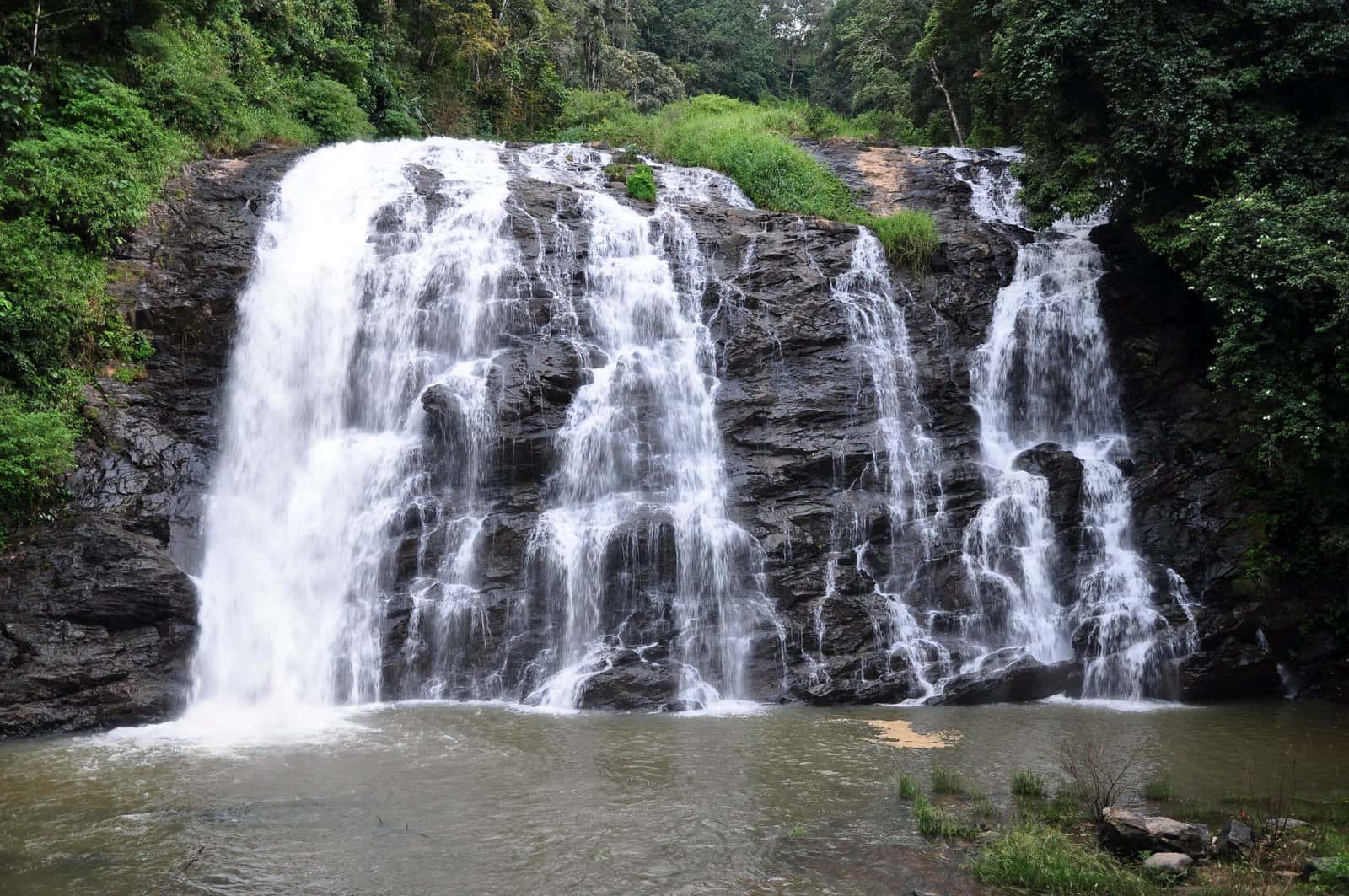
- Abbey FallsAbout 8 km from Madikeri through coffee and spice plantations, the falls are at their thundering best in and just after the monsoon, reached by a short walk to a viewing bridge. Typically open about 9 am to 5 pm with a small entry fee, often around 15 to 50 rupees, which can change, so carry small cash. The plantation walk in is half the charm.
- Raja's Seat and Madikeri FortRaja's Seat, the old sunset garden of the Kodagu kings, is the easy, flat, senior-friendly viewpoint in town, open roughly 9 am to 8 pm with about a 20 rupee entry, a toy-train ride and an evening musical fountain. Nearby Madikeri Fort, built in the 17th century, and the Omkareshwara Temple, with its unusual mix of styles, are a short walk apart in the town centre.
- Talacauvery and BhagamandalaTalacauvery on the Brahmagiri hills, at about 1,276 metres, marks the source of the river Cauvery and is the spiritual high point of Kodagu, with a flight of steps to a small shrine and a wide view on a clear day. Below it, Bhagamandala is the river confluence, the Triveni Sangama. Go early and dress for cool, often misty weather.
- Namdroling Golden Temple at BylakuppeThe Namdroling Monastery, the Golden Temple, at Bylakuppe near Kushalnagar is one of the largest Tibetan Buddhist centres in the world, open about 9 am to 6 pm with no entry fee. It is calm, vivid and well worth the trip, but foreign nationals need a Protected Area Permit to enter the settlement, covered in the overseas section below.
The viewpoints and waterfalls are lovely, but the heart of Coorg is the coffee country itself, the mist, the estates and the unhurried pace. Resist the urge to chase every marked sight in a day. Pick two or three, give them time, and spend the rest on a plantation walk and a long lunch. The winding roads mean a packed checklist becomes a stressful day in the car, while a relaxed plan is exactly what this green corner of the Western Ghats does best.
Signature experiences in Coorg
Beyond the viewpoints, these are the experiences people remember, and the honest current status of each, including the elephant camp that is part-shut and the treks that now need a permit.
- A coffee-estate walk and tastingThe defining Coorg experience: a guided walk through a working coffee estate, learning robusta from arabica in the shade of the old trees, ending with a fresh brew. The best version is to stay on an estate and walk it with the family who grows the coffee, rather than a roadside photo stop.
- Dubare Elephant Camp, with a live caveatDubare, run by Jungle Lodges and Resorts on the Cauvery, is the classic place to wash and feed elephants. Important: the three-hour interaction and day visit are currently suspended until further notice after an incident at the bathing point, though the stay option is open. Reconfirm the live status before planning a day here, and see the callout below.
- Tadiandamol and the treksTadiandamol, the highest peak in Coorg at about 1,748 metres, and Pushpagiri are the headline treks. Both now need an advance Karnataka Forest Department permit through the Aranya Vihaara portal and a mandatory certified guide, with a small entry fee of about 20 rupees per head for Tadiandamol. You cannot simply turn up, so book ahead.
- Mandalpatti and the jeep safariMandalpatti viewpoint is reached by a rough off-road track, so most visitors hire a local jeep rather than risk their own car. Expect a small entry fee per person and a negotiated jeep charge; agree the price before you set off, as rates are quoted high and vary by season.
- Nisargadhama river islandCauvery Nisargadhama near Kushalnagar, reached by a hanging bridge, is a shaded forest park good for families, open about 9 am to 5 pm with a small entry fee and extra for boating and a short elephant ride. An easy, gentle half-day in the bamboo and the river air.
- The source of the Cauvery and the Golden TemplePair Talacauvery, the source of the river, with the Namdroling Golden Temple at Bylakuppe for a day that swings from a misty Hindu shrine on a hilltop to a vivid Tibetan Buddhist monastery on the plain. Remember the foreigner permit for Bylakuppe and start early.
As of this update, Dubare Elephant Camp has temporarily suspended its three-hour elephant interaction and day-visit activities until further notice, after an incident involving two elephants at the river bathing point; the overnight stay option remains open. When the interaction resumes, the official Jungle Lodges and Resorts rate has been about 1,400 rupees per person and about 700 rupees for children aged 6 to 12, plus forest entry and 18 percent GST, reporting about 8:30 am. Because this can change either way, reconfirm directly with Jungle Lodges and Resorts before you build a day around it, and do not pay a tout who claims access.
Where to stay in Coorg: homestay or resort
The big decision is a coffee-estate homestay against a full-service resort. Madikeri is central for the sights; the estates around Pollibetta, Napoklu and Siddapur are where Coorg slows down.
- Coffee-estate homestays: the real CoorgStaying with a Kodava family on a working estate, with home-cooked pandi curry, a plantation walk at dawn and total quiet, is the experience people come back for. Driveways can be steep and rough, and you will want a car, so it suits those happy to be a little out of town. Karnataka tightened homestay registration in April 2026, so book a registered property.
- Resorts and hotels: comfort and facilitiesThe bigger resorts around Madikeri offer pools, spas and easy check-in, good for honeymooners, families wanting facilities and anyone who prefers not to drive rough estate tracks at night. They trade some of the homestay intimacy for convenience and consistency.
- Madikeri town versus the estatesBase in or near Madikeri to be close to Raja's Seat, the fort, Abbey Falls and the bus stand, handy for a short trip. Base out on the estates near Pollibetta, Napoklu, Siddapur or Kushalnagar for calm, coffee and stars, accepting a drive into town for the sights.
- How many nightsThree to four days is the sweet spot. Two feels rushed once the winding roads and weather are factored in; three to four lets you pair Madikeri's sights with an estate stay, Dubare or Nisargadhama, the Golden Temple and one trek or waterfall without a daily race.
Karnataka notified fresh guidelines for the registration and operation of homestays in late April 2026. In practice that means a registered, accountable property is the safer choice, especially for an estate stay where you are a guest in someone's home far from town. Ask whether the homestay is registered when you book, confirm the road access and whether you need your own vehicle, and you avoid the most common Coorg booking disappointment, which is a beautiful-looking estate that turns out to be a long, rough drive from anything.
Coorg costs and a realistic daily budget
Coorg is moderate on the wallet outside peak weekends and the festival. Here is what the main sights and activities cost so you can plan and avoid being overcharged on the jeeps and rides.
- The small fixed feesMost sights are cheap to enter: Raja's Seat about 20 rupees, Abbey Falls around 15 to 50 rupees, Nisargadhama roughly 10 rupees for adults and 5 for children, the Tadiandamol trek about 20 rupees per head, and the Golden Temple free. Carry small cash, as these are gate-counter prices that can nudge up.
- The bigger paid activitiesThe Dubare three-hour interaction, when running, has been about 1,400 rupees per person plus forest entry and GST; a Mandalpatti jeep is a negotiated charge per vehicle, often shared; and a coffee-estate stay with meals and a guided walk is where most of the spend goes. Budget for one or two signature experiences rather than all of them.
- Stays and foodHomestays and mid-range hotels are reasonable midweek and off-season and climb on weekends, long weekends and around Tula Sankramana. Kodava food, the pandi curry, the bamboo shoot, the local rice rotis, is a highlight and good value, so eat where the homestay or a local cafe points you.
- The negotiable thingsJeep safaris, taxis on the hill and any roadside ride are quoted high to visitors and come down with a calm ask. Agree the price and what it includes, the return leg, the waiting time, before you set off, and the only common friction in Coorg disappears.
The entry fees in Coorg are small; the real spend is the stay, the car and the one or two big experiences. A good estate homestay with meals, a jeep to Mandalpatti and a coffee walk will dwarf every gate ticket combined. So plan the budget around your accommodation and your transport first, pick the experiences you most want rather than trying to do them all, and treat the cheap sights as the easy filler between them. Settle every jeep and taxi price in advance and you will not be surprised.
Practical logistics: driving, money, SIM and food
The small things that make a Coorg trip smooth, from the winding-road driving and the need for your own car, to ATMs, connectivity and the local Kodava food.
- You will want a carCoorg's sights, estates and treks are spread out and public transport is thin between them, so a car with a driver or a self-drive is by far the easiest way around. The ghat roads are winding and can have wandering livestock, slow trucks and, in monsoon, fog, so drive gently and never rush a blind bend.
- Money and ATMsMadikeri and Kushalnagar have bank ATMs, but estates and small sights are cash places, so carry enough for gate fees, jeeps and tips. Cards and UPI work in town and at bigger properties; out on the estates, assume cash.
- SIM, signal and languageMobile coverage is good in Madikeri and the towns but patchy on the estates and the high treks, so download offline maps before you head out. Kannada is the state language and Kodava is spoken locally, but English and Hindi are widely understood in the tourist trade.
- Food and the Kodava tableCoorg is one of the better eating regions in the south. The Kodava kitchen runs to pandi curry, bamboo-shoot dishes, kadambuttu rice dumplings and akki roti, and many homestays serve their own. Vegetarians are well looked after too, and the coffee, of course, is the freshest you will drink in India.
Safety, leeches, hill driving and staying well
Coorg is gentle and welcoming, but the winding roads, the monsoon leeches and the occasional wildlife on the road are the things to plan for. A little care keeps the trip happy.
- Hill driving and roadsThe ghat roads are scenic but winding, with unmarked speed breakers, overloaded trucks and stretches with no pedestrian crossing. Drive slowly, use a local driver if you are not confident on hill bends, and take special care in the monsoon when fog and runoff cut visibility. You may meet livestock or even wildlife on the road near the forests, so do not speed at night.
- Leeches in the monsoonFrom June to September, leeches appear the moment you step into wet undergrowth on the estates and trails. They are harmless but unpleasant. Wear closed shoes and long socks, tuck trousers in, carry a little salt or a leech repellent, and check your ankles after a walk. Do not let them put you off the green season, just come prepared.
- Water, food and healthDrink bottled or filtered water, take the usual care with very spicy food if you are not used to it, and carry basic medicines for the road. The high treks need reasonable fitness and the right footwear, and in the heat carry water and sun protection for the open stretches.
- Wildlife and forest rulesMuch of Coorg borders reserved forest and sanctuaries. Keep your distance from wild elephants, never feed animals, stick to marked routes, and on any forest trek follow your mandatory guide and the Aranya Vihaara permit conditions. The rules exist because this is genuine wildlife country.
Coorg is one of the gentler, safer corners of South India to travel, including for solo travellers, with the main practical friction being the spread-out sights and the winding roads rather than any particular risk. Tell your homestay your plans for any trek, keep an eye on the weather in monsoon, carry cash and a charged phone with offline maps, and prefer a registered homestay or resort over an unknown roadside option. With those basics, an independent traveller finds Coorg easy, welcoming and calm.
Coorg for every kind of traveller, and on access
Coorg suits very different visitors in different ways. Here is what it offers you and the one tip that matters for each, including how a senior or a less mobile traveller visits comfortably.
- Couples and honeymoonersCoorg is a classic South India honeymoon: mist, coffee, private estate stays and quiet sunsets at Raja's Seat. Choose a calm estate homestay or a resort with a view rather than a busy town hotel, and give it three nights so you are not always in the car.
- Families with childrenEasy and green, with Nisargadhama, the river, the Golden Temple and gentle plantation walks. Note that the hands-on Dubare elephant interaction is currently suspended, so do not promise the children that one until it resumes. Keep drives short and pack for rain in the green months.
- Senior travellers and on accessibilityVery doable with planning. Stick to the flat, easy sights, Raja's Seat, Nisargadhama, the Golden Temple, and the gentle estate walks, and skip the steep climbs at Talacauvery and the high treks if stairs are hard. Use a car with a careful driver for the winding roads, and choose a homestay with easy road access rather than a steep estate track.
- Trekkers and the outdoorsTadiandamol, Pushpagiri and the misty ridges are the draw, but the rules have changed: book the Karnataka Forest Department permit through Aranya Vihaara in advance and take the mandatory guide. Come in the clear post-monsoon months for the best trails, and avoid the leech-heavy peak monsoon for the high routes.
- Solo travellersCalm, friendly and safe by South India standards. The main thing is logistics rather than risk: arrange transport, keep offline maps for the patchy estate signal, and tell your homestay your plans for any trek. A registered homestay is a sociable, safe base for a solo trip.
- Nature and birdwatchersThe Western Ghats here are a biodiversity hotspot, rich in birds, butterflies and the chance of wild elephants near the forests. Early mornings on an estate or at Nisargadhama reward the patient, and a guide who knows the calls makes all the difference.
A suggested Coorg itinerary
How to shape three or four unhurried days so you pair Madikeri's sights with a coffee-estate stay and one big experience, without a daily race against the winding roads.
- Day one: arrive and MadikeriDrive in from Bengaluru or Mysuru, settle into your estate or town stay, and ease into Madikeri in the late afternoon: the fort, the Omkareshwara Temple and sunset at Raja's Seat with the musical fountain. Keep it gentle after the long ghat drive.
- Day two: coffee, falls and the river islandStart with a guided coffee-estate walk, then Abbey Falls through the plantations, and an easy afternoon at Cauvery Nisargadhama near Kushalnagar. If Dubare's interaction has resumed, swap the river island for the morning elephant programme, booked ahead.
- Day three: the source and the Golden TempleHead to Talacauvery for the source of the Cauvery and the misty hilltop view, then down to the Bylakuppe Golden Temple, remembering that foreign nationals need the Protected Area Permit arranged a month ahead. A long but rewarding day across two very different sacred places.
- Day four, or a trek dayAdd a fourth day for a trek, Tadiandamol or Pushpagiri with the forest permit and guide booked, or simply slow down on the estate before the drive home. A fourth night turns a packed weekend into the calm coffee-country pause Coorg does best.
The two things that break a Coorg plan are arriving at Bylakuppe as a foreigner without a Protected Area Permit, which must be applied for at least a month ahead, and turning up for Tadiandamol or Pushpagiri without the Karnataka Forest Department permit and guide. Sort both before you travel, not on the day. Likewise check the live Dubare status before you promise anyone the elephant interaction. Do that, and the only thing left to manage is the weather and the winding roads.
The real questions travellers ask about Coorg
Straight answers to the questions that come up again and again on traveller forums, so you arrive already knowing the score on days, monsoon, homestays and the permits.
- How many days do I need?Three to four days is the right length. Two feels rushed once the winding roads and the weather are factored in, while three to four lets you pair Madikeri with an estate stay, a waterfall, the Golden Temple and one trek without a daily race. A week suits a slow plantation immersion.
- Is the monsoon worth it?Yes, if you want the most atmospheric, greenest Coorg and you accept the trade-offs: heavy rain, slow drives, slippery trails, leeches and the odd viewpoint closed after a downpour. Come prepared with rain gear and salt for the leeches, or choose October to March for sun and safe trails.
- Homestay or resort?A coffee-estate homestay is the real Coorg, quiet, personal and full of home cooking, but expect rough driveways and the need for a car. A resort gives pools, spas and easy access. Pick the homestay for the experience, the resort for the comfort, and book a registered property either way.
- Is Dubare open, and how do I book?Right now the three-hour interaction and day visit at Dubare are suspended until further notice after an incident at the bathing point, though the stay is open. Reconfirm directly with Jungle Lodges and Resorts before you plan around it, and book through them, not a tout, when it resumes.
- Do foreigners need a permit for the Golden Temple?Yes. The Bylakuppe Tibetan settlement is a Protected Area, so foreign nationals need a Protected Area Permit from the Ministry of Home Affairs, applied for online at papvt.mha.gov.in at least a month before arriving in India. Indian citizens do not need one.
- Can I just turn up and trek Tadiandamol?No longer. Tadiandamol and Pushpagiri now need an advance Karnataka Forest Department permit through the Aranya Vihaara portal and a mandatory certified guide, with a small fee. Book it ahead, as trekkers who arrive without it are turned away at the checkpoint.
Planning Coorg from abroad, and the Bylakuppe permit
Coorg is the green, gentle plantation chapter of a South India trip and pairs naturally with Mysuru, Wayanad and the Kerala coast. The one thing to arrange early is the Protected Area Permit for the Bylakuppe Golden Temple.
- The Bylakuppe permit is the big oneIf you want to visit the Namdroling Golden Temple, the Bylakuppe Tibetan settlement is a Protected Area and foreign nationals need a Protected Area Permit from the Ministry of Home Affairs. The Bureau of His Holiness the Dalai Lama advises applying online at papvt.mha.gov.in at least a month before you arrive in India, so it cannot be sorted on the day. Indian passport holders do not need it.
- Expect a road trip, not a flightThere is no airport or railhead in Coorg. Fly into Bengaluru or Mangaluru, then drive several hours over the ghats, ideally with a night in Mysuru. The winding-road drive times are the thing most overseas visitors underestimate, so build them into the plan rather than treating Coorg as a quick hop.
- Pair it with the southCoorg slots beautifully between Mysuru and the Kerala coast, or with Wayanad and the backwaters, as the cool, green, coffee chapter of a wider South India loop. Give it three to four days so the long drives in and out are worth it.
- Stay on a coffee estateThe homestay on a working coffee estate is the experience overseas visitors remember most: home-cooked Kodava food, a plantation walk, and total quiet. Book a registered property after Karnataka's 2026 homestay guidelines, confirm road access, and you have the real Coorg rather than a chain hotel anywhere.
Money, connectivity and timing for foreign visitors
The practical basics an overseas traveller needs for a spread-out hill region: cash for the estates, a SIM with offline maps, and how many days to give Coorg on a wider India trip.
- Carry cash for the estatesATMs are in Madikeri and Kushalnagar, but the sights, the jeeps, the gate fees and the homestays out on the estates often run on cash. Cards and UPI work in town and at bigger properties. Draw cash before you head into the plantations and keep small notes for the gate counters and tips.
- Get a SIM at the airportPick up an Indian tourist SIM or an eSIM when you land in Bengaluru or Mangaluru rather than hunting for one in a hill town. Coverage is good in Madikeri but patchy on the estates and high treks, so download offline maps before you drive into the hills.
- How long to give it on a bigger tripOn a South India loop, three to four nights in Coorg is the right weight between Mysuru and the Kerala coast: enough for an estate stay, the source of the Cauvery, the Golden Temple and a walk or trek, without the long ghat drives eating the whole trip.
- Time it for sun or for greenOctober to March is the comfortable window with clear skies and safe trails. The monsoon, June to September, is greener and cheaper but wet and leech-prone. Choose by whether you want photo-perfect estates and easy treks, or the dramatic, misty, full-waterfall version.
Coorg is an unusually restful introduction to South India: green, cool, quiet and built around coffee rather than crowds. Slot it after Mysuru, give it three or four nights, sort the Bylakuppe permit early if you want the Golden Temple, and let it be the slow, plantation chapter between the palaces and the coast. Many overseas visitors say the estate homestay, the morning mist and the fresh coffee end up being the part of the trip they remember most warmly.
Why Kodagu guards the birthplace of a river
Coorg, or Kodagu, holds something few places can claim: the source of one of South India's great rivers. High on the Brahmagiri hills near Bhagamandala, at about 1,276 metres, a small rectangular tank called the Brahma Kundike marks the spot where the river Cauvery is said to be born. The spring vanishes underground and re-emerges below at Bhagamandala, where it joins two other streams, the Kannike and the subterranean Sujyoti, at the confluence called Triveni Sangama. On Tula Sankramana in mid-October, traditionally around 17 October, thousands gather to witness a sudden upsurge of water in the Kundike, believed to be the goddess Cauvery appearing on earth, and to take a holy dip. The Kodava people, the warrior-farmer community of these hills, have revered the river as their mother for centuries, which is why a district known to the world for its coffee is, to those who live here, first and always the cradle of the Cauvery.
Planning a Coorg trip?
Our Karnataka travel experts plan your full journey for you: route, hotels, darshan timings and transport. You get a free day-by-day plan and an exact quote on WhatsApp, usually within a few hours. No payment is needed to get your plan.
Tour packages that visit Coorg
Every journey below is private, hand-crafted and fully customizable. Tell us your dates and we tailor the itinerary, the pace and the priests or guides around you.
 5D / 4N
Bangalore Mysore Coorg Tour Package
- Visit Tipu Sultan’s palace
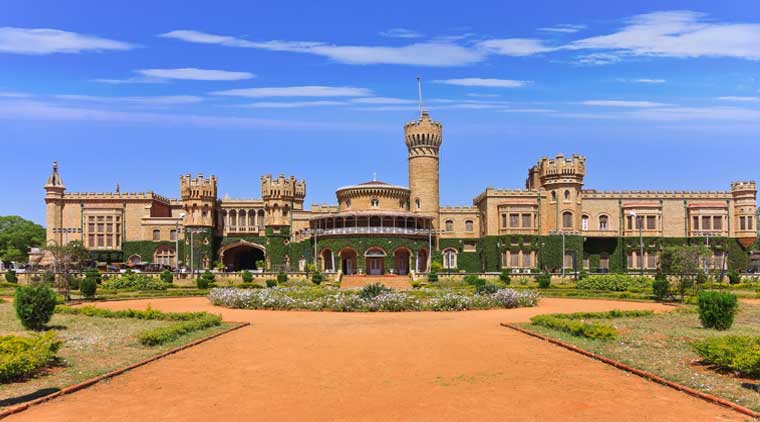
- Visit Bangalore Palace
 7D / 6N
Bangalore Mysore Ooty Coorg tour package
- Visit Tipu Sultan’s Palace
- Visit Chamundi Hill