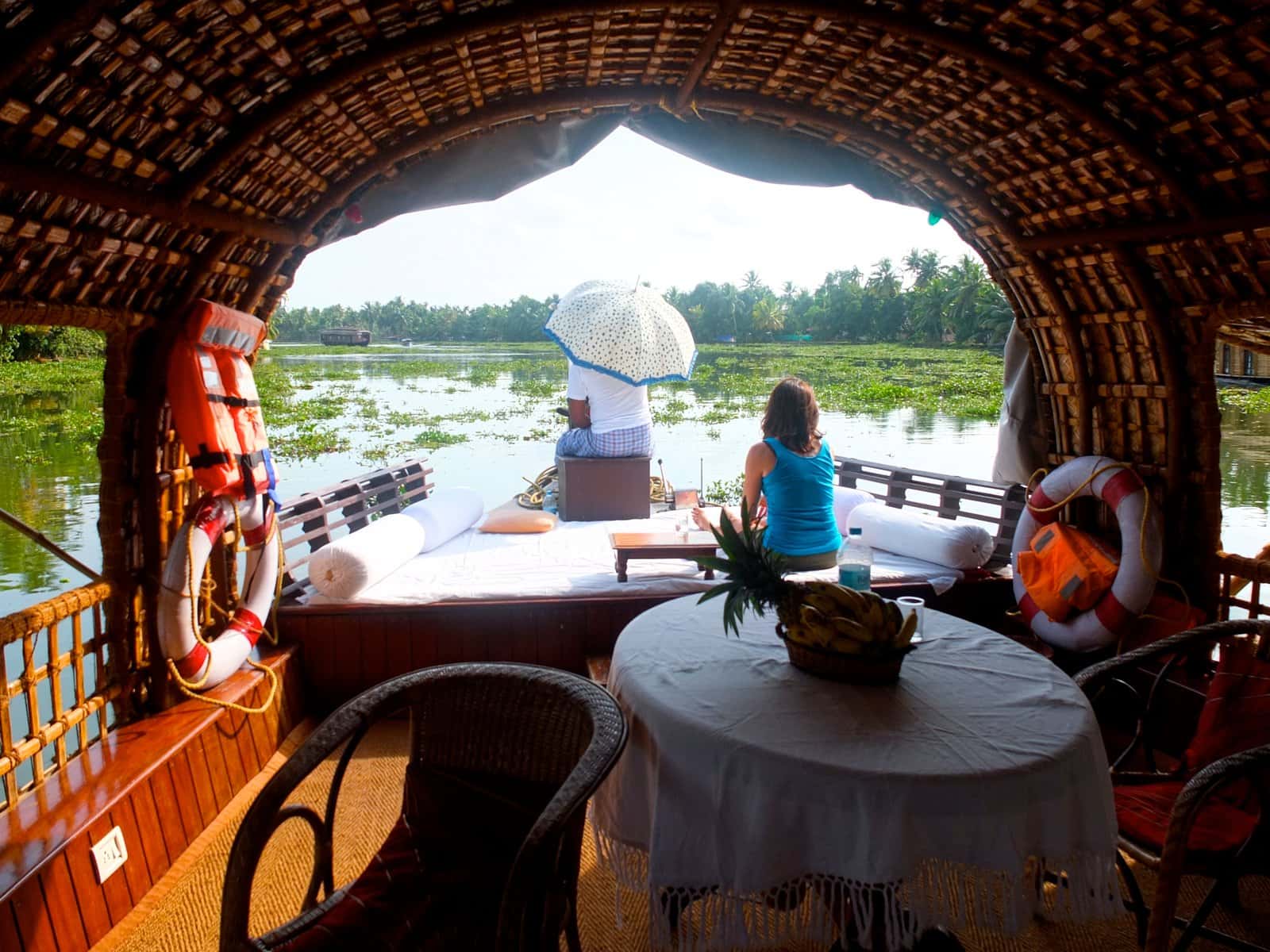
Alleppey Travel Guide
The comfortable months are October to February , and the great set-piece is the Nehru Trophy Boat Race , officially the second Saturday of August but a date the organisers fix...
When to visit Alleppey, and the boat race to plan around
The comfortable months are October to February, and the great set-piece is the Nehru Trophy Boat Race, officially the second Saturday of August but a date the organisers fix afresh each year. Decide early whether you want calm winter backwaters or the monsoon green.
- October to February: warm, dry and calmThe most comfortable window, with warm days around 30 to 33 degrees Celsius, low rain and calm backwaters perfect for a houseboat. This is peak season, so book the boat and the room ahead, especially around the December to January holidays.
- March to May: hot and humidStill dry but increasingly hot and sticky on the open water, with temperatures climbing and the air heavy. The deluxe boats run their air-conditioning only at night, so an afternoon cruise in May can feel close. Carry water and start the canal trips early.
- June to September: the monsoon green seasonThe southwest monsoon brings heavy rain, peaking about July to September, and turns Kuttanad a vivid green. June is a tolerable, cheaper green-season visit before the rain peaks, but mid-July to September is genuinely wet and many travellers find the open-boat experience spoiled. Houseboats run, but check the forecast.
- Plan around the boat race if you canIf you want the Nehru Trophy spectacle, build the trip around the race, officially the second Saturday of August but a date the organisers reconfirm each year and which has shifted recently, so check the official site first; otherwise the wet weeks either side are best avoided. Both the calm winter and the green monsoon have their fans, so choose the experience you want before you book.
The Nehru Trophy Boat Race is held on Punnamada Lake and the official Government of Kerala site states it falls on the second Saturday of August every year. In practice, though, the organisers fix the date afresh each year and it has shifted recently: the 2025 edition was held on 30 August, not the second Saturday, and the 2024 edition was postponed to late September after the Wayanad landslides. As of mid-2026 the official site had not yet published the exact 2026 date. So treat the second-Saturday rule as the nominal date only, beware pages that copy a fixed old date, and reconfirm the actual day on the official nehrutrophy.nic.in site before you book. The gates usually open in the morning with heats and the main snake-boat finals run in the afternoon, and the lakefront draws around two lakh people, so grandstand seats sell out.
How to reach Alleppey
Alleppey has its own railway station in the town centre, and the nearest airport is Cochin, about 78 km north. Most travellers come by train or drive down from Kochi.
- By train to Alappuzha stationAlleppey has its own railway station, Alappuzha, station code ALLP, right in the town centre, with direct trains to Chennai, Bengaluru, Mumbai, Delhi and Kolkata. From Ernakulam or Kochi the run is short, often under an hour. Book on IRCTC a little ahead in peak season.
- From Cochin International AirportThe nearest airport is Cochin International, about 78 km north, roughly 1.5 to 2 hours by road by taxi. A cheaper route is the airport feeder bus to Aluva, then a train down to Alappuzha. There are no flights into Alleppey itself.
- From Kochi or Ernakulam by roadKochi and Ernakulam are about 54 km away, under an hour by car on a good road, which is why most Kerala itineraries reach Alleppey from Cochin. We can arrange a car with an experienced driver for the backwater leg.
- By busKerala's state buses, KSRTC, and private operators run frequently to the Alappuzha bus stand from Kochi, Kottayam, Thiruvananthapuram and beyond. The bus stand is close to the boat jetty, only a couple of hundred metres, handy if you are heading straight for a cruise.
Fly into Cochin (Kochi), Kerala's main international gateway, then reach Alleppey by road in about 1.5 to 2 hours or by train. Alleppey has no international flights of its own.
Fly directly into Cochin, which has wide Gulf and Asian connections, then drive about an hour and a half to Alleppey. It sits easily on the Cochin, Munnar, Thekkady and Kumarakom Kerala circuit.
Take a direct train to Alappuzha (ALLP) from the major metros, or fly to Cochin and drive down. The town-centre station makes Alleppey one of the easier backwater bases to reach by rail.
The backwaters, the beach, and the canal town
Alleppey is its labyrinth of backwaters, but it is also a beach and canal town with a historic pier, a lighthouse and the coir country around it.
- The backwaters and KuttanadThe reason most people come: a network of canals, rivers and lakes stretching over about 900 km, lined with coconut palms, paddy fields and village life. The farming region of Kuttanad around Alleppey is one of the very few places on earth where farming is done below sea level, which is why the water, dykes and green fields look the way they do.
- Alappuzha Beach and the old pierThe town beach has a long stretch of sand, the remains of a 19th-century sea pier and an 1862 lighthouse you can usually climb for a small fee. It is a pleasant evening walk, busy with local families, though not the main reason to come.
- The canals and the Venice nicknameAlleppey earned the Venice of the East tag from the canals that thread the town and once carried its coir and spice trade. A short shikara or canoe ride through the town canals shows you a working waterside life the big houseboats never reach.
- Coir country at CherthalaCoir, the fibre from coconut husk, is central to life in Alappuzha. About 20 km away at Cherthala you can see how coir is still made, much of it by hand, a quiet, genuine glimpse of the local economy that almost no tour includes.
Away from the water, the Mullackal Bhagavathy Temple in the town centre is the focus of the lively Mullackal Chirap festival, and there is an old Konkani Brahmin settlement nearby that few tourists ever seek out. If you have a slow morning in town between cruises, these give you a side of Alleppey beyond the boats. Dress modestly and check whether non-Hindus may enter the inner shrine, as some Kerala temples restrict it.
Signature experiences in Alleppey
The houseboat is the headline, but the shikara, the cheap public ferry and the snake-boat race are the experiences people remember, and how to do them honestly.
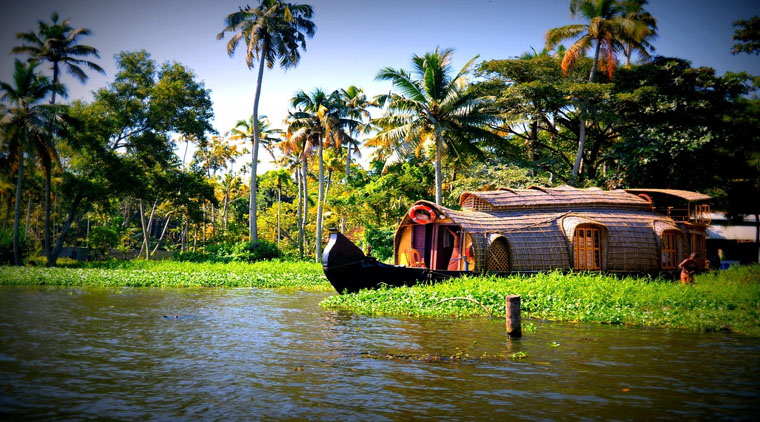
- An overnight houseboat cruiseThe signature Alleppey experience: a converted rice barge, the kettuvallam, with bedrooms, a deck and a cook who prepares Kerala fish and curries on board. Remember the boat stops and anchors for the night around 5:30 pm by rule, so the magic is the slow afternoon and the dawn, not an all-night sail. Read the where-to-stay and costs sections before you book a tier.
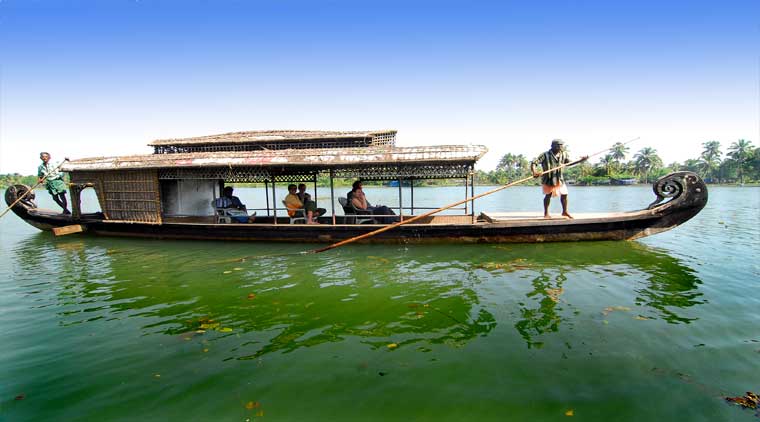
- A shikara into the narrow canalsA shikara, the small open boat, reaches the tight village canals a big houseboat cannot enter, and many travellers say it is the better backwater experience. Weekday rates are commonly about 600 to 800 rupees an hour for a small boat, more on weekends; agree the rate and the route before you board.
- The cheap government ferryFor a fraction of the houseboat price you can ride the public SWTD ferry through the same backwaters, for example Alappuzha to Kottayam for as little as about 25 rupees, about 2.5 hours among commuters and schoolchildren. It is basic, slow and wonderful, and the most honest budget backwater trip there is.
- The Alleppey to Kollam tourist boatIn the drier December to March months a state tourist boat leaves Alappuzha around 10:30 am and cruises about 8 hours to Kollam across the big lakes, for about 600 rupees per person, cash only. A long, scenic day for budget travellers who want distance over luxury; reconfirm it is running.
- The Nehru Trophy Boat RaceIf your dates fall in August, the snake-boat race on Punnamada Lake is unforgettable, boats over 100 feet long with more than a hundred oarsmen. It is officially the second Saturday of August, but the organisers fix the date afresh each year and it has shifted recently (2025 was held on 30 August), so confirm the exact day on the official nehrutrophy.nic.in site. Buy grandstand tickets ahead, as around two lakh people attend.
- A village and paddy-field walkStepping off the boat for a walk through a Kuttanad village, past the below-sea-level paddy and the coir work, is the quiet highlight many remember most. Ask your boat or homestay to arrange a guided village walk.
The real Alleppey decision is not which houseboat, it is houseboat versus shikara versus ferry. The houseboat is the comfortable, photogenic overnight; the shikara reaches the narrow, living canals the big boats cannot; the public ferry is the cheap, authentic local ride. Many seasoned travellers do a short shikara for the intimate canals and skip or shorten the houseboat, or pair one houseboat night with a ferry day. Decide what you actually want from the water before you pay for a tier.
Where to stay in Alleppey, and how many nights
Sleep on a houseboat for the headline night, in a town homestay to keep costs down, or at a lakeside resort for comfort. One houseboat night plus a town night is the sweet spot.
- On a houseboat: the headline nightOne night on the kettuvallam is the experience itself, with the cook, the deck and the dawn over the water. Remember the boat anchors for the night, so you are moored, not cruising, after about 5:30 pm. Best as a single special night rather than several, since the moored evenings can feel similar.
- Town homestays and hotels: keep it cheapAlleppey town has a wide range of homestays and small hotels, many on or near the canals, from simple budget rooms to characterful heritage stays. A good base for shikara trips and the cheap ferry, and far easier on the budget than a boat every night.
- Lakeside resorts: space and calmResorts along Punnamada and Vembanad Lake, and over towards Kumarakom, offer pools, gardens and lake views with full comfort. Better for families, couples and anyone who wants to slow down, though you will rely on the resort for transport and meals.
- How many nightsTwo nights is the sweet spot: one on a houseboat and one in a town homestay or resort, with a shikara or village walk in between. One night just about does the houseboat alone. Three nights suits a slow holiday or pairing Alleppey with Kumarakom.
Both sit on the same Vembanad backwaters. Alleppey town is busier, cheaper and easier to reach, with far more boats and budget options and the canals in town. Kumarakom, about an hour away, is quieter and more rural, with higher-end resorts and a calmer feel, and resort prices there run higher. For a first trip, atmosphere and budget, Alleppey is the easier base; for a quiet, upscale lakeside stay, Kumarakom edges it. Many travellers do a houseboat from Alleppey and a resort night at Kumarakom.
Alleppey costs and the houseboat tier ladder
The houseboat is the big spend, and it comes in honest tiers. Here is what the main things cost so you can plan and avoid the overcharge.
- The houseboat tier ladderOvernight tariffs in 2026 run by tier, per boat with full board: a one-bedroom deluxe boat from about 8,000 to 12,000 rupees a night, premium boats from about 14,000 rupees, and luxury boats from about 22,000 rupees and up. These are off-season starting floors; weekend, holiday and peak-season rates can be roughly double, so do not treat the lowest quote as what you will pay.
- The air-conditioning trapDeluxe boats usually run the air-conditioning only at night, commonly about 9 pm to 6 am, to save the generator, while premium and luxury boats give full-time AC. In the hot months this matters, so confirm the AC hours in writing before you pay rather than discovering it on board.
- The cheap alternativesA shikara is about 600 to 800 rupees an hour on weekdays. The public SWTD ferry is as little as about 25 rupees, and the Alleppey to Kollam tourist boat is about 600 rupees for a full day. The lighthouse is a small fee. These are the prices that let you do the backwaters without a private boat.
- Cash, cards and tippingHouseboats and resorts take cards and UPI, but the ferry, the lighthouse and small eateries are cash places. There are ATMs in town. A modest tip for the houseboat crew and cook at the end is customary and appreciated, not demanded.
The single habit that prevents the common houseboat complaints is to book a specific, named boat with its tier, AC hours, meals and timings agreed in writing, through the owner or a reputable operator, rather than a vague cheap quote from a tout at the jetty. When something is in writing and there is a person whose business and reputation depend on it, the undisclosed extra charges and the bait-and-switch boat simply do not happen.
Practical logistics: food, mosquitoes, money and getting around
The small things that make an Alleppey day smooth, from the onboard food and the mosquitoes to ATMs, the jetty and getting around town.
- Carry mosquito repellentYou are on the water, often overnight, so mosquitoes are real. Carry a good repellent and cover up at dusk, and ask whether your boat or room has nets or plug-in repellents. A torch and a portable charger are useful on a houseboat too.
- The food is a highlightHouseboat meals are cooked fresh on board, typically Kerala rice, fish, prawns and vegetable curries, and are part of the experience. In town, try the local toddy-shop food and the Kerala sadya. Carry water when you head out, as the humid heat dehydrates you quickly.
- Money, ATMs and the jettyThere are ATMs in Alleppey town. Carry cash for the ferry, small eateries and tips. The main boat jetty is close to the bus stand, a couple of hundred metres, and about 4 km from the railway station, so factor a short auto ride from the train.
- Getting around and languageTown is walkable, and autos cover the short hops to the jetty, the beach and the station. Malayalam is the local language, but English is widely understood in the tourist trade. Dress modestly in villages and at temples, as Kerala away from the resorts is conservative.
Safety, the houseboat checklist, and staying well
Alleppey is gentle and welcoming, but a houseboat is a boat, and a little vetting and the right precautions keep the trip happy.
- Vet the boat before you boardEvery legal houseboat carries a Kerala Inland Vessel (KIV) registration and the Kerala Tourism classification, plus working life jackets and fire safety gear. Ask to see the registration and check there are enough life jackets, especially if you have children, as unregistered boats do operate and are best avoided.
- Water safety and childrenThe backwaters are calm but you are on open water, often without railings on the deck. Keep a close eye on young children, know where the life jackets are, and do not swim in the channels, where currents and boat traffic make it unwise.
- The common houseboat complaintsThe frequent friction is commercial, not criminal: undisclosed extra charges, a different or lesser boat than promised, or AC only at night when full-time was implied. The fix is to book a named boat with everything in writing through an accountable operator, not a jetty tout, as covered in the costs section.
- Mosquitoes, water and sunDrink bottled or filtered water, take the usual care with street food, carry mosquito repellent for the overnight, and use sun protection on the open deck. In the monsoon, watch for slippery jetties and check the weather before a long cruise.
Most solo women find Alleppey and Kerala generally relaxed and easy, and Kerala has a good reputation among solo travellers in India. The sensible precautions apply: book a registered boat or a reputable homestay, prefer a recommended operator over an unknown tout at the jetty, dress modestly in town and villages, and trust your instincts about any boat that feels off. Travellers report the main friction is sales pressure rather than safety, so being firm with touts goes a long way.
Alleppey for every kind of traveller, and on access
The backwaters suit very different visitors in different ways. Here is what Alleppey offers you and the one tip that matters for each, including how a senior boards comfortably.
- Couples and honeymoonersAlleppey is one of India's classic honeymoon stops: a private houseboat with a cook, the dawn over still water, the slow afternoon. Book a premium or luxury boat with full-time AC for comfort, and add a quiet Kumarakom resort night for the upscale calm.
- Families with childrenChildren love the boat, the canals and the village walks, but a houseboat is open water, so check for life jackets and keep little ones close on deck. A shorter day cruise or a shikara can suit small children better than a full overnight, and the daytime is more fun than the moored evening.
- Senior travellers and on accessibilityVery doable with planning. Getting on and off a houseboat means a step across to a moving boat, so ask for help and a stable boarding point, choose a boat with full-time AC for the heat, and consider a lakeside resort with a day cruise rather than a full overnight. The flat town and the autos make the rest easy.
- Backpackers and budget travellersYou do not need a private houseboat to see the backwaters. The public SWTD ferry at about 25 rupees, a shared shikara, town homestays and the Alleppey to Kollam tourist boat let you do Alleppey cheaply and authentically. This is the budget backwater capital of Kerala.
- Solo female travellersGenerally relaxed and well used to independent travellers, with Kerala among the easier states for solo women. Book a registered boat or a reputable homestay, prefer recommended operators over jetty touts, and dress modestly in town and villages.
- PhotographersDawn mist on the water, the snake boats in August, the coir work, village life from a shikara and the green of Kuttanad. The soft light is early morning and late afternoon, and a shikara gets you into the narrow canals the big boats cannot reach.
A suggested Alleppey itinerary
How to shape one or two unhurried days so you catch the backwaters at their best and do not waste the moored houseboat evening.
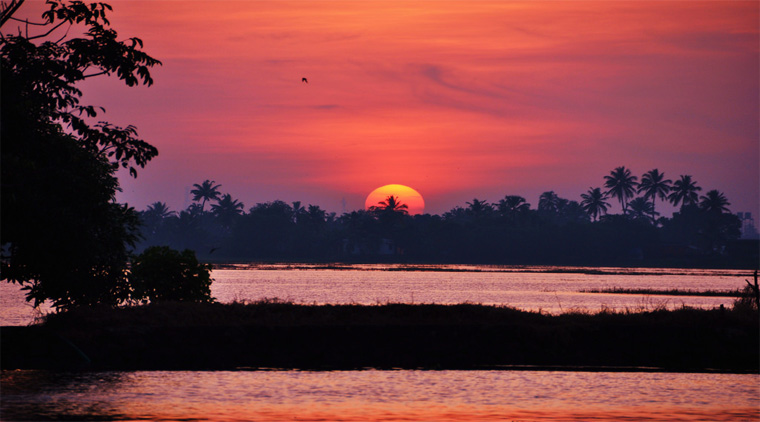
- Day one: board the houseboatReach Alleppey by late morning, board the houseboat around noon for check-in and lunch, then cruise the afternoon through the wide backwaters. The boat anchors for the night around 5:30 pm, so enjoy the sunset on deck, dinner cooked on board and a quiet, star-lit evening moored among the palms.
- Day two: dawn, then disembarkThe dawn cruise back is the loveliest part, mist on the water and the villages waking. Disembark mid-morning. If you have only one night, this is the trip, and it is enough for a first taste of the backwaters.
- Add a shikara and a village walkOn a second day, take a shikara into the narrow town and village canals the houseboat cannot reach, and a guided walk through a Kuttanad village past the below-sea-level paddy and the coir work. This is where the living backwaters reveal themselves.
- The budget versionSkip the private boat: stay in a town homestay, take the public SWTD ferry through the backwaters for about 25 rupees, do a short shikara, and walk the beach and the canals. You will see the same water and the same villages for a tiny fraction of the houseboat cost.
The one thing that disappoints first-time houseboat bookers is expecting an all-night sail. By rule the boats stop and anchor for the night around 5:30 pm, so the evening is spent moored, not moving. Plan for it: the joy is the slow afternoon cruise, the sunset and dinner on deck, and the dawn return, not a night under sail. Knowing this in advance turns a let-down into the calm, star-lit evening that is actually the best part.
The real questions travellers ask about Alleppey
Straight answers to the questions that come up again and again on traveller forums, so you arrive already knowing the score.
- Is the houseboat worth it, or a tourist trap?It is worth it once, for the cook, the deck and the dawn, if you book a good boat with everything in writing. It becomes a trap only with a vague cheap quote, a lesser boat than promised and night-only AC. Many travellers say a shikara into the narrow canals is the better backwater experience, so consider mixing the two.
- Does the boat cruise all night?No. By rule houseboats anchor for the night around 5:30 pm and do not cruise after dark. The cruising is the afternoon and the dawn; the evening is spent moored. Expect a calm, star-lit night at anchor, not an all-night sail.
- Alleppey or Kumarakom?Alleppey for a busier, cheaper, easy-to-reach base with the most boats and the town canals; Kumarakom for a quieter, more rural, upscale lakeside stay at higher prices. Many travellers do a houseboat from Alleppey and a resort night at Kumarakom, about an hour apart on the same backwaters.
- Is one night enough?One night on the houseboat is enough for a first taste. Add a second night in a town homestay or resort, with a shikara and a village walk, for the fuller picture. The moored evenings can feel similar, so several houseboat nights in a row are rarely worth it.
- Is there a cheap government ferry?Yes. The public SWTD ferry, for example Alappuzha to Kottayam, costs as little as about 25 rupees for roughly 2.5 hours through the same backwaters, and the Alleppey to Kollam tourist boat is about 600 rupees for a full day in the December to March season. Both are genuine, cheap backwater trips.
- Is June or July okay to visit?June is a tolerable green-season visit before the monsoon peaks, cheaper and lush, though showery. Mid-July to September is genuinely wet and many find the open-boat experience spoiled, so unless you specifically want the monsoon green and low prices, aim for October to February.
Planning Alleppey from abroad
Alleppey is the slow, green heart of a Kerala trip and pairs naturally with Cochin and Munnar. A little preparation makes the houseboat rules and the timing easy to handle.
- Know how the houseboat actually worksIt is a slow afternoon cruise and a dawn return, not an all-night sail; the boat anchors for the night around 5:30 pm by rule. Book a named boat with the tier, AC hours and meals in writing, through a reputable operator, and you avoid the common complaints. Deluxe boats often run AC only at night, so pay up for premium if you need full-time AC.
- Time it around the monsoonOctober to February is the comfortable, dry window. The monsoon runs about June to September with heavy rain, peaking July to September, which can spoil the open-deck experience, so a first-timer from abroad should aim for the winter months unless the green monsoon is the goal.
- Pair it with Cochin and MunnarFly into Cochin, the international gateway, then loop Cochin, Munnar's tea hills, Thekkady's spice country and Alleppey's backwaters, perhaps adding a Kumarakom resort night. Alleppey is the soulful, slow chapter of a Kerala trip, about 1.5 to 2 hours from the airport.
- Gentle and family-friendly with planningAlleppey is an easy, gentle introduction to India, but a houseboat is open water, so check for life jackets if you have children or older parents, and consider a lakeside resort with a day cruise rather than a full overnight if comfort and stability matter most.
Money, connectivity and timing for foreign visitors
The practical basics an overseas traveller needs for a backwater town: cash, cards, a SIM, and how many days to give it on a wider Kerala trip.
- Carry cash, but cards work tooHouseboats, resorts and bigger restaurants take cards and UPI, but the cheap government ferry, the lighthouse, small eateries and tips are cash. Draw cash at the town ATMs and keep small notes for autos, the ferry and crew tips.
- Get a SIM at the airportPick up an Indian tourist SIM or an eSIM when you land in Cochin rather than hunting for one in a small town. Coverage in Alleppey town is fine; out on the backwaters the signal comes and goes, which is part of the point.
- How long to give it on a bigger tripOn a Kerala loop, one houseboat night plus a town or resort night, so two nights, is the right weight for Alleppey between Cochin, Munnar and Thekkady: enough for the backwaters and a shikara without slowing the whole itinerary.
- Book the houseboat ahead in seasonIn the October to February peak and around the December to January holidays, the good boats sell out, so book ahead with a reputable operator rather than turning up at the jetty. We can arrange the backwater leg as part of a wider Kerala trip.
Alleppey is an unusually gentle introduction to India: slow, green and centred on a single, comfortable experience on the water. Slot it after Cochin and the hills, give it a houseboat night and a town night, and let it be the calm, slow chapter of a Kerala trip. Many overseas visitors say the dawn cruise back, mist on the water and the villages waking, is the image of India they carry home.
Why Alleppey's fields sit lower than the water
The backwaters around Alleppey look the way they do because of Kuttanad, the farming country that gives the region its character. Here, almost uniquely on earth, rice is grown below sea level: the paddy fields lie lower than the canals and lakes around them, ringed by mud bunds and dykes, and the water is pumped out so the crop can grow in the reclaimed beds. Generations of farmers built this watery chequerboard of field and channel by hand, and it is why a houseboat seems to glide above the green, with the paddy and the villages sitting down below the waterline on either side. The famous QST and R Block kayals, named for the survey blocks that were diked and drained, are the heart of it, and the toddy, the coir and the slow village life all grow out of this one extraordinary fact of the land. There is no single verse or legend behind it; the keepsake of Alleppey is the engineering of ordinary people, recorded in regional histories and recognised by the United Nations agriculture agency as a globally important heritage farming system.
Planning a Alleppey trip?
Our Kerala travel experts plan your full journey for you: route, hotels, darshan timings and transport. You get a free day-by-day plan and an exact quote on WhatsApp, usually within a few hours. No payment is needed to get your plan.
Tour packages that visit Alleppey
Every journey below is private, hand-crafted and fully customizable. Tell us your dates and we tailor the itinerary, the pace and the priests or guides around you.
 6D / 5N
Kerala Honeymoon Package
- Visit Marine Drive
- Visit Dutch Palace
 9D / 8N
Kerala Trip Honeymoon Package
- Visit Varkala Beach
- Visit Janardhana Temple
 8D / 7N
Kerala Tour Package
- Sightseeing of Munnar
- Visit Periyar Wildlife Sanctuary
Kerala Honeymoon Tour Packages
- Two nights in Munnar, so you get one full unhurried day in the tea hills
- Dawn boat cruise on Periyar Lake, the slot with the best wildlife odds
 6D / 5N
Kerala LTC Tour
- Visit KundalaLake and Mettupatty Dam
- Visit Padmanabha Swami Temple
 7D / 6N
Romantic Tour of Kerala
- Visit beautiful Athirapally falls.
- Visit tea gardens & plantations of Munnar. Enjoy overnight stay in a houseboat at Alleppey. Experience ayurvedic treatments at Kovalam.
 3D / 2N
Kumarakom Lake Resort Package
- Visit Kumarakom
- Bird Sanctuary
 8D / 7N
Kerala Honeymoon Tour
- Visit Mattancherry Palace
- Visit Devikulam & Mattupetty Dam
 10D / 9N
Tour to Kerala
- Visit Blossom Garden and Rajamalai
- Visit Wildlife Sanctuary