
Calicut Travel Guide
The comfortable months are October to March . The southwest monsoon from about June to September is heavy on the Malabar coast, and March to May is hot and humid, so time the...
When to visit Calicut, and the monsoon to plan around
The comfortable months are October to March. The southwest monsoon from about June to September is heavy on the Malabar coast, and March to May is hot and humid, so time the beaches and the Wayanad drive for the dry season.
- October to March: cool, dry and bestThis is the pleasant window, with cool-season daytime temperatures roughly 19 to 29 degrees and clear coastal light for the beaches and sunsets. It is the natural time to pair the city with the Wayanad hills, when the ghat road and the viewpoints are at their best.
- June to September: the heavy monsoonThe southwest monsoon hits the Malabar coast hard, and this is the wettest stretch of the year. The greenery is glorious and it is a fine time for Ayurveda, but the sea turns dangerous for swimming and the Wayanad ghat can see rain alerts, so plan around the weather.
- March to May: hot and humidHigh summer on the coast is hot and sticky, up to the mid-thirties, tiring for long sightseeing days. Keep the middle of the day for a meal and a rest, and do the beaches and any climb early or late.
- Decide your trip's shape firstIf the food and the city are your draw, almost any dry-season week works. If Wayanad is the point, favour the clear months from about November to March and check the district advisory, since the monsoon brings both beauty and rain-related restrictions to the hills.
Calicut is not a beach-resort town in the Goa or Kovalam sense. It is a working Malabar city you come to for the food, the history of the spice trade, the uru yards at Beypore and the road up to Wayanad. Read it that way and the dry months from October to March, when you can walk the bazaar, eat well and drive the ghat in comfort, are clearly the time to come. The monsoon is for travellers who want the green and the Ayurveda rather than the beaches and the hills.
How to reach Calicut
Calicut has its own airport at Karipur and a major railhead at Kozhikode, with good road links south to Kochi, north to Kannur and east up the ghat to Wayanad. The airport's wide-body limit is the one thing to know before you book.
- Calicut International Airport (CCJ), KaripurThe airport sits at Karipur, about 23 to 28 km from the city by road, roughly 45 to 60 minutes. It has a short tabletop runway, and wide-body aircraft have been banned since the 2020 crash, so most Gulf flights now use narrow-body planes. A safety-area extension is in progress but wide-body resumption is not yet confirmed, so book the aircraft and route you can actually fly.
- Kozhikode railway station (CLT)The city is a major stop on the Southern Railway coastal line, with direct trains to Thiruvananthapuram, Ernakulam, Mangaluru, Coimbatore, Chennai, Bengaluru, Mumbai and beyond. The station is central and close to the SM Street and Mananchira hub, so the train is a comfortable and scenic way in.
- By road, south and northKochi is about 170 to 200 km south, roughly 4.5 to 6 hours on the coastal NH66 as the six-laning continues; Kannur is about 90 km north. The coast road is the spine of a Malabar trip, linking the beaches, the forts and the river ports.
- Up the ghat to WayanadWayanad is about 75 to 85 km and 2.5 to 3 hours east over the Thamarassery ghat, a climb of nine hairpin bends to Lakkidi. It is the main reason many travellers use Calicut as a base, and we can arrange a car with a driver who knows the bends.
Calicut has direct narrow-body flights to several Gulf cities including Dubai, Sharjah, Abu Dhabi, Doha and Muscat, reflecting the deep Malabar link with the Gulf. Confirm the exact aircraft and route at booking, since the airport cannot take wide-body jets.
There are no direct long-haul flights into Calicut, so route through a hub such as Dubai, Doha or Delhi and connect on a narrow-body flight, or fly into Kochi and drive up the coast in about 4.5 to 6 hours.
Fly or take a train to Kozhikode directly, well connected from Bengaluru, Chennai, Mumbai and the Kerala cities. The coastal train is a pleasant way to arrive.
The beaches, Beypore, Mananchira and the museums
Calicut's sights are its history made visible: the beach where Vasco da Gama landed, the uru yards at Beypore, the city tank at Mananchira and the museums at East Hill. None of them ask much of your wallet.
- Kappad Beach, where Vasco da Gama landedAbout 16 to 18 km north of the city, Kappad is where the Portuguese navigator landed in 1498 and opened the European sea route to India. A stone monument on the sand marks the spot, entry is free, and it is a quiet, atmospheric beach better for walking and the history than for swimming.
- Beypore, the uru shipyardsAbout 10 to 11 km south at the mouth of the Chaliyar, Beypore is where artisans still build the uru, the great wooden dhow, by hand. Kerala Tourism says you can watch the building and talk to the Khalasi craftsmen; there is a lighthouse and a long beach walkway too. Go with low expectations of a guided tour, as access to an active yard depends on the work in progress.
- Kozhikode Beach and Mananchira SquareThe city beach, with its old lighthouse and piers, is the evening gathering place, free and best at sunset. In the centre, Mananchira Square wraps a historic spring-fed tank built by the Zamorins, with an open-air theatre and gardens, a calm green heart to the busy town.
- The museums at East Hill and Tali TempleThe Pazhassiraja Museum and Art Gallery complex at East Hill, run by the state archaeology department, holds bronzes, coins, murals and megalithic relics; it is usually closed on Mondays and charges a small entry fee. The ancient Tali Shiva Temple in the centre is open to Hindus, with a traditional dress code and no cameras inside.
The Pazhassiraja Museum and Art Gallery is usually closed on Mondays, so do not build a Monday around it, and the small entry fee, commonly quoted at around 10 to 20 rupees, is best reconfirmed at the counter since no official figure is published. Tali Temple admits Hindus only, asks for traditional dress, men often in a mundu, and does not allow phones or cameras in the sanctum. A few minutes checking these before you set out saves a wasted trip across town.
The Malabar food scene: biryani, halwa and the Sweet Meat Street
For a lot of travellers the food is the whole reason to come. This is where the Malabar biryani, the Kozhikode halwa and the tea-shop sweets are at their best, and where to find them.
- Malabar biryani, and where it is knownThe Malabar biryani uses short-grained fragrant kaima or jeerakasala rice, not basmati, and is gentler than the Hyderabadi style. Paragon, a Kozhikode institution since 1939, is the name most linked with the biryani and seafood; Zain's near Convent Cross Road is loved for chatti pathiri and fish biryani; and older houses like Bombay Hotel from 1949 and Sagar from 1978 are part of the city's biryani story.
- Kozhikode halwa on SM StreetThe thick glossy halwa sold by the slab is the speciality of SM Street, the lane officially called Mittai Theruvu and nicknamed Sweet Meat Street. The classic is the dark Karutha halwa, but you will see orange, white and many flavoured kinds; prices run roughly about 80 to 200 rupees a kg, and the shops let you taste before you buy, so try a few.
- The tea-shop sweets and snacksBeyond the biryani, look for pathiri, the soft rice flatbread, chatti pathiri, a layered pastry, sulaimani, the black lime tea served as a digestive, and sweets like unnakaya, elanchi and muttamala. The banana chips, wafer-thin and fried in coconut oil, are a classic to carry home.
- How to eat well in a dayA good rhythm is a biryani lunch at one of the named houses, an afternoon halwa crawl and chai on SM Street, and a seafood or pathiri dinner. Lunchtime biryani at the popular places can sell out and draw queues, so go a little early rather than late.
It is worth getting this right, because the web muddles it. Kozhikode was named a UNESCO Creative City of Literature in 2023, India's first in the Literature category, for its publishing houses, libraries and reading culture. It is not a UNESCO City of Gastronomy, however good the food is. So enjoy the biryani and the halwa as a local glory, and enjoy the bookshops and the literary festivals as the city's official honour.
Signature experiences in and around Calicut
Beyond the food, these are the experiences people remember, from watching a wooden ship take shape to a sunset on the old pier, and how to do them well.
- Watch the uru take shape at BeyporeStanding in the Beypore yards while a hull the size of a building is shaped by hand from Nilambur teak is the city's most unusual experience. A single uru can take roughly four years and the work of 40 or more Khalasi artisans. Go in the morning, be respectful of a working yard, and treat it as a chance to watch and talk rather than a ticketed tour.
- Sunset on Kozhikode BeachThe old lighthouse and the two long piers make the city beach the place to be at dusk, when families gather and the snack carts come out. It is free and easy, a gentle end to a day of sightseeing, and a fine spot to try the beach-side bhajji and tea.
- A halwa and bazaar walk on SM StreetSpend a slow late afternoon on Mittai Theruvu, tasting halwa, watching it cut from the slab, and browsing the old shops. It is one of Kerala's oldest market streets, and a relaxed walk here, chai in hand, is as much an experience as any monument.
- Stand where the sea route to India beganAt Kappad, the monument and the quiet beach let you stand where Vasco da Gama stepped ashore in 1498, the moment that pulled Europe to the Malabar coast. It is a short drive north and pairs well with a slow morning by the sea before the day warms up.
- Drive the Thamarassery ghat to WayanadThe climb of nine hairpin bends from Adivaram up to Lakkidi is a small adventure in itself, with viewpoints over the plains and a sudden change to cool hill air. It is the gateway to a day or two in the Wayanad hills, covered in its own section below.
If you do only one slow thing in Calicut, make it the food. Give yourself a proper biryani lunch and an unhurried halwa-and-chai walk on SM Street rather than ticking monuments, because the city's deepest pleasure is its table, not its sights. The history at Kappad and the uru at Beypore are wonderful, but they are short visits; the food rewards the time you give it, and a meal here is what most travellers remember long after.
Calicut as the gateway to Wayanad, and the honest advisory
Calicut is the main road base for the Wayanad hills, about 75 to 85 km up the ghat. After the July 2024 landslides one belt remains closed to tourists while the main circuit is open, so it pays to know the current picture.
- The drive up the ghatWayanad is about 75 to 85 km and 2.5 to 3 hours from Calicut over the Thamarassery ghat, a climb of nine hairpin bends from Adivaram to Lakkidi at about 800 m. A day trip is possible but tight; an overnight in Wayanad is far more rewarding if you have the time.
- What is open and worth itThe main Wayanad circuit operates normally: the Neolithic Edakkal Caves, the Banasura Sagar earthen dam, Pookode Lake, Kuruva Island and the Soochipara falls are the headline sights. Edakkal is open roughly 8 to 4, closed on Mondays and holidays, with entry commonly quoted around 50 rupees for an adult, so carry small cash and reconfirm at the gate.
- The restricted zone, stated plainlyThe July 2024 landslides devastated the Chooralmala and Mundakkai belt in Meppadi, which the district administration still treats as a restricted no-go zone for tourists; entry has been eased only for residents and plantation labour, not sightseers. This area is separate from the open circuit above. Some viewpoints and trek routes near the affected belt have faced rain-related closures, so the honest advice is to confirm the current status on the Wayanad district administration advisory before you go.
- Day trip or stay overIf you only have a day, leave Calicut early, pick two or three sights on one side of Wayanad, and head back before dark down the ghat. For Chembra Peak, the heart-shaped lake trek that needs a forest permit, or a slow plantation stay, give Wayanad a night or two and treat Calicut as the arrival and departure point.
After the July 2024 landslides, the Chooralmala and Mundakkai area is a declared restricted zone and tourists are turned away, while the rest of the Wayanad circuit is open. During the southwest monsoon, from about June to September, rain alerts and safety closures can affect viewpoints, trek routes and the NH766 approach, and these change week to week. Before a monsoon-season Wayanad trip, check the Wayanad district administration and weather advisories, and do not push into closed or barricaded areas.
Where to stay in Calicut, and how many nights
Stay in the city centre to walk to the food, on the beach road for sunsets, or out by the airport for an early flight. Two nights in the city, plus Wayanad if you want the hills, is the sweet spot.
- City centre: Mananchira, SM Street, Mavoor RoadThe busiest and most useful base, walkable to the biryani houses, the halwa street and the railway station. Best for a food-led trip and for anyone arriving by train. It is noisier and more workaday than pretty, but you are in the thick of the city's real life.
- Beach road and Kozhikode BeachA cluster of mid-to-upscale hotels sits near the city beach, good for sunsets and a calmer evening stroll, a short ride from the centre. The Raviz, a five-star property, is the best-known upscale name here, about 3 km from the railway station.
- Karipur, near the airportIf you have an early or late flight, a hotel near the airport at Karipur, about 25 km out, saves a pre-dawn dash through the city. It is otherwise inconvenient for sightseeing, so use it only as a flight-night base.
- Room budgets and how many nightsBudget rooms run from about 850 to 1,500 rupees, mid-range about 2,000 to 4,000 rupees, and an upscale stay such as The Raviz from roughly 3,000 rupees and up, all approximate and worth checking live. Two nights covers the city and its food comfortably; add a night or two more for Wayanad.
The cleanest plan for most travellers is two nights in Calicut for the food, the beaches and the uru yards, then either a long day trip up to Wayanad or a separate one to two nights in the hills. Trying to see Wayanad and return to the coast in a single rushed day works only if you start early and pick a small, focused set of sights. If the hills are a real priority, treat Calicut as the gateway it is and give Wayanad its own nights rather than squeezing it.
Calicut costs and a realistic daily budget
Calicut is gentle on the wallet, especially the food. Here is what the main things cost, so you can plan and avoid being overcharged.
- A rough daily budgetExcluding your room and long-distance transport, plan on about 1,200 to 2,000 rupees a day as a backpacker, about 3,500 to 6,000 rupees mid-range, and about 7,000 rupees and up for a comfortable day with a car and a good hotel. The food is the bargain: you eat very well here for very little.
- Getting around in townA short autorickshaw hop in the centre, such as the beach to SM Street, is roughly about 40 rupees, and app cabs like Uber operate in the city. The Kerala state minimum auto fare is around 30 rupees for the first stretch and then a per-km rate, so agree or meter it and you will not be overcharged.
- Food, the great valueA budget biryani plate starts around 70 rupees, a sit-down Malabar biryani at a named house costs more, and Kozhikode halwa runs roughly about 80 to 200 rupees a kg depending on the variety. A local meal at a cafe or thattukada is typically around 150 to 300 rupees, so the food rarely dents the day's budget.
- Cash and cardsCards and UPI work in hotels and bigger restaurants, but the bazaar, the halwa shops, the autos and small eateries often run on cash. There are plenty of bank ATMs in the centre, so carry enough cash for the day to keep things smooth.
Practical logistics: food times, money, SIM and getting around
The small things that make a Calicut day smooth, from when the biryani sells out to the liquor rules, ATMs and local transport.
- Eat at the right hoursLunchtime biryani at the popular houses can sell out and draw long queues, so aim to be seated a little before the rush rather than after it. Many tea shops and sweet shops run late, so the evening is a fine time for chai, halwa and snacks on SM Street.
- The Kerala liquor rulesKerala has strict rules: alcohol is sold through state Beverages Corporation, or Bevco, shops and licensed bar hotels, you may not carry liquor in from other states, and there are dry days around some festivals and elections. Do not assume a casual drink is always available, and check dry-day dates if you care about it.
- Getting around townThe centre, Mananchira, SM Street, the station and the beach, is compact enough for short auto and cab hops, and app cabs operate. For Beypore, Kappad and the day trip up to Wayanad, hire a car with a driver, which is the simplest way to handle the distances and the ghat.
- Money, SIM and languageBank ATMs are easy to find in the centre; carry cash for the bazaar and small eateries. Pick up an Indian SIM or eSIM on arrival if you are coming from abroad. Malayalam is the local language, but English and Hindi are widely understood in the tourist and food trade, so communicating is easy.
Safety, the monsoon sea, and staying well
Calicut is a relaxed, friendly city with no special hazards, but the monsoon sea and the heat deserve respect, and a couple of Kerala rules are worth knowing.
- The monsoon sea is dangerousFrom about June to September the sea on the Malabar coast turns rough with strong rip currents, and lifeguard cover at Kozhikode, Kappad and Beypore beaches is poor or absent. Kappad in particular is not recommended for swimming. Treat the beaches as places to walk and watch the sunset, heed local flags and warnings, and keep children well back from the water.
- Heat, water and food careMarch to May is hot and humid, so carry water and sun protection and keep the middle of the day gentle. Drink bottled or filtered water, and while the food is famously good, ease into the rich biryani and the sweets if your stomach is not used to them.
- General safety and the liquor rulesCalicut is a safe, laid-back city with the usual urban good sense enough: watch your belongings in crowded markets and on buses. Remember Kerala's liquor rules, that alcohol comes from Bevco shops and bar hotels, cannot be carried in from other states, and is not sold on dry days.
- The Wayanad ghat and monsoon roadsThe drive up the Thamarassery ghat is safe with a careful driver but the hairpins are sharp, so it is no place to rush. In the monsoon, rain alerts and landslides can affect the hill roads, so check advisories and do not drive the ghat in heavy rain if you can avoid it.
Calicut is generally an easy, low-pressure city for independent and solo travellers, including women, with the usual sensible precautions. It does not have the tout pressure of the bigger tourist hubs, and the food scene and the beaches are comfortable to enjoy alone. Dress modestly at the temples and in conservative neighbourhoods, prefer busy and well-lit areas after dark, and you will find Kozhikode one of the gentler Kerala cities to travel.
Calicut for every kind of traveller, and on access
Calicut suits very different visitors in different ways. Here is what it offers you, and the one tip that matters for each, including how a senior does the heat and the ghat comfortably.
- Food loversThis is your city: a biryani lunch at a named house, a halwa crawl on SM Street, seafood and pathiri dinners, and the tea-shop sweets in between. Build a day around meals rather than monuments and you will be very happy.
- Families with childrenEasy and welcoming, with the beach at sunset, the uru yards at Beypore, banana chips and sweets, and a gentle pace. Mind the monsoon sea, keep little ones back from the water, and the long ghat drive to Wayanad is best broken with stops.
- Senior travellers and on accessibilityVery doable with planning. Stay in the centre or by the beach to limit transfers, sightsee in the cool of morning and evening, use a car with a driver rather than autos for the heat, and take the Wayanad ghat slowly with breaks. The beaches and Mananchira are flat and easy; the museums and temple involve some steps.
- CouplesQuietly romantic in its own way: a beach sunset, a slow Malabar meal, and an overnight up in the green Wayanad hills. It is less polished than backwater Kerala but more real, and the food is a shared pleasure.
- History and culture buffsCalicut is a living chapter of the spice trade: Kappad where Vasco da Gama landed, the Zamorin city around Mananchira and Tali Temple, the uru craft at Beypore, and the UNESCO City of Literature honour. The museums at East Hill tie it together.
- Solo female travellersGenerally relaxed and low-pressure, with little of the tout hassle of busier hubs. Dress modestly at temples, prefer busy lanes after dark, and the city's food scene is comfortable to enjoy alone. One of the gentler Kerala cities for solo women.
A suggested Calicut itinerary
How to shape two unhurried days in the city, plus a clear way to add Wayanad, so you eat well and see the history without rushing.
- Day one: the city and the foodStart with Mananchira Square and the East Hill museums in the cool morning, then a Malabar biryani lunch at a named house. Spend the late afternoon on a halwa-and-chai walk along SM Street, and end with sunset on Kozhikode Beach by the old lighthouse.
- Day two: Beypore and KappadDrive south to Beypore in the morning to watch the uru being built and walk the beach and lighthouse, then head north to Kappad to stand where Vasco da Gama landed. Keep the hot midday for a long seafood lunch, and the evening for the bazaar and one more plate of something Malabar.
- Add Wayanad: a long day or an overnightFor a day trip, leave very early, drive the ghat, pick two or three open sights such as Edakkal Caves and Banasura Sagar, and return before dark. For Chembra Peak or a plantation stay, give Wayanad one or two nights and treat Calicut as the gateway.
- The one-day versionIf you only have a day in transit, do an early Beypore visit, a biryani lunch, and a halwa walk and beach sunset. You will miss Wayanad and Kappad, but you will have tasted the best of what makes the city special.
The single thing that breaks a Calicut plan is treating Wayanad as a quick add-on. It is a 2.5 to 3 hour drive each way up a ghat of nine hairpins, so a genuine half day in the hills is not realistic. Either commit a full early-start day to two or three Wayanad sights and accept a long day, or give the hills their own one to two nights. Build the rest of the trip around the food and the coast, which the city does effortlessly, and let Wayanad be its own chapter.
The real questions travellers ask about Calicut
Straight answers to the questions that come up again and again on traveller forums, so you arrive already knowing the score.
- Calicut or Kochi?Kochi is the polished, sight-heavy heritage city with Fort Kochi, the Chinese nets and the backwater links; Calicut is the food-rich, less-touristy working city and the gateway to Wayanad. If you want monuments and atmosphere, base in Kochi; if you want Malabar food and the hills, base in Calicut. Many travellers do both, a few hours apart down the coast.
- Is Calicut worth a stop, or just a gateway?It is worth a stop in its own right, mainly for the food, the spice-trade history at Kappad and the uru craft at Beypore. But it is also honestly the main road gateway to Wayanad, so most travellers use it as both: a day or two for the city, then the hills.
- How many days do I need?Two nights covers the city, its food, the beaches and the uru yards comfortably. Add one or two more nights if you want Wayanad properly. A single transit day lets you taste the biryani and the halwa but little else.
- Where do I eat the real biryani and halwa?Paragon, going since 1939, is the name most linked with the Malabar biryani and seafood, with Zain's, Bombay Hotel and Sagar also in the city's biryani story. For halwa, walk SM Street, the Mittai Theruvu, and taste your way along the slabs before you buy.
- Is Wayanad open after the 2024 landslides?The main Wayanad circuit, such as Edakkal Caves and Banasura Sagar, is open and operating normally. The Chooralmala and Mundakkai belt hit by the July 2024 landslides remains a restricted zone closed to tourists. In the monsoon, some viewpoints and trek routes near the affected area can close for safety, so check the district advisory before you go.
- Can I fly into Calicut on a big international flight?Calicut has direct narrow-body flights to the Gulf, but its short tabletop runway cannot take wide-body jets, a ban in place since the 2020 crash. From the West, route through a Gulf hub or Delhi on a smaller plane, or fly into Kochi and drive up the coast.
Planning Calicut from abroad
Calicut is the soulful, food-rich, less-touristy side of Kerala and the gateway to Wayanad. A little preparation on the flights, the dry sea and the liquor rules makes the trip easy.
- Know the airport's wide-body limitCalicut has its own airport with direct narrow-body flights to the Gulf, reflecting the deep Malabar link with the Middle East, but it cannot take wide-body jets because of its short tabletop runway. From the US, UK or Europe, route through Dubai, Doha or Delhi on a smaller plane, or fly into Kochi and drive up the coast in about 4.5 to 6 hours.
- Respect the monsoon seaIf you come between about June and September the coast is green and beautiful but the sea is dangerous, with strong currents and little or no lifeguard cover. Enjoy the beaches as places to walk and watch the sunset rather than to swim, and keep children well back from the water.
- Understand the liquor rulesKerala is strict on alcohol: it comes from state Bevco shops and licensed bar hotels, you cannot carry it in from other states, and there are dry days. Plan a drink around a bar hotel if you want one, and do not be surprised by a dry day around a festival or election.
- Pair it with Wayanad and the Malabar coastCalicut is the food-and-history heart of a North Kerala loop: a day or two in the city, the uru at Beypore and the landing at Kappad, then up the ghat to the Wayanad hills, with Kannur and the coast further north. It is the less-crowded, more local side of Kerala.
A Malabar food trail for overseas visitors
For a lot of overseas and NRI travellers the food is the whole point of Calicut. Here is how to eat through the city like a local, and how it slots into a wider Kerala trip.
- Start with the biryaniThe Malabar biryani, made with short-grained kaima or jeerakasala rice and gently spiced, is the dish to anchor your trip. Paragon, going since 1939, is the famous name; Zain's, Bombay Hotel and Sagar are part of the story too. Go a little early for lunch, as the popular houses can sell out.
- Walk SM Street for halwaThe thick Kozhikode halwa sold by the slab on Mittai Theruvu, Sweet Meat Street, is the city's signature sweet. Taste the dark Karutha classic and the flavoured kinds before you buy; prices run roughly about 80 to 200 rupees a kg, and it travels well as a gift home.
- Try the tea-shop specialsBeyond the headline dishes, seek out pathiri and chatti pathiri, the layered pastry, sulaimani the black lime tea, and sweets like unnakaya, elanchi and muttamala. The coconut-oil banana chips are the classic to carry home, and a Malabar seafood dinner rounds it off.
- How long for a food tripTwo nights is enough to eat very well: a biryani lunch, a halwa walk, a seafood dinner and the tea-shop sweets, with Beypore and Kappad in between. If you want the hills too, add Wayanad as its own night or two rather than rushing it.
Calicut is an unusually gentle introduction to Kerala for an overseas visitor: less touristy than the backwaters, deeply food-led, and proud of its UNESCO City of Literature honour and its old spice-trade history. Give it a couple of nights, eat your way through the biryani and the halwa, stand where Vasco da Gama landed, watch a wooden ship take shape at Beypore, and let the green Wayanad hills be the slow chapter after. Many travellers find the Malabar coast the part of Kerala they remember most fondly.
Vasco da Gama at Kappad, 1498
Calicut earns its place in world history on a quiet beach a little north of the city. In 1498 the Portuguese navigator Vasco da Gama dropped anchor off Kappad and stepped ashore, the first European to reach India by sea around the Cape of Good Hope, and with that the spice trade that had passed through Arab and Venetian hands for centuries swung open to Europe. He came before the Zamorin, the Hindu ruler of Calicut whose port was already one of the great trading cities of the Indian Ocean, drawing Arab, Chinese and Gujarati merchants to its shore. A stone monument on Kappad beach marks the landing today. Kerala Tourism gives the date as 20 May 1498, while some histories say 27 May, so the year is certain and the exact day is honestly contested. Stand on that sand at low tide and you are standing at the hinge of the age of European expansion, in a city that still trades in pepper, teak and the same sea.
Planning a Calicut trip?
Our Kerala travel experts plan your full journey for you: route, hotels, darshan timings and transport. You get a free day-by-day plan and an exact quote on WhatsApp, usually within a few hours. No payment is needed to get your plan.
Tour packages that visit Calicut
Every journey below is private, hand-crafted and fully customizable. Tell us your dates and we tailor the itinerary, the pace and the priests or guides around you.
 8D / 7N
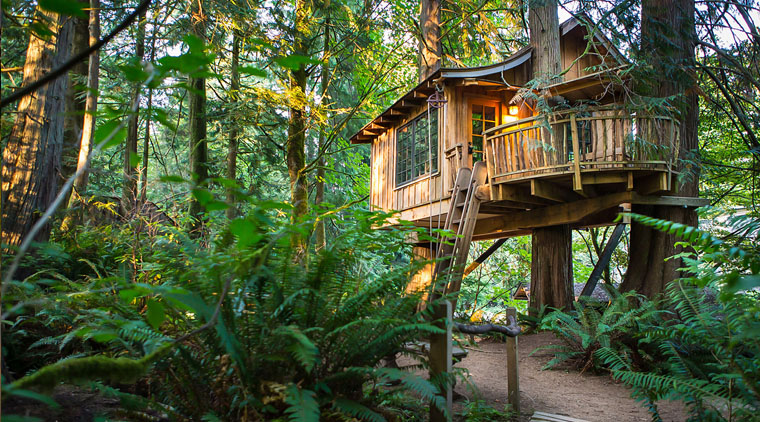
Heritage Kerala Tour with Tree House
- Visit Beypore
- Visit Tribal Village
 8D / 7N
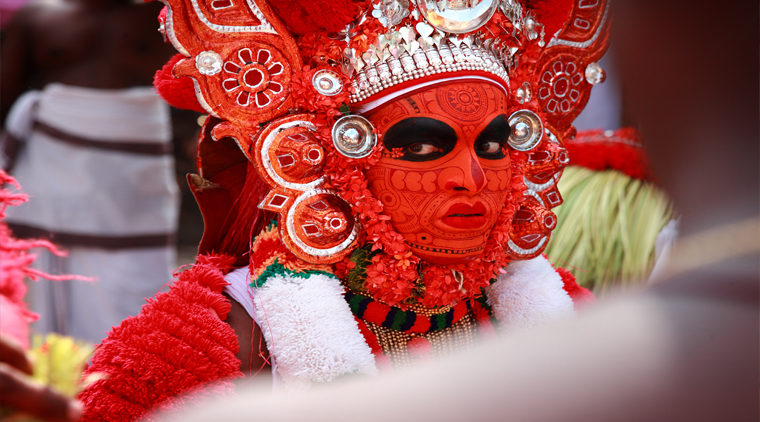
North Kerala Tour
- Visiting Kozhikode Beach
- Visit Kozhikode Beach