Kollam Travel Guide
The best months are October to March , when the backwaters are clear and cool. The southwest monsoon soaks Kollam from about June to September, and the big local set-piece is...
When to visit Kollam, and the season to plan around
The best months are October to March, when the backwaters are clear and cool. The southwest monsoon soaks Kollam from about June to September, and the big local set-piece is Kollam Pooram in April.
- November to February: cool, clear and dryThe most comfortable window, pleasant by day and mild at night, with clear skies over Ashtamudi and low humidity. This is the ideal time for the long ferry, the Munroe Island canoe trip and the beaches. It is also the peak season, so December and January rooms and ferry tickets go quickly and rates climb.
- October and March: warm but fineStill good for the backwaters, with fewer visitors than the December peak. By late March the coast turns hot and sticky, so do the open-water ferry and any beach walking earlier in the day and keep the middle for shade and a slow lunch.
- June to September: the monsoonThe southwest monsoon brings heavy, reliable rain. The countryside is at its greenest and inland spots like Palaruvi waterfall run strong, but open-water cruising is wetter and some services thin out. If you come then, plan around the rain and treat clear spells as a bonus.
- Decide fair-weather or green season firstThe clear October to March window is the safe choice for a backwater trip. The monsoon has its own lush appeal for travellers who do not mind rain and want the forests and waterfalls at their fullest. Choose the experience you want before you book flights or the ferry.
Kollam Pooram is the town's grandest festival, held at the Asramam Sree Krishna Swamy Temple on the Asramam Maidan, usually in April, with a procession of caparisoned elephants, parasol displays, temple drumming and a fireworks finale. The exact day follows the temple calendar and shifts year to year, so reconfirm the current festival date on the Kerala Tourism or DTPC Kollam events pages before you build a trip around it, rather than trusting a fixed date copied from an old blog.
How to reach Kollam and getting around
Kollam has no airport of its own. Almost everyone arrives by train at Kollam Junction or by road from Trivandrum airport, and the backwaters and islands are reached by ferry, boat and short taxi hops.
- By train to Kollam JunctionKollam Junction is a major stop on Kerala's coastal railway, with frequent trains from Thiruvananthapuram (Trivandrum), Ernakulam (Kochi), Alappuzha, Varkala and beyond. For most travellers the train is the simplest and cheapest way in, and the junction sits close to the KSRTC bus stand and the boat jetty in town.
- Nearest airport: TrivandrumKollam has no airport. The nearest is Thiruvananthapuram (Trivandrum) International Airport at about 65 to 70 km, roughly 1.5 to 2 hours by road, with domestic and international flights. Kochi airport is farther north if you are looping down from that side. Prebook a taxi or take the train down from Trivandrum.
- From Alappuzha by ferry or roadThe famous way to arrive from the north is the government tourist ferry from Alappuzha, an eight hour backwater journey. By road Alappuzha is about 85 km, roughly 2 to 2.5 hours, and there are frequent trains and buses on the same corridor if you want a quicker link.
- Getting around locallyTown, the jetty and the railway are compact and walkable or a short auto-rickshaw ride apart. Reaching the Ashtamudi lakeside resorts, Munroe Island, Thangassery and Jatayu needs a taxi or an auto for the day, so plan a hired car or clear auto fares agreed in advance.
Fly into Trivandrum (Thiruvananthapuram) or via Kochi, then reach Kollam by the airport road or a train down the coast, about 1.5 to 2 hours. Kollam has no international flights of its own.
Fly directly into Trivandrum, which has good Gulf and Southeast Asia links, then drive or train the short hop to Kollam. It sits easily on a Trivandrum, Varkala, Kollam and Alappuzha backwater loop.
Take a train to Kollam Junction from Trivandrum, Kochi or beyond, or ride the government backwater ferry down from Alappuzha for the scenic arrival. The junction is the simplest way in by rail.
Ashtamudi Lake, Munroe Island and the old Thangassery quarter
Kollam is its wide, quiet Ashtamudi Lake, the canal-laced Munroe Island, and the layered old coastal quarter of Thangassery with its striped lighthouse and fort ruins.
- Ashtamudi LakeThe soul of Kollam, a lake of eight braided channels with a water surface of about 61 square km, the second largest in Kerala and the gateway to the southern backwaters. Palm-fringed shores, Chinese fishing nets and coir villages ring the water, and it is at its best at sunset from a lakeside resort or the deck of a boat.
- Munroe Island (Mundrothuruttu)A cluster of eight small islands where Ashtamudi meets the Kallada River, best explored by a slow country canoe through narrow, palm-shaded canals. It is a window on unhurried village life, coir-making and paddy fields, quieter and more intimate than a big houseboat.
- Thangassery lighthouse and fort quarterThe red-and-white striped Thangassery (Tangasseri) lighthouse stands on the old Portuguese, Dutch and British coastal quarter, with fort and breakwater ruins nearby and a wide view over the Arabian Sea from the top. Check the hours and the closed day before you go, as these are covered in the experiences and questions sections below.
- Jatayu Earth's Center at ChadayamangalamAbout 40 km out toward Trivandrum at Chadayamangalam, this hilltop park is built around the world's largest bird sculpture, the fallen Jatayu of the Ramayana, reached by a cable car with wide valley views. It is an easy half-day add-on if you are driving between Kollam and Trivandrum.
If you have seen photos of packed houseboat flotillas, that is Alappuzha, not Kollam. Ashtamudi is wider, calmer and far less crowded, so come to Kollam for space and quiet rather than a busy houseboat carnival. That difference, calm versus carnival, is the single most useful thing to understand before you choose your backwater base, and it runs through the whole of this guide.
Signature experiences in Kollam
These are the experiences people remember, from the long government ferry to the Munroe Island canoe, and how to arrange each honestly rather than the overpriced version.
- The government ferry to AlappuzhaThe classic Kollam experience is the State Water Transport Department tourist boat to Alappuzha, an eight hour glide through Ashtamudi, Kayamkulam and the Vembanad backwaters. It starts about 10:30 am and reaches the other end about 6:30 pm, at a fare of about 600 rupees per person, bought at the DTPC counter by the Kollam jetty. It is the best-value big experience in the region.
- A Munroe Island canoe tripTake a two to three hour country-canoe trip through the narrow canals of Munroe Island for the most intimate backwater experience around Kollam, typically about 500 to 1,500 rupees per person depending on length and operator. Agree the price and the route before you set off, and go early morning or late afternoon for the softest light.
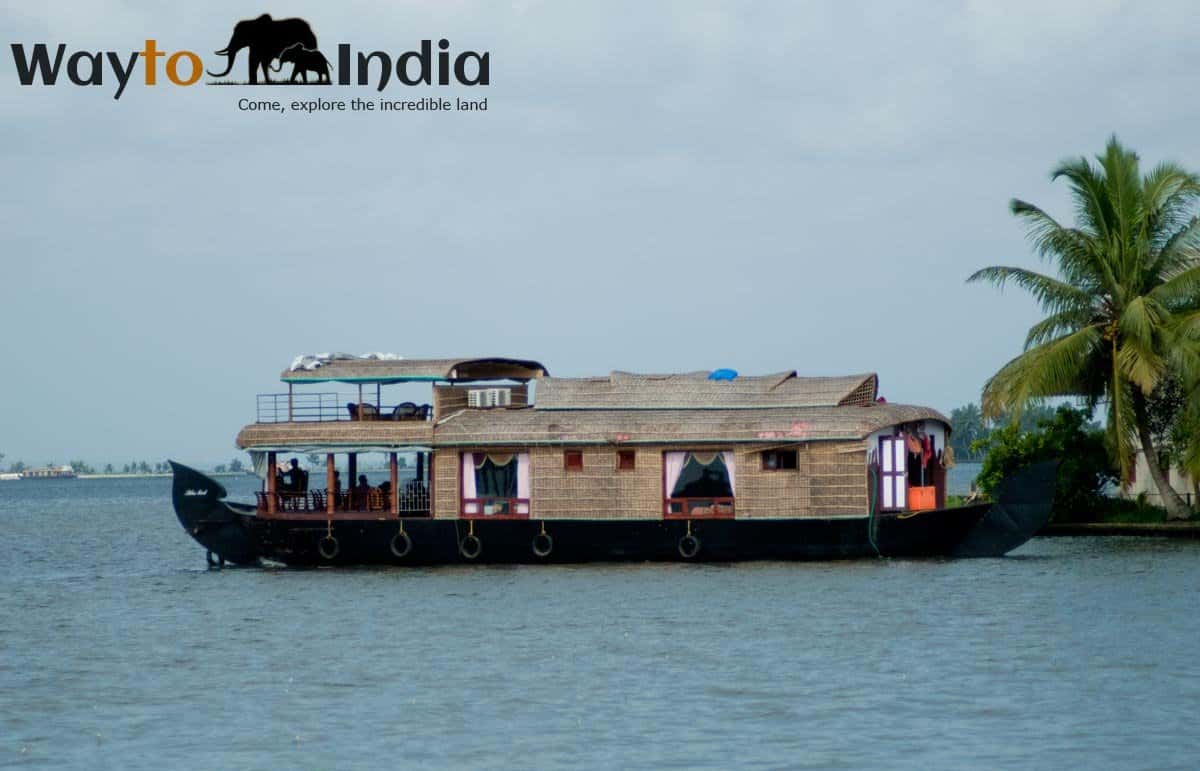
- A private Ashtamudi houseboat or day cruiseIf you want a houseboat rather than the public ferry, Ashtamudi has quieter boats than Alappuzha. A short day cruise starts from about 2,000 rupees, while an overnight on a full private boat runs roughly 8,000 to 20,000 rupees depending on size and season. Decide between ferry, day cruise and overnight before you book.
- The Jatayu Earth's Center cable carRide the cable car up to the giant Jatayu sculpture at Chadayamangalam for wide valley views, about 555 rupees per person including tax, running roughly 10 am to about 5:30 pm on weekdays and to about 6 pm at weekends, with a cheaper walkway option at about 325 rupees. Confirm the current rate and any weekly closure before the drive out.
- Thangassery lighthouse and the old quarterClimb the striped Thangassery lighthouse for a sweep of the Arabian Sea, then wander the Portuguese and Dutch fort ruins and the fishing breakwater. Entry is a small ticket of about 10 to 25 rupees for Indians plus a modest camera charge; it is open most afternoons and shut one weekday, so reconfirm the day locally.
- Coir villages, cashew and slow shoppingKollam is a historic cashew-processing town, and the lakeside villages still make coir by hand. A village walk or a stop at a coir workshop, and a bag of local roasted cashews, are the honest small pleasures here, away from any packaged tour.
If you do only one thing slowly, make it a canoe through Munroe Island rather than only ticking off the long ferry. The narrow canals, the coir villages and the birds are what people remember long after the wider open-water stretches blur together. Give it an unhurried morning, let the boatman take his time, and the quiet, uncommercial side of the Kerala backwaters, the reason to choose Kollam at all, opens up in a way a big houseboat never allows.
Where to stay in Kollam, and how many nights
Stay lakeside on Ashtamudi for sunset water views and calm, or in town near the jetty and railway for convenience. One to two nights is the sweet spot.
- Lakeside on Ashtamudi: calm and viewsResorts and homestays on the lake shore give you sunset water views, quiet and the classic backwater feel, but they sit a short drive from town and the railway. Best for couples, families and anyone who wants to slow down, and the natural base if the lake itself is why you came.
- In town near the jetty and railwaySimpler hotels and homestays in Kollam town keep you walking distance from the ferry jetty, the DTPC counter, the KSRTC bus stand and the railway. Best for travellers catching the early ferry, arriving late by train, or moving on quickly, and usually cheaper than the lakeside resorts.
- How many nightsOne full day and night covers the essentials: a Munroe Island canoe trip, the Thangassery quarter and a lakeside sunset. Add a second night for the full eight hour ferry to Alappuzha, a private houseboat, or a run out to Jatayu or Palaruvi. Half a day, as a stop between Trivandrum and Alappuzha, only lets you glimpse the lake.
- Room budgetsOff-peak, budget rooms and homestays run from about 1,000 to 2,500 rupees, mid-range hotels about 2,500 to 5,000 rupees, and heritage or premium lakeside stays about 6,000 rupees and up. All of these climb in the December to January peak, so book ahead if you travel then.
If your one non-negotiable is the eight hour ferry to Alappuzha, sleep in town the night before so the about 10:30 am departure is a short walk, not a stressful cross-town dash. If instead you came for the lake and the canoe villages, take a lakeside resort and treat town as a quick errand. Choosing the base that matches your single most important plan is the simplest way to make a short Kollam stay run smoothly.
Kollam costs and a realistic daily budget
Kollam is easy on the wallet, and the flagship experience, the government ferry, is genuinely cheap. Here is what the main things cost so you can plan and avoid being overcharged.
- A rough daily budgetExcluding your room and long-distance transport, plan on about 1,200 to 2,000 rupees a day as a backpacker, about 3,000 to 5,000 rupees mid-range, and about 6,000 rupees and up for a comfortable day with a canoe trip, a lakeside meal and a taxi. Kollam is gentle on money compared with the busier resort towns.
- The fixed-price thingsThe government Kollam to Alappuzha ferry is about 600 rupees per person, and the Thangassery lighthouse is a small ticket of about 10 to 25 rupees for Indians. The Jatayu cable car is about 555 rupees per person, or about 325 rupees for the walkway. These are the rare set prices in Kollam and make a useful anchor.
- The negotiable thingsA Munroe Island canoe is typically about 500 to 1,500 rupees per person, a private day cruise from about 2,000 rupees, and taxis and autos are quoted high to visitors. Settle the price and the length before anything starts, and the only common friction in Kollam disappears.
- Cash and cardsHotels, resorts and bigger shops take cards or UPI, but the ferry counter, canoe boatmen, autos and small eateries run largely on cash. There are bank ATMs in town, so carry enough cash for the day, especially for the DTPC ferry ticket and the canoe.
The single fact that saves both money and confusion in Kollam is that the government Kollam to Alappuzha tourist ferry costs about 600 rupees per person, not the several thousand a private houseboat costs. Many visitors are quietly steered toward an expensive houseboat when the cheap public boat is exactly the eight hour backwater journey they wanted. Know the ferry exists, buy it at the DTPC counter by the jetty, and you get the region's best experience at its lowest price.
Practical logistics: ferry booking, food, money and getting around
The small things that make a Kollam day smooth, from where to buy the ferry ticket to food, ATMs, language and local transport.
- Buy the ferry ticket at the DTPC counterThe Kollam to Alappuzha government tourist boat ticket is sold at the DTPC counter next to the boat jetty in Kollam, near the KSRTC bus stand. Arrive at least 30 minutes before the about 10:30 am departure, and in the December to January peak buy ahead or turn up early, as seats sell out. It is a separate service from a hired houseboat.
- Food: Kerala meals and fresh seafoodKollam eats well and cheaply: banana-leaf vegetarian meals, appam and stew, and fresh Ashtamudi and coastal seafood. It is a cashew town, so pick up roasted local cashews. Tap water is not for drinking, so stick to sealed bottled or filtered water and take the usual care with very cold or raw items.
- Money and ATMsBank ATMs are easy to find in town. Cards and UPI work in hotels and bigger shops, but carry cash for the ferry counter, canoe boatmen, autos and small eateries. Keep small notes for tickets and tips.
- SIM, signal and languageMobile coverage in town and around the lake is generally fine for maps, calls and data, thinning a little deep in the canals. Malayalam is the local language, but English is widely understood in the tourist trade and Hindi less so, so English is your easiest bridge.
Safety, common overcharging, and staying well
Kollam is calm, friendly and low-hassle by Indian standards. The main things to manage are gentle overcharging on boats and autos, water safety, and the usual health basics.
- Overcharging, not scamsKollam has little of the aggressive touting of bigger tourist towns. The common friction is simply a high first quote for a private houseboat, a canoe or a taxi. Ask the DTPC counter or your hotel for the fair rate, agree the price and route before you start, and the problem disappears. Remember the government ferry at about 600 rupees is fixed and honest.
- On the waterWear the life jacket on any boat if it is offered, keep an eye on children near the open decks and jetties, and do not swim in the lake or canals without local advice, as currents and depth vary. Reputable operators run safe boats, so choose a proper canoe boatman or a licensed houseboat rather than the cheapest informal offer.
- Heat, sun and mosquitoesThe open ferry and lakeside days bring strong sun, so carry a hat, sunscreen and water. Evenings by the water bring mosquitoes, so pack repellent, and in the green season take standard monsoon precautions. Stick to bottled or filtered water and be sensible with street food.
- General safetyKollam is one of the more relaxed backwater bases, with low crime aimed at tourists. Keep the usual awareness of your belongings on crowded trains and at the jetty, use registered taxis or your hotel's driver after dark, and you will find it an easy, gentle place to travel.
Most solo women find Kollam and the Kerala backwaters relaxed and manageable with standard precautions. Kerala is comparatively easy for independent travel, and the main friction is sales pressure and overcharging rather than anything worse. Choose a licensed canoe or houseboat operator, prefer the government ferry and registered taxis, dress modestly at temples, and keep to well-used areas after dark, and Kollam is one of the gentler stops in the south to travel alone.
Kollam for every kind of traveller, and on access
Kollam suits very different visitors in different ways. Here is what it offers you and the one tip that matters for each, including how a senior does the backwaters comfortably.
- CouplesQuiet, green and unhurried: lakeside sunsets on Ashtamudi, a private canoe through Munroe Island and a slow houseboat night away from the crowds. A lakeside resort and an overnight rather than a day trip make the most of the calm.
- Families with childrenEasy and gentle, with the canoe rides, the lake and the Jatayu cable car all child-friendly. The full eight hour ferry can be long for small children, so a shorter canoe trip or a half-day cruise often suits families better. Keep an eye on little ones near the open decks and jetties.
- Senior travellers and on accessibilityVery doable with a little planning. The full eight hour ferry is long and the jetties have steps, so consider a shorter private day cruise or a gentle canoe instead, stay lakeside to limit walking, and use a hired car with a driver rather than autos. Kollam's calm and flat lakeside make it one of the easier backwater bases for older travellers.
- Backpackers and budget travellersA great-value base: the government ferry at about 600 rupees is the cheapest way to see the classic backwaters, town homestays are inexpensive, and Kollam Junction connects easily by train. A relaxed few days here cost far less than the busier resort towns.
- Solo female travellersRelaxed and used to independent travellers, with Kerala among the easier southern states for solo women. Choose licensed boat operators, use the government ferry and registered taxis, dress modestly at temples and keep to well-used areas after dark. The friction is overcharging, not safety.
- PhotographersSunrise and sunset over Ashtamudi, the narrow canals and coir villages of Munroe Island, the striped Thangassery lighthouse and the fishing nets. Ask before photographing people at work or worship, and go out at either end of the day for the softest backwater light.
A suggested Kollam itinerary
How to shape one or two unhurried days so you catch the lake at its best light, fit the long ferry or the canoe, and slot Kollam neatly between Trivandrum and Alappuzha.
- Day one, morningStart early with a two to three hour country-canoe trip through Munroe Island while the light is soft and the canals are quiet. Have the price and route agreed before you set off, and carry water and a hat for the open stretches.
- Day one, afternoon and eveningAfter lunch, visit the Thangassery lighthouse and the old fort quarter, checking the hours and closed day first, then settle on the Ashtamudi shore for sunset. A lakeside dinner rounds off a gentle first day.
- Day two, the long ferry or JatayuIf you have a second day and want the classic journey, catch the about 10:30 am government ferry to Alappuzha, arriving about 6:30 pm, and continue your Kerala loop from there. If you would rather stay based in Kollam, drive out to the Jatayu Earth's Center cable car instead.
- The half-day versionOn a Trivandrum to Alappuzha drive you can stop for a short canoe trip or a quick lakeside view and the lighthouse in two or three hours, though you will miss the slow rhythm and the long ferry that make Kollam special.
The single thing that breaks a tight Kollam plan is treating the government ferry to Alappuzha as a quick transfer. It runs about 10:30 am to about 6:30 pm, a full eight hours, and it is a scenic experience rather than fast transport. Build it as your entire day, sleep in Kollam town the night before so the morning departure is a short walk, and never try to squeeze a lighthouse visit or a checkout around it. Treated as the day's centrepiece, the ferry is a highlight; treated as a shortcut, it wrecks the schedule.
The real questions travellers ask about Kollam
Straight answers to the questions that come up again and again on Kerala traveller forums, so you arrive already knowing the score.
- Kollam or Alappuzha for the backwaters?Choose Kollam for calm, space and fewer crowds on the wide Ashtamudi Lake, and Alappuzha for the busy houseboat scene and the tightest network of narrow canals. Neither is better; they are different moods. Many travellers do both by riding the ferry from one to the other.
- Is the eight hour ferry worth it?If you enjoy slow scenery and treat it as the day's experience, yes, it is a lovely and very cheap way to cross the backwaters. If you need to be somewhere fast, take the train or road instead, since the ferry runs about 10:30 am to 6:30 pm and is not quick transport.
- Ferry or private houseboat?The government ferry at about 600 rupees is a shared, fixed-route, fixed-time public boat, the best value big experience. A private houseboat is your own boat for a day cruise from about 2,000 rupees or an overnight running roughly 8,000 to 20,000 rupees. Pick the ferry for value, the houseboat for privacy and an on-board night.
- Is one day or one night enough?One full day and night covers a canoe trip, the lighthouse quarter and a lakeside sunset. Add a second night if you want the full ferry, a houseboat overnight, or a run out to Jatayu or Palaruvi. A rushed half-day only scratches the surface.
- How do I get from Trivandrum airport to Kollam?It is about 65 to 70 km, roughly 1.5 to 2 hours by road, by prebooked taxi, or take a train down the coast to Kollam Junction, which is frequent and cheap. Prebook a car if you land late or have heavy bags.
- Which day is the Thangassery lighthouse closed?The lighthouse is open most afternoons and shut one weekday, most commonly reported as Monday though a few sources say Tuesday, so reconfirm locally or with your hotel before you go. Entry is a small ticket of about 10 to 25 rupees for Indians plus a modest camera charge.
Planning Kollam from abroad
Kollam is the quiet, less touristy gateway to the Kerala backwaters and pairs naturally with Trivandrum and Alappuzha. A little preparation makes the ferry-versus-houseboat choice and the local rhythm easy to handle.
- Know the ferry-versus-houseboat differenceThe government Kollam to Alappuzha ferry is a shared public boat at about 600 rupees, an eight hour scenic crossing bought at the DTPC counter by the jetty. A houseboat is your own hired boat and costs much more. Understanding this one difference is the key to planning Kollam well and not overpaying.
- Come for calm, not a houseboat carnivalIf you have seen photos of packed houseboat flotillas, that is Alappuzha. Kollam and Ashtamudi are wider, quieter and more local. Choose Kollam if you want space, coir villages and canoe trips over crowds, and treat it as the gentle, uncommercial side of the Kerala backwaters.
- Pair it with Trivandrum and AlappuzhaFly into Trivandrum, then loop Trivandrum, Varkala, Kollam and Alappuzha, and on to Kochi or the hills. Kollam is an easy 1.5 to 2 hour drive or a short train from the airport, and the ferry links it scenically to Alappuzha.
- Gentle and senior-friendly with planningStay lakeside to keep walking short, take a shorter private cruise or a gentle canoe instead of the full eight hour ferry if comfort matters, and use a hired car with a driver. Kollam is one of the easier, calmer backwater stops in Kerala for parents and grandparents.
Money, connectivity and timing for foreign visitors
The practical basics an overseas traveller needs for a backwater town: cash, cards, a SIM, and how many days to give Kollam on a wider Kerala trip.
- Carry cash, expect some bargainingCards and UPI work in hotels and bigger shops, but the ferry counter, canoe boatmen, autos and small eateries are cash places, and private boats and taxis are negotiable. Draw cash at the town ATMs and keep small notes for the ferry ticket, the canoe and tips.
- Get a SIM at the airportPick up an Indian tourist SIM or an eSIM when you land in Trivandrum rather than hunting for one in a smaller town. Coverage in Kollam and around the lake is fine for maps, calls and ride booking, thinning a little deep in the canals.
- How long to give it on a bigger tripOn a Kerala loop, one to two nights in Kollam is the right weight between Trivandrum and Alappuzha or Kochi: enough for a canoe day, the lighthouse and a lakeside sunset, or the full ferry, without slowing the whole itinerary.
- Time your visit to your comfortOctober to March is the clear, comfortable window and the safe choice for the backwaters. The June to September monsoon is lush and green but wet, so come then only if you do not mind rain and want the forests and waterfalls at their fullest.
Kollam is an unusually gentle introduction to the Kerala backwaters: calm, cheap, easy to reach from Trivandrum and far less commercial than Alappuzha. Slot it early in a southern loop, give it a night or two, ride the government ferry or a canoe, and let it be the slow, green chapter before the busier towns. Many overseas visitors say the quiet Ashtamudi mornings end up being the part of Kerala they remember most warmly.
Why Kollam counts a calendar and smells of cashew
Kollam, the old port of Quilon, is one of the oldest continuously inhabited trading towns on India's southwest coast, a stop on the Malabar and Coromandel sea routes named in the travels of Ibn Battuta and known to Arab, Chinese, Portuguese, Dutch and British merchants in turn. It gave its name to the Kollam Era, the Malayalam calendar still reckoned in Kerala, said to date from the town's rise around the ninth century, though scholars debate the precise founding story and no single account is universally agreed. For centuries it was, and remains, a great centre of the cashew trade, so the town still carries the warm smell of roasting cashew, and its Thangassery quarter wears its Portuguese, Dutch and British layers in fort ruins and a striped lighthouse above the Arabian Sea. To arrive at Kollam is to reach a working port town that has quietly mattered for well over a thousand years, with the calm backwaters as its gentle modern face.
Planning a Kollam trip?
Our Kerala travel experts plan your full journey for you: route, hotels, darshan timings and transport. You get a free day-by-day plan and an exact quote on WhatsApp, usually within a few hours. No payment is needed to get your plan.