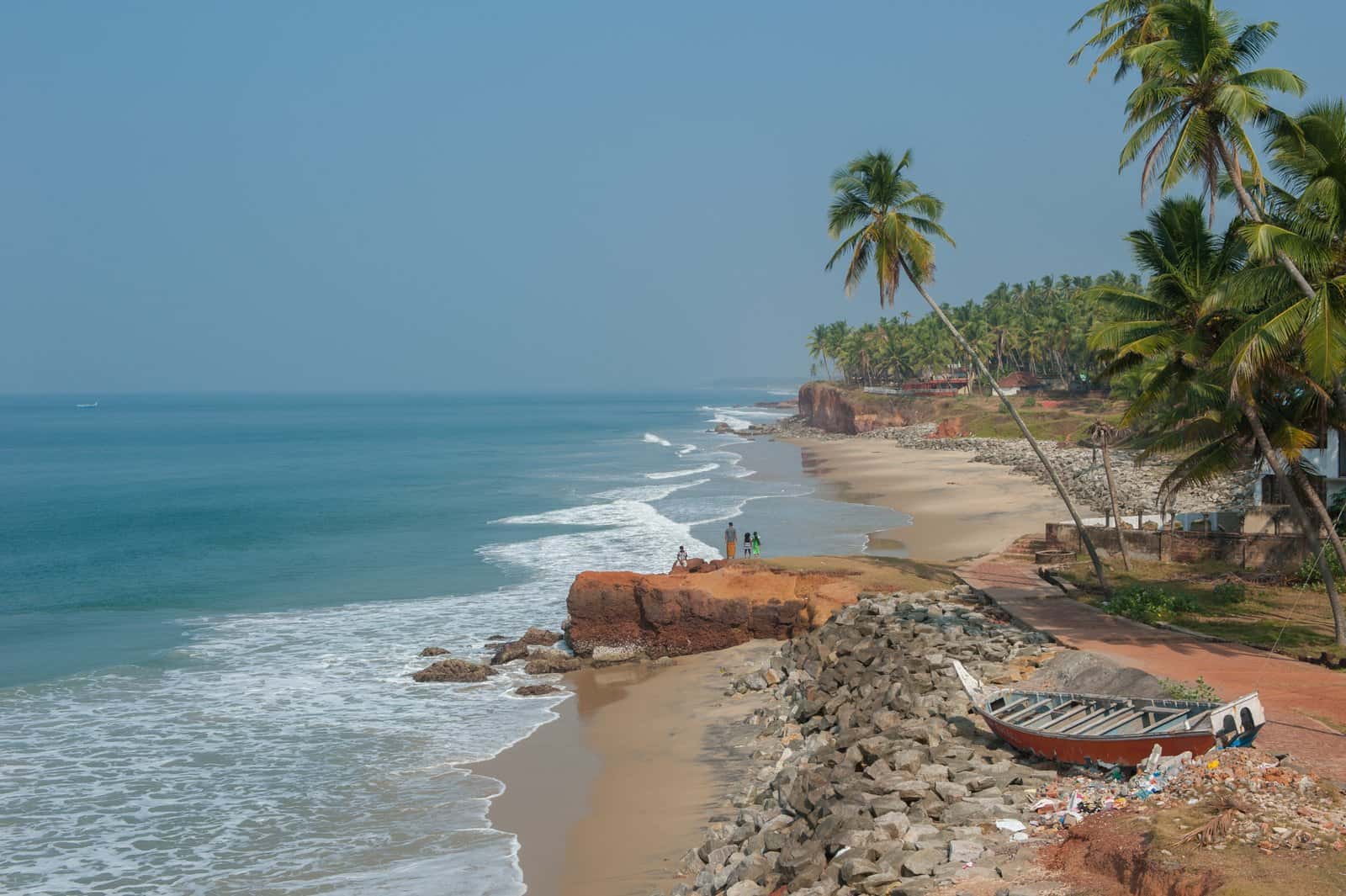
Kovalam Travel Guide
The best months are November to February , when the sea is calm and the days are warm and dry. One thing to plan around: in the monsoon the sea is rough and swimming is usually...
When to visit Kovalam, and the monsoon rule
The best months are November to February, when the sea is calm and the days are warm and dry. One thing to plan around: in the monsoon the sea is rough and swimming is usually banned, though that same season is the traditional time for Ayurveda.
- November to February: calm sea, clear skiesThe most comfortable time, warm and dry by day with cool, breezy evenings, and the calmest sea of the year for swimming. This is the peak season, so book ahead around Christmas and New Year, when Kovalam is at its busiest and rooms are at their dearest.
- March to May: hot but quieterStill good for the beach, hotter and more humid in the afternoons but with fewer visitors and softer room rates. Carry sun protection, drink plenty of water, and keep the middle of the day for the shade or the pool. Temperatures across the year sit roughly between 16 and 34 degrees.
- June to September: the monsoon and Ayurveda seasonDramatic skies and a wild sea, when swimming is dangerous and usually prohibited. It is also, by tradition, the ideal time for an Ayurveda course (the Malayalam month of Karkidakam, around mid-July to mid-August), when the cool, humid air is said to help the body absorb the therapies, so many people come precisely for the treatments, not the swimming.
- Decide what you are here for, firstIf you want to swim and sunbathe, come November to February. If you want a serious Ayurveda rejuvenation at the traditional season and do not mind the rain and the shut sea, the monsoon is yours, and rooms are cheaper. The two trips are genuinely different, so choose before you book.
Kovalam has strong undercurrents, and in the monsoon the waves are high and swimming is usually banned. Whatever the month, swim only inside a flagged, lifeguard-patrolled zone, never alone, and never after a drink. The beach is patrolled and open to the public roughly 6 am to 6 pm. More on the lifeguard flags in the beaches section below.
How to reach Kovalam, and what the transfer should cost
Kovalam is the easy beach base for Kerala's capital, Thiruvananthapuram (Trivandrum), with the international airport just 16 km down the road. Here is how to arrive and what the last leg should cost.
- By air into TrivandrumThiruvananthapuram International Airport is only about 16 km from Kovalam, roughly a 30 to 45 minute drive. Terminal 2 handles the international flights, including the heavy Gulf traffic, and Terminal 1 the domestic ones. We can have a car meet your flight.
- By train to Trivandrum CentralThiruvananthapuram Central is the main railway station, about 14 to 16 km from Kovalam, well connected up the Kerala coast through Kollam, Alleppey and Kochi and across to Chennai. A taxi or pre-booked car covers the last stretch to the beach.
- What the last leg should costFrom the airport or the station, a taxi to Kovalam is roughly 400 to 700 rupees and an auto-rickshaw about 250 to 400 rupees, both around 30 to 45 minutes. A KSRTC bus is the cheapest option, about 40 to 60 minutes. Agree the auto fare or insist on the meter before you set off, as quotes to new arrivals run high.
- On the road, and the seaport caveatKovalam sits just south of the city on a good coastal road, an easy drive from the airport, the station or the city centre, and the same car works for the Poovar and Kanyakumari day trips. The new Vizhinjam seaport on the headland brings extra port and construction traffic on the Vizhinjam side, so allow a little more time on that approach.
Fly into Trivandrum through a Gulf hub (Dubai, Doha, Abu Dhabi) or via Delhi, Mumbai, Bengaluru or Chennai, then a short drive to the beach. Trivandrum is Kerala's southern gateway.
Trivandrum has frequent direct flights from Dubai, Abu Dhabi, Sharjah, Doha, Muscat, Kuwait, Bahrain and the Saudi cities, plus the Maldives, landing about 16 km from Kovalam. It is the natural home airport for the Gulf Malayali community.
Direct flights from the metros and a strong rail line up the Kerala coast and across to Tamil Nadu make Trivandrum easy to reach, with Kovalam a half-hour beyond by taxi, auto or KSRTC bus.
The three beaches, the lighthouse, and staying safe in the sea
Kovalam is really three linked beaches and a climbable lighthouse along about 17 km of coast. The swimming is wonderful in season, but the currents are real, so it pays to know where the lifeguards are.
- Lighthouse Beach, the lively heartThe main, busiest stretch, named after the red-and-white Vizhinjam lighthouse on the headland. A curve of sand backed by cafes and shops, lovely for a sunset walk, with the best swimming and the most lifeguards. This is also where the surf school and the German Bakery sit.
- Hawa Beach (Eve's Beach)Just over the rocky point from Lighthouse Beach, a little smaller and quieter, named for the steady sea breeze. Fishing boats still pull in here in the early morning, a lovely dawn sight for photographers.
- Samudra Beach, the calm oneThe largest and quietest of the three, a long stretch lined with the bigger resorts. Good for a peaceful stroll and a gentler crowd, a little removed from the cafe bustle, and the better base for honeymooners and seniors who want calm.
- Climb the Vizhinjam LighthouseThe lighthouse can be climbed (about 144 steps, with a lift also available) for a sweeping view of the coast. Entry is about 20 rupees for Indians, about 10 rupees for senior citizens and children aged 3 to 12, and about 50 rupees for foreign nationals, with a camera charge of about 20 rupees for stills and about 25 rupees for video. It is generally open about 10 am to 1 pm and 2 pm to 6 pm and is closed on Mondays, though hours shift with the season, so check at the gate. Sunset from the gallery is the reward; seniors can take the lift rather than the steep stairs.
Kovalam's undercurrents are strong, and swimmers have been trapped and rescued well offshore, including three tourists pulled out in early 2026. Lifeguards are now posted at six points marked by red and yellow flags, and a warning siren sounds when the sea turns dangerous. Swim only between the flags, stay within your depth, keep children close, and never swim alone or after a drink. In the monsoon, do not swim at all.
Ayurveda in Kovalam, done properly
Beyond the beach, Kovalam is one of India's best-known Ayurveda bases. A genuine course is restful and restorative, but it is worth knowing how to choose well and what a real programme involves.
- Choose a classified centre, not a beach shackFor a genuine treatment, pick a centre or hotel classified by Kerala Tourism, with qualified doctors who first assess your constitution. The state's long-running grades were Green Leaf (the higher) and Olive Leaf; this scheme is being rebranded to Ayur Diamond, Ayur Gold and Ayur Silver, so ask which certificate the centre holds. Avoid the touts on the sand offering a quick massage; a real Ayurveda course is medical, not a spa add-on.
- Give it timeA true rejuvenation programme runs at least a week, and longer for a specific complaint, with a doctor's consultation, a tailored diet and daily therapies. A single massage is fine for relaxation, but the real benefit comes from a proper course under supervision.
- The monsoon is the traditional seasonBy tradition the monsoon, the Malayalam month of Karkidakam around mid-July to mid-August, is the ideal time for Ayurveda (Karkidaka Chikitsa), when the cool, humid air is said to help the body absorb the therapies. This is why many people come to Kovalam in the off-season precisely for treatment, and why centres run dedicated Karkidakam packages then.
- A soothing add-on to a beach holidayEven on a short winter visit, a doctor-led massage or a few days of therapy fits beautifully around the beach. WayToIndia's own travellers have long recommended a restful session at places like Sangithri Ayurveda Heritage to unwind after a long journey, before settling into the beach pace.
Experiences and day trips from Kovalam
Kovalam is a relaxed base, and some of its best days are spent just beyond it, in old Trivandrum and along the coast to the south, with a surf lesson or a backwater cruise on the doorstep.
- Learn to surf at Kovalam Surf ClubLighthouse Beach has a friendly surf school. A beginner lesson is about 2,500 rupees for a 1.5 hour individual class or about 1,800 rupees per person in a small group, with board and rash vest included. You need basic swimming ability and usually 3 to 5 lessons to stand up, and instructors teach in English, Hindi, Tamil and Malayalam.
- Sree Padmanabhaswamy Temple, TrivandrumThe famous Vishnu temple in the city, about 16 km away, is one of the richest in the world. It admits only Hindus and the dress code is strict, so men wear a dhoti without a shirt and women a saree, set-mundu or long Indian dress, with phones and cameras left outside. General darshan is free; a special darshan is about 150 rupees, or about 180 with prasadam. It closes daily from about 12 noon to 5 pm, so time your visit to a morning or evening window.
- Poovar backwaters and the golden beachAbout 30 km south, a boat glides through Poovar's mangroves to a golden-sand spit where the Neyyar river meets the sea. A gentle, beautiful half-day, lovely for families and older travellers, with birds along the way.
- Kanyakumari, the tip of IndiaAbout 80 km on, roughly 2.5 hours by car, is the southern tip of the country, famous for sunrise and sunset over the meeting of three seas. A long but rewarding day trip, often combined with Poovar on the way.
- Old Trivandrum and the river houseboatThe Napier Museum and its gardens, the adjoining zoo and the Sri Chitra Art Gallery make a pleasant city morning (entry around 20 rupees, but closed on Mondays and Wednesday forenoons). Add the Kovalam Art Gallery and Veli Tourist Village near the beach, or a houseboat cruise on the Karamana River, best taken roughly between 10 am and 6 pm.
- Eat Kerala by the seaTry puttu with kadala curry or appam for breakfast, karimeen (pearl spot fish) and fresh seafood for lunch, and the gentle vegetable dishes avial and pachadi. The German Bakery on Lighthouse Beach is a long-standing favourite for cakes, coffee and a sea view.
Poovar is a gentle half-day and Kanyakumari a full, long day, so do not stack both on a tight schedule. If you only have one day to spare, a combined Poovar-and-Kanyakumari run is possible but tiring; seniors and families with small children are usually happier keeping Poovar as a relaxed morning and saving Kanyakumari for a dedicated day.
Where to stay in Kovalam, and how many nights
Stay above Lighthouse Beach to be in the thick of the cafes, or on calmer Samudra Beach for space and quiet. Two to three nights is the sweet spot, more if you want an Ayurveda course.
- Lighthouse Beach: in the thick of itThe lanes behind Lighthouse Beach are walking distance to the cafes, the surf school, the shops and the liveliest swimming. Atmospheric and convenient, but busier and noisier, with smaller rooms and budget guesthouses. Best for first-timers, backpackers and anyone who wants the scene on their doorstep.
- Samudra Beach and the headland: space and calmQuieter resorts and the bigger hotels sit along Samudra Beach and on the headland above, with pools, gardens and sea views but a short hop into the cafe strip. Better for couples, families and seniors who want calm over bustle, and the natural choice for a relaxed Ayurveda stay.
- How many nightsTwo to three nights is the right length: enough for the beaches, the lighthouse, a Poovar morning and either Kanyakumari or a city day. Add more if you want a proper Ayurveda course, which needs a week, or if you plan to pair Kovalam with Varkala, about 50 km and 2 hours north.
- Booking and ratesRooms run from cheap guesthouses behind Lighthouse Beach to five-star resorts on the headland and Samudra side. Rates climb steeply from mid-December to early January and over long weekends, and drop noticeably in the monsoon, when the Ayurveda crowd takes over. Book the peak fortnight well ahead.
The single decision that shapes a Kovalam stay is which beach you sleep above. Lighthouse Beach is sociable, walkable and a little loud; Samudra Beach is calmer and more spacious but quieter at night. Couples and seniors usually prefer Samudra; backpackers and first-timers usually prefer Lighthouse. Pick the mood you want before you pick the hotel.
Kovalam costs and a realistic daily budget
Kovalam runs from cheap to luxury. Here is what the fixed-price things cost and a rough daily budget, so you can plan and avoid being overcharged.
- A rough daily budgetExcluding your room and long-distance transport, plan on about 1,200 to 2,000 rupees a day as a backpacker eating at the shacks, about 3,000 to 5,000 rupees mid-range with a sit-down seafood lunch and a couple of activities, and more once you add a resort, surfing and an Ayurveda course.
- The fixed-price thingsThe Vizhinjam lighthouse is about 20 rupees for Indians and about 50 for foreign nationals, with a camera charge of about 20 to 25 rupees. A Padmanabhaswamy special darshan is about 150 rupees, or about 180 with prasadam. The Napier Museum complex is around 20 rupees. These are the rare prices in town that are not negotiable.
- Activities and transfersA beginner surf lesson is about 2,500 rupees individual or about 1,800 in a group. The airport or station transfer is roughly 400 to 700 rupees by taxi and about 250 to 400 by auto. A Poovar boat cruise and a Kanyakumari day-trip car are usually arranged as packages, so confirm the price before you set off.
- Cash, cards and bargainingResorts, the bigger restaurants and many cafes take cards and UPI, but the beach shacks, the autos and the small shops run on cash, and beach-shop prices are negotiable. Draw cash at the ATMs in Kovalam or in the city, keep small notes for autos and tips, and agree any water-sports or boat price first.
Outside the few fixed-price tickets, Kovalam runs on prices that are quoted high to visitors and come down without drama. The single habit that keeps the trip cheap and friction-free is to agree the number first, whether that is an auto fare, a parasailing ride, a boat cruise or a beach-shop purchase. Settle it before anything begins and the town's only common annoyance disappears.
Practical logistics: food, money, getting around and connectivity
The small things that make a Kovalam day smooth, from getting between the beaches to cash, SIMs and the local food.
- Getting around the beachesThe three beaches and the cafe strip are walkable, linked by sand and a few rocky points and clifftop paths. For the headland resorts, the city, the temple or the day trips, use a pre-booked car or an auto-rickshaw. There is no need for a hired scooter unless you want one.
- Food and drinkThe seafood is the highlight: karimeen, prawns, calamari and the daily catch grilled at the shacks, alongside puttu, appam, avial and pachadi. Unlike some Kerala temple towns, Kovalam is a relaxed beach resort where alcohol is served in licensed restaurants and bars, though prices on the beach strip run higher than in the city.
- Money, SIM and connectivityThere are ATMs in Kovalam and plenty in the city. Mobile coverage on the beach is generally fine for maps, calls and ride apps. Pick up an Indian tourist SIM or eSIM at Trivandrum airport on arrival rather than hunting for one at the beach.
- Language and tippingMalayalam is the local language, but English is widely understood across the cafes, hotels and tourist trade, so communicating is easy. Small tips for boatmen, drivers and restaurant staff are appreciated; keep some small notes handy.
Safety, the currents, and staying well
Kovalam is easygoing and friendly, but the sea is the one thing to take seriously. A little awareness keeps the trip happy and safe.
- The sea is the real riskThe undercurrents are stronger than they look, and most rescues happen well offshore, even on calm-looking days. Swim only between the red-and-yellow lifeguard flags, stay within your depth, keep children close, never swim alone or after a drink, and stay right out of the water in the monsoon. Heed the warning siren at once. This is the one rule that matters most at Kovalam.
- Choose Ayurveda and massage carefullyDecline the touts on the sand offering cheap Ayurveda or a quick massage. For anything beyond relaxation use a Kerala-Tourism classified centre with qualified, supervised staff, so you know what you are getting and who is treating you. Women travellers in particular should use a reputable centre and ask for a female therapist.
- Sun, water and foodThe tropical sun is strong, so use sunscreen and a hat and rehydrate. Drink bottled or filtered water and take the usual care with very cheap street food. The fresh seafood is generally excellent, but choose busy shacks with a quick turnover.
- Drinks, valuables and the usual careDo not leave drinks unattended at busy bars, keep valuables out of sight on the sand and use the room safe, and take the same sensible care after dark that you would at any beach resort. Agree prices for water sports and rides in advance, and do not carry parcels abroad for anyone you do not know.
Most solo and women travellers find Kovalam relaxed and manageable with standard precautions. Stick to the busier, better-lit lanes behind Lighthouse Beach after dark, use reputable Ayurveda centres and ask for a female therapist, keep an eye on your drink at busy bars, and stay within the flagged swimming zone. The friction reported on forums is usually sales pressure and the sea, not violent crime.
Kovalam for every kind of traveller, and on access
Kovalam suits very different visitors in different ways. Here is what it offers you, and the one tip that matters for each, including how a senior visits comfortably.
- Couples and honeymoonersA classic Kerala honeymoon base, with sunset walks on Lighthouse Beach, candlelit seafood dinners and a couples' Ayurveda session. Pick a quieter Samudra Beach resort if you want calm over bustle, and book the headland sea-view rooms early in peak season.
- Families with childrenEasy and fun, but the currents mean children should swim only in the flagged shallow zone with an adult, never out of their depth. The Poovar boat trip, the lighthouse climb with its lift, the surf lessons for teens and the Trivandrum zoo keep younger ones happy.
- Senior travellers and on accessibilityVery comfortable with a little planning. There is no altitude and the drives are short. Stay on calmer Samudra Beach, take the lighthouse lift rather than the stairs, swim only in the patrolled shallows, build in an Ayurveda course, and choose the gentle Poovar cruise over the long Kanyakumari day if energy is limited. The beach sand and a few rocky steps between the beaches need care, so take them slowly.
- Friends and young groupsLively cafes and shacks along Lighthouse Beach, surfing and water sports by day and an easy social evening. Agree water-sports prices first, respect the lifeguard flags, and keep an eye on drinks at the busy bars.
- Backpackers and budget travellersReach Kovalam cheaply by train to Trivandrum and bus or share-auto to the beach, and stay in the lanes behind Lighthouse Beach. Come outside the December-January peak for the best room rates, and consider pairing it with backpacker-friendly Varkala up the coast.
- PhotographersSunset behind the lighthouse, the fishing boats on Hawa Beach at dawn, the mangroves and golden spit at Poovar, and the three-seas horizon at Kanyakumari. The soft light early and late is the cleanest, and the lighthouse gallery gives the best wide view of the coast.
A suggested Kovalam itinerary
How to shape two or three unhurried days so you get the beaches, the lighthouse, a backwater morning and a day trip without rushing.
- Day one: settle into the beachArrive, find your feet, and spend the day on the sand: a swim between the lifeguard flags, a long Lighthouse Beach walk, a seafood lunch at a shack and coffee at the German Bakery. Climb the lighthouse late afternoon for sunset over the coast, then dinner by the sea.
- Day two: water and wellnessTake a morning surf lesson or a doctor-led Ayurveda massage, rest through the midday heat, and head to Poovar in the afternoon for the mangrove cruise to the golden spit. Back for sunset and an easy evening on the cafe strip.
- Day three: a day trip or the cityEither run the long, rewarding Kanyakumari day for the three-seas views, or do a Trivandrum morning at the Napier Museum and zoo (not a Monday or Wednesday forenoon) and a Padmanabhaswamy darshan, planned around the dress code and the midday closing. A late beach evening to finish.
- The shorter and longer versionsA two-night stay covers the beaches, the lighthouse and one of Poovar or the city comfortably. If you want a real Ayurveda course, give Kovalam a week. To compare beach moods, add 2 hours and 50 km north to Varkala for a night or two.
The single thing that breaks a tight Kovalam plan is arriving at the Padmanabhaswamy temple during its daily closing, roughly 12 noon to 5 pm, or turning up in the wrong clothes. Build the temple into a morning or an evening window, sort the dhoti-and-saree dress code in advance, and remember the Napier Museum complex shuts on Mondays and Wednesday forenoons, so a Tuesday or Thursday city day runs smoothest.
The real questions travellers ask about Kovalam
Straight answers to the questions that come up again and again on traveller forums, so you arrive already knowing the score.
- Is it safe to swim, and where are the lifeguards?Swimming is fine in season if you respect the sea. The undercurrents are strong and rescues happen offshore, so swim only between the red-and-yellow lifeguard flags at the six patrolled points, stay within your depth, and heed the siren. Do not swim at all in the monsoon.
- Is July or August worth it in the monsoon?Yes, but for a different trip. The sea is closed to swimming and the skies are wild, but it is the traditional Karkidakam Ayurveda season, rooms are cheaper and the greenery is lush. Come for treatment and atmosphere, not the beach.
- Kovalam or Varkala?Kovalam is the family-friendly, resort-and-Ayurveda beach; Varkala, about 50 km and 2 hours north, is the cliff-top, backpacker scene with cheaper food and drink. Many travellers do both, allowing a couple of nights each, since they are an easy drive apart.
- How many days do I need?Two to three nights covers the beaches, the lighthouse, a Poovar morning and one day trip or city day. Allow a week if you want a real Ayurveda course, and add nights if you are also doing Varkala or Kanyakumari at leisure.
- Can I enter the Padmanabhaswamy temple?Only if you are Hindu, and only in the dhoti-and-saree dress code, with phones and cameras left outside. General darshan is free, a special darshan is about 150 rupees, and the temple closes daily from about 12 noon to 5 pm, so go in a morning or evening window.
- Can I do Kanyakumari and Poovar as day trips?Yes. Poovar is a gentle half-day about 30 km south, and Kanyakumari is a full day about 80 km on, roughly 2.5 hours each way, famous for its sunrise and sunset. They can be combined on a long single day, but two relaxed outings is the kinder plan.
Planning Kovalam from abroad
Kovalam is the easy beach-and-Ayurveda base for Kerala's south, and Trivandrum is the natural gateway for the Gulf Malayali community and for first-time visitors alike.
- Fly straight into TrivandrumTrivandrum's Terminal 2 has frequent direct flights from Dubai, Abu Dhabi, Sharjah, Doha, Muscat, Kuwait, Bahrain and the Saudi cities, plus the Maldives, landing just about 16 km from Kovalam. For families in the Gulf it is the simplest way home to Kerala's south, with a taxi to the beach for roughly 400 to 700 rupees.
- Pair the family visit with AyurvedaMany NRI travellers build a proper Ayurveda course into the trip. Choose a Kerala-Tourism classified centre (the Green Leaf or Olive Leaf grade, now being rebranded to Ayur Diamond, Gold and Silver), allow at least a week for a real programme, and remember the monsoon is the traditional Karkidakam season for treatment.
- Mind the temple rulesSree Padmanabhaswamy admits only Hindus and enforces a strict dhoti-and-saree dress code, with phones and cameras left outside, and it closes daily from about 12 noon to 5 pm. If a visit matters to you, plan the clothing and the timing in advance.
- Gentle and senior-friendlyWith no altitude, short drives, a calm beach base and Ayurveda on hand, Kovalam is comfortable for parents and grandparents. Just keep everyone swimming inside the flagged lifeguard zone, use the lighthouse lift, and stay out of the sea in the monsoon.
Money, connectivity and timing for foreign visitors
The practical basics an overseas traveller needs for a Kerala beach trip: cash, cards, a SIM, and how to slot Kovalam into a wider India or Kerala itinerary.
- Carry some cash, expect to bargainResorts and bigger restaurants take cards and UPI, but the beach shacks, autos and small shops run on cash, and beach-shop prices are negotiable. Draw cash at the ATMs in Kovalam or the city and keep small notes for autos, boatmen and tips.
- Get a SIM at the airportPick up an Indian tourist SIM or an eSIM when you land at Trivandrum rather than hunting for one at the beach. Coverage in Kovalam itself is fine for maps, calls and ride apps to the city and the day trips.
- How long to give it on a bigger tripOn a Kerala loop, two to three nights in Kovalam is a comfortable beach finish after the backwaters and the hills, and a week if you want an Ayurveda course. Pair it with Varkala up the coast for a contrast, or Kanyakumari just across the Tamil Nadu border.
- Time your visit to your purposeNovember to February is the comfortable, swimmable window and the peak. If you specifically want Ayurveda at the traditional season and do not mind the closed sea, the monsoon is cheaper and atmospheric. Decide which trip you want before you book flights and rooms.
Kovalam is an easy, gentle introduction to Kerala: a short drive from an international airport, walkable, with calm beaches, good seafood and Ayurveda on the doorstep. Slot it at the start or end of a Kerala trip, give it two or three nights for the beach or a week for treatment, and keep everyone swimming between the lifeguard flags. Many overseas visitors find it the restful chapter that balances the busier backwaters and hill stations.
The crescent the world found, and the healing monsoon
Kovalam's name is usually read in Malayalam as a place of coconut groves, the palms that still lean over its sand. For centuries it was three quiet fishing crescents under the Vizhinjam headland, until the Travancore royals built a seaside retreat above them and, from the 1930s and especially the 1970s, the hippie trail and European travellers found the curve of Lighthouse Beach and made it one of India's first famous beach resorts. Its second, quieter fame is older and indigenous: Kerala's monsoon healing tradition, when the Malayalam month of Karkidakam brings the cool, humid rains that Ayurveda holds to be the body's best season for rejuvenation, so the very weeks the sea is shut for swimming are the weeks people come inland from the beach for Karkidaka Chikitsa. That double identity, the sunlit winter crescent and the rain-season healing month, is the real keepsake of Kovalam, and it is honest history and living tradition rather than a single dated legend, so we tell it as such.
Planning a Kovalam trip?
Our Kerala travel experts plan your full journey for you: route, hotels, darshan timings and transport. You get a free day-by-day plan and an exact quote on WhatsApp, usually within a few hours. No payment is needed to get your plan.
Tour packages that visit Kovalam
Every journey below is private, hand-crafted and fully customizable. Tell us your dates and we tailor the itinerary, the pace and the priests or guides around you.
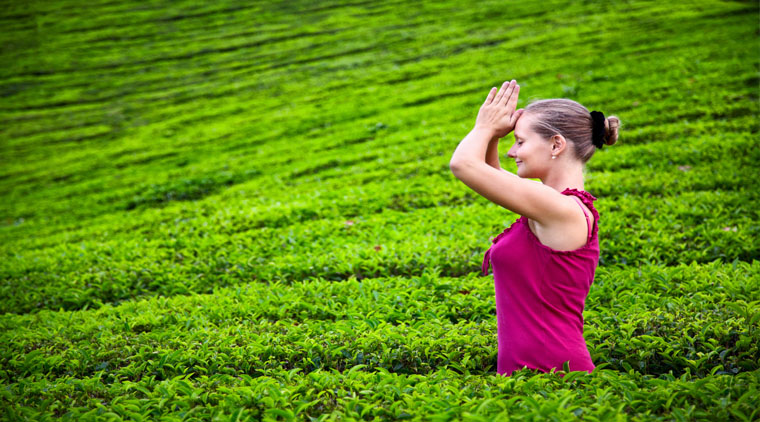 8D / 7N
Kerala Tour Package
- Sightseeing of Munnar
- Visit Periyar Wildlife Sanctuary
 6D / 5N
Kerala LTC Tour
- Visit KundalaLake and Mettupatty Dam
- Visit Padmanabha Swami Temple
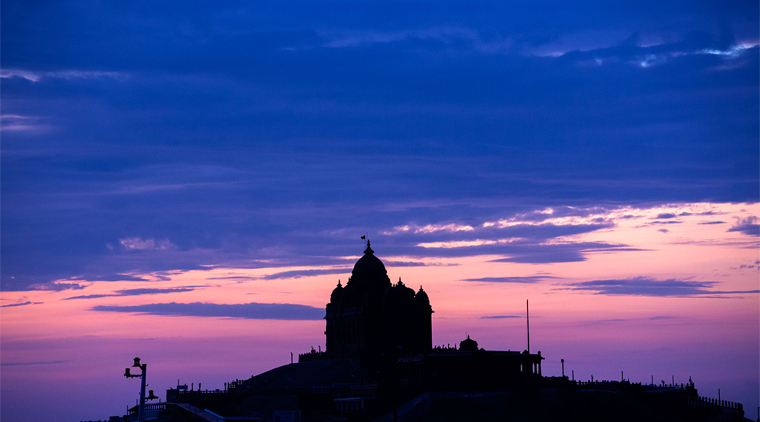 4D / 3N
Kovalam Kanyakumari Tour
- Visit Ashoka Beach & Hawa Beach
- Visit Padmanabhaswami Mandir
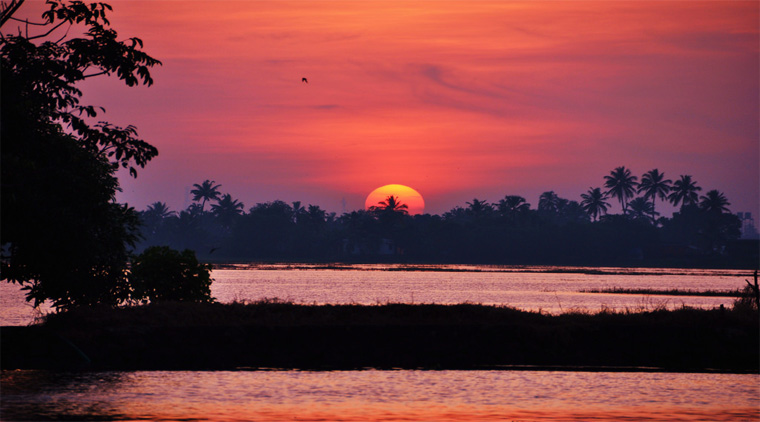 7D / 6N
Romantic Tour of Kerala
- Visit beautiful Athirapally falls.
- Visit tea gardens & plantations of Munnar. Enjoy overnight stay in a houseboat at Alleppey. Experience ayurvedic treatments at Kovalam.
 8D / 7N
Kerala Honeymoon Tour
- Visit Mattancherry Palace
- Visit Devikulam & Mattupetty Dam
 10D / 9N
Tour to Kerala
- Visit Blossom Garden and Rajamalai
- Visit Wildlife Sanctuary
 4D / 3N
Kovalam Tour Package
- Sightseeing of Kovalam
- Visit Trivandrum
 11D / 10N
Kerala Honeymoon Holidays
- Enjoy a boat safari in Periyar Tiger Reserve.
- Enjoy day trip to Kanyakumari.
 3D / 2N
Kovalam Beach Tour
- Visit Kovalam Beach
- Visit Padmanabhaswamy Temple