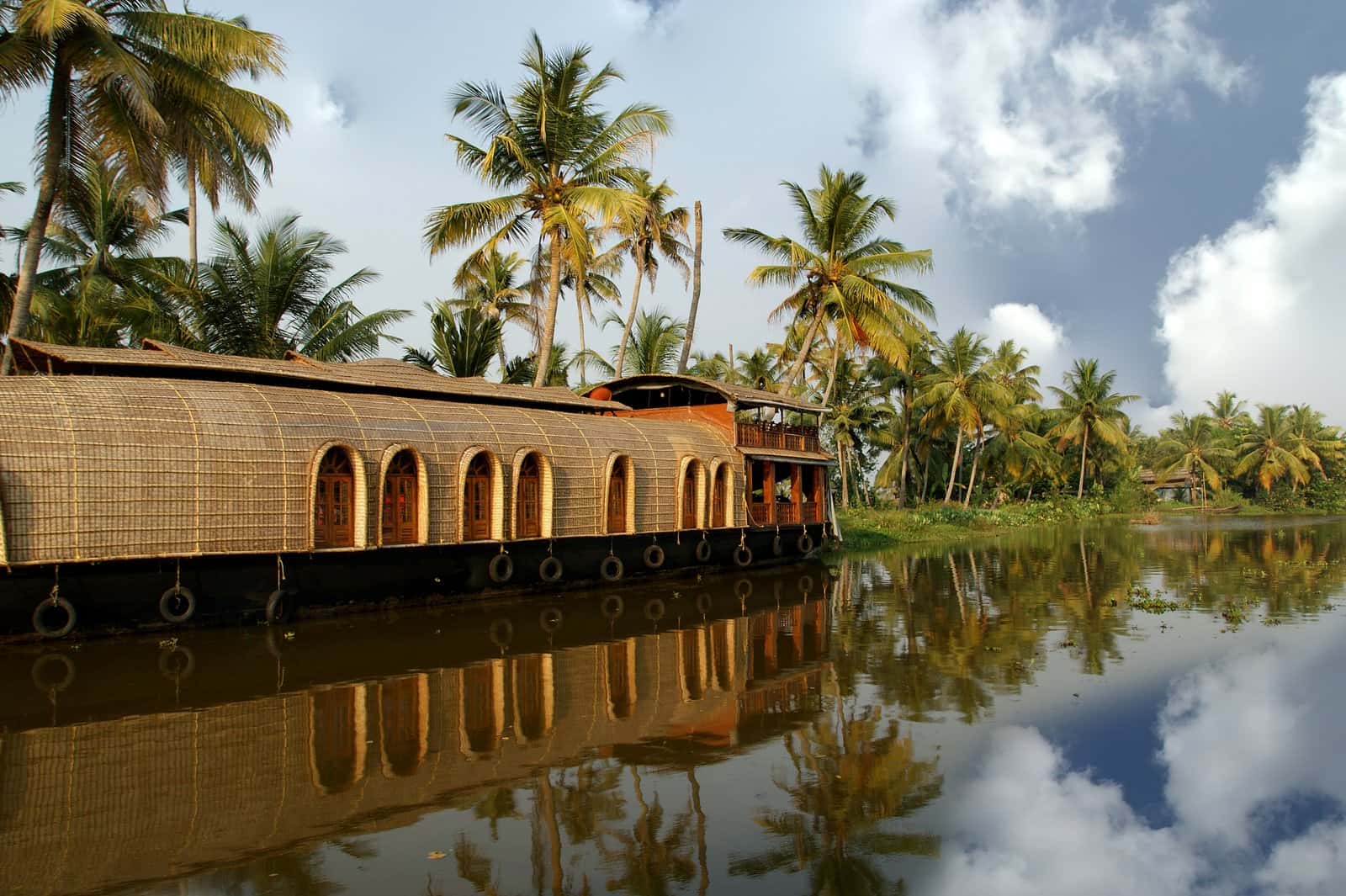
Kumarakom Travel Guide
The best months are October to March , cool and dry, which is also when the migratory birds are here. The monsoon is a different, greener, cheaper trip built around Ayurveda...
When to visit Kumarakom, and the bird season to plan around
The best months are October to March, cool and dry, which is also when the migratory birds are here. The monsoon is a different, greener, cheaper trip built around Ayurveda. Match the month to your reason for coming.
- November to February: cool, dry, and the migratory birds are inThe most comfortable season and the best for the backwaters and the bird sanctuary. The migratory visitors, the teal, pintail, flycatcher and darter, arrive from about November to February, so this is the window if the migratory spectacle matters to you. Nights are pleasant and the lake is at its calmest and prettiest.
- October and March: warm but still lovelyGood for the houseboat and the village, with thinner crowds than the December and January peak. The migratory birds are only just arriving in October and beginning to leave by late March, and the days start to turn humid by March, so do the bird walk and the cruise early.
- June to August: resident birds, and the Ayurveda monsoonKerala Tourism flags about June to August for resident bird watching, the herons, egrets and kingfishers that live here year-round. It is also the classic season for a proper Ayurveda course, lush and far cheaper, best done over several unhurried days in the rains. The backwater is rougher, mosquitoes are worse and the migratory birds have gone, so come for the calm and the treatments, not the migratory birding.
- Decide what you came for, then pick the monthIf the migratory birds are the point, come about November to February. If a quiet, green, low-cost Ayurveda escape is the point, the monsoon is wonderful. The houseboat itself is good in both, just calmer and prettier in the dry months. Both are honest choices, so choose the experience you want before you book.
There is no single best month for everyone here. The migratory-bird window (about November to February) and the Ayurveda monsoon (about June to September) are almost opposite seasons, and Kumarakom rewards either if you know which you are coming for. The one mistake to avoid is arriving in the monsoon expecting a full migratory sanctuary, or arriving in the dry months expecting low monsoon prices on a long Ayurveda course.
How to reach Kumarakom
Most people fly into Cochin and drive down, or come by train to Kottayam. You can also cross Vembanad Lake by ferry from the Alleppey side, which is a lovely way to arrive.
- By air via CochinCochin International Airport (COK) is the nearest, about 85 km and 1.5 to 2 hours by road, a pretty drive down to the lake. It is the airport with by far the widest connections, so most overseas and far-flung Indian visitors come this way. We arrange a car and driver to meet your flight.
- By train to KottayamKottayam is the nearest railway station, about 16 km away, and is well connected across Kerala and to the rest of India. From there it is a short taxi ride of around 30 to 40 minutes to Kumarakom. Chertala (Cherthala), on the Alleppey line, is another option from the coastal side.
- From Alleppey, by road or waterAlleppey is about 38 km by road, roughly an hour. Nicer still, you can cross Vembanad Lake by ferry from the Muhamma side near Alleppey, which is a calm and scenic way to arrive and a fitting start to a backwater trip.
- Combine it with the wider Kerala loopKumarakom slots neatly with Cochin, Alleppey and the hills at Munnar or Thekkady. Many travellers do one or two nights here as the calm backwater part of a longer Kerala trip, often pairing the lake with a hill station and a beach.
Fly into Cochin (often via the Gulf, Delhi or Mumbai), then drive about 1.5 to 2 hours to Kumarakom. It is the easiest, calmest start to a Kerala backwater trip, and you can be on the lake the day you land.
Cochin has many direct Gulf flights, which makes Kumarakom an easy short-haul backwater escape. Land, drive down, and be on the water the same day.
Fly to Cochin or take a train to Kottayam (about 16 km) or Chertala on the Alleppey line. Road connections from across Kerala are good, and a self-drive or hired car gives the most freedom.
The lake, the bird sanctuary, and what you actually pay
Kumarakom is Vembanad Lake, the 14-acre bird sanctuary on its shore, the island of Pathiramanal, and the green village around it. The one thing to get right is the bird season.
- Kumarakom Bird SanctuaryA 14-acre haven on the old Baker estate by the lake, established by the Kerala Tourism Development Corporation, crisscrossed by water channels, mangroves and paddy. Widely reported hours are about 6 am to 6 pm, with reported entry of around 100 rupees for an Indian adult, about 50 rupees for a child aged 5 to 12, and about 250 rupees for a foreign national. Kerala Tourism's own page does not publish the fee and advises checking the latest timings and fees, so reconfirm before you go. Come at dawn, when the birds are active and the light is soft, and a naturalist guide is worth it.
- Vembanad LakeThe largest lake in Kerala and the heart of Kumarakom, broad and calm, with open horizons rather than narrow canals. It is the setting for the houseboats, the sunset cruises and the boat trips out to Pathiramanal island.
- Pathiramanal islandA small uninhabited island in the middle of Vembanad, about 13 km from Kumarakom and reachable only by boat, rich in resident and migratory birds. There is no entry fee; the State Water Transport Department runs a two-way boat service for about 80 rupees, though most visitors hire a private boat or canoe from the Kumarakom jetty. Early morning or late afternoon is best for the birds.
- The village and the canalsBeyond the lake, Kumarakom is coir, coconut groves and quiet waterways. A canoe along the smaller canals shows you a village life that the big houseboats cannot reach, and is the gentlest way to feel the place.
Two things to check here. First, the sanctuary was reported closed for a renovation and upgrade under the Swadesh Darshan 2.0 scheme around early 2026, with no official reopening date announced at the time of writing, so confirm it is actually open before you fix your dates. Second, Kerala Tourism's official page does not publish the current entry fee or timings and explicitly advises checking the latest before you visit; the widely reported figures, about 6 am to 6 pm and roughly 100 rupees for an Indian adult, 50 rupees for a child and 250 rupees for a foreign national, are a guide, not a guarantee. If the birds are your main reason to come, reconfirm the open status, the hours and the fee with Kerala Tourism or your resort first. The lake, the houseboat, Pathiramanal and the village are unaffected, so the trip is still well worth it either way.
Kumarakom sits on open lake water and is the calmer, greener, more upmarket backwater base, with far fewer houseboats than Alleppey. If you want the busy houseboat capital with the widest choice and the narrow village canals, that is Alleppey, about 38 km away. The backwaters section below is the honest comparison.
Kumarakom or Alleppey, and choosing a houseboat
The houseboat is the reason most people come, and the first real decision is Kumarakom or Alleppey. Here is the honest difference, the no-night-cruising rule, and how to pick a good, safe, registered boat.
- Kumarakom: calm, green and premiumKumarakom cruises the open Vembanad waters and has roughly 100-plus houseboats, so the lake is far less crowded. It is quieter, more private and more upmarket, with fewer budget boats. Choose it for peace, nature and a slower pace, and for a more comfortable, less crowded backwater. Travellers on Kerala forums consistently call it the better lakeside stay.
- Alleppey: busy, varied and better valueAlleppey is the houseboat capital, with 500-plus boats, the narrow village canals and options for every budget. Choose it for choice, price and the classic close-up canal scenery. Some travellers board at Alleppey and cruise toward the Kumarakom side for a bit of both.
- The night truth: boats moor at sunsetAn overnight houseboat does not cruise through the night. By rule the boats must moor by sunset and stay put until morning, partly so that night fishing is not disturbed. So an overnight is a daytime cruise, a sunset mooring and a quiet night at anchor, not a moving night cruise. Most people love the still, starlit night; just go in knowing what it is.
- Day cruise or overnightA day cruise runs about 5 to 6 hours, often late morning to late afternoon with lunch on board, and suits a short visit. An overnight houseboat, which typically checks in around 12 noon and checks out around 9 am, with the air-conditioning usually run only at night, is the classic Kumarakom experience and worth it if you have the time.
- Book a classified, registered boatKerala Tourism grades houseboats Silver, Gold or Diamond, awarded against standards for safety equipment, crew, room size and service. Booking a classified, registered boat that appears on the Kerala Tourism list is the simple way to be sure of safety, cleanliness and an engine that meets the rules. We book only registered boats.
The lowest online price is often an unclassified boat with tired fittings or weak safety. Always confirm the Kerala Tourism classification (Silver, Gold or Diamond) and that life jackets are aboard, especially with children or older travellers. A slightly higher price for a registered boat is money well spent, and you can check the operator against the Kerala Tourism list.
Signature experiences in Kumarakom
Beyond the houseboat, these are the experiences people remember, and how to arrange them honestly.
- The bird sanctuary at dawnGo at opening, on foot along the quiet paths or by boat along the edge, with a naturalist guide who knows where the herons roost. Early morning, about November to February for the migratory birds, is when it truly sings. Carry binoculars and mosquito repellent, and reconfirm the hours and fee, since Kerala Tourism does not publish them.
- The Village Life ExperienceKumarakom was Kerala's first Responsible Tourism village, and this half-day tour, run by the Responsible Tourism Mission, costs about 1,400 rupees per person and takes you by women-poled country boat (vallom) through the canals to see coir making, palm-frond and screw-pine weaving, coconut climbing and toddy tapping, with the money going to the community. A genuine, gentle highlight that few visitors know to ask for, best arranged a little ahead by email or through us.
- A sunset cruise on VembanadEven without an overnight boat, an evening shikara or small-boat cruise on the open lake at sunset is calm and beautiful, and easy to arrange for an hour or two. It is the loveliest low-cost thing to do here.
- A boat trip to PathiramanalHire a canoe, shikara or motorboat from the Kumarakom jetty out to the uninhabited Pathiramanal island, about 13 km across the lake, a quiet birding spot with no entry fee. Early morning or late afternoon is best, and a local boatman doubles as a guide.
- A genuine Ayurveda treatmentKumarakom is a serious Ayurveda base, best in the monsoon. For a real course rather than a spa massage, choose a government-classified (Green Leaf or Olive Leaf) centre and allow several days. We can point you to genuine ones.
- Eat the karimeenThe pearl-spot fish (karimeen), grilled in banana leaf, is the local treasure, along with appam and stew, puttu with kadala curry and fresh toddy. A houseboat cook will prepare karimeen on board, which is the best way to have it.
If you do one thing slowly here, make it a sunrise or sunset on the open water, whether from a houseboat deck, a small sunset cruise or the bird sanctuary at dawn. The light on Vembanad and the stillness after the boats moor for the night are what people remember long after the trip, and the quietest, least expensive parts of it. Give the lake an unhurried morning and an unhurried evening and Kumarakom opens up in a way a two-hour dash never allows.
Where to stay in Kumarakom, and how many nights
Stay on a houseboat for a night, in a lakeside resort for comfort, or in a village homestay for value and local life. One to two nights is the sweet spot for the backwaters.
- Lakeside resorts: comfort and viewsKumarakom's signature stays are the lakeside resorts, from mid-range to luxury, with pools, Ayurveda centres and big views over Vembanad. They are calm, comfortable and easy on seniors and families, and the natural base if you want a few unhurried days rather than only a boat night.
- On a houseboat for a nightAn overnight on a registered Kettuvallam is the classic Kumarakom indulgence: cruise by day, moor at sunset, and wake on the quiet water. One night on the boat is plenty for most people; pair it with a resort or homestay night on either side.
- Village homestays: value and real lifeFor value and a genuine sense of the place, a village homestay puts you among the coir and the canals at a fraction of the resort price. Best for budget and independent travellers, and a lovely way to meet the community that the big resorts keep at arm's length.
- How many nightsOne full day with a day cruise, or one overnight on a houseboat, covers the essentials. Add a second night at a lakeside resort or homestay for the bird sanctuary at dawn, the Village Life Experience and a slower pace, or several nights if Ayurveda is the point. A two-hour dash does not do it justice.
From about December to February, and over the year-end holidays, the lakeside resorts and the better houseboats book out weeks ahead and prices rise (a one-bedroom deluxe overnight boat moves from about 10,000 rupees off-season toward about 13,500 rupees in peak season). If your dates fall in the dry-season peak, book well ahead, and reconfirm the current quote rather than relying on an old price.
Kumarakom costs and a realistic budget
Kumarakom is the more premium backwater base, but you can do it on a range of budgets. Here is what the main things cost, hedged and current, so you can plan and avoid being overcharged.
- Houseboats: the big line itemIndicatively, a one-bedroom deluxe overnight houseboat runs about 10,000 rupees off-season and about 13,500 rupees in peak season, a one-bedroom premium boat about 14,000 to 18,000 rupees, all for two people with meals included. A day cruise of about 5 hours is roughly 6,000 rupees and a longer 11 am to 5 pm cruise about 7,500 rupees. Prices rise in peak season and by boat grade, so always reconfirm the current quote.
- The fixed-price experiencesThe Responsible Tourism Village Life Experience is about 1,400 rupees per person for the half-day country-boat tour. The Pathiramanal island has no entry fee, and the State Water Transport boat is about 80 rupees return, though a private boat costs more. These modest, fixed prices are a useful anchor against the negotiable ones.
- The bird sanctuaryReported entry is around 100 rupees for an Indian adult, about 50 rupees for a child aged 5 to 12 and about 250 rupees for a foreign national, but Kerala Tourism does not publish the fee and it can change, so treat it as a guide and reconfirm. A guide and a canoe are extra and worth it for the birding.
- Cash, cards and tippingResorts, bigger restaurants and many operators take cards or UPI, but homestays, small eateries, boatmen and tips run on cash, and ATMs are back in Kottayam and the towns rather than in the village. Carry enough cash for the day, and tip the houseboat crew at the end if the service was good.
The single figure that decides a Kumarakom budget is the houseboat, which ranges from about 6,000 rupees for a short day cruise to about 18,000 rupees for a premium one-bedroom overnight in peak season. Fix the boat grade, the season and exactly what meals and air-conditioning hours are included before you pay a deposit, and the rest of the trip, the sanctuary, the village tour and the food, is small and largely fixed by comparison.
Practical logistics: money, SIM, food and getting around
The small things that make a Kumarakom day smooth, from cash and ATMs to mobile signal on the water, the local food, and how to move around a place built on canals.
- Money and ATMsATMs and bank branches are in Kottayam and the nearby towns rather than in the village core, so draw cash before you settle in. Resorts and bigger operators take cards and UPI; boatmen, homestays, small eateries and tips want cash.
- Getting around a place made of waterKumarakom is spread along the lake and the canals, so distances that look short on a map are slow by road. Auto-rickshaws and taxis cover the land hops to Kottayam and the resorts, while canoes, shikaras and the houseboat handle the water. Plan a little extra time for everything.
- SIM, signal and languageMobile coverage is generally fine in the village and along the lake for calls, maps and data, though it can drop in patches out on the open water. Malayalam is the local language, but English is widely understood in the resorts and the tourist trade, so communicating is easy.
- The food, and the waterLean into the freshwater fish, above all karimeen, with appam and stew, puttu with kadala curry, fish molee and fresh toddy. Drink bottled or filtered water, carry enough on day trips, and choose busy, well-reviewed places, as the WTI team can recommend, to keep the stomach happy.
Safety on the water, mosquitoes, and staying well
Kumarakom is gentle and welcoming, and the real safety notes are practical ones: water safety on the houseboat, mosquitoes by the lake, the monsoon, and vetting an Ayurveda centre.
- Water safety on the houseboatConfirm life jackets are aboard and easy to reach, especially with children or older travellers and non-swimmers, and keep a close eye on small children on the open deck. Book a classified, registered boat for a sound engine and trained crew. The boats moor at sunset, and a sensible note from experienced travellers is to make sure your boat anchors where there are other people around rather than in a deserted spot.
- Mosquitoes by the waterEvenings by the backwater mean mosquitoes, worse in and just after the monsoon. Carry repellent, cover up at dusk, and on a houseboat use the nets and screens and run the fan or air-conditioning at night. It makes the night far more comfortable and is worth taking seriously through the rains.
- The monsoon, and the rougher waterFrom about June to September the backwater is rougher and the rain heavy. Boats still run and the Ayurveda season is at its best, but if you are prone to seasickness or travelling with very young or frail companions, weigh a calmer dry-season cruise. Pack rain gear and expect some plans to bend around the weather.
- Choose Ayurveda with careAyurveda is a real draw here, but quality varies. For a genuine therapeutic course rather than a hotel spa massage, choose a government-classified Green Leaf or Olive Leaf centre, allow several days, and tell the physician about any medication or condition first. We can steer you to a reputable one.
Kumarakom is a quiet, fairly traditional Kerala village. Dress modestly away from the resort, keep public affection low-key, and, as the WTI tour desk advises across Kerala, avoid wandering remote lanes or anchoring in deserted spots late at night. There is no significant crime worry, and solo and women travellers generally find it easy and relaxed; the main practical cares are the water, the mosquitoes and the heat, not safety.
Kumarakom for every kind of traveller, and on access
It rewards very different visitors in different ways. Here is what it offers you, and the one tip that matters for each, including how a senior visits comfortably.
- Honeymooners and couplesOne of India's most romantic escapes: a private overnight houseboat, a lakeside resort and a sunset cruise. Quieter and more upmarket than Alleppey, which is exactly why couples love it. An overnight on the boat plus a resort night is the classic pairing.
- Families with childrenEasy and gentle, with the bird sanctuary, the canoe rides and the houseboat all child-friendly. Insist on life jackets, watch little ones on the open deck, and a day cruise can suit small children better than a full overnight.
- Senior travellers and on accessVery comfortable with a little planning. The open lake is calm, the pace is slow, and a good registered houseboat or a lakeside resort is easy on everyone. Ask in advance about easy boarding from the jetty, since steps and gangplanks vary, choose a ground-level or lift-served resort room, and the monsoon Ayurveda season suits a restful, healthful trip.
- BirdwatchersCome about November to February for the migratory birds, go at dawn, take a naturalist guide and a canoe, and add a boat to Pathiramanal island. Outside that window, enjoy the resident herons, egrets and kingfishers and the lake instead.
- PhotographersSunrise mist on Vembanad, the country boats in the canals, the bird sanctuary at dawn and the sunset from the deck are the shots. The open water gives big, clean skies that Alleppey's canals do not. Ask before photographing villagers at work on the Village Life tour.
- Budget travellersStay in a village homestay rather than a premium boat, do a shared day cruise or a canoe trip, take the Village Life Experience and eat at local toddy shops and eateries. You get the real Kumarakom for far less, and Alleppey nearby is cheaper for an overnight boat.
A suggested Kumarakom itinerary
How to shape one or two unhurried days so you catch the lake at its best light, the birds at dawn, and the houseboat without rushing.
- Day one: the houseboatBoard a registered houseboat around noon, cruise the open Vembanad waters through the afternoon with lunch on board, watch the sunset as the boat moors for the night, and have karimeen cooked fresh on deck. Settle in for a quiet, starlit night at anchor.
- Day two, morning: birds and villageCheck out around 9 am, then, in the migratory season, go early to the bird sanctuary or take a canoe out to Pathiramanal while the birds are active and the light is soft. Reconfirm the sanctuary's hours and fee, since they are not officially published.
- Day two, afternoon: the Village Life ExperienceTake the half-day Responsible Tourism Village Life Experience by country boat, about 1,400 rupees per person, to see coir, weaving and toddy tapping, then unwind at a lakeside resort or start an Ayurveda treatment if you are staying longer.
- The one-night versionShort on time, do a single overnight houseboat (board around noon, off by about 9 am), which captures the heart of Kumarakom. Even a day cruise of 5 to 6 hours is far better than a two-hour dash, which misses the light at either end of the day.
The thing that surprises first-timers is that the houseboat moors at sunset and does not move again until morning, by rule, so the famous backwater cruising all happens in daylight. Build your day so the cruising and the scenery fall in the afternoon and the sunset, treat the night as a still, peaceful anchor rather than a moving cruise, and you will get exactly what the backwaters do best instead of waiting for a night cruise that never comes.
The real questions travellers ask about Kumarakom
Straight answers to the questions that come up again and again on traveller forums, so you arrive already knowing the score.
- Kumarakom or Alleppey for the houseboat?Kumarakom for calm, green, premium and far fewer boats (about 100-plus against Alleppey's 500-plus); Alleppey for choice, value and the narrow village canals. For a peaceful, upmarket lake stay most travellers and forum regulars pick Kumarakom; for the widest, cheapest range of boats, Alleppey.
- Day cruise or overnight?An overnight is the classic experience and the better way to feel the backwaters, with the night at anchor and dinner on deck. A day cruise of 5 to 6 hours is enough if you are short on time or travelling with very young children. Remember either way the boat does not cruise at night.
- When are the migratory birds actually here?About November to February. Resident herons, egrets and kingfishers are around much of the year (Kerala Tourism flags June to August for them), but the migratory teal, pintail and darter come in winter, so time a birding trip for November to February.
- How much is the bird sanctuary, and is it open?Reported entry is around 100 rupees for an Indian adult, about 50 for a child and about 250 for a foreign national, with hours of roughly 6 am to 6 pm, but Kerala Tourism does not publish these and advises checking the latest. The bigger thing to check is open status: the sanctuary was reported closed for a Swadesh Darshan 2.0 renovation around early 2026 with no official reopening date, so confirm it is actually open, then the fee and hours, before you build a morning around it. The lake, houseboat and village do not depend on it.
- How do I get from Cochin or Kottayam?Cochin airport is about 85 km, 1.5 to 2 hours by road; Kottayam railway station is about 16 km, around 30 to 40 minutes. From Alleppey it is about 38 km by road, or a scenic ferry across Vembanad from the Muhamma side.
- How do I know my houseboat is safe?Book a boat with a Kerala Tourism classification (Silver, Gold or Diamond) that appears on the official registered list, confirm life jackets are aboard, and avoid the rock-bottom online price, which is usually an unlicensed boat. We book only registered, classified boats.
Planning Kumarakom from abroad
Kumarakom is the easy, calm, comfortable half of the Kerala backwater bucket-list, a short drive from an airport with plenty of direct flights. A little planning makes the houseboat, the birds and the Ayurveda effortless.
- Fly into CochinCochin (COK) has many direct flights from the Gulf and good connections from Europe, the UK and the US via Gulf or metro hubs. Kumarakom is about 85 km and 1.5 to 2 hours by road, so you can be on the lake the day you land. We arrange a car and driver to meet the flight.
- The calm, premium backwaterFor a first Kerala trip, Kumarakom is the low-stress, upmarket choice: open water, quiet resorts and registered houseboats. Pair it with Cochin, Munnar and a beach for a rounded loop, and know that the overnight boat moors at sunset, so the night is a peaceful anchor, not a moving cruise.
- Ayurveda done properlyKumarakom is one of the best places for a genuine Ayurveda course, ideally in the monsoon over several days. Choose a government-classified Green Leaf or Olive Leaf centre rather than a hotel spa, allow real time for it, and we will steer you to a reputable one.
- Gentle and senior-friendlyThe calm lake, the slow pace and a good registered houseboat or lakeside resort make Kumarakom comfortable for parents and grandparents. Ask for easy boarding and life jackets, choose a ground-level room, and keep mosquito repellent to hand for the evenings.
Money, connectivity and timing for foreign visitors
The practical basics an overseas traveller needs for a backwater village: cash, cards, a SIM, and how many days to give Kumarakom on a wider Kerala or India trip.
- Carry cash, but cards work at resortsResorts, classified houseboat operators and bigger restaurants take cards and UPI, but homestays, boatmen, small eateries and tips run on cash, and ATMs sit in Kottayam and the towns rather than the village. Draw cash before you settle in and keep small notes for boatmen and tips.
- Get a SIM at the airportPick up an Indian tourist SIM or an eSIM when you land in Cochin rather than hunting for one in the village. Coverage in Kumarakom is generally fine for maps, calls and booking, though it can drop in patches out on the open lake.
- How long to give it on a bigger tripOn a first Kerala trip, one to two nights in Kumarakom is the right weight: an overnight houseboat or a day cruise plus a resort night, set between Cochin, the hills at Munnar or Thekkady and a beach. Add several nights only if Ayurveda is a main aim.
- Time it to your comfortOctober to March is the comfortable window and the migratory-bird season; the monsoon, June to September, is greener, cheaper and best for a long Ayurveda course but rougher on the water and worse for mosquitoes. Pick the season for what you want most.
Kumarakom is an unusually gentle introduction to India: calm open water, quiet resorts, a slow pace and an easy drive from a well-connected airport. Slot it after Cochin, give it a night or two, and let the houseboat and the lake be the restful, soulful chapter between the city, the hills and the coast. Many overseas visitors say the still night at anchor on Vembanad is the part of Kerala they remember most warmly.
How the rice barge became the houseboat
The Kumarakom houseboat is a Kettuvallam, literally a tied boat, named for the way its long hull of jackwood planks is bound together with coir rope and sealed with black resin, traditionally without a single nail. For generations these barges, some over 60 feet long, carried rice and spices down the Vembanad backwaters between the paddy of Kuttanad and the markets of the coast, the slow lorries of a land where the roads were water. As trucks and roads took over the cargo in the twentieth century, the old craft fell idle, until Kerala's tourism revival reimagined them as floating cottages: the same coir-bound hull and arched palm-thatch roof, now with bedrooms, a deck and a cook who grills karimeen as you drift. The boats you cruise today are that working heritage given a second life, which is why a Kumarakom houseboat feels less like a hotel afloat and more like a piece of the backwater's own past. The craft and its coir-and-resin construction are well documented in Kerala Tourism material; specific dates and the earliest tourist conversions are retold variously and are not tied to a single reliable source, so treat the timeline as tradition rather than fixed record.
Planning a Kumarakom trip?
Our Kerala travel experts plan your full journey for you: route, hotels, darshan timings and transport. You get a free day-by-day plan and an exact quote on WhatsApp, usually within a few hours. No payment is needed to get your plan.
Tour packages that visit Kumarakom
Every journey below is private, hand-crafted and fully customizable. Tell us your dates and we tailor the itinerary, the pace and the priests or guides around you.
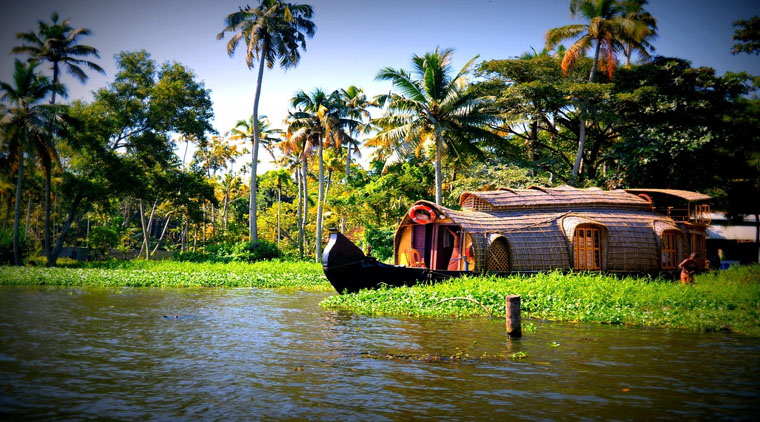 9D / 8N
Kerala Trip Honeymoon Package
- Visit Varkala Beach
- Visit Janardhana Temple
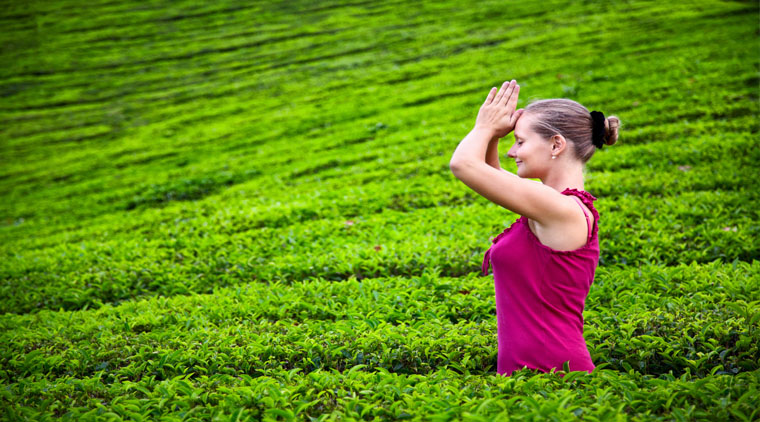 8D / 7N
Kerala Tour Package
- Sightseeing of Munnar
- Visit Periyar Wildlife Sanctuary
Kerala Honeymoon Tour Packages
- Two nights in Munnar, so you get one full unhurried day in the tea hills
- Dawn boat cruise on Periyar Lake, the slot with the best wildlife odds
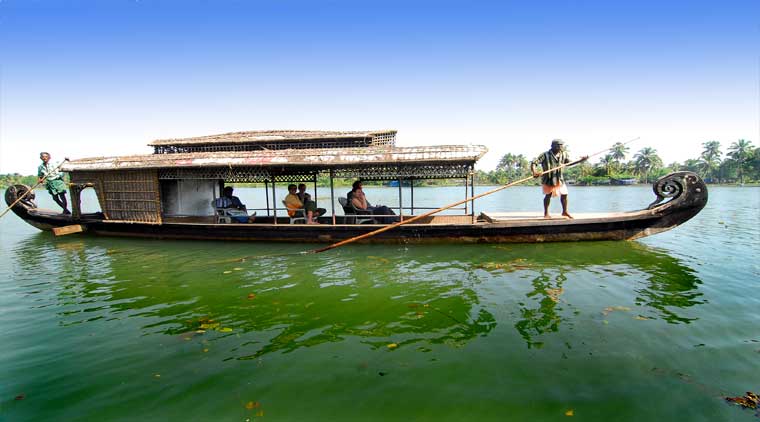 3D / 2N
Kumarakom Lake Resort Package
- Visit Kumarakom
- Bird Sanctuary
 8D / 7N
Kerala Honeymoon Tour
- Visit Mattancherry Palace
- Visit Devikulam & Mattupetty Dam
 10D / 9N
Tour to Kerala
- Visit Blossom Garden and Rajamalai
- Visit Wildlife Sanctuary
 14D / 13N
South India Wildlife Tour Package
- Mysore Palace
- Nagarhole National Park
 6D / 5N
Kerala Beach Tour
 6D / 5N
Kerala Wildlife Tour
- Visit Chinese Fishing Nets
- Visit Spice Plantations