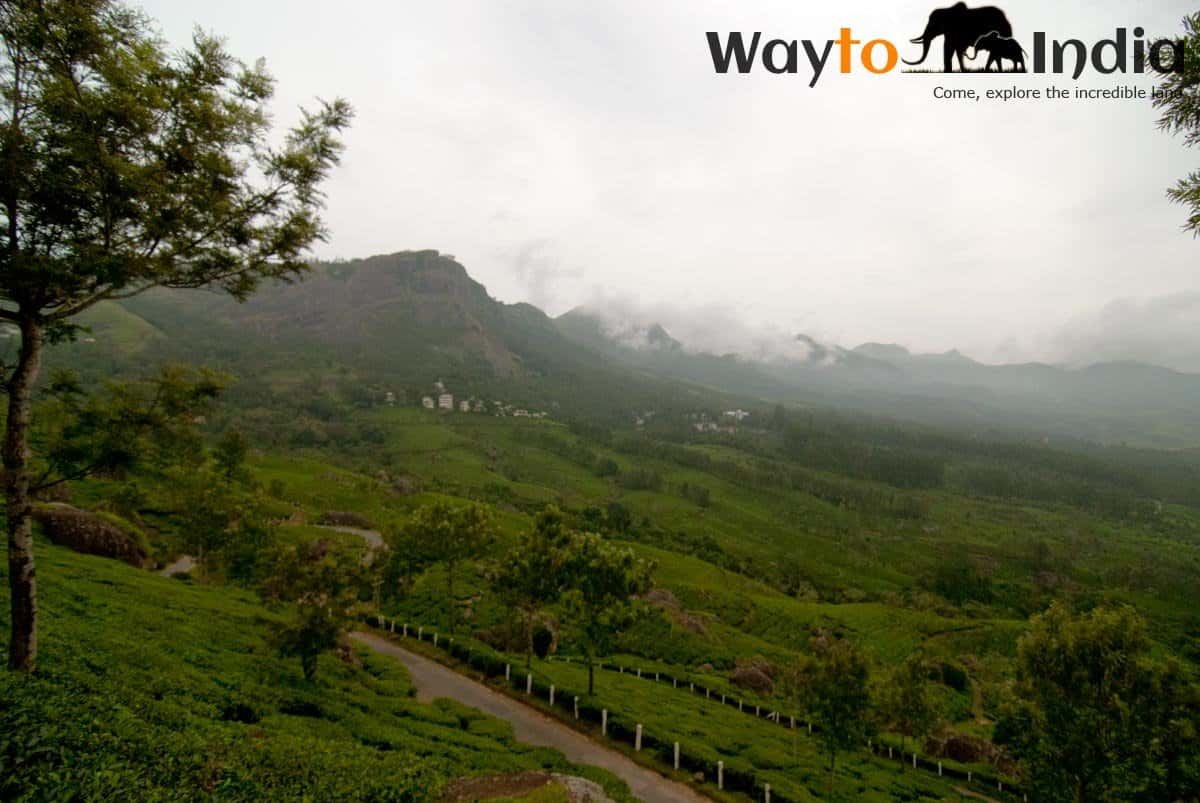
Lakkidi Travel Guide
The comfortable window is about October to May , cool and misty at the top of the ghat. The monsoon from about June to September is when Lakkidi is greenest and wettest, one of...
When to visit Lakkidi, and the rain to plan around
The comfortable window is about October to May, cool and misty at the top of the ghat. The monsoon from about June to September is when Lakkidi is greenest and wettest, one of the highest-rainfall spots in Wayanad, so most travellers come in the dry season.
- October to February: cool, misty and clearThe loveliest time at the top of the ghat, cool by day and genuinely cold at night, with the valley often clear in the early morning before the mist gathers. This is the best window for the Lakkidi Viewpoint, the Chain Tree and a plantation stay, and the drive up is at its most pleasant. Carry a warm layer, as Lakkidi is reckoned the coldest place in Wayanad.
- March to May: warm below, mild on topThe plains heat up, but the hamlet at 700 metres stays mild and green, a cool escape from the coast. Early mornings are best for the view before the day hazes over, and the plantations are quiet. This is a good, settled time to enjoy Lakkidi as a gateway into a wider Wayanad trip.
- June to September: green, wet and dramaticLakkidi in the monsoon is at its most beautiful and its wettest, drenched in mist with the ghat streaming and green, but heavy rain slows the drive, fog can swallow the viewpoint, leeches come out on the trails, and landslide risk in the Western Ghats is real. It suits the flexible traveller who has come for the rain and the green, not the tick-list visitor.
- Decide your trade-off firstIf you want clear views, easy driving and a settled plan, come in the dry season from about October to May. If you want the drama of the monsoon and can accept fog, rain and the odd closure, the wet months reward you, but build slack into your days and watch the local weather honestly.
Lakkidi sits right where the monsoon winds first hit the Western Ghats wall, so it catches among the highest rainfall in Wayanad, in excess of about 3,000 mm a year per the Kerala district survey report, which is why locals nickname it the Cherrapunji of Kerala. The rains run roughly from about May to December, and mist and fog are part of daily life for much of the year. It is also the coldest corner of Wayanad, so whatever the season, pack a warm layer and a light rain shell, and treat a clear valley view as a lucky morning rather than a certainty.
How to reach Lakkidi and the nine-hairpin ghat
Lakkidi has no airport or railway of its own. Almost everyone climbs up from Calicut over the Thamarassery ghat and its nine hairpin bends, or comes across from Mysuru and Bangalore through Bandipur.
- Via Calicut (Kozhikode), the usual gatewayCalicut airport, code CCJ at Karipur, is about 60 to 75 km away and the Kozhikode railway station about 55 to 60 km, both roughly 2 to 2.5 hours by road. The drive climbs the Thamarassery ghat and tops out right at Lakkidi, so this is the doorway most travellers use, and it is easy to pick up a car for the hills from either the airport or the station.
- The nine-hairpin ghat, honestlyFrom Adivaram at the foot of the hill, the road bends through nine hairpin curves over about 14 km up to the Lakkidi Viewpoint on National Highway 766. It is a proper, steep hill climb with plantations and gorges falling away on both sides, and monkeys along the roadside. It is not dangerous in good conditions, but it can be slow behind trucks and buses and slippery and fog-bound in the rain, so a steady driver and an unhurried start make it a pleasure.
- From Mysuru and BangaloreComing from Karnataka, you cross the plateau from the eastern side rather than the ghat: Mysuru is roughly 2.5 to 3 hours to the Wayanad towns and Bangalore a long 6 to 7.5 hours, both through the Bandipur forest. Remember the NH766 night traffic ban on the Bandipur forest stretch, so time that leg for daylight, then work west across Wayanad to reach Lakkidi.
- No flights or trains to Lakkidi itselfThere is nothing to fly or train into at Lakkidi; the last leg is always by road up the ghat. If you are arriving by air or rail at Calicut, arrange your onward car in advance so you reach the hairpin bends with a driver who knows them rather than hunting for transport at the station.
Fly into Kochi (Cochin) or a hub such as Bengaluru, then connect to Calicut and drive up the Thamarassery ghat to Lakkidi, or build it into a wider Kerala loop. Lakkidi has no international flights of its own.
Calicut has good direct connections from the Gulf, so fly into Calicut (CCJ) and drive about 2 to 2.5 hours up the ghat. It is the most direct way in for many overseas Malayali families heading to Wayanad.
Fly or train to Calicut and drive up the nine-hairpin ghat, or come overland from Mysuru or Bangalore through Bandipur, remembering the NH766 night ban on the forest stretch.
Lakkidi Viewpoint, the Chain Tree, and Pookode Lake
Lakkidi's own sights are few and close together: the viewpoint where the ghat tops out, the Chain Tree beside the road, and Pookode Lake a short drive away. The rest of Wayanad is a drive across the plateau.
- Lakkidi View PointRight where the ghat crests, this free roadside vantage point looks back over the hairpin bends, the cliffs and the valley below. It is the classic Lakkidi photo stop and it is at its best in the early morning, before the mist gathers and closes the view. There is a mile-long viewing side-walk nearby for a gentle stroll with the valley on one side.
- The Chain TreeAbout 1 km below the viewpoint, on the left as you drive down toward Vythiri, an old ficus tree stands wrapped in a heavy iron chain, with a small shrine and usually monkeys around. It is free to see and takes only a few minutes, but the Karinthandan legend behind it, told in the keepsake below, is what makes it worth the stop.
- Pookode LakeAbout 3 km from Lakkidi near Vythiri, this small natural freshwater lake ringed by forest is the easy, gentle family stop. Entry is about 40 rupees for an adult, it is open roughly 9 am to 6 pm, and boating runs from about 300 rupees for a two-seat pedal boat up to about 700 rupees for a seven-seat row boat. It suits everyone, including seniors and small children.
- The plantations and the mistThe coffee, pepper and cardamom plantations around Lakkidi and Vythiri, wrapped in mist and birdsong, are a sight in themselves. A slow walk on a plantation trail, a cup of estate coffee and the cool air are as much the point of Lakkidi as any single landmark, and they are free if you are staying on an estate.
Be clear before you plan: Lakkidi itself is the viewpoint, the Chain Tree, the nine-hairpin drive, the mist and the plantations, with Pookode Lake 3 km off. The bigger Wayanad names, the Edakkal Caves, the Chembra Peak trek, Banasura Sagar Dam, the wildlife safari and the waterfalls, are all a drive away across the plateau, roughly 20 minutes to well over an hour. That is not a criticism of Lakkidi, it is how the hamlet works: a beautiful doorway and first night, with the rest of Wayanad as day trips from here or from a more central base.
The ghat drive, the mist, and the signature experiences
The experiences people remember at Lakkidi are the drive, the light and the quiet: the nine-hairpin climb, the viewpoint at dawn, the Chain Tree stop, a plantation morning, and gentle Pookode Lake.
- Drive the nine-hairpin ghat, slowlyThe climb from Adivaram through nine hairpin bends up to Lakkidi is the signature Lakkidi experience. Take it slowly, stop where it is safe to look back at the bends stacking up below, and let the plantations and gorges unfold. In the dry season it is a joy; in the rain it is dramatic but slippery, so leave the driving to someone steady and keep your camera for the stops.
- Catch the viewpoint at first lightLakkidi Viewpoint is a different place at dawn, when the valley is often clear and the mist has not yet risen. Get there early with a warm layer and a coffee, watch the light come up over the ghat, and you will see why this is the classic gateway stop. By mid-morning the fog often closes in, so the early start is the whole trick.
- Stop at the Chain TreeA few minutes below the viewpoint, the chained ficus tree and its shrine are worth pausing for, both for the eerie sight and for the Karinthandan legend that gives the pass its soul. Read the story first, keep an eye on the roadside monkeys, and treat the shrine with respect, as local people do.
- A plantation or treehouse morningLakkidi and Vythiri are treehouse and plantation country, so give a slow morning to the experience itself: a walk among the coffee and pepper, the birds in the mist, and a cup of estate coffee on a misty verandah. If you have come a long way for the green, this unhurried plantation time is worth more than racing off to distant sights.
- Gentle boating at Pookode LakeA short drive away, Pookode Lake offers easy pedal and row boating on a forest-ringed lake, a relaxed hour that suits families and older travellers. Entry is about 40 rupees for an adult and boats run from about 300 rupees, so it is a cheap, low-effort outing that pairs well with a plantation morning.
- Birdwatching in the mistThe forests and plantations around Lakkidi and Pookode are rich in birds, and the cool, misty mornings are the best time to look and listen. Bring binoculars, walk quietly on the estate trails or the viewing side-walk, and you may spot cormorants and herons at Pookode and forest birds along the ghat.
If you do only one thing slowly at Lakkidi, make it the drive and the dawn view. The nine hairpins and the first light over the valley are what people remember long after any single landmark, and both reward an early, unhurried start. Give yourself a slow morning at the top of the ghat before the mist rises and the trucks build, and Lakkidi opens up in a way a quick photo stop never allows.
Where to stay in Lakkidi and Vythiri, and how long
Stay in Lakkidi or neighbouring Vythiri for the misty treehouse-and-plantation country, or base more centrally in Kalpetta to cover the whole district. One or two nights at Lakkidi is the sweet spot as a gateway.
- Lakkidi and Vythiri: the treehouse heartlandThis misty, forested stretch at the top of the ghat is where the famous treehouse resorts and plantation stays cluster, near Pookode Lake and the viewpoint. It is the natural choice for couples, honeymooners and anyone who has come for the atmosphere, though it is a little further from the eastern Wayanad sights around Sulthan Bathery.
- Kalpetta: central and convenientAbout 15 km on, the district headquarters sits roughly in the middle of Wayanad, within easier reach of Banasura Sagar, Chembra, the waterfalls and the safari, with the widest choice of everyday hotels and services. If you want to cover the whole district without long daily drives, base here and treat Lakkidi as a first stop on the way in.
- How many nightsLakkidi itself is a one-night or two-night gateway: enough for the viewpoint at dawn, the Chain Tree, a plantation morning and Pookode Lake. If you want to see the wider Wayanad names, give the district two to three nights in total and either stay on at Lakkidi and day-trip, or move to a central base like Kalpetta after your gateway night.
- Room budgetsBudget homestays run from about 1,500 to 3,000 rupees, mid-range resorts about 3,500 to 8,000 rupees, and premium treehouse or plantation resorts about 8,000 to 25,000 rupees a night, higher on weekends and holidays. The good treehouses are genuinely limited, so book them first if that is why you are coming.
The premium treehouses around Lakkidi and Vythiri are special and genuinely limited, so the best ones sell out on weekends and through the dry season well ahead. If a treehouse night is the reason you are coming, book it first and plan the rest of the trip around it. If it is a nice-to-have, a plantation homestay or a mid-range resort with a forest view gives much of the same misty feel at a gentler price, and you spend most of daylight out at the sights anyway.
Lakkidi costs and a realistic daily budget
Lakkidi is gentle on the wallet for sights but the two costs that add up are the stay and the vehicle. Here is what the main things cost so you can plan and avoid being overcharged.
- A rough daily budgetExcluding your room, plan on about 1,500 to 2,500 rupees a day as a backpacker, about 3,500 to 6,000 rupees mid-range, and about 8,000 rupees and up for a comfortable day with a private vehicle, entries and activities. The sights themselves are cheap or free, so transport and accommodation are where the money goes.
- The fixed, cheap sightsLakkidi Viewpoint and the Chain Tree are free, and Pookode Lake is about 40 rupees for an adult with boating from about 300 rupees up to about 700 rupees. These posted fees are not negotiable, which makes them a useful anchor against the stale or vague prices many blogs copy.
- Transport is the real costBecause the sights are spread along the ghat and across the plateau, budget for a vehicle: self-drive runs about 2,500 to 4,000 rupees a day and a car with a driver about 3,500 to 5,500 rupees a day. A driver is the easier choice on the hairpin bends and in the fog, and it frees you to enjoy the views.
- Cash, cards and UPIResorts and bigger places take cards or UPI, but small eateries, plantation stalls and the Pookode counter run on cash, and ATMs are in Vythiri and Kalpetta rather than in tiny Lakkidi. Carry enough cash for the day, as signal and card machines can be patchy in the hills.
At Lakkidi the single line that moves your budget most is transport, not entries. The viewpoint and the Chain Tree are free and Pookode costs only about 40 rupees, but you cannot reach the resorts and the wider Wayanad sights on foot or by reliable bus, so whether you self-drive at about 2,500 to 4,000 rupees a day or hire a car and driver at about 3,500 to 5,500 rupees a day sets the floor of your spending. Decide that first, and the rest of a Lakkidi budget falls into place.
Practical logistics: driving the fog, signal, food and the basics
The small things that make a Lakkidi stay smooth, from driving the ghat in fog to fuel, signal, food, and the fact that the hamlet has no real market of its own.
- Plan around a vehicle and the fogHighway buses pass through, but the resorts, the viewpoint, the Chain Tree and Pookode are spread out, so arrange a self-drive or a car with a driver. On the ghat, fog can drop visibility fast, especially in the afternoon and the monsoon, so drive slowly, use headlights, and plan the viewpoint and any long drive for the clearer early hours.
- Fuel, ATMs and supplies in VythiriLakkidi is a hamlet, not a town, so fuel up, draw cash and buy any supplies in Vythiri, about 5 km on, or in Kalpetta, rather than expecting a market at Lakkidi. Stock what you need before you settle into a plantation stay, as the nearest shops are a short drive away.
- Signal and offline mapsMobile coverage is generally fine along the highway and in Vythiri but can drop on plantation trails and in the deeper forest, so download offline maps before you set out and tell your stay where you are going if you plan a walk. Do not rely on tapping a phone for payments everywhere in the hills.
- Food, dress and the coldFood around Lakkidi is hearty Malabar and plantation fare at the resorts and small eateries, with good vegetarian and non-vegetarian options. Dress for the cool and the mist with a warm layer and a light rain shell whatever the season, wear grip shoes for damp trails, and dress modestly if you visit any temple or shrine, including at the Chain Tree.
Safety, the fog and ghat, leeches and the monsoon
Lakkidi is a gentle, friendly hamlet, and the things to be aware of are natural rather than human: the foggy ghat road, leeches on wet trails, and monsoon landslide risk in the Western Ghats.
- The ghat road and the fogThe nine-hairpin Thamarassery ghat is safe in good conditions but demands respect: it is steep and winding, trucks and buses share it, and fog can cut visibility quickly, especially in the afternoon and the rains. Travel the ghat in daylight, keep your speed down, use headlights in mist, and leave the driving to a steady, experienced driver rather than pushing it yourself on an unfamiliar hill road.
- Leeches on wet trailsOn plantation and forest walks around Lakkidi during and after the monsoon, roughly June to November, leeches are a real, well-known nuisance. Wear leech socks or tuck trousers into socks, rub salt on shoes and ankles, and use salt, Dettol or soap to make any that attach drop off rather than pulling them. They are harmless, just unpleasant, and the bite can bleed a while.
- Monsoon and landslide cautionThe Western Ghats above Lakkidi carry genuine landslide risk in heavy rain, as the tragic 2024 Wayanad landslides in the Mundakkai and Chooralmala area of Meppadi showed, when extreme rain killed more than 400 people in one of the deadliest landslides in India's history; that area lies well apart from Lakkidi and the ghat, but the lesson holds. If you come in the rains, follow weather advisories, avoid steep hill roads during downpours, choose a stay that is not below a raw slope, and treat road closures as sensible caution.
- Ordinary hill and forest careDrink bottled or filtered water, take care with footing on damp paths, carry warm and rain layers, and do not wander off marked trails or approach the roadside monkeys, which can snatch food and bags. Keep a small first-aid kit, and remember that signal drops on the trails, so let your stay know your plans before a walk.
Lakkidi is relaxed and friendly for solo travellers and families alike, with little of the tout pressure of busier tourist towns, so the real safety planning here is about roads and weather rather than people. Travel the ghat in daylight, build flexible days in the monsoon, keep small children away from the roadside monkeys and the unfenced viewpoint edge, and you have one of the gentler, greener corners of Kerala to enjoy.
Lakkidi for every kind of traveller, and on access
Lakkidi suits very different visitors in different ways. Here is what it offers you and the one tip that matters for each, including how an older traveller or a family enjoys it comfortably.
- Couples and honeymoonersThis is Lakkidi's sweet spot: mist, forest, quiet, and the treehouse and plantation stays that Vythiri is famous for. Give yourself a slow morning at the viewpoint and an unhurried plantation evening rather than racing the sights, and book the special stay well ahead, as the best rooms fill on weekends.
- Families with childrenEasy and green, with the gentle Pookode Lake boating, plantation walks and a treehouse night children love. Keep little ones away from the roadside monkeys and the unfenced viewpoint edge, and lean on Pookode and the estate rather than long drives to distant sights on a short trip.
- Senior travellers and on accessibilityVery doable if you choose the gentle options. The Lakkidi Viewpoint, the Chain Tree and Pookode Lake involve little walking, so they suit older travellers well, while the distant treks like Chembra are steep and best skipped. Stay on a plantation to keep things restful, take the ghat road slowly, and pack warm for the cold and mist.
- PhotographersThe nine hairpins, the dawn light over the valley from the viewpoint, the mist in the plantations and the eerie Chain Tree are the shots. Go at first light before the fog rises, carry a rain cover for your gear in the monsoon, and ask before photographing people at the shrine or on the estates.
- Birdwatchers and nature loversThe forests and plantations around Lakkidi and Pookode are rich in birds and cool, misty calm. Walk quietly on the estate trails and the viewing side-walk in the early morning, bring binoculars, and you may spot herons and cormorants at the lake and forest birds along the ghat.
- Solo travellersRelaxed, friendly and low-pressure, with little tout friction. The main planning is logistical, since you will want a vehicle, so consider a car with a driver for the ghat, travel in daylight, and tell your stay your walking plans given the patchy trail signal.
A suggested Lakkidi itinerary, as your Wayanad gateway
How to shape a gateway night or two at Lakkidi so you catch the drive, the dawn view and the gentle sights, then open out into the wider Wayanad plateau.
- Arrival: drive up the ghatTime your climb from Calicut for daylight and clear weather, stop at safe points on the nine hairpins to look back, and reach Lakkidi in the afternoon. Settle into your plantation or treehouse stay, walk the estate as the mist gathers, and keep the big view for the next morning when the valley is more likely to be clear.
- Day one, early morningStart at first light at Lakkidi Viewpoint before the fog rises, then drop down to the Chain Tree a kilometre below to see the chained ficus and hear the Karinthandan legend. Breakfast on the estate, then take the short drive to Pookode Lake for a gentle boat and a forest walk.
- Then open out into WayanadWith the gateway sights done, use Lakkidi or a central base to reach the wider Wayanad names as day trips: the Edakkal Caves and the eastern sights, the Chembra trek or the wildlife safari, and Banasura Sagar Dam and the waterfalls. Pick one big effort per day and pair it with something gentle so no day becomes a march.
- The one-night gateway versionIf Lakkidi is only a stop on a longer Kerala trip, give it one night: arrive over the ghat, do the viewpoint at dawn, the Chain Tree and Pookode in the morning, and drive on. You will have tasted the misty gateway even if you do not see the whole district.
The single thing that breaks a tight Lakkidi plan is arriving at the viewpoint or driving the ghat when the fog has closed in, which it often does by mid-morning and through the monsoon afternoons. Build your day so the viewpoint and any long drive fall in the clear early hours, keep the misty middle of the day for a plantation walk or a rest, and you will not stand at a white-out viewpoint wondering where the valley went.
The real questions travellers ask about Lakkidi
Straight answers to the questions that come up again and again on traveller forums, so you arrive already knowing the score on the stay, the drive, the fog and the legend.
- Is Lakkidi worth a stay, or just a photo stop?Both are valid. If you want the misty treehouse-and-plantation experience and a dawn view, one or two nights at Lakkidi is lovely. If you are on a tight Kerala loop, an hour at the viewpoint, the Chain Tree and Pookode on your way into Wayanad is enough to taste the gateway before you push on.
- How many hairpin bends, and is the road scary?There are nine hairpin bends on the Thamarassery ghat, over about 14 km from Adivaram to the Lakkidi Viewpoint. It is not dangerous in good conditions, just a proper steep hill road that is slow behind trucks and slippery in fog and rain. Travel it in daylight with a steady driver and it is a pleasure rather than a strain.
- Where is the Chain Tree, and is the story true?It stands beside the road about 1 km below the viewpoint, on the left as you head down to Vythiri. The Karinthandan legend, of a Paniya guide killed for the ghat route whose spirit was chained to the tree, is living folk tradition rather than documented history, and that is exactly how it should be told and enjoyed.
- Is it always foggy, and will I see the view?Lakkidi is misty for much of the year and the fog often closes in by mid-morning, so treat a clear valley view as a lucky early morning rather than a certainty. Your best chance is at first light in the dry season from about October to May; in the monsoon the view is often white-out but the green is glorious.
- How far is Pookode Lake, and what does it cost?Pookode Lake is about 3 km from Lakkidi near Vythiri. Entry is about 40 rupees for an adult, it is open roughly 9 am to 6 pm, and boating runs from about 300 rupees for a pedal boat up to about 700 rupees for a larger row boat. It is the easy, gentle stop that suits everyone.
- Lakkidi, Vythiri or Kalpetta to base?Stay at Lakkidi or Vythiri for the misty treehouse country and the gateway feel, and base in Kalpetta, about 15 km on, if you want to be central for the whole district with more everyday hotels and services. Many travellers spend a gateway night at Lakkidi, then move to a central base to day-trip the wider Wayanad sights.
Planning Lakkidi from abroad
Lakkidi is the cool, misty doorway where a Wayanad trip begins, and it pairs naturally with Calicut and a wider Kerala loop. A little preparation around the ghat drive, the fog and the car-and-driver reality makes it easy.
- Know it is a gateway, not a full destinationLakkidi is a tiny, beautiful hamlet at the top of the ghat: the viewpoint, the Chain Tree, the drive, the mist and Pookode nearby. The bigger Wayanad names are a drive away across the plateau, so plan Lakkidi as your first misty night and gateway, with the rest of Wayanad as day trips, rather than expecting a town of sights.
- Plan for a car and a driverUnlike a compact town, Lakkidi and Wayanad need a vehicle, and a car with a driver who knows the ghat and forest roads is the relaxed choice for a first visit. Budget about 3,500 to 5,500 rupees a day, and let your stay or our team arrange it so you arrive to a plan rather than hunting for transport at the station.
- Be ready for the ghat and the fogThe climb to Lakkidi is nine hairpin bends and can be slow and fog-bound, especially in the afternoon and the monsoon. Travel it in daylight, keep an unhurried pace, and treat a clear valley view as a lucky early morning. This is the one thing to be ready for, and the rest of Lakkidi is gentle and welcoming.
- Pair it with a Kerala loopFly into Kochi or Calicut, then open your Wayanad chapter at Lakkidi and loop it with the backwaters, the tea country and the coast for a rounded Kerala trip. Lakkidi is the cool, green doorway between the gentler backwater days, an easy drive up from Calicut.
Money, connectivity and timing for foreign visitors
The practical basics an overseas traveller needs for a misty hill hamlet: cash and cards, a SIM, the patchy hill signal, and how many days to give Lakkidi and Wayanad on a wider India trip.
- Carry cash, but cards work in resortsResorts and bigger places take cards or UPI, but the Pookode counter, small eateries and plantation stalls run on cash, and ATMs are in Vythiri and Kalpetta rather than in tiny Lakkidi. Draw enough for the day, and keep small notes for tips and the entry and boating fees.
- Get a SIM at the airportPick up an Indian tourist SIM or an eSIM when you land in Kochi or Calicut, rather than hunting for one up in the hills. Coverage is fine along the highway and in Vythiri but drops on plantation trails, so download offline maps before you set out on any walk.
- How long to give it on a bigger tripOn a wider Kerala trip, a gateway night or two at Lakkidi is the right weight: enough for the drive, the dawn view, the Chain Tree, a plantation morning and Pookode, before opening out into the rest of Wayanad or moving on. Give the district two to three nights in total if you want the bigger sights as well.
- Time your visit to your comfortAbout October to May is the comfortable, clearer window with the best chance of a view and easy driving. If your fixed window falls in the monsoon, build flexible days, expect fog and rain, and treat the green and the quiet as the reward rather than fighting the weather.
Lakkidi is the part of a Kerala trip many overseas visitors do not plan for and then remember warmly: cool, misty, full of coffee and pepper and birdsong, and a real change of pace from the backwaters and the coast. Slot it after Kochi or alongside Calicut, give it a gateway night with a treehouse or plantation stay, plan for a car and a driver, and let it be the green, quiet doorway into Wayanad. Just come with a warm layer, drive the ghat in daylight, and enjoy the dawn view before the mist rises.
Karinthandan, the guide who was chained to a tree at the gateway
At Lakkidi, a kilometre below the point where the Thamarassery ghat crests, an old ficus tree stands wrapped in a heavy iron chain, and with it a story Wayanad has told for three centuries. Tradition holds that Karinthandan, a chieftain of the Paniya people who lived in the foothills between about 1700 and 1750, knew the secret forest path up the wild ghat. When British surveyors searched for a shorter route to carry spices down to the coast, Karinthandan guided them safely to the top, and the road they found became the Thamarassery-Wayanad ghat. As the story goes, the engineer who took the credit had Karinthandan killed to keep the glory for himself, and the murdered man's restless spirit then haunted travellers on the pass until a wise man is said to have bound it to this tree with an iron chain, where a small shrine now stands. It is folk history rather than documented record, a tribal hero remembered in a legend the Paniya folk keep alive, and each year the local NGO PEEP Wayanad walks a commemorative yatra in his memory on the second Sunday of March. Stop at the chained tree as you drive into the hills, and you touch the soul of the gateway to Wayanad.
Planning a Lakkidi trip?
Our Kerala travel experts plan your full journey for you: route, hotels, darshan timings and transport. You get a free day-by-day plan and an exact quote on WhatsApp, usually within a few hours. No payment is needed to get your plan.