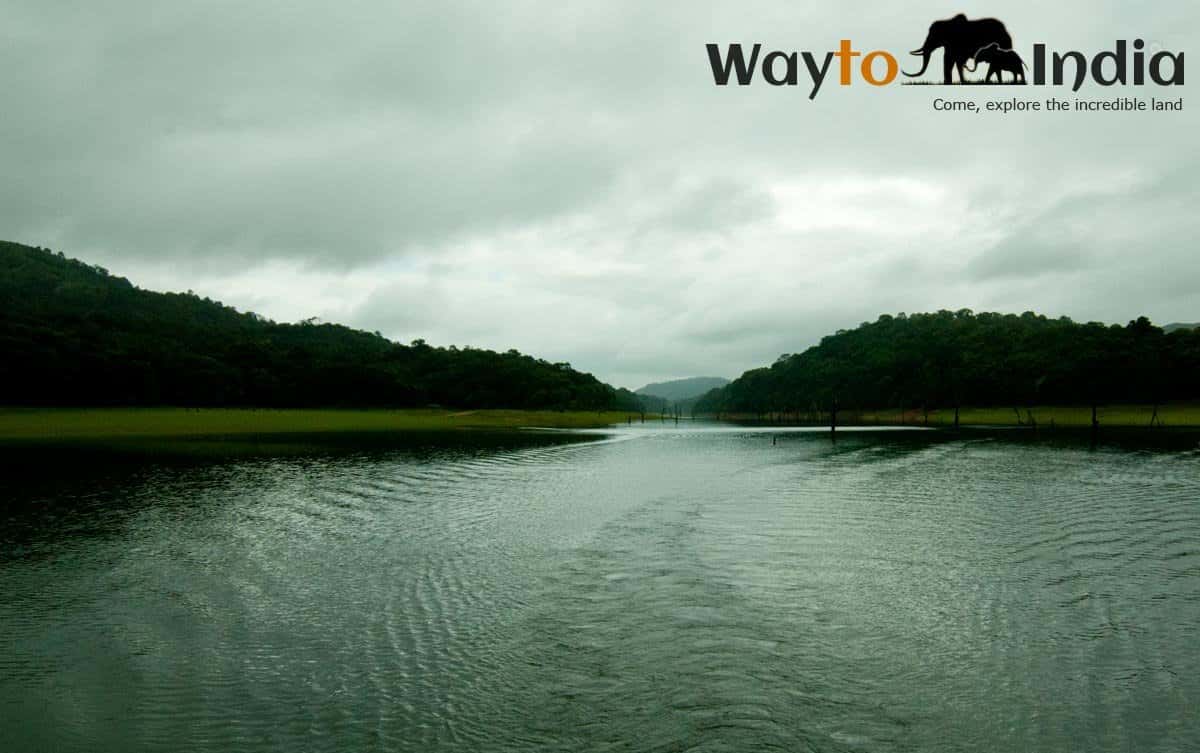
Malampuzha Travel Guide
The comfortable months are October to February , but in 2026 the bigger question is status: the garden itself is closed for a major redevelopment while the ropeway and dam entry...
When to visit Malampuzha, and the closure you must know about first
The comfortable months are October to February, but in 2026 the bigger question is status: the garden itself is closed for a major redevelopment while the ropeway and dam entry stay open. Plan around both.
- October to February: the kind monthsPalakkad sits in the gap between the Western Ghats and is one of the warmest corners of Kerala, so the cooler post-monsoon months are the sweet spot. Days are bright, the reservoir is full after the rains, and the Ghats behind the dam look their greenest. Evenings on the dam top are genuinely pleasant.
- March to May: fierce heat, plan for morningsHigh summer here is hotter than most of Kerala, and the dam top and open walkways have almost no shade. If you must come then, do the ropeway in its first morning slots, rest through midday, and return only for the evening light. Carry water and a cap; the heat is not a small thing in Palakkad.
- June to September: monsoon dramaThe southwest monsoon fills Kerala's largest reservoir, and when inflows are heavy the irrigation authorities sometimes open the spillway shutters, a spectacle that pulls local crowds to the dam. The gardens historically look lush then too, though rain can shut the ropeway for spells. A gamble, but a beautiful one.
- November, for the festival pairingIf you can choose freely, aim for November: the weather has turned, and Kalpathy in Palakkad town hosts Kerala's largest chariot festival, the ten-day Ratholsavam, whose main chariot days in 2026 are anticipated around 14 to 16 November though not yet officially confirmed. Dam by day, chariots by evening is a superb combination.
Checked on the official Kerala Tourism page in July 2026: the Malampuzha Garden is closed to visitors until further notice, the aerial ropeway is operational, and entry to the dam is available as usual. The closure is for a Swadesh Darshan 2.0 redevelopment of about Rs 76 crore that plans fountains, theme zones and new walkways on the lines of Mysuru's Brindavan Gardens; public access was shut from 11 September 2025 and the original completion target of 31 March 2026 has already passed. Until the reopening is announced, treat Malampuzha as a dam-view, ropeway and picnic-by-the-reservoir outing, and reconfirm the status on keralatourism.org before you build a day around the garden.
How to reach Malampuzha
Malampuzha is about 10 km from Palakkad town. The trunk-line railhead is Palakkad Junction, about 8 km away, and the nearest airport is Coimbatore, across the state line through the Palakkad Gap.
- By train to Palakkad JunctionPalakkad Junction sits on the busy Coimbatore to Kerala trunk line, so most long-distance trains between Chennai or Bengaluru and central Kerala stop here. The station is about 8 km from Malampuzha, a short auto or taxi hop. Palakkad Town, a separate smaller station on the Pollachi side, also serves the town; check your train's actual halt on the official Indian Railways enquiry site before you book.
- By air via CoimbatoreCoimbatore International Airport is the practical gateway at about 55 to 66 km, roughly 1.5 to 2 hours by taxi through the Palakkad Gap, with good connections from Delhi, Mumbai, Bengaluru and the Gulf. Kochi airport is the Kerala-side option at about 140 to 155 km, roughly 3.5 to 4.5 hours, sensible only if Malampuzha is part of a larger Kerala loop.
- By road, an easy spur off NH544The Salem to Kochi highway passes Palakkad, and Malampuzha is a short signed detour north of town toward the Ghats. From Coimbatore it is an easy half-day drive out and back; from Thrissur or Kochi it works as a leg of a longer central-Kerala circuit. Parking at the dam area is straightforward outside big holiday afternoons.
- The last 10 km from PalakkadFrequent local buses run from Palakkad's town bus stands to Malampuzha through the day, and autos and taxis are easy to find at the stations and in town; agree the fare or insist on the meter before you set off. The KTDC Garden House listing puts the Malampuzha bus stop about half a km from the dam-side hillock, so even bus travellers land within an easy walk.
Fly into Kochi or connect to Coimbatore via a metro hub. Coimbatore is the closer gateway at about 55 to 66 km; Kochi suits you if Malampuzha is one stop on a wider Kerala itinerary rather than the goal itself.
Both Kochi and Coimbatore have direct Gulf connections; pick whichever fits your onward plan. From either airport a prebooked taxi to Palakkad is the comfortable move, and the Palakkad Gap drive from Coimbatore is quick and scenic.
Take any Chennai, Bengaluru or Coimbatore to Kerala train that halts at Palakkad Junction, then a 20-odd minute road hop. Self-drivers from Coimbatore, Thrissur or Kochi reach Malampuzha on good highways; it is a classic one-day radius for the whole Kongu-Kerala belt.
The dam, the Yakshi, the Rock Garden and what is open today
Malampuzha is a 1955 irrigation dam that grew a pleasure garden, a famous sculpture and South India's only rock garden around itself. Here is each landmark, with its current status stated plainly.
- The dam and reservoir: Kerala's largestBegun in 1949 and commissioned in 1955, this was the first large irrigation project of the old Malabar district: a masonry dam about 1,849 metres long and about 125 ft high, holding Kerala's largest reservoir, about 22 sq km of water backed by the Western Ghats. Its canals irrigate about 21,349 hectares of Palakkad's rice bowl. The dam-top promenade view, water on one side and coconut country on the other, is the sight that anchors everything else, and entry to the dam continues as usual during the garden closure.
- The Yakshi by Kanayi KunhiramanThe giant concrete Yakshi, sculpted in 1969 by Kanayi Kunhiraman, Kerala's most celebrated public sculptor, is the garden's signature artwork and one of modern Indian sculpture's boldest public commissions. She reclines inside the garden zone, so while the closure lasts your best view is from the ropeway cabins that pass above her.
- The Rock Garden of Nek ChandAbout half a km to a kilometre along the Kanjikode road (the district page and the ropeway operator's listing differ slightly on the distance) stands the only rock garden in South India, built from broken bangles, tiles, tins and other discarded material by Padma Shri Nek Chand, the creator of Chandigarh's famous original; this is his second such garden in India. Its historic hours are about 10 am to 6 pm, but with the wider redevelopment under way, check locally on the day.
- The smaller garden units, honestlyThe snake park (historically about 8 am to 6 pm, and closed on Mondays), the fish-shaped freshwater aquarium (about 11 am to 8 pm, about 1 pm to 9 pm on holidays), the swimming pool (closed on Tuesdays) and reservoir boating (about 10 am to 6 pm) are the supporting cast from the garden's heyday. Assume all of them are suspended or disrupted until the redevelopment finishes, and treat any page that sells them as running today with suspicion.
Malampuzha is where post-Independence Kerala learned to turn scarcity into abundance: the reservoir waters the paddy plain that feeds the state, a small KSEB hydro plant at the dam draws power from the same releases, and the gardens were laid out so ordinary families could enjoy the engineering that fed them. Walk the dam top with that story in mind and the place rises well above the average outing; it is the rare sight where art, agriculture and engineering share one skyline.
Signature Malampuzha experiences that still work today
The ropeway flight, the dam-top evening, a Kava sunrise and the Palakkad heritage pairing: what to do, in what order, and what to skip until the garden reopens.
- Fly the 1991 ropeway over the gardenSouth India's first passenger ropeway, commissioned in 1991 and run by Usha Breco's Udan Khatola, glides about 626 metres at about 60 ft above the lawns and the Yakshi in slow two-seater cabins, a ride of about 20 minutes. It runs in two blocks, about 10 am to 12 noon and about 2 pm to 6:40 pm, and you can book a slot online at udankhatola.com or call their toll-free line 1800-202-4050. Recent listings quote about 70 to 80 rupees per person; reconfirm the fare when you book. While the garden is closed this cabin is the only way to see the beds and sculptures, which makes it the single unmissable ticket in Malampuzha.
- Walk the dam top at golden hourThe promenade across the dam is free of charge in spirit and small in cost, and the hour before sunset is its best: the Ghats go blue, herons work the tail waters, and the whole reservoir turns to hammered gold. On Saturdays, Sundays and national holidays the dam and gardens are illuminated from about 7 pm to 8 pm, so time a weekend visit to end in the lights.
- Catch sunrise at KavaKava, on the reservoir's northern shore, is the viewpoint locals and photographers prefer: lake, paddy and mountain in one sweep, unaffected by the garden closure and gorgeous at first light. Ride out before dawn, watch the mist lift off Kerala's largest reservoir, and be back at the dam before the ropeway's first slot.
- Give the children Fantasy Park, with eyes openThe amusement park about 2 km from the garden runs about 10 am to 6 pm daily, with tickets around 670 rupees for adults, 500 for children and 450 for seniors, and a 10 percent discount for groups of 20 or more. Rides are cheerful rather than world-class; for a family of four the tickets alone are about 2,500 to 3,000 rupees, so decide whether that beats a picnic, a boat-shaped aquarium visit after reopening, and ice cream on the dam.
- Pair the dam with Palakkad Fort and KalpathyTen km back in town, Hyder Ali's 1766 granite fort, an ASI monument open roughly 8 am to 6 pm, and the 1425 AD temple streets of Kalpathy's agraharam make the perfect heritage afternoon. Entry to the fort has long been free with camera fees of about 20 rupees for stills and 50 for video, though some listings mention a small ticket of about 25 rupees; carry small cash and reconfirm at the gate.
- Go further: Ghats country in every directionMalampuzha is the gateway mile of a wonderful wild belt: Attappady's tribal hill country about 38 km away, Silent Valley National Park about 40 km (vehicles go only to Mukkali, the forest entry point), the planters' hill station of Nelliyampathy about 40 km, Kanhirapuzha Dam garden about 45 km and Mangalam Dam about 50 km. Any one of them turns a dam visit into a proper two-day Palakkad circuit.
Only one Malampuzha experience sells out or stops for lunch: the ropeway. Its midday break, roughly 12 noon to 2 pm, catches almost every unprepared visitor, and holiday afternoons can queue long. Book a morning slot online before you travel, plan the dam walk and Rock Garden around it, and the day arranges itself; miss it, and you will spend the hottest hours waiting at the lower station.
Where to stay for Malampuzha, and how many nights
Sleep beside the dam at the KTDC hillock hotel, base in Palakkad town for choice and trains, or day-trip from Coimbatore. One night is the sweet spot; two opens the Ghats.
- KTDC Garden House: sleep over the damThe Kerala Tourism Development Corporation's 17-room Garden House sits on a hillock directly above the reservoir, about half a km from the Malampuzha bus stop, with dam views from the compound; KTDC's own published tariff for April 2026 to March 2027 runs about 2,400 to 3,100 rupees a night plus GST by room type, and booking platforms typically show about 2,000 to 3,500 depending on season. It is a budget property, honest rather than fancy, but nothing else lets you watch the weekend illumination and walk to a Kava-side sunrise from your door. Book ahead for weekends.
- Palakkad town: choice, food and the fortTen km away, Palakkad town has the district's real spread of hotels across budgets, plus the fort, Kalpathy's streets and Kerala's best small-town sadya halls. Stay here if you want restaurant choice, an early train from the Junction, or a base that serves the whole district rather than the dam alone.
- Coimbatore: the day-trip baseIf your trip is anchored in Tamil Nadu, Coimbatore's big-city hotels sit about 55 to 66 km away, an easy morning run through the Gap. Leave early, do ropeway and dam by noon, fort and Kalpathy after lunch, and be back for dinner. It works, though you sacrifice the golden-hour dam walk and the illumination.
- How many nightsFor the dam, ropeway, fort and Kalpathy, one night in Malampuzha or Palakkad is right, arriving by noon and leaving after the next morning. Add a second night if you want Silent Valley's Mukkali gate, Nelliyampathy's viewpoints or Attappady, each a half-to-full-day spur into the Ghats. A flying visit between trains is possible but wastes the best light.
Malampuzha is above all a beloved local outing, so Saturday and Sunday afternoons and every public holiday bring coachloads from across Palakkad, Thrissur and Coimbatore. The Garden House's handful of rooms goes first, the ropeway queue lengthens, and the dam-top promenade turns into a fairground. If you want the reflective version, sleep there midweek, or at least arrive before about 10 am on a weekend and give the afternoon to the fort in town.
Malampuzha costs, from the sourced tariffs down
This is one of Kerala's cheapest great days out. Here are the fees that are actually published by official sources, what they add up to, and where the numbers disagree.
- The published entry feesGarden entry, when it reopens, is about 25 rupees for adults and about 10 rupees for children aged 3 to 12 per Kerala Tourism, with separate tickets for the ropeway and snake park. The ropeway itself is quoted at about 70 to 80 rupees per person on recent listings, reconfirmed only when you book on udankhatola.com. A dam-and-ropeway half day therefore costs well under about 200 rupees per adult, which is why generations of Palakkad families have grown up here.
- The one big-ticket itemFantasy Park is the outlier: about 670 rupees per adult, about 500 per child and about 450 for senior citizens, with a 10 percent discount for groups of 20 or more. For two adults and two children that is about 2,300 rupees at the gate, and with ropeway rides and garden entry added the day's tickets reach roughly 2,500 to 3,000 rupees before snacks, so weigh it deliberately; it is a fine small amusement park, not a destination in itself.
- Transport and food moneyLocal buses from Palakkad cost pocket change, autos a few tens to a couple of hundred rupees depending on distance and bargaining, and a taxi day hire from Coimbatore or Kochi is priced like any airport transfer in the region. Food at Malampuzha is stalls, juice counters and simple canteens; eat properly in Palakkad town, where a generous Kerala meals costs less than most single theme-park snacks.
- Where the official numbers disagreeKerala Tourism lists garden hours of about 9 am to 8 pm; the Palakkad district administration page says about 10 am to 7:30 pm; the ropeway operator posts its own split hours while the district page still shows a different ropeway schedule of about 10 am to 1 pm and 2:30 pm to 8 pm. None of this matters if you know one rule: trust the operator for the ropeway, the ticket counter for the garden, and treat every third-party fee table, including cached copies of the old fees, as a guide rather than gospel.
Every fixed price here is genuinely small, so the only way to overspend is on the unfixed ones: holiday-afternoon parking touts, inflated auto quotes at the stations, and snack counters between the parking and the dam. Agree the auto fare before you sit, carry a water bottle and some fruit, and put the money you save toward the ropeway and a proper meals back in town. The whole day, tickets included, can cost a family less than a single big-city multiplex outing.
Practical logistics: getting around, money, heat and phones
The small mechanics of a smooth Malampuzha day: the bus-and-auto shuttle from town, cash versus UPI, the Palakkad heat calendar, and staying connected.
- Getting around the siteThe dam area itself is walkable: parking, ticket counters, the ropeway's lower station, stalls and the dam-top promenade all sit within a short stroll, with the Rock Garden about 1 km and Fantasy Park about 2 km along the road, an auto hop or a warm walk. Between town and dam, the local buses run through the day and autos wait at both ends; evenings thin out after the illumination hour, so line up your return ride if you stay for the lights.
- Money: small cash plus UPITicket counters and stalls increasingly take UPI, and Indian visitors will rarely touch cash, but small notes remain king for autos, parking and fruit sellers. Draw cash in Palakkad town, which has every major bank and ATM, rather than hunting near the dam. Overseas visitors without UPI should simply carry a few hundred rupees in small denominations for the day.
- Respect the heat, seriouslyPalakkad's gap-wind geography makes it one of the hottest districts in Kerala from March to May, and the dam top is an unshaded oven around 2 pm in summer. Water bottle, cap, sunscreen, and a schedule built on mornings and late afternoons are not optional extras here; they are the difference between a lovely day and a headachy one. In the monsoon, carry a compact umbrella instead.
- Phones, language and small courtesiesMobile data from the big Indian networks is solid across Malampuzha and Palakkad. Malayalam is the local language with Tamil widely understood this close to the border, and English works fine at counters and hotels. Dress is relaxed picnic-wear, but this is a family destination and a working irrigation site: swimwear sunbathing on the dam lawns and drone flying over the dam are the two things that will earn you a swift word from security.
Safety at Malampuzha: water, heat, crowds and common sense
Malampuzha is a gentle, family destination with no scam culture to speak of. The real risks are the reservoir water, the summer heat and holiday crowd crush, all easy to manage.
- Stay out of the reservoir and canalsThe one rule that matters: do not swim, wade or bathe in the reservoir, the spill channel or the irrigation canals. Depths change abruptly, releases from the dam can raise flows without warning, and drownings in Kerala's reservoirs and canals are a regular tragedy in local news. Admire the water from the dam top and the boats (when boating resumes); when the garden reopens, the swimming pool, historically closed on Tuesdays, is the place for a dip.
- Heat and hydrationTreat the summer sun as the main health hazard: drink more water than feels necessary, use shade breaks, and keep children and elders out of the midday glare. Bottled water and fresh juice stalls are plentiful near the entrance; stick to busy stalls with turnover, and peel-it-yourself fruit if you have a sensitive stomach.
- Holiday crowds and trafficOn public holidays the approach road, parking and dam top get genuinely packed, and the crowd is boisterous rather than threatening. Keep small children by the hand near the parapets and the ropeway queue, watch your footing on worn steps, and drive the winding last stretch patiently; two-wheelers weave freely on holiday evenings.
- For women and solo visitorsMalampuzha's crowd is overwhelmingly families and student groups, and solo visitors, including women travelling alone, report an easy time by daylight. The site empties after the illumination hour, so plan your ride back to town rather than lingering late, and base yourself at the Garden House or in Palakkad town if you want the early and late hours in comfort.
Malampuzha is not a theme park with a lake; it is live irrigation infrastructure that waters about 21,349 hectares of farmland and supplies drinking water to Palakkad. Obey barrier lines and security instructions on the dam, never throw litter or coins into the water, skip the drone unless you have explicit permission, and keep music and firecrackers for elsewhere. The gardens exist because the dam's builders wanted the public to share the place; repaying that with care is part of the visit.
Malampuzha for every kind of traveller, and on accessibility
A dam picnic, an art pilgrimage, an engineering field trip and a family funfair share one site. Here is what each traveller gets, and the honest note for each.
- Families with childrenThe classic audience. The ropeway is the shared thrill, the dam top is stroller-flat, and Fantasy Park is the optional add-on if the budget allows. Go morning-first, keep the midday for a long lunch in town, and remember the smaller units like the snake park and aquarium may stay shut until the redevelopment completes.
- CouplesMidweek, this is a quietly romantic place: a two-seater ropeway cabin to yourselves, the golden-hour dam walk, and the weekend illumination if your dates land right. The Garden House hillock at dawn, with mist on the reservoir, is the moment to plan for.
- Senior travellers and accessibilityMalampuzha is kinder to slow walkers than most Kerala sights: the dam-top promenade is level, the ropeway sees the whole garden with no walking at all, and the KTDC hotel sits a short drive from the entrance. Summer heat and worn steps around the viewpoints are the two cautions; choose the cool months, use the morning ropeway slots, and note Fantasy Park even prices a senior ticket at about 450 rupees.
- PhotographersKava at sunrise, the Yakshi from the ropeway cabin, the geometry of the spillway, and the illuminated dam on weekend nights are the four signature frames. Long lenses catch the Ghats stacking behind the reservoir in the post-monsoon clarity of October and November. Fly no drone without permission; this is monitored infrastructure.
- Art and history loversFew single sites hold two landmarks of Indian public art: Kanayi Kunhiraman's 1969 Yakshi, one of the boldest sculptures ever commissioned for an Indian public park, and Nek Chand's only southern rock garden. Add Hyder Ali's 1766 fort and the 1425 AD temple streets of Kalpathy in town and Palakkad becomes a genuine culture day, not a stopover.
- Backpackers and slow travellersMalampuzha is cheap, bus-connected and blissfully unpackaged: no entrance hustle, no curated experience, just an honest public landscape where a day costs less than a hostel bed in Kochi. Use Palakkad town as the base, eat where the locals eat, and let the dam be your reading-and-walking afternoon.
A suggested Malampuzha itinerary, from half a day to two
How to shape the hours around the ropeway's split schedule, the heat, the weekend lights and the Palakkad heritage pairing.
- The half dayArrive by about 9:30 am, walk the dam top while the light is still soft, ride a booked morning ropeway slot before the midday break, glance at the Rock Garden if it is receiving visitors, and be done by lunch. This is the version for travellers passing through the Palakkad Gap between Tamil Nadu and Kerala, and it captures the essentials.
- The full day, with the townMorning at the dam and ropeway as above, then a proper Kerala meals in Palakkad town, the fort's ramparts and the Kalpathy agraharam in the mellow afternoon, and back to the dam for the golden hour. If it is a Saturday, Sunday or national holiday, stay for the illumination at about 7 pm before the drive out. This is the day we would plan for most visitors.
- Two days, into the GhatsSleep at the Garden House or in town, catch the Kava sunrise, and give day two to one big spur: Silent Valley's Mukkali gate for forest, Nelliyampathy for viewpoints and tea, or Attappady for hill country, each about 38 to 40 km out. Two days turns Palakkad from a corridor into a destination, and you will meet almost no other tourists doing it.
- The monsoon variantBetween June and September, invert the day: watch the fat clouds over the reservoir from the dam top between showers, keep the ropeway plan flexible since rain pauses it, and chase the spillway if word spreads that shutters are open, which is Palakkad's favourite free spectacle. Roads stay fine; your footwear will not.
The single thing that wrecks a tight Malampuzha plan is arriving at about noon: the ropeway rests from roughly 12 to 2, the dam top bakes, and the garden gates, when they reopen after redevelopment, will not save you from the glare. Book the ropeway's morning block, keep the middle of the day for Palakkad town's food and fort, and return for the soft evening. Every good Malampuzha day has that shape.
The real questions travellers ask about Malampuzha
Straight answers to the questions asked on the TripAdvisor Palakkad forum and around it, including the ones most pages dodge.
- Is the garden open now?No. Kerala Tourism's official page, checked in July 2026, says the garden is closed until further notice for the redevelopment, while the ropeway operates and dam entry continues as usual. The project's original completion target of 31 March 2026 has passed, so watch keralatourism.org for the reopening announcement rather than trusting third-party pages.
- Is Malampuzha worth visiting at all?The honest local rule from the TripAdvisor Palakkad forum: it is a must within any Palakkad visit, and a worthwhile dedicated outing if you live within about 200 km or are passing along the Kerala-Coimbatore corridor. It is not a sight to fly across India for on its own; it is the anchor of a lovely, untouristy district day.
- Is one day enough for Palakkad with Malampuzha?Yes, comfortably: dam and ropeway in the morning, fort and Kalpathy after lunch, golden hour back at the water. Add a night if you want the illumination, the Kava sunrise or a Ghats spur to Silent Valley or Nelliyampathy.
- I arrive at Palakkad Junction before dawn. Is that a problem?This exact worry appears on the forum, and the answer is reassuring: the Junction is a busy trunk-line station with people about at all hours, waiting rooms, and autos at the rank. Wait for daylight over station chai if you prefer, reach town for breakfast, and start Malampuzha when the ropeway opens; nothing at the dam rewards arriving at about 5 am except Kava, which needs your own vehicle anyway.
- Can we swim in the reservoir or the canals?No, and please take this one seriously: depths and flows change without warning near a working dam, and canal drownings are sadly routine in Kerala. When the garden reopens, its pool (closed on Tuesdays historically) is the swimming option.
- When do the lights come on?Per the district administration, the dam and gardens are illuminated on Saturdays, Sundays and national holidays from about 7 pm to 8 pm, and on other evenings only on paid request. Midweek visitors should not plan around the lights.
- Ropeway with kids and grandparents: sensible?Yes. The cabins are slow, enclosed two-seaters, the round trip takes about 20 minutes, and boarding is assisted at the platform. Small children ride with an adult, and for elders it is by far the easiest way to see the whole garden. Book the morning slot; the queue is the only hard part.
Malampuzha from abroad: the honest case for the detour
This is not a marquee international sight, and that is exactly its charm: an unpackaged Kerala day of engineering, public art and small-town life that no backwater circuit will show you.
- Set the right expectationCome expecting Kerala's family-outing culture at its warmest, not a manicured world wonder: a mid-century dam with a mountain backdrop, a famous sculpture, a ropeway from 1991, and thousands of ordinary Malayali and Tamil families enjoying all of it. If your itinerary is packed with Munnar and the backwaters, this is the day that shows you the Kerala those postcards skip.
- Route it through Coimbatore or the rail trunkComing from abroad, land at Kochi or connect to Coimbatore; Coimbatore is closer at about 55 to 66 km. On a rail itinerary, Palakkad Junction sits on the main Chennai and Bengaluru to Kerala line, so Malampuzha slots neatly between Tamil Nadu's temple country and Kerala's coast, with the dramatic Palakkad Gap crossing thrown in free.
- For NRIs with roots in the regionIf your family hails from Palakkad, Thrissur or the Kongu belt, Malampuzha needs no selling; it is where half the district's childhood photos were taken. Time the trip to the Kalpathy Ratholsavam in November, bring the elders (the ropeway spares their knees), and build in a long agraharam evening; this is heritage travel in the truest sense.
- Culture notes for the dayDress modestly-casual as you would at any Indian family site, ask before photographing people, and expect friendly curiosity rather than tourist hustle; foreign visitors are still uncommon enough here to be greeted, not targeted. Alcohol has no place at the dam or gardens, and public affection is best kept low-key, as everywhere in small-town India.
Money, connectivity and timing for foreign visitors
The practical basics for an overseas traveller building Malampuzha into a South India trip: cash and UPI, SIMs, the booking that matters, and where the day fits.
- Cash, cards and UPI realityFees here are tiny and increasingly UPI-first; foreign cards are useless at a fruit stall and unnecessary at a 25-rupee ticket window. Carry a few hundred rupees in small notes drawn at a Palakkad or airport ATM, and if you have set up UPI access for foreigners on your trip, it works at most counters.
- SIM and staying connectedPick up an Indian SIM or eSIM at Kochi or Coimbatore airport on arrival; coverage at Malampuzha and across Palakkad is strong on the major networks, and you will want data for the ropeway booking, ride-hailing in town and train checks on the official enquiry site.
- The one advance bookingReserve a morning ropeway slot on udankhatola.com a day or two ahead, especially around weekends and Indian public holidays. Everything else at Malampuzha is walk-up. If the garden has reopened by your visit, no separate booking is needed; entry is about 25 rupees at the gate.
- Where it fits in a two-week South India tripThe natural slot is the overland day between Tamil Nadu and Kerala: Madurai or Coimbatore behind you, Thrissur or Kochi ahead, with Malampuzha, the fort and Kalpathy as the day's three beats and a night in Palakkad. October to February gives the kindest weather; a November trip can add Kerala's largest chariot festival at Kalpathy, anticipated around mid-month in 2026 but to be reconfirmed.
Malampuzha is an unusually gentle first-India day: no entrance chaos, no touts to fend off, small fees, families everywhere and a ropeway queue that is more festival than ordeal. If India's famous sights feel overwhelming on paper, a day like this one, watching the Ghats change colour from a dam built the decade after Independence, is where the country's everyday sweetness shows itself. Many visitors remember it longer than the headline stops.
The hill, the river, and the sculpture that startled Kerala
Malampuzha wears its name plainly: mala is the hill and puzha the river in Malayalam, the stream that slips out of the Western Ghats to join the Bharathapuzha, the Nila of Kerala's poets. When engineers dammed it in 1955 to water Palakkad's rice country, they set gardens at the foot of the wall so the public could share the achievement. Then in 1969 the young sculptor Kanayi Kunhiraman gave the gardens their guardian: a colossal reclining Yakshi, the ambivalent tree-and-treasure spirit of Kerala folklore, rendered nude and unapologetic in concrete against the mountains. It scandalised some and thrilled more, became perhaps the most debated public sculpture in the state's history, and made a picnic ground into a landmark of modern Indian art. In Kerala's old tales the yakshi is both enchantress and protector, haunting palmyra groves and guarding hoards; no single canonical verse fixes her story, and we say so honestly. What is fixed is the sight itself: the dam, the mountain gap, and the Yakshi lying in the grass, art and irrigation sharing one horizon.
Planning a Malampuzha trip?
Our Kerala travel experts plan your full journey for you: route, hotels, darshan timings and transport. You get a free day-by-day plan and an exact quote on WhatsApp, usually within a few hours. No payment is needed to get your plan.