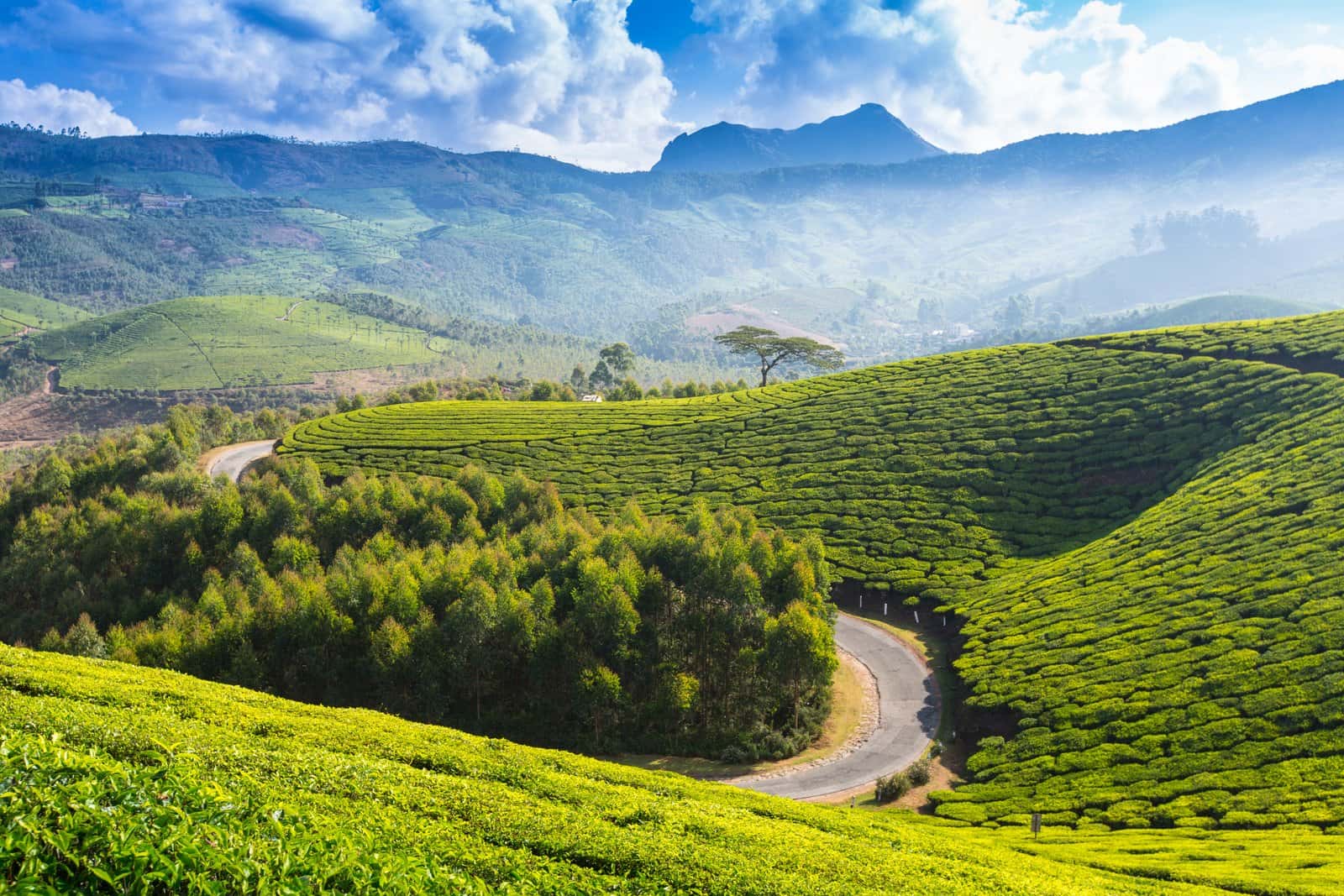
Munnar Travel Guide
The best window is September to March . November to February is the cool, clear peak; September and October are lush and quieter. Please avoid July and August, the heaviest...
When to visit Munnar, and the months to avoid
The best window is September to March. November to February is the cool, clear peak; September and October are lush and quieter. Please avoid July and August, the heaviest monsoon.
- November to February: the classic MunnarCool, dry and clear, with mornings that can dip toward about 5 to 10 degrees, so carry a layer. This is the most popular window, when the tea hills are crisp and the views are at their cleanest, so book hotels and Eravikulam tickets well ahead.
- September and October: green and calmerThe heavy rains have eased, the tea slopes are at their most lush, and the crowds are thinner. A lovely, gentler time to come, with the occasional shower rather than a downpour. Mornings are still misty, which photographers love.
- March to May: warm but finePleasant in the hills while the plains bake, which is exactly why the British built a resort here. Afternoons can be a touch warm and hazy, but the evenings stay cool, so it remains a comfortable escape and a quieter time to travel.
- Decide on a clear-air or a green-misty trip firstMunnar gives you two very different moods: the sharp, sunny clarity of winter or the soft, green, mist-wrapped feel of the post-monsoon weeks. Both are beautiful, so pick the one you want before you book, because they shape the photos you will take and the views you will get.
July and August bring the heaviest rain to the Western Ghats. Landslides and road closures can hit the ghat road up from Adimali, the bends fill with fog and visibility drops, trails turn slippery, and leeches are common in the wet grass. If you must travel then, keep your plans flexible, allow extra time for the drive, and treat any official advisory or road-closure notice as the final word. Eravikulam and the high viewpoints can lose their views to cloud for days at a stretch.
How to reach Munnar
There is no airport or railway in Munnar itself. Almost everyone arrives through Cochin and drives up the ghat road into the hills.
- By air, then road, through CochinCochin (Kochi) airport is the nearest, about 110 to 130 km and around 3 to 4 hours by road via NH85 depending on the route. Kerala Tourism puts it at about 67 miles, roughly 108 km, and a little over 3 hours, so allow a half-day with stops. From there it is a scenic climb through Kothamangalam and Adimali up the ghat road. We arrange a car with an experienced hill driver, which is the smoothest way to do the last winding stretch.
- By train, then roadThere is no station at Munnar. The nearest railheads are Aluva and Ernakulam, about 110 to 120 km away and well connected across India. From either it is a road journey of roughly 4 hours up into the hills, so plan the train to arrive with daylight to spare for the drive.
- Allow for the winding ghat roadThe last hour or two is full of bends as the road climbs the Western Ghats. The scenery is gentle and green, but anyone prone to carsickness should sit in front and take it slowly, and this matters most for older travellers. In the monsoon, fog and the odd landslide can slow the climb, so never plan a tight late-evening arrival in the rains.
- Buses for the budget travellerKSRTC state buses run up to Munnar from Cochin, Ernakulam and other Kerala towns, which keeps costs low for backpackers. They are slower than a car and the timetable is limited, so check current departures locally and aim for a daytime service to enjoy the climb and to arrive before dark.
Cochin has many nonstop flights from Dubai, Abu Dhabi, Bahrain, Kuwait and Doha on Emirates, Etihad, Air India Express, IndiGo and others. This is how most Keralites in the Gulf come home, and the easiest gateway for the wider Gulf region.
Singapore has a nonstop link to Cochin, a handy gateway for travellers from Southeast Asia and onward connections from Australia. From Cochin it is a half-day drive up to Munnar.
There are no nonstop flights to Cochin. The simplest way is to connect through a Gulf hub such as Dubai, Abu Dhabi or Doha, or via Mumbai or Delhi, then fly the short hop into Cochin and drive up to Munnar.
The big sights, and how to book Eravikulam
Munnar is tea hills, cool air and one special national park. A little planning at Eravikulam saves you a long wait, and a few timings save a wasted morning.
- Eravikulam National Park at RajamalaAbout 13 to 15 km from town, this is the home of the rare Nilgiri Tahr, a mountain goat of the Western Ghats, below Anamudi. You ride a shared forest bus from the gate, as private vehicles are not allowed in the tourism zone, and the Tahr often come close to the path. It is the one sight not to leave to chance, so plan it first.
- How to book Eravikulam, and what it costsBook online a couple of days ahead on the official site, eravikulamnationalpark.in, because online and reserved tickets use a faster, separate queue. Entry is 8 am to 2 pm. The fee is about 200 rupees for Indians and about 500 for foreign nationals, with an ordinary camera about 50 rupees, a video camera about 350 rupees and a reservation fee about 50 rupees. The reservation counter at the Munnar information centre runs about 9 am to 3 pm.
- The tea country and the classic viewpointsTop Station, about 32 km away at around 1,700 metres, has the long valley view; Echo Point, about 15 km out, has the lake and the famous echo; Mattupetty Dam, about 13 km, has gentle boating; and Kundala Lake sits nearby. Anamudi, the highest peak in South India at about 2,695 metres, rises above Eravikulam, but its summit is protected and not open for casual climbing.
- The Tea Museum, and its closed daysThe KDHP Tea Museum at Nallathanni, on the former Tata estate, shows how Munnar's tea is grown and made and ends with a tasting. It is open about 9 am to 4 pm but closed on Mondays and Good Friday, with entry about 75 rupees for adults and about 35 rupees for children, a camera fee about 20 rupees and a tasting about 100 rupees. Do not plan a Monday tea morning around it.
Eravikulam shuts every year for the Nilgiri Tahr calving season, officially February to March, with the gates closed from about 1 February and reopening around 1 April. The exact dates shift slightly from year to year, so reconfirm on the official booking site before you fix a February or March trip. If your dates fall in the closure, you can still do the tea country, Kolukkumalai and the viewpoints, but you will not see the Tahr at Rajamala.
Signature experiences in Munnar
Beyond the viewpoints, these are the experiences people remember, and how to arrange them without the tourist-trap version.
- Walk a tea estate and tour the Tea MuseumSeeing how Munnar's famous tea is grown, picked and made, then tasting it fresh, is the signature half-day. The KDHP Tea Museum is the easy option, open about 9 am to 4 pm and closed Mondays, and many stays can arrange a guided walk on a working estate. Do not wander into the plantations on your own, as nearly all of them are private.
- Kolukkumalai sunrise jeepA pre-dawn shared 4x4 ride up to Kolukkumalai, one of the highest tea estates in the world at about 1,700 metres and roughly 32 km out, for sunrise over a sea of cloud. The track is far too rough for a car, so you take a local jeep, typically about 1,000 to 1,200 rupees for the bumpy ride, leaving around 4 to 5 in the morning. Book ahead in the busy months and dress warmly, because it is cold up there at dawn.
- Stay on a tea plantationFor the real Munnar, sleep in an old planter's bungalow or an estate homestay surrounded by the hills, where the morning mist rolls through the tea. These are limited and book up early, especially in the November to February peak and on long weekends, so plan ahead if this is your dream stay.
- A guided high-altitude trekThere are lovely guided treks through the shola forests and grasslands, always with a local guide and the right forest permits, which we arrange. Some high routes have had access restrictions over the years, so we confirm what is open for your dates. Anamudi's summit is protected and not open for climbing, so do not expect to bag the peak.
- Ayurveda and slow wellnessKerala is the home of Ayurveda, and many Munnar stays offer massages and gentle treatments. After a cold morning in the hills, a warm-oil massage in the cool mountain air is one of the quiet pleasures of the place, and a good fit for honeymooners and older travellers.
- Easy boating and gentle cyclingFor a relaxed day, take a pedal or speed boat on Mattupetty Dam, or a slow cycle and walk through the tea slopes near your stay. None of it needs fitness, which makes Munnar a kind hill station for families and seniors who want the scenery without the strain.
If you do only one thing slowly, make it a morning on the tea estate at first light, when the mist hangs in the slopes and the pickers are out. The sweeping viewpoints are lovely, but it is the quiet, close-up of the tea country, a walk, a tasting, a bungalow breakfast, that people remember long after the photo stops. Give it an unhurried morning rather than a quick drive-by, and Munnar opens up in a way a tick-the-box itinerary never allows.
Where to stay in Munnar, and how many nights
Stay in or near the town for convenience, or out among the tea estates for the view and the calm. Two to three nights is the sweet spot.
- Munnar town and nearby: convenient and connectedStaying in or just outside the town keeps you close to the bus stand, the shops, the information centre and the easy day-trip roads. It is the practical base for backpackers and for anyone relying on local transport, though the town itself is small, busy and not especially scenic, so most travellers sleep a little outside it.
- Tea-estate and valley resorts: the view and the calmThe properties scattered through the tea slopes and along the Mattupetty and Chinnakanal roads give you the misty-hills view, the silence and the sunrise, but you will need a car for every outing. This is the natural choice for couples, honeymooners and anyone who wants Munnar at its most beautiful and slow.
- How many nightsTwo to three days is the right length. Two nights covers Eravikulam, the tea country and the main viewpoints comfortably; a third adds Kolukkumalai at dawn, a trek, or simply a slow estate day. Munnar is about the cool air and the views, not racing between sights, so do not over-pack the days.
- Room budgetsBudget homestays run from about 1,500 rupees a night, mid-range stays and resorts about 3,000 to 6,000 rupees, and tea-estate-view or plantation properties from about 6,000 up to 10,000 rupees and more. All of these rise in the November to February peak and around long weekends, so book early for those dates.
In Munnar the single thing that defines a stay is what you wake up to. A room with a tea-slope or valley view, a little outside the town, turns the first cup of the day into the highlight of the trip, while a room in the town centre is convenient but looks onto traffic. If the misty-hills view is why you are coming, pay for the outlook and the location over a bigger room in the centre, and ask for an east-facing room to catch the dawn over the tea.
Munnar costs and a realistic daily budget
Munnar can be gentle or plush on the wallet. Here is what the main things cost, so you can plan and avoid being overcharged on the jeep and the cab.
- The fixed-price thingsEravikulam is about 200 rupees for Indians and about 500 for foreign nationals, plus a camera fee about 50 rupees, a video fee about 350 rupees and a reservation fee about 50 rupees. The Tea Museum is about 75 rupees for adults and about 35 for children, with a tasting about 100 rupees. These official prices are a useful anchor against which to judge everything else.
- Transport, the biggest variableA car and driver from Cochin and a day of local sightseeing is the main cost for most visitors, and it is worth it on the winding roads. The Kolukkumalai sunrise jeep is typically about 1,000 to 1,200 rupees for the jeep. Agree the car rate and the sightseeing route in advance, because day-trip quotes to visitors start high.
- Rooms and foodBudget homestays start around 1,500 rupees, mid-range stays about 3,000 to 6,000 rupees, and estate-view properties about 6,000 to 10,000 rupees and up. Kerala food is excellent and inexpensive, so meals are a small part of the budget unless you eat only at resort restaurants.
- Cash and cardsResorts, bigger restaurants and the Eravikulam online booking take cards or UPI, but the jeep drivers, small eateries, spice and chocolate shops and many homestays run on cash. There are ATMs in Munnar town, so draw cash there and keep some for the rural stops, where signal and card machines are patchy.
Almost every friction in Munnar comes down to transport, so the single habit that saves money is to agree the car rate, the sightseeing route and the Kolukkumalai jeep price before anything begins, in writing if you can. The fixed official prices, Eravikulam and the Tea Museum, are not negotiable and tell you when a quote is fair. Settle the variable costs up front and the only real cost question in Munnar disappears.
Practical logistics: tickets, transport, signal and spices
The small things that make a Munnar trip smooth, from booking Eravikulam to the patchy signal, the local transport and the honest shopping.
- Book Eravikulam before you leave homeTickets are limited and the standard queue is slow, so book online a couple of days ahead on the official site, eravikulamnationalpark.in, and check the park is open for your dates given the February to March closure. Online and reserved tickets skip into a faster queue, and a cancellation 48 hours or more ahead earns a partial refund under the park's policy.
- Getting aroundMunnar's sights are spread over winding roads, so most visitors hire a car and driver for the day rather than relying on the limited local buses. Autos handle short hops in and around the town. There is no metro or app-cab network up here, so arrange transport through your hotel or with us in advance.
- Signal, fuel and suppliesMobile coverage is fine in the town but patchy in the high tea country and at dawn viewpoints, so download offline maps and tell your hotel your plan. Fill fuel in town, as pumps are scarce in the hills, and carry water and snacks for early starts like Kolukkumalai when nothing is open.
- Spices, tea and homemade chocolateMunnar's shops sell estate tea, cardamom and other spices, and the local homemade chocolate, which makes good gifts. Buy tea and spices from reputable estate or KDHP outlets for quality, taste before you buy the chocolate, and bargain gently on the street stalls rather than the fixed-price stores.
Safety, the ghat road, and staying well
Munnar is gentle and safe, but the winding road, the monsoon and the cold catch people out. A little awareness keeps the trip happy.
- The ghat road, fog and night drivingThe climb up to Munnar is a long series of bends, and in the monsoon and at night fog can cut visibility on the worst stretches. Use an experienced local driver, avoid driving the ghat road after dark or in heavy rain, and build in extra time. Anyone prone to carsickness should sit in front, look ahead, and take the drive in gentle stages.
- Monsoon landslides and road closuresIn July and August, and after very heavy rain at any time, landslides and road closures can hit the ghat road and the high routes. Treat any official advisory or closure notice as final, do not attempt cut-off roads, and keep your plans flexible. The high viewpoints can also be lost to cloud for days, so do not bank on a specific sunrise.
- Leeches and slippery trailsOn wet-season walks, leeches are common in the damp grass and forest. They are harmless, just unpleasant: a little salt, tobacco or some balm makes one drop off at once, and tucked-in trousers and leech socks keep them out. Trails are slippery in the rains, so wear grippy shoes and skip the steep routes when it is pouring.
- Cold, altitude and sunEven in summer the evenings are cold and winter mornings can dip toward about 5 to 10 degrees, so a light jacket or shawl is worth carrying, which surprises visitors expecting tropical Kerala. At the dawn viewpoints it is colder still. By day the high-altitude sun is strong, so carry sunscreen, water and a hat for the open tea slopes.
Munnar is one of the calmer, safer hill stations in India, well used to families, honeymooners and solo travellers, and the towns wind down early in the evening. The real risks here are the road and the weather, not crime. Keep driving days gentle, do not push the ghat road in fog or after dark, watch your footing on wet trails, and the trip stays as easy and restful as the hills look.
Munnar for every kind of traveller, and on access
Munnar suits very different visitors in different ways. Here is what it offers you, and the one tip that matters for each, including how a senior visits comfortably.
- Couples and honeymoonersOne of Kerala's most romantic spots: misty tea hills, private estate cottages, an Ayurveda massage and sunset points like Top Station and Mattupetty. Choose a quiet stay among the tea slopes a little outside town for the best views and the calm, and give it at least two nights.
- Families with childrenSafe, easy and full of gentle activities: the Tahr at Eravikulam, boating at Mattupetty, the Tea Museum and short nature walks. Nothing here is strenuous for little ones, though the winding drive can be queasy, so keep snacks and a front seat ready and plan short driving days.
- Senior travellers and on accessibilityVery doable with a little planning. The sights are short strolls and easy drives rather than hard walks, and the Eravikulam forest bus carries you most of the way to the Tahr. The one thing to manage is the winding ghat road, so keep driving days gentle, sit in front, avoid the fog and night, and skip the roughest jeep tracks if comfort matters.
- Friends and young groupsGood for the Kolukkumalai sunrise jeep, guided treks, camping and treehouse stays. Evenings are quiet, as Kerala hill towns wind down early, so this is a place for dawn starts and big views rather than nightlife. Share a jeep and a car to keep the costs down.
- Backpackers and budget travellersReachable by KSRTC state buses from Cochin and Ernakulam, with hostels and homestays in and around town. Shared transfers, the off-season and a town base keep costs low, though plan around the limited local transport and the early-closing evenings.
- Photographers and nature loversA dream: tea estates in the mist, the Kolukkumalai sunrise above the clouds, the Nilgiri Tahr at Eravikulam and the Top Station vistas, and about once every twelve years the blue Neelakurinji bloom, next expected around 2030. Early mornings give the best light and the cleanest views before the cloud builds.
A suggested Munnar itinerary
How to shape two or three unhurried days so you catch the park, the tea country and the dawn views at their best, around the winding drives.
- Day one: arrive and ease inDrive up from Cochin in the morning so you reach Munnar with daylight to spare, then settle into your estate stay and take a gentle first afternoon, a short tea-slope walk near your hotel, the Tea Museum if it is not a Monday, and an early night before the dawn starts.
- Day two: Eravikulam and the tea countryUse your pre-booked Eravikulam slot in the cool morning for the Nilgiri Tahr, then loop the classic viewpoints, Mattupetty Dam, Echo Point and Kundala Lake, with boating or a walk where you fancy. Keep the driving in easy stages and break for a long lunch in the hills.
- Day three: Kolukkumalai or a slow morningIf you have a third day, take the pre-dawn jeep to Kolukkumalai for sunrise above the clouds, or simply have a slow estate morning with a walk and a tasting before the drive back down. Either way, start the descent with daylight in hand, especially in the monsoon.
- The tighter two-day versionOn two nights, do Eravikulam and the tea country on a full middle day and keep the arrival and departure halves for the easy viewpoints and a tea walk. Skip Kolukkumalai if the early start does not suit, and you will still see the best of Munnar without rushing.
The two things that break a tight Munnar plan are arriving in the February to March Eravikulam closure and turning up at the Tea Museum on a Monday. Book your Eravikulam slot online before you travel and check the park is open for your dates, and place the Tea Museum on any day except Monday or Good Friday. Build the dawn jeep and the park slot into the cool early hours, keep the winding drives for the middle of the day, and you will never stand at a shut gate with the clock running.
The real questions travellers ask about Munnar
Straight answers to the questions that come up again and again on traveller forums, so you arrive already knowing the score.
- How many days do I need?Two to three days is the right length. Two nights covers Eravikulam, the tea country and the main viewpoints; a third adds Kolukkumalai at dawn or a slow estate day. More than three days suits only those who want to truly switch off in the hills.
- Eravikulam or Kolukkumalai if I can do only one?They are different experiences. Eravikulam is the easy, family-friendly park with the near-certain Nilgiri Tahr and a short forest-bus ride; Kolukkumalai is a rough, cold, pre-dawn jeep adventure for the sunrise above the clouds. Pick Eravikulam for wildlife and ease, Kolukkumalai for the dawn thrill, and note Eravikulam closes February to March.
- Is Munnar worth visiting in July or August?It can be beautiful and green, but it is the heaviest monsoon, with landslide and road-closure risk on the ghat road, fog over the viewpoints and leeches on the trails. Come for the lush, misty mood with flexible plans, but do not expect clear high views, and avoid tight schedules.
- Will the winding road bother my parents?The ghat road up is a long series of bends and can make people queasy. Use an experienced driver, sit older travellers in front, take it in gentle stages, and avoid the road in fog or after dark. Once you are up in Munnar the sightseeing is easy and the walks are short.
- Can I walk into the tea plantations and pick tea?No. Nearly all the green slopes are private KDHP estates, and casual trespass and leaf-picking are unwelcome and unsafe. Enjoy them from the permitted viewpoints, or arrange a guided estate walk through your hotel or with us, which is the proper way to get among the tea.
- Is the blue Neelakurinji blooming now?Almost certainly not. The Neelakurinji blooms en masse only about once every twelve years; the last big bloom was in 2018, so the next is widely expected around 2030. Treat any page promising a bloom in an off year with caution, and come for the tea hills, which are beautiful every season.
Planning Munnar from abroad
Munnar is the cool, gentle, scenic heart of a classic Kerala trip, and it suits families, honeymooners and older travellers because it is restful rather than strenuous.
- Arrive through CochinCochin is your gateway, with nonstop flights from the Gulf and Singapore. From the airport, Munnar is about 110 to 130 km and around 3 to 4 hours up the ghat road, so a private car with a hill driver is the comfortable way to do the last winding stretch after a long flight.
- Make it a Kerala loopMost overseas visitors combine Munnar with the Alleppey backwaters and historic Fort Kochi over about five to six days, often adding Thekkady for spice gardens and wildlife. It is one of the easiest and most rewarding first trips to India, and we can build the loop around your dates and pace.
- Know the park rules and the foreign feeAt Eravikulam, foreign nationals pay about 500 rupees against about 200 for Indians, plus camera fees, and everyone rides the shared forest bus. Carry your passport for the booking, book online a couple of days ahead, and check the February to March calving-season closure before you set your dates.
- Pack a light jacketEven in summer the Munnar evenings are cool and winter mornings can dip toward about 5 to 10 degrees, so a light jacket or shawl is worth carrying, which surprises visitors expecting tropical Kerala throughout. At the dawn viewpoints and on the Kolukkumalai jeep it is colder still.
Money, connectivity and timing for foreign visitors
The practical basics an overseas traveller needs for a small hill town: cash, cards, a SIM, the patchy signal, and how many days to give Munnar on a wider Kerala trip.
- Carry cash, expect patchy signalResorts and the Eravikulam online booking take cards or UPI, but jeep drivers, small eateries, spice and chocolate shops and many homestays are cash places. Draw cash at the ATMs in Munnar town and keep small notes, because the high tea country and the dawn viewpoints have weak signal and few card machines.
- Get a SIM at the airportPick up an Indian tourist SIM or an eSIM when you land in Cochin rather than hunting for one up in the hills. Coverage in Munnar town is fine for maps and calls, but download offline maps for the estates and the viewpoints, where the signal drops away.
- How long to give it on a bigger tripOn a first Kerala trip, two to three nights in Munnar is the right weight between Fort Kochi and the Alleppey backwaters: enough for the park, the tea country and a sunrise, without slowing the whole itinerary. Add a night only if you want to truly slow down.
- Time your visit to your comfortSeptember to March is the comfortable window, with November to February the clearest and coolest. Avoid July and August if you want reliable high views, since the heaviest monsoon brings fog and road risk. Whenever you come, the tea hills are green, but the clarity of the views is a winter thing.
Munnar is an unusually gentle introduction to India: cool, green, restful and easy to travel, with short walks rather than crowds and chaos. Slot it after Fort Kochi and before the Alleppey backwaters, give it two or three nights, and let it be the calm, scenic chapter of the trip. Many overseas visitors say the tea hills, the cool air and the Nilgiri Tahr end up being the part of Kerala they remember most warmly.
How the British turned these hills into a sea of tea
Munnar was barely settled high grassland until the late nineteenth century, when British planters, working with the local Kannan Devan hills, began clearing the slopes and planting tea. The estates that followed, gathered for much of the twentieth century under Tata and now run by the Kanan Devan Hills Plantations company that the workers part-own, are why Munnar looks the way it does today: mile upon mile of clipped green tea, dotted with old planters' bungalows and the small towns that grew up to serve them. The name itself is usually traced to the three rivers, moonu aaru in Malayalam, that meet here. The KDHP Tea Museum at Nallathanni keeps that story, with the old rollers and the photographs of the early estates, and a tasting at the end. This is heritage, not legend: the dates and the company history are documented, even if the exact founding stories vary in the retelling, so treat the broad arc as solid and the finer anecdotes as local colour.
Planning a Munnar trip?
Our Kerala travel experts plan your full journey for you: route, hotels, darshan timings and transport. You get a free day-by-day plan and an exact quote on WhatsApp, usually within a few hours. No payment is needed to get your plan.
Tour packages that visit Munnar
Every journey below is private, hand-crafted and fully customizable. Tell us your dates and we tailor the itinerary, the pace and the priests or guides around you.
 6D / 5N
Kerala Honeymoon Package
- Visit Marine Drive
- Visit Dutch Palace
 8D / 7N
Kerala Tour Package
- Sightseeing of Munnar
- Visit Periyar Wildlife Sanctuary
Kerala Honeymoon Tour Packages
- Two nights in Munnar, so you get one full unhurried day in the tea hills
- Dawn boat cruise on Periyar Lake, the slot with the best wildlife odds
 6D / 5N
Kerala LTC Tour
- Visit KundalaLake and Mettupatty Dam
- Visit Padmanabha Swami Temple
 3D / 2N
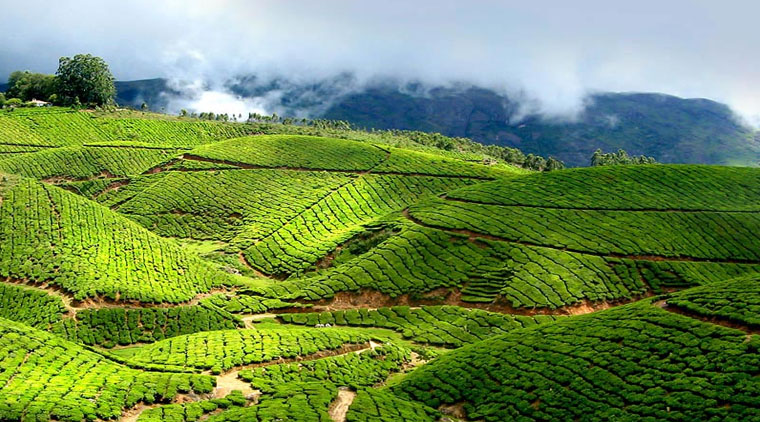
Munnar Tour
- Visit Echo Point
- Visit Kundale Lake
 8D / 7N
Munnar Ooty Kodaikanal Tour Package
- Visit Doddabetta Peak trek
- Visit Tea Gardens
 7D / 6N
Romantic Tour of Kerala
- Visit beautiful Athirapally falls.
- Visit tea gardens & plantations of Munnar. Enjoy overnight stay in a houseboat at Alleppey. Experience ayurvedic treatments at Kovalam.
 8D / 7N
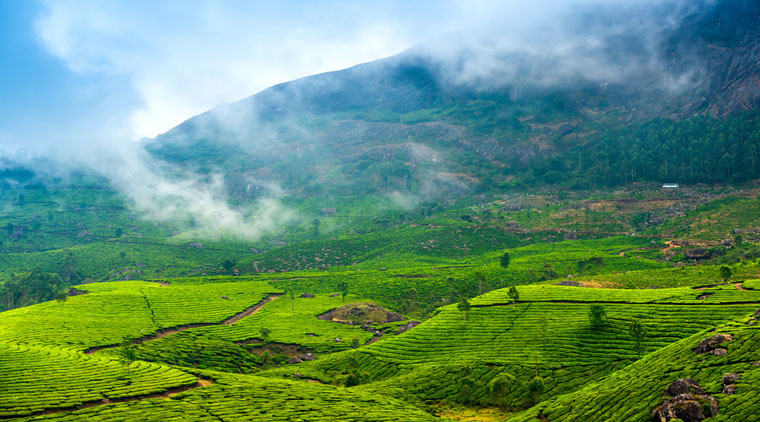
Ooty Kodaikanal Munnar Tour Package
- Visit Ooty Lake & Doddabetta Peak
- Green Valley View
 5D / 4N
South India Hill Station Tour
- Visit Meenakshiamman Temple
- Visit Eravikulam National Park