Ponmudi Travel Guide
The prime window is October to February , with clear views and cool air. The monsoon is hauntingly beautiful but comes with slippery hairpins, leeches and real closure risk.
When to visit Ponmudi, and the monsoon truth
The prime window is October to February, with clear views and cool air. The monsoon is hauntingly beautiful but comes with slippery hairpins, leeches and real closure risk.
- October to February: the hill at its bestCool, largely dry and green after the rains, with the longest clear-view windows in the mornings. This is when the grass hills look most like the golden crown the name promises, and when the eco-tourism treks run reliably. Evenings and dawns are genuinely chilly on top, so carry a warm layer even though you are in Kerala.
- March to May: the escape from the plainsWhen Thiruvananthapuram turns humid, the hilltop stays noticeably cooler. Mornings are misty and lovely; afternoons warm up and haze softens the views. This is also KTDC's peak-tariff season along with holidays, so the one hilltop hotel costs more exactly when the city crowd wants it most. Start early and treat the afternoon as riverside time down at Kallar.
- June to September: spectacular, and honestly riskyThe monsoon turns every fold of the ghats into a waterfall and the mist rolls like surf, but the trade-offs are real: slippery bends, leeches on the trails, river entry bans at Kallar and the chance the district simply closes the hill for the day when rain alerts are issued. If you love rain travel it is magnificent; just build in a fallback day.
- Any month, the mornings winPonmudi rewards early starts all year. Mist typically sits in the valleys at dawn and burns off through the morning; by afternoon the light flattens and the gate clock starts working against you. Whatever the season, plan to be climbing the hairpins by mid-morning at the latest.
After heavy rain damaged the ghat road, the district administration kept Ponmudi closed for months in 2022 and reopened it only in mid-December 2022 under restrictions. It happened again in June 2026: the Divisional Forest Officer suspended all visitor entry from 8 June amid landslide warnings, reopening the hill only after the rain eased. The road has been rebuilt, but the lesson stands: during June to September, check locally on the morning of your trip whether the hill is open, because red-alert rain can shut the check post for the day at short notice. A quick call to your hotel or the eco-tourism office saves a wasted drive.
How to reach Ponmudi
Everything funnels through Thiruvananthapuram. From the city it is a two to two and a half hour drive through Nedumangad and Vithura, ending in 22 numbered hairpin bends above Kallar.
- By car from ThiruvananthapuramPonmudi is about 55 to 61 km from the city depending on your starting point and route; Kerala Tourism's own pages quote slightly different figures, so trust the drive time instead: around two to two and a half hours via Nedumangad, Vithura and Kallar. The last roughly 18 km beyond Anappara is the ghat section with 22 numbered hairpin bends, narrow and often misty, so an experienced hill driver earns his keep.
- By KSRTC bus, cheap and surprisingly practicalDirect ordinary buses leave Thampanoor Central Bus Terminal, from platforms 5 and 6, with the first departure around 5:30 am and a handful more through the day. The fare is about 75 rupees and the ride takes around 3 hours through Nedumangad, Vithura and Kallar. Note that the Ponmudi bus stop sits about 2.5 km below the top viewpoint area, so keep some walking legs in reserve.
- By train, to Thiruvananthapuram CentralThe nearest railhead is Thiruvananthapuram Central, roughly 56 to 63 km away depending on route and superbly connected across India. From the station forecourt you can take a pre-paid taxi straight up, or walk five minutes to Thampanoor bus terminal for the Ponmudi bus. There is no closer station; the hill has never had a rail link.
- By air, to Trivandrum InternationalTrivandrum International Airport is roughly 58 to 71 km from the hilltop depending on route and source, with direct connections to the Gulf and the Indian metros. A same-day airport-to-hilltop run is possible if you land early, but remember the check post stops entries by late afternoon, so a morning arrival is the realistic cutoff for going straight up.
Fly into Trivandrum International (TRV) via a Gulf hub, or into Kochi and connect down by train or road. Ponmudi then slots in as the easy Western Ghats day or overnight from the Kovalam and Varkala beach stays that anchor most south Kerala itineraries.
Trivandrum has long-standing direct Gulf links, which makes Ponmudi one of the quickest real hill escapes in India for Gulf-based NRIs: land in the morning, and you can be watching mist pour over the grass hills by afternoon, provided you clear the Kallar check post in time.
Take any train to Thiruvananthapuram Central or fly to Trivandrum, then go by road. There is no closer rail or air point, and the KSRTC bus from Thampanoor is the honest budget route the listicles forget.
The viewpoint plateau, Golden Valley and the falls
Ponmudi is really three places: the misty summit plateau, the rocky Kallar river with Golden Valley at the base, and the forest waterfall walk to Kallar Meenmutty in between.
- The summit plateau and viewpointsThe road tops out on an open plateau of grass hills, the area old-timers call the upper sanatorium, with short walking paths to viewpoints over blue ridgelines and, on clear days, glimpses toward the sea. Mornings belong to the mist, which parts and reseals in minutes; this is the Ponmudi people come back for. The gate below manages entry, and paths are short enough that most fitness levels can enjoy the top.
- Golden Valley and the Kallar riverAt the base of the climb, the Kallar river tumbles over golden-brown boulders, and Golden Valley is the managed riverside stretch with a District Tourism Promotion Council facilitation centre. It is open roughly 6 am to 5 pm with free entry at last report. Families picnic, children paddle in the shallows, and on a hot day it is the best hour of the trip. Respect the rope lines: river entry is banned outright during heavy rain.
- Kallar Meenmutty waterfallA roughly 3 km forest path from near Kallar leads to this three-tiered fall, about half the distance drivable and the rest a lovely walk past resting huts, with the river on one side and dense forest on the other. An entry fee is collected at the start of the falls road, recently listed around 30 rupees. Do not confuse it with Wayanad's Meenmutty, and give it a miss in heavy rain when the path turns slick.
- Peppara and Agasthyarkoodam, for the committedPeppara Wildlife Sanctuary, about 53 sq km of elephant and hornbill country roughly 30 km away, and the sacred cone of Agasthyarkoodam, about 1,868 m and roughly 44 km distant, are the serious extensions. Agasthyarkoodam is a permit-only multi-day trek whose season and bookings are announced by the Kerala Forest Department each year, so treat both as separate expeditions rather than Ponmudi add-ons.
Recent published rates at the hilltop gate are about 20 rupees for an Indian adult, about 10 rupees for a child, about 200 rupees for a foreign adult and about 150 rupees for a foreign child, with parking from about 10 rupees for two-wheelers up to about 50 rupees for buses, and a still camera fee of about 25 rupees. These change by government order, so treat them as a guide and reconfirm at the gate or with the Divisional Forest Office, Thiruvananthapuram (0471 252 9169). Carry cash; the check post is not a card-and-UPI place you can rely on.
Signature experiences in Ponmudi
The drive itself, the official guided treks, the river hours and a sadya on arrowroot leaves: this is how Ponmudi is actually enjoyed, with the real prices.
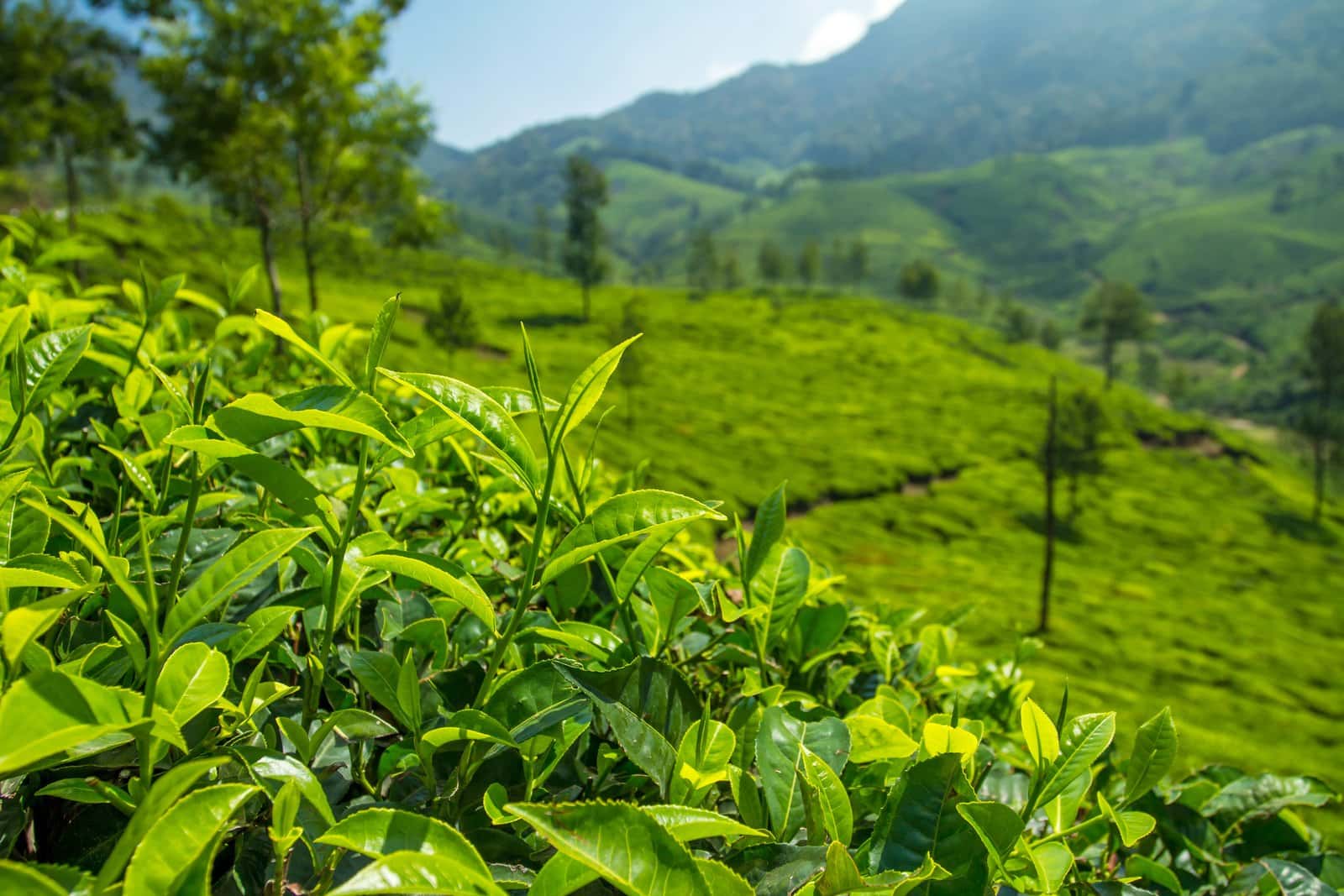
- The hairpin climb, done slowlyThe 22 numbered hairpin bends above Kallar are the experience most visitors remember first. Tea gardens and forest close in, mist drifts across the bends, and each numbered curve marks your progress. Go up in low gear, honk gently before blind corners, give way to climbing traffic on the way down, and stop only in marked pull-outs. Bikers treat this as one of south Kerala's classic rides for good reason.
- The Varayadumotta trek, the hard oneKerala Tourism's Ponmudi Ecotourism unit runs a full-day guided trek to Varayadumotta ridge, home to a small population of Nilgiri tahr. It is about 18 km one way through shola forest, starts around 7:30 am, runs about 12 hours with two guides, and costs about 1,500 rupees for a group of five. It is rated among the toughest treks in the district, is suspended in the monsoon, and needs prior booking (8547600987). Best season is November to May.
- The gentler official treksThe same office runs shorter programmes: the roughly 4 km Seethatheertham walk to streams and temple ruins, the roughly 6 km Manachala walk to the Varayadumotta base camp, and the off-season Maruthwamala forest walk, each about 500 rupees for a group of ten plus about 60 rupees per extra person, generally starting around 7:30 am. These are the honest way into the forest for ordinary fitness levels, and the guides double as bird spotters.
- River hours at Golden ValleyBuild in an unhurried hour on the Kallar boulders, feet in cold water, before or after the climb. On the way up it wakes everyone after the early start; on the way down it washes off the hairpins. The DTPC centre can point you to safe stretches, which matters because the river rises fast when it rains on hills you cannot see.
- Birding and the grassbirdThe summit grasslands are a breeding ground of the broad-tailed grassbird, a threatened species that draws serious birders, and the shola edges hold Malabar specialties. Even casual visitors notice the butterflies. Early mornings on the quieter paths, or a guided eco-trek, give the best sightings; this is a genuine wildlife destination wearing a picnic-spot costume.
- Eat like the locals doDining is limited on the hill, so the memorable meal is on the Vithura road: Kaattile Kada, a rustic roadside restaurant famous for Kerala sadya and country dishes served on arrowroot leaves, is the stop Malayali travellers call unmissable. On the hilltop itself, KTDC's restaurant and a small cafeteria cover the basics; carry water and snacks as backup.
If you can, stay the night on top and give yourself dawn. The plateau at first light, with mist filling the valleys and the grass hills turning gold as the sun climbs, is the whole point of the name Ponmudi, and day-trippers structurally cannot see it because the check post opens well after the show starts. Runners even come for it: the Golden Peak Half Marathon is run up here early in the year. One night turns a nice drive into the reason you tell people about Ponmudi.
Where to stay in Ponmudi, and the evening gate rule
There is essentially one hotel on the hilltop, KTDC's Golden Peak, plus homestays and resorts on the lower slopes around Vithura and Kallar. Book the top early, and arrive before the gate closes.
- KTDC Golden Peak: the only bed on the summitThe government-run Golden Peak hill resort has just 28 rooms in wood and granite cottages scattered across the plateau. Its published tariff card for 1 April 2026 to 31 March 2027 runs from about 2,150 rupees for a deluxe double to about 6,000 rupees for the superior suite on normal days, rising to roughly 2,500 to 6,500 rupees on weekends, holidays and in April to May, with breakfast about 200 rupees and lunch or dinner about 380 rupees plus GST. Check-in is around 2 pm and check-out around noon. Weekends sell out well ahead, so book on the KTDC site early.
- Vithura and Kallar: the lower-slope alternativeA scatter of homestays, small resorts and river-side properties sits around Vithura, Kallar and the estate roads below the ghat section. You trade the summit dawn for easier logistics: no gate clock on your evening, dinner options nearby, and the river a short walk away. For families with young children this is often the more relaxed base, driving up the hairpins fresh in the morning.
- Base in the city or the beachesPlenty of travellers keep their room in Thiruvananthapuram, Kovalam or Varkala and do Ponmudi as a long day. It works, and it is the only option when Golden Peak is full, but you spend four to five hours of the day on the road and you miss the dawn plateau. If the hill matters to you more than the beach that night, flip it: one night up top, then back to the coast.
- Extra people and childrenAt Golden Peak an extra person is about 950 rupees and a child about 475 rupees on the current card, which makes the family arithmetic easy and honest compared to private resorts' seasonal quoting. Rooms are simple government-run comfort, not luxury: you are paying for the location, and the location is extraordinary.
KTDC's own booking page carries the sentence every Ponmudi plan should be built around: guests should reach the resort before 5 pm, because entry through the forest check post is prohibited after that. There is no late arrival to the summit, no dinner run up from the plains, no sunset entry. Whatever your room booking says, treat about 4 pm as your last safe passage through Kallar and plan the day backwards from there.
Ponmudi costs and a realistic day budget
Ponmudi is one of Kerala's cheapest great days out. Here is what the gate, the bus, the treks and the beds actually cost, with sources.
- The bus-and-gate day, almost freeBy KSRTC the whole day is startlingly cheap: about 75 rupees each way from Thampanoor, about 20 rupees entry for an Indian adult at the gate, and whatever you spend on tea and a meal. Even with the walk from the bus stop, a careful traveller does the entire day for less than about 500 rupees a head, which is why this is such a loved local outing.
- The private car dayA taxi or ride-hailing car from the city for the day is the comfortable option; agree the fare and waiting time before you set off rather than assuming meter rates apply to hill routes. Add parking at the gate, about 10 rupees for two-wheelers up to about 50 rupees for buses, with cars in between, and the entry fees per person. An experienced hill driver is worth paying for on the hairpins, especially in mist season.
- Trek and activity moneyThe official eco-tourism programmes are priced per group: about 1,500 rupees for five persons on the full-day Varayadumotta trek, and about 500 rupees for ten plus about 60 rupees per extra head on the shorter walks, which split absurdly cheaply among friends. The Meenmutty falls road fee was recently listed around 30 rupees, and a still camera at the main gate about 25 rupees. Carry small notes; every one of these is a cash counter.
- Beds and mealsGolden Peak runs about 2,150 to 6,000 rupees a night normal season on the current card, roughly 2,500 to 6,500 rupees at peak, with set meals about 200 rupees for breakfast and about 380 rupees for lunch or dinner plus GST. Lower-slope homestays vary with season and view. Food on the hill is limited and simple, so budget more appetite than money.
Every price at Ponmudi is a government or eco-tourism counter rate, not a negotiation: the gate, the parking, the camera fee, the trek packages, the KTDC tariff. That makes this one of the rare Indian day trips where you can budget to the rupee before leaving, and where the only real variable is your transport. Reconfirm the volatile ones (gate rates with the Forest Office, tariffs on the KTDC site) close to your date, and the day holds no financial surprises at all.
Practical logistics: the check post, fuel, signal and food
The small rules that make or break a Ponmudi day: what happens at the Kallar gate, where the last fuel is, what your phone will and will not do, and what to carry.
- The check post ritualAt Kallar the forest gate staff note vehicles, collect fees and check inside cars. Carry a valid photo ID for everyone, keep cash ready for the entry and parking counters, and know that alcohol is not allowed past the gate; bottles found in vehicle checks are dealt with on the spot. Entries run from about 8 am and day visitors are generally not allowed up after around 4 pm, with everyone expected down or at their hotel by evening.
- Fuel, and the empty-tank mistakeThere is no petrol pump on the hill. Fill up in the city or at Nedumangad or Vithura on the way; the climb, the low-gear descent and any Kallar detours burn more fuel than the map distance suggests. The same logic applies to cash: draw what you need before Nedumangad, and do not count on ATMs or card machines past Vithura.
- Phone signal and offline senseExpect patchy mobile coverage on the ghat section and in the folds of the plateau; mist weather makes it worse. Download offline maps, save the emergency numbers, and tell someone your plan if you are trekking. The eco-tourism office and your hotel landline are more reliable than assuming your data will work at the top.
- What to carry upWater, snacks, a warm layer for the top, rain protection most of the year, motion-sickness tablets for the bends, and shoes with grip for damp paths. Ponmudi is a plastic-conscious eco-tourism zone, so carry your waste back down; the gate staff take littering seriously, and the hill deserves it.
- Language and local helpMalayalam is the language of the hill, but the eco-tourism guides, KTDC staff and DTPC centre at Kallar handle English comfortably and Hindi passably. The guides are the single best source of same-day truth: whether the mist will lift, which path is leech-free this week, and whether the river is safe today.
Safety on the hairpins, the river and the trails
Ponmudi is gentle if you respect three things: the mountain road, the fast-rising river, and the weather. Here is the honest safety brief with the numbers to save.
- Drive the ghat like a localUse low gear both up and down rather than riding the brakes, sound a short horn before blind hairpins, give way to climbing vehicles, and never overtake on the bends. In mist, slow to walking pace with low beams; visibility can drop to a few metres in seconds and return just as fast. If you are not a confident hill driver, hire one; the road is safe for the careful and unforgiving to the casual.
- Respect the river more than the roadThe Kallar looks like a picnic stream and behaves like a mountain river: it rises quickly when rain falls on hills you cannot see, and its smooth boulders are treacherously slippery. Enter only at the stretches locals and the DTPC centre point out, keep children within arm's reach, stay out entirely when levels are up, and honour the formal bans during heavy rain. This is the risk that causes real tragedies here, not the hairpins.
- Leeches, lightning and the weatherIn and after the rains, leeches are routine on grass and forest paths; closed shoes, socks and a pinch of salt handle them, and the bites are harmless if annoying. The exposed plateau also sees strong winds and occasional lightning, so come off the open viewpoints when a storm builds. Sun on the grasslands is deceptively strong through the mist; carry water and sun protection.
- Health basics and helpCarry motion-sickness tablets for the bends, any personal medication, and basic first aid for treks. Save these before you go: Ponmudi police station 0472 289 0222, the all-India emergency 112, ambulance 102 or 108. The nearest serious medical care is down the mountain toward Nedumangad and the city, which is one more reason the gate wants everyone off the hill by evening.
Ponmudi is a day-trip hill with families, college groups and bikers, and solo women travellers generally report it as comfortable during gate hours; the crowd thins to almost nothing after the day visitors leave, which is either the magic or the loneliness of an overnight, depending on your temperament. Use the official guides for treks rather than informal offers, keep to the managed areas at Kallar, and time your KSRTC returns before the last convenient evening buses rather than counting on late transport.
Ponmudi for every kind of traveller, and on access
Bikers and birders adore it, families build their day around the river, and seniors can enjoy it with honest planning. Here is the one steer that matters for each.
- CouplesBook the KTDC overnight and you get the version of Ponmudi day-trippers never see: the empty plateau at dusk, mist under the stars, and the golden dawn. It is simple comfort rather than a honeymoon resort, so treat it as an adventure night between beach stays, not the luxury chapter.
- Families with childrenChildren remember the river more than the view: the Kallar shallows at Golden Valley are the highlight, with the hairpin count game keeping them busy on the climb. Keep swims to the pointed-out stretches, carry motion-sickness tablets, and consider a lower-slope stay so nobody is racing the gate cutoff of around 4 pm with a tired toddler.
- Senior travellers and accessibilityThe drive is the challenge, not the destination: 22 hairpins demand a calm stomach, and there is no ropeway shortcut here. But the summit rewards gently, with viewpoints a short, mostly level walk from parking, and Golden Peak's cottages keep everything close. Pick the dry season, travel mid-week for a quieter road, and let a hired driver handle the bends.
- Bikers and road-trippersThis is one of south Kerala's classic rides: 22 numbered bends, tea-garden light and mist that turns the GoPro footage cinematic. Ride sober (the gate checks), keep off the bends in heavy rain, fuel up at Vithura, and go on a weekday if you want the road to yourself rather than a queue at the check post.
- Solo and budget travellersThe 5:30 am KSRTC bus from Thampanoor is one of Kerala's great budget adventures: about 75 rupees to a Western Ghats summit. The catch is the return clock and the 2.5 km walk from the bus stop to the top, so travel light, start on the first bus, and you will have hours on the plateau before the crowd arrives.
- Photographers and birdersDawn and the first two hours are everything; stay the night or take the earliest bus. The broad-tailed grassbird makes the summit grasslands a genuine birding site, the shola edges add Western Ghats endemics, and the hairpin bends shoot beautifully in mist. Protect gear from spray and pay the small camera fee at the gate without grumbling.
A Ponmudi itinerary built around the gate clock
Every good Ponmudi plan is the same shape: up early, summit in the morning mist-lift, river in the afternoon, and through or below the check post before it closes.
- The classic day tripLeave the city by about 7 am, pause for breakfast en route, and be climbing the hairpins by mid-morning as the mist starts lifting. Give the plateau two to three unhurried hours, eat a simple lunch, then come down for the golden-afternoon hour at Golden Valley or the Meenmutty walk. You are back through Kallar comfortably before the gate closes and in the city by dinner.
- The overnight versionReach Golden Peak by mid-afternoon, well inside the roughly 5 pm gate rule, walk the plateau at dusk when the day crowd has drained away, and wake for the dawn the hill is named for. Descend late morning, spend river time at Kallar, and you have had the complete Ponmudi in about 24 hours. This is the version worth rearranging a Kerala itinerary for.
- The trekking dayFor Varayadumotta, sleep at Golden Peak or a lower-slope stay the night before: the trek starts around 7:30 am and runs about 12 hours, which no same-morning drive from the city can meet honestly. The shorter Seethatheertham and Manachala walks fit inside a normal day trip if you book ahead and start early.
- The half-day mistakeA lunchtime start does not work at Ponmudi: by the time you reach Kallar the gate is near its cutoff, the mist has flattened into haze, and you will spend your whole visit watching the clock. If half a day is all you have, spend it at Golden Valley and the falls below the gate instead, and save the summit for a proper morning.
The single planning rule for Ponmudi: start from the gate cutoff and work backwards. Day entries generally stop around 4 pm at Kallar and resort guests must be in before about 5 pm, buses back to the city leave in the late afternoon, and the 2.5 km from bus stop to summit takes real time on foot. Fix your descent hour first, then your summit hours, then your departure from the city, and the day unfolds without a single anxious glance at your watch.
The real questions travellers ask about Ponmudi
Straight answers to the questions that come up again and again on TripAdvisor and Kerala travel forums, so you arrive already knowing the score.
- Is Ponmudi worth it if I have seen Munnar?They are different pleasures: Munnar is a full hill-station economy with days of sightseeing; Ponmudi is a wild, compact plateau you take in one deep breath. If you are based anywhere near Thiruvananthapuram or Kovalam, Ponmudi is the better use of one day; if you have three days and a car, Munnar still wins on variety.
- Can I watch the sunset from the top?As a day visitor, effectively no: the gate wants day traffic down before evening, and sunset entries do not happen. The only honest sunset and dawn tickets are a bed at KTDC Golden Peak, reached before about 5 pm. This one rule reshapes most people's plans, and knowing it in advance is half the trip.
- Does it really close when it rains?Yes, temporarily and without much notice. During heavy-rain alerts the district administration shuts the hill for the day; in 2022 storm damage closed it for months, reopening that December under restrictions, and in June 2026 the Forest Office again suspended entry for days during heavy rain. From June to September, check with your hotel or the eco-tourism office in the morning before you commit to the drive.
- Is the road dangerous?It is a proper ghat road, narrow with 22 hairpins and sudden mist, but it is well used by buses and families every day. Careful drivers have no drama; casual ones scare themselves. If mountain roads worry you, take the KSRTC bus up, whose drivers make the bends look routine, or hire a local driver.
- Can we bathe at Golden Valley or the falls?Yes at the pointed-out stretches of the Kallar in normal weather, with children supervised closely; no during heavy rain when entry is formally banned and the river rises fast. Under the falls, be humble: wet rock here is genuinely slippery, and the local safety instructions exist because of past accidents.
- Do I need permits for the treks?You need bookings, not paperwork: the official eco-tourism treks (about 1,500 rupees for five on Varayadumotta, about 500 rupees for ten on the shorter walks) come with guides and are arranged by phone in advance. Independent off-trail trekking in the reserve forest is not permitted; Agasthyarkoodam is a separate Forest Department permit system with its own season.
Planning Ponmudi from abroad
For overseas visitors, Ponmudi is the easiest genuine Western Ghats experience in south Kerala: one day, one gate, one unforgettable road, an hour or two from the beach resorts.
- Where it fits in a Kerala tripMost overseas itineraries run beaches and backwaters: Kovalam or Varkala, Alleppey, maybe Kochi. Ponmudi is the one-day mountain counterpoint that requires no reshuffling, about 64 to 70 km from Kovalam depending on route and around a two and a half hour drive from the coast. You get tea-country light, cloud forest and a hairpin road without committing the two extra nights Munnar demands.
- Know the foreigner fee tierForeign visitors pay a separate gate rate, recently listed about 200 rupees for an adult and about 150 rupees for a child against about 20 rupees for Indian adults; it is modest money but a surprise if unbriefed, and the counter takes cash. Carry your passport as ID for the check post and keep small notes for parking and camera fees.
- Book the car sensiblyArrange a full-day car with a driver who knows the hill rather than self-driving a rental on your first Indian ghat road. Agree the plan the evening before: an early start, breakfast en route, summit by mid-morning. Your hotel in Kovalam or the city can set this up; make the gate cutoff part of the brief so the driver plans the return leg properly.
- Manage expectations about the topThere is no alpine village at the summit: one government resort, a cafeteria, walking paths and enormous views. That austerity is the charm. Dress in layers, expect mist to hide and reveal the valleys by the minute, and treat a cloud-white hour not as bad luck but as the hill's signature weather. The Kallar river stop on the descent rounds the day perfectly.
Money, connectivity and timing for foreign visitors
The practical basics an overseas traveller needs for a forest-gate hill day: cash in small notes, a working Indian SIM, and the season call.
- Cash rules the mountainEvery counter on this trip, gate, parking, camera, trek, falls road, tea stalls, works on cash, and there are no reliable ATMs past Vithura. Draw money in the city or at the airport, break it into small notes, and keep the day's gate money in an accessible pocket so the check post stop takes seconds.
- SIM and staying reachablePick up an Indian SIM or eSIM on arrival at Trivandrum airport; coverage is decent along the approach but patchy on the ghat and the plateau, worse in mist. Download offline maps before leaving the city, share your plan with your hotel, and treat the mountain as a pleasantly disconnected day rather than a working one.
- When to slot it into your tripOctober to February gives the most reliable views and trail conditions, matching peak beach season on the coast. March to May works with early starts. In the June to September monsoon, keep Ponmudi as a flexible day you confirm that morning, because rain alerts can close the hill; the reward, if it is open, is the most dramatic mist and waterfalls of the year.
- Health, insurance and the roadNo special preparation is needed beyond standard India travel cover, but respect the geography: serious medical care is down the mountain, the road demands daylight, and travel insurance that covers trekking is sensible if you book the guided walks. Motion-sickness tablets, sunscreen and a rain shell cover the actual risks you will meet.
Ponmudi is an unusually gentle introduction to the Indian mountains: one road in, a managed gate, official guides, posted fees and a government resort, with none of the hustle that can tire first-time visitors elsewhere. If India's big hill stations feel daunting, this quiet plateau above Thiruvananthapuram is the soft landing, and pairing it with Kovalam's beaches gives a first Kerala week both its blue and its green days.
Why they call it the golden crown
Ponmudi means the golden crown, and one dawn on the plateau explains the name better than any book: as the sun clears the eastern ridges, the mist in the valleys catches fire and the grass hills turn, for a few minutes, the colour of old gold. Local tradition holds that Lord Parasurama, the sage who in legend raised Kerala from the sea, discovered this hill, and storytellers add that the crown in the name is his. The plainer history is also good: British planters carried tea up these slopes for the cool air, the kingdoms of the deep south traded and fought across these ridges, and the road with its 22 numbered bends came late enough that the hill kept its wildness. No single scriptural verse anchors the Parasurama story; it lives in local retelling, repeated by Kerala Tourism and the Malayala Manorama press, and that is how we source it, as a beloved tradition rather than a citation. Climb for the dawn and you will not argue with the name.
Planning a Ponmudi trip?
Our Kerala travel experts plan your full journey for you: route, hotels, darshan timings and transport. You get a free day-by-day plan and an exact quote on WhatsApp, usually within a few hours. No payment is needed to get your plan.