Thekkady Travel Guide
The most comfortable months are October to February or March , cool and dry with the clearest lake cruise. Periyar is unusual in staying open through the monsoon, so the wet...
When to visit Thekkady, and the one reserve that stays open
The most comfortable months are October to February or March, cool and dry with the clearest lake cruise. Periyar is unusual in staying open through the monsoon, so the wet season is a real, if leech-prone, option.
- October to February: cool, dry and clearThe most comfortable window, pleasant by day and cool in the hills at night, so carry a light layer. The lake cruise is at its best with calm water and good visibility, and the trekking trails are dry and firm. This is peak season, so book the boat and any treks ahead.
- March to May: hot, but good for wildlife at the waterThe plains heat builds, but as the forest dries out animals come down to the lake to drink, which can make the cruise rewarding. Trails are clear of leeches. Carry water and sun cover, and take the early-morning or late-afternoon boat slots to dodge the midday heat.
- June to September: green, quiet and wetPeriyar is one of the few Indian tiger reserves that stays open in the monsoon, and the forest is at its lushest with far fewer crowds. The trade-off is heavy rain, slippery trails and leeches on the treks, so this season suits the cruise and a spice walk more than a full-day hike.
- Decide cruise-only or treks firstIf you only want the gentle lake cruise, a spice tour and a cultural show, any season works and the monsoon is atmospheric and cheap. If bamboo rafting or border hiking is the point of your trip, come in the dry months when the trails are firm and the leeches are gone.
Across most of India's wildlife parks the monsoon means a hard closure, but Periyar keeps running, and many regulars rate the green, quiet, rain-washed reserve as their favourite version of it. The catch is purely the trekking: heavy rain makes the long guided hikes slippery and leech-heavy. If your plan is the lake cruise, a spice plantation walk and an evening Kathakali show, a monsoon visit is gentle, uncrowded and good value, and you simply skip the hard treks.
How to reach Thekkady and Kumily
Thekkady has no airport and no railway of its own. Most travellers come by road from Kochi, Munnar or Madurai, and almost everyone stays in Kumily, the border town about 4 km from the reserve gate.
- By air: Madurai is nearer, Cochin is biggerMadurai airport in Tamil Nadu is the nearer gateway at about 140 km, roughly 3.5 hours by road. Cochin (Kochi) International Airport is the bigger hub with wide international links at about 190 km, roughly 4 to 5 hours by road. The official Kerala Tourism eco-tourism page itself gives 190 km from Cochin, so plan a half-day transfer either way.
- By rail: there is no railhead at ThekkadyThekkady and Kumily have no railway station. The nearest railhead is Kottayam at about 110 to 115 km, again as the official page states, roughly 3 to 4 hours by taxi or bus over the hills. Many travellers train to Kottayam, Ernakulam or Madurai and drive the last leg.
- From Munnar and the Kerala loopMunnar is about 85 to 95 km away, roughly 3 to 4 hours on a winding hill road, and the two pair perfectly. The classic loop runs Kochi, Munnar, Thekkady and on to the Alleppey or Kumarakom backwaters, and we can arrange a car with an experienced hill driver for the whole circuit.
- By busKSRTC and private buses run to Kumily from Ernakulam (Kochi), Kottayam, Madurai and Munnar; the Ernakulam to Kumily run is roughly 5 to 6 hours via Kottayam and Vandiperiyar. Kumily has the main bus stand, and Thekkady is the short hop on from there.
Fly into Kochi (Cochin), the main international gateway for central Kerala, then drive about 4 to 5 hours to Thekkady, usually with Munnar in between. There are no flights into Thekkady itself.
Fly into Kochi or, for the Tamil Nadu side, Madurai, then drive the half-day transfer. Thekkady sits naturally on the Munnar and backwaters circuit out of Kochi.
Take a train to Kottayam, Ernakulam or Madurai and drive the last leg, or come overland from Munnar. Kumily is the road hub, and the reserve gate is about 4 km on.
Periyar Tiger Reserve, the lake, and Kumily town
Thekkady is the Periyar Tiger Reserve and its lake, with Kumily town and the spice country around it. A few facts about the reserve set up the whole visit.
- Periyar Tiger Reserve and LakeThe reserve covers about 777 sq km of Western Ghats forest in Idukki district, and the cruise everyone comes for is on the Periyar Lake, a reservoir of roughly 26 sq km formed by the Mullaperiyar dam. The lake, with its drowned tree stumps and forested shore, is the signature image of Thekkady.
- Kumily town and the spice bazaarMost hotels, restaurants and shops are in Kumily, the busy little town on the Kerala and Tamil Nadu border, about 4 km from the reserve gate. Its main street is lined with spice shops selling cardamom, pepper and cinnamon, and it is the hub for tours, buses and cultural shows.
- Spice plantations around KumilyThe hills around town are working cardamom, pepper, clove, nutmeg and vanilla plantations, and a guided spice walk is one of the most enjoyable few hours here. You learn how the spices grow and are processed, and you can buy fresh at the source.
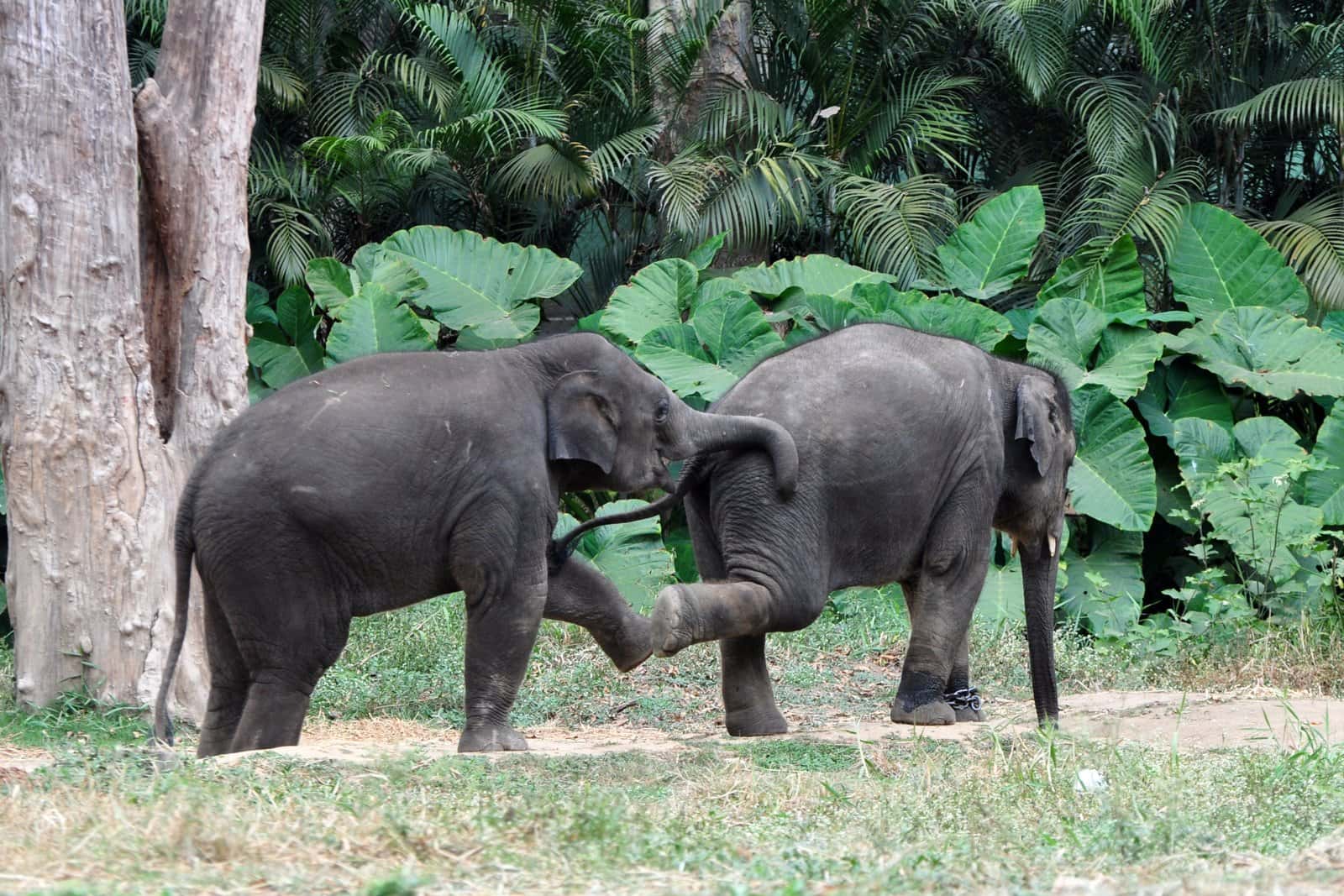
- Murikkady and Elephant JunctionJust outside town, places like Murikkady and the Elephant Junction at Thekkady offer elephant interactions and rides. These are popular but ethically debated, so read the experiences section before you decide whether an elephant ride is for you.
The names trip up many first-timers. Periyar Tiger Reserve (also called Periyar National Park or the Periyar Wildlife Sanctuary) is the forest. Thekkady is the area at the reserve gate where the boat landing and entry point sit. Kumily is the town about 4 km away where almost everyone actually stays and eats. When a hotel says Thekkady, it usually means in or near Kumily, so do not expect to be inside the jungle.
Signature experiences in Thekkady, with official prices
The lake cruise is the gentle highlight; the bamboo rafting and border hiking are full-day guided treks. Here is what each costs from the official sources, and the honest steer on elephant rides.
- The Periyar lake boat cruiseThe classic Thekkady experience: a roughly 90 minute cruise across the Periyar Lake watching the forested shore. The government KTDC boat is a flat fare of about 450 rupees per head inclusive of GST, with forest entry charged separately. Slots run roughly 7:30 am, 9:30 am, 11:15 am, 1:45 pm and 3:30 pm. Take an early slot for the best wildlife and the calmest water, and book ahead because it sells out.
- Bamboo Rafting: the standout trekA day-long guided rafting and trekking programme run by the Forest Department, reporting at about 7.45 am. The official Kerala Tourism price is about 2,400 rupees per person for the full day and about 1,800 rupees per person for the half day, with entrance fees on top. Many travellers rate it the best thing they did here; in the wet months, wear leech socks.
- Border Hiking and the gentle walksBorder Hiking is a full-day guided hike from about 8 am to 5 pm with food included, at about 1,800 rupees per person. If that is too much, the Nature Walk and Green Walk are easy 4 to 5 km guided walks of about 2.5 to 3 hours at about 350 rupees per person, a lovely low-effort way to be in the forest with a guide.
- The Periyar Tiger Trail and night patrolFor a deeper trip, the Tiger Trail is a 20 to 35 km camping trek led by reformed poachers, at about 6,000 rupees per person for one night and about 8,400 rupees for two nights, booked ahead for up to six people. The Jungle Scout night trek runs about 7 pm to 4 am with armed guards at about 1,200 rupees per person. Both need prior booking through the Forest Department.
- Spice plantation tourA guided walk through a working cardamom and pepper plantation, usually about 45 minutes to 2 hours, is one of the most pleasant and informative things to do, and a good rainy-day option. Prices are set by each plantation and are not published officially, so agree the rate before you start; your hotel can arrange one easily.
- Kathakali and Kalaripayattu showsEvening performances of Kathakali dance-drama and Kalaripayattu, the Kerala martial art, run at cultural centres in Kumily such as Mudra and Kadathanadan. Arrive early to watch the elaborate make-up and costuming before the show. Tickets are sold locally and prices are not published officially, so reconfirm at the venue and book ahead in season.
Elephant rides and interactions are offered at venues like Elephant Junction at Thekkady and remain legal and available in 2026, and WayToIndia tours have used Elephant Junction at Murikkady, Thekkady. They are also genuinely contested: animal-welfare groups campaign against captive-elephant rides on welfare grounds, and some countries have moved to ban them. We do not tell you what to choose, but we will not pretend the debate is not there. If the ethics matter to you, a forest cruise and a spice walk give you a full, rewarding Thekkady day without an elephant ride.
Booking the Periyar boat cruise: the two-portal truth
The single most confusing part of a Thekkady trip is booking the lake cruise, because two official sites sell it at different prices and the boat sells out. Here is exactly how it works.
- Two official portals, two pricesThe cruise is sold through two official sites: the Forest Department portal at periyartigerreserve.org and the KTDC portal at boating.ktdcbooking.com. Travellers regularly report seeing different prices on each, which is the source of nearly all the online confusion. The KTDC site currently shows a flat fare of about 450 rupees per head inclusive of GST. Check both, and do not assume the cheaper-looking quote is the whole cost.
- Forest entry is a separate feeWhichever boat you book, the forest entry fee is not included and must be bought separately at the forest information office, as the KTDC terms state plainly. The per-head forest entry and camera fees are not published clearly on one official page, so treat any figure you see online as approximate and pay it on the spot. Budget for it on top of the boat fare.
- It sells out, so book aheadEach slot has a limited online quota, and travellers often hit an insufficient quota message when a slot is full. The upper deck has the best views and goes first. Book a day or more ahead in season, or be at the counter early; counter sales for the day typically close in the afternoon.
- The rules that catch people outKTDC tickets are non-cancellable, non-refundable and non-transferable, and valid only for the exact day and slot booked. You must report to the boat landing about 30 minutes before departure, and the common parking area is about 4 km from the landing, so leave time. Keep your ticket until you exit the sanctuary.
A recurring frustration on traveller forums is that the boat-booking sites often accept Indian cards only, so an overseas card is declined at the payment step and emails to the booking offices frequently go unanswered. The reliable workaround travellers use is to have your hotel, driver or a local tour operator book the tickets for you in advance, or to buy at the ticket counter on the day. If you are coming from abroad, do not leave the boat booking to chance online; arrange it through someone on the ground.
Where to stay in Thekkady, and how many nights
Stay in or near Kumily for the town and the easy walk to the gate, or on a plantation on the edge for calm and views. One night is the sweet spot, two if you want a full-day trek.
- Kumily town: convenient and livelyMost budget and mid-range stays are in Kumily, walkable to the spice shops, restaurants, cultural shows and the bus stand, and a short hop from the reserve gate. Best for first-timers who want everything close and easy, though the main road can be busy.
- Plantation and forest-edge stays: calm and greenQuieter properties sit among the cardamom and tea on the edge of town, with views, gardens and birdsong, but you will need transport into Kumily and to the gate. Better for couples, families and anyone who wants to slow down. The official Forest Department also runs eco-stays such as Bamboo Grove and the Jungle Inn inside the reserve.
- How many nightsOne full day and one night covers the lake cruise, a spice plantation walk and an evening cultural show comfortably. Add a second night only if you want a full-day bamboo rafting or border hiking trip, since those eat a whole day. Thekkady is small, and most travellers find one night enough.
- Inside-the-reserve eco-staysThe Forest Department offers limited eco-accommodation: the Bamboo Grove is about 4,000 rupees per cottage with a complimentary boat ride, the Jungle Inn watchtower stay is about 2,000 rupees for two for a night, and the Jungle Camp tented stay is about 5,000 rupees for two. These book out fast and are arranged through the reserve, not the usual hotel sites.
Because the lake cruise sells out and the activity slots are limited, the smart move is to lock the boat and any trek at the same time you confirm your room, not on arrival. A good Kumily hotel will book the cruise for you, which also solves the foreign-card problem. If you are doing the Munnar to Thekkady loop, ask the hotel to hold your preferred boat slot for the morning after you arrive, so a late hill drive does not cost you the cruise.
Thekkady costs and a realistic budget
Thekkady is gentle on the wallet if you stick to the cruise and a spice walk, and steps up sharply if you add the guided treks. Here is what the main things cost from official sources.
- The fixed activity pricesThe KTDC lake cruise is about 450 rupees per head inclusive of GST, with forest entry on top. The official Forest Department activities are about 350 rupees per person for the nature or green walk, about 1,800 rupees for full-day border hiking, about 1,800 to 2,400 rupees for bamboo rafting, and about 6,000 to 8,400 rupees per person for the Tiger Trail camping trek. These are the anchor prices to plan around.
- A rough daily budgetExcluding your room and long-distance transport, a simple day of the cruise, a spice walk and a cultural show runs modestly, perhaps a couple of thousand rupees a head once you add forest entry, the spice tour and a show. A day built around bamboo rafting or border hiking is dominated by that one activity at about 1,800 to 2,400 rupees per person.
- The negotiable thingsSpice plantation tours, cultural show tickets, autos and taxis are not published officially and are quoted to suit you, so agree the price before you commit. Your hotel can give you a fair local rate for a spice tour and a show, which saves haggling on the street.
- Cash and cardsHotels, bigger restaurants and the official booking sites take cards or UPI, but small shops, autos, the spice growers and show counters often run on cash, and the boat sites can reject foreign cards. Carry enough cash for the day, and draw it in town rather than relying on a single ATM near the gate.
If you remember nothing else about Thekkady money, remember two figures: the lake cruise is about 450 rupees per head plus a separate forest entry fee, and the full-day guided treks are about 1,800 to 2,400 rupees per person. Everything else, the spice tour, the show, the autos, is negotiable and cheap by comparison. Knowing the two fixed anchors stops you overpaying for the activities that actually define the visit, and lets you budget the rest loosely.
Practical logistics: getting around, food, money and SIM
The small things that make a Thekkady day smooth, from getting between Kumily and the gate to cash, food and connectivity.
- Getting between Kumily and the gateKumily town and the reserve gate at Thekkady are about 4 km apart. Autos and taxis do the hop cheaply, and it is walkable in good weather. Remember the common parking area is about 4 km from the boat landing inside, so allow time on cruise mornings and follow the signs to the right reporting point.
- Food and the spice countryKumily has a good spread of Kerala and traveller restaurants, and the local cooking leans on the very spices grown around town. Unlike some temple towns, there is no dry or vegetarian-only rule here. Drink bottled or filtered water and take the usual care with street food.
- Money and ATMsThere are bank ATMs in Kumily town. Cards and UPI work in hotels and bigger places, but spice growers, autos, show counters and small shops prefer cash, and the boat-booking sites may reject foreign cards, so keep a cash buffer for the day.
- SIM, signal and languageMobile coverage in Kumily and around the gate is generally fine for calls, maps and data, though it thins inside the forest. Malayalam is the local language and Tamil is widely spoken at the border, but English works easily in the tourist trade, so communicating is simple.
Kumily sits right on the Kerala and Tamil Nadu border, so you may cross between states almost without noticing, and you will hear both Malayalam and Tamil on the street. It is also why Madurai in Tamil Nadu is the nearer airport even though Thekkady is firmly in Kerala. None of this affects you practically, but it explains why your driver may take a Tamil Nadu road for part of the transfer and why the town feels like a meeting point of two cultures.
Safety, leeches, and the wildlife reality
Thekkady is a safe, easy destination, but the monsoon leeches and the honest odds on wildlife are worth knowing before you go.
- Leeches on the wet-season treksLeeches are a real and common nuisance on monsoon and post-monsoon treks here, with trip reports of several on feet and calves at a time. They are harmless but unpleasant. Wear or buy leech socks for bamboo rafting and the walks in the wet months, tuck trousers in, and carry salt or a repellent. The lake cruise itself is leech-free.
- The honest tiger and wildlife oddsTigers are present but very rarely seen because the forest is dense, so do not come expecting one. What you do reliably see, especially on an early cruise, are herds of Asian elephant, sambar deer, gaur, wild boar, macaques, otters and many birds. Treated as an elephant-and-bird trip rather than a tiger hunt, the cruise rarely disappoints.
- On the boat and the trailsWear the life jacket on the cruise and stay seated; the lake is a reservoir with submerged stumps. On treks, go only with the official guide, keep your distance from elephants and gaur, and follow the forest staff, who carry the authority and, on night programmes, are armed. Do not feed or approach any animal.
- Health and the usual careDrink bottled or filtered water, carry sun cover and a light rain layer for the hills, and bring any personal medication as the nearest big hospitals are a drive away. A basic insect repellent helps in the evenings. Standard travel precautions are all Thekkady asks of you.
Thekkady is one of the gentler, more relaxed stops in Kerala for solo travellers, including solo women, and for families. The friction is minor: the usual touts for spice tours and shows, and the boat-booking scramble. Kumily is a small, walkable town that goes quiet early, so plan your evening show and dinner rather than wandering late. Families should note that the long treks and the night patrol are not suitable for small children, while the cruise, a spice walk and a cultural show suit all ages.
Thekkady for every kind of traveller, and on access
Thekkady suits very different visitors in different ways. Here is what it offers you and the one tip that matters for each, including which activity a senior should choose.
- Families with childrenEasy and rewarding: the lake cruise, a spice walk and a cultural show all suit children. Skip the full-day treks and the night patrol with little ones, and take an early boat slot when wildlife is most active and the heat is gentle.
- CouplesGreen, calm and quietly romantic, especially a plantation stay on the edge of town and an early misty cruise. An overnight rather than a rushed day trip lets you do the cruise, a spice walk and a show without watching the clock.
- Senior travellers and on accessibilityVery doable with the right choices. Take the gentle lake cruise and the short nature walk, and skip border hiking, bamboo rafting and the Tiger Trail, which are strenuous full-day treks. Note the walk and slope down to the boat landing, and the 4 km between parking and the landing, so allow time and ask for help. Stay near Kumily to keep transfers short.
- Backpackers and budget travellersKumily is friendly and cheap, well connected by bus, with budget guesthouses and good food. The cruise and the nature walk are inexpensive, and a monsoon visit is the best value of all if you skip the costly treks.
- Solo female travellersGenerally relaxed and easy, with the usual small-town caution after dark. Kumily is walkable and used to independent travellers, the touts are sales pressure rather than anything worse, and joining a guided walk or the cruise is a sociable, safe way to see the forest.
- Wildlife photographersThe early lake cruise gives the best light and the most active wildlife, and the bamboo rafting and walks get you quietly close to birds and herds. Bring a long lens, expect elephants and birds rather than big cats, and check the camera fee, which is charged separately at the forest office.
A suggested Thekkady itinerary
How to shape one or two days so you catch the cruise at its best, fit in a spice walk and a show, and only stay longer if you want a real trek.
- Day one, morningTake an early lake cruise, ideally the first or second slot at about 7:30 or 9:30 am, for the calmest water, the best light and the most active wildlife. Book it the day before so you are not caught by a sold-out slot. Report to the boat landing about 30 minutes ahead.
- Day one, afternoonAfter lunch in Kumily, do a guided spice plantation walk among the cardamom and pepper, a relaxed couple of hours and a good shelter if it rains. Browse the spice shops on the main street and buy at the source.
- Day one, eveningCatch an evening Kathakali or Kalaripayattu show at one of the Kumily cultural centres, arriving early to watch the make-up and costuming. Book ahead in season for a good seat, then dinner in town. That is a full, satisfying Thekkady day.
- Day two, if you want a trekGive a second day to one big activity: full-day bamboo rafting or border hiking from about 8 am, or the longer Tiger Trail camp if booked ahead. In the dry months the trails are firm; in the monsoon, wear leech socks or save the trek for another trip.
The classic mistake on the Kerala loop is arriving from Munnar late in the afternoon, expecting to cruise the same day, and finding the slots sold out or the light gone. Build the day so your lake cruise falls the morning after you arrive, do the spice walk and show on the arrival evening or the cruise afternoon, and you will never stand at the boat landing watching the last boat leave. Thekkady rewards a slow morning more than a packed schedule.
The real questions travellers ask about Thekkady
Straight answers to the questions that come up again and again on traveller forums, so you arrive already knowing the score.
- Why are there two boat prices, KTDC and Periyar Tiger Reserve?Because two official portals sell the cruise: the Forest Department site periyartigerreserve.org and the KTDC site boating.ktdcbooking.com, and travellers report different prices on each. The KTDC fare is currently about 450 rupees per head with GST. Whichever you use, forest entry is a separate fee paid at the forest office.
- How do I book the cruise, and does it sell out?Book online a day or more ahead in season, or be at the counter early, because each slot has a limited quota and the upper deck goes first. If the site shows an insufficient quota message, that slot is full, so try another time or day. Your hotel can also book it for you.
- I have a foreign card and the site rejects it. What do I do?This is a common complaint: the boat sites often take Indian cards only. The reliable fix is to have your hotel, driver or a local operator book the tickets for you, or to buy at the counter on the day. Do not rely on booking it yourself online from abroad.
- Is one day enough?Yes for most people. One full day and night covers the cruise, a spice walk and a cultural show. Stay a second night only if you want a full-day bamboo rafting or border hiking trip, since each fills a whole day.
- Will I see a tiger?Almost certainly not, as the forest is dense and tigers are rarely seen. Come for the elephants, deer, gaur, macaques and birds you will reliably see on the cruise and walks, and the rare tiger sighting is a bonus, not the plan.
- Is bamboo rafting worth it, and how bad are the leeches?Many travellers rate the full-day bamboo rafting, at about 2,400 rupees per person, the highlight of their trip for the quiet and the wildlife from the water. The catch is the monsoon leeches on the trekking part, so wear leech socks in the wet months or do it in the dry season.
Planning Thekkady from abroad
Thekkady is the easy wildlife pause on a first Kerala trip and pairs naturally with Munnar and the backwaters. A little preparation makes the boat booking and the forest fees simple.
- Solve the boat booking before you arriveThe lake cruise is the one thing to sort in advance, because the official sites often reject foreign cards and the slots sell out. Have your hotel or driver book your preferred slot, ideally an early morning one, so you arrive with the cruise already secured. This is the single most useful piece of planning for an overseas visitor.
- Budget the separate forest feesForeign nationals pay a higher forest entry fee than Indians, on top of the boat fare, and a camera fee may apply, all paid at the forest office rather than online. The exact figures are not published clearly on one official page, so carry some cash and confirm on the spot rather than relying on a number you read online.
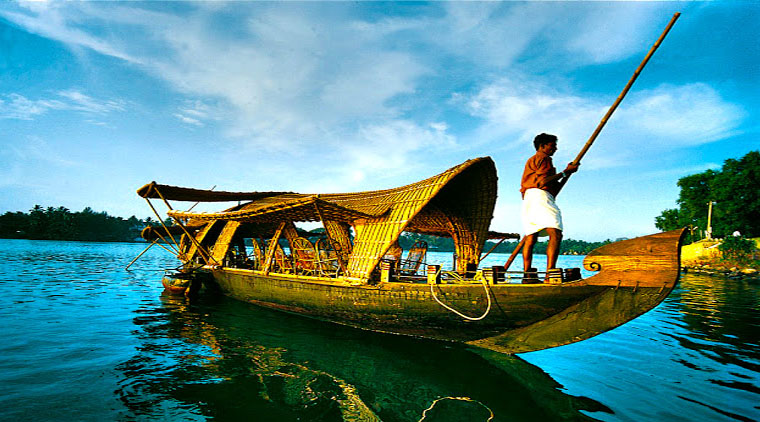
- Pair it with Munnar and the backwatersFly into Kochi, then loop Munnar for the tea hills, Thekkady for the wildlife, and Alleppey or Kumarakom for a backwater houseboat night. Thekkady is the green, restful middle of that trip, about 3 to 4 hours from Munnar on a winding but scenic road.
- Gentle and senior-friendly with planningFor older parents or grandparents, choose the lake cruise and the short nature walk and skip the hard treks. Stay near Kumily to keep transfers short, and allow time for the walk down to the boat landing. Thekkady is one of the easier wildlife stops in India for a multi-generation family trip.
Money, connectivity and timing for foreign visitors
The practical basics an overseas traveller needs for a small wildlife town: cash, cards, a SIM, and how many days to give Thekkady on a wider Kerala trip.
- Carry cash, expect card gapsHotels and bigger restaurants take cards and UPI, but spice growers, autos, cultural-show counters and small shops prefer cash, and the boat-booking sites may decline a foreign card. Draw cash at a Kumily-town ATM and keep small notes for tips, autos and the spice tour.
- Get a SIM at the airportPick up an Indian tourist SIM or an eSIM when you land in Kochi or Madurai rather than hunting for one in a small hill town. Coverage in Kumily and around the gate is fine for maps, calls and arranging your cruise, though it thins inside the forest.
- How long to give it on a Kerala tripOne night in Thekkady is the right weight between Munnar and the backwaters on a first Kerala trip: enough for the cruise, a spice walk and a show, without slowing the loop. Add a second night only if a full-day trek is the reason you came.
- Time it to your comfortOctober to February is the comfortable, dry window and the easiest for an overseas first trip. The monsoon, June to September, is green, cheap and uncrowded and fine for the cruise and a spice walk, but save the hard treks for a dry-season visit because of the leeches.
Thekkady is the gentle wildlife chapter of a first Kerala trip, and overseas visitors who plan it well, with the boat pre-booked and the forest fees paid in cash on the day, almost always enjoy it. Slot it after Munnar and before the backwaters, give it a night, treat the cruise as an elephant-and-bird experience rather than a tiger safari, and it becomes one of the calm, green high points of the loop rather than a box to tick.
Why the forest stands in water at Periyar
The lake that defines Thekkady is not a natural one. In 1895 the British completed the Mullaperiyar dam across the Periyar river, deep in the Western Ghats, to divert water east into the dry plains of Tamil Nadu. The rising reservoir drowned a swathe of forest valley, and the bleached, weathered trunks of those drowned trees still stand out of the water today, the eerie, beautiful foreground of every boat cruise. The flooded forest became a refuge for wildlife, was declared a sanctuary in the mid twentieth century and a tiger reserve in 1978, and the cruise you take across that quiet reservoir glides over a landscape that was dry land a little over a century ago. That is why Periyar looks like nowhere else: it is a working dam, a wildlife reserve and a sunken forest all at once.
Planning a Thekkady trip?
Our Kerala travel experts plan your full journey for you: route, hotels, darshan timings and transport. You get a free day-by-day plan and an exact quote on WhatsApp, usually within a few hours. No payment is needed to get your plan.
Tour packages that visit Thekkady
Every journey below is private, hand-crafted and fully customizable. Tell us your dates and we tailor the itinerary, the pace and the priests or guides around you.
 6D / 5N
Kerala Honeymoon Package
- Visit Marine Drive
- Visit Dutch Palace
Kerala Honeymoon Tour Packages
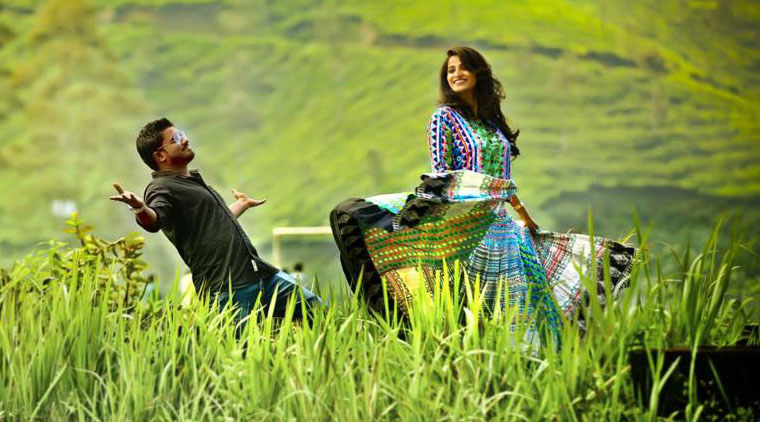
- Two nights in Munnar, so you get one full unhurried day in the tea hills
- Dawn boat cruise on Periyar Lake, the slot with the best wildlife odds
 6D / 5N
Kerala Backwater Trip
- Visit Kochi Fort
- Visit Marine Drive