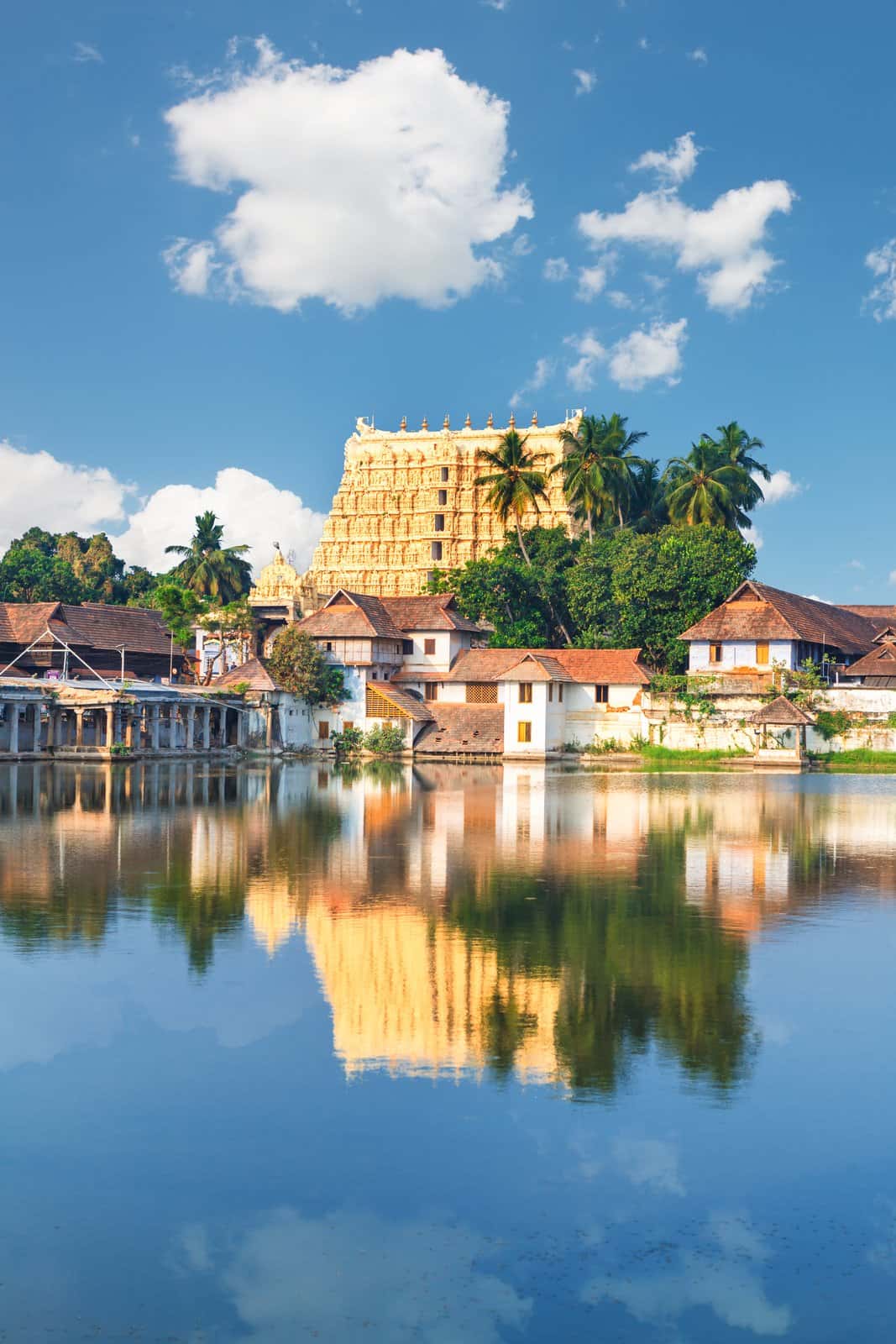
Trivandrum Travel Guide
The best months are November to February , warm and dry with gentle coastal breezes. The monsoon from June to September brings dramatic rain but is also the traditional season...
When to visit Trivandrum
The best months are November to February, warm and dry with gentle coastal breezes. The monsoon from June to September brings dramatic rain but is also the traditional season for Ayurveda if you are heading to nearby Kovalam.
- November to February: the ideal windowThe most comfortable time in the city: warm days, lower humidity and clear skies. This is when the temple, the museum and the beach at Kovalam are all at their best. Book ahead around Christmas and New Year, as hotels in the city and on the coast fill quickly and rates climb.
- March to May: warm and quieterStill pleasant in the mornings for sightseeing, and quieter than the peak season, with softer room rates. Afternoons turn hot and sticky, so plan the temple and the open zoo-and-museum park for early in the day and rest through the heat.
- June to September: the monsoonThe coast turns green and lush with heavy rain. Swimming at Kovalam is often restricted or flagged unsafe, but this same season is the traditional best time for Ayurveda, the Malayalam month of Karkidakam, about mid-July to mid-August. Good for a treatment-focused stay; less reliable for sightseeing every day.
- Festivals worth timing forOnam, the Kerala harvest festival, usually falls in August or September and fills the city with floral kolams, sadya feasts and processions. In January the Kuthira Malika palace hosts the Swathi Sangeethotsavam classical music festival. Both are wonderful, but rooms tighten, so book early.
Ponmudi hill station is about 55 km from the city and lovely in the dry season, but the winding ghat road is prone to landslip damage and has been closed during heavy monsoon rain. Always check the road status with your hotel or the Kerala tourism office before setting out, especially from June to October.
How to reach Trivandrum, and the Gulf gateway
Trivandrum has one of Kerala's busiest international airports, a strong rail connection up the coast, and a city centre that is compact and easy to get around.
- By air into TRV (the Gulf gateway)Thiruvananthapuram International Airport (TRV), now run by Adani, sits about 4 km from the city centre (the operator gives 3.7 km) and about 15 to 16 km from Kovalam beach. The international terminal (Terminal 2) handles the heavy Gulf traffic; the domestic terminal (Terminal 1) the home routes. A prepaid taxi from the airport to the city or Kovalam takes about 20 to 45 minutes depending on traffic and costs roughly 400 to 600 rupees to Kovalam.
- By train to Thiruvananthapuram CentralThiruvananthapuram Central is Kerala's main railway hub, well connected to Kochi (about 4 to 5 hours), Chennai (about 16 to 17 hours), Bengaluru, Mumbai and Delhi, plus the Kerala coastal towns of Kollam, Varkala and Alleppey. The station and the long-distance bus stand sit side by side in the city centre, a short ride from the temple and the museum complex. Book reserved tickets ahead on IRCTC in season.
- By roadFrom Kochi, Trivandrum is about 200 to 220 km, roughly 4 to 5 hours by car on the national highway. A car with an experienced driver makes it easy to cover the temple, the museum and the Kovalam beach run on the same day, and we can arrange one.
- Getting around the cityThe heritage core of temple, palace, museum and East Fort market is compact. Prepaid auto-rickshaws, app cabs (Uber and Ola operate here) and KSRTC city buses cover the short hops cheaply. Agree the auto fare or insist on the meter before you set off.
Fly direct into Trivandrum (TRV) from Dubai, Abu Dhabi, Sharjah, Doha, Muscat, Kuwait, Bahrain and the Saudi cities. The international terminal handles all Gulf arrivals, and it is the natural home airport for the Gulf Malayali community. From Southeast Asia, connect through a Gulf hub or via Chennai or Bengaluru.
Fly into Trivandrum via a Gulf hub (Dubai, Doha, Abu Dhabi) or via Mumbai, Delhi or Chennai and then a connecting flight or overnight train. TRV is the major gateway for deep-south Kerala and the Kovalam and Varkala beaches.
Direct flights from Mumbai, Delhi, Bengaluru, Chennai and Hyderabad land at TRV, or take the Kerala coastal trains from Chennai and Kochi, or the long-distance services from Delhi. The Thiruvananthapuram Central railhead is in the heart of the city.
The temple, the museum complex and the zoo
Trivandrum is built around three anchor attractions: the world-famous Padmanabhaswamy Temple, the Victorian-era museum and zoo complex on Museum Road, and the Kuthira Malika Palace. Two of the three have closure days that are worth knowing before you plan.
- Sree Padmanabhaswamy TempleThe great Vishnu temple at the heart of the city, with its seven-tiered east gopuram rising to about 30 m, is open for darshan in a morning and an evening block of split sessions. Admission is for Hindus only and the dress code is strict (details in the next section). General darshan is free. This is the centrepiece of any Trivandrum visit and the city takes its name, the abode of Anantha, from it.
- Napier Museum and Sri Chitra Art GalleryThe Napier Museum, housed in a striking Indo-Saracenic building of 1880, holds bronze idols, ivory carvings, a temple chariot and models of traditional Kerala architecture. Next to it, Sri Chitra Art Gallery displays paintings by Raja Ravi Varma and the Tanjore school. Entry to the museum is about 20 rupees for adults and about 10 rupees for children. The complex is closed on Mondays and on Wednesday mornings, opening around 1 pm on Wednesdays.
- Thiruvananthapuram ZooOne of the oldest zoos in India, established in 1857, set in the same forested park as the museum. It holds tigers, lions, Indian elephants and a large collection of birds, laid out among old rain trees. A favourite for families with children, and easy to spend two to three hours here. Check current entry fees and hours at the gate, as the zoo runs on its own schedule.
- Kuthira Malika (Puthen Malika) Palace MuseumThe wooden palace of the Travancore royal family, just beside the temple, is famous for its carved wooden horse friezes (the name means mansion of horses), Belgian glass, crystal furniture and royal portraits. Entry is by a guided walk-through; check current timings and tickets locally, and note it hosts a classical music festival in January.
- Kanakakkunnu Palace and groundsThe open-air cultural centre and palace grounds near the museum host frequent classical music, dance and cultural festivals, especially in winter. A pleasant evening walk and a good way to experience living Kerala culture for free.
The Napier Museum, Sri Chitra Art Gallery and the connected complex are closed on Mondays (all day) and on Wednesday mornings (they open around 1 pm on Wednesdays). Many visitors arrive on a Monday to find it shut. The Zoo, in the same park, has its own schedule, so check at the gate. Plan your museum visit for a Tuesday, Thursday, Friday or Saturday to be safe.
Padmanabhaswamy darshan: what to wear, when to go, and the non-Hindu rule
Sree Padmanabhaswamy is one of the wealthiest and most revered temples in the world. Getting in requires a little preparation: only Hindus are admitted, the dress code is among the strictest in India, and darshan runs in morning and evening blocks. A few minutes of planning turns a stressful gate experience into a memorable one.
- Only Hindus are admittedThis is the single most important rule: Sree Padmanabhaswamy Temple does not permit non-Hindus inside, at any gate, and the rule is enforced strictly. If you are not Hindu you can still see the seven-tiered east gopuram, about 30 m tall, from the street and the tank area outside, but you will not be allowed into the temple compound. Travellers with a mixed-faith group should plan around this honestly.
- Men: mundu only, no shirtMen must wear a mundu (dhoti) with no shirt or vest, the upper body bare or draped only with an angavastram shawl. Trousers, shorts and t-shirts are not permitted on their own, although the temple now generally allows a dhoti worn over trousers or a churidar to ease the rule. Dhotis can be hired near the temple entrance for roughly 20 to 50 rupees if you do not have one; do this before joining the darshan queue.
- Women: saree, set-mundu or skirt and blouseWomen must wear a saree, a set-mundu (mundum neriyathum, the Kerala two-piece), a half-saree or a skirt and blouse. Short or bifurcated garments are refused: churidar/salwar, trousers, jeans, shorts and short skirts are not permitted unless a mundu is worn over them. Plan this clothing before leaving your hotel rather than improvising at the gate.
- Phones and cameras outsideAll phones, cameras and electronic devices must be deposited in the cloakroom before entering; there are paid cloakrooms near the entrance. Do not attempt to carry a phone inside. Leave valuables at your hotel and carry only what you need.
- Darshan sessions and feesDarshan runs in two broad blocks split into short sessions: roughly the morning block about 3:30 am to about 12 noon and the evening block about 5 pm to about 7:30 pm. The exact sub-session times shift for festivals and special days, so check at the temple office or your hotel the evening before. General darshan is free. A special darshan, for a closer view, is about 150 rupees, or about 180 rupees with prasadam. Arrive a few minutes before a session opens to keep your wait short.
In 2011 a Supreme Court-ordered inventory opened several underground vaults at the temple and found gold, jewels and artefacts widely estimated in news reports at around 1 lakh crore rupees, roughly 20 to 22 billion US dollars. One chamber, Vault B (Kallara B), was deliberately left unopened, so the trillion-dollar figures you see online are speculation rather than an audited total. None of the treasury is on public display: it is locked in the temple vaults. The story is part of why pilgrims and visitors come from across India and the Keralite diaspora, but you visit for the darshan and the architecture, not to see the gold.
Beyond the temple: beaches, backwaters and the hills
Trivandrum is the hub for deep-south Kerala. The signature days out are the Kovalam beaches, the Poovar backwater spit and, weather permitting, the Ponmudi hills, all within easy reach of a city base.
- Sunset at KovalamKovalam's crescent of beaches, about 15 to 16 km from the city, is the classic half-day or overnight. Lighthouse Beach is the lively main strand with the red-and-white lighthouse, Hawa Beach next to it, and Samudra Beach quieter with calmer water, better for families. Watch the flags and lifeguards and respect any no-swim warning, as the currents can be strong.
- A Poovar backwater cruisePoovar, about 30 to 35 km south, is where the Neyyar river meets the sea behind a golden-sand spit. A gentle boat cruise through the mangroves is one of the calmest experiences in the region. Shared boat rides commonly start from about 150 rupees a head, with private boats higher; agree the route and price before you set off.
- Cool air at PonmudiWhen the road is open and the weather is clear, Ponmudi at about 1000 m is a refreshing day in the Western Ghats, with forest trails, tea slopes and viewpoints. The drive is the experience, on a tightly winding ghat road. Always confirm the road status first, as it closes after heavy rain.
- Eat your way through KeralaSeek out puttu with kadala curry or appam with stew for breakfast, a full sadya thali served on a banana leaf for lunch, and at Kovalam the karimeen (pearl-spot fish) and prawns by the sea. The city's small vegetarian restaurants near East Fort do excellent, inexpensive Kerala meals.
- Ayurveda at Kovalam, in seasonKovalam and Poovar are full of Ayurveda centres, and the monsoon months are the traditional treatment season. If you want a genuine programme rather than a quick spa massage, choose a centre with qualified physicians and plan at least a week; for a single relaxing massage, a reputable beach-resort centre is fine.
Trivandrum makes most sense as the start of a south-coast run: temple and museum in the city, then Kovalam (about 15 to 16 km) for the beach, and Varkala (about 50 km) for the cliff and the cafes, with Poovar and Ponmudi as gentle add-ons. Treat the city as your cultural anchor and the coast as your unwind, and the region falls into place.
Where to stay in Trivandrum, and whether to base on the coast
Stay in the city centre near East Fort to be close to the temple and the station, in the leafier Kowdiar area for calm, or skip straight to Kovalam if the beach is your main aim. One or two nights in the city is usually the right weight.
- City centre and East Fort: close to everythingThe area around East Fort and the railway station puts you within reach of the temple, the bus and train stand and the East Fort market, which suits a short, sightseeing-led stay. It is busy and workaday rather than scenic, with a good range of budget and mid-range hotels.
- Kowdiar and the museum side: calmerThe Kowdiar and museum-road side of the city is greener and quieter, near the zoo, the museum and the Kanakakkunnu grounds, with some of the better business and heritage hotels. A good choice if you want a calmer base and do not mind a short ride to the temple.
- Or base at Kovalam from the startMany travellers, especially couples and families, skip a city hotel and stay at Kovalam from the airport, doing the temple and museum as a half-day trip into town. If the beach is your priority, this is often the more relaxing choice, with sea-view rooms across every budget.
- Rough room budgetsIn the city, clean budget rooms run from roughly 1,000 to 2,000 rupees, mid-range hotels about 2,500 to 5,000 rupees, and the better business or heritage hotels above that. Kovalam runs higher and swings with the season, peaking around Christmas and New Year, so book ahead for the December window.
One full day and night covers the temple, the museum-and-zoo complex and a Kovalam sunset comfortably. A second night lets you add Poovar or Ponmudi without rushing. Most deep-south Kerala plans give Trivandrum one to two nights as the cultural anchor and then move to the coast for three or more, so decide early whether the city or the beach is your base.
Trivandrum costs and a realistic daily budget
Trivandrum is gentle on the wallet by Indian-city standards. Here is what the main things cost so you can plan and avoid being overcharged on the airport and Kovalam runs.
- A rough daily budgetExcluding your room and long-distance transport, plan on roughly 800 to 1,500 rupees a day as a budget traveller, about 2,000 to 4,000 rupees mid-range, and about 5,000 rupees and up for a comfortable day with taxis, sit-down meals and a Kovalam excursion.
- The fixed-price thingsGeneral darshan at the temple is free; a special darshan is about 150 rupees, or about 180 rupees with prasadam. Museum entry is about 20 rupees for adults and about 10 rupees for children. A dhoti hire at the temple is roughly 20 to 50 rupees. These are the rare set prices, so they make a useful anchor.
- The variable thingsA prepaid taxi to Kovalam is roughly 400 to 600 rupees; an auto-rickshaw across the city centre is usually under 150 rupees on the meter. A Poovar shared boat starts from about 150 rupees a head. Food is cheap: a puttu or appam breakfast and a sadya thali each come in at roughly 100 to 200 rupees at a local place.
- Cash, cards and UPIATMs are everywhere and UPI is near-universal in shops and restaurants, but keep some cash for autos, the temple cloakroom, dhoti hire and small beach vendors. Cards work in hotels and bigger restaurants.
The only common friction is the airport and Kovalam taxi run, where rates are quoted high to arrivals. Use the prepaid taxi counter at the airport, or fix the fare on the meter or by app before you set off, and the city stays inexpensive. Everything cultural, the temple darshan and the museum, is either free or costs a few rupees.
Practical logistics: getting around, language, money and food
The small things that make a Trivandrum day smooth, from autos and app cabs to the language, the food to seek out and the everyday practicalities.
- Getting aroundThe heritage core is compact and walkable, and prepaid autos, app cabs (Uber and Ola) and KSRTC city buses handle the rest cheaply. For the temple, the station and the museum are both a short ride away. For Kovalam, Poovar and Ponmudi, hire a car for the day.
- Language and peopleMalayalam is the local language and Kerala has the highest literacy of any Indian state, so English is widely understood in the tourist, hotel and transport trade. A few words of Malayalam, like nanni for thank you, are warmly received.
- Money and connectivityATMs and UPI are everywhere and mobile coverage is good across the city and the coast. Pick up an Indian SIM or eSIM at the airport if you are arriving from abroad. Carry small cash for autos, the temple cloakroom and beach vendors.
- Food to seek outStart the day with puttu and kadala curry or appam with stew, take a banana-leaf sadya for lunch, and on the coast try karimeen and prawns. The small vegetarian places near East Fort do honest, inexpensive Kerala meals, and the city has good filter coffee.
Safety, the sea, and staying well
Trivandrum is one of the easier, lower-hassle Indian cities, but the two things to respect are the sea at Kovalam and the monsoon road to Ponmudi. A little care keeps the trip happy.
- Respect the sea at KovalamKovalam's currents and undertow can be strong, particularly outside the calm winter months. Swim only where lifeguards are on duty and the flags are green, keep children close, and never go in during or just after the monsoon when swimming is often flagged unsafe or banned.
- Heat, humidity and waterThe coast is hot and humid, so drink plenty of bottled or filtered water, carry sun protection for the open zoo park and the beach, and pace the middle of the day. Take the usual care with street food, and stick to busy, freshly cooked stalls.
- Roads, autos and the airport taxiKerala roads are busy and the ghat road to Ponmudi is best done by an experienced local driver. The main everyday friction for visitors is an auto or taxi quoting high, so use the prepaid counter at the airport and the meter or an app in town. Petty crime is low but keep an eye on belongings in crowded markets.
- Solo and women travellersTrivandrum and Kerala broadly are considered among the more relaxed parts of India to travel, including for women, with standard precautions. Dress modestly near the temples and beaches, prefer the busier lanes and beach stretches after dark, and you will find the city calm and welcoming.
The single avoidable mishap is driving up to Ponmudi after heavy rain. The ghat road is landslip-prone and has been closed during the monsoon. Check the road status with your hotel or the local tourism office the evening before, especially between June and October, and have a flat-land alternative like Poovar ready if it is shut.
Trivandrum for every kind of traveller, and on access
Trivandrum suits a wide range of visitors, from pilgrims and heritage lovers to families with children and senior travellers. Here is what the city offers you, and the one tip that matters for each, including how a senior visits comfortably.
- Pilgrims and devout HindusSree Padmanabhaswamy is one of the most important Vishnu temples in India and a profound pilgrimage for Vaishnavites. Plan your darshan block in advance, wear the right clothes, and arrive a few minutes before a session opens for the calmest experience.
- Families with childrenThe Thiruvananthapuram Zoo, one of India's oldest, is a highlight for children, with a good variety of animals and birds in a shaded park; pair it with the Napier Museum for a satisfying morning. Kovalam, about 15 to 16 km away, is an easy afternoon out, with calmer water at Samudra Beach for younger children.
- Senior travellers and on accessibilityA gentle city with few steep climbs. The museum-and-zoo park is flat and walkable, and the temple darshan is manageable with planning: arrive early for a shorter queue and hire a dhoti at the gate if needed. Poovar's boat cruise is low-effort and pleasant; leave the winding Ponmudi road for those who enjoy mountain drives. Carry water and rest through the midday heat.
- Heritage and culture loversThe Napier Museum, the Kuthira Malika palace, the temple gopuram and the Kanakakkunnu cultural grounds all reward a slow half-day. Time a January visit for the Swathi Sangeethotsavam classical music festival at the palace.
- Couples and honeymoonersUse Trivandrum as a one-night gateway to Kovalam or Varkala, with a morning at the temple and the museum before heading to the coast. The pairing of city heritage and a south-Kerala beach is hard to beat, and Varkala's cliff cafes suit a romantic few days.
- Budget travellersTrivandrum Central station is well connected and cheap to reach, budget rooms near the city centre are plentiful, the temple darshan is free and the museum is about 20 rupees. Eat where the locals do near East Fort, where a puttu or appam breakfast and a sadya thali each typically cost around 100 to 200 rupees, and a full day costs very little.
A suggested Trivandrum itinerary
How to shape one or two unhurried days so you catch the temple at the right hours, dodge the museum's closed days, and end on the coast at sunset.
- Day one, morningStart with the Padmanabhaswamy darshan in the morning block, dressed correctly, then walk to the Kuthira Malika palace beside the temple and the East Fort market. Keep this off a Monday or Wednesday morning so the museum stays open for the afternoon.
- Day one, afternoon and eveningSpend the afternoon at the Napier Museum, Sri Chitra Art Gallery and the zoo in the same park, then drive about 15 to 16 km to Kovalam for sunset and dinner by the sea. If you are staying in the city, return after dinner; if at Kovalam, stay put.
- Day two, if you have itTake a morning Poovar backwater cruise, or, if the road is open and the weather clear, drive up to Ponmudi for the cool air and the views. Either makes a relaxed second day before you move on to Varkala or back to the airport.
- The half-day versionOn a tight schedule, a morning darshan plus an hour at the museum, then a quick Kovalam sunset, gives you the essence of the city. You will miss Poovar and Ponmudi, but you will have touched the temple, the heritage and the beach.
Two scheduling traps break a tight Trivandrum plan: arriving at the museum on a Monday (closed all day) or before about 1 pm on a Wednesday (closed in the morning), and reaching the temple between the morning and evening darshan blocks when it is shut. Put the temple in the morning, keep the museum off Monday and Wednesday forenoon, and the day flows.
The real questions travellers ask about Trivandrum
Straight answers to the questions that come up again and again on traveller forums, so you arrive already knowing the score.
- Can a non-Hindu visit the temple?No, not inside. Sree Padmanabhaswamy admits Hindus only, at every gate, and the rule is enforced strictly. A non-Hindu can still admire the seven-tiered east gopuram and the temple tank from the street outside, and in a mixed-faith group the non-Hindu members can sightsee at the museum and zoo while others do the darshan.
- What do I wear, and can I hire a dhoti there?Men wear a mundu with no shirt (a dhoti over trousers is now usually allowed); women wear a saree, set-mundu or skirt and blouse, with churidar and trousers refused unless a mundu is worn over them. Dhotis can be hired near the gate for roughly 20 to 50 rupees, so you can fix the dress code on arrival if needed.
- How many days do I need?One full day covers the temple, the museum and zoo, and a Kovalam sunset. Two days adds Poovar or Ponmudi at a relaxed pace. Most travellers give the city one to two nights as a cultural base, then three or more on the coast at Kovalam or Varkala.
- Kovalam or Varkala?Kovalam, about 15 to 16 km from the airport, is the convenient resort beach, good for families and short stays. Varkala, about 50 km and 1.5 to 2 hours away, is the dramatic cliff beach with a strong cafe scene, better for couples and a slower few days. Both have won TripAdvisor Travellers Choice awards, so it comes down to convenience versus atmosphere.
- Is the museum really closed on Mondays and Wednesday mornings?Yes. The Napier Museum and the connected gallery are closed all day Monday and until about 1 pm on Wednesdays. This catches a lot of visitors, so plan the museum for Tuesday, Thursday, Friday or Saturday, or a Wednesday afternoon.
- Can I see the famous temple treasure?No. The treasure inventoried after the 2011 Supreme Court order, widely estimated at around 1 lakh crore rupees with one vault left unopened, is locked in the temple vaults and not on public display. You visit for the darshan and the architecture, not to see the gold, and the trillion-dollar figures online are speculation.
Planning Trivandrum from abroad and from the Gulf
Trivandrum is the natural arrival city for the Gulf Malayali community and a growing draw for foreign visitors exploring south India. A little preparation on the temple rules and the beach-and-city pairing makes the visit smooth.
- Fly straight into Trivandrum from the GulfThiruvananthapuram International Airport (TRV) has frequent direct flights from Dubai, Abu Dhabi, Sharjah, Doha, Muscat, Kuwait, Bahrain and the Saudi cities, plus the Maldives and Sri Lanka (the Male route is seasonal). The international terminal sits about 4 km from the city centre (the operator gives 3.7 km) and about 15 to 16 km from Kovalam beach. For the Gulf Malayali community it is the simplest way home, often arriving late at night.
- Plan the temple visit if you are HinduSree Padmanabhaswamy is one of the most important pilgrimage sites for the Keralite diaspora. Plan your clothes before you travel: men need a mundu with no shirt (a dhoti over trousers is usually allowed now), women a saree or set-mundu. Dhotis can be hired near the gate for roughly 20 to 50 rupees, your phone must go to the cloakroom, general darshan is free and a special darshan is about 150 rupees.
- Non-Hindus and the templeIf you are not Hindu, or your group includes people of other faiths, note that entry to Padmanabhaswamy is not permitted for non-Hindus at any gate. The exterior, especially the seven-tiered east gopuram, is visible from the street and worth seeing. Plan alternative sightseeing at the museum and zoo for the non-Hindu members of the group.
- Pair the city with Kovalam and VarkalaKovalam beach is about 15 to 16 km from the airport (roughly 25 to 45 minutes), and Varkala is about 50 km further north (roughly 1.5 to 2 hours). Most NRI visitors combine a night or two in Trivandrum for the temple and the museum with a few days at Kovalam or Varkala for the beach and Ayurveda.
For a returning Keralite, Trivandrum is more than a transit point: a morning darshan at Padmanabhaswamy, a sadya on a banana leaf, and a Kovalam sunset make the first day home feel complete before you head to your family town. Build a day for the city into the trip rather than racing straight through the airport, and arrange a car if elders are travelling with you.
Money, connectivity and timing for foreign visitors
The practical basics an overseas traveller needs for the deep-south Kerala gateway: cash and cards, a SIM, and how many days to give the city on a wider Kerala trip.
- Money: cards, UPI and cashCards work in hotels and bigger restaurants and UPI is near-universal, but keep cash for autos, the temple cloakroom, dhoti hire and beach vendors. ATMs are plentiful; draw rupees at the airport or in the city rather than relying on small-vendor card machines.
- Get a SIM at the airportPick up an Indian tourist SIM or an eSIM when you land at TRV rather than hunting later. Coverage across the city and the Kovalam and Varkala coast is good for maps, calls and ride-hailing.
- How long to give it on a bigger Kerala tripOn a south-Kerala loop, one to two nights in Trivandrum is the right weight before the coast: enough for the temple, the museum and a Kovalam sunset, without slowing the wider itinerary toward Varkala, Alleppey and the backwaters.
- Time your visit to your comfortNovember to February is the comfortable, dry window. The monsoon (June to September) is lush and the traditional Ayurveda season, but swimming is often restricted and the Ponmudi road can close, so come then mainly for a treatment-focused stay.
Trivandrum is an easy, English-friendly introduction to Kerala: compact, low-hassle and high on literacy, with a world-famous temple, a Victorian museum, an old zoo and a beach all within a short drive. Give it a night or two, respect the temple dress code and the sea at Kovalam, and let the city be the calm, cultural start before the backwaters and the hills.
Why the city is called the abode of Ananta
Thiruvananthapuram means the holy city of Anantha, the thousand-headed serpent on whom Lord Vishnu reclines. At Sree Padmanabhaswamy the deity is seen in exactly that form: Anantha Padmanabha, Vishnu in cosmic sleep on the coiled serpent Ananta, with a lotus bearing Brahma rising from his navel, which is what padma-nabha, lotus-navel, means. The temple is so large that the reclining figure is viewed through three separate doors, the face, the navel with the lotus, and the feet, so that no single glance takes in the whole. The Travancore royal family ruled as servants of this deity, dedicating the kingdom to Padmanabha, and that bond is why the temple holds the treasure that made the city famous. There is no single short verse that captures it; the meaning lives in the name of the city itself, the place of the endless one.
Planning a Trivandrum trip?
Our Kerala travel experts plan your full journey for you: route, hotels, darshan timings and transport. You get a free day-by-day plan and an exact quote on WhatsApp, usually within a few hours. No payment is needed to get your plan.
Tour packages that visit Trivandrum
Every journey below is private, hand-crafted and fully customizable. Tell us your dates and we tailor the itinerary, the pace and the priests or guides around you.
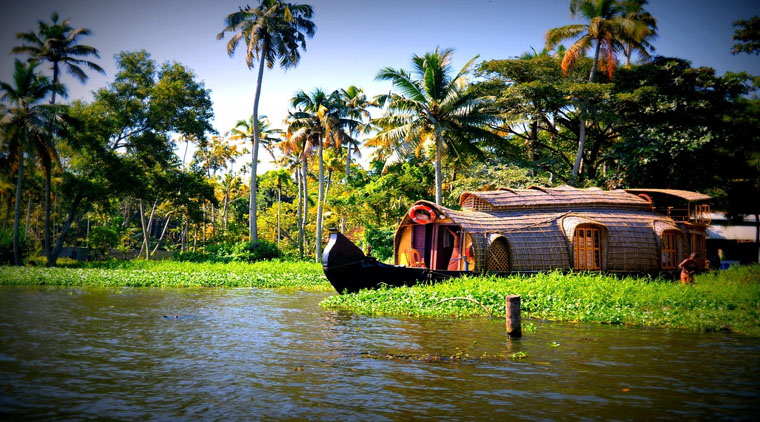 9D / 8N
Kerala Trip Honeymoon Package
- Visit Varkala Beach
- Visit Janardhana Temple
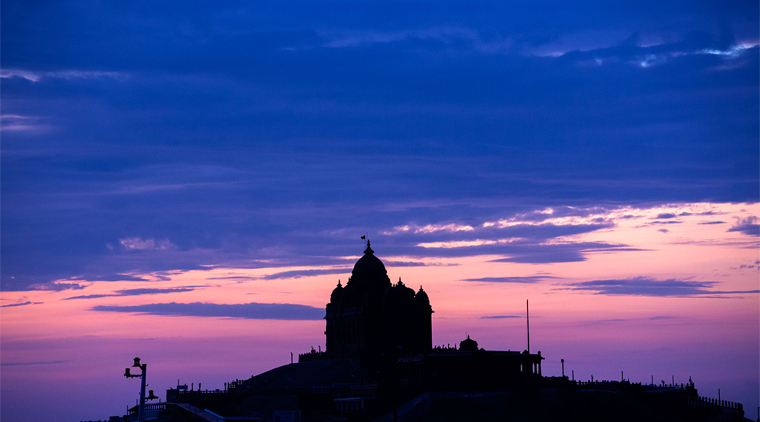 4D / 3N
Kovalam Kanyakumari Tour
- Visit Ashoka Beach & Hawa Beach
- Visit Padmanabhaswami Mandir
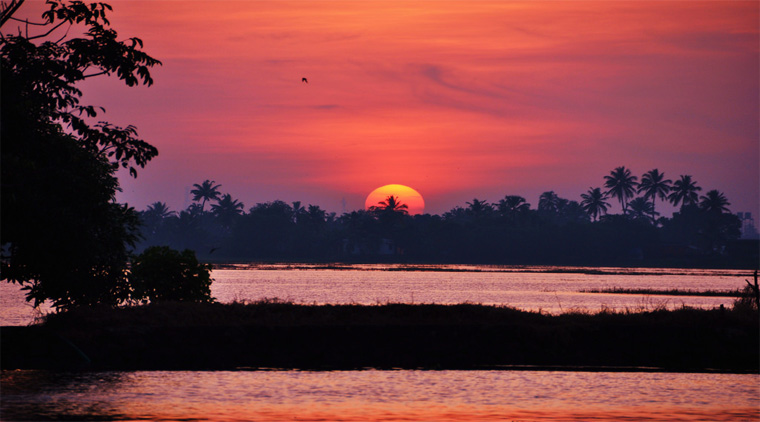 7D / 6N
Romantic Tour of Kerala
- Visit beautiful Athirapally falls.
- Visit tea gardens & plantations of Munnar. Enjoy overnight stay in a houseboat at Alleppey. Experience ayurvedic treatments at Kovalam.
 4D / 3N
Kovalam Tour Package
- Sightseeing of Kovalam
- Visit Trivandrum
 3D / 2N
Kovalam Beach Tour
- Visit Kovalam Beach
- Visit Padmanabhaswamy Temple