Wayanad Travel Guide
The comfortable window is October to May , cool and misty in the hills. The monsoon from about June to September is greenest and quietest, but it brings rain, leeches and real...
When to visit Wayanad, and the monsoon question
The comfortable window is October to May, cool and misty in the hills. The monsoon from about June to September is greenest and quietest, but it brings rain, leeches and real landslide risk, so most travellers come in the dry season.
- October to February: cool, misty and clearThe most comfortable time in the hills, pleasant by day and genuinely cool at night, so carry a layer. This is the peak season for treks, the wildlife safari and the waterfalls, and the plantations are at their greenest after the rains have eased.
- March to May: warm but fineStill good for most sights, with warmer days on the plateau and pleasant evenings. Do the Edakkal climb and any trek early in the day before the heat builds, and expect the waterfalls to be thinner late in the dry season.
- June to September: green, quiet and wetThe monsoon is when Wayanad is at its most beautiful and least crowded, but heavy rain disrupts travel, leeches are at their worst on the forest trails, and several sights such as Kuruva Island and the wildlife sanctuary commonly close. Landslide risk is real, so this season suits only the well-prepared, flexible traveller.
- Decide your trade-off firstIf you want clear skies, open treks and a settled itinerary, come in the dry season. If you want the green and the quiet and can accept rain, leeches and possible closures, the monsoon rewards you, but build slack into your plans and watch the weather honestly.
Wayanad in the monsoon is genuinely lovely, but it is also when the Western Ghats are most prone to landslides, as the tragic 2024 events showed. We do not say this to scare anyone off a beautiful season, only to be honest: if you come in the rains, give yourself flexible days, keep an eye on local weather advisories, choose a stay that is not on a steep or recently scarred slope, and treat road and trek closures as sensible caution rather than an inconvenience. The dry season from about October to May avoids all of this.
How to reach Wayanad and the Thamarassery ghat
Wayanad has no airport or railway of its own. Almost everyone comes up from Calicut over the Thamarassery ghat and its nine hairpin bends, or across from Mysuru and Bangalore through Bandipur.
- Via Calicut (Kozhikode), the usual gatewayCalicut airport, code CCJ, is about 75 to 90 km away and roughly 2 to 2.5 hours by road, climbing the Thamarassery ghat with its famous nine hairpin bends up to the Lakkidi viewpoint. Kozhikode is also the nearest railhead at a similar distance, so most travellers reach Wayanad by car from there.
- From Mysuru, across the GhatsMysuru is about 110 to 120 km from Sulthan Bathery, roughly 2 to 2.5 hours through the Bandipur and Muthanga forests. It is the closest big city for the eastern, Edakkal side of the district, and a popular approach for travellers coming from Karnataka.
- From BangaloreBangalore is about 280 to 310 km away, roughly 6 to 7.5 hours by road via Mysuru and Bandipur. It is a long but scenic drive, and the Bandipur forest stretch carries a night traffic ban, so time that leg for daylight.
- The ghat road, honestlyThe Thamarassery ghat is a winding climb with nine sharp hairpin bends and can be slow when traffic builds or in the rain. It is not dangerous in good conditions, but it is a proper hill road, so a steady driver and an unhurried start make it a pleasure rather than a strain. There are no flights or trains into Wayanad itself.
Fly into Kochi (Cochin) or a hub such as Bengaluru, then connect to Calicut and drive up the ghat, or build Wayanad into a wider Kerala loop with the backwaters. Wayanad has no international flights of its own.
Calicut has good direct connections from the Gulf, so fly into Calicut (CCJ) and drive about 2 to 2.5 hours up to Wayanad. It is the most direct way in for many overseas Malayali families.
Fly or train to Calicut and drive up the Thamarassery ghat, or come overland from Mysuru or Bangalore through Bandipur, remembering the NH766 night ban on the forest stretch.
Edakkal Caves, Banasura Sagar, the falls and the lakes
Wayanad spreads its sights across the plateau: the ancient Edakkal carvings, the great earthen dam at Banasura Sagar, the falls and lakes, and the Lakkidi viewpoint where the ghat tops out. A few have fixed fees and a few have closures worth knowing.
- Edakkal CavesAncient rock shelters on Ambukuthi hill near Sulthan Bathery, with petroglyphs among the oldest known in India. Entry is about 50 rupees for an adult and about 30 rupees for a child, timings are roughly 8:30 am to 4 pm, and the site is closed on Mondays. Reaching the carvings is a climb of about 1 to 1.3 km up steep stepped ground, around 45 minutes to an hour, so go early and skip it if stairs are hard for you.
- Banasura Sagar DamNear Kalpetta, this is described by the official tourism council as regarded as the biggest earth dam in India and the second biggest in Asia, an official description rather than a certified record. Entry is about 40 rupees for an adult and about 20 rupees for a child, it is open roughly 9 am to 5:30 pm, and a speed boat ride is about 1,000 rupees for up to five people. The reservoir views are the draw.
- Soochipara Falls and the Meenmutty caveatSoochipara, also called Sentinel Rock Falls, near Kalpetta has an entry of about 150 rupees for an adult and about 300 rupees for a foreigner, is open roughly 8 am to 5 pm, and sits about a 2 km walk from the gate. Note that the famous three-tier Meenmutty Falls near Meppadi has been closed to visitors and is only seen from a distance, while a separate Banasura Meenmutty site near the dam stays open with its own fee.
- Pookode Lake and LakkidiPookode, a small forest-ringed lake near Vythiri, has entry of about 40 rupees for an adult, is open roughly 9 am to 6 pm, and offers gentle boating from about 300 rupees, making it an easy family stop. Just above it, the Lakkidi viewpoint at the top of the ghat is the classic photo stop, with the Chain Tree legend close by.
Wayanad's sights are run by the District Tourism Promotion Council and the forest department, so the entry fees are fixed and posted, not negotiable, which makes them a useful anchor against the stale prices many blogs still copy. The two things to plan around are the Monday closure at Edakkal Caves and the steep climbs at Edakkal and Chembra, so build a gentle day around Banasura Sagar, Pookode and a waterfall if anyone in your group cannot manage stairs.
The Chembra trek, the safari, and the signature experiences
Beyond the sights, these are the experiences people come to Wayanad for, and the honest detail on how each actually works, from the forest-permit trek to the counter-sales safari.
- The Chembra Peak heart-shaped lake trekThe signature Wayanad trek, to the natural heart-shaped lake on the way up Chembra Peak, run by the forest department near Meppadi. The trek charge is about 750 rupees for a group of up to 10 Indians plus a small entrance fee, and trekkers must reach the entry before about 2 pm. It is a steep, leech-prone walk, and it can be restricted or closed for weather and conservation, so confirm it is open before you build a day around it.
- The wildlife jeep safariThe Wayanad Wildlife Sanctuary runs safaris in the Muthanga and Tholpetty ranges, with a morning slot about 7 am to 10 am and an afternoon slot about 3 pm to 5 pm. Entry is about 110 rupees for an adult Indian and about 300 rupees for a foreigner, and the jeep is about 600 rupees. Tickets are sold first-come at the counter, not online, so arrive early, and remember the sanctuary often closes in the peak monsoon.
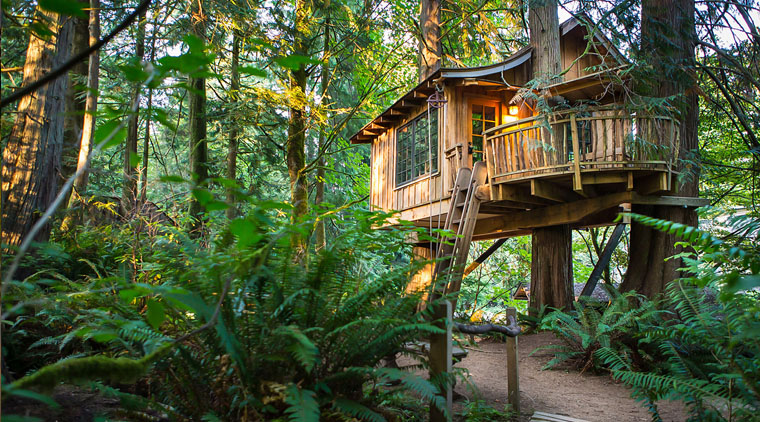
- A treehouse or plantation stayWayanad is one of the few places in India where a proper treehouse stay is a signature experience, especially around Vythiri and Lakkidi, alongside coffee and spice plantation homestays. It is worth giving one night to the experience itself rather than rushing between sights, particularly if you have come a long way for the green.
- Edakkal and the petroglyphsThe climb up Ambukuthi to the Edakkal carvings is as much an experience as a sight, a short, steep walk to rock shelters covered in petroglyphs thousands of years old. Go early, carry water, and take the stepped sections slowly. It pairs naturally with the eastern, Sulthan Bathery side of the district.
- The waterfalls, timed to the rainSoochipara and the open Banasura Meenmutty are the waterfall walks to plan. They are fullest just after the monsoon, roughly October to December, and thin out late in the dry season. The trails can be slippery and leech-prone when wet, so wear grip and read the leeches note in the safety section.
- A slow plantation dayNot every Wayanad day needs a trek. A morning at Pookode Lake, a coffee-estate walk, the Lakkidi viewpoint and a gentle afternoon at Banasura Sagar make a lovely, low-effort day that suits families and older travellers and still shows you the heart of the place.
The two experiences most likely to upset a tight plan are the Chembra trek and the wildlife safari, because both depend on the forest department on the day. Chembra can be restricted or closed for weather or conservation and needs you at the entry before about 2 pm, and the safari is counter-sales only with a daily limit, so it can sell out if you arrive late. Confirm Chembra's status by phone the day before, get to the safari counter early, and have a gentle plantation or lakes day ready as a fallback so a closure never wastes a whole day.
Where to stay in Wayanad, and how many nights
Base yourself around Vythiri and Lakkidi for the misty treehouse country, Kalpetta for a central, convenient base, or Sulthan Bathery for the eastern sights. Two to three nights is the sweet spot.
- Vythiri and Lakkidi: the treehouse heartlandMisty, forested and green, this is where the famous treehouse resorts and plantation stays cluster, near Pookode Lake and the top of the ghat. Best for couples, honeymooners and anyone who has come for the atmosphere, though it is a touch further from the eastern sights.
- Kalpetta: central and convenientThe district headquarters sits roughly in the middle, within reach of Banasura Sagar, Chembra, Soochipara and the lakes, with the widest choice of everyday hotels and services. A practical base if you want to cover the whole district without long daily drives.
- Sulthan Bathery: for the eastern sightsThe eastern town, closest to the Edakkal Caves, the Muthanga safari and the Karnataka approach. Handy if you are arriving from Mysuru or want an early start at Edakkal, though it is the least scenic of the three bases.
- How many nights and room budgetsTwo to three nights covers Wayanad comfortably: one day for the eastern sights and Edakkal, one for Chembra or the safari, and one for the lakes, dam and a slow plantation pace. Budget homestays run from about 1,000 to 2,500 rupees, mid-range resorts about 3,000 to 7,000 rupees, and luxury or treehouse resorts about 6,000 to 20,000 rupees a night, higher on weekends and holidays.
The premium treehouses are genuinely special and genuinely limited, so the good ones sell out on weekends and through the dry season well in advance. If a treehouse night is the reason you are coming, book it first and plan the rest of the trip around it. If it is a nice-to-have, a plantation homestay or a mid-range resort with a forest view gives much of the same feel at a gentler price, and you spend most of daylight out at the sights anyway.
Wayanad costs and a realistic daily budget
Wayanad is moderate on the wallet, but the one cost travellers underestimate is transport, since you effectively need a vehicle. Here is what the main things cost so you can plan.
- A rough daily budgetExcluding your room, plan on about 1,500 to 2,500 rupees a day as a backpacker, about 3,500 to 6,000 rupees mid-range, and about 8,000 rupees and up for a comfortable day with a good stay, a private vehicle, entries and activities. The sights themselves are cheap; transport and accommodation are where the money goes.
- Transport is the real costPublic transport is sparse, so budget for a vehicle: self-drive runs about 2,500 to 4,000 rupees a day, and a car with a driver about 3,500 to 5,500 rupees a day. A driver is the easier choice for a first-timer on the hill and ghat roads, and an SUV is worth it for the rougher tracks and the monsoon.
- The fixed entry feesThese are posted and not negotiable, which makes them easy to plan. Edakkal is about 50 rupees, Banasura Sagar about 40 rupees, Soochipara about 150 rupees, Kuruva Island about 220 rupees and Pookode about 40 rupees for an adult, with the wildlife jeep at about 600 rupees and the Chembra trek about 750 rupees for a group.
- Cash, cards and UPIResorts, bigger hotels and many counters take cards or UPI, and ATMs are in Kalpetta and Sulthan Bathery, but carry some cash for smaller eateries, plantation stalls and tips. Coverage in the deep forest and on the trails can drop, so do not rely on tapping a phone everywhere.
In Wayanad the single line that moves your budget most is transport, not entries. The sights cost a few hundred rupees in total, but you cannot reach them on foot or by reliable bus, so whether you self-drive at about 2,500 to 4,000 rupees a day or hire a car and driver at about 3,500 to 5,500 rupees a day sets the floor of your spending. Decide that first, and the rest of a Wayanad budget falls into place easily.
Practical logistics: transport, signal, food and the forest rules
The small things that make a Wayanad trip smooth, from the car-and-driver reality to the counter-sales safari, patchy signal in the forest, and the food and dress basics.
- Plan around a vehicleThe sights are spread across the plateau and buses are sparse and slow, so arrange a self-drive or a car with a driver for your whole stay. A driver who knows the ghat and the forest roads pays for himself in saved time and stress, especially in the rain.
- The forest-department rulesThe wildlife safari is sold first-come at the counter, not online, with a daily limit, so arrive early. The Chembra trek needs you at the entry before about 2 pm and can be closed for weather or conservation. Several sights, including Kuruva Island and the sanctuary, close in the monsoon, so confirm openings before you set out.
- Signal, fuel and the night banMobile coverage is fine in the towns but drops in the deep forest and on trails, so download maps offline. Fuel up in Kalpetta or Sulthan Bathery rather than relying on remote pumps, and remember the Bandipur NH766 night ban from about 9 pm to 6 am if you are crossing to or from Karnataka.
- Food, dress and etiquetteWayanad food is hearty Malabar and plantation fare, with good vegetarian and non-vegetarian options, unlike the strict temple towns elsewhere. Dress modestly at temples such as Thirunelli, which keeps a traditional dress code, remove shoes where asked, and carry a light rain layer and grip shoes whatever the season.
Safety, the monsoon, leeches and the 2024 landslides
Wayanad is a gentle, friendly district, and the things to be aware of are natural rather than human: monsoon landslide risk, leeches on the trails, and the ordinary care of hill and forest travel.
- The 2024 landslides, factually and with respectOn about 30 July 2024, extreme rain triggered catastrophic landslides in the Mundakkai and Chooralmala area of Meppadi panchayat, killing more than 250 people with over 100 more reported missing, in one of the deadliest landslides in India's history. That residential and tea-estate area lies apart from the main tourist circuit. We mention it plainly, not as spectacle, because it is the honest backdrop to the real point below: the monsoon in the Western Ghats carries genuine landslide risk.
- Monsoon and landslide cautionIf you visit in the rains, treat it seriously: follow local weather advisories, avoid travelling on steep hill roads during heavy downpours, choose a stay that is not below a steep or recently disturbed slope, and accept road and trek closures as sensible precaution. The dry season from about October to May is the settled, low-risk time, and is when most travellers come.
- Leeches on the trailsLeeches are a real, well-known nuisance on Wayanad treks and forest walks during and after the monsoon, worst from about June to November. Wear leech socks or tuck trousers into socks, rub salt or a salt-and-tobacco mix on your shoes and ankles, and use salt, Dettol or soap to make any that attach drop off rather than pulling them. They are harmless, just unpleasant, and the bite can bleed a while.
- Ordinary hill and forest careDrink bottled or filtered water, take the usual care with trail footing in the wet, carry sun and rain protection, and do not wander off marked forest paths or approach wildlife. Keep a basic first-aid kit, and remember that the deep forest and the trails have patchy phone signal, so tell your stay where you are going.
Wayanad is generally relaxed and friendly for solo travellers and families alike, with little of the tout pressure of busier tourist towns, so the real safety planning here is about nature and roads rather than people. Travel the ghat and forest roads in daylight, build flexible days in the monsoon, keep small children close on the steep climbs at Edakkal and Chembra and on slippery waterfall trails, and you have one of the gentler, greener corners of Kerala to enjoy.
Wayanad for every kind of traveller, and on access
Wayanad suits very different visitors in different ways. Here is what it offers you and the one tip that matters for each, including which sights an older traveller or a family with small children can enjoy comfortably.
- Families with childrenEasy and green, with the gentle lakes, the dam boating, plantation walks and a treehouse night that children love. Skip the steep Edakkal climb and the Chembra trek with very small children and lean on Pookode, Banasura Sagar and a safari instead, and keep little ones close on slippery waterfall trails.
- Couples and honeymoonersWayanad is one of the most romantic corners of Kerala, all mist, forest and quiet, and the treehouse and plantation stays around Vythiri are made for it. Give yourself a slow morning and an unhurried evening rather than racing the sights, and book the special stay well ahead.
- Senior travellers and on accessibilityVery doable if you choose the gentle sights. Banasura Sagar, Pookode Lake, the Lakkidi viewpoint and the safari involve little walking, while the Edakkal climb and the Chembra trek are steep and stepped and best skipped if stairs are hard. Stay central in Kalpetta to keep daily drives short, and take the ghat road slowly.
- Trekkers and the outdoorsyThe Chembra heart-shaped lake trek is the headline, with the wildlife safari, waterfall walks and plantation trails to fill the days. Plan around the forest department, reach Chembra before about 2 pm, carry leech protection in and after the monsoon, and confirm openings before you set out.
- Solo travellersRelaxed, friendly and low-pressure, with little of the tout friction of busier towns. The main planning is logistical, since you will want a vehicle, so consider a shared car or a driver for the day, travel the hill roads in daylight, and tell your stay your trekking plans given the patchy signal.
- Wildlife and birdwatchersThe Muthanga and Tholpetty ranges, the plantations and the forest edges are rich in birds and the chance of elephant, deer and more. Take an early safari slot, book at the counter on arrival, and remember the sanctuary closes in the peak monsoon, so plan a dry-season visit for the best of it.
A suggested Wayanad itinerary
How to shape two or three unhurried days so you cover the eastern sights, a trek or safari, and the gentle lakes and dam without long backtracking.
- Day one: the eastern sightsDrive up from Calicut in the morning, settle in, then take the eastern side: the Edakkal Caves early before the climb gets hot and the daily cap fills, the nearby heritage and museum stops, and a relaxed evening near Sulthan Bathery or back at your base. Remember Edakkal is closed on Mondays.
- Day two: a trek or the safariGive a full day to either the Chembra heart-shaped lake trek, reaching the entry before about 2 pm and confirming it is open, or an early wildlife safari at the counter followed by a waterfall walk. Pick one big effort and pair it with something gentle so the day is not a march.
- Day three: the lakes and the damKeep the last day gentle: Banasura Sagar Dam and its boating, Pookode Lake, the Lakkidi viewpoint and the Chain Tree, and a slow plantation or coffee-estate stop. It is the low-effort day that suits everyone and sends you home with the calm, green side of Wayanad.
- The two-day versionIf you only have two days, do the eastern sights and Edakkal on the first and choose either the Chembra trek or the safari plus the lakes on the second. You will miss the slow plantation pace, but you will still see the heart of the district.
The two things that break a tight Wayanad plan are arriving at Edakkal Caves on a Monday when it is shut, and building a day around Chembra or the safari only to find Chembra restricted or the safari sold out. Phone ahead to confirm Chembra's status, get to the safari counter early because tickets are first-come, keep Edakkal off your Monday, and hold the gentle lakes-and-dam day as a flexible fallback, and no closure will cost you more than an hour.
The real questions travellers ask about Wayanad
Straight answers to the questions that come up again and again on traveller forums, so you arrive already knowing the score on days, closures, the drive and the leeches.
- How many days do I need?Two to three days covers Wayanad well: the eastern sights and Edakkal, a trek or safari day, and a gentle lakes-and-dam day. Two days is enough for the highlights if you choose between Chembra and the safari; a fourth day lets you slow right down on a plantation.
- Is Chembra Peak open?It is a forest-department trek that can be restricted or closed for weather or conservation, so there is no permanent yes. Confirm by phone the day before, plan to reach the entry before about 2 pm, and have a fallback day ready in case it is shut on your dates.
- Self-drive or a car with a driver?Most first-timers are happier with a driver, given the nine-hairpin ghat, the forest roads and the monsoon. Self-drive at about 2,500 to 4,000 rupees a day suits confident hill drivers; a car and driver at about 3,500 to 5,500 rupees a day is the low-stress choice and frees you to enjoy the views.
- How do I book the wildlife safari?You do not book it online. Tickets for the Muthanga and Tholpetty jeep safaris are sold first-come at the counter on the day, with a daily limit, so reach the counter early, especially for the morning slot about 7 am to 10 am. The jeep is about 600 rupees plus entry.
- Is Kuruva Island open in the monsoon?No, generally not. Kuruva Island closes when the Kabini river runs high in the monsoon, commonly around June to September, because the raft crossing becomes unsafe. Treat it as a dry-season visit and confirm before driving the distance to it.
- Wayanad or Munnar, or both?Wayanad leans to forest, wildlife and adventure; Munnar leans to tea gardens and gentle scenery. If you want safaris, treks and treehouses, choose Wayanad; if you want sweeping tea hills and an easy pace, choose Munnar. With a longer Kerala trip you can do both, but they are not next door, so most travellers pick one per visit.
Planning Wayanad from abroad
Wayanad is the green, forested counterpoint to Kerala's backwaters and beaches, and it pairs naturally with Kochi and Calicut on a wider loop. A little preparation around the car-and-driver reality and the forest closures makes it easy.
- Plan for a car and a driverUnlike a compact town, Wayanad needs a vehicle, and a car with a driver who knows the ghat and forest roads is the relaxed choice for a first visit. Budget about 3,500 to 5,500 rupees a day for one, and let your stay or our team arrange it so you arrive to a plan rather than hunting for transport.
- Know the forest closuresSeveral of the headline experiences depend on the forest department on the day: the wildlife safari is counter-sales only, the Chembra trek can be closed, and Kuruva Island and the sanctuary shut in the monsoon. This is the one thing to be ready for, so come in the dry season and confirm openings, and the rest of Wayanad is easy and welcoming.
- Pair it with a Kerala loopFly into Kochi or Calicut, then loop Wayanad with the backwaters, the hill tea country and the coast for a rounded Kerala trip. Wayanad is the forested, adventurous chapter between the gentler backwater days, an easy drive up from Calicut.
- Come in the dry season for comfortFor an overseas visit with limited days, the dry season from about October to May gives you clear skies, open treks, the safari and the waterfalls without the monsoon disruptions and leeches. Save the green, wet monsoon for a return trip when you have flexible time.
Money, connectivity and timing for foreign visitors
The practical basics an overseas traveller needs for a forested hill district: cash and cards, a SIM, the patchy forest signal, and how many days to give it on a wider India trip.
- Carry cash, but cards work in townResorts, bigger hotels and many counters take cards or UPI, and there are ATMs in Kalpetta and Sulthan Bathery, but the entry counters, small eateries and plantation stalls run on cash, so draw enough for the day. Keep small notes for tips and the parking and camera fees at the sights.
- Get a SIM at the airportPick up an Indian tourist SIM or an eSIM when you land in Kochi, Calicut or wherever you arrive, rather than hunting for one up in the hills. Coverage is fine in the towns but drops in the deep forest and on the trails, so download offline maps before you set out.
- How long to give it on a bigger tripOn a wider Kerala trip, two to three nights in Wayanad is the right weight: enough for the eastern sights, a trek or safari, and the gentle lakes and a treehouse night, without slowing the whole itinerary. Stretch to a fourth night only if you want a slow plantation pace.
- Time your visit to your comfortOctober to May is the comfortable, low-risk window with open treks and the safari. If you only have a fixed window and it falls in the monsoon, build flexible days, accept that some sights will be closed, and treat the green and the quiet as the reward.
Wayanad is the part of Kerala many overseas visitors do not plan for and then remember most: cool, forested, full of coffee and pepper and birdsong, and a real change of pace from the backwaters and the coast. Slot it after Kochi or alongside Calicut, give it two or three nights with a treehouse or plantation stay, plan for a car and a driver, and let it be the green, adventurous chapter of the trip. Just come in the dry season, and confirm the forest openings, and it is one of the easiest hill districts in India to enjoy.
Karinthandan, the chained spirit at the top of the ghat
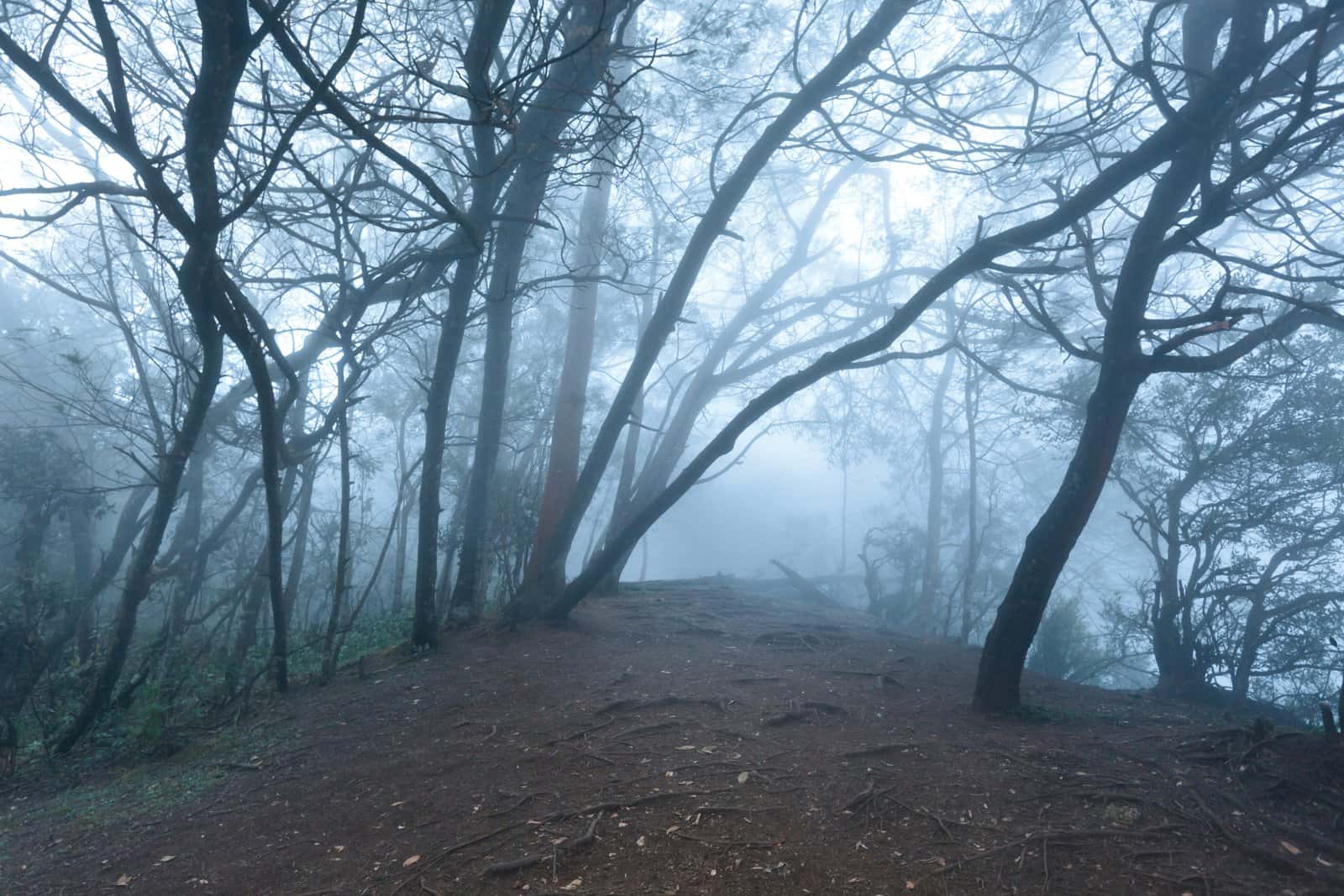
At Lakkidi, where the Thamarassery ghat tops out and the mist rolls in, stands an old tree wrapped in iron chains, and with it a story Wayanad has told for generations. The tradition holds that a Paniya tribal man named Karinthandan knew the secret path up the wild ghat, and that when British engineers sought a route through the forest he guided them safely to the top. As the story goes, the engineer who took the credit murdered Karinthandan to keep the glory for himself, and the dead man's restless spirit then haunted travellers on the pass until a priest is said to have bound it to this tree with chains, where a small shrine now stands. It is folk history rather than documented record, a tribal hero remembered in a legend the locals keep alive, but it is the kind of story that gives a place its soul, and the chained tree at the gateway to Wayanad is where the cool green hills begin.
Planning a Wayanad trip?
Our Kerala travel experts plan your full journey for you: route, hotels, darshan timings and transport. You get a free day-by-day plan and an exact quote on WhatsApp, usually within a few hours. No payment is needed to get your plan.
Tour packages that visit Wayanad
Every journey below is private, hand-crafted and fully customizable. Tell us your dates and we tailor the itinerary, the pace and the priests or guides around you.
 8D / 7N
Heritage Kerala Tour with Tree House
- Visit Beypore
- Visit Tribal Village
 8D / 7N
North Kerala Tour
- Visiting Kozhikode Beach
- Visit Kozhikode Beach