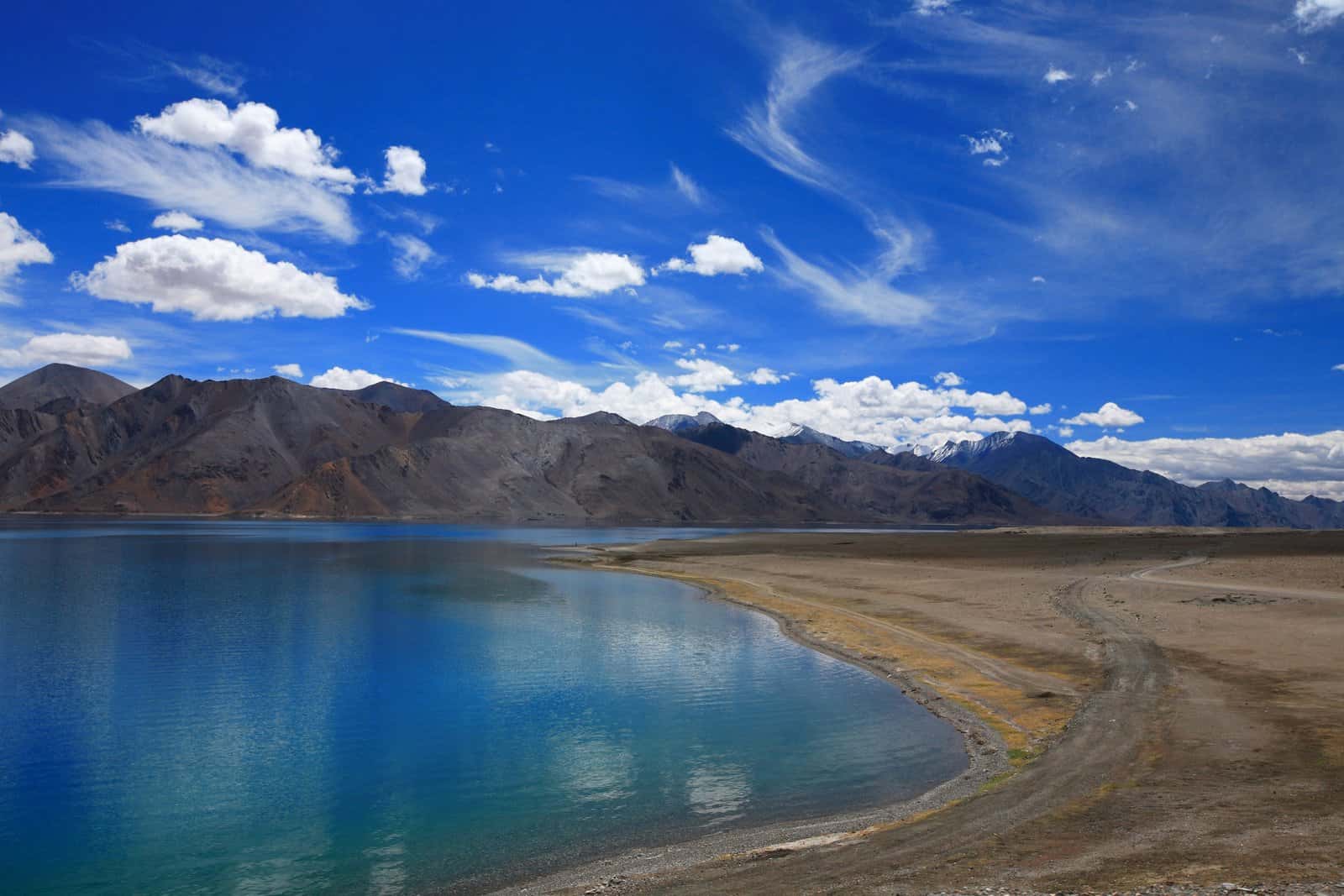
Pangong Tso Travel Guide
The reliable window is about May to September , when the Leh roads and Chang La are open. Deep winter offers the frozen-lake spectacle but brutal cold and few open stays.
When to visit Pangong Tso, and the winter freeze
The reliable window is about May to September, when the Leh roads and Chang La are open. Deep winter offers the frozen-lake spectacle but brutal cold and few open stays.
- June to September: the reliable windowThis is when the high passes and the Leh approach roads are dependably open and the lake is at its most photogenic, daytime temperatures roughly between 5 and 15 degrees Celsius. Nights are sharply cold even in summer, so carry a proper layer for an overnight by the shore.
- May and early October: shoulder edgesLovely and quieter, but the weather is less settled and Chang La can throw snow. Roads usually hold, yet a fresh fall can shut the pass for a day, so keep a buffer in your plan and reconfirm the pass status before you set out from Leh.
- Late December to February: the frozen lakeThe famous frozen-lake spectacle, with ice thick enough that vehicles have driven on it, but the cold is brutal, often near minus 20 degrees Celsius or lower, only a few basic homestays open, and the drive is a serious cold-weather undertaking. For most visitors this is an expedition, not a casual trip.
- Avoid the deep off-season unless preparedOutside the open months the combination of altitude, cold and shut accommodation makes Pangong unforgiving. If you are not equipped and acclimatised, the summer window is the right and far safer choice.
Pangong does not have a season of its own; it follows Leh and the high passes. If the Leh roads and Chang La are open and you have done your Leh rest days, the lake is in play. The frozen winter is a different trip entirely, beautiful but demanding, and best left to travellers who are properly equipped and have time to acclimatise. Whatever month you pick, the lake sits at about 4,350 metres, so the altitude, not the calendar, is the thing that decides how your day goes.
How to reach Pangong Tso
Everyone reaches Pangong from Leh, over the high Chang La pass. It is about 5 to 6 hours each way, so plan a long day or an overnight.
- By taxi, shared or privateThe usual way. From Leh it is about 5 to 6 hours and roughly 150 to 160 km over Chang La, a pass of about 5,360 metres. The official Ladakh Taxi Union one-day Leh to Pangong return is about 10,470 rupees, and the union card, not a roadside quote, is the number to plan around.
- By public busA cheap but slow option: the Leh to Pangong bus runs only on some days, typically weekends, leaving Leh around 6 am for a fare of about 270 rupees one way and taking about 7 to 8 hours, with a halt of about 20 minutes at the Chang La cafeteria. It suits flexible budget travellers, not tight schedules.
- By rented motorcycle or self-driveA classic Ladakh ride, but only after your Leh rest days and only if you are sure of high-altitude riding. Fill fuel in Leh, carry a spare, and remember the pass is cold and the weather turns fast. This is not a route to learn mountain riding on.
- On the Pangong to Nubra routeMany circuits link Pangong to the Nubra Valley over the Shyok route rather than doubling back to Leh. It is scenic and saves a day, but the road can be rough and is weather-dependent, so confirm it is open and use a driver who knows it.
Fly into Delhi, then take a morning flight to Leh, rest there for your acclimatisation days, and only then drive out to Pangong over Chang La. There are no flights or trains anywhere near the lake itself.
Fly into Delhi and onward to Leh, the single gateway for Ladakh. Build the Leh rest into your plan before Pangong, because the altitude does not care how fit you are.
Fly or drive to Leh first (overland from Srinagar or Manali gives a gentler altitude gain), acclimatise, then reach Pangong by taxi, bus, bike or tour over Chang La. Pangong is always a leg out of Leh, never a standalone arrival.
The Pangong permit: Environment Fee for Indians, PAP for foreigners
Pangong needs a permit. Indians no longer get an Inner Line Permit; they pay the Ladakh Environment and Development Fee online. Foreign nationals need a Protected Area Permit.
- Indians: the Environment and Development FeeSince 2021, Indian tourists no longer need an Inner Line Permit for Pangong. You pay the Ladakh Environment and Development Fee online at lahdclehpermit.in: a one-time environment fee of about 400 rupees per person, a wildlife fee of about 20 rupees per person per day, and an optional Red Cross contribution of about 50 rupees, so a week works out to roughly 590 rupees per person.
- Carry the printout, it is checked en routeThe receipt is valid about 21 days and covers Pangong along with Nubra, Tso Moriri, Hanle and Umling La. Carry printed copies, because it is checked at the Karu checkpoint and again at Chang La on the way to the lake. Many pages still wrongly tell Indians to get an Inner Line Permit; the Environment and Development Fee is the current rule.
- Foreign nationals: the Protected Area PermitForeign nationals need a Protected Area Permit for Pangong, arranged through a registered Leh travel agent, and must travel in a group of two or more. The permit is usually valid about 7 days, so set it up before you arrive rather than hoping to fix it on the day.
- Restricted nationalities, plan extra timeNationals of Pakistan, China, Afghanistan, Bangladesh, Myanmar and Sri Lanka face extra restrictions, and some must apply via the Ministry of Home Affairs in New Delhi well in advance. If this applies to you, start the process weeks ahead through your agent.
The single most copied error on Pangong pages is telling Indian travellers they need an Inner Line Permit. They do not, and have not since 2021. The current rule is the Ladakh Environment and Development Fee, bought online at lahdclehpermit.in for roughly 590 rupees a week, with the printout checked at Karu and Chang La. Foreign nationals are the ones who still need a permit in the older sense, the Protected Area Permit through a registered agent, in a group of two. Get this right and you will not be turned back at a checkpoint with the lake an hour away.
Altitude, acclimatisation and AMS at Pangong
Pangong sits at about 4,350 metres and you cross a 5,360 metre pass to reach it. This is the part that decides your trip, so treat altitude as the genuine medical matter it is.
- Acclimatise in Leh first, no shortcutsPangong is visited only after you have rested in Leh. The Leh District Administration advises a rest of about 24 to 48 hours in Leh before going higher to Chang La or Pangong, and that rest matters most if you have flown in and landed straight at altitude. Skipping it is the most common reason a Pangong day goes wrong.
- What AMS feels like, and how to manage itAbove about 3,000 metres most people feel at least a mild headache, nausea, breathlessness or broken sleep. Drink far more water than usual, around 3 to 4 litres a day, avoid alcohol and heavy exertion, walk slowly at the lake, and ask your own doctor about Diamox (acetazolamide), a prescription medicine usually started about 24 to 48 hours before you go higher.
- The warning signs that mean descend nowWorsening AMS is an emergency. Confusion, a staggering walk, severe breathlessness at rest or a persistent wet cough can signal HACE or HAPE, and the only reliable treatment is to descend at once and seek help. Never push higher or stay the night to keep a plan if someone is getting worse; drive back down to Leh.
- The overnight raises the stakesA day trip lets you come back down to Leh to sleep, which is gentler. An overnight means sleeping at about 4,350 metres, which hits harder and is where altitude problems often show up. If anyone in the group is struggling, choose the day trip over the overnight.
The reason Pangong catches people out is the shape of the day: you climb from Leh at about 3,500 metres over Chang La at about 5,360 metres, then sleep at about 4,350 metres, often after a long, tiring drive. That is a lot of altitude for a body that has only just arrived in Ladakh. Do your Leh rest days first, move slowly, hydrate hard, skip the alcohol, and be honest with yourself and your group about how everyone is feeling. The lake is not worth a medical emergency, and descending early is always the right call.
The lake, its colours, and the 3 Idiots stretch
Pangong is the lake itself, the way its colour shifts through the day, the wide Changthang emptiness around it, and the famous film location that made it a household name.
- The lake and its changing coloursThe headline sight is the water itself, which shifts from deep blue to turquoise to grey as the light and clouds change through the day. The colours are strongest in clear afternoon light and at either end of the day, which is the real argument for an overnight rather than a midday dash.
- The 3 Idiots point and the first viewpointNear Lukung you get the first glimpse of the lake; a little along, on the Spangmik stretch, is the famous 3 Idiots photo spot with yak and horse rides and the cluster of stalls. It is fun and unmissable for film fans, but it is also where the crowds, the touts and the litter concentrate, so see it and then move along the quieter shore.
- The Changthang plateau around itBeyond the lake is the high, bare Changthang plateau, home to nomadic herders, marmots and, with luck, kiang (wild ass) and migratory birds. The emptiness and the scale are as much the experience as the water, so give yourself time to simply sit and take it in.
- The villages along the shoreSpangmik, Man and Merak are small Changpa villages strung along the southern shore. They are where you stay if you overnight, and a quiet walk through one of them, away from the selfie point, is the gentler side of Pangong that day-trippers miss.
Pangong is a high-altitude lake in a fragile, slow-to-recover ecosystem, and it is a candidate wetland of international importance still under assessment. Carry your litter out, do not wash or bathe in the lake, keep to the tracks, do not feed or chase the wildlife, and use the toilets at your camp rather than the shore. The over-tourism that followed the 3 Idiots fame is exactly what the lakeshore clearance was meant to undo, so visiting gently is part of doing it right.
Signature experiences at Pangong
Beyond the photo at the film point, these are the experiences people remember, and how to arrange them without the rushed, crowded version.
- An overnight for the light and the dawnStaying a night near the shore is the single best thing you can do at Pangong. The crowds thin after the day-trippers leave, the colours deepen at sunset, and dawn over the water is the quiet, unhurried Pangong the selfie stop never shows. Just weigh it against the altitude, since you sleep at about 4,350 metres.
- Stargazing in the Changthang darkWith almost no light pollution and thin, dry air, the night sky here is extraordinary on a clear night. Wrap up very warmly, step away from the camp lights, and give your eyes time to adjust. This is a reward of the overnight that a day trip cannot give you.
- A slow walk along the shoreWalk away from the film point and the stalls and the lake becomes peaceful within a few hundred metres. Move slowly, the altitude makes even a gentle stroll an effort, and you will find quiet stretches of water with the plateau rolling away behind you.
- Yak and horse rides, with eyes openShort yak and horse rides operate at the 3 Idiots stretch. They are a bit of fun for families, but agree the price and the length before you start, as rates are quoted high and negotiable, and keep the animals' welfare in mind.
- The drive itself, over Chang LaThe journey is part of the experience: the climb over Chang La, the tea stop at the pass cafeteria, the first sight of the blue water far below. Break the drive, do not rush it, and let the altitude gain be gradual rather than a dash.
If you can spare the night and the altitude allows it, the overnight is the experience that separates a real Pangong visit from a tick-the-box selfie. The lake at dusk and dawn, the silence after the day crowds leave, and the Changthang night sky are what people remember long after the film point fades. If the overnight is not wise for your group's health, do the day trip well: leave Leh early, reach the lake by late morning, and linger into the better afternoon light before the drive back.
Where to stay at Pangong, now lakeside camping is cleared
Pitching your own tent on the bank is no longer allowed. You sleep in licensed camps set back from the water or in village homestays at Spangmik, Man or Merak.
- Licensed camps, set back from the shoreThe authorities cleared the structures that had crowded the lakeshore, to protect the lake, so you cannot pitch your own tent on the bank. What remains are licensed tented camps set back from the water, mostly around the Spangmik stretch, with beds, meals and basic toilets. This is the standard overnight now.
- Village homestays at Spangmik, Man and MerakThe Changpa villages along the southern shore offer simple homestays, the most authentic and lowest-impact way to stay. They are basic and limited in number, so they fill fast in season; if you want one, book ahead or arrive early in the day.
- Durbuk and Tangtse as a fallbackWhen Spangmik, Man and Merak are full, the small towns of Durbuk and Tangtse, about 30 to 40 km back from the lake, have guesthouses. You lose the dawn-by-the-water magic but gain a more reliable bed and a slightly lower altitude to sleep at, which some travellers prefer.
- What it costsA licensed tent or cottage typically runs from about 1,500 to 3,000 rupees on the spot for a basic double in season, and from about 2,500 to 5,500 rupees for a better camp with meals. A village homestay at Spangmik is roughly 500 to 1,500 rupees per person with meals. Prices swing with demand and the time of day you arrive.
Beds near Pangong are limited and demand is fierce in peak season. A camp booked from Leh costs more but guarantees a bed; arriving on the spot late in the day risks paying a steep last-minute rate, or finding nothing and having to fall back to Durbuk or Tangtse or even drive back toward Leh after dark, which you do not want at this altitude. Decide in Leh whether you are pre-booking or taking your chances, and if you are taking your chances, reach the lake by early afternoon.
Pangong costs and a realistic budget
The big Pangong costs are the taxi over Chang La and the overnight. Here is what the main things cost so you can plan and avoid the worst of the last-minute surge.
- The transport, your biggest line itemThe official Ladakh Taxi Union one-day Leh to Pangong return is about 10,470 rupees, shared between your group; an overnight or a Pangong-Nubra circuit costs more. The public bus is about 270 rupees one way but slow and infrequent. The taxi, shared or private, is the single biggest cost of a Pangong trip.
- The permitFor Indians, the Environment and Development Fee is roughly 590 rupees per person for a week (about 400 one-time, about 20 a day wildlife, about 50 optional Red Cross). For foreigners, the Protected Area Permit is arranged through an agent and priced by them; ask for the all-in figure up front.
- The overnightA licensed tent or cottage is about 1,500 to 3,000 rupees on the spot for a basic double, or about 2,500 to 5,500 rupees for a better camp with meals; a Spangmik homestay is roughly 500 to 1,500 rupees per person with meals. A day trip saves this entirely but misses the dawn.
- Carry enough cash for everythingThere is no ATM at Pangong, and cards and UPI are unreliable this far out, so draw all the cash you will need in Leh: the camp or homestay, food, the yak ride, tips and a margin for a price that climbs late in the day. Running short at the lake has no easy fix.
The single habit that controls cost at Pangong is to settle prices before they run away from you: split a known taxi-union rate across your group rather than taking a roadside quote, decide in Leh whether you are pre-booking a camp or arriving early to negotiate one, and agree the price of a yak ride or a homestay meal before it happens. The lake's only real friction is the last-minute surge when beds run low late in the day, and arriving early with cash in hand turns that into a non-event.
Practical logistics: cash, fuel, SIM and the cold
Pangong is remote, and the things that catch people out are the ones Leh fixes for you: cash, fuel, a working SIM and warm clothing. Sort all four before you leave town.
- No ATM at the lake, draw cash in LehThere is no ATM at Pangong, and cards and UPI are unreliable, so take all the cash you will need from Leh. Camps, homestays, food, rides and tips are cash, and prices can climb late in the day, so carry a comfortable margin.
- Fuel up in Leh, do not rely on TangtseThere is no dependable petrol pump at the lake. A fuel station at Tangtse, about 34 km before Pangong, has operated since about 2023, but it can be out of stock, so fill the tank in Leh and carry a spare can if you are driving or riding. Village black-market fuel exists but is poor quality and a last resort only.
- Only postpaid J&K or Ladakh SIMs workMobile signal at the lake is almost non-existent, and across this region only postpaid connections issued inside Jammu and Kashmir or Ladakh work at all; prepaid SIMs from the rest of India do not. BSNL and Airtel postpaid have the widest reach. Tell people at home you will be off-grid for a day or two.
- Dress for serious cold, even in summerNights by the lake are bitterly cold year-round, and the wind off the water bites. Carry a proper down or fleece layer, a windproof shell, a hat and gloves even in July, plus sun protection for the fierce high-altitude daytime glare. The weather can turn fast at this height.
Pangong for every kind of traveller, and on access
Pangong suits very different visitors in different ways, but altitude is the common thread. Here is what it offers you and the one tip that matters for each, including the honest steer for seniors.
- CouplesQuiet, vast and romantic if you overnight: the colours at dusk, the night sky and a still dawn over the water. Choose a calm camp set back from the film point, and weigh the overnight against how you are both handling the altitude.
- Families with childrenThe lake and the yak rides delight kids, but small children feel altitude keenly at 4,350 metres. A day trip from Leh is usually the safer choice for young families than an overnight, and a doctor's view before the trip is wise for little ones.
- Senior travellers and on accessibilityThis is the honest one. Pangong combines a 5,360 metre pass with a night at 4,350 metres, which is genuinely demanding. A doctor's clearance is non-negotiable for anyone older or with a heart or lung condition, the day trip is gentler than the overnight, and there is no medical facility at the lake, so do not push a plan if someone is unwell.
- Backpackers and budget travellersVery doable on a budget: the weekend bus from Leh is about 270 rupees one way, a Spangmik homestay is cheap, and a shared taxi splits the cost. Just build in the Leh rest days first; the altitude is the same whatever your budget.
- BikersA bucket-list ride over Chang La, but only after acclimatising in Leh and only for confident high-altitude riders. Fuel in Leh, carry a spare, ride within your limits on cold, rough mountain roads, and never ride on if AMS is setting in.
- PhotographersThe changing colours, the dawn light, the empty plateau and the night sky reward an overnight. Bring spare batteries (the cold drains them fast), shoot the early and late light, and ask before photographing herders or their animals.
A suggested Pangong plan: day trip or overnight
How to shape a Pangong leg out of Leh so you catch the lake at its best light without rushing the altitude, whether you have a day or a night to give it.
- The long day trip from LehLeave Leh early, around 6 to 7 am, cross Chang La with a tea stop, reach the lake by late morning, linger into the better afternoon light, and drive back to sleep at the lower, gentler altitude of Leh. A full but doable day, and the kinder choice if anyone is feeling the height.
- The overnight, the classic versionDrive out in the day, stay at a licensed camp or a Spangmik homestay, and you get the dusk colours, the night sky and dawn over the water. The trade-off is sleeping at about 4,350 metres, so only choose this once you are well acclimatised and everyone in the group is fine with the height.
- Pangong into NubraWith more days, run Pangong onward to the Nubra Valley over the Shyok route instead of returning to Leh, which saves doubling back. Confirm the road is open, use a driver who knows it, and treat it as a full driving day.
- Where Pangong sits in a Ladakh tripPangong is best done after your Leh rest days and the gentler local sights, once you are acclimatised. Give it the back half of a Ladakh trip, not day one or two, and you will enjoy it far more and far more safely.
The plan that goes wrong is reaching Pangong before you have acclimatised, especially straight after a fly-in to Leh. You cross a 5,360 metre pass and sleep at 4,350 metres, and a body that arrived a day ago is not ready for that. Build your Ladakh days so Pangong falls after a genuine 24 to 48 hour Leh rest and the easier local sights. The lake will be just as blue on day four as on day one, and you will be able to enjoy it instead of nursing a headache.
The real questions travellers ask about Pangong
Straight answers to the questions that come up again and again on traveller forums, so you arrive already knowing the score.
- Is Pangong worth it, or just a 3 Idiots selfie spot?The film point is crowded and touristy, but the lake itself, the colours, the scale and the silence away from the stalls, is the real thing. Walk along the shore from the selfie point and Pangong rewards you. It is worth it if you do it slowly and responsibly.
- Is one day enough, or should I overnight?A day trip from Leh covers the lake and gets you back to sleep at a gentler altitude. An overnight gives the dusk, the stars and the dawn, but means sleeping at about 4,350 metres. If your group is acclimatised and well, overnight; if anyone is struggling with the height, do the day trip.
- Where do I sleep now that lakeside camping was banned?Lakeshore camping was cleared and you cannot pitch your own tent on the bank. You stay in licensed camps set back from the water or in village homestays at Spangmik, Man or Merak, with Durbuk and Tangtse about 30 to 40 km out as a fallback when those fill up.
- Can my parents handle the altitude?Only with a doctor's view first. Pangong combines a 5,360 metre pass and a night at 4,350 metres, which is hard on older travellers and anyone with a heart or lung condition. The day trip is gentler than the overnight, and there is no medical help at the lake, so plan conservatively.
- Will my phone work, and is there an ATM?Almost no signal at the lake, no ATM and no reliable fuel. Only postpaid J&K or Ladakh SIMs work in the region anyway, so draw cash, fill fuel and tell people you will be off-grid, all before you leave Leh.
- Can I drive my own car or ride a bike there?Yes, after acclimatising in Leh and only if you are confident on high, cold, rough mountain roads. Fill fuel in Leh, carry a spare, and turn back if AMS sets in. The Pangong-Nubra Shyok route is scenic but rougher and weather-dependent, so confirm it is open.
Planning Pangong from abroad
Pangong is the bucket-list Himalayan lake of a Ladakh trip, and it pairs with Leh, Nubra and the monasteries. A little preparation makes the permit, the altitude and the remoteness easy to handle.
- Sort the Protected Area Permit before you arriveForeign nationals need a Protected Area Permit for Pangong, arranged through a registered Leh travel agent, and must travel in a group of two or more. Nationals of a few countries face extra restrictions via the Ministry of Home Affairs in Delhi. Set this up well before you fly, not on the day.
- Respect the altitude on a first India tripPangong is not a place to underestimate. Fly Delhi to Leh, rest in Leh for your acclimatisation days, and only then drive out to a lake at 4,350 metres over a 5,360 metre pass. Talk to your doctor before you travel, especially about any heart or lung condition, and carry your medicines.
- Pair it with Leh, Nubra and the monasteriesFly into Delhi, then Leh, and build a loop of the Leh monasteries, Nubra over Khardung La and Pangong over Chang La, with Pangong in the back half once you are acclimatised. It is the scenic climax of a Ladakh trip, not a standalone stop.
- Come prepared for the remotenessNo ATM, no reliable signal and no fuel at the lake, and only postpaid Indian SIMs from J&K or Ladakh work in the region. Draw cash in Leh, accept being off-grid for a day or two, and pack for serious cold even in summer. It is part of the adventure, not a problem, if you plan for it.
Travelling responsibly at Pangong, for the overseas visitor
A fragile high-altitude lake that became famous overnight needs visitors who tread lightly. Here is how to time your visit and how to leave Pangong as you found it.
- Understand why the lakeshore was clearedAfter 3 Idiots made Pangong famous, camps, waste and bore wells crowded the shore and threatened the lake. The authorities cleared the lakeshore structures to protect it. Knowing this is why you now stay set back from the water, and why treading lightly is not optional here.
- Carry everything out, wash nothing in the lakeTake all your litter back toward Leh, do not bathe or wash in the lake, use your camp's toilets rather than the shore, and keep to existing tracks. A high-altitude lake recovers very slowly, so small acts of care matter more here than almost anywhere.
- Stay in village homestays where you canChoosing a Spangmik, Man or Merak homestay over a large camp puts your money with the Changpa community whose land this is and treads more lightly than the big tented operations. It is also the warmer, more human way to experience the lake.
- Time it for the open, gentler monthsAim for about June to September, when the roads and passes are reliably open and the cold is survivable, rather than the deep frozen winter, which is an expedition. Within the day, the better light is morning and late afternoon, the same hours that reward an overnight.
Pangong is a reminder of what unmanaged fame can do to a wild place, and also of how travellers can help undo it. Stay set back from the water, carry your waste out, spend your money in the villages, move slowly with the altitude, and treat the lake as the fragile, sacred-feeling place it is rather than a backdrop for a photo. Do that and your visit adds to the case for keeping Pangong wild, instead of to the pressure that nearly spoiled it.
Why Pangong is two countries and a thousand colours
Pangong Tso is one of those places whose facts sound like legend. It sits at about 4,350 metres on the Changthang plateau, a long ribbon of water about 134 km from end to end, and it does not belong to one country: it runs east across the Line of Actual Control into Tibet, with roughly 60 percent of its length on the Chinese side. It is brackish, almost saline, yet in the deep cold of a Ladakhi winter it freezes solid enough to walk and even drive on. Through a single day its water shifts from deep blue to turquoise to slate grey as the light and the clouds move over it, which is why no two photographs of Pangong ever quite agree. For generations it was known mainly to the Changpa herders of the plateau and the soldiers who guard the high border; then a Bollywood film made its closing scene here, and the world arrived. The lake now carries both that fame and the weight of it, which is why the shore was cleared of camps and why the kindest thing a traveller can do is to come quietly, leave nothing, and let it stay wild.
Planning a Pangong Tso trip?
Our Ladakh travel experts plan your full journey for you: route, hotels, darshan timings and transport. You get a free day-by-day plan and an exact quote on WhatsApp, usually within a few hours. No payment is needed to get your plan.
Tour packages that visit Pangong Tso
Every journey below is private, hand-crafted and fully customizable. Tell us your dates and we tailor the itinerary, the pace and the priests or guides around you.
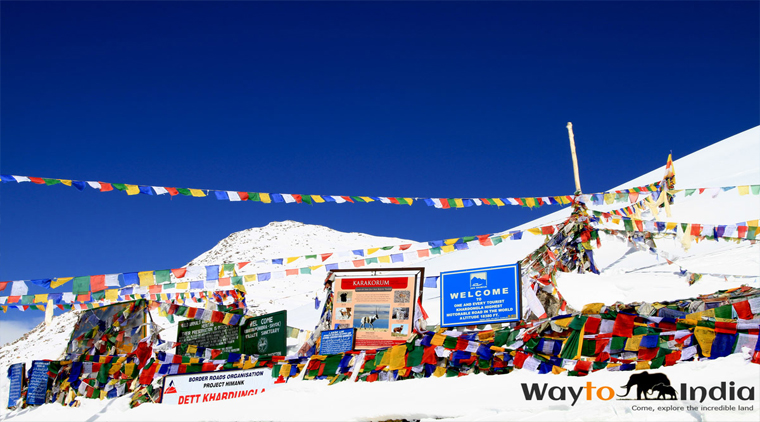 7D / 6N
Incredible Ladakh Holiday
- Visit Gurudwara Pathar Sahib
- Visit Pangola Lake
 6D / 5N
Leh Ladakh Tour Package for Couples
- Visit Leh Palace
- Visit Pangong Lake
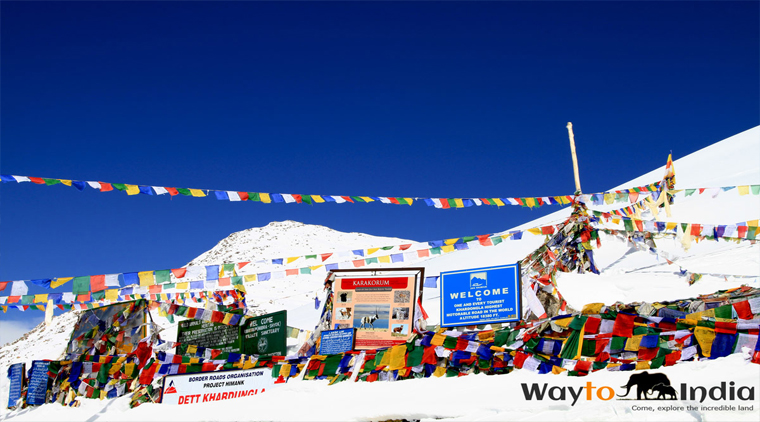 8D / 7N
Manali Leh Tour
- Visit of Spituk and Phyang Monastery
- Visit old Pagoda Temple of Hadimba Devi
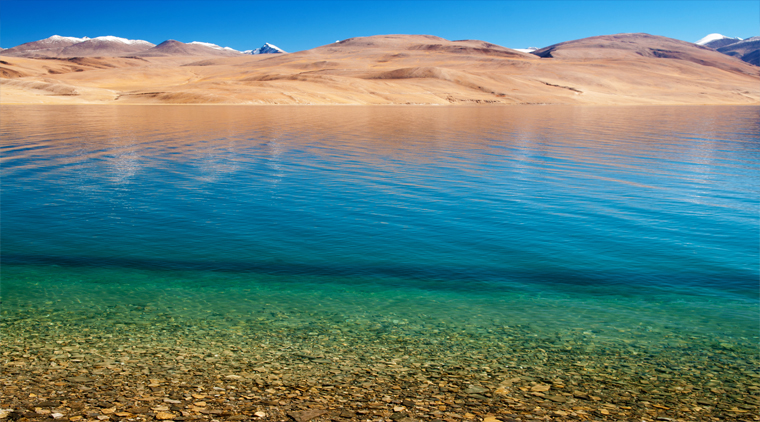 6D / 5N
Ladakh Tour
- Visit Thiksey Gompa
- Visit Shanti Stupa