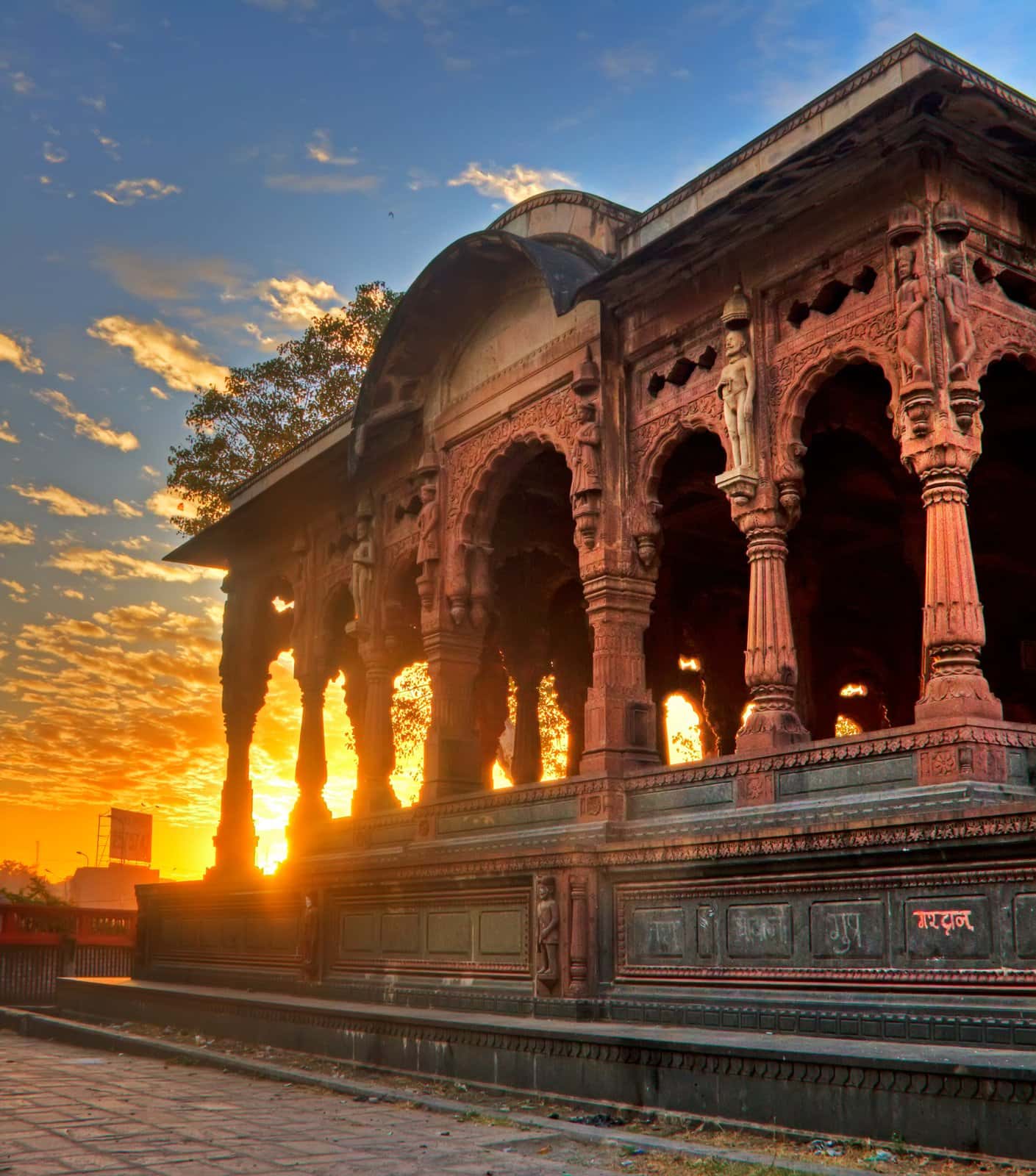
Indore Travel Guide
The best months are October to March , when the weather is pleasant and dry. One thing to fix first: the two big Holkar palaces, Lal Bagh and Rajwada, are closed on Mondays.
When to visit Indore, and the Monday rule
The best months are October to March, when the weather is pleasant and dry. One thing to fix first: the two big Holkar palaces, Lal Bagh and Rajwada, are closed on Mondays.
- October to March: cool and clearThe most comfortable time, pleasant by day and cool in the early mornings. Ideal for the heritage walks, the late-night food streets and the day trips out to the temples and Mandu. This is also when the Malwa light is at its kindest for an evening on the ghats at Maheshwar.
- Avoid April to JuneHigh summer in Malwa, with afternoons that can reach the low-to-mid 40s Celsius. If you must come then, keep sightseeing to the early morning and the evening food streets, carry water, and do the day trips at dawn before the road heat builds.
- Monsoon, July to SeptemberThe rains cool things down and the countryside greens up, which is genuinely lovely at Maheshwar and Mandu, where the lakes and waterfalls come alive. But a heavy spell can interrupt those open-road day trips and the Narmada can run high, so keep your plan flexible and your driving daylight.
- Festivals worth timing for, or aroundUjjain and Omkareshwar are at their most charged through the Shravan month and on Mahashivratri, wonderful for devotees but very crowded for a relaxed visit. Decide early whether you want the festival energy or the calm, because it changes how you pace a darshan day.
Lal Bagh Palace and Rajwada are both closed on Mondays (Lal Bagh also on public holidays), so do not plan your palace day on a Monday. The food streets, Kanch Mandir and the day trips still work on a Monday, though note that Ujjain's Mahakaleshwar and Omkareshwar get especially crowded on Mondays, which are sacred to Shiva. A Monday is the day to do a food-and-temple plan, not a palace plan.
How to reach Indore and get around
Indore has central India's busiest airport and good rail links, and it makes the natural base for the whole western Madhya Pradesh circuit. Getting around town is by auto, app cab and, on the airport side, the new metro.
- By air to Devi Ahilya Bai Holkar Airport (IDR)The airport sits about 8 km west of the city and is central India's busiest, an IndiGo hub with wide domestic links to Delhi, Mumbai, Bengaluru, Hyderabad, Pune and more. An auto or app cab into town takes only a short ride. Its main international link is a direct flight to Sharjah in the Gulf.
- By trainIndore Junction is well connected across the region and to the big metros. Trains are a comfortable, good-value way in, and the station sits close to the old-city sights, so you can be at Rajwada or the food streets soon after you arrive.
- The metro, and getting around the old cityIndore Metro's Yellow Line first stretch, about 6 km, opened to the public on about 31 May 2025 and is being extended through 2026 toward Radisson Square and the airport. It runs on the airport and Super Corridor side, so for Rajwada, Sarafa and Kanch Mandir in the old city you will still use an auto, taxi or app cab.
- Hiring a car for the day tripsFor the temple-and-fort circuit a car with a driver is the easy choice, typically about 2,500 to 4,000 rupees for a day trip to Ujjain or Omkareshwar depending on the route and waiting time. We arrange a car with an experienced driver so the long stretches and the temple parking are sorted, which matters most with families and older travellers.
Fly into Delhi or Mumbai, the nearest big international gateways, then take a short domestic hop or a train to Indore. Indore has no significant long-haul international flights of its own.
Indore's main international link is a direct flight to Sharjah, and Gulf-hub connections make it reachable for the diaspora; otherwise connect through Delhi or Mumbai.
Indore is the easiest base in western Madhya Pradesh, well linked by air and rail, with the temple towns and Mandu all within a short drive. Take a train to Indore Junction or fly into the busy domestic airport.
The Holkar palaces, the Glass Temple, and what you actually pay
Indore's heart is its Holkar heritage: the grand Lal Bagh Palace, the seven-storey Rajwada and the delicate Kanch Mandir. The fees are modest, but the Monday closures catch people out.
- Lal Bagh PalaceThe opulent Holkar mansion, now a museum, with Belgian stained glass, a sprung ballroom floor and gates modelled on Buckingham Palace. Open about 10 am to 5 pm, closed Mondays and public holidays. Entry is about 20 rupees for Indians and about 400 rupees for foreign nationals; photography inside is not allowed, and an outside-photo charge of about 270 rupees applies (about 420 rupees for video).
- Rajwada, the old-city palaceThe seven-storey Holkar palace at the centre of the old bazaars, a blend of Maratha, Mughal and French styles. Open about 10 am to 5 pm, closed Mondays. Entry is about 10 rupees for Indians and about 250 rupees for foreign nationals, with a camera charge of about 25 rupees and a video charge of about 100 rupees. An evening light-and-sound show, about 200 rupees, runs Tuesday to Sunday, with the Hindi show around 6:30 pm and the English show around 7:45 pm; exact sittings shift with the season, so reconfirm the evening you go.
- Kanch Mandir, the Glass TempleA jewel-box Jain temple in the old city, its interior covered entirely in mirror and coloured-glass mosaic. Entry is free, in two windows of roughly about 5 am to noon and about 4 pm to 8 pm. No photography inside, and dress modestly. It is a short walk from Rajwada, so the two pair naturally.
- Central Museum and Bada GanpatiIf you have time, the Central Museum (Indore Museum) holds local sculpture and coins, and the nearby Bada Ganpati shrine has one of the largest Ganesh idols in the country. Both fit easily around a half-day in the old city, between the palaces and a food-street stop.
Indore is India's cleanest city, and it polices that hard: there are real penalties for littering or spitting in public, and bins and door-to-door collection are everywhere. Use the bins, do not spit, and you will fit right in. It is also why the food streets feel cleaner than you might expect, which is no small thing when you are eating off a cart at midnight.
Sarafa Bazaar by night and Chhappan Dukan, the signature Indore experience
Indore is India's food capital, and the heart of it is two streets: Sarafa Bazaar, a jewellery market that becomes a famous night-food bazaar, and Chhappan Dukan, the cleaner 56-shop food strip. Here is how to do both, and the current status of the Sarafa night market.
- Sarafa Bazaar, after darkBy day this is a gold-and-silver market; after the shops shut it turns into a legendary night street-food bazaar. The carts and kiosks get going from about 8 pm to 9 pm and run until about midnight to 2 am, and the liveliest hour is around 10 pm to 11:30 pm. Come hungry and graze: garadu, bhutte ka kees, sabudana khichdi, hot jalebi and the famous shikanji.
- The Sarafa relocation, the honest statusYou may read that Sarafa's night chaupati is being moved for fire safety, because of LPG cylinders in narrow lanes. That proposal has been on the table since early 2024, prompted by safety fears after the Harda factory blast, and sites like Lalbagh and Gandhi Hall have been floated, but as of mid-2026 it has not been finalised and the market still runs at its original Sarafa location. Tell us your dates and we will reconfirm before you go.
- Chhappan Dukan (56 Dukan)A cleaner, more organised strip of about 56 shops near New Palasia, busy from morning into the evening. It is the easier, calmer option for families, seniors and first-timers, with poha-jalebi for breakfast, chaat, sandwiches, coffee and sweets without the late-night crush of Sarafa.
- Eat smart on the streetIndore's cleanliness helps, but use sense: pick the stalls with the longest local queues and the fastest turnover, watch your food being made fresh, and ease into the spice and the chaat if your stomach is not used to it. Carry a little cash, as some stalls are cash-first, though many now take UPI.
The classic local breakfast is poha (flattened rice, light and savoury) with hot jalebi and a glass of milky tea. Try it at Chhappan Dukan or any busy morning stall; it is the single most Indore thing you can eat, and a far gentler introduction to the city's food than a midnight chaat crawl if your stomach is cautious.
Day trips from Indore: Ujjain, Omkareshwar, Maheshwar and Mandu
Indore is the perfect base for western Madhya Pradesh. Four classic day trips sit within a short drive, but the distances and the pacing matter, so here is how to do them right.
- Ujjain (Mahakaleshwar), about 55 kmThe closest and most popular, home to the Mahakaleshwar Jyotirlinga and the pre-dawn Bhasma Aarti. The temple is open roughly about 3 am to 11 pm. It is busiest on Mondays, festivals and through Shravan, so go early or in the evening for a calmer darshan, and note phones and bags are often not allowed inside the temple.
- Omkareshwar (Jyotirlinga), about 77 kmA second Jyotirlinga, on an Om-shaped island in the Narmada, reached by a footbridge or a short boat. Pilgrims often pair it with the nearby Mamleshwar temple. A peaceful half-day, frequently combined with Maheshwar on the same drive.
- Maheshwar, about 91 kmAhilya Bai Holkar's serene fort-and-ghats town on the Narmada, famous for its handloom Maheshwari saris and its filmic riverfront. Lovely in the late-afternoon light, and an easy add-on to an Omkareshwar day since the two sit close together.
- Mandu, about 90 to 98 kmThe romantic Afghan-era hilltop fort city of palaces, pavilions and the Jahaz Mahal, magical in the monsoon and the cool season. It deserves a full, unhurried day on its own; it is too far and too rich to bolt onto another temple stop.
- Pace it over two or three daysEach of these is a comfortable day trip on its own, but trying to do all four in a single day is far too rushed to enjoy, with hours in the car and no time anywhere. Spread them over two or three days, or pick the two that suit you. We arrange a car with an experienced driver so the long stretches are easy, especially for families and older travellers.
The single biggest day-trip mistake is trying to fit Ujjain, Omkareshwar, Maheshwar and Mandu into one day. On paper the distances look small, but the loop is long, the temple queues and parking eat time, and you end up seeing the inside of a car. Do Ujjain on its own, pair Omkareshwar with Maheshwar, and give Mandu a full unhurried day, and you will actually enjoy each one.
Where to stay in Indore, and how many nights
Stay near the old city to be steps from the food streets, or in the newer Vijay Nagar and AB Road belt for the bigger, quieter hotels. Two nights covers the city, three or four lets you do the circuit calmly.
- The old city and around RajwadaWalking distance to Rajwada, Kanch Mandir and the Sarafa night market, and full of character, but busy, noisy and tight on parking. Best for first-timers who want to step straight into the food and the bazaars and do not mind the late-night buzz outside the window.
- Vijay Nagar, New Palasia and the AB Road beltThe newer commercial side of town, with the better business and mid-range hotels, malls and the easy daytime food of Chhappan Dukan close by. Quieter and more comfortable, and an easy auto or app cab from the old-city sights. The natural choice for families and older travellers.
- Room budgetsBudget rooms run from about 1,000 to 2,000 rupees, mid-range about 2,500 to 5,000 rupees, and the better business hotels about 6,000 to 12,000 rupees. Indore is a business city, so weekday rates can be firmer than weekends, the reverse of a leisure town.
- How many nightsTwo nights covers Indore itself, the palaces, the Glass Temple and both food streets at the right hours. Add a third and fourth night for the temple-and-fort circuit done calmly, one day for Ujjain, one for Omkareshwar with Maheshwar, and a full day for Mandu.
For most travellers Indore is the better base: more and better hotels, the food streets, easy transport and short drives to all four day trips. Stay in Ujjain only if you want to be at the temple for the pre-dawn Bhasma Aarti without an early-morning drive, or if you are doing a pure pilgrimage rather than a Malwa trip.
Indore costs and a realistic daily budget
Indore is gentle on the wallet, especially if you eat your way through it. Here is what the main things cost, so you can plan the food streets, the palaces and the day-trip car.
- A rough daily budgetExcluding your room and long-distance transport, plan on about 1,000 to 1,500 rupees a day as a backpacker grazing the food streets, about 2,500 to 4,000 rupees mid-range, and about 5,000 rupees and up for a comfortable day with a hired car and the sit-down restaurants.
- The fixed-price thingsLal Bagh Palace is about 20 rupees for Indians and about 400 rupees for foreign nationals; Rajwada is about 10 rupees and about 250 rupees, with the light-and-sound show about 200 rupees; Kanch Mandir is free. These are the rare set prices in town and make a useful anchor.
- The food streets are the bargainA full evening grazing Sarafa or a poha-jalebi breakfast at Chhappan Dukan costs very little, which is the real joy of Indore. Carry small cash for the carts, though UPI is increasingly accepted, and pace yourself across several stalls rather than filling up at the first one.
- The day-trip carA car with a driver for a day trip to Ujjain or Omkareshwar typically runs about 2,500 to 4,000 rupees depending on the route, the distance and the waiting time at the temples. Mandu, being a full day, costs a little more. Agree the route, the stops and the price before you set off.
In Indore the food is cheap and the monuments are cheap; the one cost that adds up is the day-trip car, because the temple towns and Mandu are spread out and a hired vehicle is far easier than juggling buses with a tight darshan window. Budget for the car, eat freely on the streets, and Indore stays very good value.
Practical logistics: money, SIM, getting around and civic etiquette
The small things that make an Indore day smooth, from app cabs and ATMs to the cleanest-city rules and dressing for the temples.
- Getting around townAutos and app cabs are everywhere and cheap, and they are how you move between the old-city sights, the food streets and the newer hotel areas. The metro only serves the airport and Super Corridor side so far, so do not plan on it for the bazaars.
- Money, ATMs and UPIATMs are plentiful, cards work in hotels and restaurants, and UPI is widely accepted, including at many food stalls. Still carry some cash for the carts, the temple prasad and small purchases, as not every vendor is digital.
- SIM, signal and languageMobile coverage in the city is strong for calls and data. Hindi is the everyday language, but English is widely understood in hotels, restaurants and the tourist trade, so communicating is easy. Pick up a SIM at the airport if you are arriving from abroad.
- Dress and temple etiquetteDress modestly at the temples and at Kanch Mandir, remove footwear where asked, and expect phones, cameras and bags to be left outside at Mahakaleshwar and Omkareshwar. Carry a cloth bag or be ready to use a temple locker for your belongings.
This is India's cleanest city and it enforces that with real penalties. Use the bins, which are genuinely everywhere, and do not spit paan or litter in the street. It is not just a fine you avoid; it is the simplest way to respect a city that has earned the top spot eight times and to fit right in with how locals carry themselves.
Safety, street-food health, and the temple crowds
Indore is safe and welcoming, and the main thing to manage is your stomach on the food streets and the crush at the big temples on busy days.
- Eating the street food safelyIndore's street food has a good reputation and the city's cleanliness helps, but be sensible: choose stalls with long local queues and fast turnover, eat food cooked hot and fresh in front of you, go easy on raw chutneys and cut fruit if your stomach is sensitive, and drink bottled or filtered water. Ease into the spice over a couple of days rather than diving in at midnight.
- General safetyIndore is one of the safer Indian cities, busy and well lit, and solo travellers including women generally find it comfortable with the usual city sense. Keep an eye on bags in the crowded bazaars and at the food streets, use app cabs at night, and you will have no trouble.
- The temple crowds, and the rushAt Mahakaleshwar and Omkareshwar the crowds on Mondays, festivals and through Shravan can be intense, with long queues and a press of people. Go early or late, keep children and older relatives close, hold valuables tight, and consider the calmer days if a crush is hard for you.
- Heat, water and medicinesIn the hot months carry water and sun protection for the day trips and the open temple courtyards. Carry your own basic medicines, especially with seniors, since the temple towns are smaller than Indore. Keep a government photo ID handy, as it can be asked for at hotels and for special darshan.
Most visitors eat across both food streets with no trouble at all, and the food is the whole point of coming. The travellers who get caught out tend to be the ones who arrive jet-lagged and go straight to a dozen rich, spicy items at midnight. Pace it, start with poha-jalebi, drink safe water, and your stomach will keep up with your enthusiasm.
Indore for every kind of traveller, and on access
Indore rewards very different visitors. Here is what it offers you, and the one tip that matters for each, including how a senior enjoys the food streets and a darshan comfortably.
- FoodiesThis is the main event. Do Sarafa late for the night buzz and Chhappan Dukan by day for the calmer graze, start a morning with poha-jalebi, and ask us for a guided food walk so you taste the best of each without missing the classics or the hidden stalls.
- Families with childrenEasy and clean, with the palaces, the Glass Temple and the day trips all gentle on a family. Chhappan Dukan is the kinder food street for children than the late Sarafa crush, and the Bada Ganpati is a quick, memorable stop. Keep little ones close in the temple crowds.
- Senior travellers and on accessibilityVery doable with a little pacing. Stay in the quieter Vijay Nagar or AB Road belt, prefer Chhappan Dukan over the late, crowded Sarafa lanes, do temple darshans early or in the evening to dodge the crush, carry your own water and medicines for the day trips, and let us arrange a car so the road stretches and the temple parking are comfortable. The old-city lanes are flat but busy and uneven, so take them slowly.
- CouplesPair a heritage morning with a Sarafa food crawl, then a day at serene Maheshwar on the Narmada or romantic Mandu, which is at its most atmospheric in the monsoon and the cool season. An evening on the ghats at Maheshwar is the quiet, lovely counterpoint to the buzz of Indore.
- Solo and budget travellersIndore is safe, clean and cheap to eat in, and the food streets are a joy alone. Trains in are good value, autos and app cabs are easy, and the day trips can be shared with others to split the car. One of the more comfortable solo cities in central India.
A suggested Indore itinerary
How to shape two to four days so you catch the palaces on the right days, the food streets at the right hours, and the temples and Mandu without a rushed car-bound loop.
- Day one: the cityStart with a poha-jalebi breakfast, do Rajwada and Kanch Mandir in the old city in the late morning (not a Monday), rest through the afternoon, then catch the Rajwada light-and-sound show in the early evening and head to Sarafa after about 9 pm for the night-food crawl.
- Day two: Lal Bagh and UjjainSee Lal Bagh Palace in the morning (again, not a Monday), then drive about 55 km to Ujjain for a Mahakaleshwar darshan, going for a calmer late-afternoon or evening slot rather than the festival crush. Back in Indore, finish with Chhappan Dukan if you have room.
- Day three: Omkareshwar and MaheshwarA full day out to the Narmada: the Omkareshwar Jyotirlinga on its island in the morning, then the short hop to Maheshwar for the fort, the ghats and the handloom in the gentle afternoon light. A long but rewarding day with a car and driver.
- Day four: ManduGive Mandu its own unhurried day, about 90 to 98 km out, for the Jahaz Mahal, the pavilions and the views, especially fine in the monsoon and cool season. If you only have three days, drop Maheshwar or Mandu rather than trying to bolt it on.
The single thing that breaks a tight Indore plan is arriving at Lal Bagh or Rajwada on a Monday, when both are closed. Build your two palace mornings on any day but Monday, use a Monday for a food-and-temple day instead, and you will never find yourself at a shut palace gate with the clock running.
The real questions travellers ask about Indore
Straight answers to the questions that come up again and again on traveller forums, so you arrive already knowing the score.
- How many days do I need?Two nights for Indore itself, three to four if you want the temple-and-fort circuit done calmly. A common and comfortable plan is three days with Indore as the base, doing Ujjain, then Omkareshwar with Maheshwar, and the city food and palaces around them.
- Can I do all four day trips in one day?No, not enjoyably. Ujjain, Omkareshwar, Maheshwar and Mandu look close on a map but the loop is long and the temple queues eat time, so cramming all four into a day means hours in the car. Do Ujjain alone, pair Omkareshwar and Maheshwar, and give Mandu a full day.
- When does Sarafa start, and is it only at night?The food carts get going from about 8 pm to 9 pm and the market peaks around 10 pm to 11:30 pm, running until about midnight to 2 am. It is purely a night thing; by day Sarafa is a jewellery market. For daytime food, head to Chhappan Dukan instead.
- Is the Sarafa night market being moved or shut?There has been a relocation proposal since early 2024 on fire-safety grounds, with Lalbagh and Gandhi Hall floated as sites, but as of mid-2026 it is not finalised and the market still runs at its original Sarafa location. Reconfirm with us before you travel, as this is the one thing in flux.
- Is the street food safe to eat?Generally yes, and the city's cleanliness helps. Pick busy stalls with fast turnover, eat food cooked hot and fresh, go easy on raw chutneys if your stomach is sensitive, and drink bottled or filtered water. Most visitors graze both streets with no trouble at all.
- Is Indore worth it beyond the food?Be honest with yourself about what Indore is: a food, base and transit hub more than a monument city. The palaces and the Glass Temple are a pleasant half-day, but the real reasons to come are the food streets, the cleanliness and the easy day trips to the temples and Mandu. On that basis it is very much worth it.
Planning Indore from abroad
Indore is the cleanest, easiest base in central India for a Malwa food trip or a Jyotirlinga circuit, and a little planning makes it smooth for an overseas visitor.
- Reaching Indore from overseasIndore's main international link is a direct flight to Sharjah, so the Gulf diaspora can reach it fairly directly. From the US, UK and Europe, fly into Delhi or Mumbai and take a short domestic hop or a train. Indore has no significant long-haul flights of its own, so plan a connection.
- What you pay at the sightsForeign nationals pay the higher monument rate: about 400 rupees at Lal Bagh Palace and about 250 rupees at Rajwada, against about 20 and about 10 rupees for Indians. Carry your passport for entry and for hotel check-in, and a little cash for the food streets.
- The temple circuit, done comfortablyIndore is the natural base for Mahakaleshwar at Ujjain (about 55 km), Omkareshwar (about 77 km), Maheshwar (about 91 km) and Mandu (about 90 to 98 km). Dress modestly at the temples, expect phones and bags to be left outside, and go early or late to avoid the Monday and Shravan crowds. We can arrange a car and a guide for the whole loop.
- Clean, calm and senior-friendlyAs India's cleanest city, Indore is an unusually comfortable first stop for parents and grandparents: easy food at Chhappan Dukan, gentle heritage sights, and short drives to the temples. Just remember the Monday palace closures and use the bins.
Money, connectivity and timing for foreign visitors
The practical basics an overseas traveller needs for a Malwa food trip: cash, cards, a SIM, and how many days to give Indore on a wider India itinerary.
- Cash, cards and UPICards work in hotels and restaurants and UPI is widely accepted, but the food carts, the temple prasad and small vendors run partly on cash. Draw cash at the plentiful ATMs and keep small notes for the street food and tips. Foreign cards work at ATMs but carry a backup.
- Get a SIM at the airportPick up an Indian tourist SIM or an eSIM when you land in Delhi or Mumbai rather than hunting for one later. Coverage in Indore itself is strong for maps, calls and ride-hailing, and you will want data for the app cabs and the day-trip navigation.
- How long to give it on a bigger tripOn a central India trip, two to four nights in Indore is the right weight: two for the city and the food, three or four if you want the full Jyotirlinga-and-Mandu circuit. It pairs well before or after Bhopal, Khajuraho or a tiger park, all reachable from here.
- Time your visit to your comfortOctober to March is the comfortable window for the food streets and the day trips. Avoid April to June, when Malwa afternoons can reach the low-to-mid 40s Celsius. If you come in the monsoon, keep the Mandu and Maheshwar plans flexible around heavy rain.
Indore is an easy, clean, low-stress entry to central India: walkable food streets, simple logistics, English widely understood, and short drives to two of the twelve Jyotirlingas and a romantic ruined fort. Slot it as the comfortable base of a Madhya Pradesh loop, give it two to four nights, and let the food and the day trips do the work. Many overseas visitors are surprised how relaxed it feels.
Why Indore wears its Holkar heritage, and Ahilya Bai's name across Malwa
Indore grew under the Holkar dynasty of the Maratha confederacy, and its character still carries their stamp. The most revered of the Holkars was Maharani Ahilya Bai Holkar, who ruled Malwa from Maheshwar in the eighteenth century and is remembered across India for building and restoring temples, ghats and wells, from Maheshwar's riverfront to shrines far beyond her own land. Her legacy is why the airport, the university and so much else here bear her name, and why Maheshwar, her serene fort-and-ghats capital on the Narmada, is one of the loveliest day trips from the city. The grand Lal Bagh Palace and the seven-storey Rajwada are the later Holkars at their most opulent, while Ahilya Bai's restraint and her temple-building piety are the older, quieter half of the same story. To walk Indore and then drive out to Maheshwar is to read that story from its proud capital to its devout heart.
Planning a Indore trip?
Our Madhya Pradesh travel experts plan your full journey for you: route, hotels, darshan timings and transport. You get a free day-by-day plan and an exact quote on WhatsApp, usually within a few hours. No payment is needed to get your plan.
Tour packages that visit Indore
Every journey below is private, hand-crafted and fully customizable. Tell us your dates and we tailor the itinerary, the pace and the priests or guides around you.
 3D / 2N
Mahakaleshwar Omkareshwar Jyotirlinga Tour Package
- Visit Mahakaleshwar Jyotirlinga
- Visit Kal Bhairav Temple
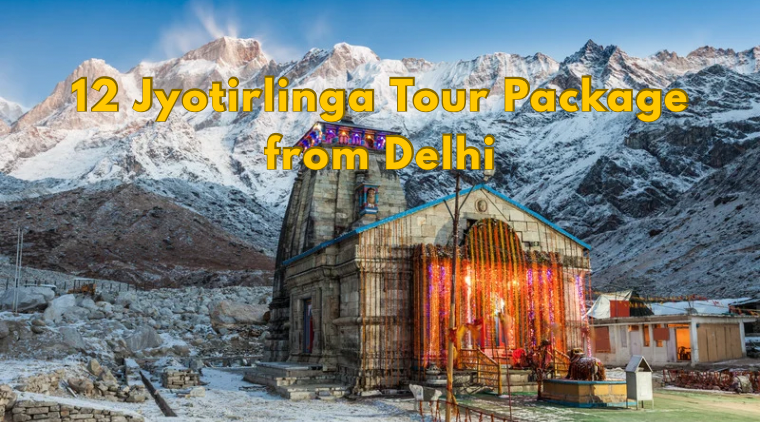 19D / 18N
12 Jyotirlinga Tour Package from Delhi
- All Jyotirlinga darshans
- Ganga Aarti experiences
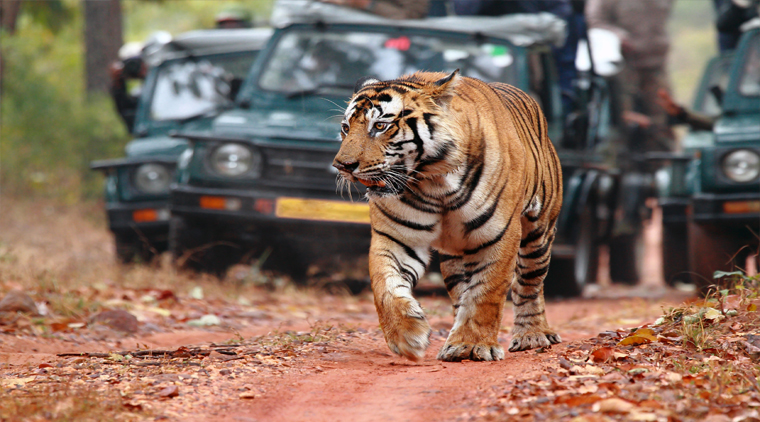 4D / 3N
Bandhavgarh Wildlife Safari Tour From Pune
- Visit Bandhavgarh National Park Enjoy Adventurous Jeep Safari Sightseeing of Sanchi
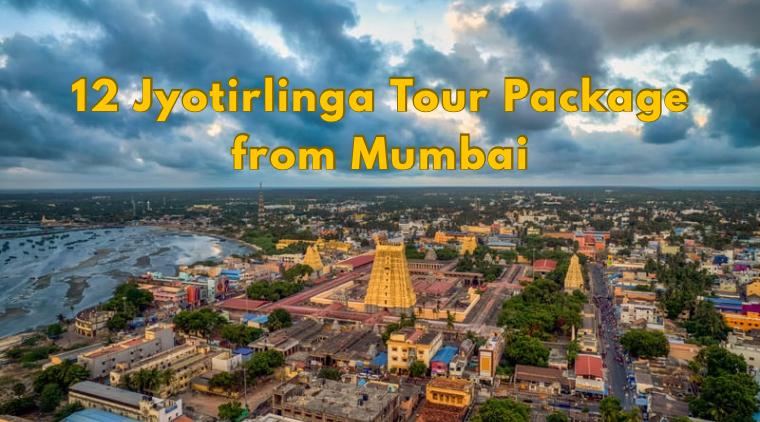 18D / 17N
12 Jyotirlinga Tour Package from Mumbai
- Transparent and Customizable Pricing
- Smart, Time-Saving Logistics