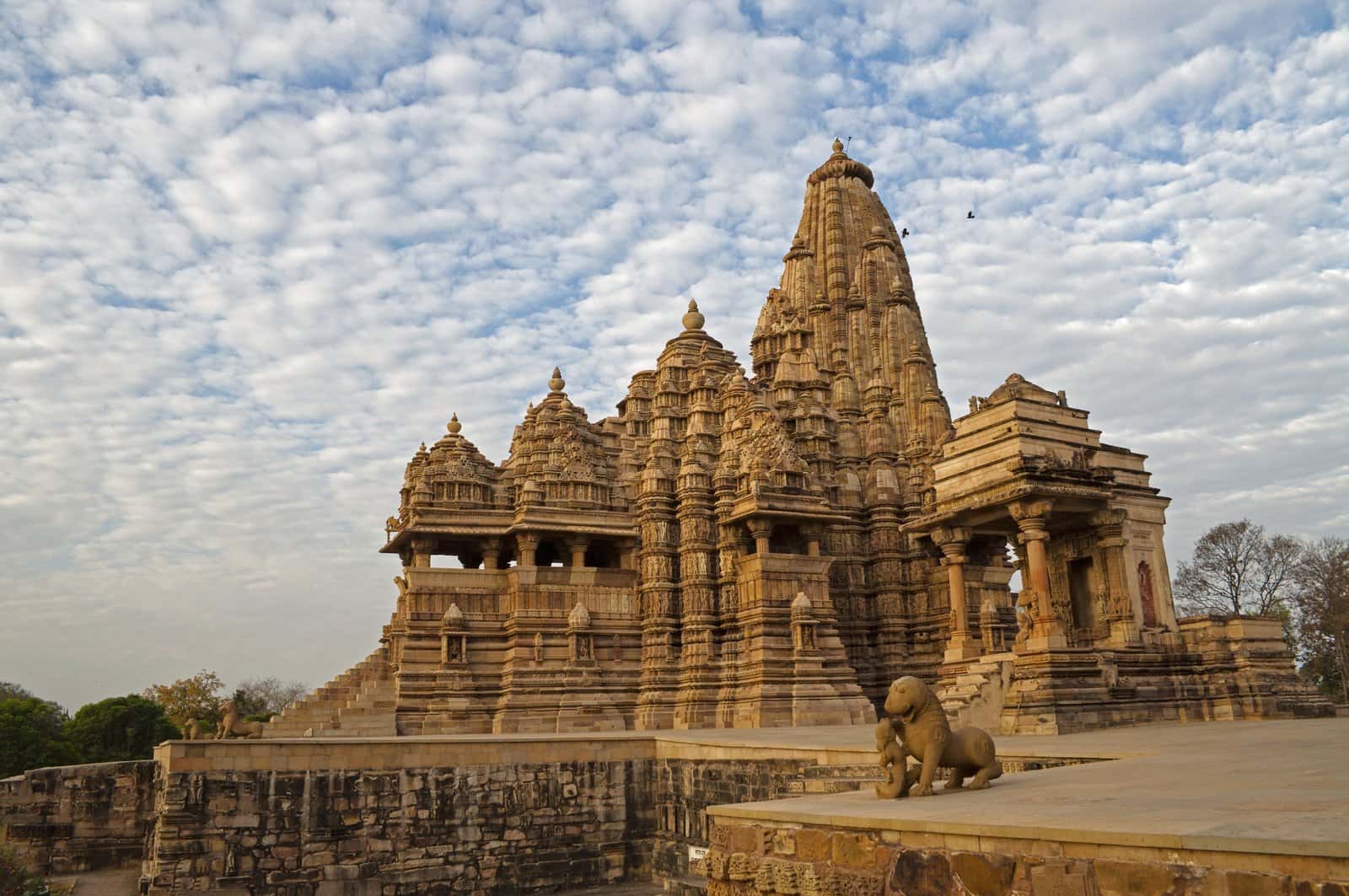
Khajuraho Travel Guide
The best months are October to March , when the days are pleasant and the temple lawns are at their loveliest. February adds the famous dance festival.
When to visit Khajuraho
The best months are October to March, when the days are pleasant and the temple lawns are at their loveliest. February adds the famous dance festival.
- November to February: cool and clearThe most comfortable months, pleasant by day and cool in the early mornings. Ideal for wandering the open, lawned Western Group and for the evening Sound and Light Show. Carry a light layer for the early start and for after dark, when the temperature drops on the open ground.
- October and March: warm but fineStill good for sightseeing, with slightly fewer visitors than the festival weeks. By late March the afternoons begin to warm up, so see the temples soon after they open and keep the middle of the day for the museum or a rest.
- February for the dance festivalIf you want the Khajuraho Dance Festival, come in late February, when classical dancers perform in the open air by the temples. Rooms tighten and prices rise around the festival, so book well ahead, and tell us your dates and we can line your stay up with it.
- The monsoon greens the canyonJuly to September is humid and the Panna core zones close, but the rains leave the countryside green and Raneh Falls at its most dramatic. It is a quieter, cheaper time to see the temples themselves if you do not mind the heat and the odd shower.
From about April to June the afternoons in this part of Bundelkhand are very hot and dry, often around 40 to 45 degrees, with little shade on the temple lawns. Visit in winter if you can, and in summer see the temples soon after sunrise and rest at midday. The monuments themselves stay open daily through the year.
How to reach Khajuraho
Khajuraho has its own small airport and a fast train from Delhi, and sits within easy reach of Orchha and Varanasi on the heritage loop.
- By air to Khajuraho (HJR)Khajuraho airport is about 8 km from the temples, with limited flights, mainly IndiGo and Alliance Air, including the Delhi to Khajuraho to Varanasi routing. Schedules are thin and change with the season, so book early and reconfirm; we can advise the current flights for your dates rather than assume a daily service.
- By fast train from DelhiThe Hazrat Nizamuddin to Khajuraho Vande Bharat Express runs about six days a week, with Monday the off day, covering roughly 660 km in about 8 hours 20 minutes. A Banaras to Khajuraho Vande Bharat also links Varanasi, so the rail loop between Delhi, Khajuraho and Varanasi is comfortable and practical.
- By road via Jhansi or OrchhaMany travellers railhead at Jhansi, about 175 km away, often pairing Khajuraho with Orchha, which is about 18 km from Jhansi. We arrange a car with an experienced driver for the Orchha to Khajuraho leg, a scenic Bundelkhand drive of around four to five hours.
Fly into Delhi, the main international gateway, then take the short flight to Khajuraho (HJR) or the Vande Bharat train. Khajuraho is the classic heritage stop between the Golden Triangle and Varanasi.
Fly into Delhi (or Varanasi for the wider loop) and continue by the Delhi to Khajuraho to Varanasi flight or by train. Khajuraho folds neatly into a Delhi, Agra, Khajuraho and Varanasi route.
Use the Vande Bharat from Delhi, the limited flights via Varanasi, or railhead at Jhansi and drive in via Orchha. Most heritage itineraries reach Khajuraho from Orchha or Varanasi.
The temples, and what you actually pay
Khajuraho is the great Chandela temple complex, a UNESCO World Heritage site of carved sandstone. The smart thing to know is that only the Western Group is ticketed.
- The Western Group, the ticketed oneThe fenced Western Group holds the finest temples, including the soaring Kandariya Mahadeva and the Lakshmana and Vishwanatha temples. Entry, per the Archaeological Survey of India, is about 40 rupees for Indians and about 600 rupees for foreign nationals (gate portals often show about 35 and 550), with children under 15 free and SAARC and BIMSTEC visitors at the Indian rate. Open daily, roughly 8 am to 6 pm.
- The Eastern and Southern groups, freeThe Eastern Group, with its graceful Jain temples such as Parsvanatha and Adinatha, and the Southern Group with Duladeo and Chaturbhuja, can be visited free. Most websites blur this, so you pay just once, for the Western Group enclosure, and the other two groups cost nothing.
- The carvings are far more than their reputationThe famous erotic, or mithuna, sculptures are only a small share of the carving. Most of the sculpture is everyday life, gods and goddesses, apsaras, musicians and dancers, which a good guide will read for you across the walls. Khajuraho is a complete medieval world in stone, not a single theme.
- The Archaeological Museum, on the same ticketYour same-day Western Group ticket also admits you to the ASI Archaeological Museum nearby, where the broader range of Chandela sculpture is on display. No separate ticket is needed on the day you see the temples, so keep your ticket safe.
At the Western Group counter, tickets are paid by scanning a QR code with a UPI app such as Google Pay or PhonePe; cash and card swipe are generally not accepted at the window. Carry a working Indian UPI app, or buy your ticket in advance on the ASI online portal, so you are never stuck at the gate. Keep the ticket for the museum the same day, and do not let a tout sell you a separate ticket for the free temples.
The Sound and Light Show at the Western Group
Each evening the Western Group hosts a Sound and Light Show, narrated by Amitabh Bachchan, that tells the story of the Chandela kings and their temples. The timing shifts by season, so plan around it.
- Timings and languagesThe show runs nightly near the Western Group in Hindi and English, about 50 minutes each. The start shifts with sunset, roughly between 6:30 pm and 8:35 pm from about October to February, and about 7:30 pm to 9:35 pm from about March to September, with the English show usually first. We reconfirm the current timing and language order for your date.
- The priceTickets reported by recent visitors fall roughly in the band of about 200 to 500 rupees for Indian visitors, with some pages quoting about 250, and a higher rate for foreign nationals; figures vary, so treat these as a guide and reconfirm at the venue. The show is run by Madhya Pradesh Tourism and bought at the gate or through your operator.
- What to expectAmitabh Bachchan narrates the rise of the Chandela king Chandravarman and the building of the temples, with the floodlit Western Group as the backdrop. It is atmospheric on a clear evening; carry a light layer, as the open ground cools quickly once the sun is down, and the seating is in the open air.
Because the start time moves with the season and the English and Hindi shows run at set times, an overseas visitor can be caught by a Hindi-only slot. Tell us your travel date and we will reconfirm the current English timing and price so you do not miss it, and so your day of temples ends well rather than at a closed entrance.
Signature experiences in Khajuraho
Beyond the Western Group, these are the experiences that make a Khajuraho visit memorable, and how to arrange them.
- See the temples with a licensed guideThe carving rewards a good guide, who reads the gods, the apsaras and the daily-life scenes, not just the famous ones. Hire only a government-licensed ASI guide from the official counter, so you get the real story and avoid the touts who reduce it all to the erotic panels.
- A safari in Panna Tiger ReservePanna Tiger Reserve is about 25 km away, roughly 30 minutes, an easy morning safari from Khajuraho for tigers, deer and birdlife along the Ken river. Morning pickups are about 5:00 am to 5:30 am; we arrange the permit, the gypsy and the early start, a fine contrast to a day of temples.
- Raneh Falls and the Ken Gharial SanctuaryThe Raneh Falls canyon, with its coloured volcanic rock, and the nearby Ken Gharial Sanctuary make a relaxed half-day trip from Khajuraho, loveliest after the rains when the river runs full and the gorge shows its reds and greys.
- Stay for the Sound and Light ShowEnd a temple day with the evening show at the Western Group, narrated by Amitabh Bachchan against the floodlit walls. A memorable close, once you have the English timing confirmed and a layer for the open-air seating.
- Pair it with OrchhaThe riverside palaces and cenotaphs of Orchha, about 18 km from the Jhansi railhead, pair beautifully with Khajuraho on the heritage loop. A guided afternoon there rounds out the Bundelkhand story of forts, temples and rivers.
If you do only one thing slowly, give the Western Group an unhurried early morning before the tour groups arrive. The soft light on the sandstone, the quiet of the lawns and an hour with a good guide turn a tick-the-box temple stop into the highlight of a heritage trip. Save the Panna safari for the next dawn so neither feels squeezed.
Where to stay in Khajuraho, and how many nights
Stay near the Western Group and Shivsagar Lake to be in walking reach of the temples and the evening show. One to two nights is the sweet spot.
- Near the Western Group and Shivsagar LakeThe handiest base, within walking distance of the main temples, the museum and the Sound and Light Show. Budget guesthouses, mid-range hotels and a few four-star and heritage stays all cluster here, so you can step out for the cool early-morning visit without a drive.
- Room budgetsBudget rooms commonly start from about 1,000 to 1,500 rupees, mid-range and four-star properties run from about 3,000 to 8,000 rupees, and the few heritage and luxury stays sit above that. Rates rise around the February dance festival and on weekends, so book ahead in season.
- How many nightsOne full day and a night is enough for the Western Group, the free Eastern and Southern temples, the museum and the evening show. Add a second night for a Panna safari at dawn or a half-day at Raneh Falls. On a tight Golden Triangle extension, even a single night does Khajuraho justice if you start early.
- Quiet versus convenientThe bigger resorts a little out of the centre give you a pool and calm but need a short ride into the temple zone. For a one-night stop, stay central and walkable; for a slower two nights with a safari, a quieter resort can be the nicer choice.
Around the late-February dance festival, and on busy winter weekends, the better rooms near the Western Group sell out and prices climb. If your dates fall on the festival, book well ahead, or accept a property a little further out and ride in for the early-morning temple visit and the evening show.
Khajuraho costs and a realistic budget
Khajuraho is gentle on the wallet. Here is what the main things cost, so you can plan and avoid the commission traps.
- The fixed entry costsThe Western Group is about 40 rupees for Indians and about 600 rupees for foreign nationals (gate portals often show about 35 and 550), with under-15s free and the museum included on the same ticket. The Eastern and Southern groups are free. The Sound and Light Show is roughly 200 to 500 rupees for Indians, so a full day of sights stays modest.
- Guide and transportA government-licensed ASI guide for the Western Group is a worthwhile spend for the story behind the carving; agree the fee at the official counter first. Auto-rickshaws and taxis handle the short hops between the temple groups and out to Raneh Falls, and a Panna safari is the main bigger cost of a two-night stay.
- Where money leaksThe commission emporiums and the unlicensed touts are where a Khajuraho budget slips. Buy only what you want, from a shop you chose, and decline the gate touts. Settle any guide, ride or safari price before you start and the visit holds no nasty surprises.
- Carry a UPI app and some cashThe Western Group gate is QR/UPI-only, so a working Indian payment app is the single most useful thing to have. Keep some cash too for rickshaws, small eateries and tips, as not every small vendor takes cards.
Almost everything that matters at Khajuraho is cheap or free: only the Western Group charges entry, the other two groups and the museum cost nothing extra, and under-15s go free. The money that does leak goes to commission shops and unlicensed touts. Use the official guide counter, agree every price before you start, and Khajuraho is one of the better-value heritage stops in India.
Practical logistics: payment, getting around and etiquette
The small things that make a Khajuraho day smooth, from the QR-only gate to local transport, dress and the licensed-guide rule.
- Pay at the gate by QRThe Western Group counter takes payment by scanning a QR code with a UPI app such as Google Pay or PhonePe; cash and card swipe are generally refused at the window. Carry a working Indian UPI app, or buy the ticket in advance on the ASI portal, and you will breeze through.
- Getting around the temple groupsThe Western Group, the museum and many hotels are walkable, but the Eastern and Southern groups are a short rickshaw ride apart. Auto-rickshaws and taxis are easy to find; agree the fare or a half-day rate first, and ask your hotel to call one if you prefer a fixed price.
- Dress and behave for a temple siteCover shoulders and knees, dress modestly inside the active temples, and be discreet with photography of people at prayer. The candour of the carving is simply medieval art, so engage with it calmly; a good guide frames it sensibly for families and mixed groups alike.
- Use only the official guide counterHire a government-licensed ASI guide from the official counter at the Western Group, not from the men who approach you outside. The licensed guide gives the real, broad story of the sculpture and will not steer you to a commission shop.
Safety, scams and staying well in Khajuraho
Khajuraho is rewarding but touristed, so a little awareness keeps the visit smooth, honest and safe.
- The unlicensed-guide and emporium trapTouts cluster at the Western Group, pushing an erotic-sculpture tour and steering visitors to emporiums for commission. Hire only a government-licensed ASI guide from the official counter, or arrange one through your operator in advance, and you skip the whole game.
- Do not pay twice for the free templesOnly the Western Group is ticketed. If anyone tries to sell you a ticket for the Eastern or Southern groups, decline, as those are free. Buy the Western ticket by QR at the official gate counter or online, never from a person who approaches you on the street.
- Donation and shop scamsTravellers report school-donation requests, fake-currency tricks and pressure to buy at commission shops. Be polite but firm, check any change carefully, buy only if you want to from a shop you chose, and never carry goods abroad for anyone you meet.
- Heat, water and healthThe temple lawns are open and shadeless, so in the warmer months carry water and sun protection and visit early. Drink bottled or filtered water, take the usual care with street food, and pace the day gently for older travellers and children.
Khajuraho is a small, calm temple town and most visitors find it relaxed and welcoming. The friction that travellers report is sales pressure, the gate touts and the commission shops rather than any threat to safety. Use the official guide counter, keep to the busier areas after dark, and the visit is one of the easier, gentler heritage stops in central India.
Khajuraho for every kind of traveller, and on access
Khajuraho rewards very different visitors. Here is what it offers you, and the one tip that matters for each, including how a senior visits comfortably.
- History and art loversKhajuraho is one of the great achievements of Indian temple art, a Chandela masterpiece of the 10th and 11th centuries. A licensed guide and a slow morning in the Western Group, then the museum, make it deeply rewarding, far beyond the famous panels.
- Families with childrenEasy and memorable, with under-15s free at the Western Group and level, lawned grounds. A good guide frames the carving sensibly, and the Panna safari and Raneh Falls give children a change of pace from a day of temples.
- Senior travellers and on accessibilityVery comfortable. The Western Group is flat and lawned with short walks between temples, unlike a hill fort, so it is gentle on the legs. Come in the cool morning, sit for the evening show, and stay overnight rather than rushing. The temple plinths have steps, so take those slowly and let a guide pace the visit.
- PhotographersSoft morning light on the sandstone of Kandariya Mahadeva, the temple silhouettes at golden hour, and the floodlit Western Group during the evening show. A clear winter morning gives the cleanest light on the carving, before the day-trippers arrive.
- CouplesThe romance of the carving and the quiet of the lawned enclosure at opening make a memorable, unhurried morning. Add the evening show and a relaxed dinner for a gentle day away from the noise of the bigger cities.
- Budget travellersThe Western Group ticket is modest at about 40 rupees for Indians, and the Eastern and Southern groups are free. The Vande Bharat or an overnight train from Delhi keeps the journey affordable, and budget rooms start from about 1,000 rupees.
A suggested Khajuraho itinerary
How to shape one or two days so you catch the temples in soft light, the museum, the show, and a safari if you have time.
- Day one, morningBe at the Western Group soon after it opens, around 8 am, with a licensed guide, for the soft light and thin crowds. Cover the main temples slowly, then walk to the ASI museum on the same ticket while the day is still cool.
- Day one, afternoon and eveningRest through the warm middle of the day, then take a rickshaw to the free Eastern (Jain) and Southern groups in the late afternoon. End with the Sound and Light Show at the Western Group, with the English timing confirmed and a layer for the open-air seats.
- Day two, if you have itStart before dawn for a morning jeep safari at Panna Tiger Reserve, about 25 km away, then return for a relaxed half-day at Raneh Falls and the Ken Gharial Sanctuary. This second day turns a temple stop into a proper Bundelkhand break.
- On a Golden Triangle extensionIf Khajuraho is one stop on a Delhi, Agra, Jaipur and Varanasi loop, a single full day and night is enough: temples and museum in the morning, free groups and the show in the evening, and on to Varanasi or Orchha the next day.
Two timings shape a Khajuraho plan: the Sound and Light Show start moves with the season (about 6:30 pm October to February, about 7:30 pm March to September), and a Panna safari needs a pre-dawn start with the gypsy booked in advance. Build the day around those two, keep the hot midday for the museum or a rest, and nothing feels rushed.
The real questions travellers ask about Khajuraho
Straight answers to the questions that come up again and again on traveller forums, so you arrive already knowing the score.
- How many days do I need?One full day and a night covers the temples, the museum and the show comfortably. Add a second night if you want a Panna safari or Raneh Falls. Even a single night works on a wider heritage loop, as long as you start early in the morning.
- Is it just the erotic carvings?No. The mithuna panels are only a small share of the sculpture; most of it is gods, apsaras, musicians, dancers and scenes of daily life. A licensed guide shows you the whole medieval world in stone, which is the real reason to come.
- Do I pay for all three groups?Only the Western Group charges entry; the Eastern and Southern groups are free, and the museum is included on the Western ticket the same day. So you buy one ticket and see everything, and you should refuse anyone selling tickets for the free temples.
- Do I need a guide, and how do I avoid the touts?A guide greatly enriches the visit, but hire only a government-licensed ASI guide from the official counter, not the men who approach you at the gate. That one rule sidesteps the erotic-only tour and the commission-shop steering in a single move.
- How do I reach it from Delhi or Varanasi?From Delhi, take the Nizamuddin to Khajuraho Vande Bharat (about 660 km, roughly 8 hours 20 minutes, six days a week) or a short flight. From Varanasi, use the Banaras to Khajuraho Vande Bharat or the Delhi to Khajuraho to Varanasi flight.
- Is it good for a family with children?Yes. The grounds are flat and lawned, under-15s are free, and a good guide frames the carving calmly. The Panna safari and Raneh Falls give children a fun change of pace, and the small town is relaxed and easy to manage.
Planning Khajuraho from abroad
Khajuraho is the UNESCO jewel that joins the Golden Triangle to Varanasi, an easy stop with its own airport and a fast train. A little planning, and one card, make it smoother and cheaper.
- Carry your OCI card for the Indian rateIf you hold an OCI (Overseas Citizen of India) card you are treated on par with Indian nationals for entry to monuments, so you generally pay the Indian rate at the Western Group, about 40 rupees rather than the roughly 600 foreign fee. Carry the physical OCI card with the linked passport and reconfirm at the counter. For a family it is a real saving.
- Arrive through Delhi or VaranasiFly into Delhi, then take the short flight to Khajuraho (HJR) or the Vande Bharat train. The Delhi to Khajuraho to Varanasi air route, and the Banaras to Khajuraho Vande Bharat, also let you pair Khajuraho with Varanasi neatly.
- Do the heritage loopKhajuraho joins Delhi, Agra and Jaipur with Orchha and Varanasi on the classic heritage circuit, with a Panna safari as an easy add-on. It is the most rewarding way to fold the temples into a wider India trip rather than a rushed day stop.
- Use a licensed guide, and pace it gentlyHire only a government-licensed ASI guide from the official counter for the real story and to avoid the touts. The flat, lawned Western Group is comfortable for parents and grandparents; just confirm the English timing for the evening show.
Money, the QR gate and timing for foreign visitors
The practical basics an overseas traveller needs for this small temple town: how the cashless gate works, what to carry, and how many days to give it on a wider India trip.
- Sort the QR gate before you arriveThe Western Group counter is QR/UPI-only, and cash and foreign cards are generally not accepted at the window. The cleanest fix is to buy your ticket in advance on the ASI online portal; otherwise set up an Indian UPI app, or have your guide or driver pay and settle with them.
- Carry some cash tooBeyond the gate, rickshaws, small eateries and tips run on cash, and not every vendor takes cards. Draw rupees at an ATM in town or before you travel in, and keep small notes for the short rides between the temple groups.
- How long to give it on a bigger tripOn a heritage India trip, one to two nights in Khajuraho is the right weight: one night for the temples and the show, two if you want a Panna safari at dawn. It slots between the Golden Triangle and Varanasi without slowing the whole itinerary.
- Time your visit to the seasonOctober to March is the comfortable window. If you want the Khajuraho Dance Festival, plan around late February and book far ahead; if you want calm, come in the quieter winter weeks and have the Western Group almost to yourself at opening.
Khajuraho is an unusually gentle introduction to India: a small, walkable town built around one extraordinary group of temples, calmer than the big cities. Slot it between the Golden Triangle and Varanasi, give it a night or two, sort the QR gate and the OCI card in advance, and let it be the unhurried art-and-history chapter of your trip.
The moon, a beautiful woman, and the temples a dynasty built
Tradition tells that the Chandela line began with Hemavati, a beautiful young woman bathing in a forest pool on a warm night, who was seen and loved by Chandra, the moon god. Their son, Chandravarman, founded the Chandela dynasty, and it is his story that the Sound and Light Show still tells beneath the floodlit walls. The kings raised these temples in a single creative century, about 950 to 1050 CE, covering them in sculpture of gods and goddesses, dancers, musicians and the celebration of life in all its forms, of which the famous erotic panels are only a small part. Local tradition counts about 85 temples once standing, of which around 25 survive. Whatever the historical truth of the legend, the temples themselves are real, and being among the finest medieval sculpture anywhere is reason enough to come.
Planning a Khajuraho trip?
Our Madhya Pradesh travel experts plan your full journey for you: route, hotels, darshan timings and transport. You get a free day-by-day plan and an exact quote on WhatsApp, usually within a few hours. No payment is needed to get your plan.
Tour packages that visit Khajuraho
Every journey below is private, hand-crafted and fully customizable. Tell us your dates and we tailor the itinerary, the pace and the priests or guides around you.
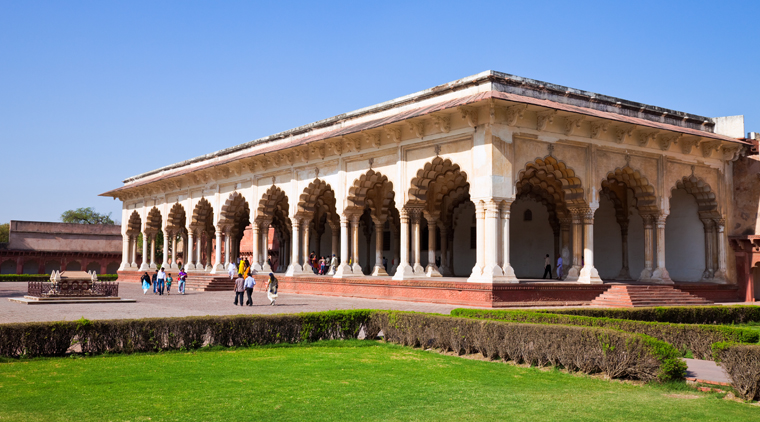 10D / 9N
Classic India Tour
- Visit Qutub Minar & Humayun's Tomb
- Visit Hawa Mahal
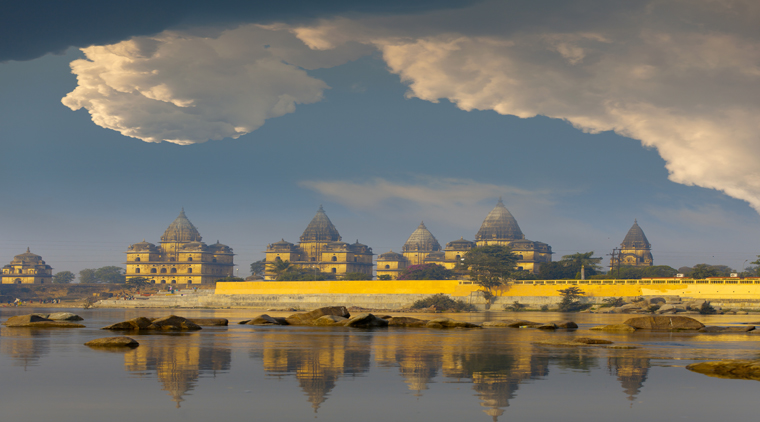 4D / 3N
Jhansi Orchha Khajuraho Tour
- Visit Rani Mahal
- Visit Orchha fort
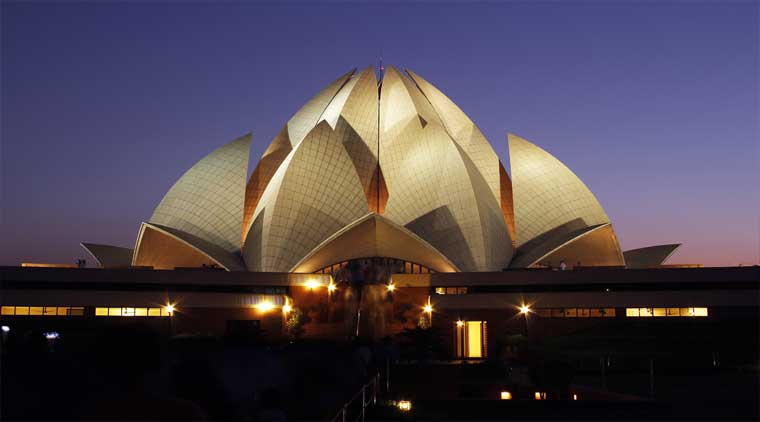 11D / 10N
Golden Triangle Tour With Varanasi And Khajuraho
- Delhi
- Agra
 8D / 7N
North India Heritage Tour
- Visit heritage cities of India - Delhi,Jaipur,Agra,Orchha & Varanasi. Stay in Heritage Havelis at Jaipur. Experience the UNSECO world heritage sites at Khajuraho.