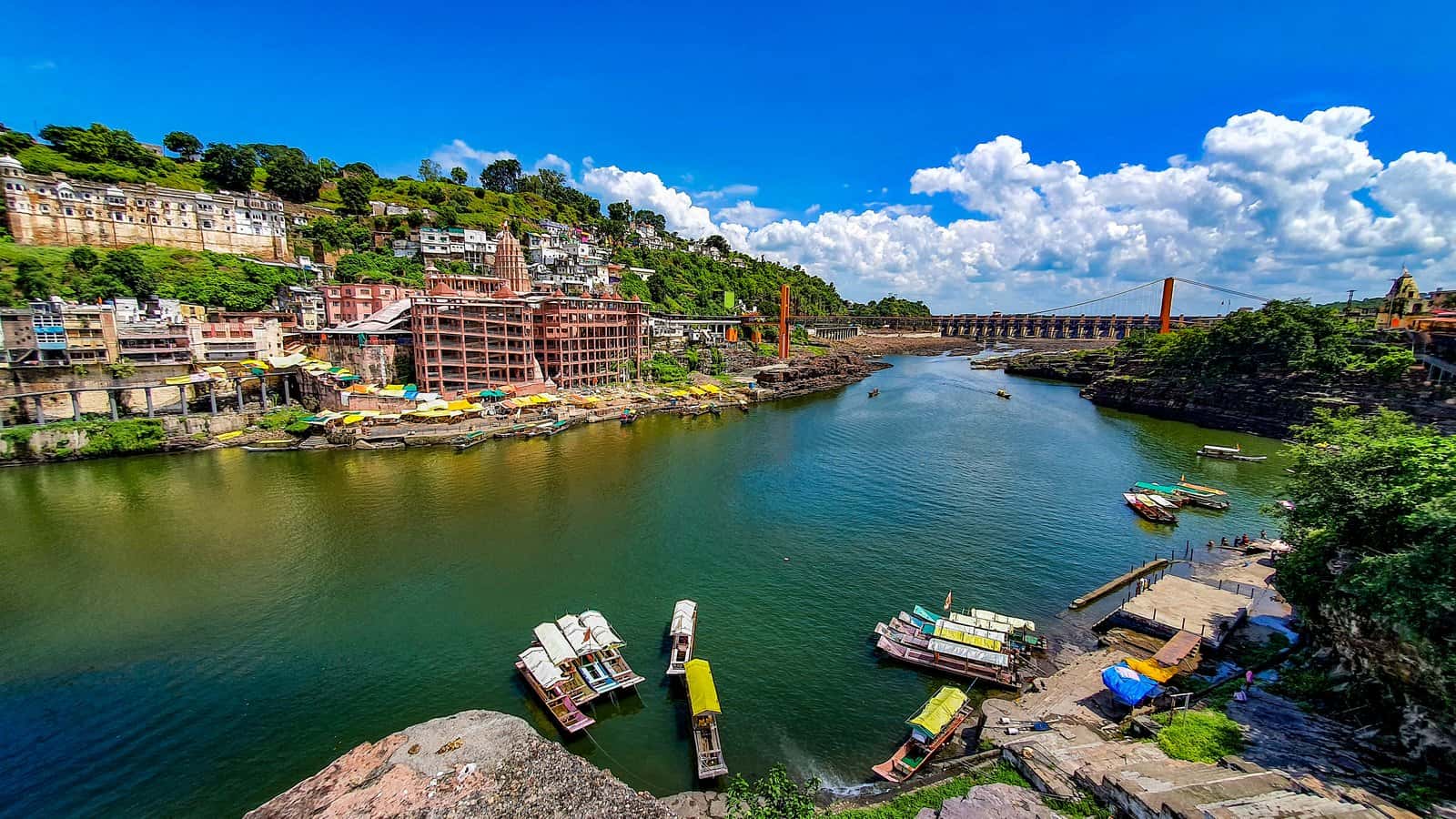
Omkareshwar Travel Guide
The comfortable season is October to March . The bigger planning question is the crowd: Mondays, Shravan and festivals bring huge queues at the Jyotirlinga, so time your darshan...
When to visit Omkareshwar, and the days to avoid the worst crush
The comfortable season is October to March. The bigger planning question is the crowd: Mondays, Shravan and festivals bring huge queues at the Jyotirlinga, so time your darshan around them.
- October to March: cool and clearThe most pleasant months for the open Narmada ghats, the island parikrama and the Statue of Oneness, with comfortable days and cool mornings. This is the easiest time to do the walking and to queue without the heat adding to the strain.
- July to September: the green Narmada in spateThe monsoon swells the river and the island looks its most dramatic, but heavy rain can affect Narmada boating and the parikrama underfoot. Atmospheric for the devout, but carry rain cover and accept that the boat may not run on a wet day.
- April to June: hot on the river plainHigh summer is fierce on the open ghats and in the slow-moving queue. If you must come then, do the parikrama and the statue early, carry water, and lean on the early-morning or late-evening darshan slots.
- Mind the crowd days, not just the seasonMondays are Lord Shiva's day, the month of Shravan (about July to August) is peak, and Mahashivratri and other festivals fill the island. If calm matters more than the season, pick a weekday outside Shravan and arrive early.
Whatever the month, the one move that saves an Omkareshwar visit is an early start. Reach the temple before about 9:00 am and you beat the bus crowds, the heat in the queue and most of the panda pressure at the sanctum. The light on the Narmada is at its softest then too, which makes the ghats and the island walk far more rewarding than a midday scramble.
Omkareshwar temple timings and daily aarti
Shri Omkareshwar opens at 5:00 am and closes at 10:30 pm, with the shrine closed briefly during each aarti and the evening shringar. These times follow the temple's own website; they can change on festival days, so please confirm for your date.
- Mangal Aarti, 4:30 am to 5:00 amThe first worship of the day, before darshan opens.
- Darshan opens, 5:00 amMorning darshan runs through to the midday bhog.
- Midday bhog, 12:20 pm to 1:15 pmThe shrine closes for a short while for the midday offering.
- Evening shringar, 4:00 pm to 4:30 pmThe Lord is adorned, and darshan then continues into the evening.
- Shayan Aarti, 9:30 pm to 10:00 pmThe night aarti, after which darshan closes at 10:30 pm.
A quick-darshan (Shighra Darshan) ticket is about 300 rupees per person, booked the same day for a two-hour slot. Pilgrims bathe in the Narmada and also visit Mamleshwar temple across the river, and the island parikrama is about 7 km. Nearest airport is Indore, about 77 km; the nearest railway stations are Sanawad, about 12 km, and Khandwa, about 72 km. Timings from shriomkareshwar.org.
How to reach Omkareshwar
Almost everyone comes through Indore, about 77 km away, by road. There is a small railway station nearby, and two road bridges carry you onto Mandhata island.
- From Indore by road, the usual way inIndore is about 77 to 80 km away, roughly 2.5 to 3 hours by car on the Khandwa road, and has the nearest airport (Devi Ahilyabai Holkar). A one-way taxi is commonly quoted from about 1,500 rupees and a round trip from about 2,750 rupees, varying with car and season, so confirm the rate first. We can arrange a car with an experienced driver.
- By busRegular Madhya Pradesh state and private buses run from Indore, Ujjain, Khandwa and Khargone to the Mortakka stand near Omkareshwar, with fares from Indore roughly 150 to 400 rupees depending on the service. From Mortakka it is a short hop to the temple approach.
- By trainThe nearest railhead is Omkareshwar Road (Mortakka), about 12 km from the temple, a small station on the line; the bigger junction is Khandwa, about 70 km away, well connected by express and superfast trains. From either, take a bus or taxi for the last leg.
- Nearest airportsIndore's Devi Ahilyabai Holkar Airport at about 77 km is the practical gateway with the widest domestic connections; Bhopal's Raja Bhoj Airport is the larger airport further out. There are no flights into Omkareshwar itself, so plan to fly to Indore and drive.
Fly into Delhi or Mumbai, then take a domestic flight to Indore and drive about 2.5 to 3 hours to Omkareshwar. It pairs naturally with Ujjain's Mahakaleshwar on a Madhya Pradesh Jyotirlinga loop.
Fly into Delhi, Mumbai or directly to Indore where routes allow, then drive to Omkareshwar. Many NRI pilgrims do Omkareshwar and Mahakaleshwar together as part of a wider twelve-Jyotirlinga yatra.
Drive or bus from Indore (about 77 km), or take a train to Omkareshwar Road or Khandwa and finish by road. Ujjain, Indore and Omkareshwar form a tidy three-temple circuit.
The Jyotirlinga, Mamleshwar, and the island temples
Omkareshwar is the Jyotirlinga on Mandhata island, its twin Mamleshwar on the far bank, the Narmada ghats, and the new Statue of Oneness above the river.
- Shri Omkareshwar JyotirlingaThe fourth of the twelve Jyotirlingas, on the northern side of Mandhata island in the Narmada. It is the reason most pilgrims come. Carry minimal belongings, keep your phone pocketed near the sanctum, and read the safety section on the queue and the pandas before you join the line.
- Mamleshwar (Amareshwar) templeOn the southern bank, often visited as the twin shrine that completes the Jyotirlinga, with some traditions holding it the original or co-equal linga. It is usually calmer than the island temple, so many pilgrims do both in one visit. Give it time rather than rushing back.
- The Statue of OnenessThe 108 ft statue of Adi Shankaracharya, unveiled in 2023 above the river as the first phase of the Ekatma Dham project. Entry is free and the suggested window is roughly 10:00 am to 6:00 pm. The wider complex is still being built, so expect some construction around the site.
- The Narmada ghats and island shrinesThe bathing ghats, the old fortified walls of Mandhata, and small shrines such as Siddhanath and the Kedareshwar temple line the parikrama route. The island also holds Jain temples at Siddhwarkut, a quiet contrast to the busy main sanctum.
Omkareshwar is a deeply revered shrine. Dress modestly, remove footwear where asked, and keep phones away inside the sanctum where photography is restricted. Offerings like bilvapatra, flowers and coconut may at times not be allowed into the garbhagriha, so follow the staff and the day's rules rather than insisting. A calm, patient approach matters more here than at any sight in town.
Signature experiences in Omkareshwar
Beyond the darshan, these are the experiences people remember: the parikrama, a Narmada boat, the evening river aarti, and the Statue of Oneness.
- The island parikrama on footThe circumambulation of Mandhata is roughly a 7 km walk past many small shrines, ghats and the old island walls, taking about two to three hours at a gentle pace. Do it early, carry water, and wear shoes you can slip off easily, as the route passes several temples.
- A Narmada boat rideHiring a boat on the Narmada is the calm counterpoint to the queue: you can shorten the parikrama or simply drift past the island and the ghats. A shared seat is inexpensive and a private family boat is negotiated, often a few hundred rupees, so agree the price and the route before you step in.
- The evening aarti and the lit ghatsAs dusk falls the ghats and the temple light up over the river, and the aarti is the emotional heart of a visit. Find a quiet spot on the bank, sit, and let the bells and the current do the rest. It is free, and it is what most pilgrims remember.
- The Statue of OnenessStand beneath the 108 ft Adi Shankaracharya statue above the river, free to visit and best in the roughly 10:00 am to 6:00 pm window. Pair it with a short read on Advaita Vedanta beforehand and it becomes more than a photo stop.
- A side trip to MaheshwarMaheshwar, the riverside town of the queen Ahilyabai Holkar and its famous handloom saris, is about 65 to 70 km away and makes a lovely half-day or overnight add-on, with its own grand Narmada ghats and fort.
- Prasad and the Prasadalaya mealThe temple trust runs a subsidised Prasadalaya where pilgrims can eat simply and cheaply. It is a wholesome, no-fuss option between darshan and the parikrama, and a gentle way to support the shrine.
If you do only one thing slowly, make it the river at either end of the day: the parikrama in the soft morning light or the aarti at dusk. The darshan is the reason you come, but it is fast and crowded by design. The Narmada is what stays with you, so give yourself an unhurried hour on the ghats and the island opens up in a way a quick temple stop never allows.
Where to stay in Omkareshwar, and how many nights
Town stays are mostly basic dharamshalas and simple hotels, so many travellers sleep in Indore or Ujjain. One night on the island, or a day trip, is enough.
- On the island and in town: simple and closeOmkareshwar's own accommodation is mostly dharamshalas, the trust's Vishramalaya rooms and modest hotels, walkable to the ghats and the temple. Good for the early-morning darshan and the dawn parikrama, but plain, so set your comfort expectations accordingly and book a known property.
- Indore or Ujjain for comfortMany travellers do the darshan, then sleep in Indore (about 77 km) or Ujjain (about 130 to 140 km) for better hotels, and treat Omkareshwar as a day visit or a single early night. This is the sensible choice if you want air-conditioning, range and reliable food.
- How many nightsA focused visit needs only a few hours for darshan plus the parikrama and the Statue of Oneness, so a day trip from Indore works. One night on the island lets you catch the dawn and the evening aarti. For the Omkareshwar and Mahakaleshwar pairing, plan two to three days.
- Room budgetsIn Omkareshwar, budget rooms run roughly 600 to 1,500 rupees and simple hotels about 1,500 to 3,500 rupees, rising on festivals and during Shravan. Indore and Ujjain offer the wider mid-range and comfort options if the island stays feel too basic.
Around Mahashivratri, through the month of Shravan and on big Mondays, both the island stays and the nearby Indore and Ujjain hotels fill and rates climb. If your dates fall on a peak, book well ahead, or plan to do darshan as an early day trip and sleep back in Indore where the choice is widest.
Omkareshwar costs and a realistic budget
Omkareshwar is gentle on the wallet. Here is what the main things cost, including the official quick-darshan ticket, so you can plan and avoid being overcharged.
- The fixed temple costsGeneral darshan at the Jyotirlinga is free. The official Shighra Darshan (quick darshan) ticket is about 300 rupees per person for a single two-hour slot, bookable on the temple trust's site. The Statue of Oneness is free to visit. These official prices are your anchor against anyone quoting more.
- Getting thereFrom Indore, a state or private bus seat is roughly 150 to 400 rupees, a one-way taxi from about 1,500 rupees, and a round-trip taxi from about 2,750 rupees, all varying with car and season. The boat on the Narmada is a few hundred rupees for a private family ride, less for a shared seat.
- A rough daily budgetExcluding long-distance transport, plan on about 800 to 1,500 rupees a day as a budget pilgrim with a simple room and Prasadalaya meals, and about 2,500 to 4,000 rupees for a comfortable day with a mid-range hotel, a taxi and the Shighra Darshan ticket.
- Cash and the tout trapCarry cash for the bus, the boat, prasad and small vendors, though UPI works in many shops. The money that gets wasted here is to touts reselling darshan access and unofficial Jal Abhishek offers at the gate, so buy the Shighra Darshan ticket only from the official channel and decline the rest.
The one number worth memorising is about 300 rupees per person for the official Shighra Darshan slot, bought from the temple trust's own site or counter. Outside the gate, touts resell access and push unofficial rituals at inflated, negotiable prices, and reviewers regularly report being hassled. Settle on the official ticket, keep your hands closed to the flower-and-thread approach, and the only real friction at Omkareshwar disappears.
Practical logistics: the island, food, money and getting around
The small things that make an Omkareshwar day smooth, from the road bridges onto the island to ATMs, food and the local walk.
- The bridges onto Mandhata islandYou do not need a boat to reach the temple. Two road bridges cross the Narmada from the southern bank onto Mandhata island, an older one from about 1979 and a second, the Mamleshwar Setu, added around 2004, so you can drive or be dropped near the temple approach and walk the rest.
- Getting aroundThe temple zone and the island core are best done on foot, with steps and slopes near the sanctum and the ghats. Autos and shared transport cover the short hops between the bus stand, Mamleshwar on the far bank and the Statue of Oneness.
- Food and waterFood in town is simple and vegetarian around the temple, with the trust's subsidised Prasadalaya a reliable option. Carry water for the parikrama and the queue, and take the usual care with street food and roadside stalls.
- Money, SIM and languageThere are ATMs in town but they can be busy on peak days, so carry cash for the bus, the boat and prasad. Mobile coverage is generally fine. Hindi is the local language, with English understood in the hotel and tour trade.
Large bags and cameras are restricted around the sanctum, and the island walking is easier without them. Keep a small bag with water, cash and your phone, use your vehicle or a cloakroom for anything bulky, and you will move through the darshan and the parikrama far more comfortably than a visitor weighed down with luggage.
Safety, the queue and the panda pressure
Omkareshwar is welcoming, but the sanctum queue is a genuine crush at peak and the pandas and touts can be persistent. A little awareness keeps the visit happy.
- The queue crush, and how to handle itOn Mondays, in Shravan and on festivals the free queue can run three to five hours and the approach to the sanctum is tight and jostling, with only a brief glimpse at the linga. Arrive before about 9:00 am, keep children and elders close, hold your belongings tight, and use the official Shighra Darshan slot if the crowd looks heavy.
- Pandas and unofficial ritualsPriests and touts may press you to take a paid puja or an unofficial Jal Abhishek and can be hard to wave off. You are not obliged to take any of it. If you want a ritual, agree the priest and the amount yourself first; otherwise a firm, polite no is enough.
- Touts reselling darshanBuy the Shighra Darshan ticket only from the temple trust's official site or counter, at about 300 rupees per person. People outside the gate who offer to get you in faster for more are best declined, as reviewers regularly report being overcharged or hassled.
- River, heat and healthThe Narmada has strong currents, so do not wade in beyond the marked bathing areas, and watch children at the ghats. Carry water and sun cover for the queue and the parikrama in the warmer months, mind your footing on the wet steps, and take the usual care with food and water.
Omkareshwar is a busy pilgrimage town and generally manageable with standard precautions. The persistent friction reported is sales pressure from pandas and touts rather than crime, so being firm and keeping to the busier, better-lit lanes after dark goes a long way. Dress modestly near the temples, secure your belongings in the crush, and the visit is a calm one.
Omkareshwar for every kind of pilgrim, and on access
Omkareshwar suits very different visitors. Here is what it offers you, and the one tip that matters for each, including how a senior does the darshan comfortably.
- Senior travellers and on accessibilityVery doable with planning. The temple trust runs a wheelchair service, and the official Shighra Darshan slot spares the long stand in the free queue. Keep walking short, avoid the peak Monday and Shravan crush, and consider sleeping in Indore for comfort. The steps near the sanctum and the ghats are the main effort, so take them slowly.
- Families with childrenManageable but keep little ones close in the sanctum crush, which is tight and fast-moving. The parikrama and a Narmada boat are the parts children enjoy most, and the Prasadalaya makes a simple, cheap meal stop.
- First-time Jyotirlinga pilgrimsOmkareshwar is one of the gentler Jyotirlingas to start with: compact, on a beautiful river, and easily paired with Mahakaleshwar at Ujjain. Read the time table and the queue note first, and you will arrive knowing exactly how the darshan works.
- Backpackers and budget travellersCheap, easy to reach by bus from Indore, and free to enter. The simple dharamshalas and the Prasadalaya keep costs low, and the parikrama and the ghats fill a satisfying day without spending much.
- Solo travellersStraightforward and well used to independent pilgrims. Be firm with the pandas and touts, secure your belongings in the crush, and you will find Omkareshwar an easy, rewarding stop on a wider Madhya Pradesh route.
- PhotographersThe island at dawn, the parikrama shrines, the river ghats at the evening aarti and the Statue of Oneness above the Narmada. Remember photography is restricted at the sanctum, and ask before photographing people at prayer.
A suggested Omkareshwar itinerary
How to shape a day, an overnight, or the two-to-three-day Omkareshwar and Mahakaleshwar pairing so you catch the river at its best and avoid the worst queues.
- The day trip from IndoreLeave Indore early, reach Omkareshwar before about 9:00 am for darshan ahead of the crowds, then do the parikrama or a Narmada boat, visit Mamleshwar and the Statue of Oneness, and drive back by evening. A full, satisfying day without an overnight.
- An overnight on the islandStay one night to catch the dawn parikrama and the evening aarti, the two quietest and most beautiful moments. A simple room near the ghats is enough, and the slower pace lets the river town reveal itself.
- The two-to-three-day Jyotirlinga pairingCombine Omkareshwar with Mahakaleshwar at Ujjain, about 130 to 140 km away. Do Omkareshwar on day one, drive to Ujjain, and time the pre-dawn Bhasma Aarti there on day two, which must be booked well in advance. Add Maheshwar or Mandu on day three if you have it.
- Plan around the midday closureBuild your day so darshan falls in the morning or later afternoon, not in the Madhyanha Bhog closure around 12:20 pm to 1:15 pm or the Sayamkalin Shringar break in the late afternoon. Keep the hot middle of the day for the boat, a meal or a rest.
If your plan includes Mahakaleshwar's famous pre-dawn Bhasma Aarti at Ujjain, that booking, not your travel dates, should drive the itinerary. It fills well ahead, so secure it first and build the Omkareshwar leg around it. Turning up on the day in the hope of a slot is how pilgrims miss the one ritual they came for.
The real questions pilgrims ask about Omkareshwar
Straight answers to the questions that come up again and again on traveller forums, so you arrive already knowing the score.
- Is the quick-darshan ticket worth it?On a busy day, yes. The official Shighra Darshan slot at about 300 rupees per person cuts a multi-hour free queue to a much shorter wait. On a quiet weekday morning the free queue may be fine, so judge by the crowd and buy the ticket only from the official channel.
- How long is the free queue?At peak, on Mondays, in Shravan and on festivals, reviewers report three to five hours and a brief glimpse at the sanctum. Off-peak and early it can be much shorter. Arriving before about 9:00 am is the single best way to keep it manageable.
- Do I need a boat to reach the temple?No. Two road bridges cross the Narmada onto Mandhata island, so you can drive or walk across. A boat is an optional experience for the parikrama or a river ride, not a requirement to reach the Jyotirlinga.
- How many days for Omkareshwar and Mahakaleshwar?Two days covers both at a brisk pace, with darshan at each and the Bhasma Aarti at Ujjain. Three days is more relaxed and lets you add Mamleshwar, the Narmada ghats and a side trip to Maheshwar or Mandu.
- Should I sleep in Omkareshwar or Indore?Stay on the island for the dawn parikrama and the evening aarti, in basic but atmospheric rooms. Sleep in Indore or Ujjain if you want comfort and range, treating Omkareshwar as an early day trip.
- Is the Statue of Oneness worth it, and does it cost anything?It is free and worth the short visit, a striking 108 ft Adi Shankaracharya above the river, best roughly 10:00 am to 6:00 pm. The wider Ekatma Dham is still being built, so expect some construction around the site.
Planning Omkareshwar from abroad
Omkareshwar is the fourth Jyotirlinga and a serene Narmada island, and pairs naturally with Mahakaleshwar at Ujjain. A little preparation makes the darshan logistics and the panda pressure easy to handle.
- Fly to Indore, then driveThere are no flights into Omkareshwar. Fly into Delhi or Mumbai, take a domestic hop to Indore, then drive about 2.5 to 3 hours. Many NRI pilgrims fold Omkareshwar and Mahakaleshwar into a wider twelve-Jyotirlinga yatra across the country.
- Be ready for the queue and the pandasThe darshan is fast and crowded by design, and pandas may push paid rituals. This is the one thing to be ready for. Use the official Shighra Darshan slot on a busy day, keep your hands closed to the flower-and-thread approach, and a firm, friendly no handles the rest.
- Where to actually sleepIsland stays are basic, so many overseas visitors do darshan and sleep in Indore or Ujjain for comfort and reliable food. Plan Omkareshwar as a day visit or a single early night, and treat the better hotels of Indore as your base.
- Pair it with Ujjain and MaheshwarLoop Indore, Omkareshwar, Ujjain's Mahakaleshwar and the riverside town of Maheshwar for a rounded Madhya Pradesh pilgrimage. It is a calm, deeply traditional circuit that rewards an unhurried two to three days.
Money, connectivity and timing for foreign visitors
The practical basics an overseas pilgrim needs for a small river temple town: cash, cards, a SIM, and how many days to give it on a wider India trip.
- Carry cash, expect simple vendorsUPI and cards work in many shops, but the bus, the boat, prasad and small vendors run on cash, and town ATMs get busy on peak days. Draw cash in Indore before you set out and keep small notes for the boat and the temple stalls.
- Get a SIM at the airportPick up an Indian tourist SIM or an eSIM when you land in Delhi, Mumbai or Indore rather than hunting for one in a small town. Coverage in Omkareshwar is fine for maps, calls and arranging your onward drive.
- How long to give it on a bigger tripOn a Madhya Pradesh pilgrimage, half a day to a day at Omkareshwar plus a day for Mahakaleshwar at Ujjain is the right weight, with a third day if you add Maheshwar or Mandu. Enough for the temples and the river without slowing the whole itinerary.
- Time your visit to your comfortOctober to March is the comfortable window. Avoid Mondays and the month of Shravan if you want a calmer darshan, and come early in the day whatever the season, so the heat and the queue do not wear you down.
Omkareshwar is an unusually gentle Jyotirlinga to begin with: small, on a beautiful river, easily reached from Indore, and quick to pair with Ujjain. Slot it early in a Madhya Pradesh loop, base yourself in Indore for comfort, and let the dawn parikrama and the evening aarti on the Narmada be the calm, soulful heart of the trip. Many overseas pilgrims say the river, not the queue, is what they remember most warmly.
Why the island is shaped like Om, and how the Jyotirlinga came to be
Omkareshwar takes its name from Omkar, the sacred syllable Om, and devotees hold that the island of Mandhata in the Narmada is shaped to echo that very symbol. The local tradition tells of King Mandhata of the Ikshvaku line, who is said to have worshipped Shiva here until the Lord manifested as the Jyotirlinga, giving the island its royal name. Another well-loved story binds the place to the Vindhya mountain, which performed a great penance to Shiva on the riverbank and was granted the boon that gave rise to the shrine. Across the water at Mamleshwar stands the twin linga, and many pilgrims believe the darshan is complete only when both are honoured. These are stories carried in regional temple lore and the wider Shiva tradition rather than in one fixed, reliably attributed scriptural verse, so we tell them as the living legend of Omkareshwar, which is how the river town itself holds them.
Planning a Omkareshwar trip?
Our Madhya Pradesh travel experts plan your full journey for you: route, hotels, darshan timings and transport. You get a free day-by-day plan and an exact quote on WhatsApp, usually within a few hours. No payment is needed to get your plan.
Tour packages that visit Omkareshwar
Every journey below is private, hand-crafted and fully customizable. Tell us your dates and we tailor the itinerary, the pace and the priests or guides around you.
 3D / 2N
Mahakaleshwar Omkareshwar Jyotirlinga Tour Package
- Visit Mahakaleshwar Jyotirlinga
- Visit Kal Bhairav Temple
 19D / 18N
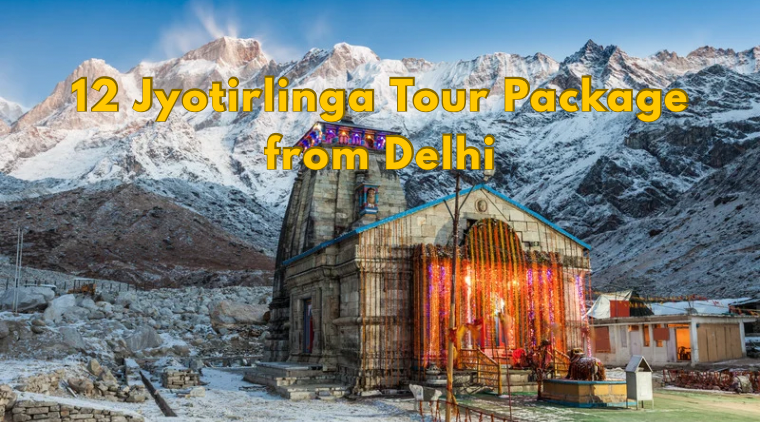
12 Jyotirlinga Tour Package from Delhi
- All Jyotirlinga darshans
- Ganga Aarti experiences