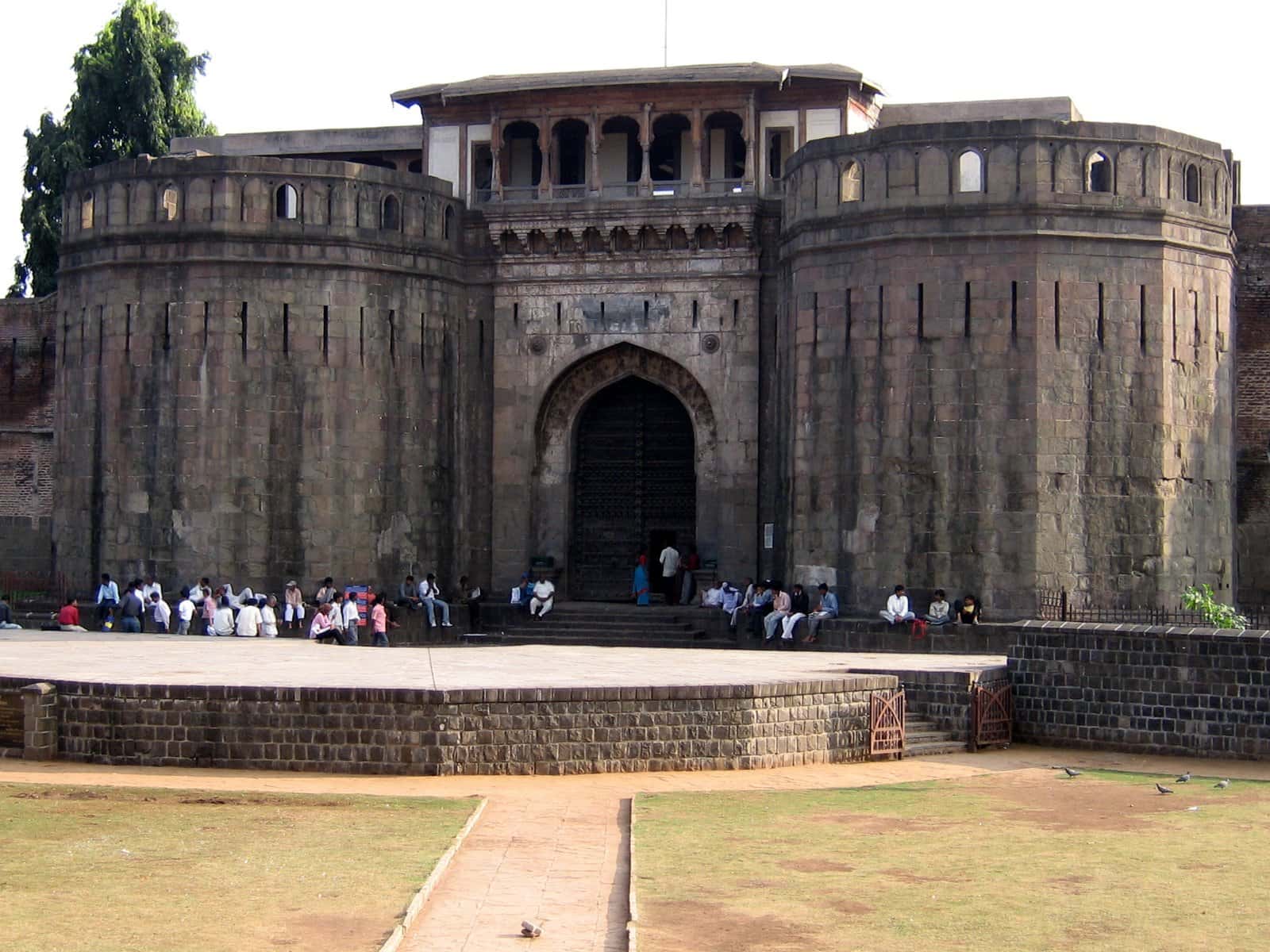
Alibag Travel Guide
The best months are November to February , when the sea is calm and the ferries and water sports are running. The monsoon, from about June to September, is green and cheap but...
When to visit Alibag, and why the monsoon changes everything
The best months are November to February, when the sea is calm and the ferries and water sports are running. The monsoon, from about June to September, is green and cheap but closes most of what brings people here.
- November to February: the sweet spotCool, dry and comfortable, with a calm sea, clear skies and every ferry and water-sports operator running. This is when Alibag is at its best for swimming, the Kolaba Fort tide walk and a beach weekend, and also when weekend crowds and villa prices peak, so book ahead.
- October and March: warm shoulderStill good for the beaches and the fort, with fewer crowds than peak winter. By late March the coastal afternoons begin to get hot and humid, so do the fort walk and any trek early in the day.
- June to September: the monsoonLush, dramatic and cheap, with the Konkan green at its best, but the catamarans from the Gateway of India are suspended, beach water sports shut, and the sea is too rough for swimming. Come for the rain and the quiet, not for the beach.
- Decide your trip around the seaIf you want to swim, jet ski or walk to Kolaba Fort easily, come in the dry season. If you want a green, low-cost, slow monsoon escape and will travel in by the Ro-Ro or by road via Pen, the rains have their own charm. Choose the experience first, then book.
Most passenger catamarans from the Gateway of India stop running through the monsoon, broadly from about late May to the end of August or into September, because the sea is too rough. The M2M Ro-Ro from Bhaucha Dhakka is the more weather-resilient route and usually keeps sailing unless severe coastal warnings are issued, but in the rains you should always confirm sailings on the day and be ready to drive in via Pen instead. Beware pages that quote a fixed beach-and-watersports weekend in the monsoon as if nothing changes.
How to reach Alibag: the ferry, the Ro-Ro and the road
From Mumbai the fast way is by sea to Mandwa. The big decision is the passenger catamaran versus the M2M Ro-Ro that carries your car, versus the road via Pen.
- Passenger catamaran from the Gateway of IndiaThe quick classic: a catamaran from the Gateway of India to Mandwa jetty in about an hour, with PNP, Maldar and Ajanta running frequent sailings roughly from early morning to early evening, fares commonly from about 185 to 300 rupees depending on operator and deck class, often including a free Mandwa-to-Alibag shuttle bus. Fast and scenic, but you cannot bring a car, and these stop in the monsoon.
- M2M Ro-Ro from Bhaucha Dhakka, for your car or petThe Ro-Ro from Bhaucha Dhakka (Ferry Wharf) to Mandwa is the only sea route that carries your car, bike or pet across, in about 60 to 75 minutes. Sample fares run around 210 rupees for a bike, about 390 to 460 rupees per passenger and about 1,000 to 1,200 rupees for a small car, and it usually keeps running through the monsoon. Reconfirm on the operator schedule.
- By road via PenIf you want the freedom of your own car for an interior or beach-villa stay, drive from Mumbai via Panvel, Wadkhal and Pen, about 95 to 110 km and roughly 3 to 4 hours with weekend traffic. Slower than the ferry, but it puts you on the road for Kashid, Murud and the quieter beaches.
- By train to Pen, then roadAlibag has no station of its own. The nearest railhead is Pen on the Central Railway, about 28 to 30 km away and roughly 45 minutes to an hour by road; Panvel station is larger but about 60 to 65 km out. From either, take a bus or taxi for the last leg. Check current trains on Indian Railways or IRCTC before you rely on a connection.
Fly into Mumbai (Chhatrapati Shivaji Maharaj International), then cross to Alibag by catamaran from the Gateway of India in about an hour, or by the M2M Ro-Ro if you have a car. Alibag has no airport of its own.
Fly into Mumbai, then take the catamaran from the Gateway of India to Mandwa, or drive in via Pen. Alibag sits easily as a one or two night coastal break on a wider Mumbai trip.
From Mumbai take the catamaran or the M2M Ro-Ro from the city, or drive via Pen. By train, alight at Pen and take a bus or taxi the short last leg into Alibag.
Kolaba Fort, the beaches and the temples
Alibag is its sea fort, its string of Konkan beaches and a couple of hilltop temples. The one rule that shapes your day is the tide that decides how you reach Kolaba Fort.
- Kolaba Fort, the sea fort off the beachThe Archaeological Survey of India protected sea fort sits roughly 1 to 2 km off Alibag's main beach. At low tide you walk across the exposed sea bed to it in about 15 to 20 minutes; at high tide you need a boat or a horse cart. Entry is a nominal ASI fee, commonly about 25 rupees for Indian visitors and about 300 rupees for foreign nationals, and it is generally open through the day. Plan by the tide table, not the clock.
- The beaches, each with its own characterNagaon is calm, shallow and the water-sports hub; Akshi and Varsoli are cleaner and quieter; Kihim is secluded and green; Kashid, further south, is the prettiest white sand but not for swimming. The town beach itself is more for the fort view than a swim. See the safety section for which are safe to swim.
- Kanakeshwar Temple on the hillA hilltop Shiva temple near Mapgaon, about 12 km from town, reached by a forest climb of roughly 650 to 750 stone steps with fine coastal views from the top. A rewarding half-day for active travellers, best done early before the heat.
- The Magen Aboth synagogue and the Birla templeAlibag is the historic heart of the Bene Israel Jewish community, and the 1840 Magen Aboth synagogue in town is its quiet landmark, best visited by prior arrangement. A white-marble Birla temple on the edge of town is a calm, modern contrast to the old forts and ghats.
More than any opening hours, the tide decides your Kolaba Fort visit. Check a local tide table for Alibag or Mandwa and aim for a morning low tide, when the sea bed is firm underfoot, the light is good for photos, and the low-tide window can stretch for a few hours so you are not rushed there and back. In the monsoon the low tide barely uncovers the path and you can end up wading, so save the walk for the dry season.
Signature experiences in Alibag
Beyond lying on the sand, these are the experiences people remember, and how to arrange them honestly, from the tide walk to the fort to a day trip to the unconquered Murud-Janjira.
- Walk to Kolaba Fort at low tideThe signature Alibag moment: timing your visit to the low tide and walking out across the sea bed to a 300-year-old fort, about 15 to 20 minutes each way. Carry good footwear for the slippery patches, go in the morning for firmer ground and softer light, and let the tide table set your hour.
- A water-sports morning at NagaonNagaon is the hub for jet skis, banana boats and parasailing, running from about October to May. Rides are often quoted from around 200 rupees upward. The real point is safety: many visitors are not strong swimmers, so insist on a fitted life jacket and a licensed operator, and skip anything you cannot control.
- A day trip to Murud-JanjiraAbout 50 km south, the island fort that the Marathas, Portuguese and British all failed to take. Reach it by a short boat from Rajapuri jetty near Murud; fort entry is free, the boat is about 20 to 100 rupees per person on shared boats, and the boatmen give you about one to two hours on the fort. Pair it with scenic Kashid beach on the way.
- Sunset on a quiet beachAkshi, Varsoli and Kihim are the calm, clean stretches for an unhurried sunset and a long walk away from the crowds. They are the antidote to the busy weekend strips, and the natural choice if you want the Konkan at its gentle, slow best.
- The Kanakeshwar climbFor the active, the forest climb of roughly 650 to 750 steps to the hilltop Kanakeshwar Shiva temple is a half-day with a view. Start early, carry water, and treat it as a trek rather than a casual stroll.
- Konkan food, the real souvenirAlibag and the wider Konkan coast are about the food as much as the sand: fresh fish thali and prawn curry, the rice-and-chicken kombdi vade, kokum sol kadhi, and in season the famous Alphonso mango. Eat at a local Malvani place rather than only at the resort, and ask what the catch of the day is.
If you do only one thing slowly, make it the low-tide walk to Kolaba Fort. It is the experience that is uniquely Alibag, free apart from the few-rupee entry, and entirely governed by nature rather than a ticket counter. Check the tide, give yourself an unhurried morning, and you walk out to a sea fort across ground that is under water a few hours later. Rush it against a rising tide and you miss both the fort and the magic.
Where to stay in Alibag, and how many nights
Stay near a calm beach like Nagaon, Akshi or Varsoli for the sand, or take one of Alibag's famous private villas inland with a group. One to two nights is the sweet spot.
- Beachside at Nagaon, Akshi or VarsoliFor sand at your doorstep, the calmer family beaches are the natural base: Nagaon for water sports and buzz, Akshi and Varsoli for clean and quiet. Resorts and cottages line these stretches, and you can walk to the water and the food shacks.
- Private villas, the Alibag signatureAlibag is famous for large private villas, often four to six bedrooms sleeping a group of ten, set inland or near the quieter beaches with their own pool. They work best split across a group and are a weekend favourite for Mumbai families and friends, but you will need a car or the Ro-Ro to get around.
- How many nightsOne full day covers the town, Kolaba Fort at low tide and one beach. Two nights let you add a quieter beach, water sports and a relaxed pace; three if you want to fold in a Murud-Janjira and Kashid day trip. A single day trip from Mumbai is doable but tight, especially around the ferry timings.
- Room and villa budgetsBudget rooms run from about 800 to 2,500 rupees a night, mid-range resorts roughly 1,200 to 10,500 rupees depending on the property and the weekend, and the big private villas from about 35,000 rupees a weekday night to 50,000 to 90,000 rupees on a weekend, higher on holidays. Weekends and peak winter carry a premium, so book early.
Alibag changes character between day and night and weekday and weekend. Beaches like Nagaon and Revdanda are calm and family-friendly by day but can turn into a livelier DJ, bonfire and bachelor-party scene on weekend nights. If you are travelling with children or want quiet, choose a stay on Akshi or Varsoli, or an inland villa, and avoid the busiest weekend strips after dark.
Alibag costs and a realistic daily budget
Alibag can be a cheap day trip or a splurge villa weekend. Here is what the main things cost, so you can plan and avoid being overcharged on the ferry and the rides.
- A rough daily budgetExcluding the long-distance crossing, plan on about 3,000 to 4,000 rupees a day for a couple as budget travellers, about 6,000 to 10,000 rupees mid-range with a nicer room, a couple of rides and good seafood. Villa trips scale with the per-night villa rate split across the group.
- Getting there costsThe catamaran from the Gateway of India is commonly from about 185 to 300 rupees per person, the M2M Ro-Ro about 390 to 460 rupees per passenger plus about 1,000 to 1,200 rupees for a small car, and driving in via Pen is your fuel and tolls. The fort entry is a nominal 25 rupees for Indian visitors and about 300 rupees for foreign nationals, and the Murud-Janjira boat about 20 to 100 rupees per person on a shared boat.
- The negotiable thingsWater-sports rides, horse carts at the fort and auto-rickshaw hops are quoted high to weekend visitors, so agree the price before you start. Jet-ski and parasail rides are often from around 200 rupees upward, but always confirm the rate and the life jacket first.
- Cash and cardsResorts, bigger restaurants and the ferry counters take cards or UPI, but beach shacks, the fort boat, water-sports stalls and small vendors run on cash. There are ATMs in Alibag town, so carry enough cash for the day to keep things smooth.
The fixed costs in Alibag are the ferry, the few-rupee fort entry and the Murud-Janjira boat, and those are not where people overpay. The overcharging happens on the negotiable extras: the water-sports ride, the horse cart to the fort at high tide, the auto-rickshaw on a busy weekend. Ask the price and agree it before anything begins, and the town's only real friction quietly disappears.
Practical logistics: getting around, food, money and SIM
The small things that make an Alibag day smooth, from how you get between the beaches to ATMs, food and connectivity.
- Getting around the beachesThe beaches are spread out, from Akshi at about 7 km to Kashid at about 30 km, so you will want wheels. If you came by catamaran without a car, hire an auto-rickshaw or a local taxi for the day, or rent a two-wheeler in town; if you brought a car on the Ro-Ro or drove in via Pen, you have the run of the coast.
- Food, the Konkan wayLean into the local Malvani and Konkani seafood: fish thali, prawn and crab curry, sol kadhi and kombdi vade, with Alphonso mango in season. There are good vegetarian options too. Eat at a local place rather than only the resort buffet for the real flavour of the coast.
- Money and ATMsThere are ATMs in Alibag town. Carry cash for the beach shacks, the fort boat, water sports and small vendors, as not everyone takes cards or UPI, while resorts and the ferry counters generally do.
- SIM, signal and languageMobile coverage in and around Alibag town is generally fine for calls, maps and ride-hailing, though it can thin out on the quieter beaches and the Murud road. Marathi and Hindi are the local languages, and English is widely understood in the tourist trade.
Safety: the sea, water sports and the tide
Alibag is an easy, welcoming coast, but the sea is the thing to respect. Knowing which beaches are safe to swim and how to do water sports safely keeps the trip happy.
- Which beaches are safe to swimNagaon is calm, shallow and the most family-safe for a dip, and Akshi and Varsoli are clean and gentler too. Kashid is the most beautiful but swimming is not recommended there because the water is stronger. Wherever you swim, stay close to shore, watch for sudden drops and currents, and never swim after drinking.
- Do not swim in the monsoonFrom about June to September the sea is rough and dangerous, water sports shut, and the gentle low tide that lets you walk to the fort barely uncovers the path. The monsoon is for the rain and the green, not for the water; do not be tempted into a swim by an empty beach.
- Water sports, the safe wayJet skis, banana boats and parasailing are fun but real risk for non-swimmers. Insist on a properly fitted life jacket, use a licensed operator with visible safety gear, agree the ride and price first, and never take a jet ski you cannot control. If anything feels rushed or unsafe, walk away.
- Heat, water and healthDrink bottled or filtered water, take the usual care with street food, and in the warmer months carry sun protection and water for the open beaches and the Kolaba and Kanakeshwar walks. The fort walk is slippery in patches, so wear footwear with grip.
The single biggest avoidable mishap in Alibag is mistiming the Kolaba Fort tide. Go out at low tide, keep an eye on the water, and start back well before the tide turns, because the sea bed you walked across is under water within a few hours. Do not wander out as the tide is rising, and never let children run ahead toward the fort without an adult watching the water. Treat the local tide table as a safety tool, not just a schedule.
Alibag for every kind of traveller, and on access
Alibag suits very different visitors in different ways. Here is what it offers you and the one tip that matters for each, including how a senior does the fort and the ferry comfortably.
- Families with childrenEasy and fun, with the calm shallow water at Nagaon, the tide walk to the fort and gentle beaches at Akshi and Varsoli. Choose a calm-beach or villa stay rather than a party strip, keep a close eye on children near the water and the tide, and visit the fort at a morning low tide.
- CouplesSlow and scenic: a quiet beach sunset at Kihim or Varsoli, a seafood dinner, and the low-tide walk to the fort. An overnight rather than a day trip lets you catch both an unhurried evening and a calm morning.
- Party and group weekendsAlibag is a popular Mumbai party and bachelor-trip escape, with villas, DJ nights and bonfires on beaches like Nagaon and Revdanda at weekends. If that is your scene, base near the buzz; if it is not, deliberately pick a quieter beach away from it.
- Senior travellers and on accessibilityVery doable with planning. Take the catamaran rather than a long drive, stay flat and near a calm beach, do Kolaba Fort only at a clear low tide with firm ground and skip it if the tide is wrong, and leave the Kanakeshwar steps to the fitter members of the group. The ferry jetties have steps, so allow time and help with bags.
- Trekkers and history loversThe Kanakeshwar climb, the sea fort of Kolaba and the unconquered Murud-Janjira make Alibag more than a beach. String the forts and the temple climb across two days and you have a satisfying coast-and-history trip.
- Solo and first-time travellersAlibag is straightforward and close to Mumbai, which makes it an easy first coastal trip. Use the catamaran, keep to the calm beaches for swimming, agree prices before rides, and you will find it a relaxed, low-stress escape.
A suggested Alibag itinerary
How to shape one or two unhurried days so you catch the fort at the right tide and a calm beach at its best, with a third day for Murud-Janjira if you have it.
- Day one, morningCross from Mumbai on an early catamaran or the Ro-Ro, check the day's tide, and walk out to Kolaba Fort at the morning low tide while the ground is firm and the light is soft. Break for a seafood lunch in town.
- Day one, afternoon and eveningHead to a calm beach, Nagaon for water sports or Akshi and Varsoli for quiet, settle in for the afternoon, and end with a slow sunset and a Konkan dinner. If you want the buzz, the weekend beach strips come alive after dark.
- Day two, if you have itTake it slow at a quieter beach, or do the Kanakeshwar climb early for the view. A second night turns a rushed day trip into the gentle coastal break Alibag does best, and gives the tide a second chance if day one was wrong.
- Day three for Murud-JanjiraIf you have a car and a third day, drive south to scenic Kashid beach and the island fort of Murud-Janjira, taking the short boat from Rajapuri jetty for an hour or two on the unconquered fort. It is the trip's history highlight and pairs naturally with the southern beaches.
Two things break a tight Alibag plan: arriving at Kolaba Fort on a rising or high tide, and missing the last ferry back. Build your day so the fort falls on the low tide, ideally in the morning, and check the last catamaran or Ro-Ro departure before you set out so you are not stranded at Mandwa. Get those two right and the rest of the day looks after itself.
The real questions travellers ask about Alibag
Straight answers to the questions that come up again and again on traveller forums, so you arrive already knowing the score on the ferry, the fort and the beaches.
- Is the ferry running in the monsoon?Most passenger catamarans from the Gateway of India stop through the monsoon, from about late May to the end of August or into September. The M2M Ro-Ro from Bhaucha Dhakka usually keeps running, but confirm on the day, and be ready to drive in via Pen if the sea is bad.
- Ferry, Ro-Ro or road, and can I bring my car?Take the catamaran for speed if you do not need a vehicle, the M2M Ro-Ro if you want your car, bike or pet across and monsoon reliability, and the road via Pen if you are heading to an interior stay or the southern beaches. Only the Ro-Ro and the road let you bring a car.
- How many days do I need?One day covers the town, Kolaba Fort at low tide and a beach. Two nights is more relaxed and adds a quieter beach and water sports; three if you want to fold in Kashid and Murud-Janjira. A single day trip from Mumbai works but is tight around the ferry timings.
- Which beach should I base at and which is cleanest?Nagaon is the lively, family and water-sports base; Akshi and Varsoli are the cleanest and quietest; Kihim is secluded and green; Kashid is the most scenic but further south and not for swimming. Match the beach to whether you want buzz or calm.
- Can I walk to Kolaba Fort, and when?Yes, at low tide you walk across the sea bed in about 15 to 20 minutes; at high tide you take a boat or horse cart. Check a local tide table and aim for a morning low tide for the firmest ground and best light.
- Is Alibag worth it, or is it too crowded?Alibag is a genuine, easy coastal escape, but it gets busy and a bit boozy on Mumbai weekends. Come on a weekday or pick a quieter beach and it rewards you with calm sand, a fine sea fort and good Konkan food.
Planning Alibag from abroad
Alibag is the easy, soulful coastal counterpoint to Mumbai and pairs naturally with a city trip. A little preparation makes the ferry, the tide and the monsoon simple to handle.
- Take the catamaran from the Gateway of IndiaThe simplest way in is the passenger catamaran from the Gateway of India in central Mumbai to Mandwa, about an hour, with a shuttle on to Alibag often included. Buy at the jetty or book ahead in winter, and check the last return so you are not stranded at Mandwa.
- Mind the monsoon and the tideIf you visit from June to September, the catamarans are largely suspended and the beaches are not for swimming, so come in the November to February window for the real coastal Alibag. And the walk to Kolaba Fort depends on the tide, so check a local tide table and aim for a morning low tide.
- Pair it with MumbaiAlibag works best as a one or two night break on a Mumbai trip: the city's monuments and food, then a calm crossing to the Konkan coast for the fort, a quiet beach and fresh seafood. It is the slow chapter beside the big city.
- A heritage few visitors knowAlibag is the historic home of the Bene Israel Jews, and the 1840 Magen Aboth synagogue and the town's Ali-chi-Bagh name story are a distinctive, almost-unknown thread. If that interests you, arrange a synagogue visit in advance through the Mumbai Bene Israel community.
Money, connectivity and timing for foreign visitors
The practical basics an overseas traveller needs for a small coastal town: cash, cards, a SIM, and how many days to give Alibag on a wider India trip.
- Carry cash, expect to bargainResorts, bigger restaurants and the ferry counters take cards or UPI, but beach shacks, the fort boat, water sports and small vendors are cash places, and the negotiable rides are quoted high to visitors. Draw cash at the town ATMs and keep small notes for rides and tips.
- Get a SIM in MumbaiPick up an Indian tourist SIM or an eSIM when you land in Mumbai rather than hunting for one in a small town. Coverage in Alibag town is fine for maps and ride-hailing, though it thins out on the quieter beaches and the Murud road.
- How long to give it on a bigger tripOn a wider India trip, one to two nights in Alibag is the right weight beside Mumbai: enough for the fort, a beach and good seafood without slowing the whole itinerary. Add a third night only if you want Kashid and Murud-Janjira.
- Time your visit to your comfortNovember to February is the comfortable, sea-calm window. Avoid the monsoon for a beach trip, when ferries and water sports are curtailed. If you want quiet, come on a weekday rather than a Mumbai weekend and the beaches are almost your own.
Alibag is an unusually gentle introduction to the Konkan coast: close to Mumbai, reachable by a scenic one-hour ferry, small and walkable, with a sea fort, calm beaches and fresh seafood. Cross in the dry season, give it a night or two, respect the tide and the monsoon, and let it be the slow, salt-air chapter beside the city. Many overseas visitors find it the easiest beach escape they manage on an India trip.
Why a Konkan beach town is named for a Jewish gardener
Alibag's name is older and stranger than its beaches. By local tradition the town is named for a Bene Israel Jew called Ali, a landowner whose mango and coconut gardens spread along this coast; people called the place Ali-chi-Bagh, the garden of Ali, and over the generations that softened to Alibag. The Bene Israel are among the oldest Jewish communities in India, by their own tradition shipwrecked on the Konkan coast some two thousand years ago, and Alibag and the villages of Raigad became their historic heartland. The quiet proof still stands in town: the Magen Aboth synagogue, founded in 1840 and rebuilt in 1910, one of the old Bene Israel congregations of the Konkan. It is easy to confuse with Mumbai's larger Magen Hassidim synagogue, but the Alibag one is Magen Aboth, the defender of brothers, and it gives this weekend beach town a far deeper, gentler story than the jet skis suggest.
Planning a Alibag trip?
Our Maharashtra travel experts plan your full journey for you: route, hotels, darshan timings and transport. You get a free day-by-day plan and an exact quote on WhatsApp, usually within a few hours. No payment is needed to get your plan.
Tour packages that visit Alibag
Every journey below is private, hand-crafted and fully customizable. Tell us your dates and we tailor the itinerary, the pace and the priests or guides around you.
 7D / 6N
Konkan Beach Resorts Tour
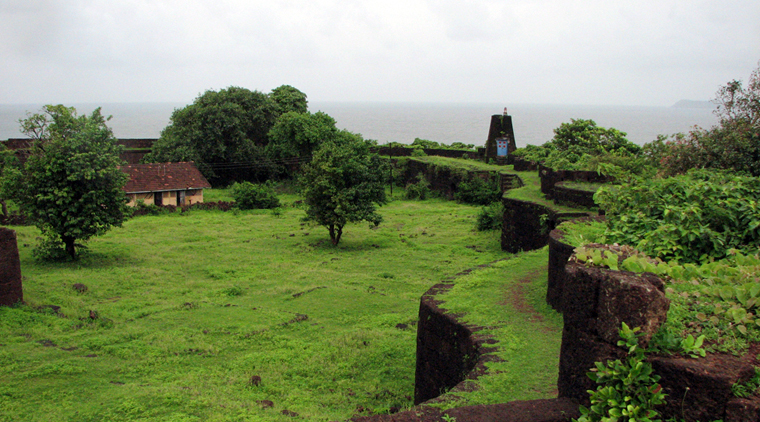
- Visit Shri Laxminarayan Temple Ganpatipule Beach Jaigad Fort Ratnagiri
 7D / 6N
Konkan Holiday Package | 7-Day Coastal Maharashtra Tour
- Five distinct coastal towns in one trip: Alibaug, Dapoli, Ganpatipule, Ratnagiri and Malvan-Tarkarli
- Two island sea forts: the unconquered Murud-Janjira, and Shivaji's Sindhudurg off Malvan