Aurangabad Travel Guide
The comfortable window is November to March , cool and clear for the long walks and stair climbs. Summer is fierce and the monsoon is green but slippery, so plan the caves for...
When to visit Aurangabad for Ajanta and Ellora
The comfortable window is November to March, cool and clear for the long walks and stair climbs. Summer is fierce and the monsoon is green but slippery, so plan the caves for winter if you can.
- November to February: cool and clearThe most comfortable months by far, pleasant by day and cool at night, ideal for the long cave walks and the stair climbs at Ajanta and Daulatabad fort. This is peak season, so the sites are busier and rooms cost more, but the weather makes the difference.
- March and October: warm shoulderStill workable, with thinner crowds than mid-winter. By late March the Deccan afternoons heat up quickly, so do the caves in the morning and keep the middle of the day for a slow lunch and a rest.
- April to June: very hot, plan carefullyHigh summer on the Deccan plateau is harsh, with May highs around 42 degrees Celsius. The open climbs become tiring and the unshaded paths punishing, so if you must come then, start at opening time and carry plenty of water.
- July to September: green but slipperyThe monsoon greens the Ajanta gorge and feeds the seasonal waterfalls, which is beautiful, but the stone steps and cave floors get slippery and the light is grey for photography. Lovely for atmosphere, less so for sure-footed sightseeing.
Before you fix any dates, remember that the Ajanta Caves are closed every Monday and the Ellora Caves are closed every Tuesday. This single fact decides the shape of a two-day visit. If you only have a weekend, do not arrive on a Monday expecting Ajanta or a Tuesday expecting Ellora, and never try to squeeze both sites into one day, as they sit about 100 km apart in opposite directions. Build the itinerary around the closed days first and everything else falls into place.
How to reach Aurangabad, and the caves from the city
Fly or train into Aurangabad (Chhatrapati Sambhajinagar), then drive out to the caves. Ajanta and Ellora are in opposite directions, which shapes the logistics.
- By air via MumbaiChhatrapati Sambhajinagar airport (IXU), also called Chikkalthana, sits about 10 km east of the city. Flights from Mumbai take roughly an hour, with direct services also to Delhi (about 1 hour 53 minutes), Hyderabad and a few other cities on IndiGo and Air India. For overseas visitors, the usual route is an international flight to Mumbai, then the short hop to IXU.
- By train from MumbaiThe city station (code AWB) is on the Mumbai line. The Tapovan Express and the Janshatabdi Express cover Mumbai to Aurangabad in roughly 6 to 7 hours by day, the Devagiri Express is the overnight option, and the Sachkhand Express links through to Delhi. A daytime train is a comfortable, scenic alternative to flying.
- Ellora, about 30 km north-westEllora is only about 29 to 30 km from the city, roughly 45 minutes by road, and pairs naturally with Daulatabad fort and the Grishneshwar temple on the same axis. An easy half to full day out.
- Ajanta, about 100 km north-eastAjanta is the longer haul, about 99 to 105 km away, roughly 2.5 to 3 hours by road in the opposite direction to Ellora. Because of the distance and the separate parking-and-shuttle system, give Ajanta its own full day.
Fly into Mumbai, the nearest international gateway, then take the one-hour domestic flight to Aurangabad (IXU) or a daytime train. Aurangabad has no international flights of its own.
Fly into Mumbai, then connect to Aurangabad by the short flight or train. The caves sit easily on a Mumbai add-on of two to three nights.
Fly direct from Delhi, Hyderabad or Mumbai, or take the Tapovan or Janshatabdi train from Mumbai. The Mumbai rail line is the simplest budget way in.
Ajanta, Ellora and the city monuments
Two UNESCO cave complexes anchor the trip, with the Kailasa monolith at Ellora and the painted Buddhist caves at Ajanta, ringed by Mughal-era city monuments.
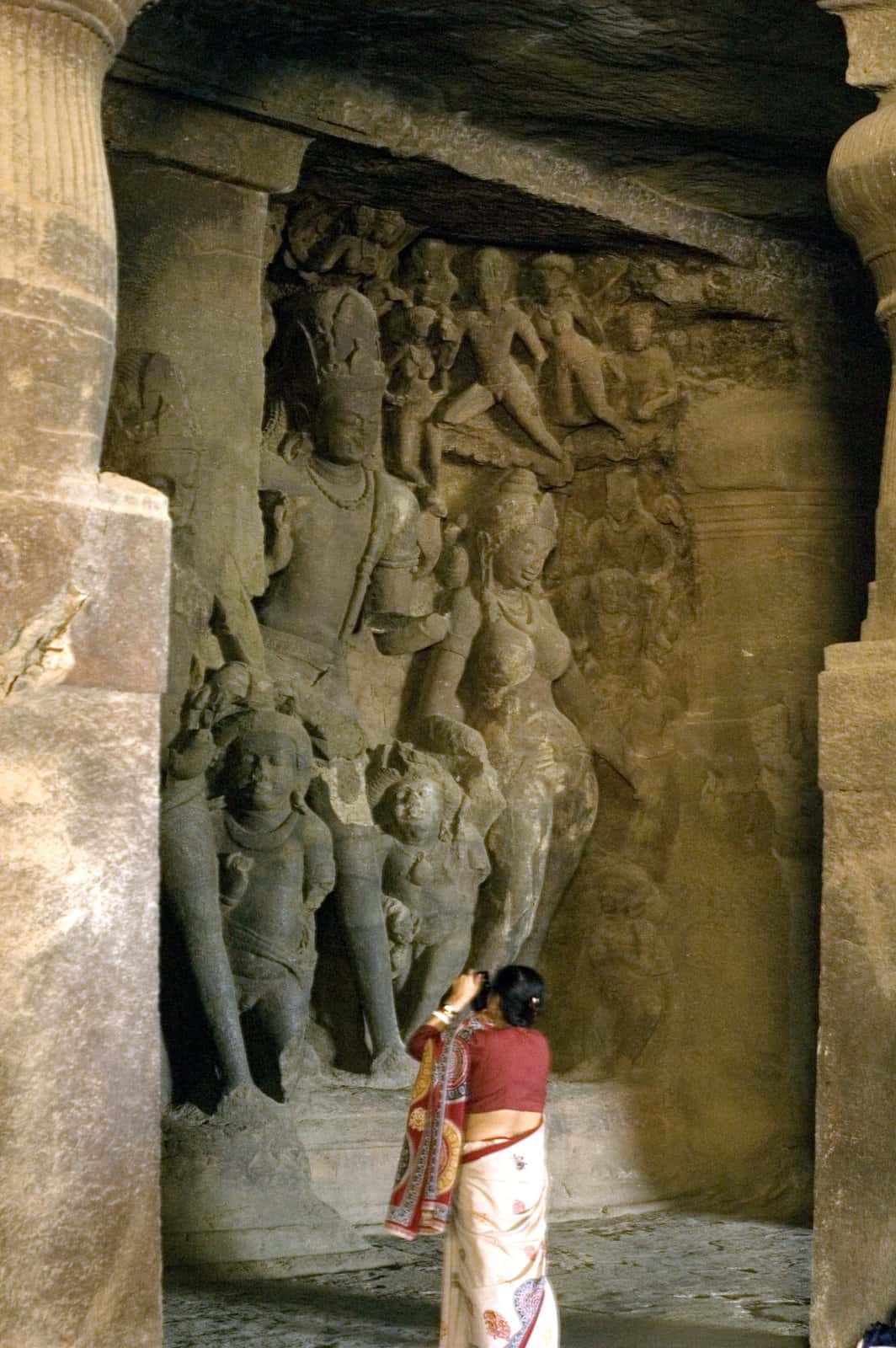
- Ellora Caves and the Kailasa TempleThirty-four rock-cut caves of the Buddhist, Hindu and Jain faiths, carved between roughly the sixth and tenth centuries. The crown is the Kailasa Temple (Cave 16), a complete temple cut top-down from a single rock, the largest monolithic structure of its kind anywhere. Closed on Tuesdays, open about sunrise to sunset.
- Ajanta Caves and the paintingsThirty Buddhist caves from the second century BCE onwards, carved into a horseshoe gorge and famous for their murals, including the celebrated Padmapani and Vajrapani figures in Cave 1 and the reclining Buddha in Cave 26. Closed on Mondays, open about 9 am to 5 pm. The paintings are kept dim to protect them.
- Bibi ka Maqbara, the mini TajA Mughal tomb built for Aurangzeb's wife in the Taj Mahal mould, smaller and softer, and the easiest city sight to fold into an evening. ASI entry is about 25 rupees for Indians and about 300 rupees for foreigners, open about 8 am to 8 pm.
- Daulatabad Fort, Aurangabad Caves and PanchakkiDaulatabad is a dramatic hill fortress with a famously deceptive defensive maze, about 25 rupees and 300 rupees, open about 9 am to 6 pm, with a real climb to the top. The Aurangabad Caves above the city and the Panchakki water mill, very cheap at about 5 rupees for Indians, round out a city day.
The most common mistake is treating Ajanta and Ellora as one outing. They are not. Ellora is about 30 km north-west of the city and Ajanta about 100 km north-east, so a sensible trip gives each its own day, and the closed days (Ajanta on Monday, Ellora on Tuesday) lock in which day is which. The city monuments, Bibi ka Maqbara, Daulatabad and Panchakki, slot into the gaps, especially on a Monday or Tuesday when one cave site is shut.
Signature experiences and how to do them well
Beyond ticking off caves, these are the experiences people remember, and the order and timing that make each one better.
- Sequence Ellora from the Jain caves to the monolithOn a full Ellora day, start early at the quiet Jain caves (30 to 34), take the site electric cart, about 20 rupees per person, back towards the Buddhist group, then take in the Kailasa Temple (Cave 16) and finish at the early Buddhist caves. You reach the great monolith fresh and in good light rather than worn out at the end.
- Give the Ajanta paintings time in the dimThe murals are kept in low light to protect the pigments, so let your eyes adjust and look slowly. Cave 1 holds the famous Padmapani and Vajrapani bodhisattvas, Cave 2 the painted ceilings, and Cave 26 the reclining Buddha. A licensed guide earns the fee here by pointing out what the half-light hides.
- Walk up to the Ajanta viewpointPhotographers can take the alternative viewpoint route off the Aurangabad road for the classic panorama of the whole horseshoe gorge, then descend to the caves and ride the shuttle back up. It is a longer way in but the best wide shot of the site.
- Climb Daulatabad fort for the Deccan viewThe hill fort is a proper climb through a clever defensive maze of dark passages and gates, rewarded by a sweeping view from the top. Take water and decent shoes, and allow a couple of hours.
- Pair Ellora with the Grishneshwar JyotirlingaThe Grishneshwar temple, the twelfth and last of the twelve Jyotirlinga shrines of Shiva, stands less than a kilometre from Ellora. Pilgrims completing the Jyotirlinga circuit visit both together. Men are often asked to enter the sanctum bare-chested in a dhoti and phones are not allowed inside.
- An evening at Bibi ka MaqbaraThe mini Taj is at its softest in the late afternoon and early evening light, and it stays open until about 8 pm, so it makes a gentle close to a cave day back in the city.
If you do only one thing slowly, make it the Kailasa Temple at Ellora. People walk in expecting a cave and find an entire temple, courtyards, elephants, towers and all, carved downward out of a single hillside. Give it an unhurried hour, walk the upper galleries for the scale, and you will understand why this, and not any single Ajanta painting, is the image most travellers carry home.
Where to stay in Aurangabad, and how many days
Aurangabad city is the only sensible base, with the airport, the station and the hotels. Two nights is the right length for both cave sites.
- Base in Aurangabad cityThe city is the hub: it has the airport, the railway station, the spread of hotels from budget to four-star, and the road links to both cave sites. There is no need to stay out at the caves, and almost everyone uses the city as the single base for the whole trip.
- Hotel bandsThe city has a good range, from simple budget rooms to well-run four-star business hotels around the cantonment and the airport road. Book a little ahead in peak winter and around the November Ellora-Ajanta cultural festival, when demand rises.
- How many daysTwo full days is the sweet spot: one for Ellora plus the city monuments and one for Ajanta, sequenced around the closed days. A third day adds a relaxed pace, Daulatabad fort and the Grishneshwar temple without rushing. One day only really lets you do Ellora and the near sights well.
- Staying near ElloraThere are a couple of simple hotels right by the Ellora caves for those who want a dawn start at the Kailasa Temple or are on the Jyotirlinga pilgrimage, but they are basic. Most travellers prefer the comfort and choice of the city and the easy 45-minute drive out.
Because Ajanta shuts on Mondays and Ellora on Tuesdays, your two cave days cannot fall on the wrong weekday. If your trip spans a Monday, use it for Ellora, Daulatabad and the city; if it spans a Tuesday, use it for Ajanta. Pick your arrival day with this in mind and you will never waste a morning driving to a closed gate.
Entry fees and a realistic daily budget
The ASI fees are modest and fixed, but they were recently revised upward, so here are the current numbers and what a day actually costs.
- Current ASI entry feesAt both Ajanta and Ellora, entry is about 40 rupees per person for Indians and visitors from SAARC and BIMSTEC countries, and about 600 rupees for other foreign nationals, with children up to 15 free. Bibi ka Maqbara and Daulatabad are about 25 rupees for Indians and about 300 rupees for foreigners; Panchakki is about 5 rupees for Indians. These are fixed, not negotiable, which makes them a clean budget anchor.
- The Ajanta shuttle and the guidesBudget about 20 to 30 rupees per person for the mandatory Ajanta shuttle bus from the T-junction (a little more for the air-conditioned bus), and about 20 rupees for the electric cart at Ellora. A licensed spot guide at either site is about 2,500 rupees, and a two-day guide from the city about 8,700 rupees; the doli palanquin at Ajanta is about 2,000 rupees. Reconfirm the small fares at the counter, as they are revised from time to time.
- Transport is the real costThe fees are tiny; the day's cost is the car. A hired car with driver for a full Ajanta day or an Ellora-and-city day is the main expense, since the caves are far apart and public buses are slow. Agree the car rate for the day in advance and split it across your group.
- Cash, cards and stale fee warningsCarry cash for the ticket counters, the shuttle, snacks and tips, as small vendors run on cash and UPI rather than cards. And ignore old blogs that still quote the long-gone 10 rupees and 250 rupees ASI fees, since those figures are out of date.
For years the ASI fee at Ajanta and Ellora was about 10 rupees for Indians and about 250 rupees for foreigners, and a great many travel pages, including some operator sites, still print those numbers. They have been revised up to about 40 rupees and about 600 rupees. The fees are small either way, but it is worth knowing the current figure and reconfirming on the ASI ticketing portal, because a page that has the old fee wrong has often not checked anything else recently either.
Practical logistics: the Ajanta shuttle, photos, food and getting around
The small things that make a cave day smooth, from the parking-and-shuttle system at Ajanta to the no-flash rule and where to eat.
- The Ajanta parking and shuttleYou cannot drive to the Ajanta caves. All vehicles stop at the T-junction parking base about 4 km out, where you transfer to an MTDC shuttle bus, charged separately at about 20 to 30 rupees per person, for the last stretch. From the drop point it is steps on foot up the gorge to the caves. Ellora, by contrast, you can drive right up to.
- Photography and the dim cavesPhotography is allowed but flash and tripods are not, because the Ajanta pigments are light-sensitive, so the caves are kept dim. Bracing against a wall or a steady hand helps in the low light. Caves facing east light up better in the morning and the lower-numbered ones later in the day, so plan your photo caves around the sun.
- Food at the sitesBoth sites have basic restaurants run by MTDC and roadside dhabas, fine for a simple lunch but not gourmet. Carry water and snacks, especially for the long Ajanta day, and eat your bigger meals back in the city where the choice is far better.
- Getting aroundA hired car with driver is the practical way to do the caves, given the distances and the opposite directions. Auto-rickshaws and app cabs handle the city monuments. State buses reach both sites but are slow and inflexible for a day trip.
Safety, the stairs and heat, and small scams
Aurangabad is an easy, welcoming base, and the main risks are the heat, the long climbs and the usual mild tout pressure, not crime.
- Heat, water and the climbsThe biggest hazard is the sun and the stairs. Ajanta is a flight of steps up the gorge and Daulatabad fort a real climb, so carry water, a hat and sun protection, pace yourself in the warmer months, and use the doli at Ajanta if the steps are too much. The caves themselves are cool once you are inside.
- Mild tout and pricing pressureAround the parking and the entrances you will meet souvenir sellers and unofficial guides. A polite, firm no is enough. If you want a guide, take a licensed one from the official counter at the agreed rate rather than someone who approaches you, and check prices before buying handicrafts at the stalls.
- Watch your footing in the monsoonIn the July to September rains the stone steps and cave floors get slippery, and the gorge paths at Ajanta especially so. Wear shoes with grip, take the steps slowly, and mind children near the unfenced drops at the viewpoints and the fort.
- General safetyAurangabad is a normal, busy Indian city and the cave sites are well visited and safe by day. Take the usual care with belongings in crowds, keep to daylight for the climbs, and you will find it one of the more relaxed heritage trips in India.
Aurangabad and the cave sites are generally comfortable for solo and women travellers, with steady tourist traffic at both Ajanta and Ellora through the day. Dress modestly at the Grishneshwar temple and the other religious sites, hire your guide through the official counter, and prefer a pre-arranged car and driver for the long Ajanta day so you are not relying on sparse public transport after dark.
Ajanta and Ellora for every kind of traveller, and on access
The caves suit history lovers, families, photographers and pilgrims in different ways. Here is the one tip that matters for each, including how a senior visits comfortably.
- History and art loversThis is the heart of the trip: the Ajanta paintings and the Ellora Kailasa monolith are among the supreme achievements of Indian art. Hire a licensed guide at both, give each site its full day, and read a little beforehand so the iconography means something when you stand in front of it.
- Families with childrenThe Kailasa Temple and the Daulatabad maze delight children, but the Ajanta steps and the dim caves test short attention spans. Keep the Ajanta day shorter, focus on the most striking caves, and use the shuttle and the snacks to keep energy up.
- Senior travellers and on accessibilityVery doable with planning. At Ajanta a doli palanquin carried by bearers is bookable at the counter for about 2,000 rupees for those who cannot manage the steps, and Ellora can arrange a wheelchair on its mostly level ground. Skip the Daulatabad climb if stairs are hard, visit in the cool of the morning, and use a private car so you are never far from a seat.
- PhotographersEllora rewards wide shots of the Kailasa monolith and the Ajanta viewpoint gives the gorge panorama. Inside Ajanta the light is dim and flash and tripods are banned, so bring a fast lens or steady hands, and time east-facing caves for the morning.
- PilgrimsThe Grishneshwar Jyotirlinga beside Ellora is the twelfth and final Jyotirlinga of Shiva, so pilgrims completing the circuit pair it with the caves. Note the dhoti dress code for men in the sanctum and the ban on phones inside the temple.
- Solo and budget travellersBoth sites are easy to reach by state bus or shared car from the city, the fees are tiny, and the cave trail is busy enough to feel safe. Slow travellers can spread the two sites and the city monuments over three relaxed days.
A closed-day-proof Aurangabad itinerary
How to shape two or three days so you never hit a shut gate and reach the Kailasa monolith with energy to spare.
- Ellora day (any day except Tuesday)Drive the 30 km out early, start at the Jain caves (30 to 34), ride the electric cart back, take in the Kailasa Temple (Cave 16) while you are fresh, then the Buddhist caves. On the way back stop at Daulatabad fort and the Grishneshwar temple, and end at Bibi ka Maqbara in the city for sunset.
- Ajanta day (any day except Monday)Set out early for the 100 km drive, park at the T-junction, take the shuttle, and give the painted caves an unhurried four to five hours. Carry water and lunch, as the day is long and the site facilities basic. Back in the city by evening.
- The Monday or Tuesday cardIf your trip includes a Monday, that is your Ellora-and-city day, since Ajanta is shut. If it includes a Tuesday, that is your Ajanta day, since Ellora is shut. Slotting the closed days correctly is the whole trick to a smooth plan.
- A third day for breathing roomA third day lets you split the city monuments out, add the Aurangabad Caves and Panchakki, or simply do each cave site without rushing. If you only have one day, do Ellora and the near sights and save Ajanta for a return trip.
The single thing that breaks an Aurangabad plan is trying to see Ajanta and Ellora on the same day. They sit about 100 km apart in opposite directions, each deserves four to five hours, and Ajanta adds a 4 km shuttle and a stair climb on top. Give each its own day, line those days up against the Monday and Tuesday closures, and the trip runs like clockwork.
The real questions travellers ask about Ajanta and Ellora
Straight answers to the questions that come up again and again on traveller forums, so you arrive already knowing the score.
- Can I do both caves in one day?No, not sensibly. Ajanta is about 100 km north-east and Ellora about 30 km north-west, in opposite directions, and each needs four to five hours. Plan a full day for each, sequenced around the closed days.
- Which days are they closed?Ajanta is closed every Monday and Ellora every Tuesday. Build your itinerary around this first, and use the closed day for the city monuments, which stay open.
- What are the current entry fees?About 40 rupees per person for Indians, SAARC and BIMSTEC visitors, and about 600 rupees for other foreigners, with under-15s free, at both Ajanta and Ellora. Ignore old pages quoting 10 rupees and 250 rupees, and reconfirm on the ASI portal.
- How do I reach the Ajanta caves from the car park?You park at the T-junction about 4 km out and take a shuttle bus, about 20 to 30 rupees per person, then climb the steps on foot. Those who cannot manage the stairs can book a doli palanquin at the counter for about 2,000 rupees.
- Why is the city called Chhatrapati Sambhajinagar now?Maharashtra officially renamed Aurangabad as Chhatrapati Sambhajinagar in 2023, after the Maratha king Chhatrapati Sambhaji Maharaj. Both names are still used, and the airport (IXU) and station (AWB) codes are unchanged, so either name works.
- Can I take photos inside, and why are the Ajanta caves so dark?Photography is allowed but flash and tripods are not, because the Ajanta paintings are light-sensitive and kept deliberately dim. Let your eyes adjust, look slowly, and a guide with a torch helps you see the detail.
Planning Ajanta and Ellora from abroad
Ajanta and Ellora are two of India's greatest sites and an easy one-hour flight from Mumbai. A little preparation on closed days, fees and the dim caves makes the visit effortless.
- Slot it onto a Mumbai tripThe simplest plan is an international flight to Mumbai, then a one-hour hop to Aurangabad (IXU) for two or three nights, then on to Delhi, Rajasthan or Goa. The caves are a heritage detour, not a place you base a whole holiday, and they reward two unhurried days.
- Mind the closed days and the foreigner feeAjanta is closed Mondays and Ellora Tuesdays, so check your dates before you book flights. Entry for foreign nationals is about 600 rupees per site, against about 40 rupees for Indians and SAARC and BIMSTEC visitors; both are inexpensive, but plan for the higher rate.
- Expect dim caves and no flashThe Ajanta murals are kept in low light to protect them, and flash and tripods are banned. This surprises first-time visitors expecting a bright gallery. Bring patience and a fast lens, let your eyes adjust, and consider a licensed guide to read the half-lit detail for you.
- Gentle for seniors with planningOlder parents and grandparents manage well with a private car, the doli palanquin at Ajanta for the steps, and a wheelchair at Ellora. Visit in the cool of the morning and skip the Daulatabad climb if stairs are hard.
Money, connectivity and timing for foreign visitors
The practical basics an overseas traveller needs for a two-day heritage stop: cash, a SIM, tickets and how many days to give it on a wider India trip.
- Carry cash for the countersThe ASI ticket counters, the Ajanta shuttle, snacks and tips run on cash and UPI rather than foreign cards. Draw rupees at a city ATM and keep small notes for the shuttle and the guides. Hotels and bigger restaurants take cards.
- Buy tickets online or at the counterYou can buy ASI tickets at the counter on arrival or in advance on the ASI ticketing portal by selecting the city as Chhatrapati Sambhajinagar (Aurangabad) and the monument. Online saves a short queue in peak season but is not essential.
- Get a SIM in MumbaiPick up an Indian tourist SIM or an eSIM when you land in Mumbai rather than hunting for one in Aurangabad. Coverage at the city and on the roads to the caves is fine for maps and calls, though it can be patchy deep in the Ajanta gorge.
- How long to give itTwo nights in Aurangabad covers both cave sites and the main city monuments comfortably; three if you want a slow pace or the Jyotirlinga. It is a focused heritage stop, not a week, so weave it between Mumbai and your next big destination.
Ajanta and Ellora are an unusually rewarding side trip on a first India journey: two UNESCO sites, a short flight from Mumbai, and far calmer than the headline cities. Give them two unhurried days, hire a guide so the art and architecture come alive, and let the Kailasa monolith and the Ajanta paintings be the quiet, astonishing chapter between the big-city stops. Many travellers rank them among the most memorable things they see in India.
How a temple was carved downward from a single rock
The Kailasa Temple at Ellora, Cave 16, is not built but excavated. The artisans of the Rashtrakuta period, working from roughly the eighth century, began at the top of a basalt hillside and cut downward and inward, removing an estimated 200,000 tonnes of rock to leave, standing free in the resulting courtyard, a complete temple to Shiva, two storeys high, with gateways, a Nandi shrine, life-size elephants and soaring towers, all of a single piece of living stone. There was no room for error: unlike a built temple, nothing carved away could ever be put back. It is widely held to represent Mount Kailash, Shiva's Himalayan abode, and it remains the largest monolithic rock excavation in the world. Standing in the courtyard and looking up at walls that were once the inside of a hill is the moment most travellers say the long journey to Ellora pays for itself.
Planning a Aurangabad trip?
Our Maharashtra travel experts plan your full journey for you: route, hotels, darshan timings and transport. You get a free day-by-day plan and an exact quote on WhatsApp, usually within a few hours. No payment is needed to get your plan.
Tour packages that visit Aurangabad
Every journey below is private, hand-crafted and fully customizable. Tell us your dates and we tailor the itinerary, the pace and the priests or guides around you.
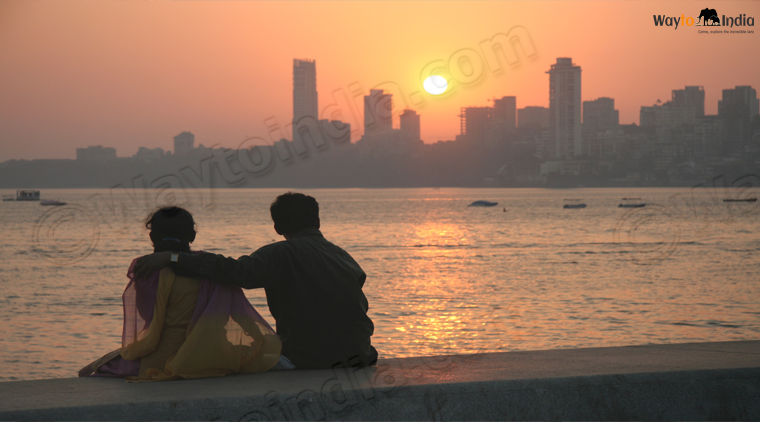 4D / 3N
Ajanta Ellora Tour
- Visit Naukhanda Palace
- Visit Himayat Baugh
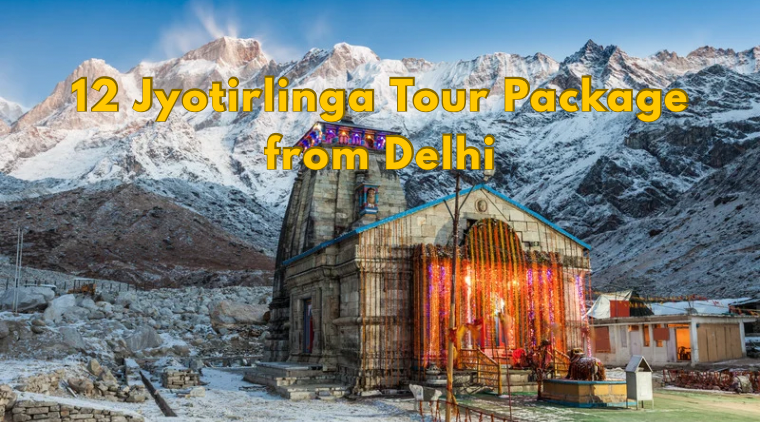 19D / 18N
12 Jyotirlinga Tour Package from Delhi
- All Jyotirlinga darshans
- Ganga Aarti experiences
 18D / 17N
12 Jyotirlinga Tour Package from Mumbai
- Transparent and Customizable Pricing
- Smart, Time-Saving Logistics
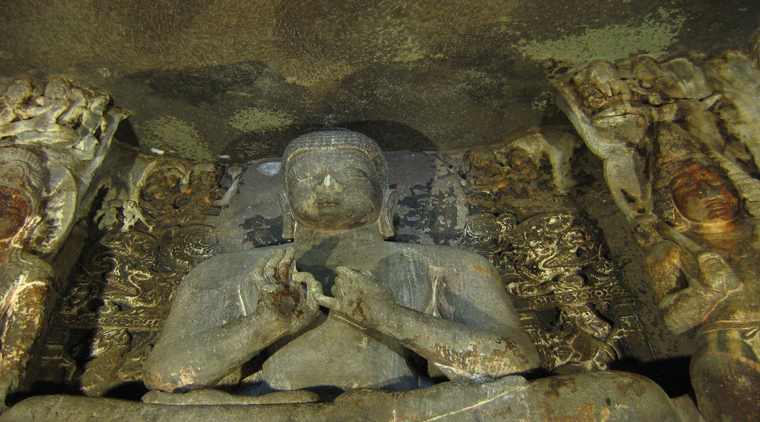 13D / 12N
Maharashtra Tour
- Visit Gateway of India
- Visit Elephanta Caves