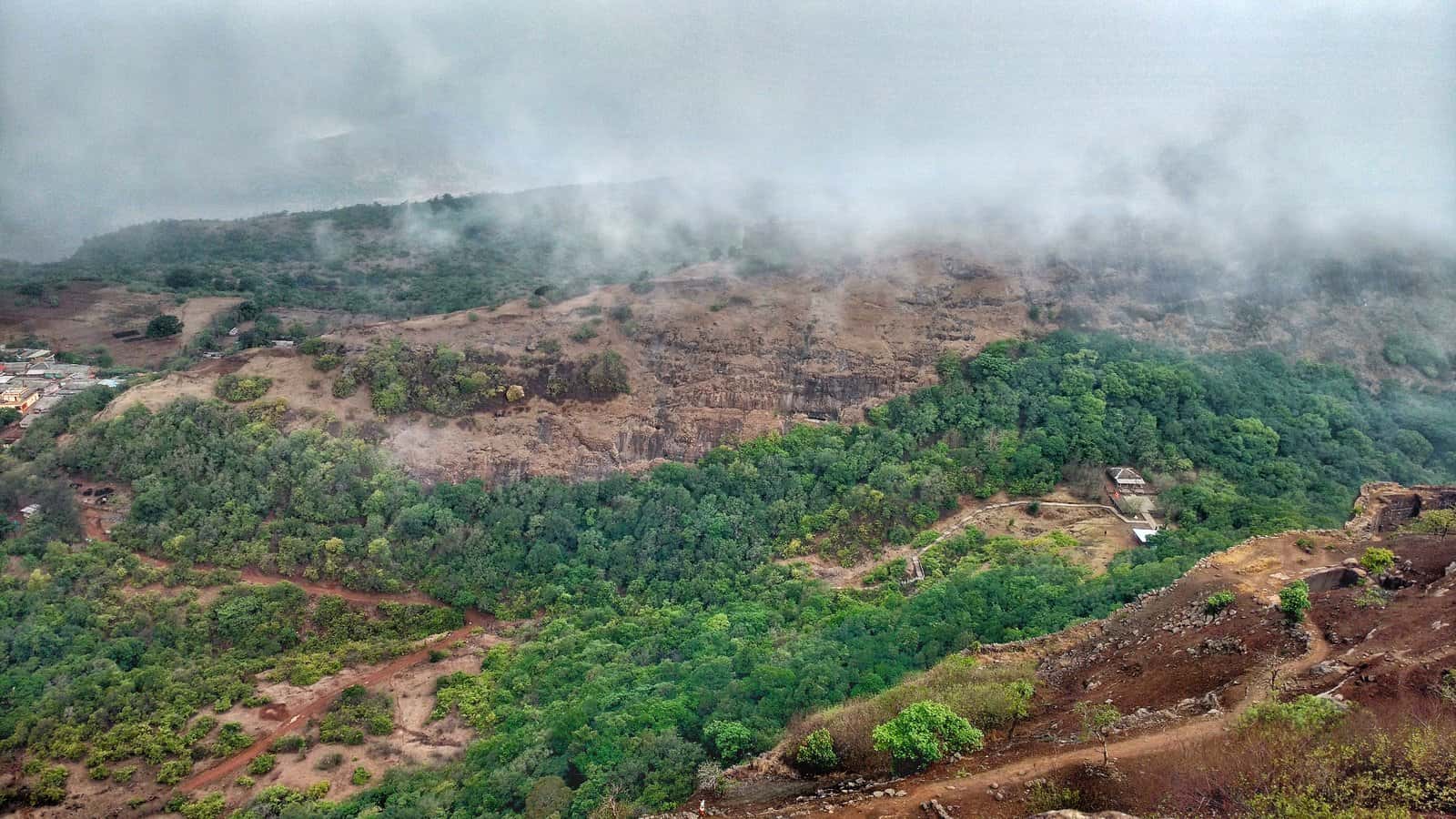
Kamshet Travel Guide
The flying season runs roughly October to May . If your heart is set on paragliding, do not copy the Lonavala advice and come in the rains, because commercial flying shuts for...
When to visit Kamshet, and the monsoon truth
The flying season runs roughly October to May. If your heart is set on paragliding, do not copy the Lonavala advice and come in the rains, because commercial flying shuts for the monsoon.
- November to February: the sweet spotThese are the classic months. Mornings are cool, skies are clear, and the east-facing Tower Hill site is working, so you get calm, scenic flights. This is also when overseas pilots migrate here for the winter, and the guesthouses are at their liveliest. Book weekends a little ahead.
- March to May: hot days, bigger flightsSummer brings thermals, so flights can be longer and bumpier, and the west-facing Shelar site near Pawna Lake takes over. The middle of the day is hot on these open hills, so flying happens early and late. Carry water, a cap and sunscreen, and rest through the afternoon.
- Mid June to September: green, but groundedThe monsoon turns the Sahyadris a wonderful green and the waterfalls near Lonavala roar, but commercial paragliding stops from about mid June to September. Come in these months for the scenery, the caves and a rain-washed drive, not for flying.
- October: the season openerFlying usually restarts around October once the rains withdraw, and the hills are still green from the monsoon, which makes early season flights especially beautiful. Conditions can be a little unsettled, so keep a spare morning in your plan in case your slot moves.
Most Lonavala pages tell you the monsoon is the best time to visit, and for waterfalls that is true. Kamshet is the opposite: the schools ground their gliders from about mid June to September because rain and gusty winds make flying unsafe. If a website offers you a July paragliding slot, treat it as a red flag about the operator, not as good luck. Plan flights between October and May and reconfirm your date with the school a day or two ahead, since every flight is finally at the mercy of the wind.
How to reach Kamshet
Kamshet sits between Mumbai and Pune with its own little railway station on the Pune suburban line, so you can do this trip with or without a car.
- By local train, the underrated wayKamshet has its own station (code KMST) on the Pune suburban line, and Pune Junction to Lonavala locals stop here through the day. From Pune Junction it is about 48 km and roughly an hour; from Lonavala it is about 16 km and roughly 13 minutes. Check the day's trains on the official Indian Railways enquiry site before you set out.
- By road from PuneKamshet is roughly 45 to 55 km from Pune city and the airport, about 1.5 to 2 hours depending on traffic. The old Mumbai to Pune highway passes right through Kamshet town, so the drive is simple, and a hired cab for the weekend keeps the caves and the lake easy.
- By road from MumbaiPlan for roughly 100 to 115 km and about 2.5 to 3.5 hours depending on where in Mumbai you start. Most drivers take the Mumbai Pune Expressway, leave it around Lonavala, and join the old highway to Kamshet. Sunday evening return traffic into Mumbai is heavy, so leave the lake early.
- Nearest airportsPune airport is the closest, roughly 45 to 55 km away, and works well if you are flying in from another Indian city. Mumbai's international airport is the big gateway, about 2.5 to 3.5 hours by road, and the paragliding guesthouses are used to arranging pickups if you ask ahead.
Fly into Mumbai, the main international gateway, and arrange a pickup or a cab for the 2.5 to 3.5 hour drive. Many overseas visitors come exactly this way for winter flying holidays, and the schools will guide you on timing.
Fly into Mumbai or Pune; Pune is closer and calmer if your route serves it. From either city, Kamshet is an easy road journey on the old highway past Lonavala.
Take any train to Pune or Lonavala and switch to a Lonavala-bound local that stops at Kamshet, or drive the old highway. The local train is cheap, frequent and drops you ten minutes from the bazaar.
Flying hills, ancient caves and two quiet lakes
Kamshet's sights split neatly in two: the flying hills that made the town famous, and a triangle of 2,000-year-old Buddhist caves that most day-trippers rush past.
- The flying hills: Tower Hill, Shelar and Shinde WadiTower Hill (takeoff about 857 m) is the east-facing winter site, Shelar (about 720 m) is the west-facing site near Pawna Lake for the later season, and the gentle Shinde Wadi slopes near town are where students practice and families come for sunset. Even if you never fly, an evening watching gliders drift over the valley is worth the trip. One thing to watch: in May 2026 local pilots were protesting a proposed power line near the base of Tower Hill, which the flying community warns could affect flying at that site, so ask your school for the latest before you build the whole trip around one hill.
- Bedse caves, the quiet masterpieceAbove Bedse village on the Pawnanagar road, a climb of about 400 rock-cut steps brings you to a serene chaitya hall from around the 1st century BCE, often with not another soul in sight. There was no entry ticket at the time of writing. Go early, when the morning sun reaches into the cave.
- Karla caves and the Ekvira Devi templeKarla holds the grandest ancient chaitya prayer hall of its kind, and the Ekvira Devi temple, deeply loved by the Koli community, stands on the same rock terrace. Darshan at the temple is free; the caves beside it need an ASI ticket, about 20 to 25 rupees for Indians and about 250 to 300 rupees for most foreign nationals, open roughly 9 am to 5 pm.
- Bhaja caves and the two lakesBhaja's row of stupas and its carved chaitya sit above Malavli, open roughly 8 am to 6 pm with a similar small ASI ticket. Closer to town, Vadivali and Uksan lakes give Kamshet its calm, reflective evenings; the old Shiva shrine at Kondeshwar makes a quiet local stop if you have a spare hour.
These caves are living heritage: monks carved them over 2,000 years ago and pilgrims still climb to Ekvira Devi today. Keep your voice low inside the chaitya halls, do not touch or scratch the carvings, and dress modestly, especially at the temple. On festival days around the Chaitra fair the Karla stairway is intensely crowded, so pick a weekday morning if you want the caves in peace. Carry water for every climb; the steps are steep and shadeless in the middle of the day.
Signature experiences in Kamshet
One perfect Kamshet day holds a morning flight, an afternoon in a 2,000-year-old cave and a campfire by Pawna Lake. Here is each experience, honestly described.
- The tandem joyride, your first taste of flightYou are clipped in front of a certified pilot, take a few running steps off the hill, and the valley opens under your feet. A Classic ride lasts about 8 to 15 minutes depending on the school and the wind. It is gentler than it looks: most first-timers describe floating, not falling.
- The instructional and acro upgradesIf a plain joyride feels too short, Temple Pilots' Instructional Tandem (about 10 to 15 minutes, about 4,000 rupees plus GST) lets you handle the controls mid-air, and Nirvana's Learning Flight (about 20 to 25 minutes, about 5,000 to 5,500 rupees) does the same. Acro flights add dives and G-force for the strong of stomach.
- Learning to fly, the real Kamshet magicThis is the town where India learns to fly. Nirvana's 4-Day Elementary Pilot course, about 22,000 rupees plus GST with food, dorm stay and site transport included, takes you from ground handling to your first radio-guided solo flights, and starts your APPI licence path. Watching your own wing rise on day one is unforgettable.
- A night under canvas at Pawna LakeLakeside campsites, roughly 20 to 35 km away, sell an easy package of tent, evening snacks, barbecue, dinner and breakfast for about 900 to 1,500 rupees per person. It is sociable and lively on Saturdays, quieter midweek. Sunset over the water with the forts on the skyline is the keeper memory.
- The cave triangle on footDo Bedse at dawn for solitude, Karla mid-morning for the great chaitya and Ekvira darshan, and Bhaja before the light goes soft. Each climb is a few hundred steps, so spread them out and carry water. Between them you will have seen the best early Buddhist rock architecture in the Ghats.
- Sunset at Shinde WadiWhen the training slopes empty in the late afternoon, the Shinde Wadi hills become Kamshet's sunset balcony. Carry chai in a flask, watch the last gliders land, and let the valley go gold. It costs nothing and many visitors call it their favourite hour of the trip.
Paragliding is a wind sport, and both big schools say plainly that flights shift or cancel when the weather is wrong. If your slot is postponed, that is the system working: the school that grounds you in gusty conditions is the school keeping you safe. Build one spare morning into your plan, keep your booking flexible, and treat a cancellation as a reason to trust the operator more, not less. The caves, the lakes and the bazaar will fill the day beautifully.
Where to stay in Kamshet, and how many nights
Choose between pilot guesthouses by the quiet lakes, tents at Pawna, or hotel comfort in Lonavala. One night suits a flight-and-caves weekend; learners stay longer.
- Pilot guesthouses: the soul of the sceneThe flying schools run their own lakeside guesthouses, like Nirvana's Native Place overlooking Vadivali lake, where students eat together, talk flying and watch the water. If you are taking a course, food and a dorm bed are typically part of the package; if you are only flying tandem, ask the school about a night's stay when you book.
- Homestays and small hotels in and around townSimple rooms and homestays around Kamshet and the old highway run at about 1,500 to 3,500 rupees a night. They are plain but friendly, and handy for early starts to the takeoff. Book ahead for winter weekends, when flying season and wedding season collide.
- Pawna campsites and lakeside resortsTents at Pawna are the budget-social choice at about 900 to 1,500 rupees per person with meals, while the resorts and glamping domes around the lake run at about 4,000 to 10,000 rupees. Remember the campsites sit roughly 20 to 35 km from the flying sites, so keep the morning-flight drive in mind.
- How many nightsOne night covers a flight, the caves and a campfire without rushing. Two nights lets you add Bedse at dawn and a lazy lake day. Learners should plan four days and nights for the Elementary Pilot course. A day trip from Pune is possible for just a flight, but you will feel the clock.
Stay near Kamshet if flying is the point: you will be closer to the takeoffs, the school can reach you when the wind window opens, and the lakeside evenings are far quieter than Lonavala's bazaar crowds. Choose Lonavala only if you want bigger hotels, restaurant choice and chikki shopping, and accept the roughly 16 km hop each way. On peak winter Saturdays both fill up, so whichever side you pick, book before you travel rather than hunting for a room at dusk.
Kamshet costs and a realistic weekend budget
The flight is the big-ticket item and everything else is gentle on the wallet. Here are the real numbers from the operators' own pages, extras included.
- Tandem flight prices, operator-directTemple Pilots lists its Classic Tandem at about 2,500 rupees on weekdays and about 3,000 rupees on weekends, its Instructional at about 4,000 rupees and its Acro at about 6,000 rupees, all plus 18 percent GST. Nirvana Adventures lists its Easy Flight at about 3,000 rupees midweek and about 3,500 rupees on weekends, rising to about 7,000 to 7,500 rupees for the long Pro flight.
- The extras nobody mentionsBudget for the add-ons before you go: photos and video cost about 500 rupees extra at Nirvana, Temple Pilots charges separately for its HD action-cam flight footage, taxes are extra where quoted, and the jeep from the road up to the takeoff is a shared local hire that the pilots help arrange. Ask for the all-in figure on the phone and there are no surprises on the hill.
- Everything else is cheapThe local train from Pune costs pocket change, cave tickets are about 20 to 25 rupees for Indians (about 250 to 300 rupees for most foreign visitors, children under 15 free), a camping night is about 900 to 1,500 rupees with meals, and a filling thali or misal in the bazaar costs very little. Kamshet punishes only the unplanned flight, never the appetite.
- A realistic weekend totalFrom Pune, a weekend with one Classic flight, a camping night, the caves and local transport works out to about 6,000 to 9,000 rupees a head, less if you fly midweek. A quiet non-flying day costs about 1,500 to 2,500 rupees. Learners should budget the course fee of about 22,000 rupees plus GST, which includes food and stay.
Aggregator listings love a headline like flights from about 2,999 rupees. Before you pay, ask three questions: which school will actually fly you, is GST and site transport included, and what does the video cost? Compare the answer with the operators' own published rates above. A genuine school will name its pilots and its certification without being pushed; a reseller who dodges the school's name is charging you a margin for a booking you could have made directly in one phone call.
Practical logistics: getting around, cash, food and phone signal
Kamshet is a small bazaar town, not a resort. A little planning for cash, transport and food keeps the weekend smooth.
- Getting aroundThe takeoffs sit on rough hill roads, so you will use shared jeeps or local autos for the last stretch; the schools help arrange them, and it is wise to agree the fare before you set off. If you drive your own car, park where the pilots tell you rather than testing the final track. Between town, the caves and Pawna, a hired cab for the day is the comfortable choice.
- Cash, cards and UPIUPI works in most shops and campsites, and the schools take digital payment, but carry some cash for shared jeeps, cave-side stalls and village tea shops. Do your ATM withdrawal in Pune, Lonavala or the Kamshet bazaar before heading to the lake, since campsites sit far from the nearest machine.
- Food, and what to carry to the hillThe bazaar does honest Maharashtrian food, misal, thali, vada pav, and the guesthouses feed their students well. There are no snack stalls at the flying sites, so carry water, a cap, sunscreen and something to eat. Wear shoes, not chappals, and full-length trousers for the flight; the schools ask for exactly this.
- Phone signal and languageMobile data is generally fine in town and patchier on the hills and at the lake, so download offline maps and share your plan before you go up. Marathi and Hindi are the local languages; English works easily at the schools and guesthouses. Evenings get cool in winter, so pack a light layer.
Safety in Kamshet: choosing an operator, health rules and the hills
Paragliding at Kamshet has a strong record with the established schools, and the few risks are easy to manage once you know what to check.
- Vet the school before you payIndia has no single government paragliding licence, so certification is the real test. Ask which school is flying you, whether the tandem pilot holds an international rating such as APPI, and roughly how many hours the pilot has flown. The established schools, Nirvana Adventures (flying since 1997) and Temple Pilots, answer these questions happily on their own pages; a reseller who cannot name the pilot is the wrong booking.
- Health honesty keeps you safeTell the pilot about heart trouble, epilepsy, back problems or recent surgery before you fly; the schools ask you to take a doctor's advice first. Nirvana requires written parental consent for anyone under 18. Do not fly on a full stomach; leave about 1 to 2 hours after a meal. If you are pregnant or deeply fearful of heights, watch from the hill instead.
- On the hill and at the cavesFollow the takeoff briefing exactly, keep clear of laid-out wings and lines, and never walk behind a glider about to launch. At the caves, the steps are steep, uneven and shadeless; the cliff edges at Bedse and Karla have few railings, so keep children by the hand and skip the climb in the midday heat with a heavy bag.
- Water, roads and the lakePawna is a big open reservoir with no lifeguards at most campsites, so treat swimming with real caution, especially after dark or after a drink. On the roads, the old highway through Kamshet carries fast trucks, and Sunday-night expressway traffic back to Mumbai is tiring, so leave with daylight to spare. Drink bottled or filtered water and carry basic medicines; the nearest big hospitals are in Talegaon and Pune.
The best safety signal in Kamshet is a school that is willing to disappoint you. Wind decides everything in this sport, and the serious operators postpone or cancel the moment conditions turn, exactly as their own pages warn. If an operator promises a guaranteed flight at a guaranteed hour whatever the weather, walk away. Book flexibly, keep a spare morning, and fly with the people who respect the wind more than they respect your schedule.
Kamshet for every kind of traveller, and on access
Kamshet flexes from adrenaline weekend to quiet lake retreat. Here is the honest note for each traveller, including who should fly and who should happily watch.
- CouplesA tandem flight each, a lakeside campfire and a Bedse sunrise make one of Maharashtra's best short escapes. Fly midweek if you can: prices dip, the hill is quieter, and you get the takeoff almost to yourselves.
- Families with childrenChildren love watching the gliders at Shinde Wadi even when they are too young to fly; under-18s need written parental consent at Nirvana, and the schools will advise honestly by age and build. At the caves and the lake, keep small children close near steps and open water, and the trip works beautifully.
- Senior travellers and on accessibilityMany fit seniors do enjoy tandem flights, but be honest about heart, blood pressure and back conditions and take a doctor's advice first, as the schools themselves ask. The takeoff involves a short run on rough ground and the cave climbs are steep and railing-free, so a gentler plan is the lakes, the bazaar, sunset at Shinde Wadi and Karla's terrace taken slowly in the cool morning.
- Backpackers and budget travellersThe local train from Pune, a weekday Classic flight, a dorm or a tent at Pawna and bazaar thalis keep the whole weekend friendly to a student wallet. The pilot guesthouses are sociable places where solo travellers land on their feet.
- Solo female travellersThe flying scene is professional and used to solo women, both as students and joyriders. Choose an established school, prefer the busier Saturday campsites or a guesthouse over an empty one, and share your live location for the jeep rides up the hill. Most friction here is sales pressure from resellers, not the town itself.
- Corporate groups and photographersBoth schools run group and corporate days with multi-activity add-ons, and the flying hills at golden hour are a photographer's gift. Ask pilots before shooting close at the takeoff, and never step into the launch lane for a frame.
A suggested Kamshet itinerary
Shape the weekend around the wind: fly in the morning window, walk the caves in the middle hours, and end at the lake. Here is the plan that works.
- Day one, morning: fly firstToday you arrive early and fly before anything else, because the morning window is the most reliable and a postponed flight still leaves you the whole weekend to try again. Reach the school's meeting point by the time they suggest, usually mid-morning in winter, do the briefing, take the shared jeep up, and give the hill your full attention.
- Day one, afternoon and evening: caves, then campAfter lunch in the bazaar, take the quiet climb to Bedse or the grand chaitya at Karla with Ekvira Devi darshan, then drive to Pawna Lake by late afternoon. Check into your campsite, watch the sunset colour the water, and let the barbecue and the campfire close the day.
- Day two: one more hill, one more caveIf you are not feeling tired, catch the early light at the lake, then finish the cave triangle at Bhaja on the way back and stop at Lonavala for chikki before the drive or train home. If the wind cancelled yesterday's flight, this morning is your spare slot; that is exactly why we keep day two light.
- The learner's weekFor the 4-day Elementary Pilot course, arrive the evening before, settle into the guesthouse by Vadivali lake, and surrender to the rhythm: ground handling, bunny hops, then radio-guided solo flights. Evenings are for the lake and flying talk. Add a spare day at the end; weather sometimes stretches the syllabus.
The single planning rule for Kamshet is that the flight goes first and everything else flexes around it. Wind windows move, and the schools confirm timings a day ahead, so call before you leave home, keep the first morning free for flying, and put the caves, the bazaar and the lake in the hours the wind does not own. Travellers who plan Kamshet like a fixed sightseeing list come home disappointed; travellers who plan it like a fishing trip, patient and flexible, come home glowing.
The real questions travellers ask about Kamshet
Straight answers to the questions that fill the forums, so you arrive knowing the score.
- Which school should I book?Book directly with an established school rather than through an aggregator. Nirvana Adventures and Temple Pilots are the two oldest, both publish their own prices and certifications, and several other certified outfits fly here too. The test is simple: a school that names its pilots, its rating system and its cancellation policy is a safe pair of hands.
- Is a 10 minute flight worth about 3,000 rupees?Reviewers split honestly on this. If you expect an amusement ride, ten minutes feels short. If you go for the experience of true free flight, most people call it worth every rupee. If duration matters to you, pay for the longer Learning or Instructional flights instead of judging the sport by its shortest ticket.
- Why did I pay more than the advertised 2,999?Because the headline price usually excludes GST, the shared jeep to the takeoff, and the photo or video package, which is about 500 rupees at Nirvana and priced on asking at Temple Pilots. Compare with the schools' own published rates and ask for the all-in figure before paying an advance, and the gap disappears.
- Can I fly in July or August?No; commercial flying pauses for the monsoon from about mid June to September. Anyone selling you a monsoon slot is selling a likely cancellation. Come between October and May, and treat October and May themselves as slightly less certain shoulder months.
- Is there an age or weight limit?There is no single published limit; it is the pilot's call based on conditions and your build. Temple Pilots states no age limit for its joyrides, while Nirvana requires written parental consent for under-18s, and both ask health questions first. Call ahead with your age and weight and you will get a straight answer.
- Kamshet or Kamshet plus Pawna in one weekend?Do both; that is the classic plan. Fly in the morning, caves in the afternoon, campsite by sunset. The drive from the flying sites to the lake is roughly an hour, so it fits without rushing, and the two halves balance each other perfectly.
Planning Kamshet from abroad: the winter flying holiday
Kamshet is the rare Indian destination that overseas pilots already know: a warm, cheap winter flying escape two to three hours from Mumbai airport. Here is how to plan it from another country.
- Why pilots migrate here in winterThe international flying press rates Kamshet a winter escape: reliable ridge lift, T-shirt weather, and locals reporting only about 10 non-flyable days in an eight month season. For a visiting pilot or a curious beginner from Europe, the US or the Gulf, that consistency is the whole point, and November to February is your window.
- The arrival planFly into Mumbai, and email your school ahead to arrange an airport pickup or a trusted cab for the 2.5 to 3.5 hour drive; the guesthouses are practised at this. Landing in Pune and driving roughly an hour and a half is the calmer alternative if your route serves it. Do not plan to wing it at midnight; fix the transfer before you board.
- The licence path, explainedLearn here and you leave with more than memories: Nirvana's Elementary Pilot course leads to the APPI 1 Discover rating, with the APPI licence fee of about 35 euros for the first year paid directly to APPI in Switzerland, and the school applies on your behalf. Your training then counts anywhere in the APPI world, from Turkey to the Alps.
- Stay in the scene, not outside itBook the school guesthouse rather than a distant hotel. Meals, flying talk and lake evenings come with the room, lifts to the sites are arranged for you, and a solo traveller lands inside a ready-made community from the first dinner. It is the difference between visiting Kamshet and belonging to it for a week.
Most standard travel insurance policies treat paragliding as an excluded adventure or aerial activity unless you add cover for it. Before you leave home, read the fine print, add an adventure-sports rider if needed, and carry proof of cover. The schools maintain their own safety systems, but your medical evacuation and hospital cover is your own responsibility, and the time to discover an exclusion is never after a hard landing. Two minutes with your policy document is the cheapest safety equipment on this trip.
Money, connectivity and timing for foreign visitors
The practical basics for an overseas traveller heading to a small Indian flying town: cash, cards, a SIM, and how many days Kamshet deserves on a bigger India trip.
- Money: carry some cash into the hillsCards and Indian UPI apps cover the schools and bigger stays, but shared jeeps, cave-side chai stalls and village shops run on cash. Draw rupees at the airport or in Pune or Lonavala before you head up; Kamshet's bazaar has limited machines and the campsites none. Small notes make the jeep fares painless.
- SIM and signalBuy an Indian tourist SIM or set up an eSIM at the airport in Mumbai rather than hunting in a small town. Data is decent in Kamshet town and patchy on the hills and at Pawna, so download offline maps and tell your guesthouse your plan for the day before you go up the hill.
- How long to give it on an India tripAs a traveller, give Kamshet one to two nights between Mumbai and Pune; it pairs naturally with a Mumbai arrival and an onward Deccan route. As a learner, give it a full week: a four day course plus weather margin. It is the single best-value place in India to turn curiosity about flight into a licence.
- Timing against the calendarNovember to February is the overseas sweet spot: flyable mornings, cool nights, festive light. Avoid mid June to September entirely if flying is the goal. Indian long weekends fill the hill and the campsites, so if your dates are flexible, fly midweek, when prices at the schools are lower and the takeoff is calm.
Ekvira Devi, the Pandavas, and the hill that learned to fly
On the rock terrace at Karla, a bright temple of Ekvira Devi stands at the mouth of a prayer hall that monks carved more than 2,000 years ago. Local tradition tells that the Pandava brothers, wandering in exile, raised the goddess's shrine here in a single night; her fiercest devotees are the Koli fisherfolk of the Konkan coast, who climb the long stairway every year at the Chaitra fair, drums ahead of them, the goddess's name on every breath. So three ages share one hill: the Buddhist monks who cut the caves, the goddess who watches from their doorway, and now the bright wings of Kamshet's paragliders drifting overhead each winter. No single scriptural verse reliably records the Pandava story; it lives, as it always has, in the telling, and the temple trust retells it to this day.
Planning a Kamshet trip?
Our Maharashtra travel experts plan your full journey for you: route, hotels, darshan timings and transport. You get a free day-by-day plan and an exact quote on WhatsApp, usually within a few hours. No payment is needed to get your plan.