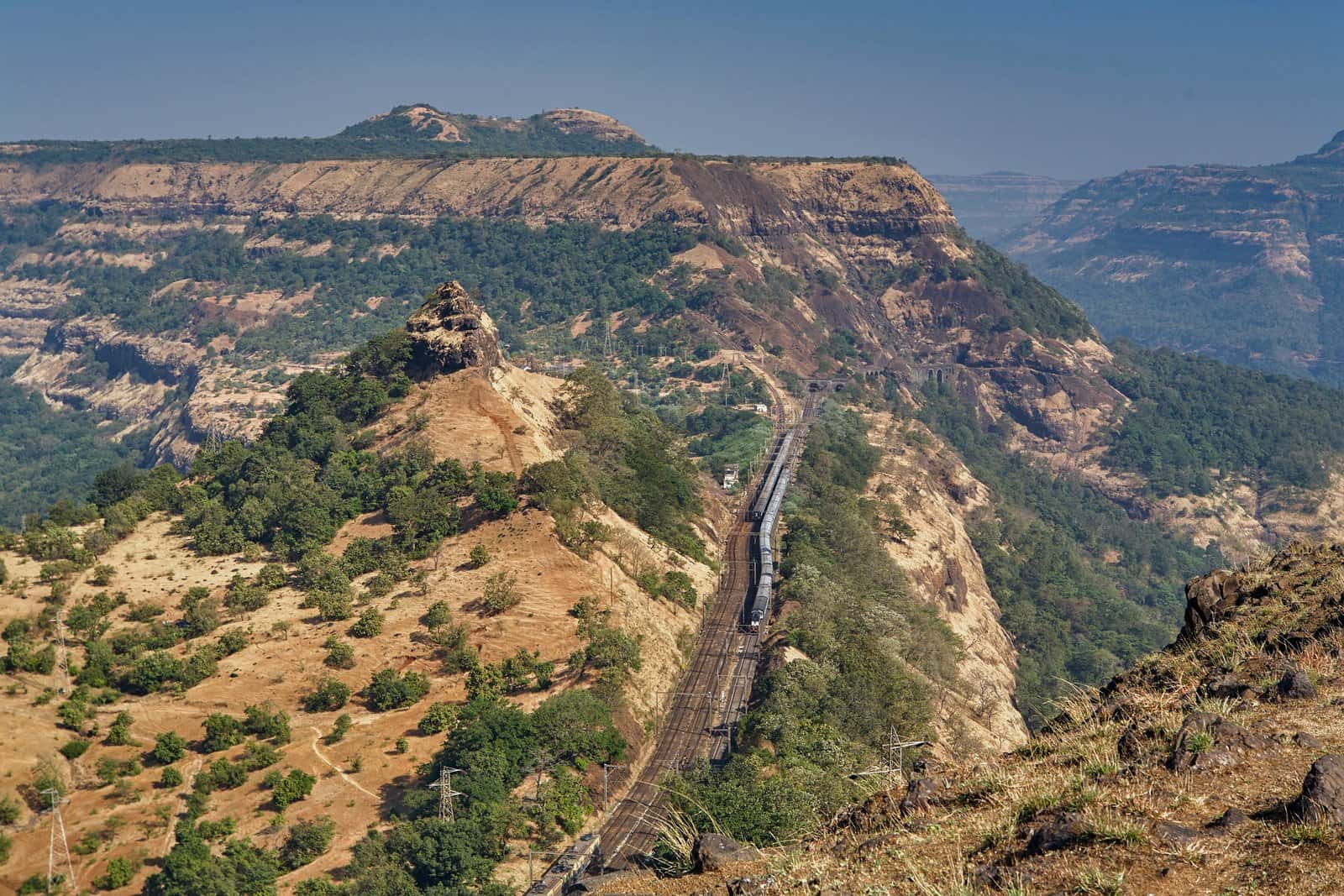
Khandala Travel Guide
Khandala has two very different best seasons. The monsoon (about June to September) is greenest and most dramatic but carries real risk, while winter (about October to February)...
When to visit Khandala, and the monsoon trade-off
Khandala has two very different best seasons. The monsoon (about June to September) is greenest and most dramatic but carries real risk, while winter (about October to February) is dry, clear and easy. Decide which experience you want before you book.
- Monsoon, about June to September: peak green, real riskThe reason Khandala is famous. The Sahyadri hills turn vivid green, cloud pours through the valleys and waterfalls run full. It is also when the rock is slippery, leeches come out, views vanish in cloud for hours, and the flash-flood and landslide risks are at their highest. Wonderful, but only with care and the right footwear.
- Winter, about October to February: clear and easyCool, dry and pleasant, the comfortable season for the viewpoints, the caves and gentle walks, with clear long views over the ghats. This is the busiest family season, so weekends are crowded, but the weather does the work for you and there is no monsoon hazard.
- March to May: warm and hazySpring and early summer are warmer and the air is often hazy, so the long views are weaker. It is quieter than the peak seasons and fine for the caves and a relaxed stay, but it lacks both the green drama of the rains and the crisp clarity of winter.
- Decide your experience firstThe monsoon and the winter are almost different places. If you want roaring waterfalls and mist and you will respect the safety rules, come in the rains. If you want clear views, dry trails and an easy time, come in winter. Pick the one you actually want before you lock dates and rooms.
The monsoon is the most photographed season here and the most dangerous. Waterfalls and the steps at Bhushi Dam look gentle and then flood in minutes when rain falls upstream. In 2024 a sudden flood near Bhushi Dam swept away five people from one family, four of them children, and the district later imposed prohibitory orders on the picnic spots. Come for the green if you like, but treat every stream as something that can rise without warning, keep children away from the water, and obey any closure or police order on the day. The safety section below has the full steer.
How to reach Khandala, and getting around
Khandala sits at the top of the Bhor Ghat between Mumbai and Pune, reached by the Mumbai-Pune Expressway or the Central Railway ghat line. Both cities are close enough for a day trip.
- By road from MumbaiAbout 80 to 96 km, roughly 1.5 to 2 hours by the Mumbai-Pune Expressway in clear conditions. The one-way car toll is about 320 rupees, collected at plazas including Khandala. In heavy rain the old ghat stretch near the Adoshi tunnel can be blocked by landslides, so allow extra time during a downpour.
- By road from PuneAbout 64 to 66 km, roughly 1 to 1.5 hours up the expressway, which makes Khandala the classic Pune weekend escape. The new Missing Link viaduct and tunnels, which bypass the landslide-prone Adoshi stretch, opened on 1 May 2026 and ease the worst ghat bottleneck.
- By train on the Bhor Ghat lineKhandala and neighbouring Lonavala are on the Central Railway Mumbai-Pune line. About 17 suburban services run the Pune-Lonavala stretch, and the steep Lonavala-Karjat ghat section is so sharp that some trains take banker engines to climb it. The train is a fine, traffic-proof way up in the rains, often with the best views of all.
- Getting around once you arriveThe viewpoints, the caves and Bhushi Dam are spread out, so a car or a hired taxi is the practical way to cover them, and most weekend visitors come by car for exactly this reason. Autos and local taxis handle short hops between Khandala and Lonavala, only about 5 to 8 km apart.
Fly into Mumbai, the main international gateway, then drive up the Mumbai-Pune Expressway in about 1.5 to 2 hours, or take a Central Railway train to Lonavala. Khandala makes an easy green half-day or overnight escape from the city heat.
Fly into Mumbai or Pune, both within about 1 to 2 hours by expressway. Khandala sits neatly between the two on any Mumbai, Pune or onward Goa itinerary.
Drive up the expressway from Mumbai or Pune, or take a Central Railway local or express train to Lonavala and a short taxi to Khandala. The train avoids the weekend road traffic entirely.
The viewpoints, the waterfalls and the ancient caves
Khandala and Lonavala are a cluster of ghat viewpoints, monsoon waterfalls and two of India's finest ancient Buddhist caves. Here is what to see and the rules that matter.
- The ghat viewpointsRajmachi Point and Amrutanjan Point on the Khandala side look out over the Bhor Ghat and, in clear weather, the old fort country. Tiger's Leap, a sheer cliff with a long drop, and Lion's Point on the Lonavala side are the classic sunset spots. Come early on weekends, before the crowds and the afternoon cloud, for any view at all.
- Kune Falls and the monsoon waterfallsKune Falls, between Khandala and Lonavala, is one of India's higher waterfalls and runs fullest in the monsoon. The whole region sprouts waterfalls in the rains. They are spectacular and they are exactly where people get into trouble, so admire them and keep well back from the edges and the streams.
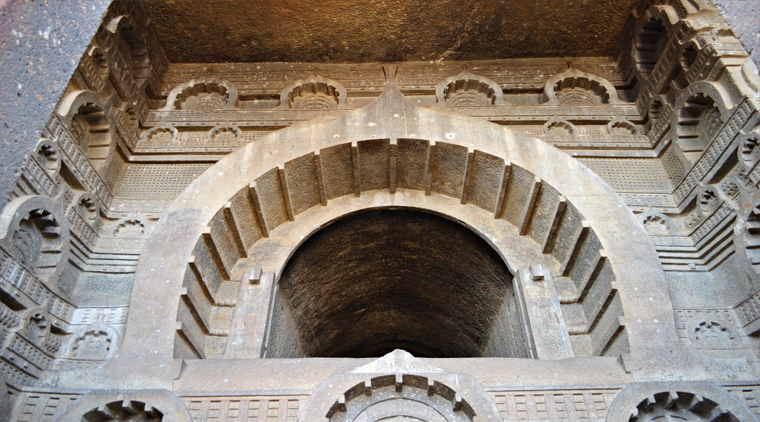
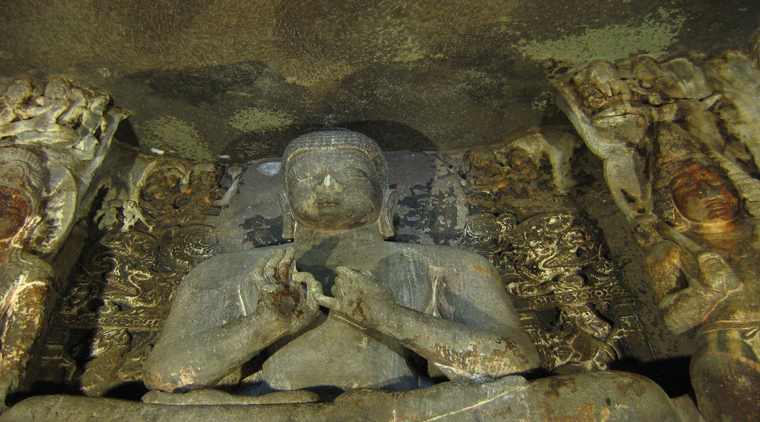
- Karla CavesAbout a 30 to 40 minute drive away near Karli, Karla holds one of the largest and best-preserved ancient chaitya prayer halls in India, with work dating to around the 2nd century BCE, reached by a stepped path lined with stalls. A living Ekvira Devi temple stands at the cave mouth, so it is a pilgrimage site as well as a monument.
- Bhaja CavesAbout 7 km from Karla, Bhaja is a quieter, older group of rock-cut Buddhist caves with a striking row of stupas and fine carving, set on a green hillside above Malavli. The two cave groups pair naturally into a half-day of ancient history, a complete change of pace from the viewpoints.
Karla and Bhaja are protected Archaeological Survey of India monuments with an entry fee and fixed hours, covered in the costs section. At Karla in particular, the Ekvira Devi temple at the cave means it can be busy with pilgrims, especially on festival days, so dress modestly, remove shoes where asked at the shrine, and be patient on the steps. The caves are best in the morning light and before the day-trip crowds arrive.
Signature experiences in Khandala and Lonavala
Beyond the points, these are the experiences people remember, from the Duke's Nose trek to a safe afternoon at Bhushi Dam, and how to do each one without the crowd-trap or the danger.
- The Duke's Nose (Nagphani) trekThe area's signature trek. Locally Nagphani, because the cliff is shaped like a cobra's hood, it is a roughly 4-hour nature trek from near Khandala up to a Shiva temple on the summit at about 3,200 feet. Operators also run rappelling of around 350 feet and a valley crossing here. Go with a guide, especially in the monsoon when the rock is slick.
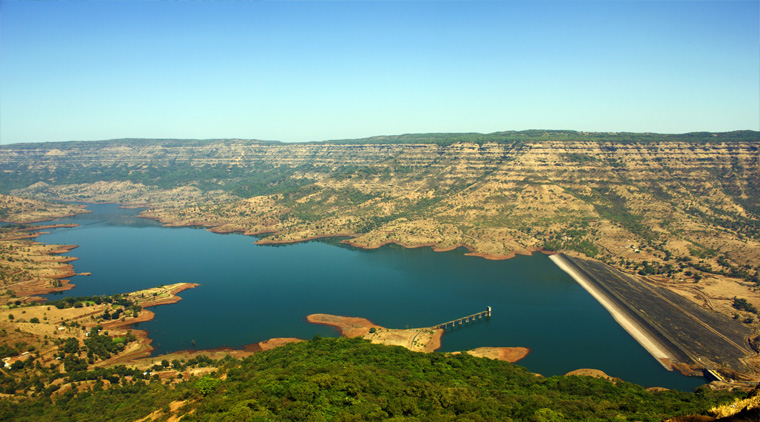
- Bhushi Dam in the monsoon, done safelyIn the rains, water sheets over the stepped masonry of Bhushi Dam and crowds sit in the gentler flow. It is free and there are no real gate hours. Sit only where the flow is shallow and slow, never in the strong stream, wear grip footwear on the slippery rock, keep children within arm's reach, and leave the moment rain picks up or a warning sounds.
- Sunset at Tiger's Leap or Lion's PointWhen the cloud lifts, the cliff-edge points give long golden views over the ghats. They are mobbed at weekends, so arrive well before sunset, keep back from the unfenced edges, and have a plan B, because in the monsoon the view can be a wall of white cloud one minute and clear the next.
- A morning at Karla and Bhaja cavesPair the two ASI cave groups into a calm half-day of ancient Buddhist history, a complete contrast to the waterfalls. Go in the morning before the day-trip buses, carry water for the steps up to Karla, and give yourself time at Bhaja's quieter row of stupas.
- Chikki tasting and Lonavala marketLonavala chikki, the jaggery-and-peanut brittle, was born here in the railway era and the market and highway are lined with shops selling it fresh in many flavours. Taste before you buy, bargain gently for trinkets and woodwork, and there is no pressure to buy anything.
- A pony ride at the pointsShort pony or horse rides at the viewpoints are a gentle classic, especially for children. Agree the price and the length before you start, as rates are quoted high to weekend visitors and come down without drama when you settle them first.
If you do only one thing slowly, make it the early morning, not the afternoon. Reach a viewpoint or a waterfall soon after dawn, before the weekend buses, the picnic crowds and the afternoon cloud arrive, and you get the green hills almost to yourself with the best light and the safest, quietest water. The same spots after 10 am on a Saturday are a different, crowded, harder place. An early start is the single best free upgrade to a Khandala day.
Where to stay in Khandala or Lonavala, and how many nights
Base in Khandala for quiet and the viewpoints, or in Lonavala for the market, the food and more rooms. One night is the sweet spot, two if you want the caves and the treks too.
- Khandala: quieter, near the pointsSmaller and calmer than Lonavala, closer to Rajmachi and Amrutanjan points and the Duke's Nose trailhead, with valley-view resorts and homestays. Best if you want a peaceful base and easy reach to the Khandala-side sights, accepting fewer restaurants and shops.
- Lonavala: more rooms, market and foodBigger, busier and the commercial hub, with the widest choice of hotels and resorts, the chikki market and the most eating options, and close to Tiger's Leap, Bhushi Dam and the caves road. Best for first-timers who want everything in one place, accepting more weekend crowds and traffic.
- How many nightsOne night covers the main points, a waterfall and the market comfortably. Add a second night to fit Karla and Bhaja caves and a trek or a longer slow morning. A day trip from Mumbai or Pune works for the headline points but leaves the caves and the trek for next time.
- Room budgetsOff-season, budget rooms run from about 1,500 to 3,000 rupees, mid-range resorts about 3,000 to 7,000 rupees, and premium valley-view properties about 8,000 to 20,000 rupees and up. All of these rise steeply on monsoon and winter weekends and on long weekends, so book early.
Because Khandala and Lonavala are the default escape for two huge cities, weekend rooms in the monsoon and the winter sell out and prices jump, sometimes to several times the weekday rate. If your dates fall on a Saturday, a long weekend or peak monsoon, book well ahead, or come midweek when the towns are quieter, cheaper and far more pleasant.
Khandala costs and a realistic daily budget
Khandala is easy on the wallet outside the room and weekend premiums. Here is what the main things cost, including the exact ASI cave fees, so you can plan and avoid being overcharged.
- A rough daily budgetExcluding your room and getting up the ghat, plan on about 1,000 to 1,500 rupees a day as a budget traveller, about 2,500 to 4,000 rupees mid-range, and about 5,000 rupees and up for a comfortable day with a car, the caves, a sit-down lunch and some chikki shopping.
- The Karla and Bhaja cave feesThese ASI monuments charge about 25 rupees for Indian and SAARC and BIMSTEC visitors and about 300 rupees for other foreign nationals, with children up to 15 free. They open roughly 9 am to 5 pm. These are the rare fixed prices in the area, a useful anchor against the negotiable rest.
- The road costThe Mumbai-Pune Expressway car toll is about 320 rupees one way at the plazas. Bhushi Dam itself is free with no ticket, and the viewpoints are free to reach, so the road and the caves are most of your fixed spend for a day of sightseeing.
- The negotiable thingsPony rides, parking touts at busy points, and market goods are quoted high to weekend visitors. Agree the price before you start a ride or a purchase, carry cash for small vendors and parking, and the only common friction here, overcharging, disappears.
Almost everything except the cave tickets and the expressway toll is negotiable here, so the single habit that saves money in Khandala is to ask the price and agree it before anything begins, whether that is a pony ride, a parking spot or a bag of chikki. Quotes to weekend visitors start high and come down without drama, and a sum agreed in advance turns the area's only real friction into a non-event.
Practical logistics: weather, food, money and traffic
The small things that make a Khandala day smooth, from packing for the rain to ATMs, the food, and beating the weekend traffic.
- Pack for the seasonIn the monsoon carry a raincoat or poncho rather than just an umbrella, plus good grip footwear for slippery rock and a dry bag for your phone. In winter bring a light layer for cool evenings. The hills can be wet and slippery long after the rain stops, so footwear matters more than anything else.
- Beat the weekend trafficSaturday traffic to the viewpoints peaks between about 7 am and 10 am, and locals leave as early as 5 am to find parking and a clear view. Come midweek if you can, start before dawn if you cannot, and consider the train from Mumbai or Pune to skip the road jams entirely.
- Food and chikkiLonavala has the widest food choice, from corn and bhutta stalls at the points to cafes and resorts; Khandala is quieter. The local specialities are chikki and fudge, sold fresh all along the market and the highway. Carry water and snacks for the viewpoints and caves, where options thin out.
- Money, signal and languageATMs and card and UPI payments are easy in Lonavala town; carry cash for parking, ponies, stalls and the caves. Mobile coverage is generally fine in the towns but can drop on the treks and in deep ghat valleys. Marathi and Hindi are local, and English is widely understood in the tourist trade.
Safety, the monsoon water risk, and staying well
Khandala is a gentle, welcoming place, but the monsoon water and the cliff edges are genuinely dangerous and catch people every year. A little awareness keeps the visit happy.
- The waterfall and dam flood risk, taken seriouslyThis is the one that matters. Streams, waterfalls and the steps at Bhushi Dam can rise in minutes when rain falls upstream, even if it is dry where you stand. In 2024 a sudden flood near Bhushi Dam swept away five people from one family, four of them children. Never sit or stand in a strong stream, keep children well back from the water, and obey any closure, barrier or police order on the day.
- Expect monsoon restrictionsAfter tragedies the Pune district administration imposes prohibitory orders on Bhushi Dam, Pavana Dam and other picnic spots, and deploys lifeguards and warning signs in the peak rains. These are for your safety. If a spot is barricaded or a guard waves you back, that is the system working, not an inconvenience to argue with.
- Cliffs, slippery rock and treksThe viewpoints are often unfenced and the rock is slick in the rains, so keep back from edges, mind children near drops, and do not climb barriers for a photo. Take the Duke's Nose and other treks with a guide in the monsoon, when trails are slippery and clouds can close in fast. Watch for leeches on wet trails.
- Heat, water and the usual careDrink bottled or filtered water, take normal care with stall food, and carry sun protection in the dry months and rain gear in the wet. Keep basic medicines for an upset stomach and minor scrapes, and carry copies of your documents rather than the originals on the day.
If you remember one thing, remember that calm water in the Sahyadri can become a killing flood in the time it takes to take a photo, because the rain that floods it may be falling kilometres upstream where you cannot see it. Stay out of strong streams, keep children within arm's reach near any water, never cross a barrier or ignore a warning, and leave the moment rain strengthens. The green is worth a visit; it is never worth standing in the stream for the shot.
Khandala for every kind of traveller, and on access
Khandala suits very different visitors in different ways. Here is what it offers you, and the one tip that matters for each, including how a senior sees it comfortably without the treks.
- CouplesA long-loved romantic escape, especially the green monsoon and the misty viewpoints. Stay overnight rather than day-tripping so you catch a quiet early morning and a sunset, and base in calmer Khandala if you want fewer crowds.
- Families with childrenEasy and fun, with pony rides, corn stalls and the dam. The water is the one real hazard, so at Bhushi Dam and any waterfall keep children within arm's reach, stay out of strong flow, and never let them wade in the monsoon. Pick winter if small children make the slippery rains a worry.
- Senior travellers and on accessibilityVery doable by car. Most viewpoints can be seen from near the road without a hard climb, so hire a car or taxi, see the points and the caves at a gentle pace, skip the Duke's Nose trek and the steepest steps, and avoid the slippery monsoon if balance is a concern. The Karla cave steps are the main effort, so take them slowly or admire from below.
- Trekkers and adventure seekersThe reason many come: Duke's Nose, Rajmachi fort, Tiger's Leap and rappelling and valley crossings. The monsoon is the most dramatic and the most slippery, so go with a known operator or guide, carry grip shoes and rain gear, and start early before the cloud and crowds.
- Solo travellersStraightforward and safe with standard precautions. The towns are well used to visitors, transport is easy, and the only friction is weekend crowds and overcharging rather than crime. Tell someone your trek plan, and prefer the train if you want to skip driving in traffic.
- PhotographersMonsoon mist and waterfalls, the cliff-edge points at sunset, and the ancient caves at Karla and Bhaja. Go at dawn for the light and the empty viewpoints, protect your gear from the rain and spray, and keep well back from unfenced edges and strong streams for the shot.
A suggested Khandala and Lonavala itinerary
How to shape a day trip, one night or two so you catch the points at the right hours, fit the caves, and beat the weekend crowds.
- The day-trip versionFrom Mumbai or Pune, start before dawn to beat the traffic, hit Rajmachi or Amrutanjan Point and Tiger's Leap in the cool morning, stop at Bhushi Dam with care, taste chikki in the Lonavala market, and head back by early afternoon before the weekend jams build. You will skip the caves and the trek, but see the headline points.
- One night, day oneArrive late morning, settle in, and take the early afternoon gently. In the late afternoon do a viewpoint or two and a sunset spot like Tiger's Leap or Lion's Point, then dinner in Lonavala. Keep an eye on the weather and the closures if it is the monsoon.
- One night, day twoStart at dawn for the quiet, clear, uncrowded version of the points or a short trek, then drive to Karla and Bhaja caves for a calm half-day of ancient history before the buses arrive. Finish with chikki shopping and head off by mid-afternoon.
- Two nights, for the full pictureA second night lets you add the Duke's Nose trek or Rajmachi fort, a slower cafe pace, and a proper unhurried morning at the caves, without rushing any of it. This is the right length if you want the adventure as well as the views and the history.
The single thing that ruins a tight Khandala plan is arriving at the points at midday on a weekend, when the buses, the parking touts and the afternoon cloud have all arrived together. Build your day so the viewpoints fall at dawn or in the early morning, keep the middle of the day for the caves, lunch or a rest, and in the monsoon watch the forecast and the closures so a downpour or a barricaded spot never catches your plan flat.
The real questions travellers ask about Khandala
Straight answers to the questions that come up again and again on traveller forums and Quora, so you arrive already knowing the score.
- Is one day enough?A day trip from Mumbai or Pune covers the main viewpoints, a waterfall and the market comfortably if you start early. One night lets you add a sunrise and a relaxed evening, and two nights fits the Karla and Bhaja caves and a trek. For just the headline points, a day works.
- Khandala or Lonavala as a base?They are barely 5 to 8 km apart and you will see both wherever you stay. Base in Khandala for quiet and the nearby points, or in Lonavala for more rooms, the market and the food. Most first-timers pick Lonavala for the choice; couples often prefer calmer Khandala.
- Is the monsoon actually safe?It is safe if you respect the water. The green and the waterfalls are wonderful, but flash floods and slippery rock are real, and people have died at Bhushi Dam and the falls. Stay out of strong streams, keep children back from the water, obey closures, and you can enjoy the rains safely.
- Monsoon or winter, honestly?Monsoon for roaring waterfalls, mist and vivid green, with real safety care needed. Winter for clear views, dry trails and easy sightseeing, with bigger family crowds. Both are good; choose green-and-dramatic or clear-and-easy and plan accordingly.
- How much do the caves cost and what are the hours?Karla and Bhaja are ASI monuments charging about 25 rupees for Indian and SAARC and BIMSTEC visitors and about 300 rupees for other foreign nationals, with children up to 15 free, open roughly 9 am to 5 pm. Reconfirm hours on the day, especially around festivals at the Karla temple.
- Can I see Khandala on the way to Goa or Pune?Yes. Khandala sits on the Mumbai-Pune Expressway, so it slots neatly onto a Mumbai-Pune or onward Goa drive as a half-day break for the points and a chikki stop, or an overnight if you want the caves and a trek too.
Planning Khandala from abroad
Khandala is the easy green escape from Mumbai, an hour and a half up the ghat, and pairs naturally with a Mumbai or Goa trip. A little preparation makes the monsoon rules and the cave fees easy to handle.
- It is an easy break from MumbaiFly into Mumbai, then drive up the Mumbai-Pune Expressway in about 1.5 to 2 hours or take a Central Railway train to Lonavala. Khandala is the closest real hill escape from the city, ideal as a green half-day or overnight away from the heat and the crowds.
- Know the monsoon is the risk seasonThe rains, about June to September, are the most beautiful and the most dangerous time. Waterfalls and dam steps flood without warning and people have drowned at Bhushi Dam. Enjoy the green, but stay out of strong streams, obey any closures, and treat the safety section as the most important part of this page.
- Expect a higher cave ticket as a foreign nationalAt the Karla and Bhaja ASI caves, foreign nationals pay a higher entry fee, about 300 rupees against about 25 rupees for Indian and SAARC and BIMSTEC visitors, with children up to 15 free. This two-tier pricing is standard at Indian monuments and is not a scam, so carry cash for the tickets.
- Slot it into a wider tripKhandala sits between Mumbai and Pune on the expressway, so it works as a break on a Mumbai-Pune leg or on the way towards Goa. One night is plenty for the points and the caves; a day trip works if you only want the headline viewpoints and the chikki.
Money, connectivity and timing for foreign visitors
The practical basics an overseas traveller needs for a quick hill break near Mumbai: cash, cards, a SIM, and how many days to give it on a wider India trip.
- Carry cash, expect to bargainCards and UPI work in Lonavala hotels and bigger shops, but cave tickets, parking, ponies, stalls and small vendors run on cash, and many prices are negotiable. Draw cash at the Lonavala ATMs and keep small notes for tickets, rides and tips.
- Get a SIM at the airportPick up an Indian tourist SIM or an eSIM when you land in Mumbai rather than hunting for one in a small hill town. Coverage in the towns is fine for maps and ride-hailing, but it can drop on the treks and in deep ghat valleys, so download offline maps.
- How long to give it on a bigger tripOn a Mumbai or Maharashtra trip, half a day to one night in Khandala is the right weight: enough for the viewpoints, a waterfall and the caves, without slowing a wider itinerary. Add a second night only if you want a trek or a very slow pace.
- Time your visit to your comfortThe monsoon, about June to September, is the green spectacle but needs real safety care. Winter, about October to February, is clear, dry and easy but busier with families. Pick the rains for drama or the winter for ease, and book weekend rooms well ahead either way.
Khandala is an unusually gentle introduction to the Indian hills: close to Mumbai, easy to reach by a fast road or a scenic train, and small enough to enjoy in a day or two. Slot it after Mumbai, give it a half-day or a night, and let it be the green, cool pause before you go on. Just take the monsoon water seriously, and it is one of the easiest, most rewarding short escapes in western India.
How Lonavala chikki was born on the Bombay-Pune railway
The brittle that every visitor carries home from Khandala and Lonavala was born of the railway that made these hills reachable. In the nineteenth century, when thousands of workers were cutting the line up the Bhor Ghat to link Bombay and Pune, a sweet-maker in Lonavala set out to give them a cheap, high-energy snack for the hard climbing work, mixing peanuts with melted jaggery and ghee into what was first called gud-dani and became chikki. The railway is said to have taken to it and had the sweet sold to travellers along the new line, and the Maganlal name has carried the brittle since the 1880s. So when you buy a slab fresh from a Lonavala shop, you are tasting a small, sweet piece of how these ghat towns were opened to the world, the same engineering that today carries you up to the green by train or by expressway.
Planning a Khandala trip?
Our Maharashtra travel experts plan your full journey for you: route, hotels, darshan timings and transport. You get a free day-by-day plan and an exact quote on WhatsApp, usually within a few hours. No payment is needed to get your plan.
Tour packages that visit Khandala
Every journey below is private, hand-crafted and fully customizable. Tell us your dates and we tailor the itinerary, the pace and the priests or guides around you.
 6D / 5N
Lonavala Khandala Tour Package
- Visit Haji Ali Dargah
- Visit Siddhi Vinayak Temple
 4D / 3N
Khandala Tour
- Visit Juhu Beach
- Visit Chaupati beach & Crawford market
 13D / 12N
Maharashtra Tour
- Visit Gateway of India
- Visit Elephanta Caves
 7D / 6N
Best Of Western Hill Tour
- Visit Gateway of India, Elephanta caves Sightseeing of Khandala & Karla
- Visit Aga Khan Palace