Lonavala Travel Guide
Lonavala is the classic monsoon hill station, all mist and waterfalls from June to September, but that is also the most crowded, slippery and safety-restricted season. For easy...
When to visit Lonavala: the monsoon truth
Lonavala is the classic monsoon hill station, all mist and waterfalls from June to September, but that is also the most crowded, slippery and safety-restricted season. For easy, clear-weather sightseeing, come October to February.
- June to September: the monsoon magicThe hills turn misty green and the waterfalls run, which is exactly what Lonavala is famous for and why most people come. It is genuinely beautiful. It is also the heaviest-traffic season, the rocks and trek trails are slippery, the rain can be relentless, and the dam and viewpoint spots fall under a legally enforced safety order. Come for the green, but plan around the rules and accept that you will share it with a lot of other people.
- October to February: clear and comfortableThe pleasant, dry window and our pick for a relaxed trip. Cooler air, clear valley views, far easier walking and driving, and the restrictions lifted. The waterfalls are thinner or gone, but you get the Sahyadri without the slippery edges. The best choice for families, older travellers, and anyone who wants photographs without cloud.
- March to May: warm, dry and quietWarmer and much quieter, with the lakes and waterfalls largely dry. Fine for the caves, the market, the adventure park and the forts in the cool of early morning, less so for the lush green-hill scenery people picture. A reasonable shoulder choice if you want low crowds and do not mind the missing waterfalls.
- Fair-weather or full-monsoon, decide firstThese are two genuinely different trips. The monsoon is atmospheric but wet, crowded and restricted; the clear window is comfortable but without the famous cascades. Pick the experience you actually want before you book, because you cannot have both in one visit, and a misaligned expectation is the commonest Lonavala disappointment.
In the rains the Pune district administration issues a prohibitory order under Section 163 of the BNSS that restricts tourists at a named list of spots, including Bhushi Dam, Karla and Bhaja caves and waterfall, Ekvira Devi Temple, Lohagad, Visapur and Tikona forts, Tiger Point, Lion's Point, Shivling Point and Pawna Dam. The 2025 order ran until about 31 August 2025 and breaches are punishable under Section 223 of the BNS. The dates renew every year, so never trust an old date you read online. Reconfirm the current order before a monsoon trip, and never enter water near a dam or fall, where levels surge without warning.
How to reach Lonavala
There is no airport. Lonavala sits on the Mumbai-Pune line and the Expressway, so the train or a car from either city is the easy way in.
- By train, the easy wayLonavala is on the main Mumbai-Pune railway line and effectively every Mumbai-Pune train halts here. It is about 2 to 2.5 hours by train from Mumbai and about 1 to 1.5 hours from Pune. From Pune there are roughly 20 local trains a day at intervals of about 45 to 60 minutes, plus expresses, and the station sits right in the heart of town, so the train is often quicker and calmer than the road on a busy weekend.
- By road on the ExpresswayThe Mumbai-Pune Expressway runs right past Lonavala. It is about 96 km from Mumbai (around 1.5 to 2 hours) and about 64 km from Pune (around 1 to 1.5 hours); WayToIndia's own tour quotes about 98 km from Mumbai and about 65 km from Pune. We arrange a car with an experienced driver, which is the most flexible way to reach the caves, lakes and ridge viewpoints, none of which the train reaches directly.
- No airport hereLonavala has no commercial airport. Fly into Pune (about 64 km) or Mumbai (about 104 km from the international airport), then continue by train or road. Treat the flight as reaching the gateway city, not Lonavala itself, and budget the extra 1 to 2.5 hour transfer into your plan.
- Getting around once thereThe town and station core is walkable, but the caves, the ridge viewpoints, Pawna Lake and the forts are spread out, so you will want a car, a hired auto-rickshaw for the day, or a tour vehicle. Public transport to the scattered sights is limited, especially in the rain, so most visitors hire a car or join a day tour for the sightseeing loop.
Fly into Mumbai, the main international gateway, then reach Lonavala in about 2 to 2.5 hours by train or road. There are no international flights to Lonavala itself, so it works as a green side trip rather than a headline destination.
Fly into Mumbai or Pune (Pune has good Gulf and regional links) and continue by train or road. Pune is the closer gateway at about 64 km, roughly 1 to 1.5 hours away.
Lonavala is one of the easiest weekend escapes in the country, on the Mumbai-Pune line and Expressway. Trains from Mumbai and Pune are frequent, and the drive is short from either city.
The caves, the lakes and the viewpoints
Lonavala is ancient Buddhist caves, monsoon dams and waterfalls, and ridge-top viewpoints over the Sahyadri valleys. Here is what to see and what you actually pay.
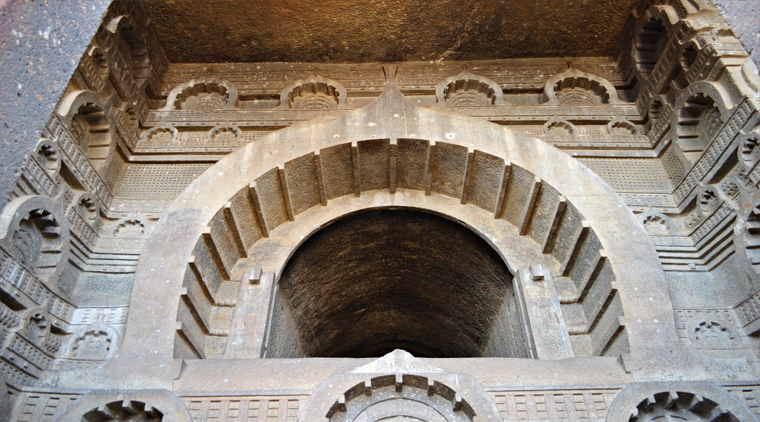
- Karla and Bhaja Buddhist cavesBeautiful rock-cut Buddhist caves from around the 2nd to 3rd century BC, maintained by the Archaeological Survey of India and open about 9 am to 5 pm. Karla entry is around 25 rupees for Indian, SAARC and BIMSTEC visitors and about 300 rupees for other foreign nationals, with children up to 15 free; the ASI online ticket is cheaper at about 20 and 250 rupees. Bhaja, near Malavali, has a similar small ASI ticket of roughly 25 rupees Indian and 300 foreign. The Ekvira Devi temple shares the Karla hill, reached by a steep climb of roughly 200 to 350 steps.
- Bhushi Dam, in the monsoonFree to enter and famous in the rains, when water tumbles over its masonry steps into a natural cascade. It is best from about June to September, but in heavy rain the district authorities restrict access for safety, swimming and sitting under the falls are banned, and the spot is named in the annual prohibitory order, so follow the on-site rules and never wade in. Out of the monsoon it is largely dry.
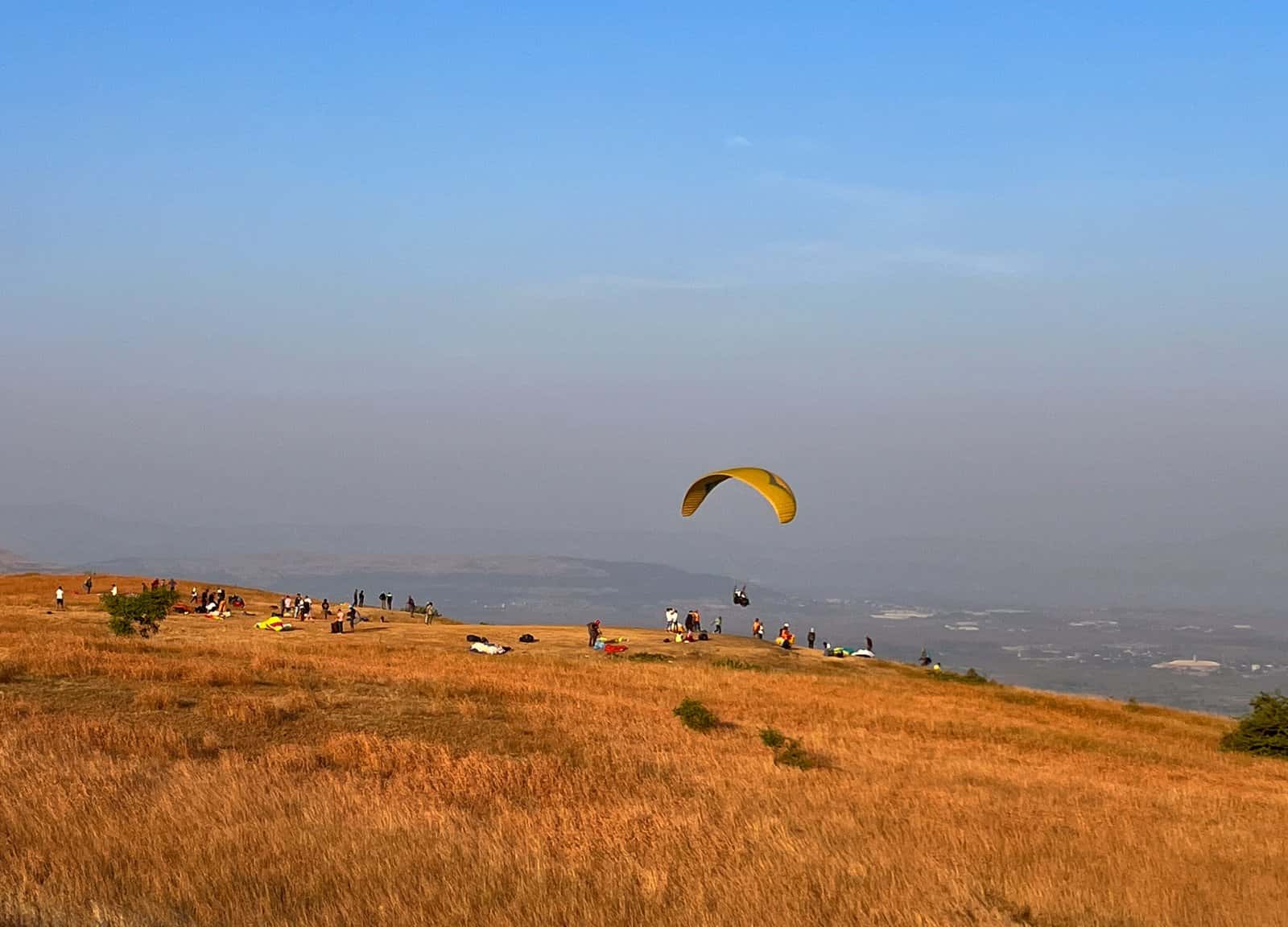
- Tiger's Leap and Lion's PointTwo ridge-top viewpoints close together on the road towards Aamby Valley, about 12 km from the station, with sweeping Sahyadri valley views and small monsoon waterfalls nearby. Both are free. A PMRDA glass skywalk to link them is planned but not yet built, so do not expect it on a current visit. Avoid these points after dark, both per police advice and because they fall under the monsoon order.
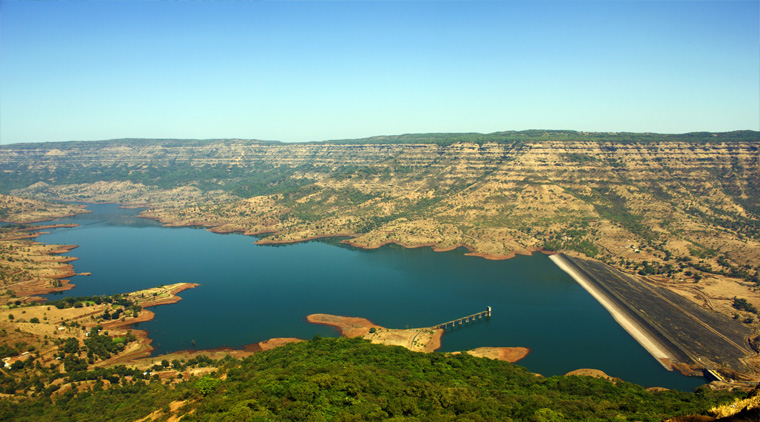
- Lonavala Lake and Pawna LakeLonavala Lake, about 1.6 km from town, fills in the monsoon and dries to green grass in winter. Pawna Lake, about 14 km away, is the region's favourite for lakeside camping and kayaking and the natural overnight option for a younger group, though it too is named in the monsoon order, so book a reputable camp and follow the water rules.
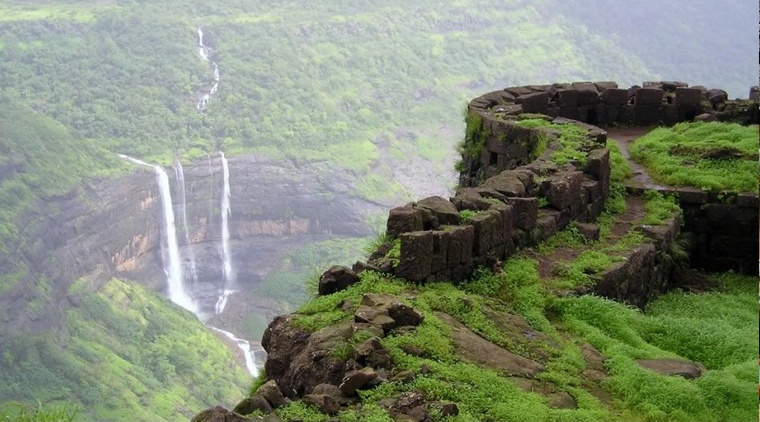
Lohagad and Visapur are the classic Sahyadri trek forts and a monsoon favourite, but Lohagad is about an 11 km round climb from Malavali station, Visapur is taller and rougher, and the trails are dangerously slippery in the rains, so they suit fit walkers in proper shoes, not a casual viewpoint stop. Both are named in the monsoon prohibitory order, which can close them outright in heavy rain, so check before you set out and turn back rather than push on in dangerous weather.
Signature experiences in Lonavala
Beyond the viewpoints, these are the things people remember, and how to arrange them honestly.
- Buy chikki, the Lonavala sweetThe town is famous for chikki, a hard peanut-and-jaggery brittle, sold by dozens of shops in the market alongside fudge and dry fruits. It is the classic thing to carry home, the shops let you taste before you buy, and an hour browsing the market is a genuine part of a Lonavala visit, not a tourist trap. Buy from a busy, established shop and you will not go wrong.
- Camp overnight at Pawna LakeAbout 14 km from Lonavala, Pawna Lake is the region's most popular camping spot, with lakeside tents, bonfires, kayaking and fort views at sunset. Overnight packages commonly run about 999 to 5,000 rupees per person depending on tent type, washroom standard and meals, so confirm exactly what is included, especially private washroom access and parking, before you book, and book ahead on weekends and in the post-monsoon months.
- Della Adventure Park for the thrill-seekersOne of India's largest adventure parks, about 36 acres with around 50 activities from zip lines and ATVs to zorbing. Great for groups and families with older children. Activities are priced individually or as packages, so check the current rates and book ahead on busy weekends when it fills up fast.
- Trek a Sahyadri fortLohagad and Visapur, near Malavali, are the classic monsoon treks with green hills and seasonal waterfalls. Go with proper shoes and ideally a local guide, start early, carry water, and skip them in the heaviest rain when the rock is dangerously slick and the prohibitory order may close them. They are a real hike, not a stroll, so judge your fitness honestly.
- Eat the hill-station street foodHot vada pav, roasted corn and piping masala tea are the Lonavala staples, perfect in the cool monsoon mist. The market and the stalls near the dam and viewpoints are full of them. Eat where it is busy and freshly cooked, carry hand sanitiser, and you will enjoy the best of it without an upset stomach.
If you do only one thing, make it a clear-air morning at a ridge viewpoint or a misty walk by a waterfall on a day the spots are open. The trouble is the monsoon, which delivers the famous green, is also when access is most restricted and the crowds are heaviest. The trick is to go early, on a weekday if you can, check that the spot is open that day, and never trade a photograph for a step onto a wet rock above moving water.
Where to stay in Lonavala, and how to choose
Stay in or near the town for the caves, market and station, or out by Pawna Lake or on the green edge for quiet and views. The right base depends on whether you want convenience or calm.
- In or near Lonavala townWalking distance to the market, the chikki shops and the station, and the most convenient base for the caves and the ridge viewpoints by car. Busier and more built-up, but the easiest if you have no vehicle or want to do the sightseeing loop without a long transfer each morning. Best for first-timers and short stays.
- Khandala and the green edgeThe twin hill station of Khandala, just alongside, and the quieter resort belt on the outskirts give you valley views, gardens and pools at the cost of needing transport into town. Better for couples, honeymooners and anyone who wants to slow down and look at the hills rather than be in the bustle.
- Out by Pawna LakeAbout 14 km away, Pawna Lake is the base for lakeside camping and a younger, outdoorsy weekend, with tents, bonfires and kayaking. It is calm and scenic but remote from the town sights, so it suits a camping-led trip rather than a caves-and-market one. Book a reputable operator and confirm the washroom and parking detail.
- How the seasons change your choiceIn the monsoon, a stay with covered space and a view you can enjoy from indoors earns its keep, because the rain can pin you down for hours. In the clear October to February window, the resort belt and the lake come into their own with open evenings outdoors. Match the base to the season as much as to the budget.
Lonavala is the weekend escape for two huge cities, so rooms and camps are dearest and scarcest on monsoon weekends and on long weekends, when demand from Mumbai and Pune peaks. If your dates are fixed to a weekend in the rains, book well ahead, and consider arriving Friday or staying through to Monday to dodge the worst of the Saturday crowd. Midweek is both cheaper and calmer.
Lonavala costs and a realistic budget
Lonavala is gentle on the wallet outside peak weekends. Here is what the main things cost, so you can plan and avoid being overcharged.
- The fixed-price thingsThe Karla and Bhaja caves are ASI-ticketed at about 25 rupees for Indians and about 300 rupees for foreign nationals, with children up to 15 free, and the ASI online ticket is cheaper at about 20 and 250 rupees. Bhushi Dam, Tiger Point, Lion's Point and Lonavala Lake are free to enter. These are the rare prices in town that are not negotiable, so they make a useful anchor.
- Camping and adventurePawna Lake overnight camp packages commonly run about 999 to 5,000 rupees per person depending on tent type, washroom and meals. Della Adventure Park charges per activity or by package, so check the current rates. Confirm exactly what each price includes, because the cheap headline camp rate often excludes a private washroom and parking.
- Getting aroundA train ticket from Mumbai or Pune is cheap. The real cost is the local sightseeing, where you will want a car or a hired auto for the day to reach the scattered caves, viewpoints and lakes. Agree the day rate and the spots covered with any auto or taxi before you start, as quotes to visitors run high and the route matters.
- Cash, cards and the marketCafes, hotels and bigger chikki shops take cards and UPI, but small stalls, the street food and some autos run on cash, and there are bank ATMs in town. Carry enough cash for the day, keep small notes for the stalls and tips, and bargain gently in the market.
Everything except the caves ticket is either free or negotiable, so the single habit that keeps a Lonavala trip cheap is to agree the price before anything begins, whether that is a full-day auto or taxi for the sightseeing loop, a Pawna camp package, or a market purchase. Settle the route and the rate first, ask what a camp price actually includes, and the town's only real friction, the overcharged transfer, simply disappears.
Practical logistics: weather, transport, money and connectivity
The small things that make a Lonavala day smooth, from the rain gear you actually need to ATMs, transport and signal.
- Pack for the season you choseIn the monsoon, bring a proper rain jacket rather than just an umbrella, shoes with grip, and a dry bag for your phone and camera; the rain is heavy and constant and ordinary shoes are lethal on wet rock. In the clear window, a light layer for cool evenings is enough. Either way the hills are cooler than Mumbai or Pune, so plan accordingly.
- Getting around the scattered sightsThe town is walkable but the caves, viewpoints, Pawna Lake and forts are spread out and poorly served by public transport, so hire a car or a day auto, or join a tour for the sightseeing loop. In heavy rain some approach roads and spots close under the prohibitory order, so keep your plan flexible.
- Money and ATMsBank ATMs are in Lonavala town. Cards and UPI work in hotels, cafes and bigger shops, but the street food, small stalls and some autos are cash places, so draw cash and keep small notes. There is no need to carry large sums, but do not rely on cards at the stalls.
- SIM, signal and languageMobile coverage in town and along the expressway is generally good, though it can drop in the deeper valleys and on the fort trails. Marathi and Hindi are the local languages and English is widely understood in the tourist trade, so communicating is easy. Get an Indian SIM or eSIM at the airport if you are arriving from abroad.
Safety, the water danger, and staying well
Lonavala is easy and welcoming, but the monsoon that makes it special also brings a real and recurring water danger. A little awareness keeps the trip happy and safe.
- Never enter the water at dams or falls in the rainsLevels surge suddenly in heavy rain and the rocks are lethally slippery. In June 2024 a family was swept away near Bhushi Dam, which is why the spots are now under a prohibitory order each monsoon. Stay behind the barriers, do not sit under or wade into moving water, do not climb out onto wet rock for a photo, and keep children firmly back. This is the single most important safety rule in Lonavala.
- Respect the prohibitory order and the timingsEach monsoon the Pune district administration restricts named spots under Section 163 of the BNSS, with breaches punishable under Section 223 of the BNS, and the police advise against the viewpoints after dark. Do your sightseeing by day, be back in town by evening, and treat a closed-spot sign as final. The order renews annually, so reconfirm the current dates and rules before a rainy-season trip.
- Treks and slippery trailsThe fort trails to Lohagad and Visapur are dangerously slick in heavy rain. Wear proper shoes, carry water, start early, go with a guide if you can, and turn back in dangerous weather rather than pushing on. Most monsoon mishaps in the hills are slips and falls, not anything dramatic, so good footwear and good judgement matter more than anything.
- Health, food and trafficDrink bottled or filtered water, eat street food where it is busy and freshly cooked, and carry any personal medication, as the town has pharmacies but limited specialist care. On weekends the expressway and the town are heavily congested, so build in extra time and drive carefully in the rain.
If it is the monsoon and there is moving water, stay out of it and stay back from it. Every serious Lonavala incident comes down to someone entering or sitting in fast water or stepping onto wet rock above it. The waterfalls are wonderful to watch from a safe distance, and no photograph is worth a step closer. Follow the barriers and the official restrictions without exception, and the trip stays the gentle green escape it should be.
Lonavala for every kind of traveller, and on access
Lonavala suits very different visitors in different ways. Here is what it offers you, and the one tip that matters for each, including how a senior visits comfortably.
- Couples and honeymoonersA romantic, misty-green weekend with quiet hill resorts, easy viewpoints and lakeside evenings. The monsoon is the most atmospheric, but October to February is the most comfortable for relaxed outings. Stay on the green edge or in Khandala rather than the busy town core for the softer mood.
- Families with childrenEasy and fun, with the adventure park, the caves, the chikki shopping and the street food. The one hard rule is to keep children well away from the dam and waterfall water in the monsoon, when it is genuinely dangerous; hold small hands near any moving water and do not let anyone climb the wet rocks.
- Friends and young groupsThe Pawna Lake camp, Della Adventure Park and the fort treks make a lively weekend. Book the camp and the park ahead on monsoon weekends, confirm what the camp price includes, and respect the water and trail rules so the trip stays fun rather than risky.
- Trekkers and campersLohagad, Visapur and Rajmachi are the classic Sahyadri monsoon treks, and Pawna Lake is the camping base. Go early, with proper shoes and a guide, carry water, and respect the weather and the prohibitory order; the same rain that makes it beautiful makes it dangerous, so judge conditions honestly and turn back when you should.
- Senior travellers and on accessibilityVery doable if you focus on the drives, the viewpoints reachable by car, the market and the caves at a gentle pace, and choose the dry October to February window to avoid slippery monsoon rocks. The steep climb of roughly 200 to 350 steps to the Ekvira temple at Karla is the main barrier, so it is fine to admire the caves and skip the temple climb. Skip the long fort treks, and you have a comfortable, scenic trip.
How long to spend, and a suggested plan
Lonavala is a short break, not a long holiday. One to two nights from Mumbai or Pune is the sweet spot, with 2 to 3 days enough for the highlights, paired with neighbouring Khandala.
- One to two nights is idealA single night covers the caves, a viewpoint or two and the market; a second night adds Pawna Lake camping, the adventure park or a fort trek. Two to three days is the comfortable span for the highlights without rushing, and it pairs naturally with the twin hill station of Khandala just alongside.
- Day one, the loopStart early at the Karla and Bhaja caves before the heat and the crowds, admiring the rock-cut halls and, if you are fit, climbing to the Ekvira temple. Carry on to the ridge viewpoints at Tiger Point and Lion's Point for the valley views, then come back to town for the chikki market and street food in the late afternoon, and rest by evening.
- Day two, your choicePick one: a Pawna Lake morning with kayaking, a fort trek to Lohagad if you are fit and the weather allows, or a relaxed day at Della Adventure Park. In the monsoon, check that your chosen spot is open under the current order before you set out, and keep a wet-weather fallback like the market or the park in reserve.
- Pick your season before anything elseDecide between the monsoon green (June to September, atmospheric but crowded, wet and restricted) and the clear window (October to February, easier and comfortable), then build the trip around it. The experience is genuinely different, and the season decides what you can realistically see and do.
The single thing that breaks a tight Lonavala plan is a monsoon Saturday, when the expressway clogs and every viewpoint and the market are packed shoulder to shoulder. If you can, travel midweek, or at least start each sightseeing morning early and be ahead of the day-trippers from Mumbai and Pune. An early start and a flexible order of stops turns a frustrating jostle into a calm, scenic break.
The real questions travellers ask about Lonavala
Straight answers to the questions that come up again and again on traveller forums, so you arrive already knowing the score.
- Is Lonavala worth it, or overrated?It is worth it for what it is: an easy, green Sahyadri break a couple of hours from two big cities, not a once-in-a-lifetime destination. The disappointment comes from going on a packed monsoon weekend expecting solitude, or in dry summer expecting waterfalls. Match your season and your expectation and it delivers; treat it as a quiet headline trip and it will not.
- Is the monsoon really the best time?The monsoon gives the famous mist and waterfalls, so it is the most beautiful, but it is also the most crowded, the wettest, the slipperiest and the most restricted, with a legally enforced safety order. If you want the green and accept the trade-offs, come in the rains on a weekday. If you want comfort and clear views, come October to February instead.
- How many days do I need?One to two nights, or 2 to 3 days, covers the highlights comfortably: the caves, the viewpoints, the market, and one of a lake, a trek or the adventure park. A single packed day from Mumbai or Pune is possible but rushed, and anything beyond three days is more time than the place really needs.
- Train or drive from Mumbai or Pune?Take the train to reach Lonavala itself; it is frequent, cheap, scenic and often faster than the clogged weekend road. But hire a car or a day auto for the local sightseeing, because the caves, viewpoints and lakes are scattered and not reachable by train. Many visitors train in and arrange a vehicle on the ground.
- Are the dams and waterfalls open in the monsoon?Sometimes, and sometimes not. The famous spots are best in the rains but fall under the annual prohibitory order, which can restrict or close them in heavy rainfall and after a set evening hour. There is no permanent answer, so check the current order and the on-site signs that day, and never enter the water regardless.
- Can a senior or someone with limited mobility enjoy it?Yes, with the right plan. Focus on the car-reachable viewpoints, the market and the caves at a gentle pace, come in the dry October to February window, and skip the steep Ekvira temple steps and the fort treks. Stay somewhere with a view you can enjoy without walking far, and Lonavala is a comfortable, scenic trip.
Planning Lonavala from abroad
Lonavala is not a reason to fly to India, but it is a lovely green escape if you are already in Mumbai or Pune. Here is the honest framing and what to know first.
- Treat it as a side trip, not a headlineLonavala has no airport and is not a destination you cross the world for. But if you are in Mumbai or Pune for business, family or a wedding, it is an easy 2 to 2.5 hour green escape into the Western Ghats, best over a weekend. Frame it that way and it is a delight; expect a marquee hill station and you will wonder what the fuss is about.
- Arrive through Mumbai or PuneFly into Mumbai (about 104 km from the international airport) or Pune (about 64 km), then reach Lonavala in about 2 to 2.5 hours by train or road. Pune is the closer gateway. There are no international flights to Lonavala itself, so plan the transfer from your gateway city into your schedule.
- Come in the clear window if you canThe monsoon green is famous but crowded, slippery and under a legally enforced safety order. For a smoother first visit, October to February gives clear views and easy walking, which suits visitors not used to the heavy Sahyadri rains. If you do come in the rains, expect crowds, carry serious rain gear, and respect every water restriction.
- Know the monsoon water dangerThe one thing to internalise is the water rule. People drown near these dams and falls in the rains, which is why the spots are restricted after the 2024 Bhushi Dam tragedy. Enjoy the waterfalls from a safe distance, never wade in or sit under moving water, and keep any children firmly back. With that single rule, Lonavala is a safe and gentle escape.
Money, connectivity and timing for foreign visitors
The practical basics an overseas traveller needs for a short hill-station side trip: cash, cards, a SIM, the foreign caves fee, and how much time to give it.
- Carry cash, expect to bargain a littleCards and UPI work in hotels, cafes and bigger shops, but the street food, small stalls and some autos are cash places, and transport quotes to visitors run high. Draw cash at the town ATMs, keep small notes for the stalls and tips, and agree any auto or taxi day rate before you start.
- Know the foreign caves feeAt the Karla and Bhaja ASI caves, foreign nationals pay about 300 rupees against about 25 for Indians, with children up to 15 free, and the ASI online ticket is cheaper at about 250. It is a small sum, but worth knowing so the gate price does not surprise you. Carry your passport for any ASI or ticketing check.
- Get a SIM at the airportPick up an Indian tourist SIM or an eSIM when you land in Mumbai or Pune rather than hunting for one in a small hill town. Coverage in Lonavala town and on the expressway is generally good, though it drops in the deeper valleys and on the fort trails, so download offline maps before you head to the viewpoints.
- How long to give it on a bigger tripOn a wider India or Maharashtra trip, one to two nights in Lonavala is the right weight as the green pause between Mumbai and Pune, enough for the caves, a viewpoint and the market without slowing the whole itinerary. October to February is the comfortable window; the monsoon is for those who specifically want the cascades and accept the crowds and restrictions.
Lonavala is an unusually gentle slice of India: green, walkable in parts, and easy to reach from Mumbai or Pune, which makes it a calm counterpoint to the intensity of the cities. Slot it as a weekend side trip, give it a night or two, come in the clear months for the smoothest first taste, and respect the monsoon water rules if you visit in the rains. Many overseas visitors find it a restful break that asks very little of them and gives back a lot of green.
Lonavala as a quick weekend break for Indian travellers
For travellers from Mumbai, Pune or anywhere on the rail map, Lonavala is the classic short hill escape, on the line and the expressway between the two cities.
- The train is your friendFrom Pune there are roughly 20 local trains a day at about 45 to 60 minute intervals, plus expresses, and from Mumbai it is about 2 to 2.5 hours, so the train is cheap, frequent, scenic and usually faster than the jammed weekend expressway. Train in to Lonavala, then arrange a car or a day auto on the ground for the scattered sights.
- Self-drive on the ExpresswayThe Mumbai-Pune Expressway makes the drive short, about 1.5 to 2 hours from Mumbai and 1 to 1.5 hours from Pune, but it clogs badly on monsoon and long weekends. Start early, on a Friday evening or before dawn, to beat the crush, and build in extra time for rain.
- Go midweek for calm, or plan the weekend carefullyA weekday in the clear months is gentle and uncrowded. If you can only go at the weekend in the rains, book your stay well ahead, start your sightseeing early, and accept that the famous spots will be busy and may be restricted under the monsoon order. Midweek is the open secret to a calm Lonavala.
- Pair it with Khandala, the caves and the fortsMost Indian travellers do Lonavala and the twin hill station of Khandala together, and a longer break adds the Karla, Bhaja and Bedsa caves and a Lohagad or Visapur trek, which is the shape WayToIndia's own Lonavala tours follow. It makes a full, varied weekend rather than a single-spot stop.
Why a 2,000-year-old cave still stands above the expressway
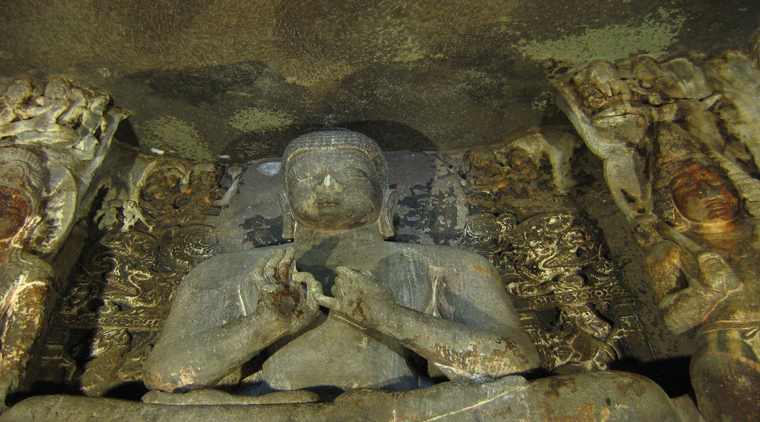
The Karla Caves above Lonavala hold the largest rock-cut chaitya, or Buddhist prayer hall, in India, carved by hand into the basalt of the Western Ghats from around the 2nd to 1st century BC. Its great horseshoe window once threw light onto a stupa at the far end, and a row of carved elephants and donor figures still lines the entrance. The caves sat on an ancient trade route through the ghats, funded by merchants and guilds whose names are inscribed in the stone, and today the Ekvira Devi temple shares the same hill, so the climb mixes pilgrims and travellers as it has for centuries. There is no single tidy legend to quote here, and any page that gives you one is inventing it; what is real, and more striking, is that a hall this old, this precise, and this beautiful still stands a short drive from one of the busiest expressways in India, waiting for anyone willing to climb the steps.
Planning a Lonavala trip?
Our Maharashtra travel experts plan your full journey for you: route, hotels, darshan timings and transport. You get a free day-by-day plan and an exact quote on WhatsApp, usually within a few hours. No payment is needed to get your plan.
Tour packages that visit Lonavala
Every journey below is private, hand-crafted and fully customizable. Tell us your dates and we tailor the itinerary, the pace and the priests or guides around you.
 6D / 5N
Lonavala Khandala Tour Package
- Visit Haji Ali Dargah
- Visit Siddhi Vinayak Temple
 4D / 3N
Lonavala Tour
- Visit Chaupati beach & Marine drive
- Visit Lonavala
 13D / 12N
Maharashtra Tour
- Visit Gateway of India
- Visit Elephanta Caves
 7D / 6N
Best Of Western Hill Tour
- Visit Gateway of India, Elephanta caves Sightseeing of Khandala & Karla
- Visit Aga Khan Palace