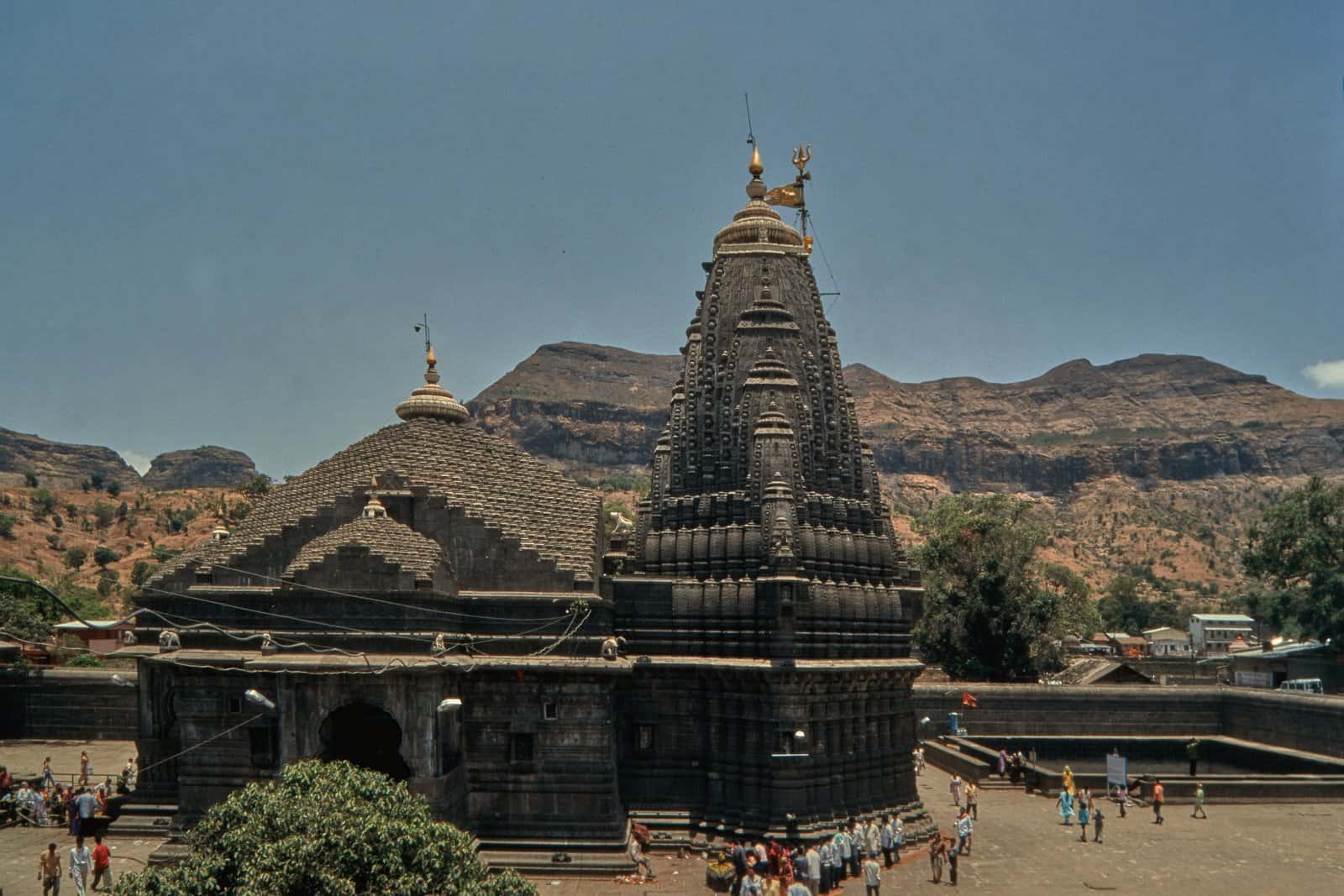
Nasik Travel Guide
The best months are October to March , and wine travellers should aim at the grape-harvest season , roughly late January to March, when the wineries are at their most active.
When to visit Nashik, and the grape-harvest season to plan around
The best months are October to March, and wine travellers should aim at the grape-harvest season, roughly late January to March, when the wineries are at their most active.
- October to March: cool, clear and the prime windowThe comfortable season, pleasant by day and genuinely crisp at night in December and January, so carry a layer. This is when the vineyards, the Panchavati ghats and the Trimbak day trip are all at their easiest, and the city is at its liveliest.
- Late January to March: the grape harvestThe winemaking season, when the grapes are picked and crushed and the wineries run their fullest tours, sometimes with grape-stomping. If wine is the reason you are coming, this is the window to target. Late March afternoons start to warm up, so do the open sights early.
- April to June: hot, and best for a quick visit onlyHigh summer on the Deccan plateau is hot and dry, tiring for the Pandavleni climb and the open ghats. The wineries still pour, but a long midday outdoors is no fun, so keep the hot hours for a tasting room or a rest.
- July to September: green monsoon, and Kumbh in 2027The monsoon turns the Sahyadri hills lush and brings waterfalls around Trimbak, but also heavy rain. Note that the main Kumbh bathing days fall in this window in 2027, so the city will be extraordinarily crowded then, covered in the Kumbh section below.
The grape harvest, roughly late January to March, is the best time to see the wineries actually working. SulaFest, the big vineyard music festival, has historically landed around early February in some years but has not run every year, so do not build a whole trip around it without confirming on Sula's official channels first. For most travellers, a cool weekend any time from October to March is ideal, and a harvest-season visit is the bonus if your dates allow.
How to reach Nashik
Most travellers reach Nashik by road from Mumbai or Pune, or by train to Nashik Road station. The local Ozar airport has only limited flights.
- By road from MumbaiMumbai is the main gateway, about 165 to 185 km away, roughly 4 to 5 hours by car or bus on the Mumbai-Agra highway. It is the most common way in, and an easy weekend run for Mumbaikars. We can arrange a car with an experienced driver for the trip.
- By road from PunePune is about 210 km away, roughly 5 hours by road. This is the usual approach for travellers coming up from Pune or the south, and it pairs naturally with a Shirdi stop on the way.
- By train to Nashik Road (NK)Nashik Road railway station, code NK, about 8 to 9 km from the city centre, is a busy stop on the Mumbai line with frequent fast trains. It is the reliable rail option; take an auto or taxi for the short hop into the city or out to the vineyards. Book on IRCTC ahead in season.
- By air, with a caveatNashik's own Ozar airport, about 20 to 24 km from the city, has only limited and changeable flights, so check current routes before relying on it. For most travellers the practical air gateways are Mumbai and Pune, then road or rail from there.
Fly into Mumbai, the nearest major international airport, then drive about 4 to 5 hours to Nashik or take a fast train to Nashik Road. Nashik pairs well with a Mumbai start and an onward Aurangabad and Ellora loop.
Fly into Mumbai or Pune, then reach Nashik by road or rail. The wine country and the temples sit easily on a Maharashtra circuit with Shirdi and Aurangabad.
Take a train to Nashik Road on the Mumbai line, or drive from Mumbai or Pune. Nashik Road station is the simplest way in by rail, with the short hop into town by auto or taxi.
The wineries, Panchavati, Pandavleni and Trimbakeshwar
Nashik's sights split into wine country, the Panchavati temple cluster on the Godavari, the Pandavleni caves and the Trimbakeshwar Jyotirlinga a short drive out of town.
- Sula Vineyards and the wine countryIndia's most famous winery, on the Gangapur road, with guided tours, a tasting room and restaurants overlooking the vines and Gangapur Lake. York and Soma sit on the same dam-side stretch, so wine travellers do two or three in a half-day. Fees and timings are in the experiences and costs sections below.
- Panchavati and RamkundOn the north bank of the Godavari, this is the heart of religious Nashik: Ramkund, the sacred bathing tank, the black-stone Kalaram Temple, the Sita Gufa cave and the Kapaleshwar Temple, all walkable together. Hindus revere this as part of Rama's exile in the Ramayana, told here as living tradition.
- Pandavleni Buddhist cavesA group of about 24 rock-cut Buddhist caves on a hill at the city's edge, carved from roughly the 3rd century BCE, protected by the Archaeological Survey of India. There is a climb of a few hundred steps to a quiet, ancient set of viharas and prayer halls, best done early in the day.
- Trimbakeshwar JyotirlingaOne of the twelve Jyotirlingas of Shiva, in a separate temple town about 28 to 30 km away at the source of the Godavari. It is a major pilgrimage in its own right, with stricter dress rules at the sanctum, and makes a half-day trip from Nashik. See the dedicated note in the experiences section.
Nashik asks for two wardrobes. At the wineries you can dress as you like. At Panchavati, Ramkund and especially Trimbakeshwar you are in deeply religious spaces: cover shoulders and knees, remove shoes where asked, and at the Trimbakeshwar inner sanctum men face a traditional dhoti rule. Carrying a light scarf or shawl and slip-off footwear makes the temple half of your trip easy, and keeps you respectful in a living pilgrimage city.
Signature experiences in Nashik
From an honest winery tour to the Panchavati walking circuit and the Trimbak darshan, here is how to do the experiences people remember, and the fees and timings that matter.
- A Sula winery tour and tastingThe signature Nashik experience. Entry is about 600 rupees per person on weekdays and about 1,000 rupees on weekends, with a large part redeemable inside the estate. The guided tour with a tasting of six wines is about 600 rupees on weekdays and about 700 rupees on weekends. Tours run roughly 11:30 am to 7:30 pm on weekdays and to 8:30 pm on weekends; pre-book the tour on the official site to skip the queue.
- Vineyard hopping: York and SomaBeyond Sula, York Winery on the Gangapur-Savargaon road runs its tasting room about 12 noon to 10 pm daily, with a tasting charge recently around 500 rupees, and lovely views over the Gangapur Dam. Soma Vine Village is on the same stretch. With a designated driver you can do two or three wineries in a relaxed half-day.
- The Panchavati walking circuitStart at the Kalaram Temple (open broadly about 6 am to 9 or 10 pm), walk a minute to the Sita Gufa cave (open roughly 6 am to 9 pm, free), then on to Ramkund and the adjacent Kapaleshwar Temple. All are free, all are walkable, and an early morning here, before the heat, is the gentlest way to feel the city's old soul.
- The Pandavleni caves climbA climb of a few hundred steps to the rock-cut Buddhist caves, with a long view back over the city. The entry fee is modest, currently about 20 rupees for Indians and about 250 rupees for foreign visitors (some sources still show the older about 25 and about 300 rupees), so figures vary, reconfirm at the gate. Go early, carry water, and allow an hour or two.
- A Trimbakeshwar darshanA half-day trip to the Jyotirlinga town, about 28 to 30 km away. General darshan is free and the temple is open broadly from about 5:30 am to 9 pm; a paid Sheegra (faster) darshan is commonly around 200 rupees. Dress conservatively, expect queues on weekends and festival days, and reconfirm the inner-sanctum rules.
- Sunset over the vines or the GodavariEnd a wine day with sunset from a Sula or York tasting terrace over the lake and vineyards, or end a temple day at the Godavari ghats as the evening aarti begins. Both are quiet, free pleasures that a rushed bus tour skips.
Maharashtra has a strict drink-driving law, with a very low legal limit close to zero, so never drive yourself back from a tasting. Hire a car with a driver for the day, or use a taxi between wineries, and let one person stay dry if you are a self-driving group. A driver for a full day of vineyard hopping is commonly around 2,500 to 4,000 rupees, far cheaper than the alternative, and it turns the only real risk of a Nashik wine day into a non-issue.
Where to stay in Nashik, and how many nights
Stay in the city and Nashik Road area for the temples, the station and value, or out by the Gangapur dam and the vineyards for a wine weekend. One to two nights is the sweet spot.
- City and Nashik Road: handy and good valueHotels in the city centre and near Nashik Road station are close to Panchavati, the bus and train links and a wide range of budgets. Best for pilgrims, train arrivals and anyone who wants the temples and the city without a long drive each day.
- Gangapur dam and vineyard side: the wine weekendResorts and vineyard stays out on the Gangapur road, including the Sula-run Beyond and The Source, put you among the vines with lake views, but you need a car for the city and the temples. Best for couples and friend groups built around the wine country.
- How many nightsOne to two nights is right for most: one day for the wine country and one morning for Panchavati with an afternoon to Trimbakeshwar. Add a night if you want a slower wine weekend or are pairing Shirdi, about 85 to 90 km away, on the same trip.
- Room budgetsOff-peak, budget rooms run from about 1,200 to 2,500 rupees, mid-range about 2,500 to 6,000 rupees, and vineyard or boutique stays about 7,000 to 18,000 rupees. All rise during SulaFest, festivals and especially the 2027 Kumbh, so book ahead for those.
During the Simhastha Kumbh bathing days in 2027, accommodation across Nashik and Trimbakeshwar will be scarce and dear, sold months in advance, and the city will be extraordinarily crowded. If you want to witness the Kumbh, book very early and accept basic, expensive rooms; if you do not, simply avoid the main bathing windows, covered in the Kumbh section, and Nashik returns to its calm, affordable self.
Nashik costs and a realistic daily budget
Nashik is moderate on the wallet, with the wine day the main variable. Here is what the key things cost so you can plan and avoid overpaying.
- A rough daily budgetExcluding your room and long-distance transport, plan about 1,500 to 2,500 rupees a day as a budget traveller, about 4,000 to 7,000 rupees mid-range with a winery day, and about 10,000 rupees and up for a comfortable day with a private car and a vineyard lunch.
- The winery costsSula entry is about 600 rupees on weekdays and about 1,000 rupees on weekends, much of it redeemable inside; the tour with a six-wine tasting is about 600 to 700 rupees. York tasting is recently around 500 rupees. Budget for what you redeem against wine and food on top.
- The temple and caves costsPanchavati, Ramkund, Kalaram and Sita Gufa are free. Trimbakeshwar general darshan is free, with a paid Sheegra darshan commonly around 200 rupees. Pandavleni entry is modest, currently about 20 rupees for Indians and about 250 rupees for foreign visitors (older listings show about 25 and about 300), so the religious and heritage half of Nashik is very cheap.
- Getting around costsA hired car with driver for a full day of vineyard hopping is commonly about 2,500 to 4,000 rupees, the single smartest spend on a wine day. Autos and taxis cover the city and the short hop to the station; carry some cash for smaller vendors though cards and UPI are widely accepted.
Sula's entry fee is not money simply gone: a large part of it comes back to you as a coupon you redeem the same day against wine, food at the restaurants, or bottles in the shop. So an entry fee of about 600 rupees on a weekday is partly a credit, not a pure charge. Plan to use it, keep the coupon safe, and reconfirm the exact split on the official Sula site, since the amounts are subject to change.
Practical logistics: getting around, money, SIM and food
The small things that make a Nashik day smooth, from hiring a driver for the wine country to ATMs, language and the spread-out layout.
- Getting around a spread-out cityNashik is not compact: the wineries are 10 to 15 km out on the Gangapur road, Panchavati is across the river, and Trimbakeshwar is a separate town. A hired car with a driver for the day is the easiest way to cover it, especially for the wine country, and it solves the drink-driving problem too.
- Money and ATMsBank ATMs and card and UPI acceptance are widespread in the city and at the wineries. Carry some cash for the temples, autos and small vendors, but you will not struggle for money in Nashik.
- SIM, signal and languageMobile coverage is good across the city and reasonable at the vineyards. Marathi and Hindi are the local languages, with English understood in hotels, wineries and the tourist trade, so communicating is easy.
- Food and the temple-town ruleNashik has everything from vineyard fine dining to classic Maharashtrian thalis and famous local misal pav. Note that around the Panchavati and Trimbakeshwar temple zones, food is largely vegetarian and alcohol is not sold, so keep the wine to the vineyard side of your trip.
The Nashik Kumbh Mela, and the honest 2027 truth
Nashik and Trimbakeshwar host the Simhastha Kumbh roughly every 12 years, and it returns in 2027. Here is what is known, and what to reconfirm.
- The 12-year cycleThe Simhastha Kumbh comes to Nashik and Trimbakeshwar roughly every 12 years, tied to a particular planetary alignment. The last was in 2015, and the next is in 2027, with the bathing centred on Ramkund on the Godavari in Nashik and Kushavarta Kund in Trimbakeshwar.
- The 2027 programme, as listedThe official programme is widely listed as beginning with a flag-hoisting ceremony around 31 October 2026 and running into 2028, with the most significant royal bathing (Shahi Snan or Amrit Snan) days around August to September 2027. Treat these as the published plan and reconfirm the exact dates on the official Nashik Kumbh administration channels before building a trip around them.
- What it means for a normal visitIf you are not coming for the Kumbh, simply avoid the main 2027 bathing windows: the city will be extraordinarily crowded, rooms scarce and dear, and the temples and ghats packed. Outside those windows Nashik is calm and easy, even in 2027.
- If you do come for itBook accommodation and transport very far ahead, expect basic and expensive rooms, follow the official crowd-management and route advice, and keep valuables minimal in the crush. The Kumbh is an extraordinary human spectacle, but it demands patience, planning and caution in the crowds.
Many pages quote exact Kumbh bathing dates as certain. The cycle (about every 12 years, last 2015, next 2027) is reliable, and the flag-hoisting and Shahi Snan windows are published, but exact dates can be adjusted by the administration. Always reconfirm on the official Nashik Kumbh and Maharashtra government channels close to your travel, and never book non-refundable travel around an unconfirmed bathing date.
Safety, responsible drinking, and staying well
Nashik is a relaxed, welcoming city, but a wine trip and a pilgrimage city each carry their own simple cautions. A little awareness keeps the visit happy.
- Drink responsibly, and never drive after tastingMaharashtra's drink-driving limit is very low, close to zero, so never drive yourself back from a winery. Hire a car with a driver, pace your tastings, eat well at the vineyard restaurants, and keep one person dry if your group is self-driving. This single habit removes the only real risk of a Nashik wine day.
- Respect the pilgrimage cityPanchavati, Ramkund and Trimbakeshwar are living religious places, not photo backdrops. Dress modestly, remove shoes where asked, do not picnic or swim at the ghats, ask before photographing people at prayer, and keep the wine to the vineyard side of your trip away from the temple zones.
- Crowds, especially at festivals and the KumbhThe temple areas get very crowded on weekends, festival days and above all during the 2027 Kumbh. In crowds keep valuables minimal and zipped, hold children close, watch your footing on wet ghat steps, and follow any official route and crowd-control instructions.
- Heat, water and the caves climbDrink bottled or filtered water, take the usual care with street food, and in the warmer months carry sun protection and water for the Pandavleni climb and the open ghats. Do the climb and the outdoor sights in the cool of the morning.
Nashik is generally considered a relaxed, manageable city for solo women with standard precautions. The wineries are social, mixed and well-run, and the temple areas are busy and family-filled by day. Dress modestly near the temples, arrange a known driver or taxi for the spread-out vineyard side rather than walking unlit roads after dark, and prefer the busier areas in the evening, and Nashik is one of the easier Maharashtra cities to travel alone.
Nashik for every kind of traveller, and on access
Nashik suits very different visitors in very different ways, from wine-country couples to pilgrims. Here is what it offers you, and the one tip that matters for each, including how a senior visits comfortably.
- Couples and friend groupsNashik's wine country is made for this: a vineyard tour, a long tasting-terrace lunch and a lake sunset. Hire a driver so everyone can relax, and consider a vineyard stay for the full weekend experience.
- PilgrimsFor many visitors Nashik is purely a pilgrimage: Panchavati and Ramkund in the city, the Trimbakeshwar Jyotirlinga a short drive out, and Shirdi within reach. Stay in the city for the temples, start early to beat the crowds, and dress conservatively for the sanctums.
- Families with childrenEasy and varied, with the wineries (the vineyards and grounds are pleasant even if the children skip the tasting), the caves climb for older kids, and the temple circuit. Keep little ones close in the crowded temple areas and on the ghat steps.
- Senior travellers and on accessibilityVery doable with planning. Hire a car with a driver to avoid long walks between the spread-out sights, choose a city hotel near Panchavati to limit travel, take the temple visits in the cool morning, and be aware that the Pandavleni caves involve a real climb that some seniors may prefer to admire from below. Avoid the Kumbh crush if calm matters.
- Solo female travellersGenerally relaxed and manageable. Use a known driver or taxi for the vineyard side rather than unlit roads after dark, dress modestly near the temples, and prefer the busier areas in the evening. One of the gentler Maharashtra cities for solo women.
- Wine enthusiastsTime your trip to the late-January-to-March harvest, book the Sula tour ahead, and pair it with York and Soma for a fuller picture of Indian winemaking. A designated driver lets you actually taste across the day.
A suggested Nashik itinerary
How to shape one or two days so you balance the wine country and the temples, and fit Trimbakeshwar and even Shirdi if you have the time.
- Day one: the wine countryWith a driver, start late morning at Sula for the tour and tasting, lunch on the terrace, then drift to York and Soma in the afternoon for the dam views, ending with a lake sunset. Pace the tastings, eat well, and let the driver take the wheel.
- Day two, morning: PanchavatiStart early at the Kalaram Temple and Sita Gufa, walk on to Ramkund and Kapaleshwar while the light is soft and the crowds light, and feel the old religious heart of the city before the day warms up.
- Day two, afternoon: Trimbakeshwar or PandavleniDrive about 28 to 30 km to Trimbakeshwar for a Jyotirlinga darshan and the Godavari source, dressed conservatively, or stay closer and climb the Pandavleni caves. Either fills an afternoon well; pick the temple or the heritage hill by your interest.
- Adding ShirdiShirdi, the Sai Baba pilgrimage town, is about 85 to 90 km away, roughly two hours. Many travellers add it as a third day or fold it into the drive between Nashik and Pune. Expect queues at the Samadhi Mandir and start early.
The cleanest way to plan Nashik is to give the wine country its own day and the temples their own morning. Mixing a tasting and a Jyotirlinga darshan in the same few hours leaves you rushed and ill-dressed for one or the other, and the drink-driving law makes a same-afternoon dash from a winery to a temple a bad idea anyway. Two unhurried halves, with a driver, is the way Nashik works best.
The real questions travellers ask about Nashik
Straight answers to the questions that come up again and again on traveller forums, so you arrive already knowing the score.
- How many days do I need?Two days and one to two nights covers Nashik comfortably: one for the wine country and one for Panchavati and Trimbakeshwar. A single packed day can do Sula plus a temple if you start early, and you add a third day if you want Shirdi or a slower wine weekend.
- Can I do Sula, Trimbakeshwar and Shirdi in one day?It is possible with an early start and a driver, since Trimbakeshwar is about 28 to 30 km from the vineyards and Shirdi about 85 to 90 km out, but it is a long, rushed day. It is far better over two days, and the drink-driving law means you should not self-drive after a tasting anyway.
- What does Sula cost and do I need to book?Entry is about 600 rupees on weekdays and about 1,000 rupees on weekends, much of it redeemable inside; the tour with a tasting is about 600 to 700 rupees. You can walk in, but weekends are crowded, so pre-booking the tour on the official site saves a long wait. All fees are subject to change, so reconfirm.
- Is it worth visiting Sula on a weekend?Weekends are lively but crowded, with longer waits for the tour and a higher entry fee. If you can, come on a weekday for a calmer visit and a lower fee; if only the weekend works, pre-book the tour and arrive when it opens around 11:30 am.
- What about the Pandavleni caves timings and fee?The caves are open broadly through the day, with a modest entry fee currently about 20 rupees for Indians and about 250 rupees for foreign visitors (some sources still show the older about 25 and about 300), so figures vary, reconfirm at the gate. There is a climb of a few hundred steps, so go early and carry water.
- When is the Kumbh, and is 2027 confirmed?The Simhastha Kumbh returns to Nashik and Trimbakeshwar in 2027 on its roughly 12-year cycle, with a flag-hoisting around late October 2026 and the main bathing days listed around August to September 2027. The cycle is reliable, but reconfirm the exact bathing dates on the official Nashik Kumbh channels before planning.
Planning Nashik from abroad
Nashik is India's most accessible wine country and a living pilgrimage city in one, an easy add-on to a Mumbai trip. A little preparation makes the temple rules and the wine day easy to handle.
- Pair it with Mumbai and a Maharashtra loopFly into Mumbai, the nearest major international airport, and reach Nashik in about 4 to 5 hours by road or a fast train to Nashik Road. Nashik slots neatly onto a loop with Shirdi and the Aurangabad and Ellora caves, mixing wine country, pilgrimage and world-class heritage.
- Understand the two faces of the cityNashik is both a relaxed wine country and a deeply religious pilgrimage city. Dress freely at the wineries, but cover up and remove shoes at Panchavati and Trimbakeshwar, where men face a dhoti rule at the Trimbakeshwar inner sanctum. Carrying a scarf and slip-off footwear makes the temple half effortless.
- Know the drink-driving lawMaharashtra's drink-driving limit is very low, close to zero, so never self-drive after a tasting. Hire a car with a driver for the wine day, which is inexpensive and standard practice, and you can enjoy the tastings without worry.
- Senior-friendly with planningHire a driver to avoid long walks between the spread-out sights, stay near Panchavati to limit travel for the temples, and admire the Pandavleni caves from below if the climb is too much. Nashik is one of the gentler Maharashtra stops for parents and grandparents.
Money, connectivity and timing for foreign visitors
The practical basics an overseas traveller needs for a spread-out wine-and-temple city: cash, cards, a SIM, and how many days to give it on a wider India trip.
- Cards work, but carry some cashCards and UPI are widely accepted at the wineries, hotels and bigger restaurants, and ATMs are easy to find in the city. Carry some cash for the temples, autos and small vendors, but Nashik is an easy place to manage money.
- Get a SIM at the airportPick up an Indian tourist SIM or an eSIM when you land in Mumbai rather than hunting for one later. Coverage in Nashik is good in the city and reasonable at the vineyards, which matters for maps and ride-hailing across the spread-out sights.
- How long to give it on a bigger tripOn a Maharashtra trip, one to two nights in Nashik is the right weight: a wine day and a temple morning, with Shirdi or Aurangabad and Ellora before or after. It is the relaxed, scenic pause between Mumbai and the heritage caves.
- Time your visit to your comfortOctober to March is the comfortable window, with the late-January-to-March grape harvest the bonus for wine travellers. Unless you specifically want the Kumbh, steer clear of the crowded 2027 bathing days, and reconfirm those dates officially before you book.
Nashik is an unusually easy and varied introduction to India: a relaxed afternoon among the vines, a quiet dawn at the Godavari ghats, an ancient set of Buddhist caves, and a major Jyotirlinga all within a short drive. Slot it after Mumbai, give it a night or two, hire a driver so the wine day is worry-free, and let it be the gentle, scenic chapter before the grand caves of Ellora. Many overseas visitors are surprised that India has a wine country at all, and remember Nashik warmly for it.
Why Hindus revere Panchavati, and where wine country meets the Ramayana
Panchavati takes its name from five (panch) banyan trees (vat) on the north bank of the Godavari, and Hindus revere it as one of the places where Lord Rama, his wife Sita and his brother Lakshmana lived during their long exile in the Ramayana. Tradition holds that Sita sheltered in the cave now called Sita Gufa and was carried off from near here by the demon king Ravana, that Rama bathed at Ramkund, and that the very name Nashik recalls the episode where Lakshmana cut off the nose (nasika) of the demoness Shurpanakha. These are revered tradition and living faith, told here as such rather than as documented history, and no single passage fixes every detail. What is certain is the feel of it: a dawn walk from the black-stone Kalaram Temple to the Godavari ghats, where pilgrims have come for centuries, a short drive from vineyards that are barely a generation old. Few cities hold the very old and the very new so close together.
Planning a Nasik trip?
Our Maharashtra travel experts plan your full journey for you: route, hotels, darshan timings and transport. You get a free day-by-day plan and an exact quote on WhatsApp, usually within a few hours. No payment is needed to get your plan.
Tour packages that visit Nasik
Every journey below is private, hand-crafted and fully customizable. Tell us your dates and we tailor the itinerary, the pace and the priests or guides around you.
 6D / 5N
Lonavala Khandala Tour Package
- Visit Haji Ali Dargah
- Visit Siddhi Vinayak Temple
 19D / 18N
12 Jyotirlinga Tour Package from Delhi
- All Jyotirlinga darshans
- Ganga Aarti experiences