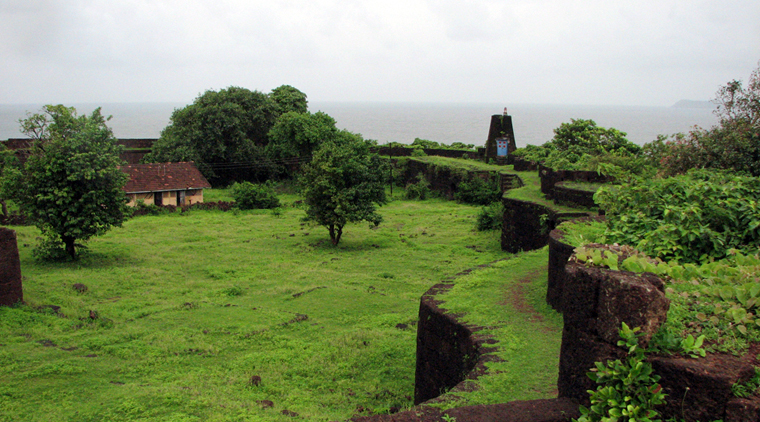
Raigad Travel Guide
The clear, comfortable window is roughly October to February . The Sahyadri monsoon is dramatic but the steps turn slippery and cloud can hide the views, and the ropeway runs all...
When to visit Raigad Fort, and the monsoon truth
The clear, comfortable window is roughly October to February. The Sahyadri monsoon is dramatic but the steps turn slippery and cloud can hide the views, and the ropeway runs all year with weather pauses only.
- October to February: clear and coolThe best stretch, dry and pleasant, with long views across the Sahyadri ranges from the plateau. Mornings can be genuinely cold and windy on top, so carry a layer even on a sunny day.
- The monsoon, June to September: green but trickyThe fort wrapped in cloud and waterfalls is unforgettable, and many Maharashtrian trekkers come precisely then. The trade-off is real: the stone steps get slippery, mist can swallow the views, and you should expect short ropeway suspensions in heavy wind or rain. Beautiful, but go prepared and flexible.
- March to May: hot on the open fortThe plateau is exposed with little shade, so the late-spring heat is tiring for both the climb and the walk around the top. If you come then, ride the ropeway up, start early, and carry plenty of water.
- Weekends and holidays fill upRaigad is close to Shivaji Maharaj's memory for Maharashtrians, so weekends, public holidays and the days around his coronation anniversary bring big crowds and long ropeway queues. A weekday visit is far calmer.
Many travel pages say the Raigad ropeway shuts for the whole monsoon. The operator's own FAQ says the opposite: the ropeway is open 365 days a year, with all-weather cabins, and only closes when wind levels are extremely high. So the real picture is occasional same-day weather suspensions in heavy rain or strong wind, not a seasonal shutdown. The one fixed closure is an annual technical maintenance break of about six days, which in 2026 ran about 23 to 28 February. If your dates are in late February or you are visiting in the monsoon, phone the operator on the day to confirm it is running before you drive out.
How to reach Raigad Fort
The base station is at Pachad near Mahad. Most visitors drive from Mumbai or Pune, or take a Konkan Railway train to Veer or Mangaon and finish by road.
- From Mumbai by roadAbout 140 km via Panvel and the Mumbai-Goa highway to Mahad, then up to the Pachad base, roughly 4 to 5 hours depending on traffic out of the city. This is the most common way in, and it pairs well with an overnight if you want an unhurried morning on the fort.
- From Pune by roadAbout 150 km, often via Tamhini Ghat, a gorgeous but lonely mountain road. It is a long half-day each way, so a day trip is tight; many Pune travellers stay a night at Mahad or on the fort rather than driving the ghat back after dark.
- By train to Veer or MangaonThe nearest railheads are on the Konkan Railway: Veer (Vir) is the closest at roughly 40 km by road, with Mangaon a comparable distance away. From either station take an MSRTC bus, a shared jeep or a taxi to the Pachad base. The district administration also lists Pen and Roha as Konkan Railway options, so pick the halt that suits your train.
- Nearest airportsThere is no airport near the fort. Mumbai and Pune are the practical air gateways, and you continue by road from there. Mahabaleshwar, about 75 km away, makes an easy add-on if you are already in the hills.
Fly into Mumbai, the main international gateway for the Konkan and western Maharashtra, then drive about 140 km to the Pachad base, or break the trip in Mumbai or Lonavala. Raigad has no flights or trains of its own.
Fly into Mumbai or Pune, then drive to the fort. Raigad sits naturally on a Mumbai, Lonavala, Mahabaleshwar and Konkan loop through Shivaji Maharaj's country.
Drive from Mumbai or Pune, or take a Konkan Railway train to Veer or Mangaon and finish the last stretch by MSRTC bus, shared jeep or taxi to Pachad. Book trains a little ahead in season.
The plateau: Shivaji's samadhi, the great gate and Takmak Tok
Raigad is a large, spread-out plateau of ruins and memory. The capital of Shivaji Maharaj's kingdom rewards a few unhurried hours, and a couple of edges deserve real caution.
- Shivaji Maharaj's samadhi and the Jagdishwar templeThe emotional heart of the fort. The samadhi of Chhatrapati Shivaji Maharaj stands in front of the small Jagdishwar temple on the plateau, where he was crowned in 1674. For Maharashtrians this is close to a pilgrimage, so visit quietly and with respect.
- Maha Darwaja and the royal ruinsThe Maha Darwaja, the great main gate, was the fort's strong point, and beyond it lie the ruins of the Raj Bhavan, the royal court and the old market street that once ran along the plateau. A guide at the base can bring these stones to life.
- Hirakani BurujA bastion tied to the much-loved legend of Hirakani, a milkmaid said to have climbed down the sheer cliff at night to reach her child, which is told as the reason the fort's gates were tightened. It is a famous story; treat it as cherished tradition rather than documented history.
- Takmak Tok, the cliff edgeThe execution point at the plateau's edge, with a sheer drop of hundreds of metres and strong winds. The view is immense, but stay well behind any barrier, keep children close, and skip the edge altogether in heavy mist or high wind.
Raigad is one of twelve forts in the Maratha Military Landscapes of India, inscribed on the UNESCO World Heritage List at the 47th session of the World Heritage Committee in 2025, India's 44th World Heritage property. Eleven of the forts are in Maharashtra, among them Shivneri, Rajgad, Pratapgad and Sindhudurg, with Gingee in Tamil Nadu. Knowing the network turns a single fort visit into a window onto the whole Maratha defence system.
Ropeway or trek: how to get to the top
The two ways up are the cable car and the historic step climb. Here is the honest comparison, the fares, and the trick most regulars use.
- The ropeway, the easy way upThe cable-car ride takes about 4 minutes and lands you near the upper station on the plateau, climbing the steep rock face that would otherwise be a long walk. It is the right choice for seniors, families with small children, and anyone short on time, and it runs roughly 8 am to 5 pm.
- What the ropeway costsA two-way adult ticket is about 325 rupees with effect from 1 April 2026, about 225 rupees for children aged 3 to 9 and for senior citizens, about 225 rupees for a one-way ticket, and a discounted about 300 rupees each for groups above 25; children up to 3 years and the physically disabled go free. Buy at the ropeway ticket office at the base, or book online; no reservation is needed for the ride.
- The step climb, the historic wayThe walking route is about 1400 to 1500 stone steps (the operator cites about 1450). A reasonably fit walker takes roughly 1.5 to 2 hours up, though the operator allows up to about 3 to 3.5 hours, so budget about 2 hours, carry water, and wear proper shoes. It is a real climb, not a stroll.
- The trick regulars useTake the ropeway up to save your legs and the morning, then walk down the steps to feel the history under your feet and skip the long evening descent queue at the ropeway. Going both ways by ropeway works too, but the up-by-cable-down-by-steps plan is the local favourite.
The ropeway package includes a small history museum and a documentary film about Fort Raigad at the base, designed to fill the waiting time before your ride, plus the cable-car trip itself. It is a genuinely useful primer, especially for overseas visitors and children who do not arrive knowing the Shivaji Maharaj story, so come a little early and use it rather than only queuing.
Signature experiences on Fort Raigad
Beyond ticking off the ruins, these are the things that make a Raigad day memorable, and how to time them.
- Dawn or dusk on the plateauIf you stay overnight at one of the station rooms on top, you get the plateau at sunrise and sunset almost to yourself, the ranges turning gold and the crowds gone. It is the single best reason to stay rather than day-trip, and the calm changes the whole feel of the place.
- Standing at Shivaji Maharaj's samadhiWhatever your background, a quiet few minutes at the samadhi in front of the Jagdishwar temple is the moment that gives the visit its weight. Read a little of the 1674 coronation story before you go and it lands far harder.
- The big view from Takmak TokThe cliff-edge panorama is the most dramatic on the fort, a sheer plunge to the valley with wind that tells you why this was a stronghold. Enjoy it from behind the barrier and well back from the edge, and not at all in mist.
- Walking the market street and gatesThe ruined bazaar street and the great gates let you picture the fort as a living capital rather than a viewpoint. A base guide or the museum film makes the difference between walking past stones and reading a city.
- Eat Maharashtrian at the station restaurantsThe operator runs pure-vegetarian restaurants at both the lower and upper stations, serving Maharashtrian and South Indian food and snacks. It is reliable, simple fuel for a long day on the fort, and there is little else on the plateau, so plan to eat here.
If you do only one thing slowly, make it the plateau itself, not the ropeway queue. Give yourself three to four unhurried hours to walk between the great gate, the royal ruins, the samadhi and Takmak Tok, ideally in the soft light of early morning or late afternoon. The fort is large and the meaning is in the walking, so a stay on top or an early start turns a tick-the-box stop into the day people remember.
Where to stay: on the fort, at Pachad, or in Mahad
You can sleep on the plateau itself, at the base near Pachad, or in Mahad town. Each suits a different kind of trip, and staying on top is the quiet luxury most people miss.
- On the fort, at the upper stationThe ropeway operator runs accommodation at both stations, with AC and non-AC rooms and non-AC dormitories. Sleeping on the plateau means sunrise and sunset to yourself and no morning queue. Rooms are simple and limited, so book well ahead, especially for weekends and holidays.
- At the base, near PachadThere are rooms and a dormitory at the lower station, and MTDC has a resort near Pachad at the base. This is the convenient choice if you want an early ride up without the climb and a comfortable base for the family.
- In Mahad townMahad, the nearest town, has simple hotels and is the practical fallback if the fort and base are full, or if you are breaking a long drive from Pune over Tamhini Ghat. It is an easy hop to the Pachad base in the morning.
- How many daysOne full day covers the ropeway and the main sights if you start early. An overnight, ideally on the plateau, is the sweet spot: it gives you dawn, dusk and an unhurried walk, and it removes the pressure of a long same-day drive from Mumbai or Pune.
The accommodation on top of the fort is limited and fills fast for weekends, public holidays and the coronation-anniversary period. Prior reservation is required for the rooms even though the ropeway ride itself needs no booking, so reserve through the operator well in advance if a night on the plateau is the plan, and have Mahad as a fallback.
Raigad Fort costs and a realistic day budget
Raigad is an inexpensive day out once you have reached the base. Here is what the fixed things cost so you can plan and avoid being overcharged.
- The ropeway, the main fixed costA two-way adult ticket is about 325 rupees with effect from 1 April 2026, about 225 rupees each for children aged 3 to 9 and for seniors, and about 225 rupees one way. Children up to 3 years and the physically disabled travel free. These operator rates are the rare fixed prices of the day, so they anchor your budget.
- Parking and small costsExpect base parking of around 100 rupees and small spends on water and snacks. Carry cash for parking and the stalls, even though the ticket office and bigger outlets may take cards or UPI.
- A rough day budgetExcluding the long drive in, a comfortable day on the fort is modest: the ropeway return, parking, and a meal at the station restaurant come to a few hundred rupees a head. A family of four can do the fort itself, beyond transport, for well under a couple of thousand rupees.
- Where money disappearsThe cost that surprises people is the transport and an overnight, not the fort. If you are driving from Mumbai or Pune, fuel, tolls and a night's stay dwarf the ticket, so budget for the journey rather than worrying about the gate.
Raigad is an ASI-protected monument as well as a UNESCO site, but a separate monument entry fee at the fort is not clearly confirmed on a primary ASI page, and several travellers report no ticket beyond the ropeway in practice. Aggregator sites quote small figures, around a few tens of rupees for Indians and a few hundred for foreigners, but we have not been able to verify these against an official source, so treat any monument fee as unconfirmed and carry a little cash in case one is collected on site.
Practical logistics: water, food, signal and getting around
The small things that make a Raigad day smooth, from carrying enough water to the weak signal on top and the last-leg transport to the base.
- Carry water and wear real shoesThe plateau is large, exposed and involves a fair amount of walking even if you ride the ropeway up. Carry at least a litre or two of water per person, and wear proper walking shoes; the rock underfoot is uneven, and slippery in the monsoon.
- Food on the fortThe operator's pure-vegetarian restaurants at both stations are the reliable option for a meal, plus a few stalls near the base. Do not count on much choice elsewhere on the plateau, so eat at the stations or carry snacks for the children.
- Signal and connectivityMobile coverage on the plateau is patchy and can drop to almost nothing in spots, so download any maps or notes in advance and tell people you may be off-grid for the day. It is part of the fort's away-from-it-all charm, but plan for it.
- The last leg to the baseIf you come by Konkan Railway to Veer or Mangaon, the final stretch to Pachad is by MSRTC bus, shared jeep or taxi; agree a taxi fare in advance. With your own car, there is parking at the base near the lower station.
Safety on Fort Raigad: the cliffs, the monsoon and the drive
Raigad is a safe and welcoming visit, but a few hazards are specific to a high, open fort. A little awareness keeps the day happy.
- The cliff edges, especially Takmak TokThe plateau has sheer, unfenced or lightly fenced drops, and Takmak Tok in particular falls hundreds of metres with strong, gusty wind. Stay well back, keep children within arm's reach, do not climb over barriers for a photo, and avoid the edges entirely in mist or high wind.
- Monsoon footing and leechesIn the rains the steps and rock get genuinely slippery, so take the descent slowly and use handrails where they exist. Leeches are a known Sahyadri-monsoon nuisance on the trek; carry a little salt or repellent and check your ankles if you walk up.
- Heat, sun and waterThe fort is exposed with little shade, so in the warmer months carry water and sun protection and pace yourself. The ropeway spares you the climb if the heat is tiring, which matters for seniors and children.
- The drive and the ghat roadsThe Pune approach over Tamhini Ghat is scenic but lonely and not a road to drive after dark. Plan to be off the ghats before nightfall, or stay over at Mahad or on the fort rather than pushing a long night drive.
Raigad is a well-visited, family-friendly site and solo travellers generally find it easy and safe, with the main cautions being the cliffs, the weather and the long drive rather than any trouble with people. Keep to daylight hours for the climb, tell someone your plan given the patchy signal, and confirm the ropeway is running before a monsoon or late-February visit, and the day looks after itself.
Raigad Fort for every kind of traveller, and on access
Raigad suits very different visitors in different ways. Here is what it offers you and the one tip that matters for each, including how a senior or a family visits comfortably.
- Families with childrenVery doable thanks to the ropeway, with the museum and film, the big gates and the cliff views holding children's interest. Use the ropeway both ways with small kids, keep a firm hand near the edges, and eat at the station restaurant.
- Senior travellers and on accessibilityThe ropeway is what makes Raigad possible for grandparents: seniors ride at a concession and skip the long climb, and the upper-station rooms let an older traveller stay on top without a strenuous day. The plateau still involves walking on uneven ground, so go slowly and pick a cool, clear day.
- Trekkers and the step-climbersThe climb of about 1450 steps is a satisfying half-day workout with history at the top. Start early, carry water, and consider the up-by-ropeway-down-by-steps plan if you want the climb one way without the full slog both ways.
- History loversThis is the place to understand Shivaji Maharaj and the Maratha capital, now anchored by the UNESCO listing. Read the coronation and Hirakani stories first, take a base guide, and give yourself the time the plateau deserves.
- PhotographersDawn and dusk from the plateau, the great gates, the cliff drama of Takmak Tok and the cloud play in the monsoon are the shots. Staying overnight on top is the photographer's edge, and respect prayer and quiet near the samadhi.
- Solo travellersEasy and safe in daylight, with plenty of company on the plateau on weekends. Mind the patchy signal and the cliffs, confirm the ropeway is running before a monsoon trip, and the fort is a rewarding solo day.
A suggested Raigad Fort itinerary
How to shape a day or an overnight so you catch the plateau in good light and do not end up driving a lonely ghat road after dark.
- The day trip, done rightLeave Mumbai or Pune early, reach the Pachad base by mid-morning, ride the ropeway up before the queues build, and give the plateau three to four hours for the great gate, the samadhi, the museum and Takmak Tok. Walk or ride down by mid-afternoon and clear the ghats before dark.
- The overnight, the better planDrive in the afternoon, stay on the fort or at Pachad, and have the plateau at sunset and sunrise with the crowds gone. Do the main sights in the cool of evening and morning, then descend and drive home unhurried. This is how Raigad rewards you most.
- As part of a bigger loopRaigad pairs naturally with Mahabaleshwar, about 75 km away, or with the Konkan coast and other Shivaji forts. On a Maratha-forts theme you can link it with Pratapgad and Rajgad over a few days, all now part of the same UNESCO listing.
- Time the ropeway and the crowdsRide up early and you avoid the worst of the queues; leave the descent for later and you may face a long ropeway line, which is exactly when walking down the steps pays off. On weekends and holidays, the earlier you arrive at the base, the better the day.
The single thing that spoils a Raigad plan is misjudging the drive, especially the lonely Tamhini Ghat from Pune in the rains or after dark. Build the day so you are off the ghats in daylight, and if the timings are tight, stay a night at Mahad or on the fort rather than racing the light. In the monsoon, also confirm the ropeway is running on the day before you commit to the drive.
The real questions travellers ask about Raigad Fort
Straight answers to the questions that come up again and again on traveller forums, so you arrive already knowing the score.
- Ropeway or trek the steps?Both work. The ropeway, about 4 minutes, suits seniors, families and anyone short on time; the climb of about 1450 steps takes roughly 1.5 to 2 hours and is a proper workout. The regulars' answer is to ride up and walk down, which saves your morning and the evening descent queue.
- Is it safe in the monsoon, and does the ropeway run?The fort in the rains is spectacular but the steps are slippery and views can vanish. The ropeway runs all year per the operator and only pauses in extreme wind, so phone on the day to confirm rather than assuming a seasonal closure. Mind the cliffs and the leeches if you trek.
- Can I do it as a day trip?From Mumbai, a long day trip is feasible with an early start. From Pune over Tamhini Ghat it is tight, so an overnight at Mahad or on the fort is wiser, partly to avoid driving the ghat after dark. An overnight on the plateau is the best version regardless.
- What does the ropeway cost and when does it run?A two-way adult ticket is about 325 rupees with effect from 1 April 2026, about 225 rupees for children aged 3 to 9 and seniors, and about 225 rupees one way, with under-3s and the disabled free. It runs roughly 8 am to 5 pm, and tickets are bought at the base office or online.
- How long do I need on top?Plan about 3 to 4 hours to see the plateau properly: the Maha Darwaja, the royal ruins, the Jagdishwar temple and samadhi, Hirakani Buruj and Takmak Tok are spread out, and the fort is large. An overnight lets you do it unhurried across dusk and dawn.
- Is it worth it compared with other forts?For history and meaning, yes: Raigad is the Maratha capital and Shivaji Maharaj's seat, now a UNESCO World Heritage fort. The views, the scale and the samadhi make it one of the most rewarding forts in Maharashtra, best in the clear October-to-February window.
Planning Raigad Fort from abroad
Raigad is the single best place to understand Shivaji Maharaj and the Maratha story, an easy detour from Mumbai and now a UNESCO World Heritage fort. A little preparation makes it smooth.
- Know why it mattersRaigad was the capital of Chhatrapati Shivaji Maharaj, the founder of the Maratha kingdom, who was crowned here in 1674; his samadhi is on the plateau. It is now one of twelve UNESCO Maratha Military Landscapes forts. Read a little of that story and the visit goes from a viewpoint to a moving one.
- Use the ropeway, especially with parentsThe ropeway makes Raigad doable for elderly parents and small children who could not manage about 1450 steps. Seniors ride at a concession, and you can even stay overnight in rooms on the plateau to avoid a strenuous day and catch the dawn.
- Pair it with Mumbai and the hillsFly into Mumbai, then drive about 140 km to the Pachad base. Raigad slots onto a Mumbai, Lonavala, Mahabaleshwar and Konkan loop, and links with other Shivaji forts like Pratapgad and Rajgad if you want a Maratha-history theme.
- Expect a vegetarian, simple dayFood on the fort is the operator's pure-vegetarian restaurants at the two stations, and the plateau is exposed with patchy phone signal. It is a wonderful, away-from-it-all day, but come with water, sun protection and any maps downloaded in advance.
Money, connectivity and timing for foreign visitors
The practical basics an overseas traveller needs for a remote hill fort: cash, a SIM, the weak signal on top, and how many days to give it on a wider trip.
- Carry cash for the base and parkingThe ropeway office and bigger outlets may take cards or UPI, but parking, stalls and the last-leg taxi from the railhead run on cash. Draw cash in Mumbai, Pune or Mahad before you head to the base, and keep small notes for parking and tips.
- Get a SIM in the cityPick up an Indian tourist SIM or an eSIM when you land in Mumbai or Pune rather than near the fort. Even then, expect coverage on the plateau to be patchy, so download maps and your ticket in advance and treat the day as partly off-grid.
- How long to give itOn a wider Maharashtra trip, half a day to a full day on the fort is enough, or an overnight on the plateau if you want dawn and dusk. It fits neatly between Mumbai and Mahabaleshwar or the Konkan coast without slowing the whole itinerary.
- Time your visit to your comfortOctober to February is the comfortable window with clear views. The monsoon is dramatic but slippery and cloudy, and you should confirm the ropeway is running on the day; April and May are hot on the exposed fort, so start early and ride up.
Raigad is an unusually rewarding day for a first trip: a dramatic hill fort, a cable car that makes it easy, a clear and moving history, and now a UNESCO listing, all within a few hours of Mumbai. Slot it after Mumbai, give it a day or an overnight, and let the museum film and a base guide carry the story. Many overseas visitors say it is where the Maratha history finally made sense to them.
The milkmaid who scaled the cliff, and why the gates were tightened
Of all the stories told on Raigad, the one that stays with you is Hirakani's. As the tale goes, a milkmaid named Hirakani came up to sell milk and was still on the plateau when the great gates closed for the night, as the fort's rules demanded. Her infant child was waiting in the village far below. Rather than stay till morning, she is said to have climbed down a sheer, trackless face of the fort in the dark to reach her baby, and to have come up again by the gate at dawn. When Shivaji Maharaj heard of it, the story runs, he honoured her courage and ordered the defences along that face strengthened, since if a milkmaid could climb it, so could an enemy; the bastion there is called Hirakani Buruj to this day. It is a cherished Maharashtrian tradition rather than a documented event, and it is best told as the much-loved legend it is, but standing at Hirakani Buruj and looking over that drop, you understand exactly why it endures.
Planning a Raigad trip?
Our Maharashtra travel experts plan your full journey for you: route, hotels, darshan timings and transport. You get a free day-by-day plan and an exact quote on WhatsApp, usually within a few hours. No payment is needed to get your plan.
Tour packages that visit Raigad
Every journey below is private, hand-crafted and fully customizable. Tell us your dates and we tailor the itinerary, the pace and the priests or guides around you.