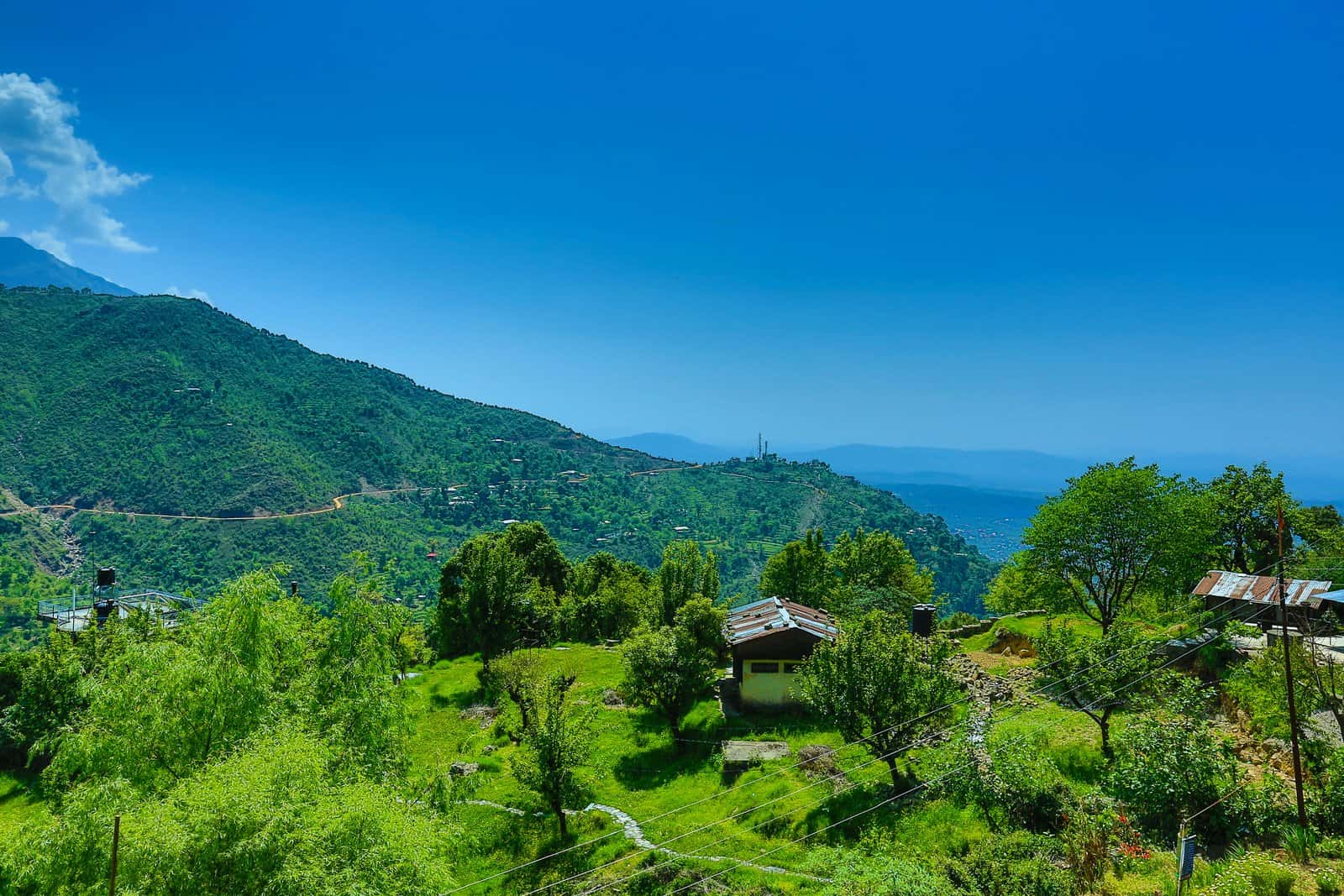
Champhai Travel Guide
The comfortable window is October to March , cool and clear over the rice-bowl valley. Avoid the heavy southwest monsoon, when rain and landslips can block the mountain roads.
When to visit Champhai
The comfortable window is October to March, cool and clear over the rice-bowl valley. Avoid the heavy southwest monsoon, when rain and landslips can block the mountain roads.
- October to March: cool, clear and easiestThis is the season to come. The air is crisp at Champhai's height of about 1,678 m, the paddy valley is golden after harvest, and the skies are usually clear enough to see the blue Myanmar hills. Nights are genuinely cold in December and January, so carry a warm layer, but the roads are at their most reliable and the views at their best.
- Spring and the festival seasonLate winter into spring brings the Mizo festival calendar, including Chapchar Kut, the joyful spring festival celebrated across Mizoram with song, dance and traditional dress. If your dates line up with a local festival, it is a warm time to see the culture, though you should confirm exact festival dates locally as they follow the Mizo calendar.
- June to September: the monsoon, and why to avoid itThe southwest monsoon brings heavy rain, low cloud and the real risk of landslips on the winding hill highways. A drive that is long in the dry season can become much longer or be interrupted altogether, and the views vanish into mist. Unless you have a flexible plan and no fear of delay, keep clear of the peak monsoon.
- Give yourself buffer daysThis is a remote frontier district reached by mountain road, so build slack into your plan. Weather, a cancelled helicopter or a slow drive can each cost you half a day, and a tight itinerary with no buffer is the quickest way to feel rushed in a place that rewards a slower pace.
Come between about October and March for the clearest skies and the safest roads, treat the monsoon months of roughly June to September with caution because of rain and landslips, and always keep a spare day in hand, since in this corner of Mizoram the weather and the mountain roads, not the sightseeing, decide your pace.
How to reach Champhai
Champhai has no airport and no railway of its own. Almost everyone flies to Lengpui near Aizawl and then faces a long mountain drive of most of a day, about 194 km east.
- Fly to Lengpui (Aizawl), then driveThe nearest airport is Lengpui (code AJL), about 32 km north of Aizawl, with domestic flights only to and from Delhi, Kolkata, Guwahati, Imphal, Silchar and Agartala. There are no flights into Champhai. From the airport you still have most of a day of mountain road ahead, so plan an overnight in Aizawl rather than trying to fly and drive to Champhai in one push.
- The Aizawl to Champhai drive, honestlyChamphai is about 194 km east of Aizawl, and the whole way is winding hill highway. Realistically it is a long full-day drive of roughly 8 to 10 hours by bus, shared Sumo or taxi, and longer in the monsoon. Ignore any page that promises about four hours. Shared Sumos and buses run daily, leave early, and the ride is beautiful but tiring.
- The helicopter, if it fliesA Pawan Hans helicopter service links Lengpui near Aizawl with Champhai and other district towns and can turn the long drive into a short hop. The catch is that seats are very few, the schedule is weather-dependent and cancellations are common, so never build a tight plan around it. Treat a seat as a lucky bonus and always keep a road option in reserve.
- Trains are far awayMizoram has almost no rail network reaching the interior, and for practical purposes there is no useful railhead near Champhai; travellers have long used stations in Assam such as Silchar, which are several hundred km and many hours of road away. For nearly everyone, flying to Aizawl and driving on is the sensible route in.
Fly into Delhi or Kolkata, connect on a domestic flight to Lengpui (Aizawl), then continue by road to Champhai. Arrange your Mizoram permit and, if you are a foreign national, your registration before you set off east.
Route through Delhi, Kolkata or Guwahati to Aizawl, then drive on to Champhai. There is no usable direct crossing for tourists from the Myanmar side, so plan to arrive through the Indian air gateways.
Fly to Aizawl (Lengpui) from Delhi, Kolkata, Guwahati, Imphal or Silchar, then take a shared Sumo, bus or taxi east to Champhai. Carry your Inner Line Permit, which every non-Mizoram Indian traveller needs.
Permits, the border, and Rih Dil
Two rules shape a Champhai trip: the Inner Line Permit that every non-Mizoram Indian needs, and the honest truth that Rih Dil lake sits inside Myanmar, with the old easy crossing no longer something you can assume.
- Inner Line Permit for Indian visitorsEvery Indian citizen who is not a resident of Mizoram needs an Inner Line Permit issued by the Government of Mizoram to enter the state. A Temporary ILP is usually valid for 15 days and can normally be extended by another 15 days. You can apply online through the official Mizoram ILP service, or get one on arrival at Lengpui Airport. Keep printed and digital copies, as it may be checked at entry gates and on the road east.
- Foreign nationals follow a different ruleForeign tourists do not use the Inner Line Permit, but their rules tightened recently. Since 17 December 2024, every foreign national visiting Mizoram must obtain a Protected Area Permit (PAP), applied online through the e-FRRO portal only after reaching India, and must then register online within 24 hours of arrival, with the hotel filing a Form C. Citizens of Afghanistan, China and Pakistan need prior clearance from the Ministry of Home Affairs. Because these rules change, confirm the current requirement with Mizoram Tourism or the FRRO before you travel, covered further in the overseas section below.
- Rih Dil is in Myanmar, not IndiaThe famous heart-shaped Rih Dil, sacred to the Mizo and the wider Chin and Zo peoples, lies inside Chin State in Myanmar, about 22 km beyond the Zokhawthar border gate and roughly 50 km from Champhai town by the district's reckoning. It is often called the largest lake of the Mizo, yet it is across an international border, so reaching it is a border matter, not a simple Indian day trip.
- The border reality, told straightThe India-Myanmar Free Movement Regime, which once let border communities cross visa-free for short distances, was terminated by the Government of India in February 2024, and the long border is now being fenced. With the situation in Myanmar's Chin State also unsettled, the old casual hop to Rih Dil can no longer be assumed. Do not attempt an informal crossing. Ask the Assam Rifles and the district authorities in Champhai what, if anything, is currently permitted.
Treat a visit to Rih Dil as uncertain and reconfirm it locally before you build a trip around it. The Free Movement Regime was scrapped in February 2024 and border fencing is under way, so the crossing that older blogs describe may not be open to you. Plan Champhai as a rewarding trip on the Indian side alone, and treat any border visit as a bonus that only the Assam Rifles and district authorities on the ground can clear.
The rice-bowl valley, the menhirs and Murlen
Champhai's draws are its terraced paddy valley, the extraordinary menhir fields of Vangchhia, the old-growth forest of Murlen National Park, and the Mizo legend-sites scattered around the hills.
- The Champhai valley, the Rice Bowl of MizoramThe wide, flat valley below the town, ringed by green hills and filled with terraced paddy, is the sight that gives Champhai its name as the Rice Bowl of Mizoram. It is loveliest in the golden weeks around harvest and in the soft light of early morning and late afternoon. A slow walk or drive along the valley edge, with the blue Myanmar hills beyond, is the quiet heart of a visit.
- Kawtchhuah Ropui menhirs at VangchhiaSouth of Champhai near Vangchhia stands Kawtchhuah Ropui, meaning the Great Entranceway, Mizoram's first centrally protected monument, declared by the Archaeological Survey of India in 2012. Around 170 engraved standing stones, some up to about 15 feet tall, are carved with people, animals, weapons and hunting scenes. In 2025 the ASI also listed the nearby Lianpui menhirs, so the area is now a genuine heritage cluster.
- Murlen National ParkNorth of Champhai, near the Myanmar border and the Chin Hills, Murlen National Park protects about 200 sq km of dense, old semi-evergreen forest, declared in 1991. It shelters tiger, leopard, Himalayan black bear, serow, the hoolock gibbon and Hume's pheasant, with some trees said to be around 350 years old. This is deep wilderness, not a safari park, so it needs planning, a local guide and forest permission.
- Thasiama Seno Neihna and the legend-sitesChamphai is thick with Mizo legend. Thasiama Seno Neihna is a plateau on a steep, precarious hillock tied to a folk hero said to have made his horse leap across it, and the hills around town hold caves and monoliths linked to old stories, such as Lamsial Puk and Kungawrhi Puk. A local guide brings these places alive far better than a signboard can.
Champhai's sights reward company. The menhir fields, the legend-caves and the forest are far richer with a Mizo guide who can read the carvings, tell the stories and arrange any permission or transport you need on rough back roads. Ask your homestay or hotel to connect you with someone local, and you will get both a smoother day and the human context that turns a list of names into a real place.
Signature experiences around Champhai
Beyond ticking off sights, these are the experiences that make the long journey worth it: the valley light, the border-town trade, the forest, and the slow rhythm of a frontier hill town.
- Watch the valley from a ridge at dawnThe single loveliest and most free experience in Champhai is the paddy valley at first light, mist lifting off the terraces with the Myanmar hills turning blue beyond. Find a ridge or a rooftop, take a flask of tea, and give it an unhurried hour. In a place this remote, the landscape is the main event, and the early morning is when it is at its most beautiful.
- Feel the border-town tradeChamphai is Mizoram's main trading gateway to Myanmar, and the town has a lively frontier commerce, with goods coming in through the Zokhawthar crossing about 28 km east. Wander the market, watch the mix of people and goods, and you get a real sense of a town that has always looked east. Buy and browse respectfully, and be aware that the border area itself is sensitive and best left to official channels.
- A wildlife day at MurlenFor birdwatchers and forest lovers, a guided day toward Murlen National Park is the reward. This is dense, quiet, old forest rather than a big-game park, so come for the atmosphere, the birds and the chance of a gibbon call rather than guaranteed sightings. Arrange it in advance through a local guide and sort out forest permission first, and set out early.
- The grape and wine country, checked locallyChamphai and nearby border villages such as Hnahlan are known across Mizoram as a grape-growing belt, and local grape wine is a regional specialty. It is small-scale and seasonal, not a commercial winery trail, and Mizoram is a dry state, so do not build a trip around tastings. If it interests you, ask locally what is available and permitted at the time you visit.
- Slow evenings in a Christian hill townChamphai is a quiet, orderly, largely Christian town where the day ends early and Sunday is genuinely observed. Lean into the calm: a walk at dusk, a simple home-cooked Mizo meal, and an early night before an early start. This is not a nightlife destination, and the gentle pace is part of what makes the frontier feel so far from the rush of the plains.
If you do only one thing slowly in Champhai, make it the valley at either end of the day. The dawn mist over the rice terraces and the evening light on the Myanmar hills are what travellers remember long after the drive fades. Both are free, both ask only for patience, and both reward the traveller who gave this remote corner the extra day it deserves.
Where to stay in Champhai, and how long
Lodging is simple and limited: a handful of modest hotels, guesthouses and homestays in and around town. Book ahead, keep expectations realistic, and give the trip two or three nights to be worth the journey.
- In Champhai townThe town has a small choice of basic hotels and guesthouses, handy for the market, transport and an early start toward the sights. Rooms are simple and comfort is modest, so judge a place on cleanliness, hot water and a helpful host rather than on frills. Staying in town keeps your logistics easy and puts you close to the shared Sumo and bus stands.
- Homestays for the real ChamphaiMizo homestays, in Champhai and in villages such as those near the valley and toward Hnahlan, are often the warmest choice: clean, friendly, with home-cooked food and hosts who can arrange guides and transport. For many travellers a homestay is both the most comfortable and the most memorable way to stay in a place with few formal hotels.
- Book ahead, and carry cashBecause lodging is thin, book before you arrive, especially around festivals or any local event, and confirm your booking by phone. This is a cash-based economy with limited card and internet coverage, so carry enough cash for your whole stay, drawn in Aizawl, rather than relying on finding a working ATM in town.
- How many nightsGive Champhai at least two nights, and three if you can. One night barely repays the long drive from Aizawl. Two full days let you take in the valley, the menhirs and the town at a fair pace, and a third opens up a guided day toward Murlen or a slower exploration of the legend-sites and villages without feeling rushed.
Champhai is a remote frontier town, so do not expect resort comfort or a wide choice of hotels. What it offers instead is honest, simple lodging, warm Mizo hospitality and a landscape few travellers ever see. Arrive with realistic expectations, a booking made in advance and enough cash in hand, and the thin lodging becomes a non-issue rather than a problem.
Costs, money and budgeting for Champhai
Champhai is gentle on the wallet once you are there, but it runs on cash. The real cost is the journey, so budget for transport and for carrying enough money from Aizawl.
- The journey is the main costIn a remote district like this, your biggest spend is getting there: the domestic flight to Aizawl and then the long road transfer east, whether by shared Sumo, private taxi or a hired car with driver. Food, simple lodging and local travel in Champhai itself are modest by Indian standards, so plan your budget around the transport first.
- Carry cash from AizawlThis is a cash economy with limited card acceptance and patchy internet, and ATMs in a small frontier town cannot be relied on to be working or stocked. Draw enough cash in Aizawl to cover your whole Champhai stay with a comfortable margin, and keep it safe. Running short of cash is the most common avoidable problem travellers hit out here.
- Shared transport keeps it cheapShared Sumos and buses between Aizawl and Champhai are the economical way to travel and let you meet locals, while a private taxi or hired car costs more but gives you flexibility and comfort for the long mountain drive. Agree any private-hire rate clearly in advance, and for sightseeing on rough roads a local driver who knows the routes is money well spent.
- Guides and permissionsBudget a little for a local guide and for any forest or site permissions, especially for Murlen and the more remote legend-sites. A guide is not just an added cost, it is what makes those places safe, legal and worth the visit, and the sums involved are small against the effort of getting to Champhai in the first place.
Practical logistics: food, SIM, language and getting around
The small things that make a Champhai day smooth, from the cash-and-connectivity reality to the food, the language and how you move between the town and the sights.
- Food and the dry-state ruleMizo food is simple, fresh and often built around rice, pork, boiled vegetables and herbs, with a mild, clean flavour. Homestays serve the best of it. Remember that Mizoram is effectively a dry state under the state liquor law, so do not expect bars or easy alcohol; the local grape wine is small-scale and seasonal, and should be treated as something to ask about locally rather than assume.
- SIM, signal and internetMobile coverage in this border region is patchy and can drop away outside the town, and data is slower than you will be used to. Postpaid Indian SIMs generally work better than prepaid in the northeast, so set up connectivity before you travel, download offline maps, and tell people at home that you may be out of contact for stretches on the road and near the border.
- Language and courtesyThe main language is Mizo, and English is widely understood, so communicating is easy and the welcome is warm. A few polite words and a respectful manner go a long way in this orderly, community-minded society. Sundays are quietly observed, many places close, and it is good manners to keep your plans gentle and unhurried on the day of rest.
- Getting aroundChamphai town is small and walkable, and for the sights around it you will rely on shared Sumos, local taxis or a hired car with a driver who knows the hill roads. There is no organised tourist transport network, so arrange your rides through your homestay or hotel, agree the plan in advance, and always start early to make the most of the daylight.
Safety, the border, and staying healthy
Champhai and Mizoram are generally welcoming and low-crime, but this is a live international border next to an unsettled Myanmar, so treat the frontier with respect and travel prepared for a remote area.
- The town is safe; the border needs respectMizoram is one of India's more peaceful and orderly states, with a strong community spirit and low levels of crime against visitors, and Champhai town feels calm and friendly. The caution is the border itself: this is a sensitive frontier, being fenced, next to the ongoing conflict in Myanmar. Do not wander toward the border unescorted, do not attempt an informal crossing, and follow any instruction from the Assam Rifles.
- Check advisories and carry your permitBecause the wider region can be affected by events across the border and in neighbouring states, check current travel advisories before you go and keep an eye on local news. Carry your Inner Line Permit, or your registration if you are a foreign national, and keep copies. Cooperate politely at any check post; officials here are used to travellers and courtesy keeps everything smooth.
- Health and the remote-area basicsMedical facilities in a small border town are limited, and the nearest full hospitals are far away in Aizawl, so travel with good insurance, any regular medicines and a basic kit. Drink treated or bottled water, take the usual care with food when you are away from your homestay, and carry warm and waterproof layers, since the weather at altitude changes quickly.
- Drive smart on the mountain roadsThe long hill highways are scenic but demanding, with sharp bends, occasional rough patches and monsoon landslip risk. Travel by day, use an experienced local driver, and never rush the schedule. If the weather turns, it is always better to wait or add a night than to push on over a hill road in poor visibility.
Enjoy Champhai fully on the Indian side, and treat the international border as strictly off-limits unless the proper authorities clear a specific visit. The Free Movement Regime was terminated in February 2024, the border is being fenced, and Myanmar's Chin State is unsettled, so an informal crossing is both unwise and not permitted. When in doubt about anything near the border, ask the Assam Rifles or the district administration first.
Champhai for every kind of traveller
Champhai suits the curious, patient traveller more than the comfort-seeker. Here is what it gives each kind of visitor, and the one thing to plan for.
- Offbeat and slow travellersThis is the ideal Champhai visitor: someone who values a landscape few others see, a genuine frontier culture and an unhurried pace over polish and nightlife. Give it time, stay in a homestay, and let the valley and the villages set the rhythm. The long journey is part of the reward, not a chore to rush through.
- History and heritage loversFor anyone drawn to the deep past, the menhir fields of Kawtchhuah Ropui and the newly listed Lianpui menhirs are a real find, tied to the Mizo tradition of memorial standing stones. Pair them with the town's legend-sites and its role in Mizo history, and take a local guide who can read the carvings and tell the stories.
- Birdwatchers and wildlife loversMurlen National Park and the forested hills reward the patient naturalist with birds, the chance of a hoolock gibbon call and superb old-growth forest, though sightings of big animals are never guaranteed. Come for the atmosphere and the birds, arrange a guide and forest permission in advance, and start at dawn.
- Senior travellers and on accessibilityChamphai is doable for fit, adventurous seniors, but plan around the long mountain drive: break the journey with a night in Aizawl, choose a private car over a crowded Sumo, and keep the daily pace gentle. The town and valley viewpoints are manageable, but the remoter sites involve rough roads and some walking, so pick and choose and never rush.
- FamiliesOlder children who enjoy the outdoors and a long adventure will take to Champhai, with the valley, the market and the stories to hold their interest, but the long drive and simple facilities make it hard work for very young children. If you come as a family, keep the itinerary loose, lean on a homestay, and treat the journey as part of the trip.
- PhotographersThe rewards are the paddy valley at dawn and dusk, the blue Myanmar hills, the menhir fields and the everyday life of a frontier town. The light at either end of the day is superb. Always ask before photographing people, and remember the border area is sensitive, so keep your camera away from any military or checkpoint sites.
A suggested Champhai itinerary
How to shape two or three days so the long journey pays off, from the drive in to the valley, the menhirs and a wilder day toward Murlen.
- Day zero, the approachFly into Aizawl and spend the night there rather than trying to fly and drive the same day. Arrange your Inner Line Permit, draw plenty of cash, and set off east early the next morning. The drive to Champhai is most of a day, so treat day zero as the flight and the Aizawl night, and the drive as day one.
- Day one, arrive and settleMake the long mountain drive to Champhai, arriving in the afternoon. Settle into your homestay or hotel, walk the town and the market to feel the frontier trade, and take your first evening simply, with the valley light and an early night. After a full day on hill roads, an easy first evening is exactly right.
- Day two, valley and menhirsStart at dawn with the paddy valley at its best, then spend the day on the heritage cluster: the Kawtchhuah Ropui menhirs near Vangchhia and, with a guide, the nearby Lianpui menhirs and the legend-sites around town. Keep it unhurried, break for a home-cooked lunch, and end with the evening light on the Myanmar hills.
- Day three, go wilder or slow downWith a third day, take a guided run toward Murlen National Park for the forest and the birds, sorting out permission and an early start in advance, or simply slow down among the villages and the valley. Then begin the long drive back toward Aizawl, ideally with a night there before you fly out, so the return is not a single exhausting push.
The mistake that spoils a Champhai trip is treating it as a quick add-on and trying to fly, drive and see it all in a day or two. Build the plan around the journey: a night in Aizawl at each end, at least two nights in Champhai, and a spare day for weather. Get the pacing right and the long road becomes part of the adventure rather than a source of stress.
The real questions travellers ask about Champhai
Straight answers to the questions that come up again and again from travellers planning a trip to this remote corner of Mizoram.
- Do I need a permit for Champhai?Yes, if you are an Indian citizen who is not a resident of Mizoram, you need an Inner Line Permit for the whole state, obtained online or on arrival at Lengpui Airport. Foreign nationals do not use the ILP, but since 17 December 2024 they must obtain a Protected Area Permit through the e-FRRO portal after reaching India, then register within 24 hours of arrival, so reconfirm the current rules before you travel.
- Can I really visit Rih Dil?Rih Dil is inside Myanmar, about 22 km beyond the Zokhawthar gate. The Free Movement Regime that once made a short hop easy was terminated in February 2024 and the border is being fenced, so do not assume you can cross. Ask the Assam Rifles and district authorities in Champhai what is currently permitted, and plan the rest of your trip on the Indian side regardless.
- How long is the drive from Aizawl?About 194 km, but on winding mountain highway, so realistically most of a day, roughly 8 to 10 hours by shared Sumo, bus or taxi, and longer in the monsoon. Ignore any page that says about four hours. Break the journey with a night in Aizawl at each end and it is a beautiful, manageable drive rather than an ordeal.
- Is there an airport or train at Champhai?No. The nearest airport is Lengpui near Aizawl, with domestic flights only, after which Champhai is a long road transfer. There is no useful railhead nearby, with the closest stations several hundred km away in Assam. For nearly everyone, the route is fly to Aizawl, then drive east.
- Is Champhai safe?The town and Mizoram generally are peaceful and welcoming with low crime against visitors. The caution is the international border itself, which is sensitive, being fenced and next to an unsettled Myanmar. Stay on the Indian side, do not attempt an informal crossing, carry your permit, and check advisories before you travel.
- Is it worth the long journey?For the right traveller, yes. If you want a landscape few outsiders see, a genuine frontier culture, remarkable menhir heritage and old forest, and you have the patience for a remote trip, Champhai rewards the effort. If you need comfort, nightlife or a quick tick-box stop, it is not for you, and that honesty is the point.
Planning Champhai from abroad
Champhai is one of India's most remote and rewarding frontier trips, and the rules for overseas and NRI travellers differ from those for resident Indians. A little preparation makes it smooth.
- Your permit rule is differentAs a foreign national you do not use the Inner Line Permit that Indian travellers need, but your rules tightened recently. Since 17 December 2024, foreign visitors to Mizoram must obtain a Protected Area Permit through the official e-FRRO portal, applied only after you reach India, and then register online within 24 hours of arrival, with your hotel filing a Form C. Citizens of Afghanistan, China and Pakistan need prior Ministry of Home Affairs approval. Confirm the current rule with Mizoram Tourism or the FRRO before you set out.
- NRIs and OCI travellersIf you hold an Indian passport you follow the Inner Line Permit route like any non-Mizoram Indian, obtained online or at Lengpui. OCI cardholders should confirm their status against the current permit rules before travelling, since these can change. Either way, arrange your paperwork before you head east, as it may be checked at gates and on the road.
- This is a slow, respectful tripCome expecting a remote, gentle, largely Christian frontier where the day ends early, Sunday is observed and alcohol is not freely sold. That is the character of the place, not an inconvenience. Dress modestly, ask before photographing people, keep clear of the sensitive border, and you will find one of the warmest welcomes in India.
- Give it time on a wider northeast tripChamphai fits a slow northeast India itinerary rather than a rushed one. Pair it with Aizawl and the rest of Mizoram, and budget for the long road transfer both ways. This is a trip for the traveller who wants to go where few outsiders reach, so plan generous time and treat the journey as part of the experience.
Champhai is not a soft introduction to India; it is a remote frontier that rewards travellers who already enjoy going off the beaten track. If that is you, few places give more: an unseen landscape, deep Mizo heritage and a genuine border culture. Prepare your permit and registration, keep your plans flexible, respect the frontier, and let the slow pace be the gift that it is.
Money, connectivity and timing for foreign visitors
The practical basics an overseas traveller needs for a remote border district: cash, a working SIM, realistic timing, and a sober view of the border.
- Carry cash, drawn in a bigger townChamphai runs on cash, and card acceptance and reliable ATMs cannot be assumed in a small frontier town. Draw plenty of rupees in Aizawl before you head east, keep it safe, and carry small notes for local transport and homestays. Running out of cash is the most common avoidable problem foreign travellers hit in the district.
- Sort out connectivity before you goGet an Indian SIM in a major city on the way, and expect patchy coverage and slow data in the border region. Download offline maps and any documents you may need. Tell people at home you may be out of contact for stretches on the mountain roads and near the border, so a quiet phone does not worry them.
- Plan timing around the season and the driveAim for the clear, dry months of about October to March, avoid the monsoon, and build in buffer days for weather. Remember there is no airport or railway at Champhai, so every visit means the long road transfer from Aizawl. Give the trip enough days that the journey feels worthwhile rather than rushed.
- Keep the border in perspectiveDo not plan your trip around crossing to Rih Dil or the Myanmar side. With the Free Movement Regime terminated in February 2024, active border fencing and an unsettled Chin State, a crossing may simply not be open to you. Enjoy Champhai fully on the Indian side and treat any border visit as a bonus that only local authorities can clear.
The heart-shaped lake that belongs to the Mizo, across the line in Myanmar
Of all the stories Champhai holds, the one that travels furthest is Rih Dil, the heart-shaped lake that the Mizo and the wider Chin and Zo peoples hold sacred. In the old belief it was a corridor to the afterlife, Pialral, and every soul on its way there had to pass by its waters. One much-loved folktale tells of a girl named Rih-i, who revived her murdered younger sister with a magical leaf, then turned herself into water to quench the child's thirst, wandering the hills as a white mithun until her tears and sweat formed small lakes wherever she went, until at last she settled south-east of the Champhai valley and became Rih Dil. It is often called the largest lake of the Mizo, and yet it lies just across the border inside Chin State in Myanmar, a few kilometres beyond the Zokhawthar gate. That single fact captures Champhai itself: a Mizo heartland whose deepest story sits on the far side of a line drawn by history, close enough to feel and, since the Free Movement Regime ended in 2024, no longer simple to reach.
Planning a Champhai trip?
Our Mizoram travel experts plan your full journey for you: route, hotels, darshan timings and transport. You get a free day-by-day plan and an exact quote on WhatsApp, usually within a few hours. No payment is needed to get your plan.