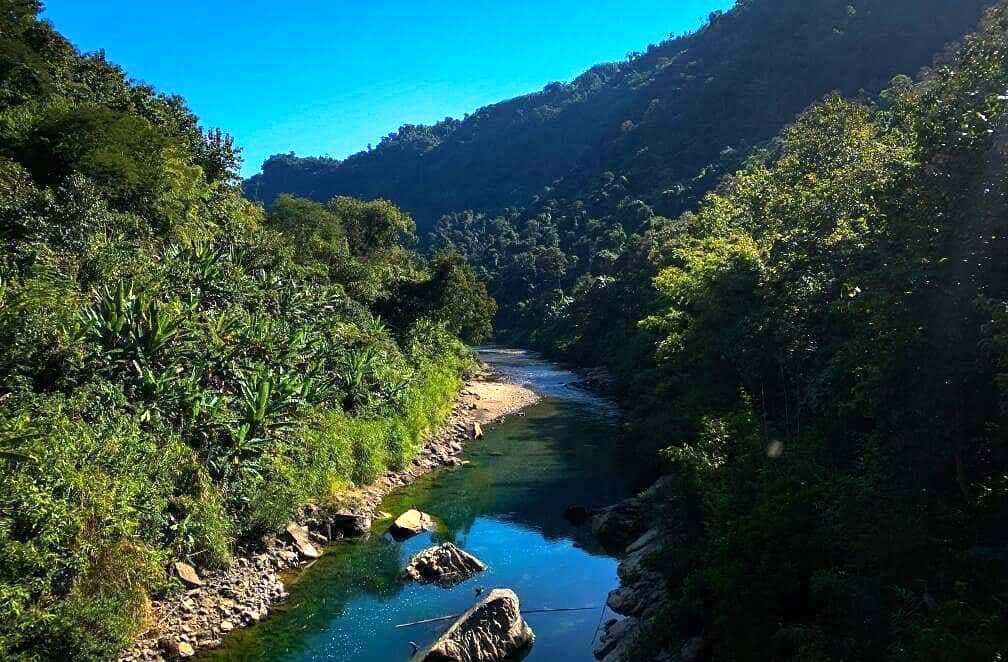
Kolasib Travel Guide
The comfortable window is roughly October to April , dry and cool on the hills. The monsoon brings heavy rain and landslip risk on the roads, so plan road travel with care.
The best time to visit Kolasib
The comfortable window is roughly October to April, dry and cool on the hills. The monsoon brings heavy rain and landslip risk on the roads, so plan road travel with care.
- October to April: cool, dry and easyThis is the pleasant season on the Mizoram hills. Days are mild, nights are cool, and the roads are at their most reliable, which matters in a place where almost all travel is by road. Carry a light layer for the evenings, as Kolasib sits at about 888 m and cools down after dark.
- Winter months: clearest viewsThe cooler heart of winter gives the clearest air over the forested hills and the Serlui reservoir. It is the most comfortable time for the long highway drives that any northern Mizoram trip involves, and for a quiet town like Kolasib the calm suits the place well.
- May or June to September: the monsoonThe rains are heavy in the northeast and the hill roads can suffer landslips and slow, muddy stretches. Travel is still possible but you should keep buffer time, avoid night driving, and check road conditions locally before you set off. The forest is at its greenest, which is the trade-off.
- Plan around SundayWhatever the season, remember that Kolasib is a strongly Christian town where Sunday is observed quietly. Most shops, offices and transport services close, so if you are moving through, do your travelling and buying on other days and keep Sunday for rest.
Set your expectations before you come. Kolasib is a small, honest hill town and the headquarters of its district, not a built-up tourist resort. The pleasure of visiting in the dry season is the calm, the greenery, the reservoir and the sense of arriving at the threshold of Mizoram, rather than a long list of monuments. Come for that, and the good months reward you.
How to reach Kolasib
Almost everyone reaches Kolasib by road on the main highway, either up from Aizawl or down from Assam through the Vairengte gate. There is no airport or station in the town itself.
- From Aizawl by roadKolasib is about 83 km north of Aizawl on the main national highway, long known as NH-54 and renumbered NH-6. Regular buses, shared Sumos and Maxi-cabs run the route, and it is the simplest way in for most travellers. The drive is scenic but winding, so allow a few hours.
- From Assam and SilcharComing from the Assam side, you cross into Mizoram at Vairengte, the border gate at the northern tip of Kolasib district, where your Inner Line Permit is checked. Kolasib town is one of the first proper towns beyond the gate, which is why it works so well as your first halt inside the state.
- By train, the new pictureBairabi in Kolasib district has been a railhead since the broad-gauge line from Assam reached it in 2016. Since 13 September 2025 the Bairabi to Sairang line, running through the district, has connected Aizawl to the national network, so you can now reach northern Mizoram by train and continue by road.
- By air via LengpuiMizoram's airport is Lengpui (code AJL), about 32 km from Aizawl and roughly a 3 to 4 hour drive from Kolasib, with domestic flights to Kolkata, Guwahati and Imphal. There is no airport at Kolasib, so you fly to Lengpui or reach the region by train, then drive.
Fly into a major Indian hub such as Delhi or Kolkata, then take a domestic flight to Lengpui (Aizawl) or a train towards Sairang, and drive north to Kolasib. Arrange your Foreigners registration and travel permit paperwork before you go.
Route through Kolkata or Guwahati, both of which connect on to Mizoram by air or by the new rail services, then continue by road. Guwahati is the main northeast India gateway for onward travel.
Fly to Lengpui or take one of the new trains towards Aizawl (Sairang), then drive up to Kolasib, or come overland from Silchar in Assam through the Vairengte gate. Every Indian visitor from outside Mizoram needs an Inner Line Permit.
The new railway, and getting around the district
The big recent change is rail: Aizawl joined the national network in 2025 via a line through Kolasib district. On the ground, you still move by shared vehicles and by road.
- What actually changed in 2025For decades Bairabi was as far as the railway reached, and everyone continued by road. On 13 September 2025 the Bairabi to Sairang line opened, and Aizawl became one of the few northeast capitals with a direct train station. Sairang lies about 15 km from Aizawl, and the line passes through Kolasib district.
- How to use the train sensiblyThe new services, including a Rajdhani towards Delhi and trains towards Kolkata and Guwahati, make reaching the region far easier than the old fly or long-bus choice. Check current timetables and stops before you plan, as services on a brand new line settle in over time, then pair the train with a road hop to Kolasib.
- Getting around locallyWithin and around Kolasib you rely on shared Sumos, Maxi-cabs, local buses and the occasional auto. There is no need for a metro or organised sightseeing transport in a town this size. For the reservoir or the district's edges, hire a local vehicle or arrange one through your guest house.
- Driving and road timeIf you are self-driving or hiring a car with a driver, the hill roads are winding and slower than the distances suggest, so plan by hours rather than kilometres. Keep fuel topped up, as filling stations are spread out, and avoid night driving on the ghats, especially in the monsoon.
Be precise when you read older pages. Until 2025 there was no passenger railway to Aizawl at all, and many guides still say so. The Bairabi to Sairang line changed that on 13 September 2025, and Kolasib district now sits on the route north. Kolasib town itself is still reached mainly by road, so treat the train as the way into the region and the road as the last leg. Reconfirm current services on official railway sources before you book.
What to see in and around Kolasib
Kolasib's real draws are the Serlui B reservoir, the gateway country around Vairengte and Bairabi, and quiet Mizo town life. The famous Tam Dil lake is not here, and that is worth knowing early.
- Serlui B reservoir and lodgeAbout 12 km from Bilkhawthlir village, the Serlui B dam holds a calm, forested reservoir that is the main lake attraction genuinely in the Kolasib area. The Tourism Department runs a lodge here, opened in 2018, with rooms and dormitories, and there is boating and fishing. It is the natural half-day trip from town.
- Vairengte, the gateway townAt the northern tip of the district, Vairengte is the road gate into Mizoram from Assam and the home of the Indian Army's Counter Insurgency and Jungle Warfare School. The school is a working military establishment and not open as a sight, but the gateway drive and the sense of crossing a threshold into the hills are memorable in themselves.
- Bairabi and the railway countryBairabi, the district's long-standing railhead, is interesting if you are following the story of how Mizoram joined the railway map. It is a functional railway town rather than a polished attraction, but for railway-minded travellers it is a genuine piece of northeast India's changing connectivity.
- Pualreng Wildlife SanctuaryCreated in 2004 and covering roughly 50 sq km, this sanctuary within the district protects hill forest and birdlife. Access is limited and there is little organised tourism infrastructure, so arrange any visit with local guidance and the state forest department rather than turning up unannounced.
Many pages list Tam Dil, also spelt Tamdil, as a Kolasib lake. That is wrong. Tam Dil lies near Saitual, about 110 km from Aizawl and well to the south of Kolasib, so it is a long separate journey and not something you can pair with a Kolasib stop. If a lake near Kolasib is what you want, it is the Serlui B reservoir. We correct this because getting the geography right is the whole point of a trustworthy page.
Things to do in Kolasib
The experiences here are quiet and modest: the reservoir, the gateway drives, birdlife and the gentle rhythm of a Mizo hill town. Come for the calm, not a checklist.
- Boating and a slow morning at Serlui BThe reservoir is the standout local experience. Take a boat out, watch the forest come down to the water, and if you have time stay a night at the tourism lodge for the early light. It is the one place near Kolasib where you can simply sit by water and let the hills do the work.
- The gateway driveThe road up from the Assam plains through Vairengte and on to Kolasib is an experience in itself, the moment India's flatlands give way to the folded green hills of Mizoram. Break it with tea at a roadside stall and enjoy the change of country rather than rushing through.
- Birdwatching and forest edgesThe district's forests and the Pualreng sanctuary reward patient birdwatchers. You will not find hides or guided trails as in a big national park, so go early, move quietly, and ask locally about the best patches and about arranging a knowledgeable guide.
- Town life and Mizo hospitalityKolasib is a friendly, orderly place. Walk the main bazaar, try local Mizo food, and notice the strong community life around the churches. On a quiet evening the town is a gentle window into everyday Mizoram, which is exactly what a gateway stop should be.
Kolasib rewards the traveller who slows down. There is no headline monument to tick off, and trying to force one will only disappoint. Give it a reservoir morning, a walk through town and an unhurried meal, treat it as the calm start or end of a bigger Mizoram trip, and it does its quiet job well.
Where to stay in Kolasib, and for how long
Lodging is simple and limited: a handful of guest houses in town and the tourism lodge out at the Serlui reservoir. For most travellers, one night is the right length.
- In town: simple guest housesKolasib has a small number of guest houses and basic hotels near the main road and bazaar, handy for an overnight halt, for meals and for onward transport. Rooms are plain and clean rather than luxurious. As an on-ground estimate, expect roughly 800 to 1,500 rupees a night, so reconfirm on arrival or by phone.
- At the reservoir: the tourism lodgeThe Serlui B tourist lodge, opened in 2018, offers rooms and dormitories by the water, about 12 km from Bilkhawthlir. It is the more scenic choice if you want a quiet lake night, though you will need transport to and from town. Check current availability with the Tourism Department in season.
- How many nightsFor most travellers, one night is enough: an evening in town and a reservoir morning cover the area comfortably. Add a second night only if you want a slow lake stay or are using Kolasib as a base to explore the district's forests. Many people simply pass a single night here in transit.
- Book ahead in a thin marketBecause rooms are few, it is wise to arrange your stay in advance in the busy dry season, and to have a backup in mind. If Kolasib is full, Aizawl to the south has far more choice, so you can adjust your plan without much trouble.
Think of Kolasib as a comfortable pause rather than a destination in its own right. If your main goal is Aizawl and the deeper south of Mizoram, one honest night here, ideally with a reservoir morning, is the sweet spot. If you love quiet forest country and do not mind simple rooms, stretch it to two and let the pace drop.
Kolasib costs and a realistic daily budget
Kolasib is inexpensive, with the caveat that choice is limited. Here is a rough, honest picture so you can plan, with figures flagged as on-ground estimates to reconfirm.
- Rooms and mealsAs an on-ground estimate, simple guest-house rooms run roughly 800 to 1,500 rupees a night, and basic Mizo or Indian meals cost a few hundred rupees. Prices are modest by Indian tourist-town standards, but options are few, so do not expect a wide range to choose from.
- Getting aroundShared Sumos, Maxi-cabs and buses are the cheap, normal way to move, and a private car with a driver is the comfortable way if you want to explore the reservoir and district at your own pace. Agree any private hire rate before you set off, as you would anywhere.
- What you do not pay forThe pleasures of Kolasib, the gateway drive, the reservoir views, town life and the forest air, are largely free. The reservoir boating and lodge carry modest charges best confirmed locally. There are no big-ticket monument tickets to budget for here.
- Carry cashBring enough cash for your stay. There are bank branches and ATMs in the town, but in a small place they can run dry or be offline, and smaller guest houses, eateries and shared vehicles run on cash. Digital payments work in some places but should not be your only plan.
Kolasib is easy on the wallet, and the real budgeting question is not price but choice. Plan for simple, well-priced rooms and food, keep cash on hand, and put your money instead into the flexibility of a hired vehicle if you want to reach the reservoir and the quieter corners of the district comfortably.
Practical logistics: permit, food, money and Sunday
The things that make a Kolasib stop smooth: the Inner Line Permit, cash, connectivity, and the strict Sunday rhythm of a Christian hill town.
- Sort your Inner Line Permit firstEvery Indian visitor from outside Mizoram needs an Inner Line Permit to enter the state, checked at the Vairengte gate and other entry points. Apply on the official Mizoram ILP portal online, or get one at an entry point or a Mizoram liaison office. A tourist permit is typically valid for about 15 days and is extendable, but reconfirm the current rule before you travel.
- Food and waterKolasib offers simple, tasty Mizo and Indian food in small eateries and guest houses. Drink bottled or filtered water, take the usual care with anything unfamiliar, and eat where the locals eat. Pork and rice-based Mizo dishes are common, so vegetarians should ask ahead and will find plainer options at guest houses.
- Money, SIM and signalCarry cash, as ATMs are limited in a small town. Mobile coverage in and around Kolasib is generally workable for calls and data on the main networks, though it thins out in the forest and on the hill roads, so download maps and permits offline before you set off.
- The Sunday rhythmKolasib is a strongly Christian town and Sunday is quiet by tradition. Most shops, offices and transport services close, and the town rests. Plan any travel, shopping or permit errands for other days, and treat Sunday as a slow day rather than a working one.
Safety, health and responsible travel in Kolasib
Kolasib is a calm, low-crime town. The real practicalities are the hill roads, the monsoon, thin medical facilities and travelling respectfully in a close community.
- General safetyMizoram is widely regarded as one of India's safer and most welcoming states, and Kolasib is a quiet, orderly town where travellers rarely face trouble. Take normal precautions with your belongings and documents, keep a copy of your permit, and you will find people friendly and helpful.
- Roads and the monsoonThe main risk is the road. The hill highways are winding, and the monsoon from about May or June to September can bring landslips and slow, slippery stretches. Avoid night driving on the ghats, keep buffer time, and check road conditions locally before long hops, especially in the rains.
- Health and medical careFacilities in a small district town are basic. Carry a personal first-aid kit and any regular medicines, drink safe water, and for anything serious plan to reach Aizawl, which has the state's better hospitals. Travel insurance that covers remote-area travel is sensible for overseas visitors.
- Travel respectfullyThis is a close-knit Christian Mizo community. Dress modestly, ask before photographing people, respect the quiet of Sunday, and do not photograph the military establishment at Vairengte or other restricted areas. Courtesy goes a long way here and is warmly returned.
Solo travellers, including women, generally find Mizoram gentle and safe, and Kolasib is an easy, unthreatening place to spend a night. The things to manage are practical rather than personal: the roads, the weather, thin services and the need to keep your permit and documents in order. Handle those and the town looks after you.
Kolasib for every kind of traveller
Kolasib suits some travellers far more than others. Here is an honest note for each, so you know whether it deserves a night or just a tea stop.
- Road trippers and offbeat travellersThis is your kind of place: a genuine gateway town, a scenic reservoir and the satisfaction of the road into Mizoram. If you enjoy the journey as much as the destination, Kolasib is a rewarding pause and a good story.
- Families with childrenFine for a night, especially with a reservoir boat ride, but there is little built for children and rooms are simple. Keep expectations modest, treat it as part of a bigger Mizoram trip, and children will enjoy the boats and the hills more than any formal attraction.
- Senior travellers and on accessibilityDoable with planning. The town is small and walkable, but roads are winding and facilities are basic, so choose a comfortable room, avoid long drives in one day, and keep any medical needs in mind given that the better hospitals are in Aizawl. A gentle single night suits most seniors best.
- Birdwatchers and nature loversThe forests, the reservoir and the Pualreng sanctuary reward the patient. There is no polished infrastructure, so this suits the self-reliant nature traveller who is happy to arrange local guidance and rise early rather than expect guided trails.
- Comfort-first touristsIf you want polished hotels, sightseeing circuits and plenty of dining choice, Kolasib on its own will underwhelm you. Base yourself in Aizawl for comfort and treat Kolasib as a scenic day or a single transit night rather than a stay.
A suggested Kolasib itinerary
How to fit Kolasib sensibly into a Mizoram trip, whether you have a single transit night or a slower day at the reservoir.
- The single transit nightArrive in the afternoon from Assam or Aizawl, settle into a guest house, walk the bazaar and eat a simple Mizo dinner. Rest, then move on the next morning. This is how most travellers use Kolasib, and it works well as the first or last night of a Mizoram trip.
- The reservoir dayIf you have a full day, drive out to the Serlui B reservoir, take a boat, and stay either at the lakeside lodge or back in town. A reservoir morning with soft light over the forested water is the single most memorable thing to do around Kolasib.
- As part of a northern Mizoram loopPair Kolasib with the drive into the state and with Aizawl to the south. A neat plan is to enter from Assam through Vairengte, break the journey at Kolasib, then continue to Aizawl and the deeper south, using the new train connectivity to arrive or leave the region.
- When to skip a stayIf your schedule is tight and your heart is set on Aizawl and southern Mizoram, it is honest to treat Kolasib as a tea and photo stop on the highway rather than an overnight. There is no shame in passing through; the town earns a night mainly if you want the reservoir or the calm.
The thing that shapes a Mizoram itinerary is road time, not distance. Plan Kolasib as the natural break between the Assam plains and Aizawl, give the reservoir a morning if you can, and keep your driving to daylight. Do that and Kolasib slots in neatly instead of feeling like a detour.
The real questions travellers ask about Kolasib
Straight answers to the questions that come up again and again about permits, Tam Dil, the new trains and whether Kolasib is worth a stop.
- Do I need a permit?Yes, if you are an Indian citizen from outside Mizoram you need an Inner Line Permit to enter the state, and it is checked at the Vairengte gate on the way to Kolasib. Apply online on the official Mizoram ILP portal or get one at an entry point, and reconfirm the current rule and validity before you travel.
- Is Tam Dil near Kolasib?No. Tam Dil, or Tamdil, is near Saitual, about 110 km from Aizawl and far to the south, so it is not a Kolasib sight despite what many pages say. The lake to see near Kolasib is the Serlui B reservoir.
- Can I now reach Mizoram by train?Yes. Since 13 September 2025 the Bairabi to Sairang line, which runs through Kolasib district, has connected Aizawl to the national railway, with direct trains including a Rajdhani. Kolasib town is still reached by road, so use the train to get to the region and drive the last leg. Check current services before booking.
- Is Kolasib worth stopping at?It is worth a night if you want the reservoir or a calm break on the road into Mizoram, and a tea stop otherwise. It is a gateway town, not a monument town, so judge it by that measure and it will not disappoint.
- Do foreign tourists need a permit?Foreign nationals do not need an Inner Line Permit for Mizoram, but they must register with the Foreigners Registration Officer within about 24 hours of arriving in the state. Carry your passport and valid visa, and reconfirm the current registration requirement before travel.
- Does everything really close on Sunday?Largely yes. Kolasib is a strongly Christian town and Sunday is observed quietly, so most shops, offices and transport services close. Plan your travel, shopping and permit errands for other days and keep Sunday for rest.
Planning Kolasib and Mizoram from abroad
For overseas and NRI travellers, the two things to get right are the permit and registration rules and the realistic pace of a remote hill state. Handle those and Mizoram is warm and rewarding.
- Permit versus registrationThis trips up many visitors. Indian citizens from outside Mizoram need an Inner Line Permit. Foreign nationals do not need that permit, but they must register with the Foreigners Registration Officer within about 24 hours of arrival. Know which rule applies to you, carry the right documents, and reconfirm both before you fly.
- Set a realistic paceMizoram is a remote, hilly state and travel is by winding road. Distances are short in kilometres but long in hours, facilities in small towns like Kolasib are basic, and services are thin. Plan generous time, keep expectations grounded, and you will enjoy the calm rather than fight it.
- How Kolasib fits your tripUse Kolasib as the gateway pause: the first or last night of a Mizoram journey, ideally with a morning at the Serlui reservoir. Fly into Lengpui near Aizawl or take one of the new trains towards Sairang, then drive north. Pair it with Aizawl and the deeper south for a fuller trip.
- Respect a Christian hill cultureMizoram is largely Christian, English is fairly widely understood, and the culture is courteous and reserved. Dress modestly, respect the quiet of Sunday, ask before taking photographs of people, and avoid photographing military areas such as Vairengte. Your courtesy will be warmly returned.
The single most important step for an overseas or NRI visitor is to sort documents in advance. Confirm whether you need an Inner Line Permit or Foreigners registration, prepare your passport, visa and photos, and check the current rules on the official Mizoram sources, because these requirements can change. Arriving prepared turns the permit from a worry into a formality.
Money, SIM and timing for foreign visitors
The practical basics an overseas traveller needs for a remote hill district: cash, a working SIM, and how much time to give Kolasib on a wider northeast India trip.
- Carry cash, do not rely on cardsATMs are limited in small towns and can be offline, and guest houses, eateries and shared vehicles largely run on cash. Draw enough in a bigger centre such as Aizawl or before you enter the hills, and keep small notes for transport and meals.
- Get an Indian SIM earlyPick up an Indian tourist SIM or an eSIM in a major city when you land, as buying one in a small district town is harder. Coverage around Kolasib is workable on the main networks but thins in the forest and on the hill roads, so download maps and your permit offline.
- How long to give itOn a northeast India itinerary, Kolasib deserves a single night as a gateway pause, or a day if you want the reservoir. Put the weight of your Mizoram time into Aizawl and the south, and let Kolasib be the calm bookend of the trip.
- Time your visit wellAim for the dry season, roughly October to April, when the roads are most reliable and the hills at their clearest. Avoid the heart of the monsoon if you can, as landslips and slow roads can upset a tight overseas itinerary far from home.
Why the threshold of Mizoram is guarded by a jungle-warfare school
Come into Mizoram from the Assam plains and the first place you meet is Vairengte, the border town at the northern tip of Kolasib district. It is best known not for a temple or a lake but for the Indian Army's Counter Insurgency and Jungle Warfare School, one of the most respected such institutions anywhere. Its roots go back to the response to the Mizo unrest of the 1960s, and Field Marshal Sam Manekshaw is remembered as the first champion of the idea. The school is a working military establishment, closed to visitors, so you pass its gate rather than enter it. But there is something fitting in it: the door to these folded green hills opens through a place that has learned every secret of the jungle beyond, and Kolasib, quietly, is the first town on the other side.
Planning a Kolasib trip?
Our Mizoram travel experts plan your full journey for you: route, hotels, darshan timings and transport. You get a free day-by-day plan and an exact quote on WhatsApp, usually within a few hours. No payment is needed to get your plan.