Puri Travel Guide
The best months are October to February , cool and clear for the temple, the beach and Konark. The great exception is Rath Yatra in mid-summer, when Puri is at its most electric...
When to visit Puri, and the Rath Yatra window
The best months are October to February, cool and clear for the temple, the beach and Konark. The great exception is Rath Yatra in mid-summer, when Puri is at its most electric and most crowded.
- October to February: cool and clearThe most comfortable season, pleasant by day and mild at night. Ideal for an early Jagannath darshan, sunrise on the Golden Beach, the drive to Konark and a Chilika Lake dolphin trip, with the winter migratory birds at their best from November to February.
- Avoid the hot, humid summerApril to June is hot and sticky on the coast, and the barefoot temple queues and the open-air Konark monument are tiring in that heat. The monsoon and the cyclone-prone months that follow can also disrupt travel on this stretch of the Bay of Bengal, so watch the forecast if you come then.
- Come at sunrise on the beachWhatever the season, the sunrise over the Bay of Bengal at the Golden Beach is the gentle highlight of a Puri morning, before the day warms up and the temple queues build. The light is best in the cooler months when the haze lifts.
- Holidays and weekends are far busierPuri is a major pilgrimage town, so weekends, the New Year week and big festivals see heavy crowds at the temple and full hotels. A weekday visit in winter is the calmest, and a weekday morning is the easiest time for a senior pilgrim.
Rath Yatra, the giant chariot festival, falls on Dwitiya of Ashadha Shukla, in mid-summer. In 2026 the main chariot pulling is on about 16 July, with the return Bahuda Yatra around 24 July, and in 2027 it falls around 5 July. It is the one time the deities come out of the temple onto the chariots on the Grand Road so that everyone, including non-Hindus, can see them. Expect enormous crowds and book far ahead, or visit just before or after for the build-up without the crush. Reconfirm the exact dates on the temple and Odisha Tourism sites before you book.
How to reach Puri
Most visitors fly into Bhubaneswar and drive down, or take a train straight to Puri, which is a well-connected railway terminus.
- By air via BhubaneswarThe nearest airport is Biju Patnaik International at Bhubaneswar, about 60 km from Puri, roughly 1.5 hours by road on a good highway. We arrange a car with an experienced driver for the transfer and the Konark and Chilika trips.
- By train to PuriPuri railway station is a terminus and very well connected. Overnight trains from Kolkata and Howrah take about 8 hours, and there are direct trains from Delhi such as the Purushottam Express, taking around 24 to 30 hours. Book well ahead through IRCTC, especially around Rath Yatra and weekends.
- The Odisha loop by roadPuri pairs naturally with Bhubaneswar and Konark in the popular Odisha Golden Triangle, an easy loop by car, with Chilika Lake an easy day trip to the south. The Marine Drive coastal road links Puri and Konark directly.
- Getting around once you arrivePuri itself is compact and the beach, market and temple are short hops apart. Auto-rickshaws and cycle-rickshaws cover the town, and for Konark, Chilika and Raghurajpur a hired car with driver is the easy way, since public buses are slow.
Fly into Delhi or Kolkata and connect to Bhubaneswar (Biju Patnaik International), then drive the roughly 1.5 hours to Puri. There are no significant direct international flights to Bhubaneswar from the West.
Connect through Delhi, Kolkata or another metro to Bhubaneswar, then continue by road to Puri. Kolkata is the closest big hub and also offers a comfortable overnight train.
Puri is a railway terminus with direct trains from Kolkata, Delhi and many cities, and Bhubaneswar airport links the metros. The Bhubaneswar to Puri road is quick and easy.
The Jagannath Temple: the entry rule and the rules inside
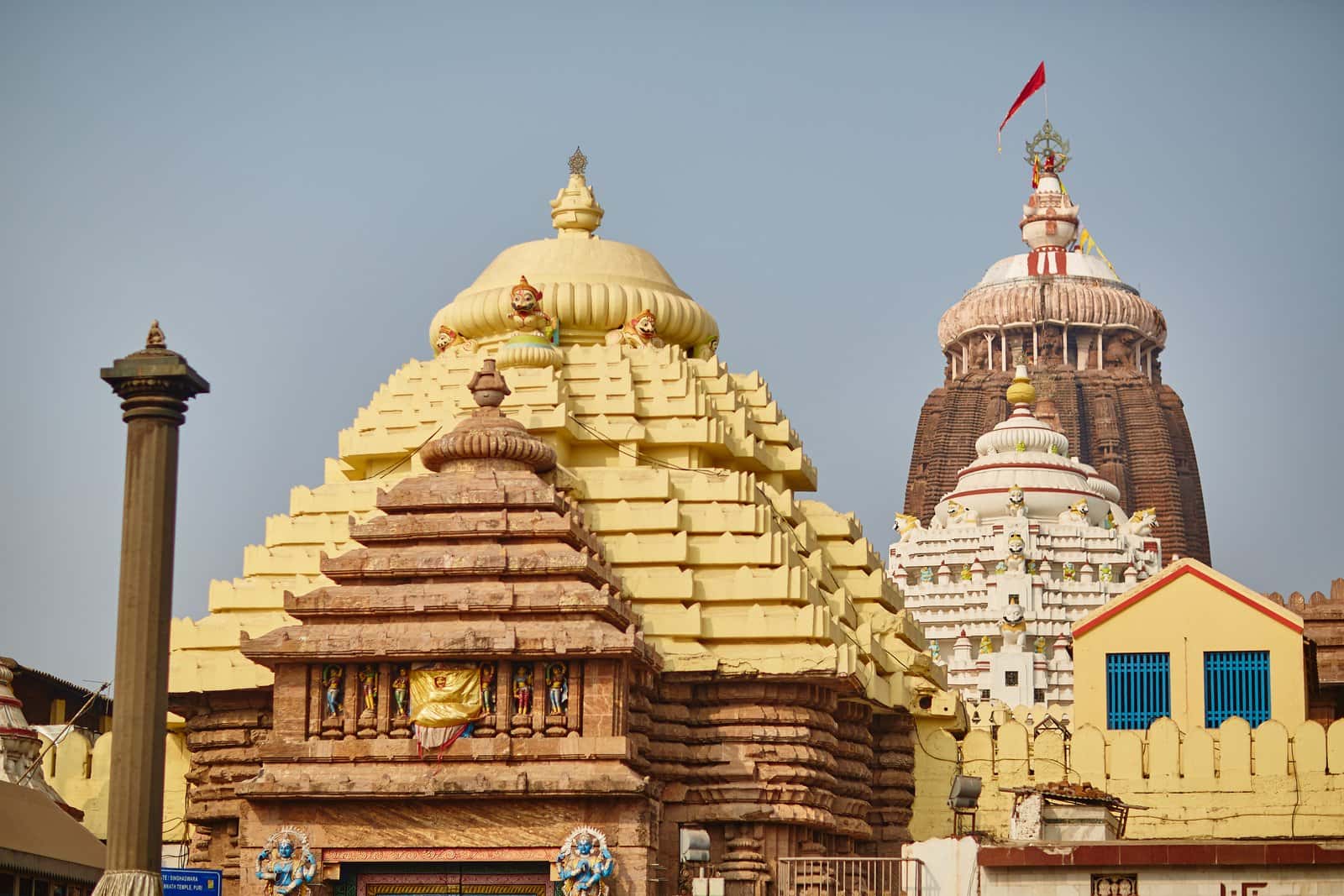
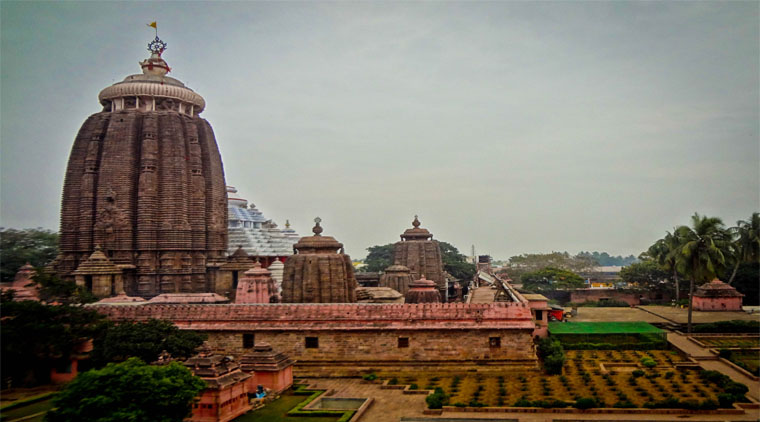
The Jagannath Temple is the heart of Puri and one of the Char Dham. Two things matter most before you go: non-Hindus are not admitted, and phones and cameras are now banned inside.
- Who may enterThe temple does not admit non-Hindus. This is a firmly enforced rule going back centuries, and even famous visitors have been turned away, so please plan around it rather than expecting an exception. Non-Hindus and foreign nationals can still admire the temple from outside, classically from the rooftop terrace of the Raghunandan Library opposite the main Lion Gate (Singha Dwara), where the librarian opens the terrace for a small donation of about 100 rupees and you get a fine view of the tower and the Sudarshana Chakra.
- Leave your phone and camera behindThe temple has moved to a strict ban on mobile phones and cameras inside the premises, applying to everyone including servitors and police. Shoes, leather items and large bags are also not allowed. The administration provides free shoe and mobile stands near the Lion Gate barricade and by the temple office, so deposit everything before you go in and carry as little as possible.
- The darshan and the pandasDarshan is intense and the queues can be long. Pandas (the temple priests) often press visitors for donations; agree nothing under pressure, give only what you wish at the official hundi, and politely decline aggressive offers of a paid special darshan. A managed Dhadi Darshan queue system was introduced in early 2025 (first proposed for 1 January 2025, then started a few weeks later after the New Year rush) to keep the lines moving.
- Timings and the calm windowsThe temple generally opens around 5 am and runs late into the night, but it is not open for darshan the whole time, closing for the deities rituals and meals through the day. Travellers report the early morning and the slot around 3 to 4 pm as the calmer windows, while roughly 9 to 11 am and 4 to 6 pm are the busiest.
The non-Hindu entry rule is long-standing and strictly applied, and signs at the gate state it. The dignified way to experience the temple from outside is the Raghunandan Library rooftop opposite the Lion Gate, where a donation of about 100 rupees opens the terrace. The one time everyone can see the deities is during Rath Yatra, when they are brought out onto the chariots on the Grand Road.
Puri Beach and the Konark Sun Temple
Beyond the temple, Puri is a beach town and the gateway to the great Konark Sun Temple, a UNESCO World Heritage site about 35 km away.
- Golden Beach for sunrisePuri Golden Beach earned a Blue Flag certification in 2020 for being clean and well-managed, and it is the calm stretch for a Bay of Bengal sunrise. The wider sea front has stronger currents, so enjoy the water near the shore and heed the local nulia lifeguards in their conical hats rather than swimming out.
- The Konark Sun TempleThe thirteenth-century Sun Temple at Konark, about 35 km away, is a UNESCO World Heritage site shaped as the sun god giant stone chariot. Entry is around 40 rupees for Indian, SAARC and BIMSTEC visitors and about 600 rupees for other foreign nationals, with under-15s free, open about sunrise to sunset. Come early to read the famous wheel-sundials before the heat.
- The Konark Light and Sound showIn the evening, Konark runs a Light and Sound show that tells the temple story, a separate and modestly priced ticket, reported between about 30 and 70 rupees, so reconfirm at the gate. The annual Konark Dance Festival, held against the temple in December, draws classical dancers from across India.
- Chandrabhaga beachNear Konark, the quiet Chandrabhaga beach is a lovely add-on after the temple, and another fine spot for the sunrise over the Bay of Bengal.
The Marine Drive road links Puri and Konark along the coast, so a morning at the temple, the Konark drive and Chandrabhaga beach make an easy half-day. We arrange the car and a guide for Konark, which rewards a good storyteller who can decode the carvings and the sundial wheels.
Signature experiences around Puri
Beyond the temple and the beach, these are the experiences people remember, and how to arrange them without the tourist-trap version.
- Eat the Mahaprasad at Ananda BazaarThe temple Rosaghara kitchen, one of the largest in the world with around 240 hearths and roughly 600 cooks, cooks the Mahaprasad only in fresh clay pots over wood fire. You eat it at Ananda Bazaar, the market inside the temple complex, generally after the midday offering from about 2 pm, priced by item and pot rather than as a fixed thali. It is an experience as much spiritual as culinary, for those who may enter the temple.
- A Chilika Lake dolphin tripFrom the Satapada side, about 50 km and 1.5 hours from Puri, Chilika is the only place in India with Irrawaddy dolphins and a vast winter bird habitat. Go on a Chilika Development Authority or registered association motorboat with life jackets, ideally November to February. A per-boat trip runs roughly about 1,500 to 2,400 rupees depending on the boat and route, so agree it first. Sightings are frequent but never guaranteed, so enjoy the lagoon for itself.
- Raghurajpur artist villageAbout 14 km from Puri, Raghurajpur is a heritage crafts village where families paint intricate Pattachitra and many artists will demonstrate the work at no charge. Buy directly from the artists in their homes, which supports them and gets you the genuine article rather than a tout copy.
- Pipili applique on the Bhubaneswar roadPipili is famous for its brilliant applique work (chandua), the colourful stitched hangings and canopies you see across Odisha. It makes a bright stop on the drive between Bhubaneswar and Puri.
- Sunrise on the Golden BeachStart a Puri day on the sand as the sun comes up over the Bay of Bengal, with the fishermen readying their boats and the nulia lifeguards on watch. It is the calm counterpoint to the intensity of the temple.
If you have non-Hindus in your group, do not let the entry rule sour the trip. Give the Raghunandan Library rooftop an unhurried half hour at a quiet time, then let the beach and Konark do the heavy lifting; for a Hindu pilgrim, the unrushed early-morning darshan followed by the Mahaprasad is the heart of the visit. Either way, build the day so the temple falls in a calm window, not at the midday crush.
Where to stay in Puri, and how many nights
Stay central near Swargadwar and the Sea Beach Road for the market and the beach, or on the quieter Chakratirtha Road and Marine Drive for newer beachfront calm. Two to three nights is the sweet spot.
- Swargadwar and Sea Beach Road: centralThe lively core, walkable to the beach, the market and the cremation ghat at Swargadwar, with a short auto ride to the temple. Convenient and full of eating options, but busier and noisier. Best for first-timers who want to be in the thick of it.
- Chakratirtha (CT) Road and Marine Drive: quieterNewer beachfront and resort-style stays along the eastern sea front, calmer and better for couples and families who want sea views and space. You will take short rides into the market and the temple, which is a fair trade for the quiet.
- How many nightsTwo nights and three days comfortably covers Puri, an early darshan or the rooftop view, the Golden Beach and a Konark day. Add a third night for the Chilika dolphin trip or a slower beach pace. A single night feels rushed once you factor in the temple queues.
- Room budgetsOff-season, budget rooms run from about 800 to 1,800 rupees, mid-range about 2,000 to 5,000 rupees, and sea-view or heritage stays about 6,000 to 15,000 rupees. All of these rise sharply around Rath Yatra and the New Year week, so book early for those dates.
During Rath Yatra and the year-end week, Puri rooms are scarce and sold months in advance at several times the normal price. If your dates fall on those peaks, book well ahead, or consider basing in Bhubaneswar and coming down for the day. For seniors, a stay within a short ride of the temple makes the darshan far easier.
Puri costs and a realistic daily budget
Puri is gentle on the wallet outside the festival peaks. Here is what the main things cost, so you can plan and avoid being overcharged.
- A rough daily budgetExcluding your room and long-distance transport, a backpacker can do a Puri day on about 1,000 to 1,500 rupees, while a Puri-Konark day for a couple with a car, fuel, Konark tickets and meals runs roughly about 2,000 to 4,000 rupees. The temple darshan itself is free.
- The fixed-price thingsKonark entry is around 40 rupees for Indians and about 600 rupees for other foreign nationals, under-15s free, and the Light and Sound show is a separate ticket reported between about 30 and 70 rupees. The Raghunandan Library rooftop is a donation of about 100 rupees. These are the rare set prices in town.
- The negotiable thingsA Chilika dolphin boat is roughly about 1,500 to 2,400 rupees per boat, a beach pony or photo is quoted high to visitors, and any panda donation should be only what you choose at the hundi. Settle every price before you commit and the only common friction in Puri disappears.
- Cash and cardsHotels, bigger restaurants and many shops take cards or UPI, but the beach vendors, the boats, the rickshaws and small eateries run on cash. There are bank ATMs around the market and the sea-beach road, so carry enough cash for the day.
The single habit that keeps Puri cheap and friction-free is to agree the price before anything begins, whether that is a Chilika boat, a beach pony, a rickshaw or a Konark guide, and to give a temple donation only at the official hundi, in the amount you choose. Quotes to visitors start high and come down without drama once you ask first.
Practical logistics: food, money, SIM and getting around
The small things that make a Puri day smooth, from the temple cloakroom routine to ATMs, food, water and local transport.
- The temple cloakroom routineBecause phones, cameras, shoes, leather and large bags are banned inside the temple, the smoothest plan is to carry almost nothing to the gate. Use the free shoe and mobile stands near the Lion Gate or the temple office, leave wallets and valuables at your hotel, and keep just a little cash for the hundi.
- Food and waterThe seafood and Odia thalis are excellent, and the temple Mahaprasad is a highlight for those who may enter. Stick to bottled or filtered water, eat at busy, reputed places, and take the usual care with street food, especially in the humid months.
- Money and ATMsBank ATMs cluster around the main market and the sea-beach road. Carry cash for the beach vendors, the boats, the rickshaws and small eateries, as not everyone takes cards or UPI.
- SIM, signal and getting aroundMobile coverage in Puri is generally fine for calls, maps and data. Pick up an Indian SIM or eSIM at the airport in Bhubaneswar if you are arriving from abroad. In town, autos and cycle-rickshaws handle the short hops, and a hired car is the easy way to Konark, Chilika and Raghurajpur.
Safety, the panda pressure, and staying well
Puri is welcoming and broadly safe, but the donation pressure at the temple and the strong surf are the two things to handle with a little awareness.
- The panda donation pressureSome pandas push hard for large donations or a paid special darshan, sometimes quoting a figure and steering you to a side counter. Be polite but firm, give only what you choose at the official hundi, and do not hand cash to anyone who approaches you in the queue. A genuine puja, if you want one, is arranged and priced before it begins.
- Respect the temple rulesNon-Hindus are not admitted, and phones, cameras, leather and large bags are banned inside, so plan around both rather than risk being turned back after a long queue. Dress modestly, go barefoot where required, and keep voices low near the rituals.
- Mind the surf and the sunThe open Puri sea front can have strong currents and a steep drop, so stay near the shore, watch the nulia lifeguards in their conical hats, and save proper swimming for the calmer Golden Beach. The coast is humid and the sun strong even in winter, so carry water and sun protection for the open beach and Konark.
- General precautionsPetty issues are mostly overcharging by some rickshaws, beach vendors and boatmen, handled by agreeing prices first. Keep valuables in the hotel safe, watch your belongings in the festival crush, and note that during Rath Yatra the dense crowds need extra care for children and elders.
Puri is a busy, family-oriented pilgrimage and beach town, and most travellers, including solo women, find it manageable with standard precautions. Dress modestly near the temple, prefer the busier, well-lit beach and market lanes after dark, and be firm with the donation and overcharging touts. As anywhere, take care alone on the quieter, darker stretches of beach at night.
Puri for every kind of traveller, and on access
Puri rewards very different visitors in different ways. Here is what it offers you, and the one tip that matters for each, including how a senior pilgrim does the darshan comfortably.
- Senior pilgrims and on accessibilityVery doable with planning. The darshan involves long barefoot queues and heat, so go at opening or the calmer 3 to 4 pm slot, carry water, and use the free temple battery-buggy and cart service for senior and physically challenged devotees that runs from the Jagannath Ballav parking and the Grand Road to near the gate. Stay within a short ride of the temple and let your operator help with a smoother entry.
- Families with childrenPuri pairs the temple with the beach beautifully. Children love the Golden Beach sand and the Chilika dolphin boat, and the Konark stone chariot wheels are a hit. Under-15s are free at Konark, and the beach is the easy reward after a temple morning.
- CouplesA sunrise walk on the Golden Beach, the Konark drive along the Marine Drive coast, and a quiet Chandrabhaga evening make Puri gentle and romantic between the busy temple hours. The CT Road and Marine Drive stays are the calmer base.
- Spiritually inclined pilgrimsAs one of the Char Dham and a Sapta Puri, Puri is a profound stop. An early darshan, the Mahaprasad at Ananda Bazaar, and timing a Rath Yatra visit are the deep experiences here. Allow an unhurried morning rather than a rushed day trip.
- Budget travellersReach Puri cheaply by train from Kolkata, stay in the lanes near the beach or the market, and eat well and inexpensively, including the Mahaprasad. A backpacker day runs about 1,000 to 1,500 rupees excluding the room, and public buses link Konark and Chilika if you have time.
- PhotographersKonark carvings and wheels reward early light, the Golden Beach sunrise and the nulia fishermen make strong frames, and Raghurajpur painters and Pipili applique are full of colour. Remember that no cameras at all are allowed inside the Jagannath Temple, so plan your temple shots from the Raghunandan Library rooftop.
A suggested Puri itinerary
How to shape two or three unhurried days so you catch the temple in a calm window, the beach at sunrise, and Konark in the cool of the morning.
- Day one: temple and townStart at sunrise on the Golden Beach, then take an early Jagannath darshan before the late-morning crush, carrying almost nothing because of the phone and bag ban. Non-Hindus take the Raghunandan Library rooftop view instead. Afternoon for the market, Swargadwar and a rest through the heat.
- Day two: Konark and the coastDrive the Marine Drive coast to the Konark Sun Temple in the cooler morning, with a guide to read the carvings, then Chandrabhaga beach, and back for a sunset on the Puri sea front. Catch the Konark Light and Sound show in the evening if you stay late.
- Day three: Chilika or a slow beach dayAdd a Chilika dolphin trip from Satapada, about 1.5 hours each way, on a registered boat with life jackets, or simply slow down on the beach and visit Raghurajpur for Pattachitra. A third night turns a tick-the-box temple stop into a proper Odisha coastal break.
- The short versionIf you only have a day and a half, do an early temple or rooftop visit and the Golden Beach on the first afternoon, then Konark the next morning before you leave. You will miss Chilika, but you will still have the heart of Puri.
The single thing that breaks a tight Puri plan is arriving at the Jagannath Temple during a ritual closure or the late-morning crush. Build the day so the darshan falls in the early morning or the calmer 3 to 4 pm window, keep the hot middle of the day for the beach or a rest, and remember to leave your phone and bags behind before you join the queue.
The real questions travellers ask about Puri
Straight answers to the questions that come up again and again on traveller forums, so you arrive already knowing the score.
- Can non-Hindus or foreigners enter the temple?No. The Jagannath Temple does not admit non-Hindus, and the rule is enforced. View it instead from the Raghunandan Library rooftop opposite the Lion Gate for a donation of about 100 rupees, and time a Rath Yatra visit if you want to see the deities, which is the one time everyone can.
- Which darshan time is calmest?Travellers report the early morning at opening and the slot around 3 to 4 pm as the easier windows, with roughly 9 to 11 am and 4 to 6 pm the busiest. Weekdays in winter are far calmer than weekends and festival days.
- I am travelling with seniors, how do they manage?Go at a calm window, use the free temple battery-buggy and cart service for senior and physically challenged devotees from the parking and the Grand Road to near the gate, carry water, and stay within a short ride of the temple. The barefoot queue is the main effort, so an early slot keeps the wait and the heat down.
- How many days do I need?Two nights and three days covers Puri and Konark comfortably; add a third night for the Chilika dolphin trip or a slower beach pace. A single night feels rushed once the temple queues are factored in.
- How much is the Chilika dolphin boat?Roughly about 1,500 to 2,400 rupees per boat from the Satapada side, depending on the boat and route, on a Chilika Development Authority or registered association boat with life jackets. Dolphin sightings are common from November to February but never guaranteed.
- Is Puri beach safe for swimming?Stay near the shore. The open sea front has strong currents and a steep drop, so heed the nulia lifeguards in their conical hats and keep proper swimming for the calmer Golden Beach stretch.
Planning Puri from abroad
Puri is the eastern Char Dham and a beautiful coast, but the temple entry rule needs to be understood clearly before you plan, especially for non-Hindu travellers.
- Understand the temple entry rule firstNon-Hindus are not admitted into the Jagannath Temple; the rule is centuries old and strictly enforced, and applies regardless of nationality. Overseas visitors of the Hindu faith are generally fine, but be ready that officials at the gate make the decision. If you are not Hindu, plan the dignified rooftop view from the Raghunandan Library opposite the Lion Gate for a donation of about 100 rupees.
- Time it with Rath Yatra to see the deitiesThe one occasion when everyone, including non-Hindus, can see the deities is Rath Yatra, when they are brought out onto the chariots on the Grand Road. In 2026 the main pulling is on about 16 July and in 2027 around 5 July. Crowds are immense, so plan and book very early, and reconfirm the dates officially.
- Arrive through BhubaneswarFly into Delhi or Kolkata and connect to Bhubaneswar (Biju Patnaik International), about 60 km and roughly 1.5 hours by road from Puri. We handle the transfer and the Konark and Chilika trips. There are no significant direct international flights to Bhubaneswar from the West.
- Make it the eastern Char Dham loopPuri sits in the easy Odisha loop with the Bhubaneswar temples and the Konark Sun Temple, with Chilika Lake to the south. For an overseas Hindu pilgrim it is the eastern point of the Char Dham, and a rewarding, less-crowded-than-the-north pilgrimage.
Money, connectivity and timing for foreign visitors
The practical basics an overseas traveller needs for a coastal temple town: cash, cards, a SIM, the temple cloakroom routine, and how much time to give Puri on a wider India trip.
- Carry cash, expect to agree pricesCards and UPI work in hotels and bigger restaurants, but the beach vendors, the Chilika boats, the rickshaws and small eateries are cash places, and many prices are negotiable. Draw cash at the market and sea-beach-road ATMs and keep small notes for rides, the boat and the temple hundi.
- Get a SIM in BhubaneswarPick up an Indian tourist SIM or an eSIM when you land in Bhubaneswar rather than hunting for one in Puri. Coverage in Puri itself is fine for maps, calls and ride-hailing to Konark and Chilika.
- Know the temple cloakroom ruleEven if you may enter, the phone, camera, shoe, leather and bag ban means you carry almost nothing to the gate. Use the free stands near the Lion Gate or the temple office, leave valuables at your hotel, and keep only a little cash for the hundi.
- How long to give it on a bigger tripOn an eastern India trip, two to three nights in Puri, paired with a night or two in Bhubaneswar, is the right weight for the temple, Konark, the beach and Chilika. October to February is the comfortable window; if you want Rath Yatra, plan around mid-July and book far ahead.
Puri is a rewarding, less-trodden alternative to the northern circuit: a living pilgrimage town, a world-class monument at Konark, a Blue Flag beach and a dolphin lagoon, all within a short loop from Bhubaneswar. Give it two or three nights, understand the temple entry rule before you arrive, and it makes a calm, deep coastal chapter on a wider India itinerary.
Why the eyes are wide and the arms unfinished
The deities of Jagannath, his brother Balabhadra and sister Subhadra are not carved in the usual lifelike way; they are striking wooden forms with great round eyes and only stumps for arms. The best-loved tradition tells of King Indradyumna, who wished to enshrine the Lord and was sent a divine craftsman, said to be Vishvakarma, who agreed to carve the images on one condition: that he work alone behind closed doors and not be disturbed until he was done. For days the sound of his tools came from the chamber, then fell silent. The anxious king, or in some tellings the queen, opened the door too soon. The craftsman vanished, leaving the images unfinished, and the Lord chose to be worshipped in exactly that form. Every twelve years or so, in the Nabakalebara rite, the wooden bodies are renewed from a specially chosen neem tree, and the mysterious Brahma Padartha, the life-substance, is transferred by blindfolded servitors who say they may feel but never see it. No single scriptural verse fixes the story in one form; it survives in the Skanda and other Puranic traditions and in the living practice of the temple, which is the truest source for Jagannath.
Planning a Puri trip?
Our Odisha travel experts plan your full journey for you: route, hotels, darshan timings and transport. You get a free day-by-day plan and an exact quote on WhatsApp, usually within a few hours. No payment is needed to get your plan.
Tour packages that visit Puri
Every journey below is private, hand-crafted and fully customizable. Tell us your dates and we tailor the itinerary, the pace and the priests or guides around you.
 6D / 5N
Orissa Tour Package
- Visit Parasurameswara Temple
- Visit Dhauli
 5D / 4N
Orissa Golden Triangle Tour
- Visit Rajarani & Mukteswar
- Visit Parsurameswar
 4D / 3N
Orissa Trip
- Visit Bhubaneswar
- Visit Aparasurameshwar
 4D / 3N
Puri Holiday Package
- Visit Konark Sun temple
- Visit Famous Jagannath Temple