
Ajmer Travel Guide
The best months are October to March , and the great set-piece is the Urs of Khwaja Garib Nawaz in December. Decide early whether you want the Urs crowds or the calmer city.
When to visit Ajmer, and the Urs to plan around
The best months are October to March, and the great set-piece is the Urs of Khwaja Garib Nawaz in December. Decide early whether you want the Urs crowds or the calmer city.
- October to March: cool and comfortableThe most pleasant window, mild by day and cool in the evenings, so carry a light layer for the cooler nights. This is the time for the open courtyards of the Dargah, the walk by Ana Sagar and the Taragarh climb without the punishing heat.
- April to June: fiercely hot, best avoidedHigh summer on the desert plain is harsh, draining for the crowded shrine lanes, the open lake walk and the hill climb. If you must come then, keep the middle of the day for rest and shade and visit the Dargah very early or in the evening.
- The monsoon and shoulder weeksJuly to September brings some relief from the heat and a green flush around Ana Sagar, but it is not the main season and showers can interrupt sightseeing. The cooler half of the year remains the comfortable choice for a relaxed visit.
- Urs or no Urs, decide firstThe Urs is an extraordinary, intense pilgrimage spectacle, but the city is overwhelmed and rooms are scarce and dear. A normal week in winter is gentle and far easier to enjoy, so choose the experience you want before you book.
The Urs marks the lunar death anniversary of Khwaja Garib Nawaz and is expected to run about 11 to 19 December 2026, with the flag-raising (jhanda) ceremony about a week before, around 5 December. But Urs dates follow the Islamic lunar calendar and are confirmed by moon sighting, so they shift every year and can move by a day or two even close to the date. Treat 11 to 19 December as expected, not fixed, and reconfirm the official dates with the Dargah Committee before you book flights or rooms. Beware pages and donation-service sites that quote a fixed date as fact, as old dates are copied across the web every year.
How to reach Ajmer
Ajmer has its own major railway junction and sits on the Delhi to Jaipur to Ahmedabad line. Most travellers arrive by train, or drive down from Jaipur.
- By train to Ajmer JunctionAjmer Junction is a major station, well connected to Delhi, Jaipur and across India. Fast daytime services include the New Delhi to Ajmer Shatabdi Express, which leaves Delhi around 6:05 am and reaches Ajmer around 12:45 pm via Jaipur, so a same-day rail trip from Delhi or Jaipur is very practical. Book on IRCTC ahead in season, and far ahead around the Urs.
- From Jaipur by roadJaipur is about 135 km away, roughly 3 hours by car on a good highway, and is the nearest major airport with wide connections. Ajmer slots neatly onto a Jaipur and Rajasthan loop, and we can arrange a car with an experienced driver.
- From DelhiDelhi is the main long-distance gateway, around 400 km away. The simplest route is a daytime train to Ajmer Junction; by road, most travellers break the run in Jaipur rather than pushing the full distance in one go.
- Nearest airportKishangarh airport is the closest at about 27 to 30 km north-east, but it is a small domestic airport with only limited and changeable flights, so check current routes before relying on it. Jaipur, about 3 hours away, is the practical and reliable airport for most travellers. There are no flights into Ajmer city itself.
Fly into Delhi, the main international gateway, then take a daytime train to Ajmer Junction or reach Ajmer via Jaipur by train or road. Ajmer has no international flights of its own.
Fly into Delhi or directly to Jaipur, then drive about 3 hours to Ajmer or take the short train hop. Ajmer sits easily on the Jaipur, Pushkar and Jodhpur road circuit.
Take a train to Ajmer Junction, which is on the Delhi to Jaipur to Ahmedabad line and well served from many cities, or drive from Jaipur. The rail junction is the simplest way in.
The Dargah, the heritage sights, and the rules
Ajmer is the great Dargah of Khwaja Garib Nawaz, plus a layer of fine heritage: a 12th-century mosque, a royal lake and a hilltop fort. A few rules are worth knowing before you go.
- Ajmer Sharif DargahThe shrine of the Sufi saint Khwaja Moinuddin Chishti, Khwaja Garib Nawaz, is one of the most revered Sufi sites in the world and welcomes people of all faiths. Entry is free, with no ticket and no compulsory payment. Cover your head, leave footwear at a stall, dress modestly, and keep cameras out of the inner shrine. Read the safety section before anyone attaches themselves to you as a guide.
- Adhai Din ka JhonpraJust below Taragarh hill, this remarkable early Indo-Islamic mosque was built around 1199 CE with later additions under Iltutmish about 1213, famous for its screen of seven arches and its forest of carved pillars. It is maintained by the Archaeological Survey of India and entry is free, making it the best heritage stop after the Dargah.
- Ana Sagar Lake and the BaradariThe large 12th-century artificial lake, with marble Baradari pavilions added by Shah Jahan and the Daulat Bagh gardens alongside, is the green lung of the city. It is lovely for an evening walk and gentle boating, a calm contrast to the dense shrine lanes.
- Taragarh Fort and Soniji ki NasiyanTaragarh Fort crowns a hill of the Aravallis above town, a steep drive or a hard climb rewarded with wide views. Soniji ki Nasiyan, the Red Temple, hides a dazzling gilded Jain hall, the Swarna Nagari, and is an easy add to a heritage half-day.
The Dargah is a deeply revered, active place of worship for all faiths. Both men and women cover the head, footwear comes off before the shrine area, dress covers shoulders and knees, and photography is not allowed inside the inner shrine. The langar (free kitchen) and donations are handled by the official Dargah Committee, so give through the proper boxes or office, covered in the safety section below.
Signature experiences in Ajmer
Beyond a quick darshan, these are the experiences people remember, and how to arrange them without the tourist-trap version.
- A respectful ziyarat on your own termsThe heart of a visit is the ziyarat, paying respects at the shrine. Go early in the morning for calm, cover your head, and if you wish to offer a chadar or flowers, buy them yourself at a fixed-price stall and place your offering directly. You do not need a khadim to escort you, and no set donation is required.
- The evening qawwaliIn the courtyard, qawwals sing devotional music in the evenings, and around the Urs especially this is hypnotic and moving. Sit quietly, enjoy it, and if a performer or attendant presses for a large tip, a polite, modest offering of your own choosing is all that is expected.
- A heritage half-dayPair Adhai Din ka Jhonpra, the 12th-century mosque just below Taragarh, with the Ana Sagar lake walk and the gilded Swarna Nagari hall at Soniji ki Nasiyan. It is a satisfying, low-cost half-day that most Dargah day trips skip entirely.
- Boating and a sunset at Ana SagarGentle boating and an evening stroll by Ana Sagar and the Baradari pavilions are the calm counterpoint to the intensity of the shrine lanes. Agree any boat price before you step in, as rates are quoted high to visitors.
- Pair Ajmer with PushkarPushkar, with its holy lake and the rare Brahma Temple, is only about 15 km over the hill, roughly 30 to 40 minutes by road, so the two are almost always done together. A Jaipur day tour commonly covers both Ajmer and Pushkar in about 8 to 10 hours.
- The Urs, if your dates matchIf you visit during the Urs, the city becomes a sea of pilgrims, qawwali and devotion, an unforgettable but intense experience. Expect dense crowds and scarce rooms, go early in the day for the shrine, and keep your belongings close.
If you do only one thing slowly, make it an early-morning ziyarat before the lanes fill. The shrine in the quiet first hours, with the qawwali starting and the crowds still thin, is what people remember long after the bazaar and the touts fade. Give yourself an unhurried morning, settle any offering on your own terms, and Ajmer opens up in a way a rushed midday stop never allows.
Where to stay in Ajmer, and how many nights
Stay near the Dargah to be in the thick of it, by Ana Sagar for calm, or base in Pushkar and day-trip across. Many travellers need only a few hours to a single night.
- Near the Dargah: in the thick of itWalking distance to the shrine and the bazaar, convenient for an early ziyarat, but busy, noisy and dense, with more touts and basic rooms. Best for pilgrims who want to step straight into the shrine area, especially during the Urs.
- By Ana Sagar and the wider city: calmerQuieter hotels around the lake and the newer parts of town give you space, easier parking and a gentler evening walk, at the cost of a short ride to the Dargah. Better for families, couples and anyone who wants to slow down.
- Base in Pushkar insteadMany travellers prefer to sleep in Pushkar, with its lakeside cafes and calmer mood, and day-trip the about-15-km hop to Ajmer for the Dargah and the heritage sights. It is one of the most popular ways to do the pair.
- How many nightsAjmer itself is often a half-day or single day: the Dargah in the morning, a heritage half-day, and on to Pushkar. A night in Ajmer suits pilgrims who want an unhurried dawn ziyarat or who are here for the Urs; most leisure travellers sleep in Pushkar or Jaipur.
During the Urs, rooms across Ajmer are scarce and sold months in advance at several times the normal price, and the lanes around the shrine are packed. If your dates fall on the Urs, book well ahead, or base yourself in Pushkar or Jaipur and commute in early, and keep your plans flexible because the dates can shift with the moon.
Ajmer costs and a realistic budget
Ajmer is gentle on the wallet outside the Urs. The big sights are free or near-free; the costs to watch are the avoidable ones the touts try to create.
- The free and near-free sightsEntry to the Dargah is free, and so is Adhai Din ka Jhonpra under the Archaeological Survey of India. Soniji ki Nasiyan, the Red Temple, charges only a modest amount, about 10 rupees for Indians and about 25 rupees for foreigners. The headline sights cost very little.
- The costs to watchThe avoidable expense at Ajmer is the donation pressure: a chadar pushed on you can be marked up many times over, and touts demand large offerings. You are never obliged to buy a costly chadar or pay any set amount, so the single best money habit here is to settle any offering on your own terms.
- The negotiable thingsBoat rides at Ana Sagar, autos and taxis around town, and bazaar goods are all quoted high to visitors and are negotiable. Agree the price before you commit, whether it is a boat, a ride or a purchase, and the only common friction in Ajmer disappears.
- Cash, cards and ATMsBigger shops and hotels take cards or UPI, but the bazaar, the rides, the offering stalls and small eateries run on cash. There are bank ATMs around the city and the Dargah area, so carry enough cash for the day to keep things smooth.
At Ajmer the most important number is zero: entry to the Dargah costs nothing and no pass is required. Everything a tout tries to attach to that, the costly chadar, the set donation, the paid escort, is optional. Decide before you go in that any offering will be a small sum of your own choosing, placed in the official boxes, and the town's only real friction turns into a non-event.
Practical logistics: getting around, money, food and SIM
The small things that make an Ajmer day smooth, from the dense shrine lanes to ATMs, food and local transport.
- Getting around townThe lanes around the Dargah are narrow, crowded and best done on foot, with shoes left at a stall before the shrine. Auto-rickshaws and taxis handle the hops to Ana Sagar, Taragarh, the railway station and the about-15-km run over the hill to Pushkar. Agree auto and taxi fares before you set off.
- Food around the shrineThe shrine bazaar is famous for its sohan halwa and for hearty Mughlai food, and the Dargah langar offers a free community meal. Eat where it is busy and freshly cooked, take the usual care with street food, and drink bottled or filtered water.
- Money and ATMsBank ATMs are around the city and near the Dargah. Carry cash for the bazaar, the offering stalls, the boat rides and small eateries, as not everyone takes cards or UPI, and small notes are handy for tips and offerings.
- SIM, signal and languageMobile coverage in the city is generally fine for calls, maps and data. Hindi and Urdu are widely spoken around the shrine, with English understood in the tourist and hotel trade, so communicating is easy.
Safety, the donation pressure, and staying well
Ajmer is welcoming and the Dargah draws all faiths, but the khadim and chadar donation pressure and the crowded lanes catch many first-timers. A little awareness keeps the visit happy.
- The khadim and chadar donation pressure, and how to handle itNear the Dargah, men presenting themselves as shrine attendants attach themselves to you, walk you in for a quick prayer, press you to buy a chadar often marked up many times over, then demand a large donation, sometimes quoted in dollars to foreigners. Decline politely, say you will offer on your own, and walk in by yourself. Entry is free and no escort or set payment is required.
- Do your offering the safe wayIf you want to offer a chadar or flowers, buy them yourself at a fixed-price stall and place them directly, or give a small sum in the official Dargah Committee donation boxes or office. The langar and charitable work are handled officially, so you never need to hand cash to a stranger in the lanes.
- Watch your belongings and the beggar crowdsThe lanes are dense and pickpocketing is reported, so carry valuables in a front pocket or zipped bag. Beggars gather near the shrine, and giving to one often brings several more, so a polite no and a small offering through the proper channels is the kinder, simpler approach.
- Heat, water and the climbDrink bottled or filtered water, take the usual care with street food, and in the warmer months carry sun protection and water for the open courtyards and the Taragarh climb. Seniors and anyone short on time should drive up to Taragarh rather than walk.
Most solo women find Ajmer manageable with standard precautions. The persistent friction reported by travellers is sales and donation pressure and the crowded lanes rather than violent crime. Dress modestly and cover your head at the shrine, be firm with the touts and escorts, keep your bag zipped and in front in the crush, and prefer busier times of day around the Dargah. Visiting early morning also means thinner crowds and a calmer experience.
Ajmer for every kind of traveller, and on access
Ajmer suits very different visitors in different ways. Here is what it offers you, and the one tip that matters for each, including how a senior visits comfortably.
- Pilgrims and the devoutThe reason most people come. Go early for a calm ziyarat, cover your head, offer on your own terms, and stay for the evening qawwali. A night in Ajmer lets you do an unhurried dawn visit before the lanes fill.
- Families with childrenThe shrine lanes are dense and crowded, so keep little ones close and hold hands in the crush. Balance the Dargah with the gentler Ana Sagar boating and gardens, and visit the shrine early in the day when it is calmer.
- Senior travellers and on accessibilityDoable with planning. Stay near the Dargah or by Ana Sagar to limit walking, go in the cool of the morning, drive up to Taragarh rather than climbing, and be ready for narrow, uneven and busy lanes around the shrine. Avoiding the peak Urs crush makes it far gentler.
- Couples and heritage loversPair the Dargah with the heritage half-day, Adhai Din ka Jhonpra, the Swarna Nagari hall and an evening by Ana Sagar, then sleep in calmer Pushkar over the hill. It is an easy, atmospheric add to a Rajasthan loop.
- Solo female travellersGenerally manageable with standard precautions. Dress modestly and cover your head at the shrine, be firm with the donation touts and escorts, keep your bag zipped and in front in the dense lanes, and prefer the calmer morning hours.
- Budget travellersAjmer is cheap to see: the Dargah and Adhai Din ka Jhonpra are free, the Red Temple is a few rupees, and the langar offers a free meal. The only avoidable cost is the donation pressure, so settle any offering yourself and keep the rest for Pushkar.
A suggested Ajmer itinerary
How to shape a half-day, a full day, or an Ajmer and Pushkar day so you catch the shrine when it is calm and still see the heritage layer.
- The half-day Dargah versionIf you only have a morning, go early to the Dargah for a calm ziyarat, cover your head, offer on your own terms, and stay for a little qawwali. Add a quick stop at Adhai Din ka Jhonpra just below Taragarh on your way out.
- A full Ajmer dayDargah in the morning, then the heritage half-day, Adhai Din ka Jhonpra, the Swarna Nagari hall at Soniji ki Nasiyan, and an evening walk and boating at Ana Sagar. Drive up to Taragarh if you have the time and energy for the view.
- Ajmer and Pushkar in one dayA classic pairing: the Dargah and heritage in Ajmer, then the about-15-km hop over the hill to Pushkar for the lake, the Brahma Temple and the bazaar. A Jaipur day tour commonly does both in about 8 to 10 hours.
- Where it fits on a Rajasthan loopMost travellers slot Ajmer and Pushkar together between Jaipur and Jodhpur or Udaipur, sleeping in Pushkar and day-tripping into Ajmer, or coming up by the morning Shatabdi from Delhi and returning the same evening.
The single thing that spoils a tight Ajmer plan is arriving at the Dargah in the midday crush, when the lanes are jammed, the heat is high and the touts are busiest. Build your day so the shrine falls in the early morning or the evening, keep the hot middle of the day for the lake, a meal or the museum, and the visit stays calm and unhurried.
The real questions travellers ask about Ajmer
Straight answers to the questions that come up again and again on traveller forums, so you arrive already knowing the score.
- Is entry to the Dargah free?Yes. Entry to the Ajmer Sharif Dargah is free for everyone, with no ticket and no compulsory payment. Any offering is your own choice, so ignore anyone who insists a pass or a fixed sum is required to go in.
- How do I handle the khadims and the chadar pressure?Decline politely and walk in by yourself, cover your head, and if you want to offer a chadar or flowers buy them at a fixed-price stall and place them directly. You do not need an escort, and no set donation is required, so settle any offering on your own terms.
- Can non-Muslims and foreign tourists enter?Yes. The Dargah is a Sufi shrine that welcomes people of all faiths and nationalities, which is part of what makes it special. The only requirements are the etiquette: head covered, shoes off, modest dress, and no photography inside the inner shrine.
- When is the Urs, and should I avoid it?The Urs is expected around 11 to 19 December 2026, but the lunar dates shift yearly and must be reconfirmed with the Dargah Committee. It is an extraordinary spectacle but the city is overwhelmed, so go for it deliberately or come in a calmer week if you want an easy visit.
- How far is Pushkar, and can I do both in a day?Pushkar is only about 15 km over the Nag Pahar hill, roughly 30 to 40 minutes by road, so yes, the two are easily combined in a day, and a Jaipur day tour commonly covers both in about 8 to 10 hours.
- Are the online Ajmer Sharif donation websites official?Be careful. Many sites that sell online chadar and donation services are private operators, not the shrine itself. The Dargah is run by an official government committee, so to donate, give through the proper boxes or office, or verify any service against official channels before paying.
Planning Ajmer from abroad
Ajmer is one of the great Sufi shrines of the world and welcomes all faiths, and it pairs naturally with Jaipur and Pushkar. A little preparation makes the free-entry truth and the donation pressure easy to handle.
- Know that entry is free, for everyoneThe Dargah welcomes all faiths and nationalities, and entry is free with no ticket or pass. This is exactly the fact touts and some paid-service websites blur. Decide before you arrive that any offering will be a small sum of your own choosing, placed in the official boxes.
- Be ready for the donation approachNear the shrine, someone may attach themselves as a guide, press you to buy a costly chadar and ask for a large donation, sometimes quoted in dollars. This is the one thing to be ready for. A firm, friendly no and walking in by yourself is all it takes, and the shrine itself is moving and welcoming.
- Mind the etiquetteCover your head (carry a scarf or buy a cheap one at the gate), remove footwear before the shrine area, dress modestly covering shoulders and knees, and keep your camera out of the inner shrine. The same respect you would show at any great place of worship is all that is asked.
- Pair it with Jaipur and PushkarFly into Delhi or Jaipur, then loop Jaipur, Ajmer and Pushkar, and on to Jodhpur or Udaipur. Ajmer and Pushkar are about 15 km apart and almost always done together, an easy 3 hour drive from Jaipur or a morning train from Delhi.
Money, connectivity and timing for foreign visitors
The practical basics an overseas traveller needs for a busy pilgrimage city: cash, cards, a SIM, and how many hours to give it on a wider India trip.
- Carry cash, expect to bargainCards and UPI work in hotels and bigger shops, but the bazaar, the boat rides, the offering stalls and small eateries are cash places, and prices are negotiable. Draw cash at the city ATMs and keep small notes for rides, tips and any offering.
- Get a SIM at the airportPick up an Indian tourist SIM or an eSIM when you land in Delhi or Jaipur rather than hunting for one here. Coverage in Ajmer is fine for maps, calls and ride-hailing, and useful for the short hop to Pushkar.
- How long to give it on a bigger tripOn a first Rajasthan trip, give Ajmer a half-day to a full day, usually paired with a night or two in Pushkar: enough for the Dargah, a heritage half-day and the lake, without slowing the whole itinerary between Jaipur and Jodhpur or Udaipur.
- Time your visit to your comfortOctober to March is the comfortable window. If you want the spectacle of the Urs, plan around it and book far ahead, remembering the lunar dates move; if you want calm, come in a quieter week and visit the shrine in the early morning.
Ajmer is an intense, deeply human introduction to devotional India: a Sufi shrine that has welcomed all faiths for centuries, alive with qawwali and pilgrims. Go in with the free-entry truth and the donation steer settled in your mind, give it a calm early morning, and pair it with gentle Pushkar over the hill. Many overseas visitors find the shrine the most moving stop on a Rajasthan loop.
Why Khwaja Garib Nawaz is loved across faiths
Ajmer's heart is the Dargah of Khwaja Moinuddin Chishti, the Persian-born Sufi saint who settled here in the late 12th century and became known as Khwaja Garib Nawaz, the benefactor of the poor. He taught a message of love, service and devotion open to all, feeding the hungry and welcoming people of every faith, and that spirit still defines the shrine: Hindus, Muslims, Sikhs, Christians and travellers of no faith come together to pay their respects, tie threads of hope and listen to the qawwali. Mughal emperors from Akbar onward made pilgrimages here, and the saint's death anniversary, the Urs, draws hundreds of thousands every year. The exact words of the saint's teachings come down through many oral and written traditions rather than a single fixed text, so we cite the tradition honestly rather than attribute a precise quotation; what is beyond dispute is the openness that makes Ajmer one of the most inclusive holy places in India.
Planning a Ajmer trip?
Our Rajasthan travel experts plan your full journey for you: route, hotels, darshan timings and transport. You get a free day-by-day plan and an exact quote on WhatsApp, usually within a few hours. No payment is needed to get your plan.
Tour packages that visit Ajmer
Every journey below is private, hand-crafted and fully customizable. Tell us your dates and we tailor the itinerary, the pace and the priests or guides around you.
 12D / 11N
Rajasthan Tour Package
- Visit Lotus Temple
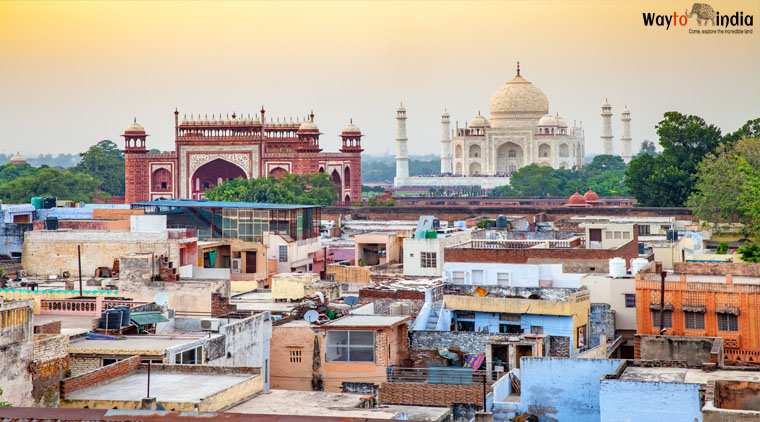
- Visit world famous Taj Mahal
 15D / 14N
Agra Rajasthan Tour Package From Delhi
- Visit Taj Mahal In Agra
- Visit Amber Fort & Jal Mahal In Jaipur
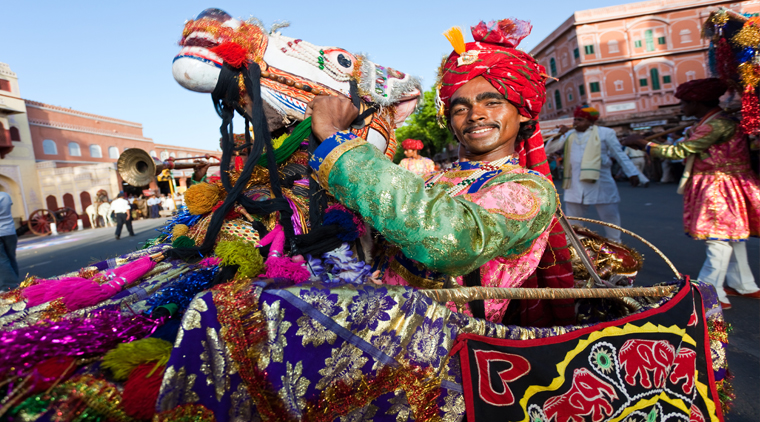 9D / 8N
Rajasthan Tour By Car
- Visit City Palace, Hawa Mahal & Jantar Mantar at Jaipur
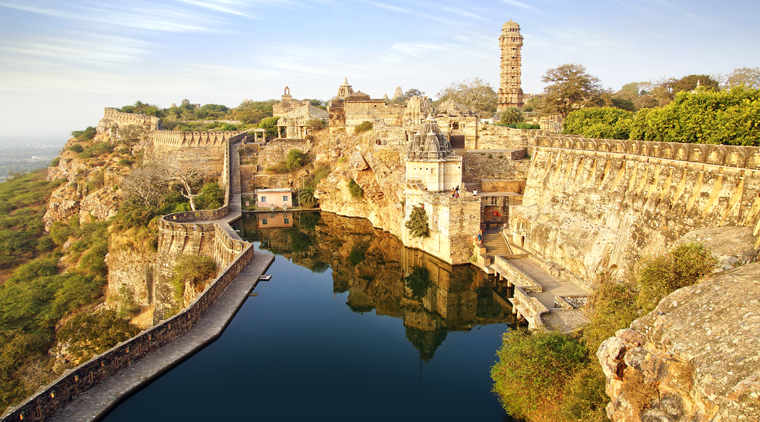
- Visit Kumbhalgarh & Chittorgarh Forts near Udaipur
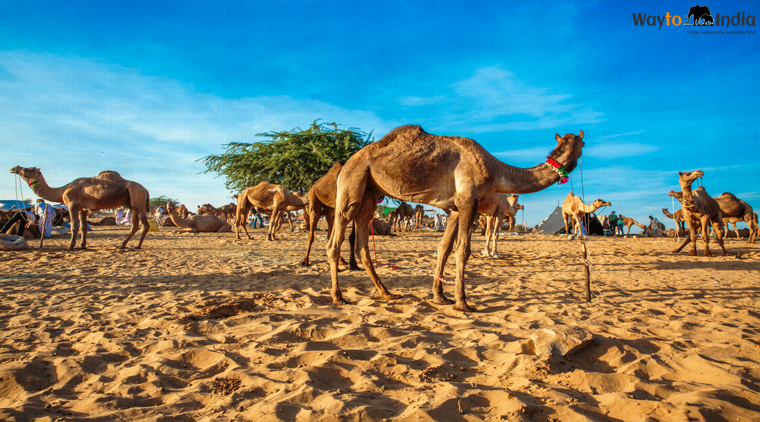 4D / 3N
Jaipur Ajmer Pushkar Tour
- Visit famous Ajmer Sharif Dargah
- Visit Jal Mahal
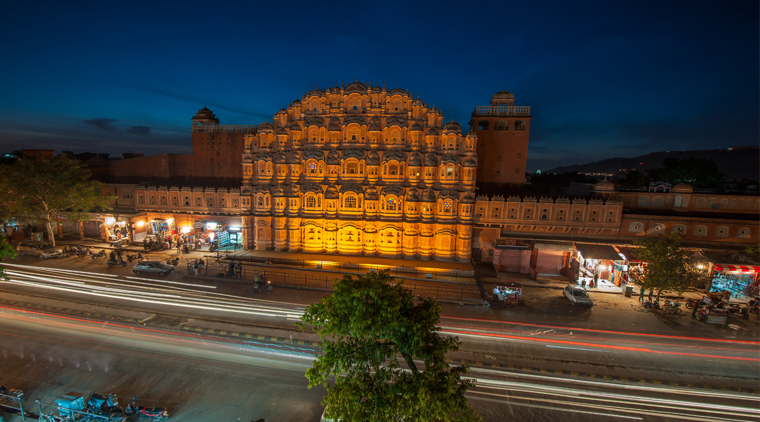 5D / 4N
Jaipur Ajmer Pushkar Tour Packages From Delhi
- Visit Red Fort
- Visit Hawa Mahal
 7D / 6N
Muslim Pilgrimage Tour
- Visit Jama Masjid
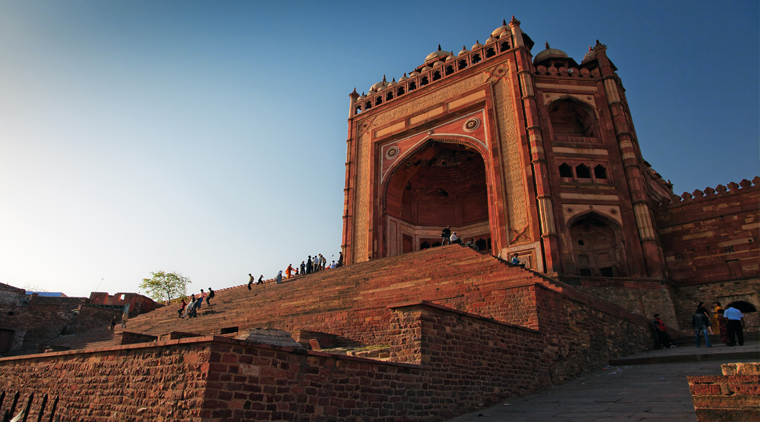
- Visit Buland Darwaza
 10D / 9N
Rajasthan Holidays
- Visit City Palace
- Visit Chokhi Dhani