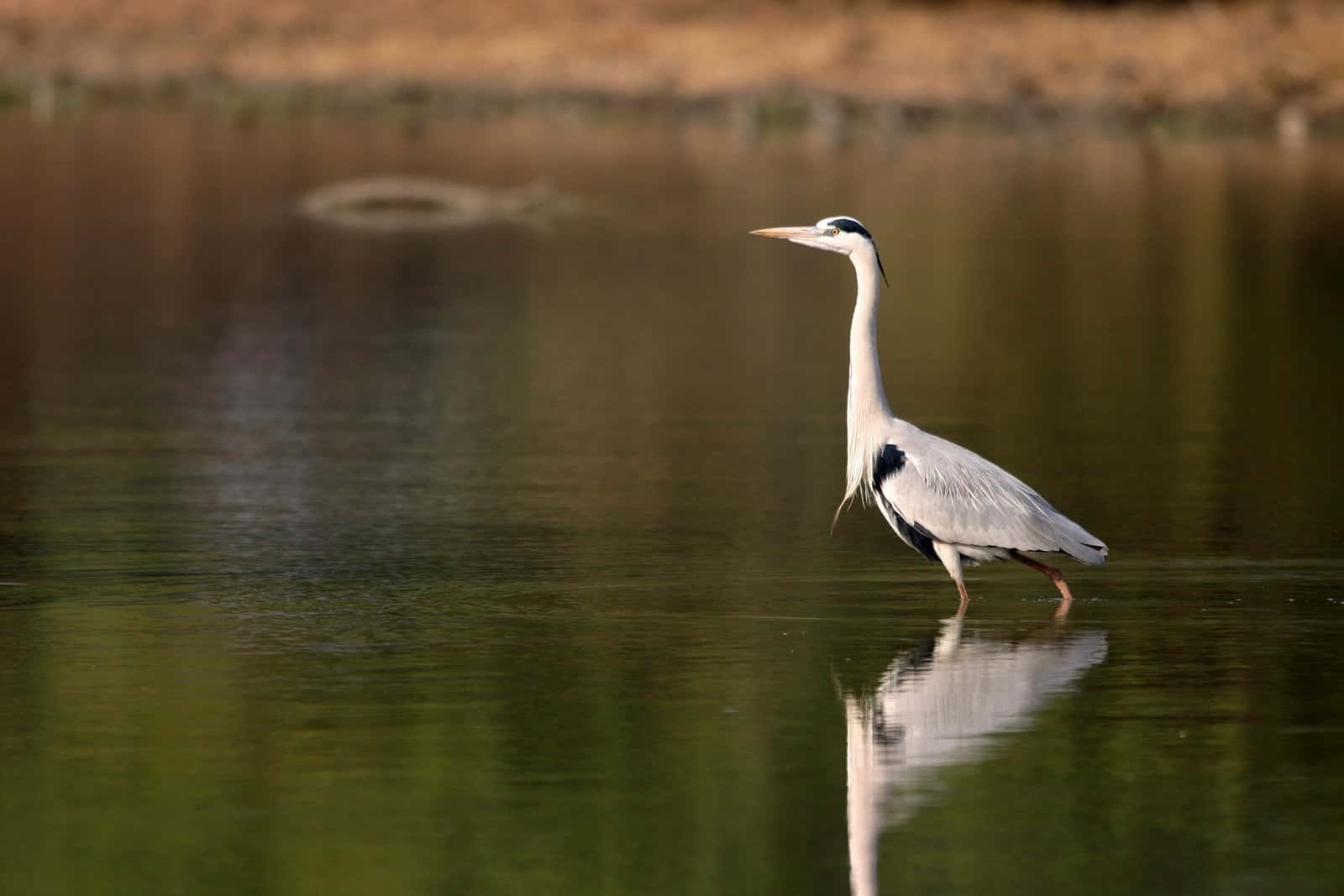
Bharatpur Travel Guide
The headline window is October to March for the winter migratory birds, and the best hour of any day is the early morning. There is also a second, lesser-known breeding season...
When to visit Bharatpur, and the two bird seasons
The headline window is October to March for the winter migratory birds, and the best hour of any day is the early morning. There is also a second, lesser-known breeding season worth knowing about.
- Winter: the migratory windowFrom about October or November to February or March, thousands of waterbirds arrive from Afghanistan, Central Asia, China and Siberia. December and January are the most reliable weeks for the big numbers, in pleasant, cool weather, though dense early-morning fog in those two months can briefly hold up viewing until the sun burns it off.
- Monsoon and after: the breeding heronryFrom about July to October in a well-flooded year, the wetland fills and turns into a spectacular nesting heronry, with herons, ibis, cormorants, spoonbills, painted storks and others raising young. It is a quieter, very different season that serious birders love, and the one time a boat ride is sometimes offered when the water is high enough.
- Come at first lightWhatever the season, arrive for opening at around sunrise. The roughly 6 am to 10 am window is when the birds are most active and the light is softest, and you beat both the heat and the day visitors. By late morning the wetland goes quiet and you will see far less.
- Avoid the high summerIf migratory birds are your goal, skip April to June, when the desert afternoons turn fierce and the water can be low. The cool months are far more comfortable for the open tracks and the gentle rickshaw round.
Winter is about sheer numbers and the famous migratory visitors; the monsoon and post-monsoon months are about the breeding spectacle and the chance of a boat ride. Decide which you want before you book, because the park looks and feels completely different in each, and the cool migratory months are also the easiest weather for an older traveller.
How to reach Bharatpur
Bharatpur has no airport of its own, but it is easy to reach: it sits on the Agra to Jaipur road and on the main rail line, so most people arrive from Agra, Delhi or Jaipur.
- By air, via Agra or JaipurThere is no airport at Bharatpur. The nearest is Agra (Kheria), about 55 to 60 km away, while Jaipur is about 185 km. Most overseas visitors fly into Delhi and continue by road or rail. We arrange the transfer, with a car and an experienced driver.
- By rail to Bharatpur JunctionBharatpur Junction sits on the busy Delhi to Mumbai and Agra line, so trains are frequent. Agra is only about 54 km by train, a short hop, and the station is only about 5 km from the park gate, roughly a 15 to 20 minute drive, which makes Keoladeo an easy add-on to an Agra trip.
- By road on the Golden Triangle routeThe Agra to Jaipur highway runs straight through Bharatpur, so it slots into the Golden Triangle. Agra is about 55 km and roughly an hour by car; Jaipur is about 185 km, around 3 to 4 hours; Delhi is about 200 km, around 4 hours. We provide a car with an experienced driver.
Fly into Delhi, the main international gateway, then reach Bharatpur by road or rail, usually combined with Agra which is barely an hour away. Bharatpur has no significant flights of its own.
Fly into Delhi (or Jaipur for the wider loop) and continue by train or road. Bharatpur sits on the Agra to Jaipur leg of the Golden Triangle, so it fits in without a detour.
Bharatpur is well linked by train and road. The easiest approach is from Agra, about 54 km away, on the main line, or by car along the Agra to Jaipur highway.
Keoladeo, Lohagarh fort and what you actually pay
Bharatpur is, above all, the great wetland of Keoladeo, plus the unconquered Lohagarh fort and the water palaces of nearby Deeg. The Keoladeo ticketing has one rule worth knowing first.
- Keoladeo Ghana National ParkA UNESCO World Heritage wetland, inscribed in 1985, with roughly 365 to 370 recorded bird species. It is open about sunrise to sunset every day, with the early morning best for birds. Entry is around 155 rupees for Indian visitors, about 62 rupees for Indian students, and about 959 rupees for foreign nationals. Carry photo ID and reconfirm the current fee at the gate.
- Lohagarh, the Iron FortThe fort the British never took, built by Maharaja Suraj Mal of the Jat kingdom, sitting on an island ringed by deep moats. Inside are the old palace, the Jawahar Burj raised to mark victories, and a state museum with arms, sculpture and royal artefacts. A fine half-day in town away from the wetland.
- Deeg Palace, the water retreatAbout 32 km from Bharatpur, the rulers' 18th-century summer palace is famous for its gardens, tanks and hundreds of fountains. Quiet and beautiful, it pairs naturally with the fort for a non-birding half-day, and is rarely crowded.
You cannot drive your own car or taxi through the park. Vehicles are allowed only as far as Shanti Kutir near the entrance, for a small charge of about 100 rupees per vehicle. Beyond that you explore on foot, by bicycle, or, most popularly, by hired cycle-rickshaw. See the next section for how that works.
Exploring Keoladeo: the cycle-rickshaw and the bird-guide
Because no car goes inside, how you get around the wetland is the practical question that shapes the visit. The signature way is the yellow-plate cycle-rickshaw, whose rider doubles as a park-trained bird-spotter.
- The yellow-plate cycle-rickshawThe most popular way to explore. Only rickshaws displaying an official yellow plate are authorised inside, and their riders are trained by the park as bird-spotters who point out species, know the behaviour and habitat, and carry binoculars. The charge is about 100 rupees per hour, and the gentle pace is perfect for watching.
- By e-rickshawA battery e-rickshaw carries up to about 4 people and costs around 800 rupees for roughly 2 hours, or about 1,200 rupees for about 3 hours, a good option for a small group that wants to cover ground a little faster while still stopping for birds.
- By bicycle or on footYou can rent a bicycle for about 50 to 100 rupees and pedal the flat, quiet tracks yourself, or simply walk the designated zones near the entrance. Both are lovely in the cool early morning, and walking lets you stand still where the birds are thickest.
- Do you also need a naturalist?Most yellow-plate riders are genuinely good and double as your guide, so for a casual visit you do not need anyone extra. A serious birder chasing a long list may still want a dedicated naturalist for about 500 to 800 rupees for a few hours; tell us in advance and we will arrange a good one.
Because the rickshaw does the work and the terrain is flat, Keoladeo is one of the easiest wildlife sites in India for older travellers and for families with young children. You sit, watch and listen while the rider pedals and spots, with no scramble and no jeep-track jolting.
Signature experiences in Bharatpur
Beyond ticking off the wetland, these are the experiences people remember, and how to arrange them.
- An early-morning birding roundBe at the gate for opening, take a yellow-plate rickshaw with a good spotter, and give the first few hours to the wetland. Painted storks, pelicans, kingfishers, eagles and, in winter, the migratory flocks all reward a slow, quiet round. Three to four hours is plenty for most visitors.
- Walk or cycle the quiet tracksIf you prefer to go at your own pace, the flat paths are made for a gentle cycle or a stroll. The further reaches are calmer, with fewer people and more birds away from the entrance, and a bicycle at about 50 to 100 rupees lets you linger.
- A boat ride in a high-water yearWhen the monsoon has filled the wetland well, a boat ride is sometimes offered, usually in the monsoon and post-monsoon months, and it gets you close to the breeding heronry from the water. It is seasonal and water-dependent, so ask at the gate rather than assuming it will be running.
- Lohagarh fort and its museumTour the unconquered Jat fort, its moats, the Jawahar Burj raised to mark victories, and the state museum. A licensed guide brings the story of Suraj Mal and the British sieges to life. We can arrange one.
- A half-day at Deeg PalaceDrive out to the 18th-century water palace about 32 km away, with its gardens, tanks and fountains. It is calm, photogenic and rarely crowded, a fine contrast to the wetland for a non-birding afternoon.
- Pair it with Agra on the Golden TriangleAgra is barely an hour away, so many visitors see the Taj at sunrise and reach Keoladeo for a late-morning or next-day birding round. We build the two together when you want both.
If you do only one thing slowly, make it the first morning round on a yellow-plate rickshaw, before the day visitors arrive. The wetland at first light, with the mist lifting and the spotter pointing out a painted stork colony or a hunting marsh harrier, is what people remember long after the fort and the palace fade. Give it an unhurried three to four hours and Keoladeo opens up in a way a quick stop never allows.
Where to stay in Bharatpur, and how many nights
Stay right by the park gate to be on the wetland at first light, or in Bharatpur town for the fort and a wider choice of rooms. One night is the sweet spot for a serious birder.
- By the park gate: best for birdersA cluster of birder-friendly lodges sits right by the entrance, so you can be at the gate the moment it opens. The Birder's Inn is about 400 metres from the park, Hotel Sunbird is near the entrance, and the heritage The Bagh is a short drive away. This is the choice if early-morning birding is the point of the trip.
- Bharatpur town and homestaysThe town has a wider spread of budget hotels and homestays, handy if you also want Lohagarh fort and a cheaper room. You will need a short drive or auto to the gate, about 5 km, so plan to leave early for the best light.
- Room budgetsBudget rooms and homestays run from roughly 700 to 1,500 rupees, mid-range about 2,000 to 4,000 rupees, and heritage or boutique stays higher. Prices rise in the peak winter weeks of December and January, so book ahead if you are coming for the migratory season.
- How many nightsOne night by the gate is the sweet spot: it lets you bird two early mornings and fit Lohagarh fort or Deeg Palace into the afternoon between them. A single morning, as a day trip or Golden Triangle stop, covers the wetland highlights, while two nights suits a dedicated birder building a long list.
The handful of good lodges right by the entrance fill up in the December and January migratory peak, when serious birders converge. If your dates fall in that window and you want to be on the wetland at opening, reserve a gate-side room well ahead rather than relying on town hotels and a dawn drive.
Bharatpur costs and a realistic budget for the visit
Keoladeo is one of the cheaper great wildlife sites in India. Here is what the main things cost so you can plan and avoid being overcharged at the gate.
- Park entryEntry is about 155 rupees for Indian visitors, about 62 rupees for Indian students, and about 959 rupees for foreign nationals. A still or video camera may carry a small extra charge, and these fees are revised periodically, so reconfirm at the ticket window.
- Getting around insideA yellow-plate cycle-rickshaw is about 100 rupees per hour, an e-rickshaw about 800 rupees for 2 hours or about 1,200 rupees for 3 hours, and a bicycle about 50 to 100 rupees. A private car may enter only to Shanti Kutir for about 100 rupees per vehicle, no further.
- A guide, if you want oneYour rickshaw rider is usually guide enough at no extra cost beyond the hourly fare. A dedicated naturalist for a keen birder runs about 500 to 800 rupees for a few hours. Agree the figure before you set off so there is no friction at the end.
- Rooms and mealsPlan on roughly 700 to 1,500 rupees for a budget room or homestay, about 2,000 to 4,000 rupees mid-range, and more for heritage stays, with meals at the lodges modestly priced. Carry some cash for the gate, the rickshaw and small vendors, as not everything takes cards or UPI.
Unlike a tiger reserve with its costly jeep safaris, a Keoladeo morning is genuinely affordable: an Indian visitor can do entry plus a couple of hours of rickshaw for roughly 400 rupees or less, and even a foreign visitor's main cost is the entry fee. The single habit that keeps it smooth is agreeing the rickshaw or naturalist time and price before you start, after which the wetland is yours.
Practical logistics: tickets, gear, food and getting to the gate
The small things that make a Keoladeo morning smooth, from buying tickets and carrying ID to gear, water and the short hop to the gate.
- Tickets, ID and timingBuy your ticket at the gate and carry photo ID, especially for the student concession or as a foreign national. Aim to be there for opening at around sunrise; the roughly 6 am to 10 am window is the difference between a memorable round and a flat one.
- What to bringBinoculars are the one thing worth carrying, though good rickshaw riders carry a pair to share. Bring water and a snack, a hat and sun cover for the open tracks, and in December or January a warm layer for the cold, foggy first hour.
- Food and facilitiesThere is limited food inside, so eat at your lodge first or carry a snack. Toilets are near the entrance area. The gate-side lodges all do breakfast, and many will pack you something for an early start.
- Getting to the gate and around townFrom Bharatpur Junction the gate is only about 5 km, a short auto or taxi ride. In town, autos cover the fort and the market easily, and a car with a driver is the simplest way to add Deeg Palace, about 32 km out, in the afternoon.
Safety, health and responsible birding
Bharatpur is one of the calmer, safer stops in Rajasthan, but a little care with the heat, the cold mornings and the wildlife keeps the visit happy and keeps the park healthy.
- Heat, cold and waterIn the warm months carry water and sun protection for the open, shadeless tracks; in December and January the first foggy hour is genuinely cold, so bring a layer. Drink bottled or filtered water and take the usual care with food to avoid an upset stomach.
- Agree prices, avoid toutsBharatpur is low on the aggressive touting some Rajasthan towns have, but settle the rickshaw, e-rickshaw or naturalist time and price before you start. Use only authorised yellow-plate rickshaws inside, and be polite but firm with anyone offering an unofficial deal at the gate.
- Bird responsiblyKeep your distance from nesting colonies, do not feed or chase birds for a photo, stay on the tracks, and keep voices low. This is a working sanctuary recovering from past water troubles, so the lighter your footprint, the better the birding for everyone who follows.
- General precautionsStandard travel care applies: watch your belongings in the market, do not leave valuables in an open auto, and keep your hotel's number handy. Solo and women travellers generally find Bharatpur relaxed, with the birders' lodges a friendly, low-key base.
Bharatpur was once famous as a wintering ground for the critically endangered Siberian crane, and many old pages still promise it. The truth is that the crane has not been reliably reported here since about 2002 and the Central Asian flyway population is effectively gone from India. Come for the painted storks, the pelicans, the raptors and the winter migratory flocks that genuinely fill the wetland, not for a bird that no longer arrives.
Bharatpur for every kind of traveller, and on access
Bharatpur rewards very different visitors in different ways. Here is what it offers you, and the one tip that matters for each, including why it is so easy for an older traveller.
- Senior travellers and on accessibilityAmong the gentlest wildlife outings in India. The cycle-rickshaw does the work on flat ground, so you sit, watch and listen with no walking and no jeep-track jolting. Stay by the gate to keep transfers short, come in the cool early morning, and skip the steepest fort climbs if stairs are hard.
- Serious birdwatchersA world-class wetland with roughly 365 to 370 recorded species. Stay gate-side, bird two early mornings, hire a naturalist if you want a long list, and choose the migratory months or the breeding season depending on whether you want numbers or nesting.
- Families with childrenEasy, car-free and full of visible birds and a few mammals like nilgai and jackals. The rickshaw ride is an adventure in itself, and the flat tracks suit small legs and rented bicycles. Keep the round to a couple of hours so attention does not flag.
- PhotographersThe roughly 6 am to 10 am window gives the softest light and the most active birds. A slow rickshaw lets you stop where you like; bring a long lens for the herons, painted storks and raptors, and plan around the December-January fog, which can be magical or a spoiler.
- Couples and quiet travellersA peaceful, unhurried morning in nature, then the fort and Deeg Palace in the afternoon. Far calmer than the big monument cities, a lovely slow pause on a Rajasthan or Golden Triangle loop.
- Budget and independent travellersReach Bharatpur cheaply by train from Agra or Delhi, take a homestay in town from about 700 rupees, rent a bicycle for about 50 to 100 rupees, and explore the wetland at your own pace in the cool early hours.
A suggested Bharatpur itinerary
How to shape one morning, or a full night-and-two-mornings stay, so you catch the wetland at its best light and still see the fort.
- The half-day or day-trip versionArrive for opening at around sunrise, take a yellow-plate rickshaw for a three to four hour round, then head on. This works as a stop between Agra and Jaipur, or as a long day trip, and covers the wetland highlights, though you miss the magic of a second morning.
- Day one: bird, then the fortBird the wetland from opening for three to four hours, breakfast at your lodge, rest through the midday lull when the birds are quiet, then visit Lohagarh fort and its museum in the cooler late afternoon.
- Day two: a second morningCatch a second early round at Keoladeo, often the better one once you know the tracks, then drive out to Deeg Palace, about 32 km away, for a calm half-day among the gardens and fountains before you move on.
- Slotting it into the Golden TriangleOn the classic Delhi, Agra and Jaipur loop, give Keoladeo a morning between Agra and Jaipur, or a night by the gate if birds are a priority. We build it in either way, with the Taj at sunrise and the wetland soon after.
The single thing that wastes a Keoladeo trip is arriving late in the day, when the wetland goes quiet and the birds melt away. Build your plan so the birding falls in the roughly 6 am to 10 am window, keep the hot midday for the fort or a rest, and you will see several times more than a midday visitor ever does.
The real questions travellers ask about Bharatpur
Straight answers to the questions that come up again and again on traveller and birding forums, so you arrive already knowing the score.
- How long do I need?One unhurried morning of about three to four hours covers the highlights for most visitors. A serious birder gains a lot from a night by the gate to bird two early mornings. A rushed midday hour is the one version not worth doing.
- Can I drive inside?No. Private cars and taxis go only as far as Shanti Kutir near the gate, for about 100 rupees per vehicle. Beyond that it is the cycle-rickshaw, an e-rickshaw, a bicycle or your feet, so do not arrive expecting a drive-through safari.
- Do I need a separate guide?Usually not. The yellow-plate rickshaw riders are trained by the park as bird-spotters and carry binoculars, so the rider is your guide. A dedicated naturalist, about 500 to 800 rupees for a few hours, only pays off for a keen birder chasing a long species list.
- Will I see Siberian cranes?No. The Siberian crane has not been reliably reported at Bharatpur since about 2002 and is effectively gone from India. You will, though, see painted storks, pelicans, raptors and, in winter, large migratory flocks, which is the real reason to come.
- Where should I stay?For early-morning birding, stay gate-side at a lodge like The Birder's Inn (about 400 metres from the entrance) or Hotel Sunbird. For a cheaper room and the fort, stay in Bharatpur town, about 5 km out, and leave early for the gate.
- Is there a boat ride?Sometimes. A boat ride is offered only when the monsoon has filled the wetland well, usually in the monsoon and post-monsoon months, and it brings you close to the breeding heronry. It is seasonal and water-dependent, so ask at the gate rather than counting on it.
Planning Bharatpur from abroad
Keoladeo is a bucket-list wetland for birders worldwide and an easy, gentle add-on to the Golden Triangle. A little planning around the season, the gateway and the entry rules makes it smooth.
- Arrive through Delhi or AgraFly into Delhi, the main international gateway, then reach Bharatpur by road or rail, usually via Agra which is only about an hour away. Bharatpur has no significant flights of its own, and Jaipur is about 185 km for the wider loop.
- Time it for the birdsFor the migratory spectacle, plan for about October or November to February or March, with December and January the most reliable, accepting some early-morning fog. For the breeding heronry and a possible boat ride, the monsoon and post-monsoon months, about July to October, are the draw.
- Know the entry and transport rulesForeign entry is around 959 rupees, so carry your passport. No private vehicle goes inside, so plan on the authorised yellow-plate cycle-rickshaw at about 100 rupees per hour with a trained bird-spotter who carries binoculars, which is the best way to explore in any case.
- Slot it into the Golden TriangleKeoladeo sits on the Agra to Jaipur road, so it adds onto the classic Delhi, Agra and Jaipur loop as a half-day or full-day of gentle birding. It is comfortable for parents and grandparents, with the rickshaw doing the work.
Serious birders fly across the world for Keoladeo, and it deserves it, but the experience depends entirely on the season and the water. Come in the cool migratory months for the big numbers, or the high-water breeding season for the nesting heronry, and avoid the dry high summer. Stay one night by the gate to bird two mornings, and you will leave understanding why this small wetland earns its place on a global birding list.
Money, gear and timing for foreign visitors
The practical basics an overseas birder needs for a small wetland town: cash, a SIM, what to pack, and how many days to give Keoladeo on a wider India trip.
- Carry cash and your passportThe foreign entry fee, around 959 rupees, the rickshaw and small vendors all run on cash, so draw rupees in Delhi or Agra and keep small notes. Carry your passport for the foreign-national ticket, and reconfirm the current fee at the window as it is revised periodically.
- Get a SIM at the airportPick up an Indian tourist SIM or an eSIM when you land in Delhi rather than hunting for one in a small town. Coverage around Bharatpur is fine for maps, calls and arranging transfers to Agra or Jaipur.
- What to pack for the wetlandBring binoculars and a long lens if you have one, water and sun cover for the open tracks, and a warm layer for the cold, foggy December and January mornings. Neutral clothing helps you blend in near nesting birds; good rickshaw riders carry a shared pair of binoculars too.
- How long to give it on a bigger tripOn a Golden Triangle or wider India trip, one night by the gate is the right weight: it lets you bird two early mornings and add Lohagarh fort, without slowing the whole itinerary. A single morning works if Keoladeo is just a stop between Agra and Jaipur.
Keoladeo is an unusually gentle introduction to Indian birding: compact, flat, car-free, and explored at a rickshaw's pace with a trained spotter, so you are not wrestling jeeps or long drives. Slot it after Agra, give it a night for two mornings, and let it be the calm, bird-rich chapter of a Golden Triangle trip. Many overseas birders rate the wetland at dawn as the part of Rajasthan they remember most.
A maharaja's duck shoot that became a World Heritage wetland
Keoladeo Ghana was not a wild wetland by accident. In the 18th and 19th centuries the rulers of Bharatpur dammed and flooded this low-lying ground, fed by the Ajan Bund, to create a private hunting reserve, and through the British era it became one of the most celebrated duck-shoots in the world, with stone columns near the entrance still recording the enormous bags shot on royal and viceregal shoots. The name comes from the Keoladeo (Shiva) temple within the park, and Ghana means dense, for the thick cover. After Independence the shooting stopped, the marsh was protected, and the same artificial wetland that maharajas built for sport became a sanctuary for the very birds it once killed, inscribed by UNESCO as a World Heritage Site in 1985. It is a rare place where a hunting ground turned, within a lifetime, into one of Asia's great refuges for waterbirds.
Planning a Bharatpur trip?
Our Rajasthan travel experts plan your full journey for you: route, hotels, darshan timings and transport. You get a free day-by-day plan and an exact quote on WhatsApp, usually within a few hours. No payment is needed to get your plan.
Tour packages that visit Bharatpur
Every journey below is private, hand-crafted and fully customizable. Tell us your dates and we tailor the itinerary, the pace and the priests or guides around you.
 9D / 8N
Golden Triangle with Ranthambore & Bharatpur Luxury Group Tour
- Visit Qutub Minar
- Visit India Gate
 4D / 3N
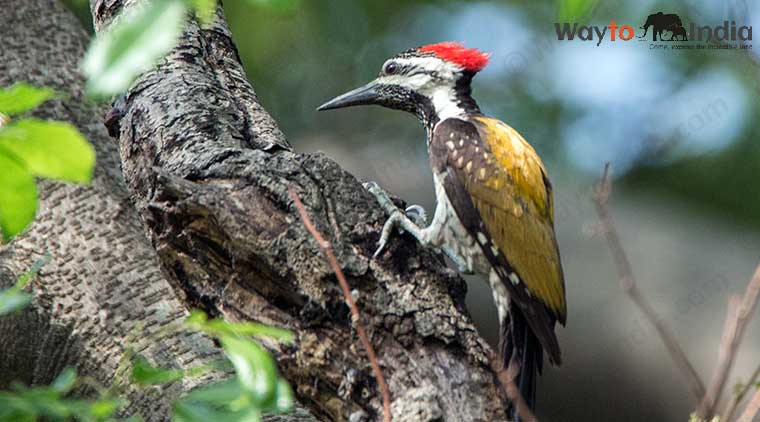
Bharatpur Bird Sanctuary Tour
- Visit Bharatpur Bird Sanctuary
 7D / 6N
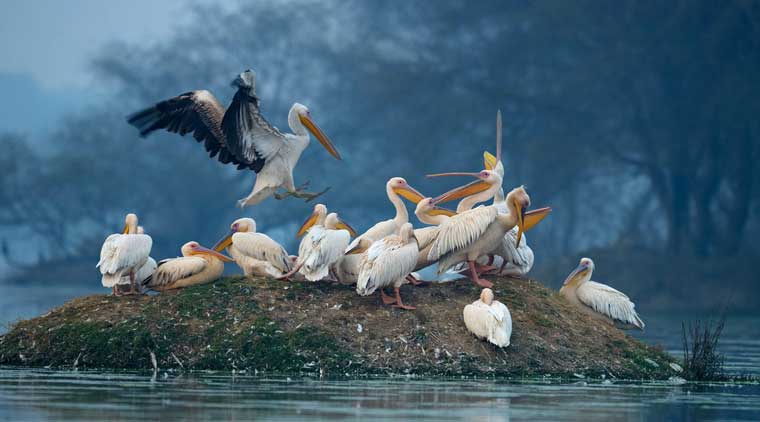
Rajasthan Wildlife Tour
- Visit Chokhi Dhani
- Visit City palace & Jantar Mantar
 10D / 9N
Golden Triangle Tour With Tiger Safari
- Visit Taj Mahal & Agra Fort
- Visit Bharatpur Bird Sanctuary