
Jodhpur Travel Guide
The best months are October to March , when the desert city is pleasant for the fort and the bazaars. April to June is fierce Thar heat, and the autumn brings the music festivals...
When to visit Jodhpur, and the festivals to plan around
The best months are October to March, when the desert city is pleasant for the fort and the bazaars. April to June is fierce Thar heat, and the autumn brings the music festivals at Mehrangarh.
- October to March: the comfortable windowPleasant, sunny days and cool nights, ideal for the fort, the Blue City and the markets. The busiest weeks fall around the winter holidays and the wedding season, so book your stay and your fort visit a little ahead and start the fort early to beat the tour groups.
- April to June: fierce desert heatThar Desert summer, often above 40 C, hot and tiring on the open ramparts. Rates fall, but you must see Mehrangarh early in the morning, rest through the afternoon, and walk the Blue City and bazaar in the cooler evening, carrying water and a hat.
- July to September: the monsoon reliefSome welcome rain and cooler air, with softer crowds and lower prices. The light on the blue houses after a shower is lovely, though a few days can be humid and the odd downpour can interrupt an open-air plan.
- Decide around the festivalsIf you want music in the fort, plan around the autumn festival window; if you want calm, the quieter winter weeks of December to February are gentle and uncrowded outside the holiday peaks. Both are rewarding, so pick the experience you want before you book.
The Rajasthan International Folk Festival (Jodhpur RIFF) is held inside Mehrangarh under the Mehrangarh Museum Trust and is timed to Sharad Purnima, the brightest full moon of October. The 2026 edition is expected around late October, but the exact dates move with the lunar calendar each year, so reconfirm them on the official RIFF site before you book flights or rooms. The older Marwar Festival, celebrating Rajasthan's heroes and folk music, falls in the same autumn window. Beware pages that quote a fixed date as fact, as old dates get copied across the web every year.
How to reach Jodhpur and get around
Jodhpur has its own airport and a central railway station, and is the classic hub for a Marwar-and-desert trip with Jaisalmer and Udaipur. In town, autos and a walkable old city do most of the work.
- By airJodhpur airport (JDH) is only about 5 km from the city, with flights from Delhi and Mumbai, and is about 10 km from Mehrangarh. A short taxi or auto ride brings you into town. Foreign visitors usually connect through Delhi or Mumbai.
- By trainThe central Jodhpur railway station is well connected to Delhi, Mumbai, Jaipur and beyond, including overnight trains, and sits only about 5 km from the fort. It is the simplest and most scenic way to arrive; book on IRCTC a little ahead in season.
- By road and as a loopJodhpur pairs with Jaisalmer (about 285 km, roughly 4.5 to 5 hours by road) for the desert and Udaipur (about 250 km) for the lakes, with Jaipur about 335 to 340 km away. The Osian temples and Bishnoi villages sit on the city's edge, an easy half-day. We arrange the car and transfers.
- Getting around townThe old city around the Clock Tower is compact and best walked, though the lanes are narrow and uneven. Auto-rickshaws handle the short hops to the fort, Jaswant Thada and Umaid Bhawan; agree the fare first or use a metered app, and a hired car suits a full sightseeing day or the onward desert drive.
Fly into Delhi or Mumbai and connect to Jodhpur (JDH), or arrive overland on a Rajasthan tour. Jodhpur is the Blue City and the gateway to the Thar, an easy heritage stop between Jaipur and the desert.
Connect via Delhi or Mumbai to Jodhpur. An easy add-on to a Rajasthan or desert trip for the diaspora, and a natural pairing with Jaisalmer and Udaipur.
Direct flights and trains reach Jodhpur from Delhi, Mumbai and Jaipur, and the roads link it to Jaisalmer, Udaipur and Mount Abu for an easy self-drive or car-with-driver loop.
Mehrangarh Fort, Jaswant Thada and the Blue City
Jodhpur is the towering Mehrangarh Fort, the white-marble Jaswant Thada beside it, the Umaid Bhawan museum, and the blue old town and bazaars below. A few facts about tickets and access are worth knowing first.
- Mehrangarh FortOne of India's mightiest and best-presented forts, rising about 400 feet on its rock, with a superb museum of palaces, an armoury, royal palanquins and miniatures, and sweeping views over the blue city. Entry is about 200 rupees for Indians and 800 for foreign nationals, and it already includes the museum and palaces. Allow about 2 to 3 hours.
- Jaswant ThadaThe serene white-marble royal cenotaph just beside the fort, with its lake and gardens and a small entry fee, open roughly 9 am to 5 pm. A lovely, gentle stop to pair with Mehrangarh, and a fine spot for the fort view in soft light.
- Umaid Bhawan (the museum only)A grand 20th-century palace that is part Taj hotel, part royal residence and part small museum; only the museum and vintage car collection are open to general visitors (about 30 rupees for Indians and 100 for foreigners), not the hotel or the family's home. Plan for the museum, not a palace tour.
- The Blue City, Clock Tower and Toorji stepwellThe lanes of blue-painted houses below the fort (densest around Brahmpuri and Navchokiya) and the bustling Sardar Market around the Ghanta Ghar (Clock Tower) are the soul of old Jodhpur. The restored 18th-century Toorji Ka Jhalra stepwell, ringed by cafes, is a short walk and a good rest stop.
Mehrangarh has a passenger lift to the upper level for about 50 rupees one way, so older visitors, anyone with weak knees, or families with a pushchair can reach the palaces and the views without the steep ramp and steps. Ask at the entrance. The fort also runs guided night tours in two evening slots, roughly 6 pm to 7 pm and 7 pm to 8 pm, a quieter, cooler way to see the lit palaces. Umaid Bhawan, by contrast, is mostly a hotel and royal home, so do not expect to tour the palace itself.
Mehrangarh with the audio guide, and the Flying Fox
The defining Jodhpur experience is Mehrangarh done properly: take the audio guide, use the lift if you need it, time it for the late light, and if you have a head for heights, fly the Flying Fox zip-line over the fort walls.
- Take the audio guideThe Mehrangarh audio guide is one of the best in India, a small separate charge of about 180 rupees (about 120 concession), available in several languages. It turns the fort from a pretty view into a story of the Rathore kings, the palaces and the sati hand-prints at Loha Pol. Allow about 2 to 3 unhurried hours.
- Use the lift if you need itIf the steep ramp and steps are too much, take the lift to the upper level for about 50 rupees one way, then explore the palaces at leisure and walk back down gently. It makes the fort genuinely senior-friendly without robbing you of the views.
- Time it for the late lightLate afternoon bathes the blue city below in gold and softens the heat. The ramparts and the Chokelao terraces are the best place in Jodhpur to watch the sea of blue houses light up, so save the highest viewpoints for the last hour before closing.
- Fly the Flying Fox zip-lineThe Flying Fox runs six ziplines totalling about 1.2 km over the fort walls and the Ranisar and Padamsar lakes, lasting about 90 minutes and costing about 1,400 to 1,900 rupees (the official Flying Fox site shows fares from about 1,399 rupees if you book online, with higher walk-in prices). There is a minimum height of about 1.4 m and a maximum weight of about 115 kg, so check those before you climb up if you are travelling with children or a heavier companion.
If you do only one thing properly in Jodhpur, make it Mehrangarh with the audio guide in the late afternoon. The fort is a fine view from anywhere, but with the commentary it becomes the whole Marwar story, and from the upper ramparts at golden hour the blue city below is the single image people carry home. Give it the full two to three hours rather than a rushed lap, and take the lift if the climb would otherwise cut your visit short.
The Blue City walk, the food trail and the desert edge
Around the fort, Jodhpur offers the blue-lane walk, a famous food trail, the Clock Tower bazaar, the Toorji stepwell cafes, the Mandore gardens and the desert villages and parks on the city's edge.
- Walk the blue lanesThe densest blue is around Brahmpuri and Navchokiya, in the old town just below the fort. Wander slowly, lose the main lane, and look up at the indigo walls and carved doorways. A local guide opens up the back lanes and the families' stories, but a respectful solo wander works too.
- The Jodhpur food trailMawa kachori, mirchi vada, gatte ki sabzi and the thick saffron makhaniya lassi are Jodhpur specialities, best from the old-town institutions around the Clock Tower. A grazing afternoon costs little, roughly 200 to 500 rupees a person, and is one of the great street-food walks in Rajasthan.
- Sardar Market, the Clock Tower and Toorji stepwellThe bustling bazaar around the Ghanta Ghar sells spices, textiles, silver and the famous Jodhpuri mojari slippers; bargain gently and soak up the colour. A short walk away, the stepped Toorji Ka Jhalra is ringed by cafes, a cool, photogenic place to pause.
- Mandore, Jaswant Thada and the desert edgeThe old Mandore Gardens with their royal cenotaphs and the marble Jaswant Thada by the fort are calm, green and gentle. For a taste of the Thar, the Rao Jodha Desert Rock Park below the fort, the Osian temples and a Bishnoi village safari make an easy half-day add-on.
The Blue City is a living neighbourhood, not a film set. Ask before you point a camera into a doorway or at someone at home, and accept that a resident may ask for a small tip if you photograph their house or pose them; a polite no, or a small note, settles it without friction. Friendly young men may offer to guide you or steer you to a gem or textile shop, and a courteous no is all that is needed. Shoot the lanes, the walls and the doors freely, but treat the people who live there as hosts, not props.
Where to stay in Jodhpur, and how many nights
Stay in the old city near the Clock Tower and fort for atmosphere and a rooftop fort view, or in the newer city and the heritage outskirts for space and calm. One to two nights is the sweet spot.
- Old city near the Clock Tower and fortGuesthouses and havelis in the blue lanes put you walking distance from the bazaar, the stepwell and the fort, many with a rooftop and the classic Mehrangarh view at sunset. Atmospheric and convenient, but the lanes are narrow, vehicles cannot always reach the door, and it can be noisy, so it suits first-timers who want to step straight into the scene.
- Heritage havelis and palace hotelsJodhpur is rich in restored haveli stays and grand heritage hotels, including the wing of Umaid Bhawan run by Taj, for a splurge with gardens, pools and service. These sit a little out of the old-city crush and need an auto or a car into the lanes, but they are the romantic and senior-friendly choice.
- How many nightsOne full day and night covers Mehrangarh with the audio guide, Jaswant Thada, the Blue City walk and the Clock Tower food trail. A second night adds Umaid Bhawan, Mandore, the stepwell cafes, a leisurely pace or a Bishnoi village safari before the onward drive to Jaisalmer or Udaipur.
- Room budgetsOff-season, simple old-city guesthouses run from about 800 to 2,000 rupees, comfortable mid-range hotels about 2,500 to 6,000 rupees, and heritage or luxury stays from about 8,000 rupees upwards into the lakhs at the palace. Rates rise around the winter peak and the festivals, so book early.
Around the autumn festivals and the December to February holiday peak, the best old-city rooftops and heritage rooms sell out weeks ahead and prices climb. If your dates fall on RIFF or the winter holidays, book well in advance, and if you want a fort view at sunset, confirm the rooftop actually looks at Mehrangarh before you pay, as many advertise a view they do not quite have.
Jodhpur costs and a realistic daily budget
Jodhpur is gentle on the wallet outside the palace hotels. Here is what the main things cost, so you can plan and avoid being overcharged.
- The fixed-price sightsMehrangarh entry is about 200 rupees for Indians and 800 for foreigners, the audio guide about 180 rupees (about 120 concession), the lift about 50 rupees one way. Umaid Bhawan museum is about 30 rupees for Indians and 100 for foreigners. Jaswant Thada and Mandore carry only small entry fees. The Flying Fox zip-line is about 1,400 to 1,900 rupees (from about 1,399 rupees online, more for walk-in).
- A rough daily budgetExcluding your room and long-distance transport, plan on about 1,500 to 2,500 rupees a day as a budget traveller, about 4,000 to 7,000 rupees mid-range, and more once you add a private guide, a car and the palace dining. The street-food trail itself is cheap, roughly 200 to 500 rupees a person.
- The negotiable thingsAuto fares, bazaar goods and the Jodhpuri mojari slippers are quoted high to visitors, so agree an auto fare before you ride and bargain gently in the market. A private city guide or a car for the day is worth it for comfort and the Marwar story, but settle the rate up front.
- Cash and cardsHotels, the fort ticket counter and bigger shops take cards or UPI, but the bazaar, the street food and the autos run largely on cash. There are bank ATMs across the city, so carry enough small notes for the day to keep things smooth.
The single best value in Jodhpur is the pair of cheap Mehrangarh add-ons: the audio guide at about 180 rupees, which turns the fort into a story, and the lift at about 50 rupees one way, which lets anyone reach the top in comfort. Together they cost less than a single tourist-restaurant meal and are the difference between a quick photo stop and a proper visit. Spend on those before anything else.
Practical logistics: heat, water, money and timing the fort
The small things that make a Jodhpur day smooth, from beating the Thar heat to ATMs, walking the lanes and timing your fort visit.
- Beat the heatFrom April to June the Thar sun is brutal and even spring and autumn afternoons are hot. Do the fort and the open sights in the morning or late afternoon, keep the middle of the day for a shaded lunch or a rest, and carry water, a hat and sun protection for the open ramparts.
- Time the fort and sightsMehrangarh opens about 9 am and closes about 5 pm daily with no weekly closing day; arrive near opening to beat the tour groups, or come mid-afternoon for the golden light and the night tour. Jaswant Thada and Umaid Bhawan museum keep similar daytime hours, so cluster them rather than backtracking.
- Money, ATMs and connectivityBank ATMs are easy to find across the city. Carry cash for the bazaar, the autos and the street food, as not everyone takes cards or UPI. Mobile coverage is good; pick up a tourist SIM or eSIM at the airport if you are arriving from abroad.
- Walking the old cityThe blue lanes are narrow, uneven and busy with scooters, so wear sturdy shoes, watch your step, and do not rely on a car reaching your guesthouse door. The Clock Tower is the landmark to navigate back to if you get turned around in the maze.
Safety, the old-city touts, and staying well
Jodhpur is welcoming and broadly safe, but the heat, the busy lanes and a few friendly-tout approaches catch first-timers off guard. A little awareness keeps the visit happy.
- Heat and hydration firstThe biggest real risk in Jodhpur is the Thar heat, not crime. In the warm months drink plenty of water, take the fort early or late, rest in the afternoon, and watch for tiredness and headaches in older travellers and children. The fort lift spares the steep climb when the sun is fierce.
- Friendly-guide and gem-shop toutsAround the fort, the Clock Tower and the blue lanes, young men may offer to guide you, befriend you, or steer you to a gem, textile or handicraft shop where they earn a commission. There is no danger in it, but a courteous, firm no is all that is needed, and you are never obliged to follow anyone or buy anything.
- Photography and the lanesIn the lived-in blue neighbourhoods, ask before photographing people or into their homes, and accept that a resident may ask for a small tip. Mind the scooters in the narrow lanes, keep valuables close in the crowded market, and you will find the old city friendly rather than threatening.
- Water, food and the usual careDrink bottled or filtered water, ease into the rich street food rather than overdoing it on day one, and carry any personal medication, as the old-city lanes are not where you want to hunt for a pharmacy at night. Standard India travel hygiene keeps most visits trouble-free.
Jodhpur is generally regarded as one of the easier Rajasthan cities for independent and solo female travellers, with the usual sense reported on forums being persistent sales pressure rather than any threat. Dress modestly in the old city and at the temples, be firm with the friendly-guide and shop touts, prefer the busier lit lanes after dark, and keep to standard precautions, and most travellers find the Blue City warm and manageable on their own.
Jodhpur for every kind of traveller, and on access
Jodhpur is the Blue City and the gateway to the Thar, and suits very different visitors. Here is what it offers you, and the one tip that matters for each, including how a senior sees the fort comfortably.
- PhotographersThe fort above the sea of blue houses is one of India's great views, best in the late-afternoon light from the ramparts and from old-town rooftops. The Brahmpuri and Navchokiya lanes are endlessly photogenic; ask before shooting into homes and people.
- Couples and heritage loversA heritage-haveli or palace-hotel stay, the fort by day and a rooftop dinner overlooking the blue city make a romantic, characterful break. Pair it with the Toorji stepwell cafes and a slow Blue City wander for an unhurried two nights.
- Families with childrenThe fort (with the lift), the cannons and the views, the bazaar and the desert rock park entertain children, and older kids love the Flying Fox if they clear the height and weight limits. Keep little ones close in the busy market lanes and out of the midday heat.
- Senior travellers and on accessibilityMehrangarh is very doable thanks to the lift to the upper level, about 50 rupees one way; take the audio guide, go slowly, and pair the fort with the gentle Jaswant Thada and Mandore Gardens. The old-city lanes are uneven and stepped, so stay near the Clock Tower or in a haveli with vehicle access and let a car handle the transfers.
- Budget travellersStay in an old-town guesthouse with a fort-view rooftop, walk the Blue City and the bazaar, and graze the famous street-food trail around the Clock Tower for a few hundred rupees. Trains in and out keep transport cheap.
- History and architecture buffsThe Marwar story runs deep here; take the fort audio guide in full, add Mandore and Osian, and a good guide for the Rathore history. Pair Jodhpur with Jaisalmer's living fort and Udaipur's lakes for a proper Rajasthan arc.
A suggested Jodhpur itinerary
How to shape one or two unhurried days so you catch the fort in good light, the food at its best, and the blue lanes without the midday heat.
- Day one, morningStart at Mehrangarh near opening, take the audio guide and the lift if you need it, and give the fort two to three hours before the heat and the groups build. Step out to Jaswant Thada next door for the marble and the fort view.
- Day one, afternoon and eveningRest through the hot middle of the day, then walk the Blue City lanes around Brahmpuri as the light softens, pause at the Toorji stepwell cafes, and end at the Clock Tower with the makhaniya lassi and the mawa kachori. Catch sunset from a rooftop, or do the fort night tour.
- Day two, if you have itVisit the Umaid Bhawan museum and vintage cars in the morning, then choose Mandore Gardens, a slow bazaar shop for mojari and textiles, or a Bishnoi village safari on the desert edge. A second night turns a tick-the-box stop into a relaxed Marwar pause.
- Linking to the desert or the lakesFrom Jodhpur, drive on to Jaisalmer (about 285 km, 4.5 to 5 hours) for the dunes, or to Udaipur (about 250 km) for the lakes. Leave Jodhpur in the morning so you reach the desert camp or the lake city in daylight.
The single thing that spoils a tight Jodhpur plan is leaving Mehrangarh for the middle of a summer day, when the open ramparts bake and the energy drains out of the visit. Build your day so the fort falls in the cooler morning or the golden late afternoon, keep the hot middle for a shaded lunch or a rest, and walk the blue lanes and the bazaar in the evening, and the city stays a pleasure rather than an endurance test.
The real questions travellers ask about Jodhpur
Straight answers to the questions that come up again and again on traveller forums, so you arrive already knowing the score.
- How many days do I need?One full day and night covers Mehrangarh, Jaswant Thada, the Blue City walk and the food trail comfortably. Two nights is better if you also want Umaid Bhawan, Mandore, the stepwell cafes or a Bishnoi safari, or simply a slower pace before the onward drive.
- Jodhpur or Jaisalmer as a base, and can I do both in a day?They are different cities about 285 km apart, so base in each rather than commuting. The drive is about 4.5 to 5 hours, doable in one go but long after a flight; most travellers spend a night or two in Jodhpur, then drive to Jaisalmer for the desert and a dune camp.
- Is the audio guide worth it, and can a senior do the fort?Yes on both. The audio guide at about 180 rupees is the best small spend in town, and the lift at about 50 rupees one way means an older parent or anyone with bad knees can reach the palaces and views without the steep climb. Go slowly and take breaks in the shaded courtyards.
- Is Umaid Bhawan worth visiting if only the museum is open?It is a pleasant hour for the vintage cars, the royal photographs and the grand exterior, but go in knowing only the small museum is open, not the hotel or the residence. If your time is tight, the fort, Jaswant Thada and the Blue City matter more.
- Where exactly are the blue houses, and why is Jodhpur blue?The densest blue is in the old town just below the fort, around Brahmpuri and Navchokiya. The colour is a tradition with several explanations, often linked to Brahmin houses and to a cooling lime-and-indigo wash that also helped deter insects, so it is honest to treat it as a tradition rather than one fixed legend.
- What and where should I eat?Head for the old-town institutions around the Clock Tower for mawa kachori, mirchi vada, gatte ki sabzi and the thick saffron makhaniya lassi. Ease in rather than overdoing the rich, fried specialities on your first afternoon, and drink bottled or filtered water.
Planning Jodhpur from abroad
Jodhpur is the Blue City and the gateway to the Thar, an easy, rewarding stop for overseas and NRI travellers, with one of India's best-run fort museums, a senior-friendly lift, and a natural place on a Rajasthan loop.
- Fit it into a Rajasthan loopFly into Delhi or Mumbai and connect to Jodhpur (JDH), then loop with Jaisalmer (about 285 km) for the desert and Udaipur (about 250 km) for the lakes. Jodhpur is the heart of Marwar and an easy heritage stop between Jaipur and the dunes.
- Know what is included and what is openThe Mehrangarh ticket (about 800 rupees for foreigners) includes the museum and palaces; the audio guide is a small extra at about 180 rupees and well worth it. Umaid Bhawan is mostly a working Taj hotel and royal home, with only a small museum (about 100 rupees for foreigners) open to visitors.
- Senior-friendly fortMehrangarh has a lift to the upper level, about 50 rupees one way, so older visitors can enjoy the palaces and views without the steep climb. Take the audio guide, go at your own pace, and rest in the shaded courtyards when the sun is high.
- Walk the Blue City respectfullyWander the blue lanes below the fort and the Clock Tower bazaar, and try the famous food trail. The lanes are people's homes, so ask before photographing into doorways and expect a resident may request a small tip; a rooftop fort-view dinner is the perfect end.
Money, connectivity and timing for foreign visitors
The practical basics an overseas traveller needs for the Blue City: cash, cards, a SIM, the heat, and how many days to give Jodhpur on a wider India trip.
- Carry cash, expect to bargainCards and UPI work in hotels, the fort counter and bigger shops, but the bazaar, the autos and the street food are cash places, and many prices are negotiable. Draw cash at the city ATMs, keep small notes for autos and tips, and agree fares and bazaar prices before you commit.
- Get a SIM on arrivalPick up an Indian tourist SIM or an eSIM when you land in Delhi, Mumbai or at Jodhpur airport rather than hunting for one in the old city. Coverage in Jodhpur is good for maps, calls and ride-hailing, which helps in the maze of blue lanes.
- Mind the heat and the seasonOctober to March is the comfortable window. From April to June the Thar heat is severe, so if you must come then, do the fort at dawn and rest in the afternoon. Carry water, sun protection and a hat for the open ramparts whatever the month.
- How long to give it on a bigger tripOn a first Rajasthan trip, one to two nights in Jodhpur is the right weight between Jaipur and the desert: enough for the fort, the Blue City and the food, without slowing the whole itinerary. Add the second night if you want Umaid Bhawan and a Bishnoi safari.
Jodhpur is an unusually approachable Rajasthan stop for a first trip to India: one outstanding fort done well with an audio guide and a lift, a walkable blue old town, a famous food trail, and an easy onward drive to the desert or the lakes. Slot it after Jaipur, give it a night or two, and let Mehrangarh and the blue lanes be the heritage heart of the trip. Many overseas visitors say the view of the blue city from the ramparts is the image they remember most.
Rao Jodha, the bird mountain, and the saint's curse
In 1459 Rao Jodha, the Rathore ruler of Marwar, shifted his capital from the older fort at Mandore to a safer rocky hill the locals called Bhakurcheeria, the mountain of birds, and there he laid the foundations of Mehrangarh. The hill was already home to a hermit, Cheeria Nathji, the lord of the birds, who was made to leave so the fort could rise; as he went, the story goes, he cursed the citadel with drought. To soften the curse, folklore says a man named Raja Ram Meghwal agreed to be buried in the foundations, and his family was promised the kingdom's care in return. Whatever the truth of the legend, the fort Rao Jodha began grew over the centuries into one of India's mightiest, and the blue old town spread out below it. To this day Maharaja Gaj Singh II, the present head of the Rathores, holds the fort, which the Mehrangarh Museum Trust runs as one of the country's finest fort museums, watching over the sea of blue houses that gives Jodhpur its name.
Planning a Jodhpur trip?
Our Rajasthan travel experts plan your full journey for you: route, hotels, darshan timings and transport. You get a free day-by-day plan and an exact quote on WhatsApp, usually within a few hours. No payment is needed to get your plan.
Tour packages that visit Jodhpur
Every journey below is private, hand-crafted and fully customizable. Tell us your dates and we tailor the itinerary, the pace and the priests or guides around you.
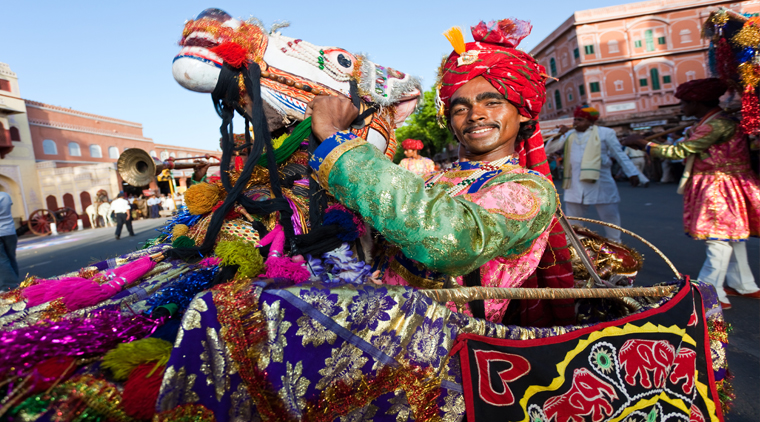 9D / 8N
Rajasthan Tour By Car
- Visit City Palace, Hawa Mahal & Jantar Mantar at Jaipur
- Visit Kumbhalgarh & Chittorgarh Forts near Udaipur
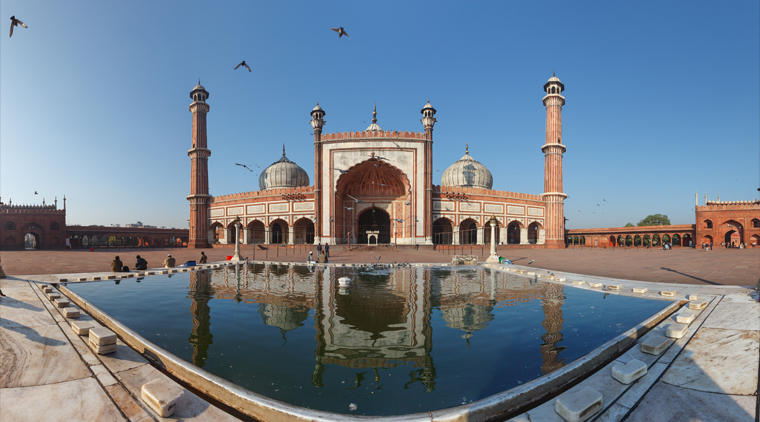 11D / 10N
Rajasthan Desert Safari
- Visit Akshardham Temple
- Visit Chokhi Dhani
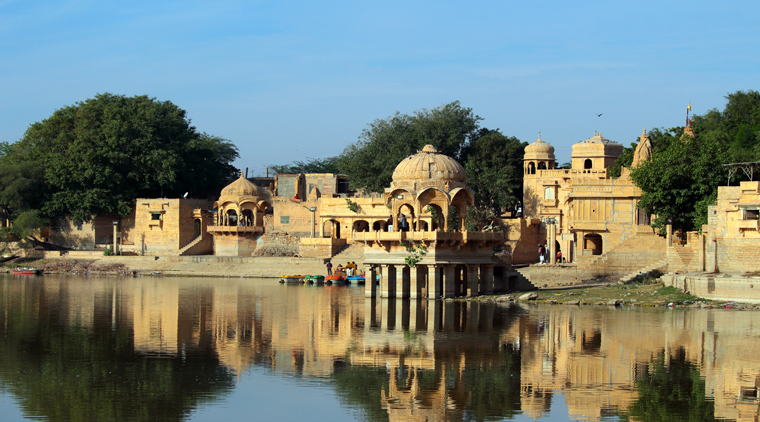 4D / 3N
Jodhpur Jaisalmer Tour
- Visit Jaswant Thada
- Visit Umaid Bhawan Palace
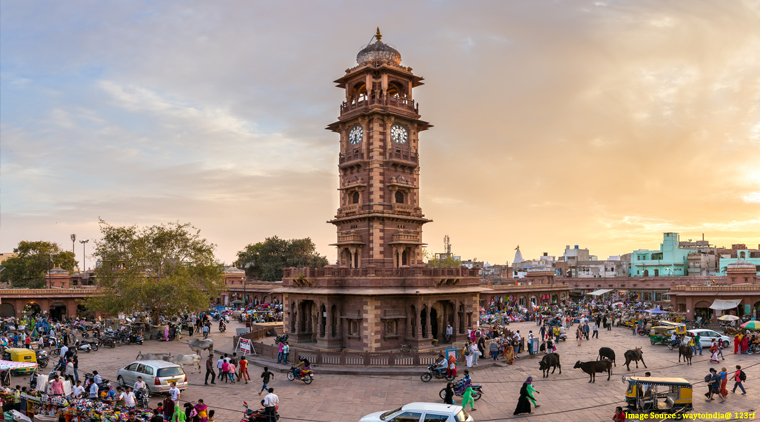 11D / 10N
Rajasthan Tour Package 10 Days
- India Gate
- Badi Mahal
 10D / 9N
Rajasthan Luxury Tour Package
- Visit City Palace
- Visit Hawa Mahal
 12D / 11N
Horse Safari in Rajasthan
- Visit Ranakpur
- Visit Kotri
 8D / 7N
Best of Mount Abu Tour
- Visit Nakki Lake and Sunset Point
- Visit Famous Jain Temple