
Ranthambhore Travel Guide
The pleasant months are October to March , but the highest tiger-sighting odds come in the brutal heat of April to June when animals gather at the waterholes. Decide which...
When to visit Ranthambore, and the comfort-versus-sightings trade-off
The pleasant months are October to March, but the highest tiger-sighting odds come in the brutal heat of April to June when animals gather at the waterholes. Decide which matters more to you before you book.
- October to March: comfortable and reliableThe easy choice for most visitors. Days are mild and the light is lovely, mornings are crisp and the forest is green into November, and sightings are steady. It is also the busy season, so book your drives early. Winter mornings in an open vehicle are genuinely cold, so carry layers.
- April to June: hot, but the best oddsHigh summer on the desert plain is fierce, often well above 40 degrees Celsius, and the open drives are tiring. The pay-off is that the forest dries out, the waterholes shrink, and tigers come into the open to drink, which gives the highest sighting chances of the year. Many serious wildlife-watchers come precisely then and accept the heat.
- July to September: the monsoon buffer-only seasonThe core zones 1 to 5 close for the rains, but the buffer zones 6 to 10 generally stay open, so you can still safari in a green, quiet, dramatic park, with lower but real chances. It is the cheapest and least crowded time, and the landscape is at its most beautiful.
- Comfort or odds, decide firstIf you want a pleasant trip with good chances, come October to March. If your whole reason for travelling is to maximise the chance of a tiger, brave the April to June heat. There is no single right answer, only the trade-off, so choose the experience you actually want before you lock in dates and drives.
Many pages simply say Ranthambore closes in the monsoon, which is only half true. The core zones 1 to 5 do shut, roughly 1 July to 30 September, for breeding and safety, but the buffer zones 6 to 10 generally keep running through the rains. So a monsoon visitor can still take a safari, just in the buffer, with quieter forest and lower but genuine odds. Always reconfirm the current closure dates on the Rajasthan Forest Department site before you plan a rainy-season trip, as the exact dates are set each year.
How to reach Ranthambore
Ranthambore has no airport or railway of its own. Almost everyone arrives at Sawai Madhopur by train, just over 10 km from the gate, or drives down from Jaipur.
- By train to Sawai Madhopur, the simplest waySawai Madhopur is the nearest railhead, only about 11 to 13 km from the park gate, on the main Delhi to Mumbai line. Fast trains run from both Delhi and Jaipur, and from the station it is a short taxi or auto to your lodge on Ranthambore Road. For most travellers the train is the easy, scenic and reliable way in.
- From Jaipur by road or railJaipur is about 140 to 180 km away, roughly 3 to 4 hours by car on a good highway, and is the nearest major airport with wide connections. There are also fast daytime trains on the Jaipur to Sawai Madhopur run of under 2 hours. Ranthambore slots neatly after Jaipur on a Rajasthan loop, and we can arrange a car with an experienced driver.
- From DelhiDelhi is the main long-distance gateway. Fast trains such as the Rajdhani reach Sawai Madhopur in around 3 to 4 hours, which is usually quicker and easier than the roughly 350 to 400 km drive, so most travellers take the train down rather than driving the whole way.
- Nearest airportJaipur, about 3 to 4 hours away by road, is the practical and reliable airport for Ranthambore. There are no flights into Ranthambore or Sawai Madhopur itself, so plan to fly into Jaipur or Delhi and continue by train or car from there.
Fly into Delhi, the main international gateway, then take a fast train to Sawai Madhopur in about 3 to 4 hours, or continue your Golden Triangle and Rajasthan loop via Jaipur. Ranthambore has no international flights of its own.
Fly into Delhi or directly to Jaipur, then reach Ranthambore by train or a 3 to 4 hour drive. It sits easily on the Delhi, Agra, Jaipur and Ranthambore circuit.
Take a train to Sawai Madhopur, well served by the Delhi to Mumbai trunk line, then a short hop to your lodge. From Jaipur you can also self-drive in 3 to 4 hours.
How the safari works: zones, booking and the fare
The safari is the reason to come, and it runs on a fixed forest-department system. Understand the zones, the 90-day booking window and the official fare, and you avoid every common mistake.
- Two drives a day, by seasonThere are two safaris daily, a morning and an afternoon, and the exact start and finish shift with the season as sunrise and sunset move. The forest department sets the timings each season, so the morning drive may start anywhere from about 6 am in summer to about 7 am in winter, and the afternoon from about 2 pm to 3:30 pm. Reconfirm the current slot when you book.
- Ten zones, allotted not chosenThe park is split into 10 zones. Core zones 1 to 5 hold the highest tiger density, buffer zones 6 to 10 are quieter. The crucial fact most pages bury is that the booking system allots your zone, you do not pick it, so you cannot guarantee a seat in the famous Zone 3 or 4. Spreading drives across days improves your odds of landing a good zone.
- Book online, 90 days aheadOfficial online booking opens about 90 days before the date through the Rajasthan Forest Department portal. On popular dates the open gypsies sell out months in advance while canters last longer, so book as early as you can, especially for winter weekends and the summer sighting season.
- The official fare, and the agent quoteThe forest-department per-person fare in a sharing gypsy is about 2,200 rupees for an Indian visitor and about 4,200 rupees for a foreign national, with canter seats cheaper, after the roughly 10 percent rise from 1 April 2026. Agents and hotels add a service margin and a vehicle charge, so an all-in quote is higher; that is normal, but ask what the government fare is so you can see the markup.
There is real confusion here that touts exploit. The Rajasthan Forest Department fare per person in a sharing gypsy is about 2,200 rupees for an Indian and about 4,200 rupees for a foreign national, with canter seats cheaper, after the roughly 10 percent revision from 1 April 2026. A full private gypsy, or an agent or hotel all-in price that bundles the vehicle, the guide and a pickup, runs much higher, sometimes into the eleven to twelve thousand rupee range for a private Indian jeep slot and more for foreigners. That bundling is legitimate, but you should know the government per-person fare so you can judge any quote. Always reconfirm the current rate on the forest department site, as it was revised in April 2026.
Gypsy or canter: which safari vehicle to pick
Your single biggest comfort-and-photography decision is the vehicle. A gypsy is the small open jeep; a canter is the big open truck. Here is who should pick which.
- Gypsy: the wildlife-watcher's and photographer's choiceA gypsy is a 6-seat open jeep. It is nimble on the narrow forest tracks, sits low and close to the action, and carries fewer people, so everyone gets a clear view and a stable platform for a camera. It costs more and sells out earlier, but for serious sighting and photography it is worth it.
- Canter: cheaper, fine for a first lookA canter is a 20-seat open truck. It is the budget-friendly option, good for a group or a family on a first safari, and its extra height gives a decent view over the scrub. The trade-offs are that it is busier, taller, less nimble on tight tracks, and not run in zones 7 and 8.
- Families and groupsA canter suits a larger family or a group who want to ride together and keep the cost down, and the height keeps small children seeing over the rail. If photography or the quietest possible vehicle matters more than budget, book a shared or private gypsy instead.
- Book the gypsy earlyBecause gypsies are limited and prized, they sell out far ahead, often four to five months for peak dates, while canters can still be found closer in. If your heart is set on a gypsy, treat the 90-day booking opening as a deadline, not a suggestion.
If a clean tiger photograph is your goal, a gypsy in a core zone at first light is the combination you want, and you should plan on more than one drive because the light, the zone and the animal all have to cooperate at once. A canter can still deliver a wonderful sighting, but the height, the crowd and the engine noise make a sharp, low, intimate frame harder. Set the expectation before you book, and you will be happy with whichever vehicle you end up in.
The fort, the temple and the lakes inside Ranthambore
Ranthambore is more than a tiger hunt. The hilltop fort and the Ganesh temple inside it are free, and the lakeside ruins are among the most atmospheric corners in any Indian park.
- Ranthambore FortA grand hilltop fort inside the reserve, UNESCO-listed as part of the Hill Forts of Rajasthan, with ramparts, gateways and big views over the forest. It is free to enter and open roughly 6 am to 6 pm, and you reach it without a safari ticket, so it is the no-cost way to feel the place even if you do not safari.
- Trinetra Ganesh TempleWithin the fort stands the Trinetra Ganesh Temple, one of the oldest and most revered Ganesh shrines in Rajasthan, a living pilgrimage site with no entry fee. Aarti is performed several times a day. It draws steady local devotion and is a gentle, human counterpoint to the wildlife drama below.
- Padam Talao and Jogi MahalPadam Talao is the largest of the park's lakes, fringed with the ruins of Jogi Mahal, the old royal hunting lodge, and it is one of the most photographed scenes in Ranthambore, especially at dawn. You see it from the relevant safari zones rather than on foot.
- The wildlife beyond tigersEven on a tiger-free drive the park rewards you: leopard, sloth bear, sambar and chital deer, nilgai, marsh crocodile in the lakes, and a rich bird list from kingfishers to the rufous treepie. Treat the tiger as the headline, not the only act, and no safari feels wasted.
If you cannot get a safari slot, or simply want more than the drives, give a morning to Ranthambore Fort and the Trinetra Ganesh Temple. Both are free, both sit on the hill inside the reserve, and the climb and the views are a genuine experience in their own right. It is the one part of Ranthambore that needs no booking, no fare and no luck, and it tells you why people built and fought over this place long before it was a tiger reserve.
Signature experiences in Ranthambore
Beyond ticking off a tiger, these are the experiences people remember, and how to set them up so the day works.
- The dawn safariThe morning drive is the heart of a Ranthambore trip: the forest waking, alarm calls of deer and langur signalling a predator, and the chance of a tiger on a track in the low gold light. Dress warm in winter, be at the gate on time, and let the guide and the silence do the work.
- An afternoon drive in a different zonePair a morning with an afternoon drive, ideally in a different zone, to double your coverage of the park and your odds. Afternoons can be hot but often deliver as animals move to water before dusk. Two drives in two zones beats two drives in the same one.
- Birdwatching at the lakesRanthambore is a quietly brilliant birding park. The lakes and the fort area hold kingfishers, storks, eagles, owlets and the cheeky rufous treepie that locals call the tiger's toothpick because it perches on basking crocodiles. Bring binoculars and the slower moments of a drive come alive.
- The fort and temple morningSpend a non-safari morning climbing to Ranthambore Fort and the Trinetra Ganesh Temple, both free, for the history, the devotion and the views over the forest you have been driving through. It is the perfect use of a slot you could not book a safari for.
- Dastkar craft and local Sawai MadhopurNear the park, the Dastkar craft centre supports local artisans working in block printing, pottery and textiles, and a visit is a worthwhile, low-key way to spend a midday gap between drives and to take home something made by hand.
- Slow evenings on Ranthambore RoadBetween drives the safari strip and the lodges are an easy place to rest, swap sightings with other travellers, and prepare for the next dawn. After an early start and a long drive, a quiet afternoon is part of the rhythm, not wasted time.
Do not gamble your whole trip on a single safari and then leave disappointed. Tigers are wild and never guaranteed, and one drive is a coin toss. The travellers who go home happy are the ones who booked two or three drives across different zones and treated the fort, the lakes and the birds as part of the prize. Spread your bets, slow down, and Ranthambore almost always delivers something to remember, with or without a tiger on the first morning.
Where to stay in Ranthambore, and how many nights
Stay on Ranthambore Road, the safari strip near the gate, to make the dawn pickups painless. Two nights and three drives is the realistic sweet spot.
- Ranthambore Road, the safari stripThe lodges and resorts strung along Ranthambore Road, between Sawai Madhopur town and the park gate, are where most visitors stay. You want to be here so that a morning pickup is a short hop, not a long pre-dawn drive. It runs from simple guesthouses to characterful jungle lodges and a few luxury camps.
- Sawai Madhopur townThe town itself, around the railway station, has cheaper, plainer hotels and is convenient if you arrive late by train. It is a little further from the gate, so factor the extra early-morning transfer into your safari mornings.
- How many nightsTwo nights is the realistic minimum to make the trip worthwhile, giving you a morning drive, an afternoon drive and a second morning, three chances rather than one. Add a third night if you want a fourth drive, the fort and the lakes unhurried, or simply a calmer pace.
- Room budgetsOff-peak, simple rooms run from about 1,500 to 3,000 rupees, mid-range lodges about 3,500 to 8,000 rupees, and the boutique and luxury camps from about 10,000 rupees and well up. All of these rise in the peak winter and summer-sighting seasons, so book the room and the drives together and early.
The mistake that wrecks a Ranthambore trip is booking a nice lodge and then finding the gypsies for your dates are sold out. The two are linked: the safari opens about 90 days ahead and the prized open gypsies go first. So lock your dates, reserve your safari drives the moment booking opens, and choose the room around them, not the other way round. In peak weeks the difference between planning ahead and arriving hopeful is the difference between three good drives and standing at a full counter.
Ranthambore costs and a realistic budget
The safari is the big line item and the rest is gentle. Here is what the main things cost, so you can plan and tell the government fare from the markup.
- The safari, the main costThe forest-department sharing-gypsy fare is about 2,200 rupees per person for an Indian and about 4,200 rupees for a foreign national, with canter seats cheaper, after the roughly 10 percent rise from 1 April 2026. A private full gypsy or an agent all-in price runs much higher because it bundles the whole vehicle, the guide and transfers.
- The free thingsRanthambore Fort and the Trinetra Ganesh Temple inside it are free to enter. The lakes and the wildlife you see on a drive are part of the safari fare you have already paid. These are the rare fixed, no-extra-cost parts of a Ranthambore day, and a useful anchor against quotes.
- A rough daily budgetExcluding your room and long-distance transport, plan on roughly 3,000 to 5,000 rupees a day as a budget traveller doing one or two canter drives, about 6,000 to 10,000 rupees mid-range with gypsy drives, and well above that for private gypsies and a luxury lodge. The drives, not the meals, set your budget.
- Cash, cards and tipsLodges and bigger places take cards and UPI, but carry some cash for tips to the driver and guide, small purchases and the town. There are ATMs in Sawai Madhopur. A modest tip to a good guide who works hard to find you a tiger is customary and appreciated.
Memorise the government per-person gypsy fare, about 2,200 rupees for an Indian and about 4,200 rupees for a foreign national after the April 2026 revision, and every quote suddenly makes sense. An agent or hotel all-in price will be higher because it bundles the vehicle, the guide and transfers, which is fair, but knowing the base fare lets you see exactly what you are paying for the convenience and refuse a quote dressed up as the official rate. Reconfirm the current figure on the forest department site, as it was last revised in April 2026.
Practical logistics: ID, packing, money and getting around
The small things that make a Ranthambore trip smooth, from the ID that must match your booking to what to wear on a cold open dawn drive.
- Carry the ID that matches your bookingAn Indian booking needs a government photo ID for every person, an Aadhaar, voter card, PAN or driving licence, and a foreign booking needs the exact passport used to book. The name and ID number must match at the gate or the seat can be refused, so book with the document you will actually carry.
- Pack for an open vehicleWinter mornings in an open gypsy or canter are genuinely cold, so layer up with a fleece, a windproof and a cap; a blanket over the lap helps. In summer carry a hat, sunglasses, sunscreen and plenty of water. In any season wear muted greens and browns rather than bright colours, and pack binoculars and spare camera batteries.
- Getting aroundLodges arrange your safari pickup and drop, which is the simplest way to reach the gate for a dawn start. For the station, the town and the fort, autos and taxis are easy to find on Ranthambore Road. You do not need your own vehicle for a wildlife trip here.
- Money, signal and foodATMs and card or UPI acceptance are fine in Sawai Madhopur and the lodges. Mobile coverage is good in town and patchy deep in the forest, which is part of the charm. Food at the lodges is plentiful, and Sawai Madhopur is famous for guava in winter, so try the local fruit in season.
Safety, park etiquette and avoiding the booking traps
Ranthambore is a safe, well-run reserve, but the booking touts and a few park rules catch first-timers. A little awareness keeps the trip honest and the wildlife protected.
- The booking-markup trapThe common Ranthambore sting is not violence, it is money: touts, some hotels and unofficial agents quote an inflated all-in safari price as if it were the government fare. Know the official per-person rate, book through the forest department portal or a registered, transparent agent, and ask any quote to be itemised so you can see the vehicle and service charge.
- Park etiquette protects the wildlifeStay in the vehicle at all times, keep your voice down, never feed or bait animals, do not litter, and follow your guide and driver. No off-road driving and no crowding a sighting is the rule that keeps the tigers wild and the park open. Responsible behaviour is part of the privilege of being there.
- Heat, cold and healthSummer drives are genuinely hot, so hydrate and protect against the sun; winter dawns are cold in an open vehicle, so layer up. Take the usual care with food and water, carry any personal medication, and remember the nearest full hospital is in Sawai Madhopur, not at the gate.
- Photography and respectCameras are welcome on safari, but no flash near animals, and at the Trinetra Ganesh Temple be respectful of worshippers and follow any photography signs. The fort and temple are a living religious site, not just a viewpoint, so dress and behave accordingly.
Ranthambore is a structured, group-vehicle wildlife destination, and most solo and women travellers find it comfortable and easy. Safaris are shared, lodges are used to independent guests, and the rhythm of dawn drives and quiet afternoons is gentle. Standard precautions apply as anywhere: book through reputable channels, keep your safari ID and passport secure, and confirm pickups with your lodge rather than unknown touts. The main friction here is commercial pressure over booking, not personal safety.
Ranthambore for every kind of traveller, and on access
Ranthambore suits very different visitors in different ways. Here is what it offers you and the one tip that matters for each, including how a senior visits comfortably.
- Families with childrenA real adventure for kids, but manage expectations: a tiger is never guaranteed, and a quiet drive can test small children. Book two or three drives, choose a canter for the height and the shared cost on a first safari, bring snacks and warm clothes, and treat deer, crocodiles and birds as wins too.
- PhotographersBook a gypsy, not a canter, for the low angle, the quiet and the room to work, and aim for the morning drive in a core zone. Plan multiple drives, carry a long lens and spare batteries, and wear muted colours. The light at dawn over Padam Talao is the frame people travel for.
- Senior travellers and on accessibilityVery doable with planning. Stay on Ranthambore Road to keep the pre-dawn transfer short, choose the gentler afternoon drive if cold mornings are hard, and dress warmly for the open vehicle. The drives are bumpy on forest tracks, so a seat at the front helps; the fort involves a climb, so judge that by your own fitness.
- CouplesAn easy, memorable add-on to a Rajasthan trip: a dawn drive together, a slow afternoon at a jungle lodge, and the fort at golden hour. Two nights lets you share more than one chance at a sighting without rushing on.
- First-time safari-goersRanthambore is one of the most accessible places in India to try a tiger safari, close to the Golden Triangle and well organised. Start with the booking truths on this page, book ahead, and go in hoping for a tiger but open to everything else the forest shows you.
- Budget and group travellersCanter seats keep the cost down and suit a group riding together, and Sawai Madhopur town has cheaper rooms. You give up some nimbleness and quiet, but you still get the full park and a genuine chance at a sighting for less.
A suggested Ranthambore itinerary
How to shape two unhurried nights so you get three drives across different zones and still see the fort, the smart way to give yourself the best odds.
- Day one, arrival and afternoon driveArrive at Sawai Madhopur by mid-morning train, settle into a lodge on Ranthambore Road, rest through the heat, then take the afternoon safari. A first drive sets the rhythm and sometimes delivers a sighting straight away, and either way you learn how the park and your guide work.
- Day two, morning drive and the fortTake the dawn drive, the best of the day, ideally in a different zone from yesterday. After breakfast and a rest, climb to Ranthambore Fort and the Trinetra Ganesh Temple, both free, for the history and the views over the forest. A relaxed afternoon readies you for one more dawn.
- Day three, a final morningA second morning drive gives you a third zone and a third real chance at a tiger, then a late checkout and the train or drive onward. Three drives across three zones is the formula that sends most people home with the sighting they came for.
- The one-night versionIf you only have one night you can fit an afternoon and a morning drive, two chances. It works, but it is a gamble on the tiger, so come knowing a single night may mean leaving without a sighting, and enjoy the deer, the crocodiles and the fort regardless.
The thing that breaks a Ranthambore plan is treating the safari as something you sort out on arrival. The drives open about 90 days ahead and the open gypsies for good dates vanish first. So fix your dates, set a reminder for the day booking opens, reserve your drives across different zones immediately, and only then build the lodge and the travel around them. Do it the other way round in peak season and you can arrive with a lovely room and no safari seat.
The real questions travellers ask about Ranthambore
Straight answers to the questions that come up again and again on traveller forums, so you arrive already knowing the score.
- Are tigers guaranteed?No. Tigers are wild and sightings are never guaranteed. Per-safari odds are commonly put at about 35 to 45 percent and depend on zone, season and luck, rising in the hot months as animals gather at water. Book two or three drives across different zones and your overall chances climb a lot.
- Which zone is best, and can I choose it?Core zones 1 to 5 hold the highest tiger density, and Zone 3 and 4 around the lakes are forum favourites for open sightings. But the system allots your zone, you do not pick it, so you cannot guarantee a particular zone. Spreading drives across days is the only real way to cover the good ones.
- How do I book, and how far ahead?Book online through the Rajasthan Forest Department portal, which opens about 90 days before the date. The prized open gypsies sell out months ahead for peak dates while canters last longer, so book the moment the window opens, especially for winter weekends and the summer sighting season.
- How do foreign nationals book?Foreign nationals can book online but the government portal is built around Indian ID and Indian cards, and travellers report the foreign-national flow is awkward and overseas cards often fail, with some saying only an Amex worked. Many overseas visitors simply book through their hotel or a registered agent, and must carry the exact passport used at booking.
- Is the park open in the monsoon?Partly. Core zones 1 to 5 close roughly 1 July to 30 September, but buffer zones 6 to 10 generally stay open, so you can still safari in the rains, in a green and quiet park, with lower but genuine odds. Reconfirm the current dates on the forest department site.
- How many safaris and nights do I need?Two nights and three drives is the realistic sweet spot: an afternoon, a morning and a second morning across different zones, plus time for the free fort. One night and two drives works but is a gamble on the tiger, and a single drive is a coin toss.
Planning Ranthambore from abroad
Ranthambore is the wildlife chapter of a first Rajasthan trip and pairs naturally with the Golden Triangle. A little preparation makes the foreign-national booking quirks easy to handle.
- Know the foreign-national booking snagsThe government portal is built around Indian ID and Indian cards, and overseas travellers often find the foreign flow awkward and their cards rejected, with some reporting only an Amex worked. The simplest route is usually to have your hotel or a registered agent book the drives, then carry the exact passport used at booking to the gate.
- Budget for the foreigner fareThe forest-department sharing-gypsy fare for a foreign national is about 4,200 rupees per person, roughly double the Indian rate, after the April 2026 revision, plus any agent or vehicle margin if you book an all-in. It is still modest by international wildlife-tour standards, but know the base figure so you can judge a quote.
- Pair it with the Golden TriangleFly into Delhi, do Delhi, Agra and Jaipur, then add Ranthambore by a 3 to 4 hour train or drive from Jaipur for the wildlife chapter, before looping on through Rajasthan. It is the classic, well-trodden way overseas visitors fit a tiger safari into a first India trip.
- Carry your passport, dress for the open vehicleYour passport is mandatory at the gate for a foreign booking and the name must match. Winter dawn drives are cold in an open vehicle, summer drives are hot, so pack layers and sun protection, and bring binoculars and a long lens if wildlife photography is your aim.
Money, connectivity and timing for foreign visitors
The practical basics an overseas traveller needs for a small safari town: cash, cards, a SIM, and how many days to give Ranthambore on a wider India trip.
- Carry cash, expect cards at lodgesLodges and bigger places take cards and UPI, but carry some cash for tips to the driver and guide, the town, and small buys. There are ATMs in Sawai Madhopur. Tipping a guide who works hard to find a tiger is customary, so keep small notes handy.
- Get a SIM at the airportPick up an Indian tourist SIM or an eSIM when you land in Delhi or Jaipur rather than hunting for one in a small town. Coverage in Sawai Madhopur is fine for maps, calls and booking confirmations, and naturally patchy deep inside the forest, which is part of the experience.
- How long to give it on a bigger tripTwo nights and three drives is the right weight for Ranthambore on a first India trip: enough for a real chance at a tiger plus the fort, without slowing the whole itinerary. Add a third night only if you are serious about wildlife photography and want a fourth drive.
- Time your visit to your comfortOctober to March is the comfortable window with steady sightings; April to June is hot but offers the best tiger odds; the monsoon runs buffer zones only. If you are coming halfway around the world chiefly for a tiger, the summer heat buys you the best chance, so weigh comfort against odds.
Ranthambore is an unusually easy introduction to an Indian tiger safari: close to Delhi and Jaipur, reachable by a comfortable train, well organised around fixed drives, and packed into two nights without derailing a Golden Triangle. Slot it after Jaipur, book the drives the day the window opens, and come hoping for a tiger but ready to love the fort, the lakes and the deer regardless. Many overseas visitors say the dawn the forest finally gave up a tiger is the moment they remember most from the whole trip.
A fort, a temple to a three-eyed Ganesh, and the tigers that took the forest back
Long before it was a tiger reserve, Ranthambore was a fortress. The great hilltop fort, raised perhaps around the tenth century and fought over by Rajput kings and Delhi sultans, crowns a hill above the lakes, and within its walls stands the Trinetra Ganesh Temple, dedicated to a rare three-eyed form of Ganesha and revered for centuries, to which locals still address wedding invitations by post. The forest below was once the private hunting ground of the Maharajas of Jaipur, where tigers were shot for sport. Then the wheel turned. In 1973 these jungles were chosen among the first homes of Project Tiger, the country's effort to pull the big cat back from the brink, and the descendants of the hunted became the protected. Today the same lakes where royalty once hunted are where a tigress walks her cubs to drink at dawn, watched not down a rifle but through a camera, and the old fort looks down on a forest that the tigers, against the odds, took back.
Planning a Ranthambhore trip?
Our Rajasthan travel experts plan your full journey for you: route, hotels, darshan timings and transport. You get a free day-by-day plan and an exact quote on WhatsApp, usually within a few hours. No payment is needed to get your plan.
Tour packages that visit Ranthambhore
Every journey below is private, hand-crafted and fully customizable. Tell us your dates and we tailor the itinerary, the pace and the priests or guides around you.
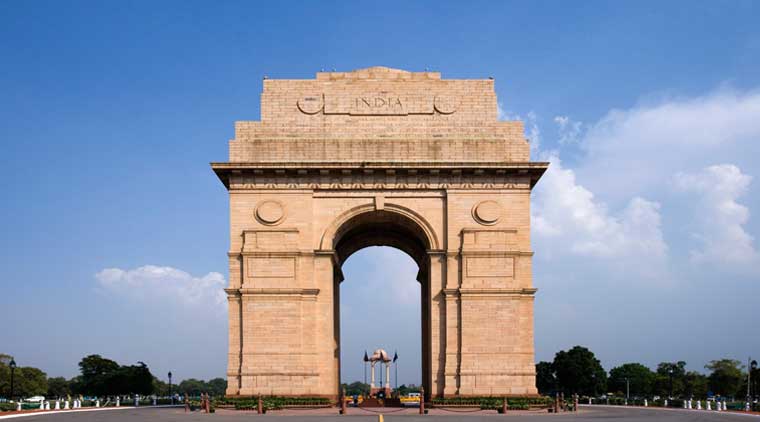 8D / 7N
Golden Triangle Tour With Ranthambore
- Visit India Gate
- Visit Agra Fort
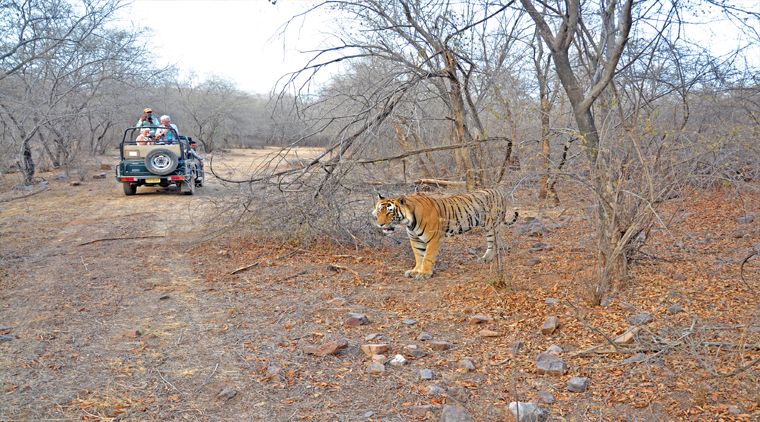 4D / 3N
Ranthambore Package
- Visit Ranthambore Fort Enjoy Jeep or Canter Safari
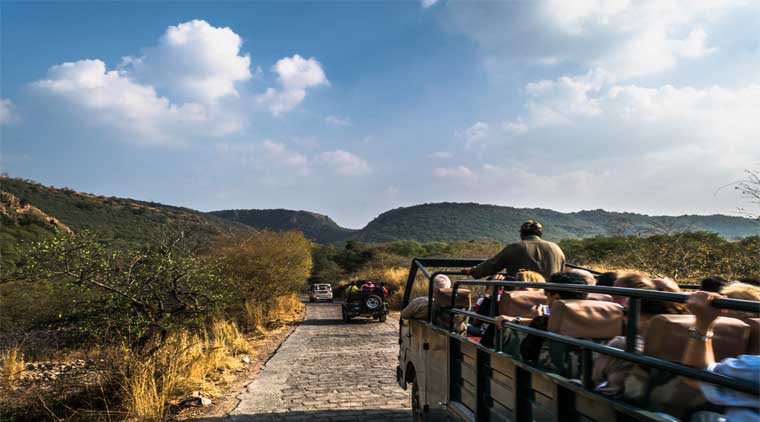 3D / 2N
Ranthambore Jaipur Package
- Visit Ranthambore National Park
- Visit Chokhi Dhani