Palani Travel Guide
The best months are October to March , pleasant for the climb, and the best hour of any day is the cool early morning . The thing to plan around is Thaipusam, when the hill is at...
When to visit Palani, and the festival crowds
The best months are October to March, pleasant for the climb, and the best hour of any day is the cool early morning. The thing to plan around is Thaipusam, when the hill is at its most powerful and most crowded.
- October to March: pleasant for the climbThe comfortable season, cool in the early mornings, which is exactly when to do the hill. The stone steps and the views are at their best before the day warms up, and the climb is far easier in the cool. This is the window most pilgrims and our own Arupadai Veedu tours favour.
- Come early in the day, whatever the monthReach the hilltop for the cool early morning. The light is soft, the queues are shorter, and the climb or the winch wait is far gentler than in the midday heat. The temple opens around 5:30 am, and the first hour is the calmest darshan you will get.
- Avoid the high summer for the stepsApril to June can be hot and hard going on the hill and the 693 steps. If you come then, do the darshan at dawn, take the winch or rope car rather than the steps, and rest through the heat. Carry water and sun cover for the open hilltop.
- The monsoon monthsThe northeast monsoon can bring rain to this part of Tamil Nadu around October and November. A wet morning makes the steps slippery, so the rope car or winch is the safer choice then, and a folding umbrella earns its place in the bag.
Thaipusam is Palani's greatest festival: in 2026 it runs about 26 January to 4 February, with the main chariot day about 1 February, and draws several lakh kavadi devotees, with queues of many hours for the hilltop. Panguni Uthiram in 2026 runs about 26 March to 4 April, with the celestial wedding about 31 March and the grand chariot procession about 1 April. Both bring vast crowds. If you want the festival, book far ahead; if you want a calm darshan, plan around these windows, and reconfirm exact dates on the temple calendar before you fix flights.
Palani temple timings and daily poojas
The first darshan, Viswaroopa Darshan, is around 5:40 am. The hill temple stays open through the day, and the last main pooja on a normal day is about 8:00 pm, with darshan often continuing a little later. On big festival days it opens as early as 4:00 am. Timings can change on festival and eclipse days, so please confirm for your date.
- Viswaroopa Darshan, around 5:40 amThe first sight of the Lord and the start of the temple day. This is the coolest, calmest hour to have darshan and to climb the hill.
- Vila Pooja, around 6:50 amThe early morning worship soon after the temple opens.
- Sirukala Santhi Pooja, around 8:00 amThe forenoon worship to Lord Murugan.
- Kalasandhi Pooja, around 9:00 amA main morning pooja, offered with a special alangaram, the daily decoration of the deity.
- Uchikala Pooja, around 12:00 noonThe midday worship.
- Sayaratchai Pooja, around 5:30 pmThe evening worship as the day begins to cool.
- Rakkala Pooja, around 8:00 pmThe last pooja of the day, before the temple settles for the night.
Mobile phones are not allowed inside the hill temple, and there are storage counters near the winch, the steps and the rope car for a small charge. Going up, the rope car takes about three minutes for around 15 rupees and the winch about five minutes for around 10 rupees, and the steps are free. The full details of each way up are in the section below. These pooja times follow the temple's own website, palani.org, but please reconfirm for festival days.
How to reach Palani
Palani sits inland near Dindigul, with its own railway station and two airport gateways within a couple of hours, and the hill town of Kodaikanal about an hour and a half away.
- By air via Coimbatore or MaduraiCoimbatore (about 110 km, the larger airport, code CJB) is the usual gateway, around a 2 to 3 hour drive. Madurai (about 120 km, code IXM, with its own great temple) is the other, and has limited Gulf and Southeast Asia links. We arrange a car with an experienced driver from either airport straight to the temple town.
- By train to Palani stationPalani has its own railway station (code PLNI), linked to Madurai, Coimbatore, Dindigul and beyond. It is a handy way in for pilgrims coming across Tamil Nadu, and the temple is a short auto-rickshaw ride from the station. Book on IRCTC a little ahead in festival season.
- By road, and pair with KodaikanalDindigul is about 60 km away and Kodaikanal, the cool hill station, is about 65 km by road up the ghats, roughly a 2 hour drive (it is closer in a straight line but the motorable route winds up the hills). Many pilgrims pair the Palani darshan with a night or two in Kodaikanal, an easy and rewarding combination.
- Getting around the townThe town itself is small and the temple foot is walkable from the station and most hotels, with auto-rickshaws for the short hops. Agree the auto fare before you set off, as drivers quote high to pilgrims and visitors. Everything you need for the darshan clusters around the hill base.
Fly into Chennai or Bengaluru, then connect to Coimbatore or Madurai and drive to Palani in about 2 to 3 hours. Palani is the most visited of the six abodes of Murugan, the heart of the devotion for many overseas Tamils.
Madurai (IXM) has limited links to the Gulf, Singapore and Colombo that suit diaspora Murugan devotees; otherwise fly into Coimbatore or Chennai and continue by road. Many diaspora pilgrims time the trip to Thaipusam.
Coimbatore and Madurai are the air gateways, and Palani's own station (PLNI) links it by rail across Tamil Nadu. By road it is easily reached from Dindigul, Madurai, Coimbatore and Kodaikanal, and slots onto a wider Tamil temple circuit.
The hill temple, the darshan, and what you actually pay
Palani is the hilltop shrine of Dhandayuthapani, the renunciate Murugan, with its free darshan, its special darshan ticket, and the famous GI-tagged Panchamirtham. The ticketing and the rules have a few quirks worth knowing.
- Darshan timings and the free queueThe hill temple is open about 5:30 am to 9:30 pm. General darshan is free, and the cool early morning is the calmest time to go up. On festival days the hours and the winch and rope-car services extend, but the queues lengthen too, so dawn is your friend on a busy day.
- Special darshan, and no paid VIPA special darshan ticket of about 100 rupees lets you reduce the wait at busy times. Beyond the official special darshan and entrance-fee queues, the temple sells no separate paid VIP fast-track, so buy only at the official counters and ignore anyone promising quicker entry for a fee.
- The Panchamirtham prasadamPalani's Panchamirtham, a semi-solid blend of banana, jaggery, cow ghee, honey and cardamom (with dates and sugar candy for flavour, and no water or preservatives), earned a Geographical Indication tag on 16 August 2019, the first temple prasadam from Tamil Nadu to do so. Buy it from the official temple counters as your prasadam to carry home.
- Abhishekam, archanai and head tonsuringAbhishekam (the ritual bathing of the deity) and archanai are performed through the day and arranged at the temple counter; ask in advance for the abhishekam timings on your day, as they shift around the festival calendar. Many devotees also offer their hair (head tonsuring) as a vow, done at the tonsure halls at the hill foot.
Mobile phones and camera gadgets have been banned inside the hill temple since 1 October 2023. Counters at the winch, steps and rope-car stations hold your phone for about 5 rupees and return it after darshan, so plan to go up without it and decide who carries it before you start. Men should wear a dhoti and shirt or trousers and shirt; lungis, shorts, bermudas, jeans and tight leggings are not allowed, and the dress code applies to foreign visitors too.
Reaching the hilltop sanctum: winch, rope car or steps
The heart of a Palani visit is getting up the roughly 150 metre hill to Dhandayuthapani, and there are four ways to do it. Knowing the fares and which is quicker is the single most useful thing to plan.
- The winch train, easiest for eldersThe winch train runs on rails for about 290 metres and takes around 5 minutes. The ordinary winch is roughly 10 rupees one way and the faster special winch about 50 rupees one way, and it runs about 5 am to 9 pm on normal days, extended on festival days. It is the gentlest assisted option for older parents, the unwell and children, and the classic Palani way up.
- The rope car, quick and scenicThe rope car (a cable car) covers about 323 metres in around 3 minutes, with sweeping views of the town and the hills. The fare is about 15 rupees one way, with a faster special trip about 50 rupees, and it runs about 7 am to 9 pm with a midday break around 1:30 pm to 2:30 pm. It is the quickest ride up when it is running, so reconfirm the break time before you rely on it.
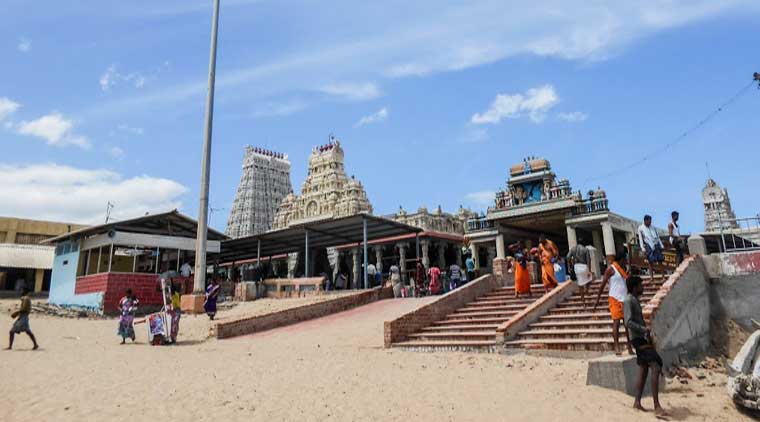
- The 693 steps, as a vowWalking the 693 steps is itself an act of devotion, and takes a fit pilgrim about 20 to 40 minutes. Do it in the cool early morning, carry water, and pause at the small shrines on the way. It is the traditional and most rewarding ascent, and there are landings to rest at, so even unhurried walkers manage it.
- The elephant path, the gentle walkThe elephant path is a longer but gentler winding route up, kinder than the steep steps for elderly walkers and children who still want to climb on foot rather than ride. It is the choice for those who want the walk without the strain of the stairs, and a quieter way to the top.
For speed, the rope car is the quickest ride up; for the gentlest assisted climb, take the winch; for the vow, walk the steps or the elephant path. On Thaipusam and other peak days the winch and rope-car queues can run to a few hours, so go up at dawn or be ready to wait. Remember the phone ban before you join the queue, and carry only a little cash, your prasadam money and water.
The festivals, the Idumban shrine and Kodaikanal
Beyond the hilltop darshan, Palani has its great festivals, the Idumban shrine and girivalam path at the foot of the hill, and the cool hill station of Kodaikanal an hour and a half away.
- Time Thaipusam, or avoid itThaipusam at Palani, with its mass kavadi processions, is one of the great sights of Tamil devotion, but the crowds run to several lakh in a single window (about 26 January to 4 February in 2026). Decide whether you want the festival or a calm darshan, and book far ahead either way, as rooms in town fill weeks before.
- The Idumban shrine and the kavadiThe Idumban shrine at the foot of the hill is tied to the origin of the kavadi offering carried up to Murugan. Many devotees offer a simple kavadi or a milk-pot (paal kudam) as a vow; your operator or the temple can guide a gentle version that suits older or first-time pilgrims.
- Walk the girivalam pathPilgrims also circumambulate the hill on the girivalam path at the base, a quieter, level walk that suits those who do not want the climb, with lighting and shrines along the way. It is a gentle way to feel the hill without the steps, especially in the cool of the evening.
- Pair with KodaikanalKodaikanal, the cool hill station, is about 65 km away by road, roughly a 2 hour drive up the ghats. A night or two there, after the darshan, balances the pilgrimage with the lake, the viewpoints and the cool air. It is a favourite pairing for families and the natural second leg of a Palani trip.
Buy the GI-tagged Panchamirtham and the other prasadams from the official temple counters as the taste of Palani to take back, and check the use-by note, as it is made without preservatives. Eat at busy, clean vegetarian places in the town and drink bottled or filtered water across the day, especially after the climb.
Where to stay in Palani, and how many hours you need
Most pilgrims stay close to the hill foot for an early darshan, or treat Palani as a half-day stop on the way to Kodaikanal or Madurai. A few hours covers the darshan; a night lets you do it unhurried.
- Near the hill foot: closest to the darshanThe simplest choice is a hotel or pilgrim lodge near the hill base, so you can be at the winch or the steps for the cool early morning before the crowds. These are mostly clean, simple, vegetarian-friendly pilgrim hotels rather than resorts, and they fill fast in festival season.
- The Devasthanam cottages and lodgesThe temple administration (Devasthanam) and trusts run pilgrim accommodation in town at modest rates, which suits devotees who want a basic, well-placed room for a night. Book ahead around Thaipusam and Panguni Uthiram, when these go first.
- Stay in Kodaikanal or Madurai insteadMany travellers do not overnight in Palani at all: they darshan in the morning and drive on to Kodaikanal (about 65 km) for the hill-station comfort, or base in Madurai (about 120 km) for the Meenakshi temple and better hotels, doing Palani as a day trip.
- How long you needThe darshan itself, with the ride up and down, takes about 2 to 4 hours on a normal day, more on a festival day. A half day covers Palani comfortably as a stop; an overnight lets you do a calm dawn darshan and a relaxed start, which older pilgrims especially appreciate.
Around Thaipusam (about 26 January to 4 February 2026) and Panguni Uthiram (about 26 March to 4 April 2026), rooms in Palani and the Devasthanam lodges are scarce and booked weeks in advance, often at higher rates. If your dates fall on a festival, book well ahead, or base yourself in Dindigul, Madurai or Kodaikanal and come in early for the darshan.
Palani costs and a realistic darshan-day budget
The darshan itself is gentle on the wallet: the rides up the hill, the special darshan and the phone counter are all small, fixed sums. Here is what the main things cost so you can plan and avoid being overcharged.
- The fixed temple costsGeneral darshan is free. The special darshan ticket is about 100 rupees. The rope car is about 15 rupees one way (special trip about 50 rupees), and the winch about 10 rupees one way ordinary, about 50 rupees special. The phone counter is about 5 rupees. These are the rare prices in Palani that are fixed, which makes them a useful anchor.
- A rough darshan-day budgetExcluding your room and long-distance transport, a comfortable darshan day, with the rides up and down, the special darshan, the phone counter, the Panchamirtham and a couple of simple meals, costs only a few hundred rupees a head. Palani is one of the more affordable major pilgrimages in Tamil Nadu.
- The negotiable thingsAuto-rickshaw fares, any garlands and pooja items bought from stalls, and outside-counter prasadams are quoted high to visitors, so agree the auto fare first and buy the official Panchamirtham at the temple counter rather than from touts at the gate.
- Cash and cardsCarry cash for the temple counters, the phone cloak, autos and small eateries, as not all of them take cards or UPI, though the bigger hotels and shops do. There are bank ATMs in the town, but draw cash before a festival day when queues build everywhere.
Buy every ticket (special darshan, rope car, winch, phone counter) only at the official counters, and agree your auto fare before you set off. Almost the only friction in Palani is touts at the gate offering faster entry or pricier prasadam, and both melt away once you stick to the official counters and a price agreed in advance.
Practical logistics: phones, food, water and getting around
The small things that make a Palani darshan smooth, from the phone ban and the cloak counters to food, water, ATMs and the short hops around town.
- Plan for the phone ban firstMobile phones are banned inside the hill temple, so before you climb decide who carries the phone (and leaves it at the cloak counter for about 5 rupees), or leave it at your hotel. This catches first-timers out at the gate, so settle it before you join the queue rather than after a long wait.
- Food and waterPalani is a vegetarian pilgrim town with plenty of simple, clean South Indian eateries near the hill foot. Eat at busy places, carry water for the climb, and drink bottled or filtered water across the day, especially after the steps or the hot hilltop.
- Getting around and ATMsThe hill foot, the station and most hotels are close together, walkable or a short auto ride apart. Bank ATMs are in the town; carry cash for the temple counters and autos, as small vendors run on cash. Agree auto fares before you set off.
- Language and helpTamil is the local language; Hindi is less widely spoken here than in the north, but temple staff, hotels and the tourist trade manage English and basic Hindi, and the darshan signage and queues are easy to follow. Devasthanam staff give preference to elderly and differently abled pilgrims, so ask for help if you need it.
Safety, the climb, scams and staying well
Palani is a calm, deeply visited pilgrim town, and the main things to manage are the climb in the heat, the gate touts, and the festival crowds. A little awareness keeps the darshan happy.
- The climb, the heat and your kneesThe 693 steps are a real climb, steep in places. Do them at dawn, carry water, and if you have knee, heart or breathing trouble, or it is summer, take the winch or rope car instead, which is exactly what they are there for. The hilltop is open and sunny, so carry sun cover and pace yourself.
- Ignore the gate toutsTouts near the hill foot may promise faster VIP darshan, cheaper prasadam or special access for a fee. Beyond the official special darshan ticket there is no paid fast-track, so buy at official counters only and walk past the promises. This is the main friction at Palani and a firm no handles it.
- Festival crowds and your groupOn Thaipusam and Panguni Uthiram the crowds are immense and queues run for hours. Keep children and elderly pilgrims close, agree a meeting point in case you are separated (remember you may not have your phone up top), and do not attempt the steps in a peak crush if anyone in the group is frail.
- Water, food and feetDrink bottled or filtered water, take the usual care with street food, and remember you walk barefoot from the shoe stand up, so the stone can be hot by midday. Early morning spares your feet as well as your lungs. Carry any personal medication with you rather than leaving it in a bag at a counter.
Palani is a busy, family-heavy pilgrim town and is generally calm and easy for solo travellers and women, with standard precautions. Dress modestly per the temple code (which applies to everyone), keep valuables close in the crowds, and prefer the early-morning darshan when the hill is at its most orderly. The Devasthanam queues separate men and women at the sanctum as usual.
Palani for every kind of pilgrim, and on access
Palani draws very different visitors. Here is what the hill offers you, and the one tip that matters for each, including how an older or less mobile pilgrim reaches the top comfortably.
- Senior travellers and on accessibilityVery doable with a little planning, and reviewers often call the hill senior-citizen and differently-abled friendly. Take the winch train (the gentlest assisted way up) or the rope car rather than the 693 steps, go up in the cool early morning, stay overnight rather than rushing, and ask Devasthanam staff for the preference given to elderly pilgrims. The hilltop darshan is well within reach.
- Families with childrenMemorable and easy with the right ride up. The rope car delights children, the winch is gentle, and pairing the darshan with a Kodaikanal break (about 65 km) makes a fine family trip. Mind the phone ban, keep little ones close in the crowds, and carry water for the open hilltop.
- Kavadi and festival devoteesFor Thaipusam at Palani (about 26 January to 4 February 2026), plan far ahead; the kavadi procession is extraordinary but the crowds are immense. We can guide a simple kavadi or milk-pot vow from the Idumban shrine and arrange the logistics around the long wait.
- First-time pilgrimsPalani is the most visited of Murugan's six abodes and a natural first one to do. Choose your way up, buy the GI-tagged Panchamirtham, read the legend of Dhandayuthapani the renunciate before you go, and reach the sanctum at dawn for the calmest first darshan.
- Budget travellersReach Palani cheaply by train to its own station (PLNI), use the free darshan, and take the rope car for about 15 rupees one way or the winch for about 10. Simple, clean vegetarian meals in the town keep the day inexpensive; the whole darshan day costs only a few hundred rupees a head.
- Pilgrims doing the six abodesPalani is one of the Arupadai Veedu, the six abodes of Murugan, and the most visited. It pairs on a wider Tamil Nadu circuit with Thiruchendur on the coast and Swamimalai in the delta. See our Arupadai Veedu tour for the full route and a packaged pilgrimage.
A suggested Palani plan, half day or overnight
How to shape a calm darshan, whether you stop for a few hours on a wider trip or give Palani an unhurried overnight before driving up to Kodaikanal.
- The dawn darshan, the core of any planBe at the hill foot soon after opening, around 5:30 to 6:30 am. Leave your phone at the cloak counter or hotel, take the winch or rope car up (or the steps if you are doing the vow), have the darshan while the hill is cool and quiet, then buy the Panchamirtham on the way down. This is the calmest two to three hours Palani offers.
- The half-day stopOn a Madurai to Kodaikanal or Coimbatore route, a morning darshan with the ride up and down, the prasadam and a quick breakfast in town takes about half a day. You can be on the road to Kodaikanal by late morning, the temple and the hill behind you and the cool ghats ahead.
- The overnight, the unhurried versionStay near the hill foot, do the calm dawn darshan, then take a slower morning: the Idumban shrine, a stretch of the girivalam path, and a proper South Indian breakfast. An overnight is the kind choice for older pilgrims and for anyone who wants the darshan without the rush of a day trip.
- Palani plus Kodaikanal, the classic two-dayDarshan at Palani in the morning, drive the roughly 2 hours up to Kodaikanal for a night or two of lake, viewpoints and cool air, then continue to Madurai or back to Coimbatore. It is the pairing most families and our tours favour, balancing the pilgrimage with a hill-station break.
Two things break a tight Palani plan: arriving in the early afternoon when the rope car takes its midday break around 1:30 pm to 2:30 pm, and tackling the steps in the midday heat. Put the darshan in the early morning, keep the hot middle of the day for the drive or a rest, and you will never find yourself waiting out the break or struggling up hot stone with the clock running.
The real questions pilgrims ask about Palani
Straight answers to the questions that come up again and again on traveller forums and review sites, so you arrive already knowing the score.
- Do I have to climb the 693 steps?No. There are four ways up: the winch train and the rope car carry you to the top in a few minutes, the 693 steps are the traditional climb, and the elephant path is a gentler walk. Take the winch or rope car if the steps are too much; only the vow requires the climb on foot.
- Is it manageable for elderly parents?Yes, with the winch or rope car and an early-morning visit. Reviewers regularly call the hill senior-citizen and differently-abled friendly, and the Devasthanam gives preference to elderly pilgrims. Stay overnight nearby so the darshan is unhurried, and skip peak festival days if comfort matters.
- Can I take my phone inside?No. Phones and camera gadgets have been banned inside the hill temple since October 2023. Leave it at your hotel, or at the cloak counter near the climb for about 5 rupees, returned after darshan. Decide who carries the phone before you start up.
- What is the special darshan, and is there a faster VIP?The special darshan ticket is about 100 rupees and reduces the wait at busy times. Beyond the official tickets the temple sells no separate paid VIP fast-track, so buy at the official counters and ignore touts promising quicker entry for a fee.
- Can a non-Hindu or foreign visitor enter?By a 2024 Madras High Court direction, non-Hindus are not admitted beyond the flagstaff (Kodimaram) without signing a written undertaking that they have faith in the deity and will follow temple customs. Foreign devotees of faith can visit on that basis; plan for this if it applies to your group, and dress to the temple code, which applies to everyone.
- Is one visit enough, and can I pair Kodaikanal?One unhurried darshan, ideally at dawn, is enough for the hilltop shrine; you do not need more than a half day to a day for Palani itself. Pair it with Kodaikanal (about 65 km, roughly 2 hours up the ghats) for a fine two-day trip, or with Madurai for the Meenakshi temple.
Planning Palani from abroad
Palani is the heart of Murugan devotion for the Tamil diaspora, and with a little planning the hilltop darshan is very doable for overseas and NRI pilgrims, including older parents. A few rules are worth knowing before you fly.
- Fly into Coimbatore or MaduraiCoimbatore (about 110 km, the larger airport) is the easiest gateway, around a 2 to 3 hour drive, and Madurai (about 120 km) has limited links to the Gulf, Singapore and Colombo that suit diaspora devotees. From either we arrange a car to Palani, and many pair it with the Meenakshi temple in Madurai.
- Mind the climb for older parentsThe hilltop is reached by the winch (the gentlest assisted way up, about 5 minutes), the rope car (about 3 minutes), the 693 steps, or the elephant path. For older parents take the winch or rope car and go up in the cool morning; the temple staff give preference to elderly and differently-abled pilgrims.
- Know the dress, phone and entry rulesMen should wear a dhoti and shirt or trousers and shirt, foreigners included; jeans, shorts, bermudas and tight leggings are turned away. Phones are banned inside the hill shrine (cloak counter about 5 rupees). By a 2024 Madras High Court direction, non-Hindus are not admitted beyond the flagstaff without signing a written undertaking of faith, so plan for this if it applies to your group.
- Time it to Thaipusam, and pair KodaikanalMany diaspora devotees come for Thaipusam (about 26 January to 4 February in 2026); plan far ahead, as the crowds run to several lakh and rooms fill weeks before. After the darshan, the cool hill station of Kodaikanal is about 65 km away, a lovely two-day pairing that softens the long-haul jet lag.
Money, connectivity and timing for foreign visitors
The practical basics an overseas pilgrim needs for a small temple town: cash, cards, a SIM, the phone ban, and how many days to give Palani on a wider South India trip.
- Carry cash, expect small fixed sumsThe temple counters, autos and small eateries run on cash, though bigger hotels and shops take cards and UPI. The temple costs are small and fixed (special darshan about 100 rupees, rope car about 15, winch about 10, phone counter about 5), so draw a little cash at a town ATM and keep small notes for the counters and autos.
- Get a SIM at the airportPick up an Indian tourist SIM or an eSIM when you land in Chennai, Coimbatore or Madurai rather than hunting for one in a small pilgrim town. Coverage in Palani is fine for maps and calls, but remember the phone stays outside the hill shrine, so it is for the journey, not the darshan.
- How long to give it on a bigger tripOn a wider South India temple trip, half a day to a day is the right weight for Palani itself: enough for an unhurried dawn darshan, the Panchamirtham and the Idumban shrine, without slowing the whole itinerary. Add a night or two in Kodaikanal to turn it into a restful pairing.
- Time your visit to your comfortOctober to March is the comfortable window for the climb. If you want the spectacle of Thaipusam, plan around late January to early February and book far ahead; if you want a calm darshan, come in the quieter weeks and reach the hilltop at dawn, and you will have a gentle, orderly visit.
Palani is a gentle introduction to a South Indian hill temple: small, well-organised, and reachable by an assisted ride up rather than only by stairs. Slot it between Madurai and Kodaikanal, give it a calm dawn darshan, and let it be the spiritual heart of the trip. Many overseas devotees say the early-morning darshan at the top, with the Tamil plains spread below, is the moment they remember most.
The fruit of wisdom, and the renunciate on the hill
Palani's name and its deity come from a contest between the two sons of Shiva and Parvati. When the sage Narada offered a divine fruit, the jnana-pazham or fruit of wisdom, to be given to whichever son first circled the world, the elder Ganesha simply walked around his parents, saying they were his whole world, and won the fruit. The younger Murugan, who had raced around the earth on his peacock, arrived to find the prize gone. Hurt, he renounced his ornaments, took the staff of a hermit and withdrew to this hill, where Shiva consoled him that he himself was the fruit of all wisdom, the pazham nee, words from which devotees say the name Pazhani, Palani, comes. So the deity here is Dhandayuthapani, the renunciate Murugan who holds only a staff. Tradition also holds that the hilltop idol was made by the siddhar Bogar from Nava Pashanam, a fusion of nine substances, and that the temple's Panchamirtham, GI-tagged in 2019, carries the same care for what is offered. These are devotional traditions rather than documented history, and we give them as the living stories pilgrims carry up the hill.
Planning a Palani trip?
Our Tamil Nadu travel experts plan your full journey for you: route, hotels, darshan timings and transport. You get a free day-by-day plan and an exact quote on WhatsApp, usually within a few hours. No payment is needed to get your plan.
Tour packages that visit Palani
Every journey below is private, hand-crafted and fully customizable. Tell us your dates and we tailor the itinerary, the pace and the priests or guides around you.