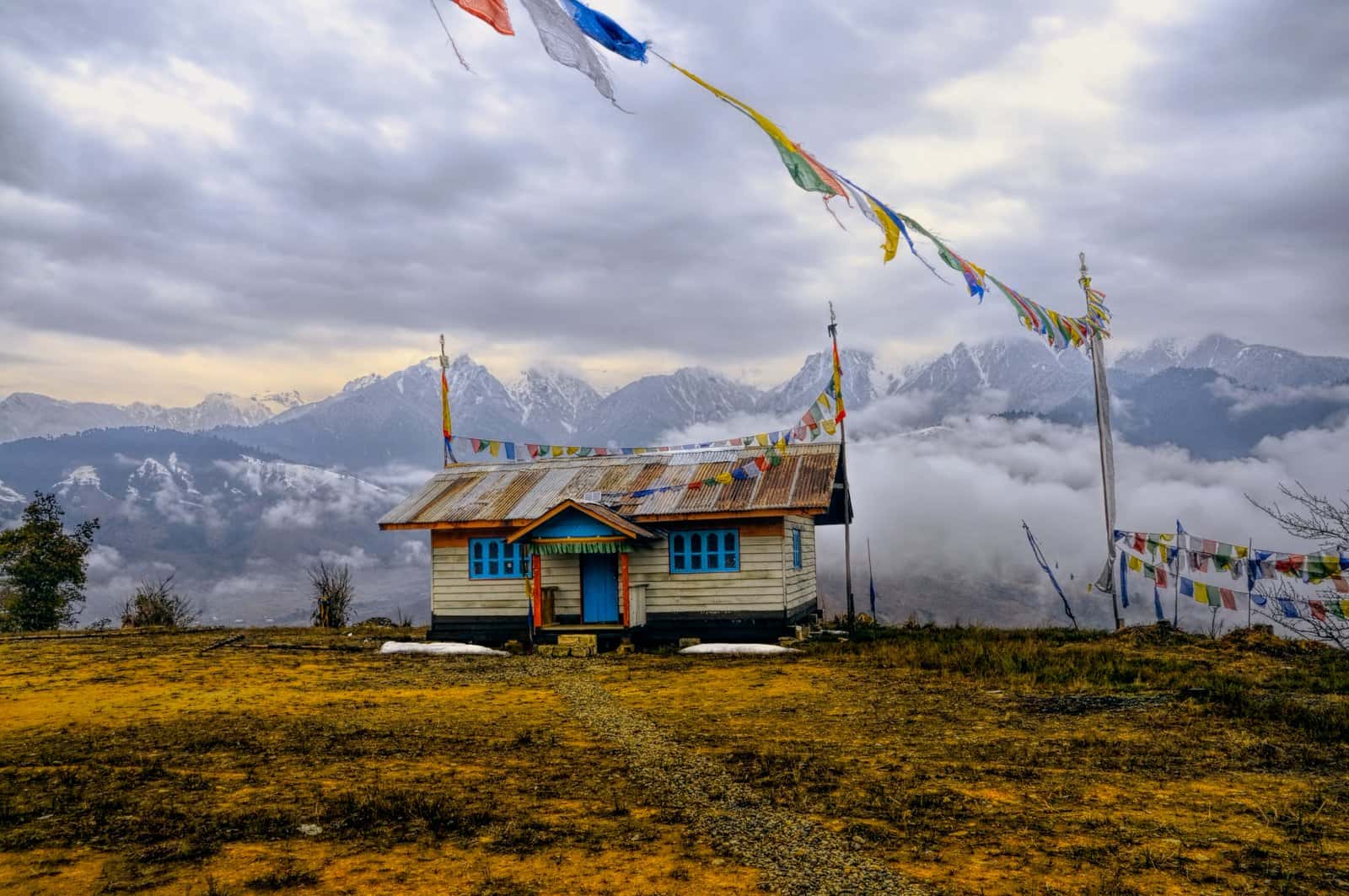
Tawang Travel Guide
The comfortable window is roughly March to June and September to November . Winter is beautiful but the high road can still close in spells, and the monsoon brings landslides, so...
When to visit Tawang, and the snow question
The comfortable window is roughly March to June and September to November. Winter is beautiful but the high road can still close in spells, and the monsoon brings landslides, so choose your weeks with care.
- March to June: clear skies and rhododendronsThe most reliable season for the drive and the high day trips. Days are pleasant, nights are cold, and the rhododendrons colour the slopes between Bomdila and Sela. Carry layers even in summer, as the passes stay chilly.
- September to November: crisp and clear after the rainsOnce the monsoon eases, the air clears for the long mountain views and the Sela crossing. It is a lovely, settled time to come, though by late November the nights turn sharply cold and the first snows can dust the high country.
- December to February: snow, with a caveatTawang under snow is magical and the festivals are special, but even with the Sela Tunnel a heavy spell can still block the wider high road for a time. Come for the snow if you want it, but keep buffer days and watch the forecast.
- July and August: the monsoon riskThe rains raise the chance of landslides and roadblocks on the Bhalukpong to Bomdila stretch, and a slip can hold you up for hours or longer. If you must travel then, build in slack and do not plan tight connections.
Before March 2024 the only way to Tawang was over Sela Pass at about 4,170 metres, which heavy snow could shut for days at a time. The Sela Tunnel, inaugurated on 9 March 2024, runs about 400 metres lower at around 3,000 metres and gives Tawang all-weather road access, bypassing the worst of the snow and the hairpin bends. It has made winter far more dependable, but it is not a guarantee, as heavy weather can still affect the longer route, so treat a December to February trip as more weather-dependent than a spring or autumn one.
How to reach Tawang
Tawang has no airport or railway of its own. Almost everyone flies to Guwahati or Tezpur in Assam, then drives up over two days through Bomdila, Dirang and the Sela crossing.
- Guwahati, the practical gatewayLokpriya Gopinath Bordoloi airport at Guwahati is the main gateway, well connected to Delhi, Kolkata, Mumbai and the metros. Tawang is about 480 km away, roughly 14 to 16 hours of mountain driving, which is why the trip is split over two days with a night halt.
- Tezpur and Itanagar, the closer airportsSalonibari airport at Tezpur is closer at about 330 km but has only limited flights, so check current routes before relying on it. Donyi Polo airport at Hollongi near Itanagar is about 440 km. Guwahati remains the most reliable for connections.
- By trainThe nearest railheads are Rangapara North or Tezpur in Assam, and Guwahati is the major junction. From any of them it is a road journey up into the mountains, so the train only gets you to the foothills.
- The two-day drive, and a word on helicoptersThe road climbs from Bhalukpong through Bomdila and Dirang before Tawang, and breaking the journey overnight is both wise for the altitude and far more enjoyable. A helicopter service from Guwahati operates in good weather and saves time, but it is weather-dependent, so never count on it as your only plan.
Fly into Delhi or Kolkata, connect to Guwahati, then drive up over two days. Remember that foreign nationals must arrange a Protected Area Permit in advance and that, by rule, foreigners enter the Northeast states by air, covered in the overseas sections below.
Route via Delhi or Kolkata to Guwahati, the gateway for the Tawang drive. Build in time for the permit and the two-day road journey, and do not plan tight onward connections from the mountains.
Fly or train to Guwahati (or fly to Tezpur if a flight suits), arrange your Inner Line Permit online first, then take a shared Sumo or a hired car up through Bomdila and Dirang to Tawang.
Permits for Tawang: ILP for Indians, PAP for foreigners
This is the part most pages get muddled. Indian nationals need an Inner Line Permit; foreign nationals need a Protected Area Permit. They are different documents with different routes, and getting it right before you book saves a ruined trip.
- Indian nationals: the Inner Line PermitAny Indian who is not a resident of Arunachal Pradesh needs an Inner Line Permit to enter the state, Tawang included. Apply online before you travel at the official Government of Arunachal Pradesh portal, eilp.arunachal.gov.in. On that portal's own fee table the tourist eILP is about 100 rupees per person, and the provisional permit is valid for up to 30 days. Reconfirm the current fee on the portal, as figures change.
- Beware the stale fees onlineMany travel pages still quote a tourist ILP of about 300 to 500 rupees. The official portal's published table shows about 100 rupees per person for a tourist eILP, so trust the portal over the blogs and check it yourself when you apply.
- Foreign nationals: the Protected Area PermitThe whole of Arunachal Pradesh is a Protected Area, so every foreigner except a citizen of Bhutan needs a Protected Area Permit rather than an ILP. Apply through an Indian Mission abroad, an FRRO once in India, or a registered Arunachal tour operator; the official portal links foreigners to the FRRO e-services site at indianfrro.gov.in. Allow several weeks.
- The group rule and the restricted nationalitiesUnder Ministry of Home Affairs guidance the Protected Area Permit is normally issued to a group of two or more, or a married couple, with travel by a recognised operator, and an individual foreign tourist usually needs prior Ministry of Home Affairs clearance. Citizens of Afghanistan, China and Pakistan, and people of Pakistani origin, are not normally granted a permit without prior Ministry approval.
First, foreign nationals are barred from Bumla Pass on the India-China border even with a valid Protected Area Permit; the high border passes are open to Indian nationals only, so do not build a foreign-passport trip around the LAC viewpoints. Second, foreigners are required to register with the local police or Foreigners Registration Office, usually within 24 hours of arriving at a hotel. Both rules catch out independent travellers, so plan around them and lean on a registered operator if in doubt.
Tawang Monastery, the lakes and the passes
Tawang is its great Gelug monastery, the high lakes and waterfalls around it, and the dramatic Sela crossing. A few of the best places need a special permit, covered in the experiences section.
- Tawang Monastery (Galden Namgey Lhatse)The heart of any visit, founded around 1680 to 1681 by Merak Lama Lodre Gyatso at the wish of the fifth Dalai Lama, and regarded as the largest monastery in India. It belongs to the Gelug school of Tibetan Buddhism and sits at about 3,000 metres above the Tawang Chu valley. Go early for the prayers, dress modestly, and ask before photographing inside the prayer halls.
- Sela Pass and the Sela TunnelOn the road in, the Sela crossing at about 4,170 metres is a highlight in its own right, with the small Sela Lake near the top. Since March 2024 the Sela Tunnel offers an all-weather route below the pass; many travellers still stop at the pass for the views in good weather, then use the tunnel as the dependable way through.
- Nuranang Falls and the war memorialNear Jang on the way up, Nuranang Falls is a powerful drop worth a stop. In Tawang town, the Tawang War Memorial honours the soldiers of the 1962 conflict and is a moving, well-kept place with an evening sound and light show in season.
- Madhuri Lake and Bumla PassThe famous high lake known as Madhuri Lake (Sangetsar Tso) and the border pass at Bumla are the bucket-list day trips, but both need a special local permit and a local vehicle, and Bumla is for Indian nationals only. See the experiences section for exactly how to arrange them.
Tawang is a living Buddhist place. Walk clockwise around stupas and prayer wheels, remove shoes where asked, lower your voice in the prayer halls, and ask before photographing monks or rituals. The same respect goes for the war memorial and the border areas, where photography may be restricted on military grounds, so follow the signs and the guidance of your driver or guide.
Signature experiences, and the permit logistics that make them work
Beyond the monastery, these are the experiences people remember, and the practical steps, permits, fuel and cash, that decide whether the high day trips actually happen.
- The morning prayers at the monasterySitting quietly through the early prayers, with the chanting and the butter lamps, is the most atmospheric thing you can do in Tawang and it costs nothing. Arrive early, stay at the edges, and let the rhythm of the place carry the morning.
- The Bumla Pass and Madhuri Lake day tripThis is the classic high day out, but it needs planning. The local permit is processed at the office of the Deputy Commissioner in Tawang and countersigned by the Indian Army, usually arranged the day before through your hotel or driver. Out-of-state vehicles are not allowed up to Bumla, so you hire a local Tata Sumo. Foreign nationals cannot go to Bumla at all.
- Fill up and carry cash firstThere is no fuel station past Tawang town toward Bumla or Madhuri Lake, so fill the tank in town the evening before. ATMs are scarce and the Tawang machines often run dry, so carry enough cash from Guwahati or Tezpur for the whole high stretch, including the permit, the Sumo and meals.
- The drive itself, Bomdila to TawangThe road through Bomdila, Dirang and the Sela crossing is one of the great Himalayan drives, with monasteries, apple orchards, hot springs at Dirang and the long views from Sela. Give it time rather than rushing, both for the altitude and because the road is the experience.
- Festivals and the local cultureIf your dates align with the Torgya festival at the monastery or the Tawang Festival, you will see masked dances, yak performances and the Monpa culture at its most vivid. These are winter events, so weigh the snow and road risk against the spectacle.
The single thing that derails a Bumla and Madhuri Lake plan is leaving the permit to the morning. The papers go through the office of the Deputy Commissioner and are countersigned by the Army, which takes time, so ask your hotel or driver to start it the day before. Pair that with a full tank and enough cash in hand, and the high day trip goes smoothly; leave any of the three to chance and you can lose the day entirely.
Where to stay in Tawang, and where to break the drive
Stay in Tawang town for the monastery and the day trips, and plan a night at Dirang or Bomdila on the way up to acclimatise. Rooms run from simple homestays to a few comfortable hotels.
- Tawang town: your baseMost travellers base in Tawang town, walkable to the monastery and the war memorial and the launch point for the Bumla and Madhuri Lake day trips. Choose a stay with reliable heating and hot water, as nights are cold year round at this altitude.
- Dirang or Bomdila: the acclimatisation haltBreaking the climb with a night at Dirang at around 1,800 metres or Bomdila at around 2,200 metres is the smart move, both for the altitude and to split the long drive. Dirang in particular is a pretty, gentler-altitude town with hot springs and good homestays.
- What rooms costExpect homestays from roughly 1,500 to 2,500 rupees a room, mid-range hotels around 3,000 to 4,000 rupees, and a small number of premium properties above that. Prices swing with season and festivals, and high winter and holiday weeks cost more, so book ahead and reconfirm rates.
- How many nights in TawangTwo nights in Tawang town is the comfortable minimum: one day for the monastery, the war memorial and the town, and one for the Bumla and Madhuri Lake high trip. With the drive and acclimatisation halts, the whole trip from Guwahati and back is realistically six to eight days.
It is tempting to push from the Assam plains straight toward Tawang, but climbing from near sea level to about 3,048 metres in one go, over the 4,170 metre Sela crossing, is exactly how people make themselves ill. A night at Dirang or Bomdila lets your body adjust, breaks a punishing drive into two manageable days, and turns the journey into part of the holiday rather than an ordeal. It is the single best comfort decision on the whole trip.
Tawang costs and a realistic budget
Tawang is not expensive once you are there, but the long drive, the hired vehicle and the high day trips are the real costs. Here is what to plan for, and the cash habit that keeps it smooth.
- The permitsFor Indians the tourist eILP is about 100 rupees per person on the official portal, a small line in the budget. The bigger permit cost is the local arrangement for Bumla and Madhuri Lake in Tawang, so ask your hotel or operator for the current figure and add the local Sumo hire on top.
- Getting up and aroundThe dominant cost is the vehicle. A shared Sumo seat from Tezpur up toward Tawang has been quoted in the region of 1,200 to 2,000 rupees per seat in recent seasons, though fares move, so reconfirm locally; a private car for the whole multi-day trip costs considerably more and is the usual choice for families and comfort.
- Rooms and mealsHomestays run roughly 1,500 to 2,500 rupees a room and mid hotels around 3,000 to 4,000 rupees, with simple, warming local food inexpensive throughout. Budget more in winter and around festivals when demand spikes.
- Carry cash, expect to spend itBecause ATMs are scarce and unreliable past Dirang, draw the cash you need in Guwahati or Tezpur. Cards and digital payments are accepted only patchily, so a comfortable Tawang trip runs largely on cash once you leave the plains.
Because the bank machines past Dirang are scarce and often empty, the single most useful budgeting habit for Tawang is to carry enough cash from Guwahati or Tezpur to cover the whole high stretch: the permits, the vehicle, the rooms, meals and a buffer for a roadblock day. Travellers who skip this end up stranded without money in a town where their card does not help, while those who plan it never give the cost a second thought on the road.
Practical logistics: cash, signal, fuel and getting around
The small things that make a Tawang trip work, from the cash-and-fuel reality to the patchy mobile signal and the shared Sumo system, in one place.
- Cash is king past DirangATMs are scarce beyond Dirang and the Tawang town machines often run out of cash. Carry enough from Guwahati or Tezpur for the whole trip. Digital payments work only patchily, so do not rely on them in the mountains.
- Fuel: fill up in townThere is no fuel station past Tawang town toward Bumla or Madhuri Lake. Fill the tank in town before any high day trip, and top up at the larger towns, Tezpur, Bomdila and Dirang, on the way up rather than running low.
- Mobile signal and SIMsCoverage is patchy with long dead zones around Sela and the high country. BSNL and Jio give the best chance of signal in and around Tawang, and prepaid SIMs generally work better than postpaid in the Northeast. Download offline maps and tell people you may be out of contact for stretches.
- Getting aroundShared Sumos run the main routes and leave early, often before dawn, from the taxi stands in Guwahati (Paltan Bazar) and Tezpur. There is usually no single direct Tawang to Guwahati taxi, so the return is done in legs via Bomdila. A hired car for the whole trip is the simplest option for families and seniors.
Altitude, road safety and staying well in Tawang
Tawang is a safe and welcoming place, but the altitude and the mountain road are the real risks. A little planning keeps the trip happy and healthy.
- Altitude sickness is the main riskTawang town is at about 3,048 metres and the Sela crossing tops 4,170 metres, high enough for altitude sickness to be a genuine risk, especially after a fast climb. Acclimatise with a night at Dirang or Bomdila, ascend slowly, drink plenty of water, avoid alcohol on the way up, and watch for headache, nausea, dizziness and breathlessness.
- Know when to descendIf altitude symptoms get worse rather than better, the safest response is to descend to a lower town such as Dirang and rest. Travellers with heart or lung conditions, and older travellers, should talk to a doctor before the trip and consider asking about preventive medication.
- The mountain roadThe road is long, winding and shared with trucks, and weather can change fast. Travel by day, use an experienced local driver rather than self-driving if you do not know mountain roads, and never plan a tight schedule that pressures the driver. In the monsoon, landslides can block the route for hours.
- Cold and the sunNights are cold year round and bitter in winter, so pack proper warm layers, a hat and gloves even in summer. At altitude the sun is strong, so carry sunscreen, lip balm and sunglasses for the snow glare on the high passes.
Tawang is low on the kind of scams that plague busy tourist towns, but travellers on forums such as IndiaMike report being told a local union rule forces them out of their own arranged car and into a local cab. Some of this is genuine, as out-of-state vehicles really are not allowed up to Bumla, but some is sales pressure. Confirm what is an actual rule, the Bumla local-vehicle requirement is real, and book your road transport through a reputable operator so the legitimate local arrangements are handled for you.
Tawang for every kind of traveller, and on access
Tawang rewards very different visitors, but the altitude and the long road shape who enjoys it and how. Here is the one tip that matters for each, including how a senior travels comfortably.
- CouplesQuiet, dramatic and romantic: the monastery at dawn, the high lakes, snow on the passes and cosy mountain stays. An unhurried week with a private car lets you savour the drive and the altitude rather than racing it.
- Families with childrenDoable and rewarding, but pace it gently for the altitude, keep a night at Dirang on the way up, and pack warm layers and snacks for the long drive days. Younger children feel the altitude too, so watch them for headaches and tiredness.
- Senior travellers and on accessibilityFeasible with care. The altitude and the two-day drive are the challenges, not the sights, which are mostly road-accessible. Acclimatise at Dirang, take a private car rather than a shared Sumo, check with a doctor about the altitude beforehand, and consider skipping the highest day trips if they feel too much. The reward, the great monastery and the mountains, is well worth the gentle pace.
- Solo travellers and backpackersVery doable using shared Sumos and homestays, and the Northeast is generally welcoming. Plan the early-morning Sumo departures, carry cash, expect patchy signal, and remember the return is done in legs via Bomdila rather than a single ride back.
- PhotographersThe monastery, the prayer flags on the passes, Madhuri Lake and the Monpa faces are extraordinary subjects. Respect the no-photography signs at the war memorial and the border areas, and always ask before photographing monks or people at prayer.
- First-timers to the NortheastTawang is a big, committing introduction rather than an easy one, so give it time, sort the permit early, and let an operator handle the road and the local permits if it is your first mountain trip in India.
A suggested Tawang itinerary
How to shape the trip so you acclimatise properly, see the monastery and the high lakes, and never feel rushed on a road that does not reward hurry.
- Day one: Guwahati or Tezpur to DirangStart early, clear the Bhalukpong checkpoint, and climb to Dirang or Bomdila for the night. This first leg both breaks the long drive and lets you acclimatise before the high crossing, so resist the urge to push further.
- Day two: Dirang to Tawang over SelaCross the Sela area, stopping at the pass for the views in good weather or using the tunnel in poor, pause at Nuranang Falls near Jang, and reach Tawang by afternoon. Take the rest of the day gently as your body settles at altitude.
- Day three: Tawang townSpend the day at the monastery for the morning prayers, the war memorial and the town. Arrange the Bumla and Madhuri Lake permit today through your hotel for tomorrow, fill the tank, and draw or set aside cash.
- Day four: the high day trip, then begin the returnDo the Bumla and Madhuri Lake high trip if your permit and the weather allow, then begin the two-day return via Bomdila. All told, plan six to eight days from Guwahati and back so the altitude and the road get the time they need.
The mistake that ruins a Tawang trip is trying to do the Guwahati to Tawang drive in a single day to save time. It is about 480 km of mountain road, roughly 14 to 16 hours, and attempting it in one push is both exhausting and the surest way to bring on altitude sickness by climbing too fast. Split it over two days with a night at Dirang or Bomdila, keep buffer days for weather, and the trip stays a pleasure instead of an ordeal.
The real questions travellers ask about Tawang
Straight answers to the questions that come up again and again on TripAdvisor and IndiaMike, so you arrive already knowing the score.
- Can I get a shared Sumo from Guwahati or Tezpur?Yes. Shared Sumos run the route and leave early, often before dawn, from the Paltan Bazar stand in Guwahati and the Sumo stand in Tezpur. Recent forum fares from Tezpur toward Tawang have been in the region of 1,200 to 2,000 rupees per seat, but fares move, so reconfirm locally. The return is usually done in legs via Bomdila rather than a single direct ride.
- Can I do the drive in one day?It is technically possible but a bad idea. The Guwahati to Tawang road is about 480 km of mountain driving, roughly 14 to 16 hours, and doing it in one push risks altitude sickness from the fast climb. Split it over two days with a night at Dirang or Bomdila.
- How do I avoid altitude sickness?Acclimatise with a night at Dirang or Bomdila, ascend slowly, drink water, skip alcohol on the way up, and watch for headache, nausea and breathlessness. If symptoms worsen, descend. Travellers on the TripAdvisor altitude thread consistently recommend the Bomdila or Dirang halt before the Sela crossing.
- Can foreigners visit Tawang, and can they go to Bumla?Yes, foreigners can visit Tawang with a Protected Area Permit rather than an ILP, usually as a group of two or more through a registered operator. But foreign nationals are barred from Bumla Pass on the border even with the permit, so plan the trip around the monastery and the lower lakes.
- Are there ATMs, and does my phone work?ATMs are scarce past Dirang and the Tawang machines often run dry, so carry cash from Guwahati or Tezpur. Mobile coverage is patchy with long dead zones around Sela; BSNL and Jio give the best chance of signal in town, and prepaid SIMs generally work better than postpaid in the Northeast.
- Is there fuel for the Bumla and Madhuri Lake day trips?No. There is no fuel station past Tawang town toward Bumla or Madhuri Lake, so fill the tank in town the evening before. Out-of-state vehicles are not allowed up to Bumla either, so you hire a local Sumo for that day and arrange the permit a day ahead.
Planning Tawang from abroad: the permit and the rules
Tawang is one of the most rewarding mountain trips in India, but the rules for foreign nationals are stricter than for Indians. Getting the Protected Area Permit and the by-air entry right is the whole game.
- You need a Protected Area Permit, not an ILPBecause all of Arunachal Pradesh is a Protected Area, foreign nationals (everyone except citizens of Bhutan) need a Protected Area Permit, not the Inner Line Permit Indians use. Apply through an Indian Mission abroad, an FRRO once in India, or a registered Arunachal tour operator; the official portal links foreigners to indianfrro.gov.in. Start several weeks ahead.
- The group rule, the royalty and prior clearanceThe permit is normally issued to a group of two or more, or a married couple, with travel by a recognised operator. An individual foreign tourist usually needs prior Ministry of Home Affairs clearance, and citizens of Afghanistan, China and Pakistan, and people of Pakistani origin, are not normally granted a permit without prior Ministry approval, so check your situation early. Budget too for the royalty: the official Arunachal tourism portal states foreign tourists pay about USD 30 per head to the state government and must apply for the PAP through an approved local operator.
- Enter by air and register on arrivalForeigners are required to enter the Northeast states by air, so fly into Guwahati rather than crossing overland, and register with the local police or Foreigners Registration Office, usually within 24 hours of checking into a hotel. A good operator handles this for you.
- Bumla is off-limits to foreignersPlan the trip around the monastery, the war memorial, Nuranang Falls and the lower high lakes, because foreign nationals are barred from Bumla Pass even with a valid permit. Knowing this in advance saves a disappointment on the ground.
Tawang is the one place in India where doing it fully independently as a foreigner is genuinely hard: the Protected Area Permit, the group rule, the by-air entry, the police registration and the local Bumla and Madhuri Lake permits are a lot to juggle from abroad. A registered Arunachal operator turns all of that into a single arrangement, sorts the road transport that the rules require, and keeps you on the right side of regulations you cannot easily check yourself. For most overseas visitors it is the difference between a smooth trip and a permit headache, and we can help arrange it.
Money, connectivity and timing for foreign visitors
The practical basics an overseas traveller needs for a remote, high-altitude region: cash, a working SIM, the altitude, and how to slot Tawang into a wider India trip.
- Carry cash and a working SIMGet an Indian tourist SIM when you land in Guwahati, ideally BSNL or Jio for the best chance of signal up the mountains, and draw plenty of cash in Guwahati. ATMs are scarce past Dirang and cards work only patchily, so a high-altitude region like Tawang runs largely on cash.
- Respect the altitudeTawang town is at about 3,048 metres and the Sela crossing tops 4,170 metres. Build in the acclimatisation night at Dirang, ascend slowly, and if you have a heart or lung condition, speak to your doctor before the trip and ask about altitude medication.
- How long to give itTawang is not a quick add-on; with the permit, the two-day drive each way and the day trips, plan six to eight days from Guwahati and back. Slot it as the centrepiece of a Northeast trip rather than a side stop, perhaps paired with Kaziranga or Meghalaya on the Assam side.
- Time it to the comfortable seasonMarch to June and September to November are the dependable windows. Winter snow is beautiful but more weather-dependent on the high road, and the monsoon raises the landslide risk, so for a first visit from abroad, aim for spring or autumn.
Tawang is one of the great journeys of India, but it is a committing one: high, remote and bound by permits in a way that no other part of a typical first India trip is. If you give it the time it needs, sort the Protected Area Permit early through a registered operator, respect the altitude with a proper acclimatisation halt, and travel in spring or autumn, it rewards you with a Himalayan Buddhist world that very few overseas visitors ever reach. Many who make the effort call it the most memorable part of their India travels.
How a horse is said to have chosen the site of the monastery
Local Monpa tradition tells that the great monastery of Tawang owes its location to a horse. Merak Lama Lodre Gyatso, charged with founding a monastery here in the seventeenth century at the wish of the fifth Dalai Lama, could not decide on the spot. While he prayed for guidance, his horse, which he had let loose, wandered up the mountainside and stopped on a spur above the Tawang Chu valley. Taking this as the sign he had asked for, the lama built the monastery where the horse had halted, and the name Tawang is popularly explained as Ta, horse, and Wang, chosen or blessed, the place chosen by the horse. The monastery that rose there, Galden Namgey Lhatse, founded around 1680 to 1681, is today regarded as the largest in India and remains the spiritual heart of the Monpa world. This is the living oral tradition of Tawang rather than a single fixed scriptural text, and the spelling and details vary between tellings.
Planning a Tawang trip?
Our Arunachal Pradesh travel experts plan your full journey for you: route, hotels, darshan timings and transport. You get a free day-by-day plan and an exact quote on WhatsApp, usually within a few hours. No payment is needed to get your plan.